Jintasaurus
"Jinta lizard"
- Lived
- 121 to 113 million years ago, Early Cretaceous
- Diet
- Herbivore
- Group
- Ornithopods
- Found in
- China
- Named by
- You and Li 2009
Where its fossils were found
The evidence
Today

115 million years ago
Habitat
Its region had rivers, lakes and wet lowlands that dried out seasonally. Dinosaurs recorded from the Xiagou Formation include Xiongguanlong, Archaeoceratops and Beishanlong.
Field notes
About Jintasaurus
What it was like
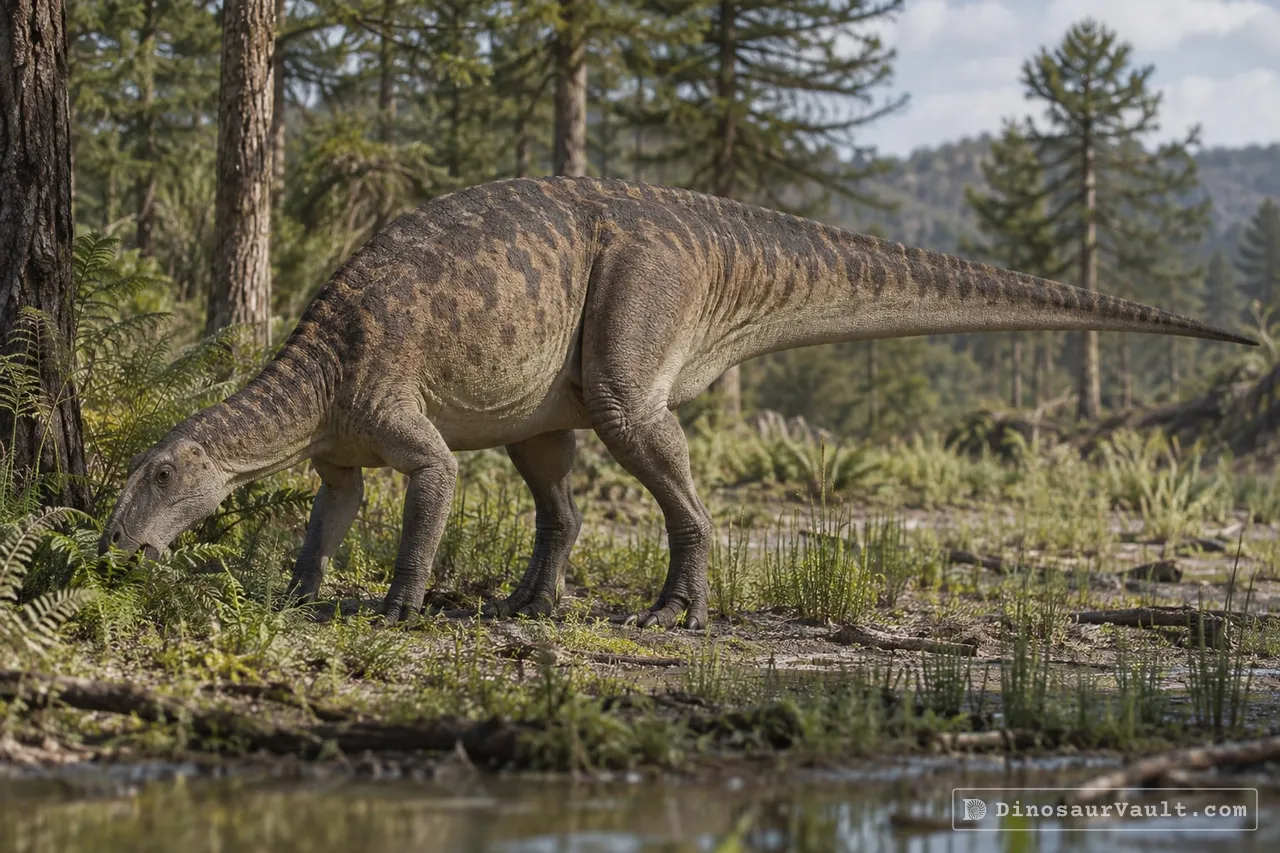
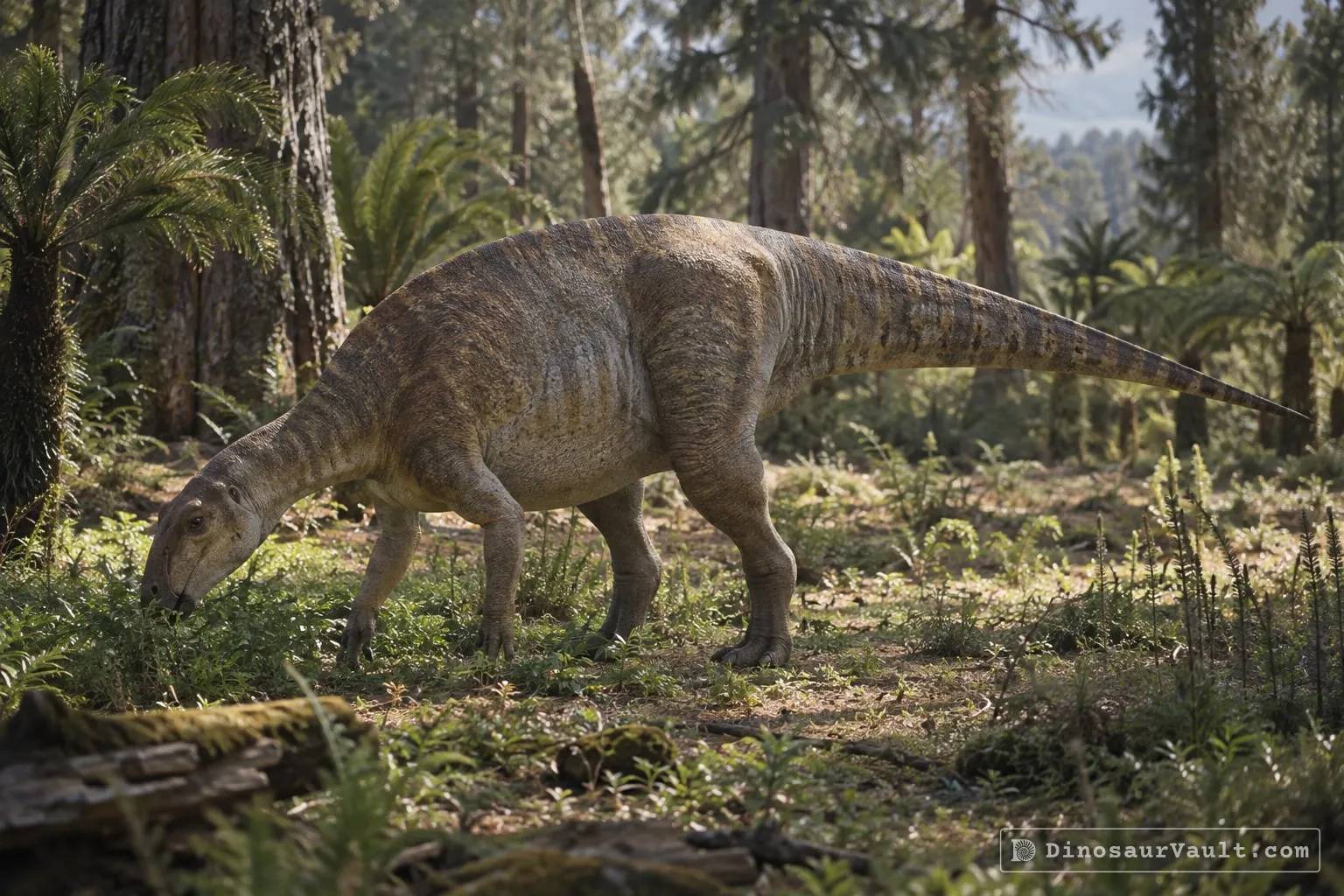
Jintasaurus was a plant eater, an early relative of the duck-billed dinosaurs. It is known from part of a skull.
Its world
It lived in the Early Cretaceous in what is now northwestern China. Its bones come from the Xiagou Formation, where it shared the land with the early tyrannosaur relative Xiongguanlong, the small horned Archaeoceratops and the ostrich-like Beishanlong.
How it was found
You and Li named it in 2009.
Field gallery
More views of Jintasaurus
Scenes reconstructed from the available fossil evidence.
1 of 3
Lived alongside
Found in the same rock formations
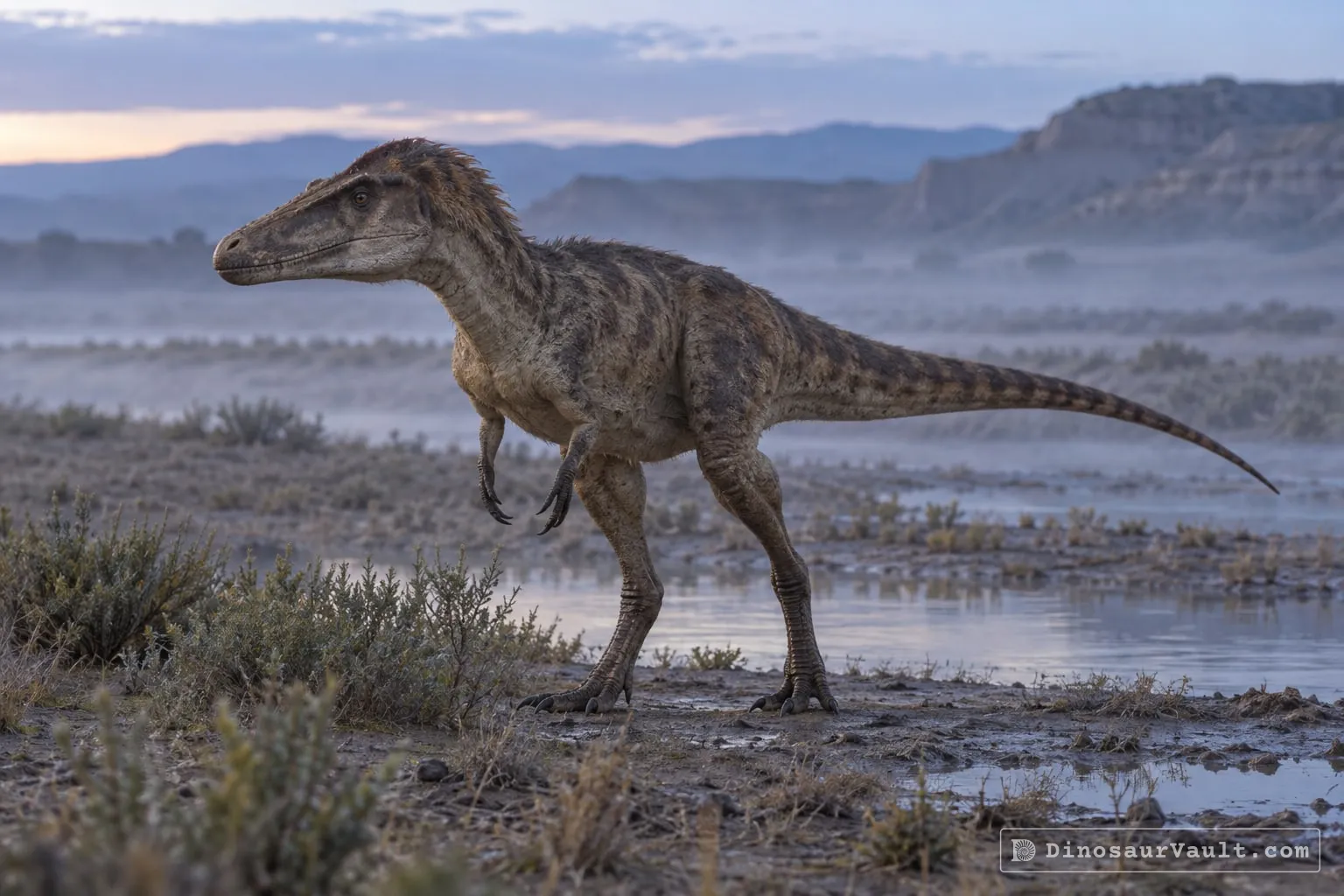
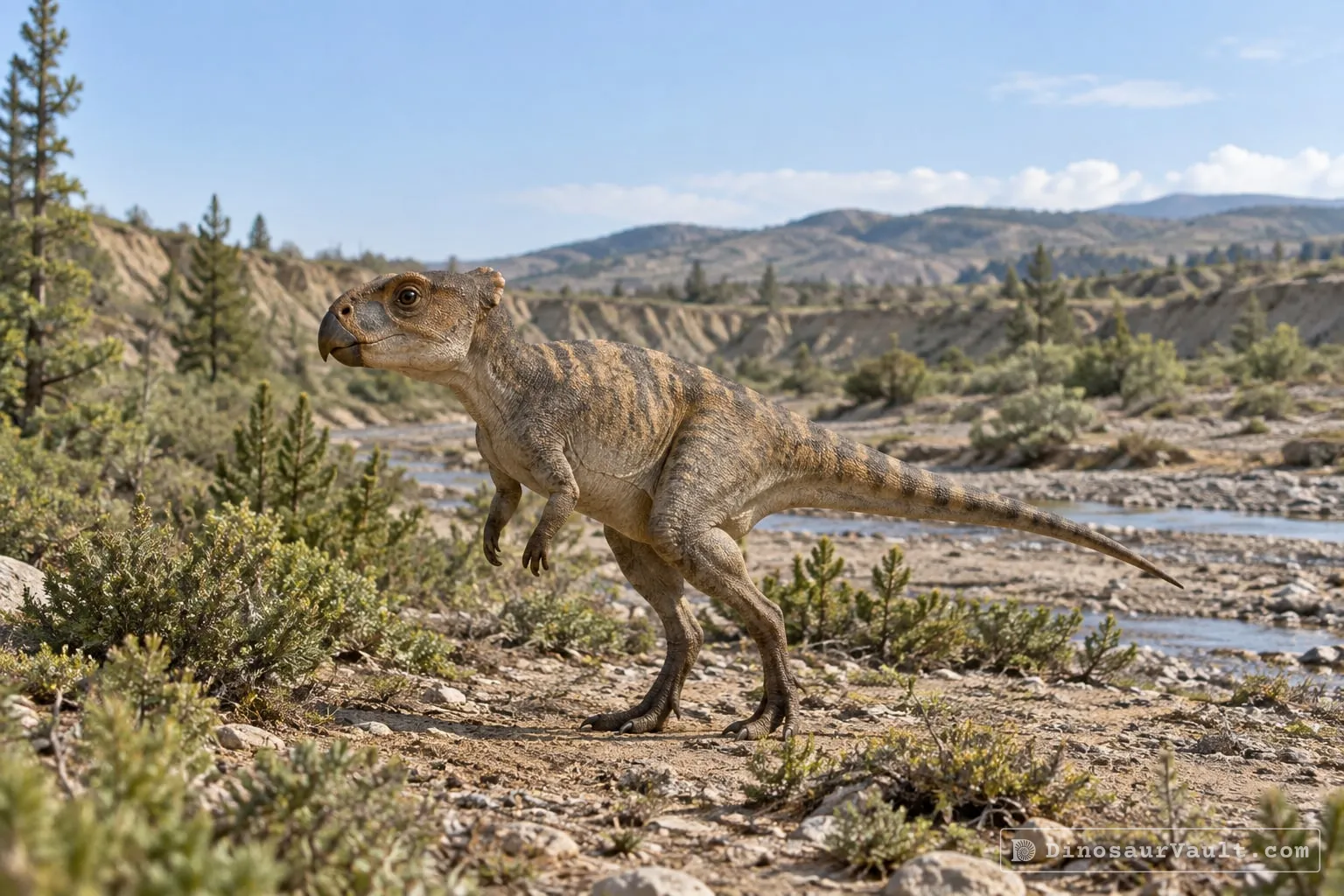
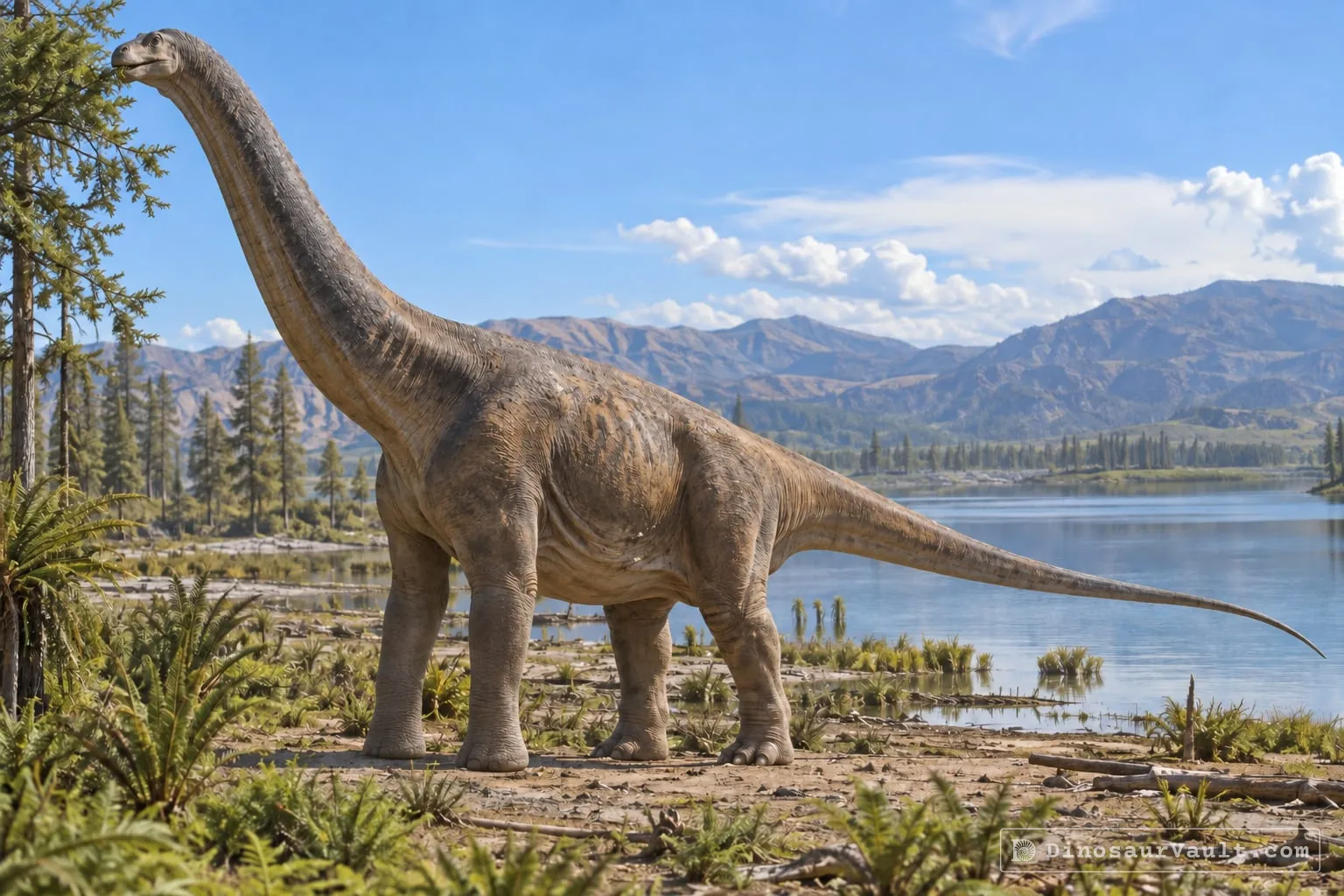
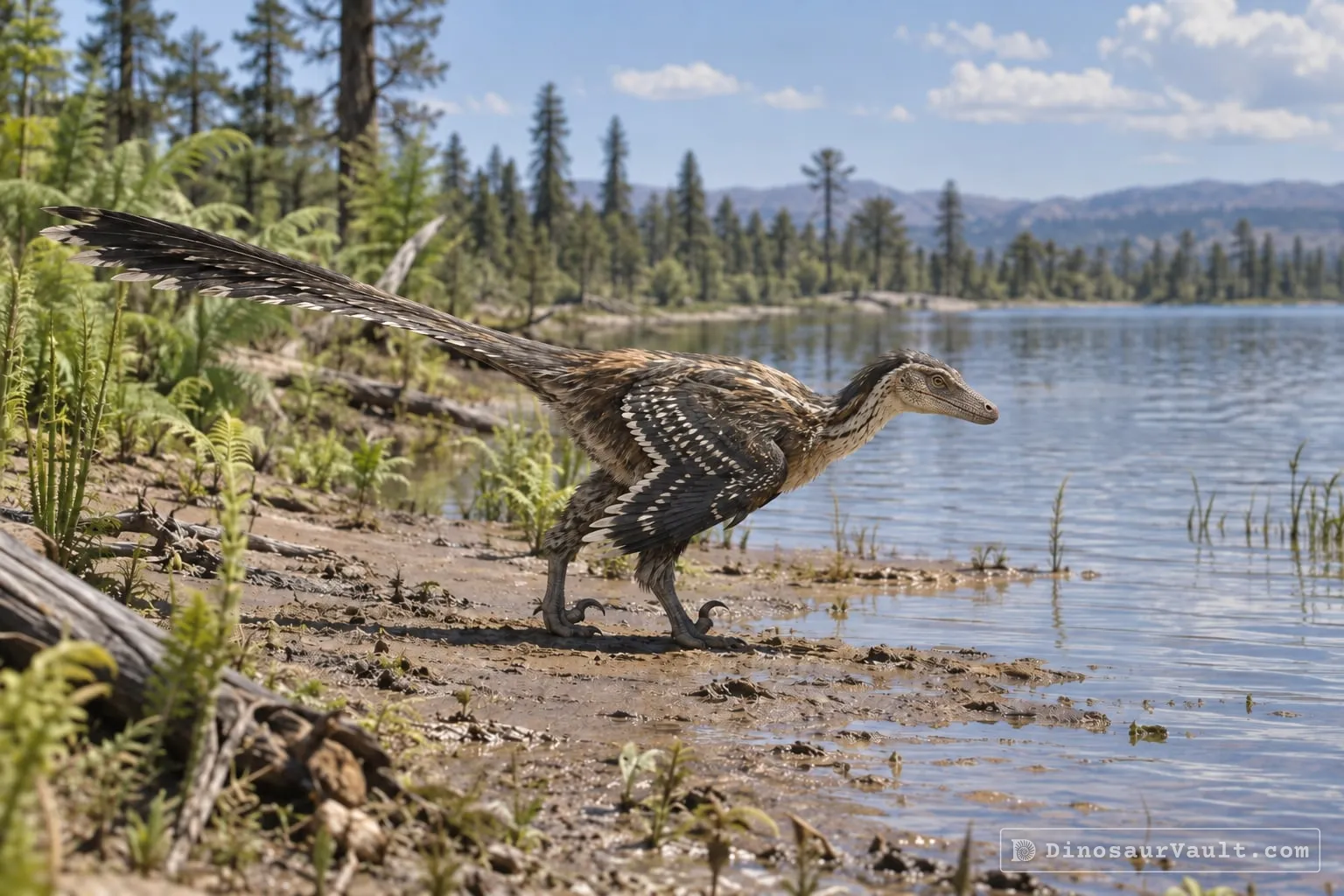
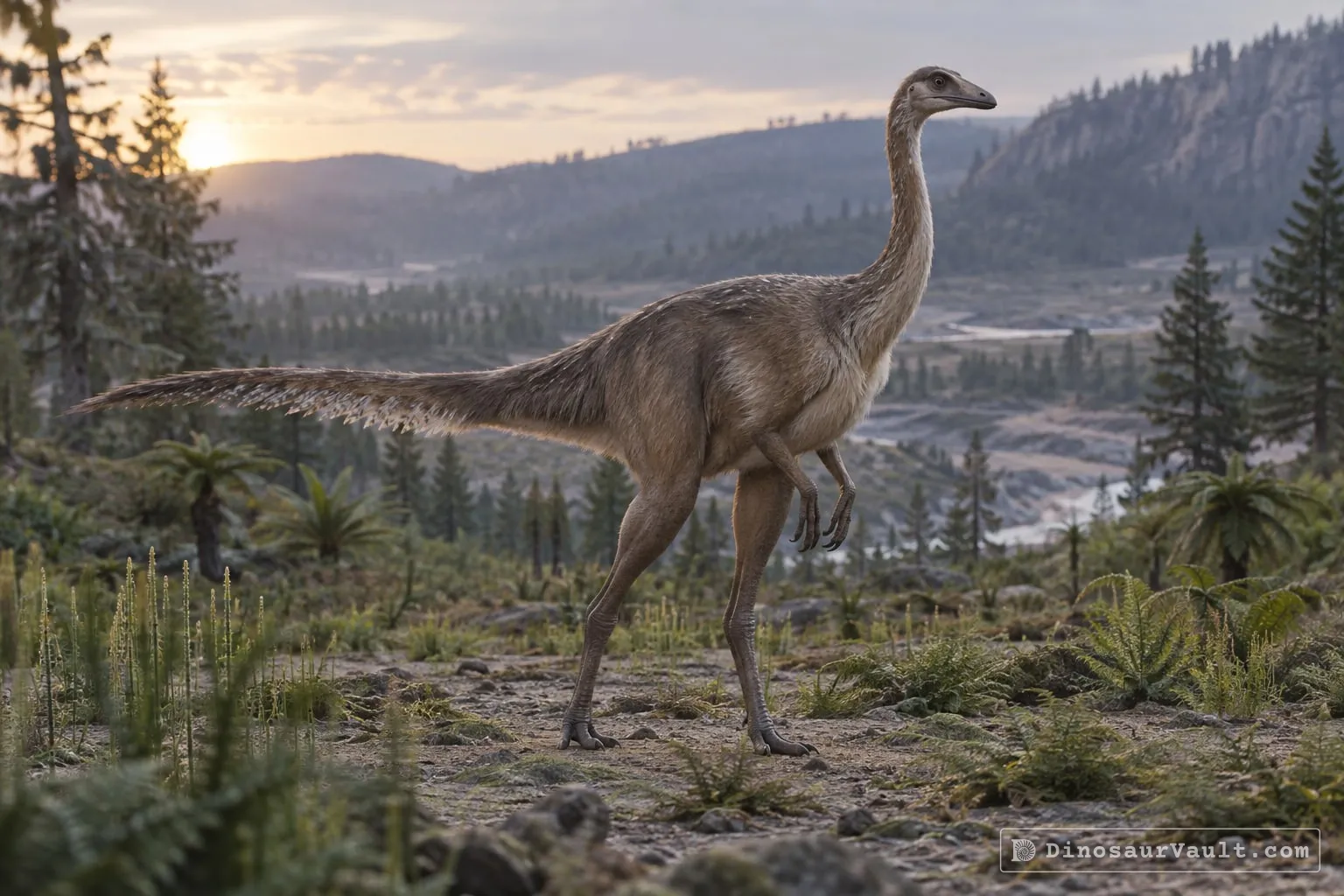
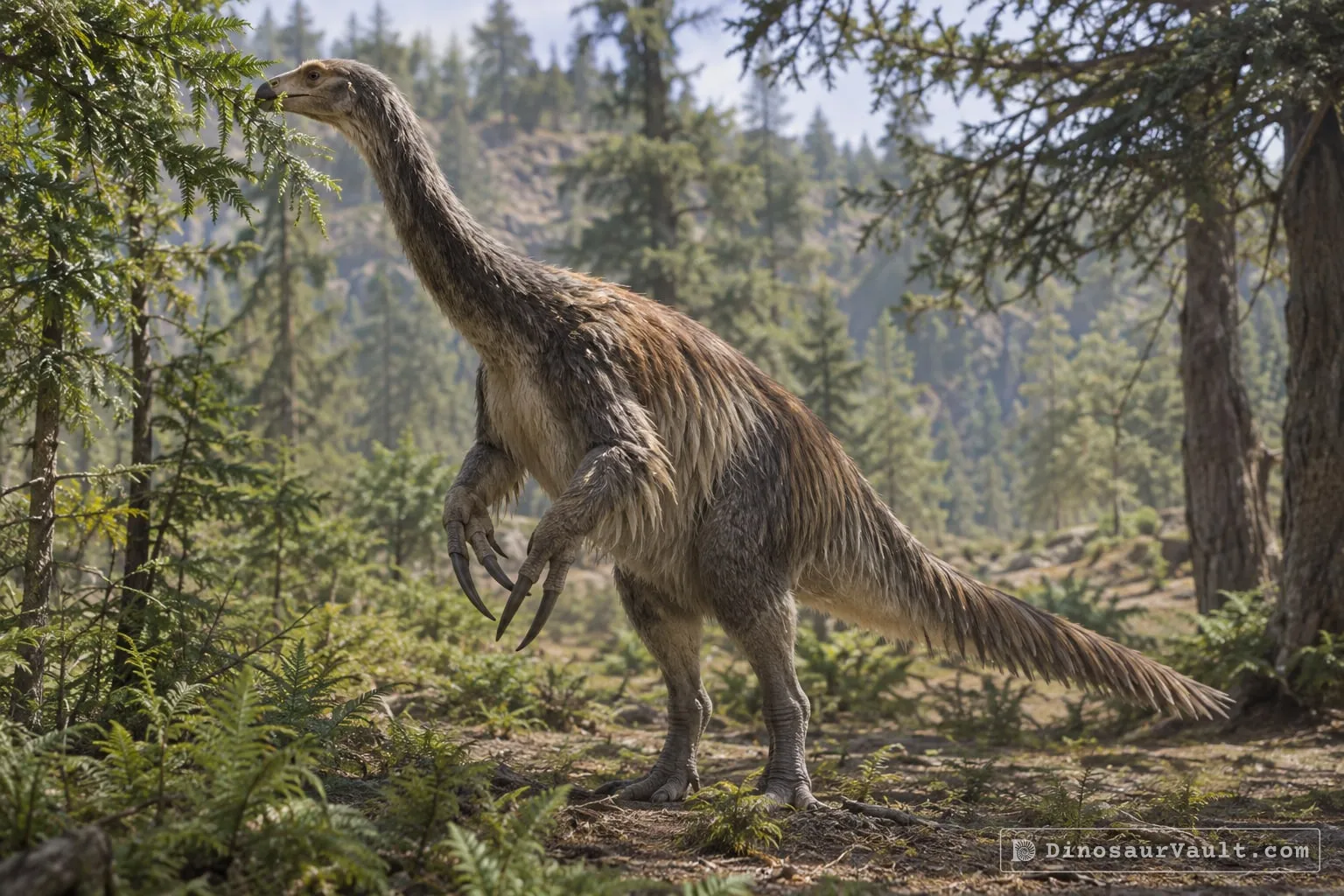


A rock formation can hold fossils laid down millions of years apart, so not every animal here met Jintasaurus.
The evidence
The science behind Jintasaurus
Which parts of the picture come from its own bones, and which come from its relatives.
From its own fossils
- The only known specimen is the rear part of a skull, with its bones still joined together. It includes the skull roof, the bones behind the eyes and a nearly complete braincase.
- A long, crescent-shaped projection at the back of the skull hangs below the joint that connected the head to the neck.
- The skull roof above the eyes is broad and smooth. Behind it, a ridge runs along the middle of the fused roof bones and splits into two stronger ridges at the back.
Borrowed from relatives
- The missing snout, jaws and body are restored by comparison with Eolambia, a better-known early relative of the duck-billed dinosaurs.
Still unknown
- The shape of its snout and jaws, and the texture and color of its skin.
- Its full body proportions and adult size.
- Its exact place in the family tree. The first study placed it just outside Hadrosauroidea, while a later one found it among early members of that group with no clear closest relative.
Discovery timeline
- 2009Named itYou & Li
- 2012Close relativeMcDonald et al.
- 2013Family treeWang et al.
- 2015Close relativeShibata et al.
- 2018Its worldSuarez et al.
Key papers
The research behind what we know of Jintasaurus
Named it
Named Jintasaurus from the rear of a skull with an unusually long, hanging projection and placed it close to duck-billed dinosaurs.
A new basal hadrosauriform dinosaur (Ornithischia: Iguanodontia) from the Early Cretaceous of northwestern China. Canadian Journal of Earth Sciences 46: 949-957
Read the paper : A new basal hadrosauriform dinosaur (Ornithischia: Iguanodontia) from the Early Cretaceous of northwestern China (opens in a new tab)Close relative
Described the skeleton of Eolambia, an early duck-bill relative from Utah, bone by bone from the remains of adults and young animals.
Osteology of the Basal Hadrosauroid Eolambia caroljonesa (Dinosauria: Ornithopoda) from the Cedar Mountain Formation of Utah. PLoS ONE 7: e45712
Read the paper : Osteology of the Basal Hadrosauroid Eolambia caroljonesa (Dinosauria: Ornithopoda) from the Cedar Mountain Formation of Utah (opens in a new tab)Family tree
Compared Jintasaurus with Yunganglong and other early duck-bill relatives, finding that their closest relationships were difficult to resolve.
A New Hadrosauroid Dinosaur from the Early Late Cretaceous of Shanxi Province, China. PLoS ONE 8: e77058
Read the paper : A New Hadrosauroid Dinosaur from the Early Late Cretaceous of Shanxi Province, China (opens in a new tab)Close relative
Named Sirindhorna from Thailand and compared its skull roof with a cast of Jintasaurus, treating the two as separate early duck-bill relatives.
A New Basal Hadrosauroid Dinosaur from the Lower Cretaceous Khok Kruat Formation in Nakhon Ratchasima Province, Northeastern Thailand. PLOS ONE 10: e0145904
Read the paper : A New Basal Hadrosauroid Dinosaur from the Lower Cretaceous Khok Kruat Formation in Nakhon Ratchasima Province, Northeastern Thailand (opens in a new tab)Its world
Identified river, lake and wetland deposits in the dinosaur-bearing rocks, with soils showing seasonal wetting and drying.
Chemostratigraphy of the Lower Cretaceous dinosaur-bearing Xiagou and Zhonggou formations, Yujingzi Basin, northwest China. Journal of Vertebrate Paleontology 38: 12-21
Read the paper : Chemostratigraphy of the Lower Cretaceous dinosaur-bearing Xiagou and Zhonggou formations, Yujingzi Basin, northwest China (opens in a new tab)
Close relatives
Other members of Hadrosauroidea


Sources: Wikidata