Suzhousaurus
Type species Suzhousaurus megatherioides
- Lived
- 121 to 110 million years ago, Early Cretaceous
- Diet
- Herbivore
- Group
- Theropods, Therizinosauridae
- Found in
- China
- Named by
- Li et al. 2007
Where its fossils were found
The evidence
Today

115 million years ago
Habitat
Rivers and lakes lay in basins with a warm, partly dry climate. Other dinosaurs from the region include Archaeoceratops, Psittacosaurus and Xiongguanlong.
Field notes
About Suzhousaurus
What it was like
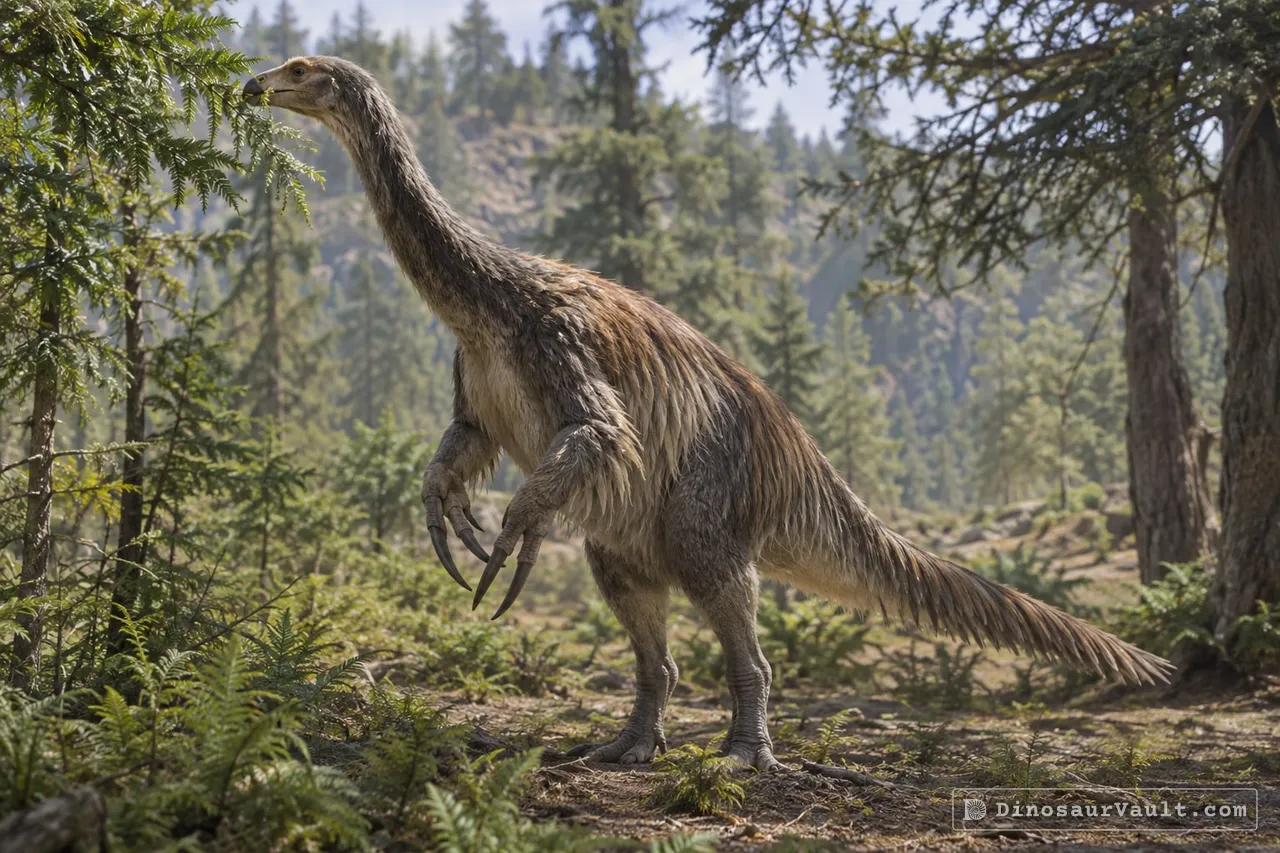
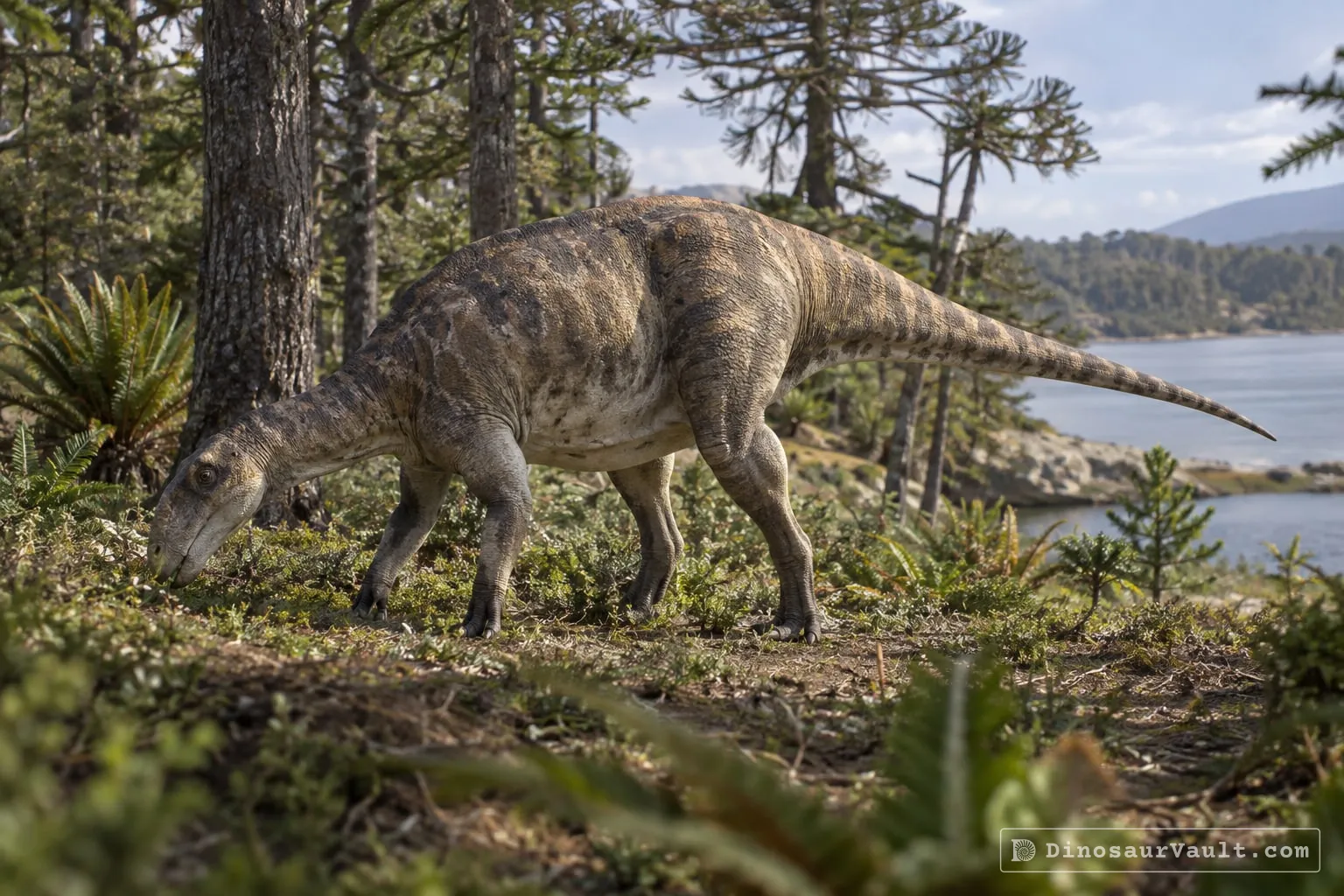
Suzhousaurus was a large therizinosaur, a plant-eating theropod with a pot belly, a long neck and big hand claws. Its species name compares it to giant ground sloths, which had a similar build.
Its world
It lived in the Early Cretaceous, in what is now China. It shared its world with the parrot-beaked Psittacosaurus, the horned Archaeoceratops, the early tyrannosaur Xiongguanlong and the sauropod Qiaowanlong.
How it was found
Li and colleagues named Suzhousaurus in 2007. The type species is Suzhousaurus megatherioides.
Field gallery
More views of Suzhousaurus
Scenes reconstructed from the available fossil evidence.
Lived alongside
Found in the same rock formations
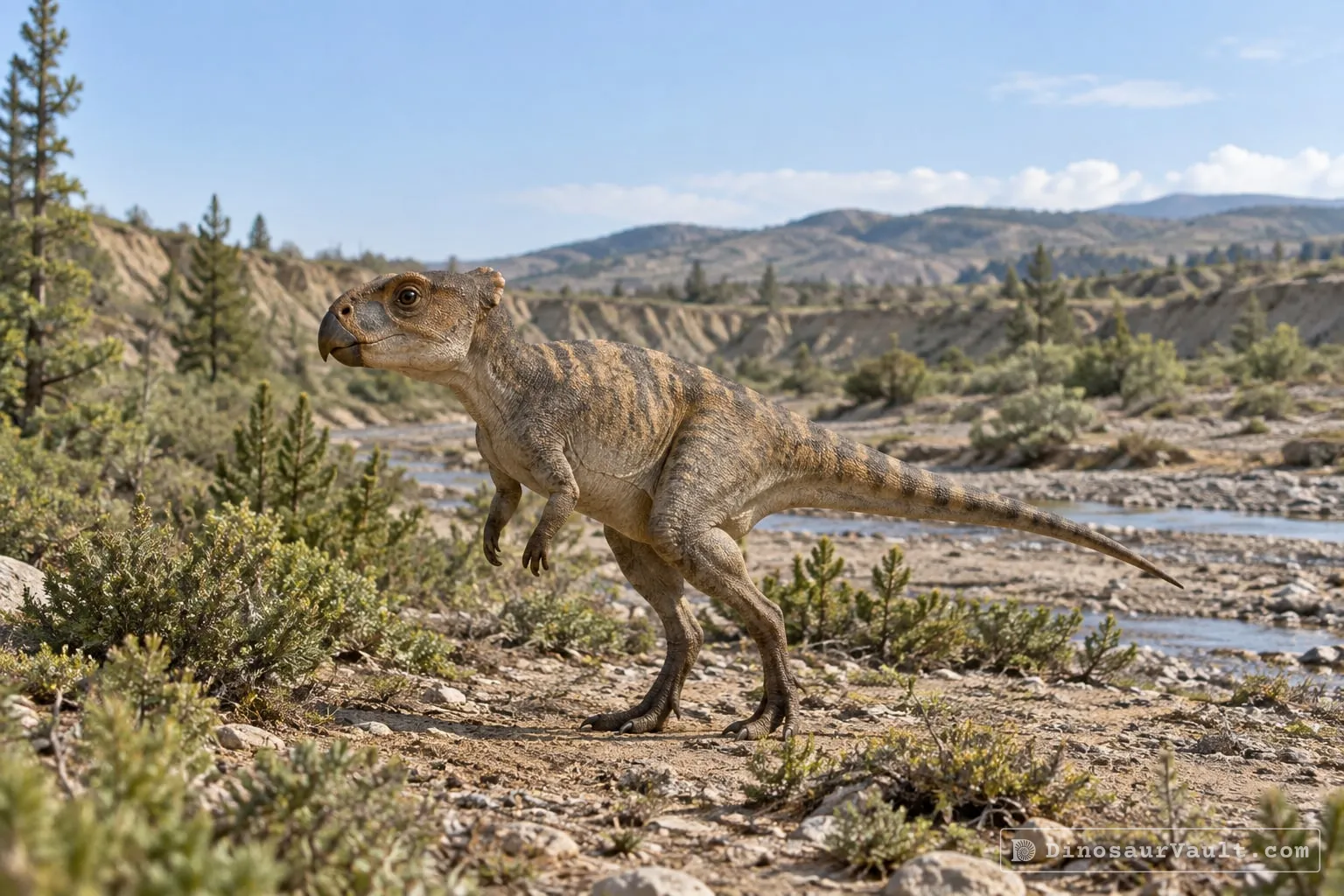
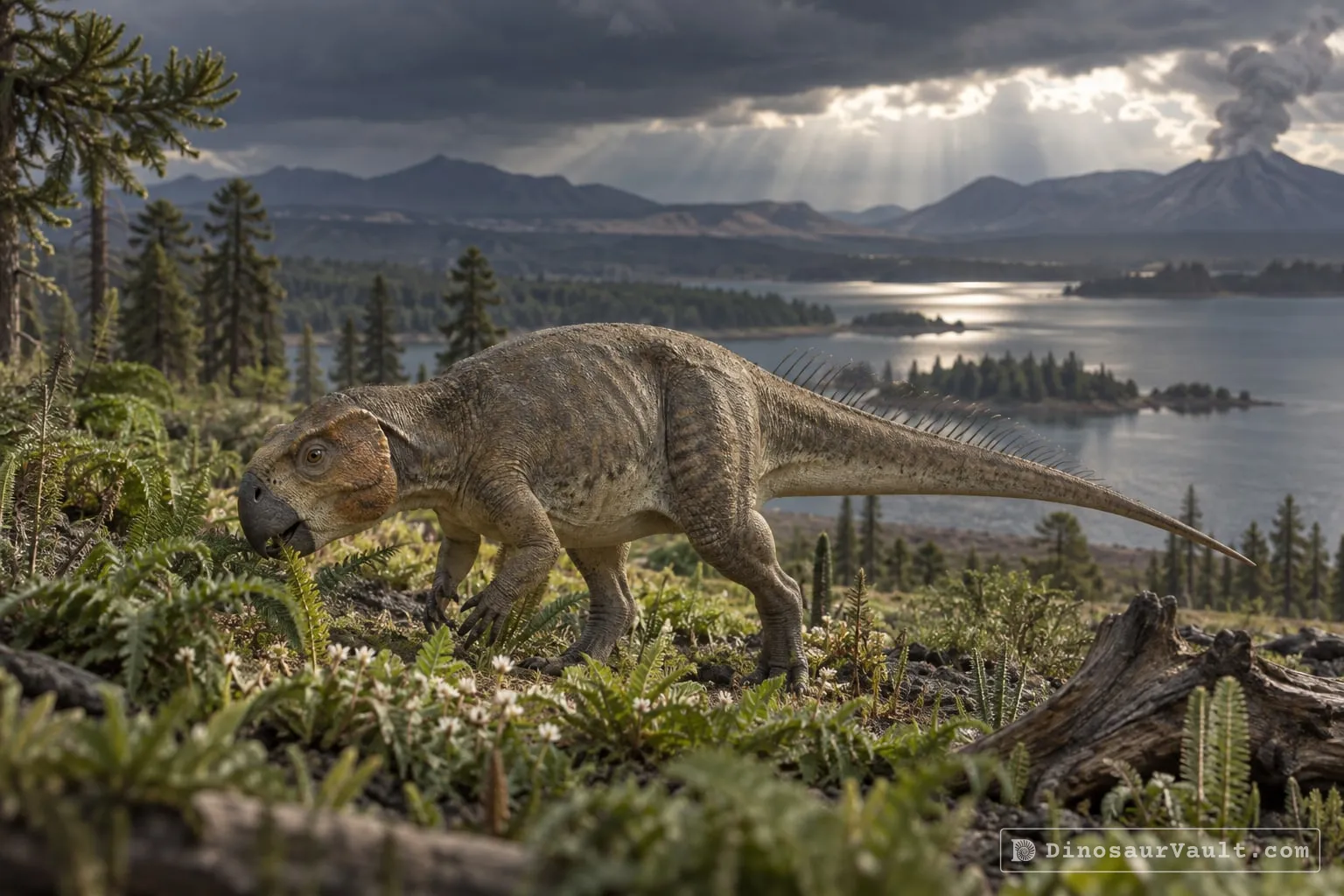
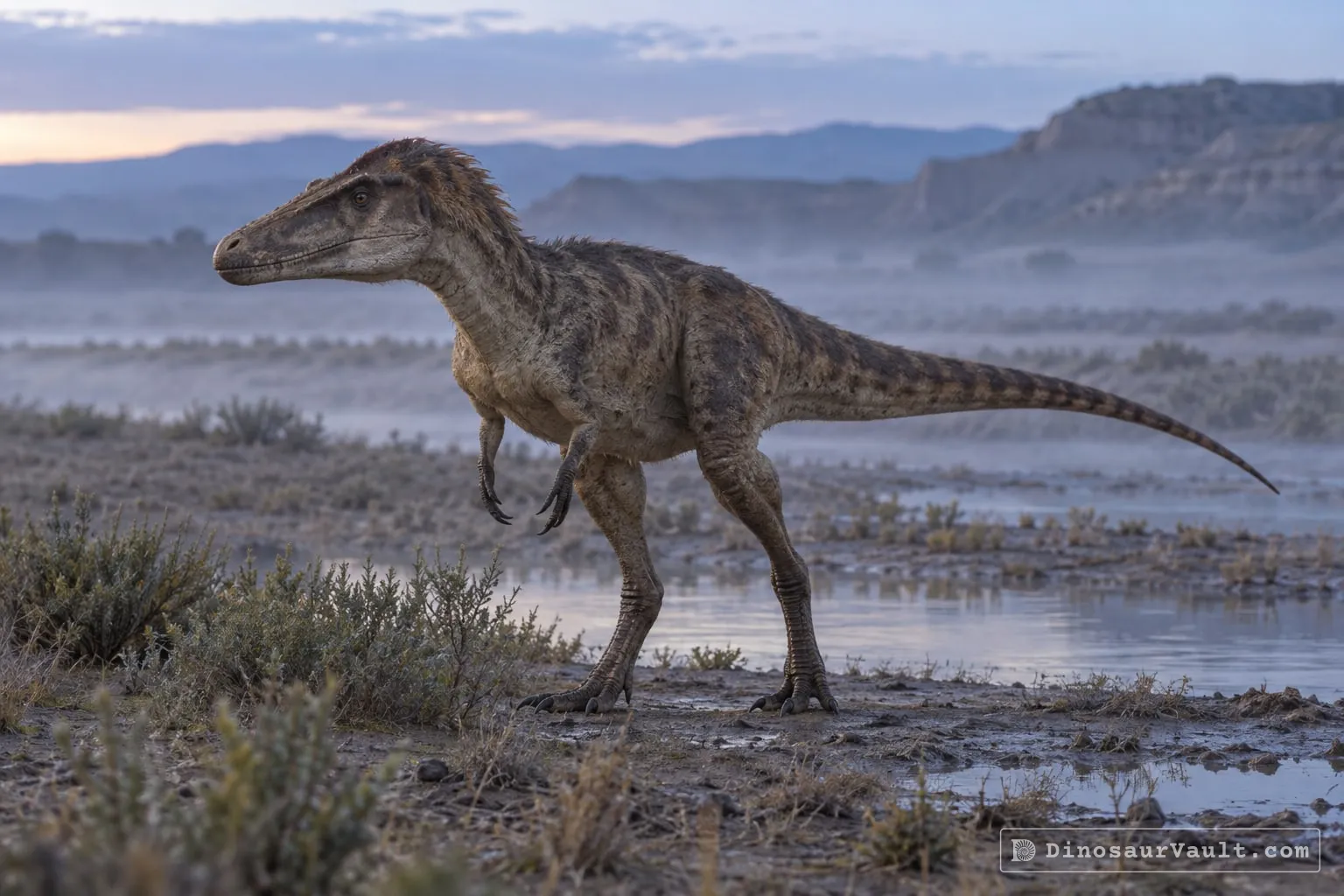
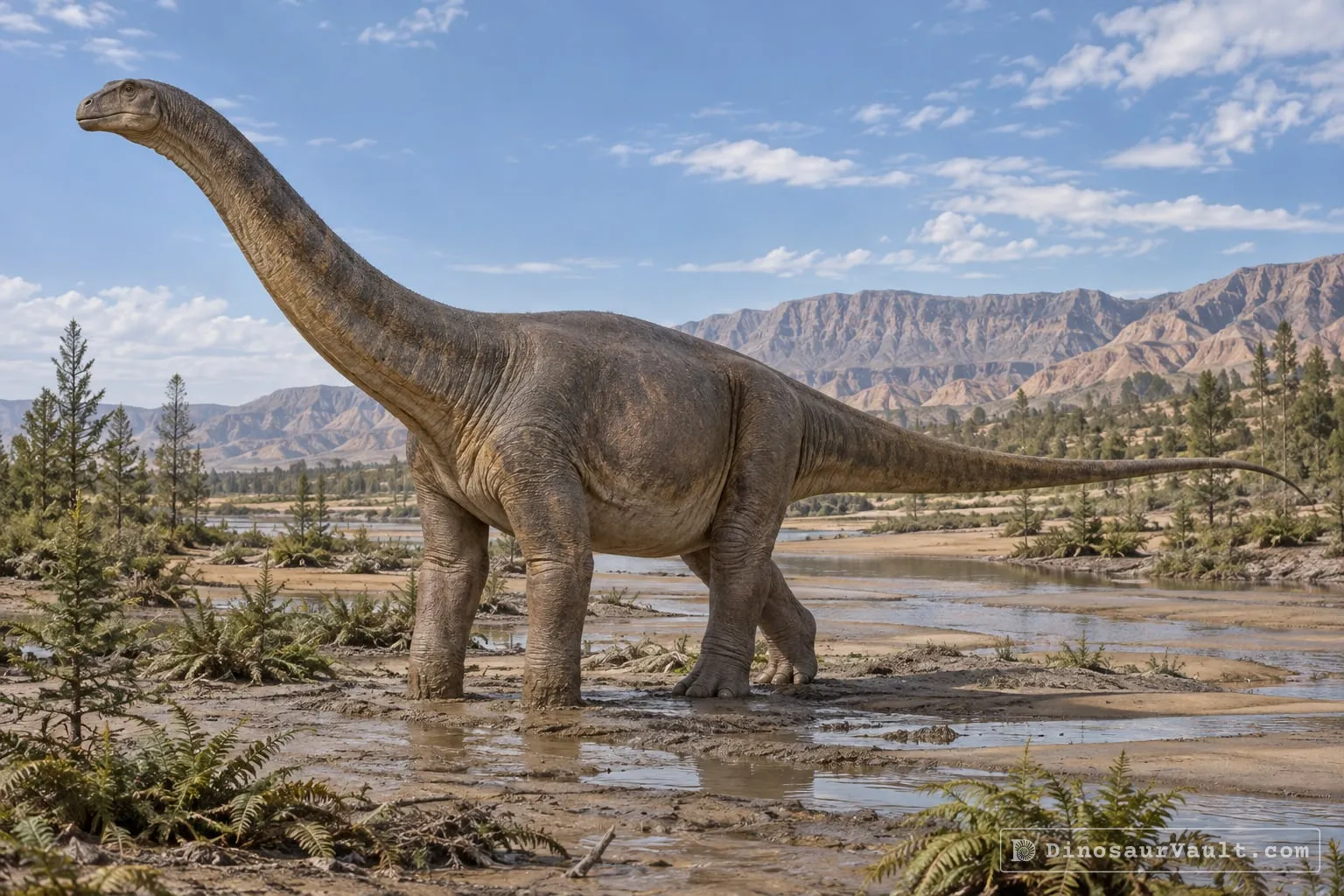
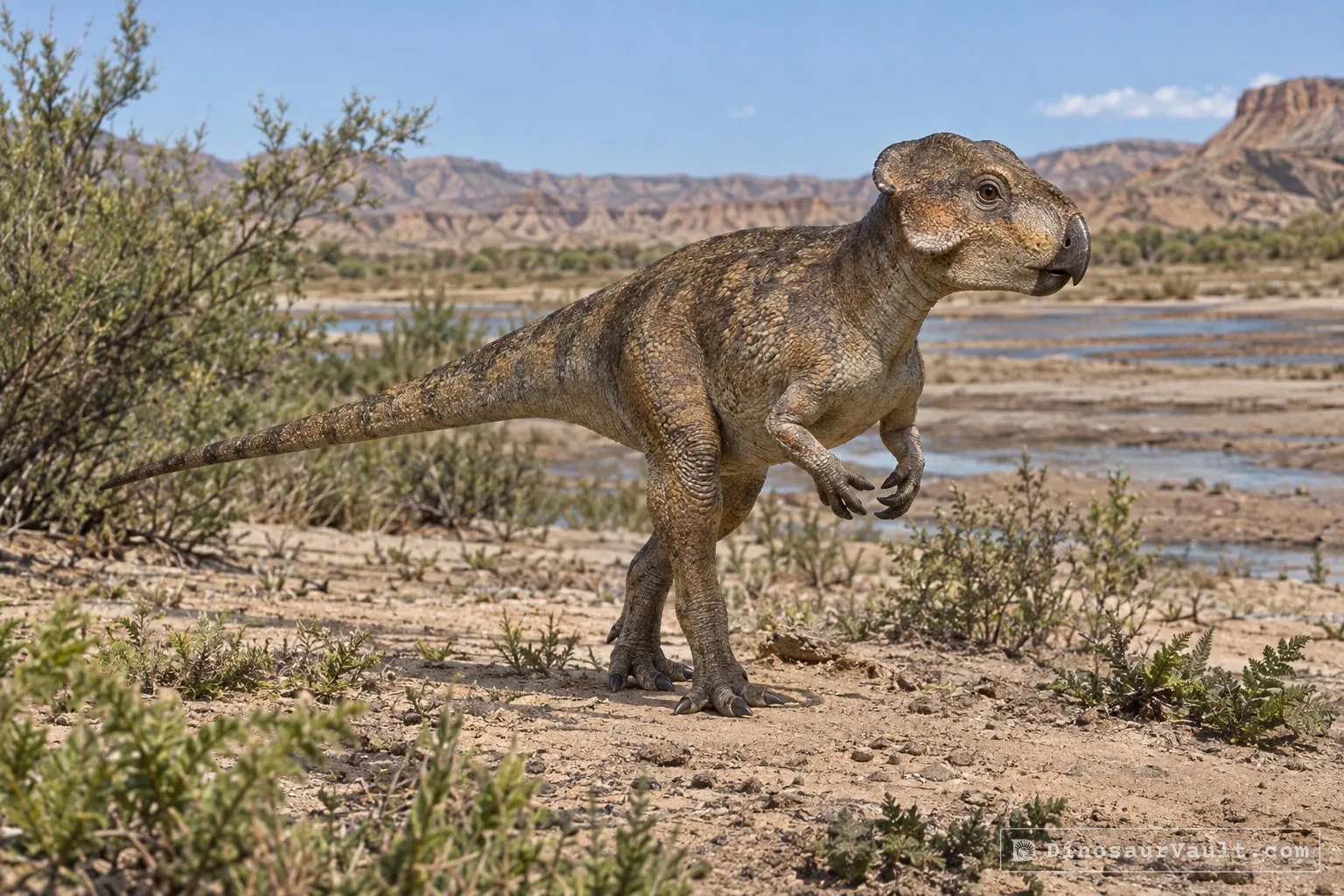
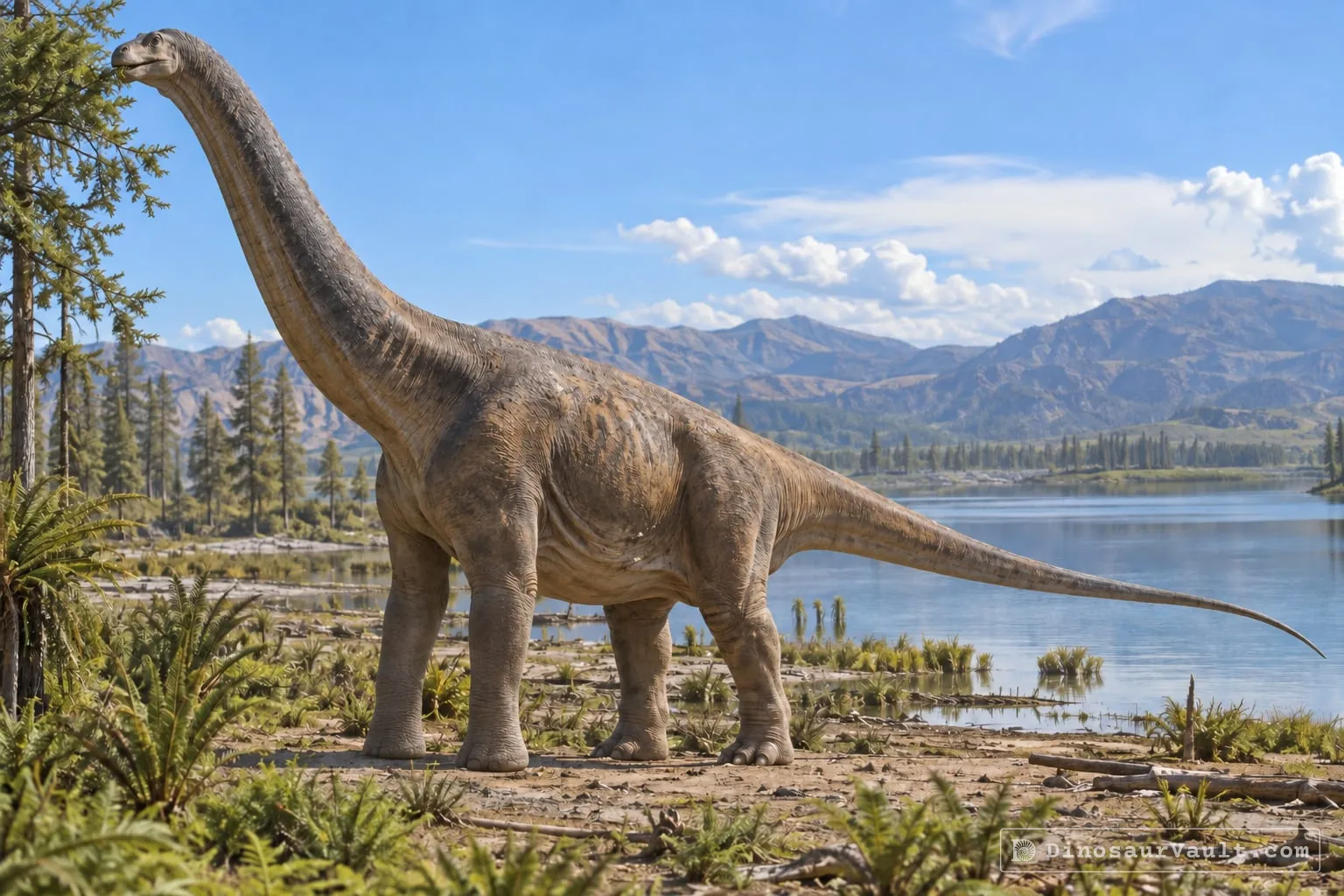
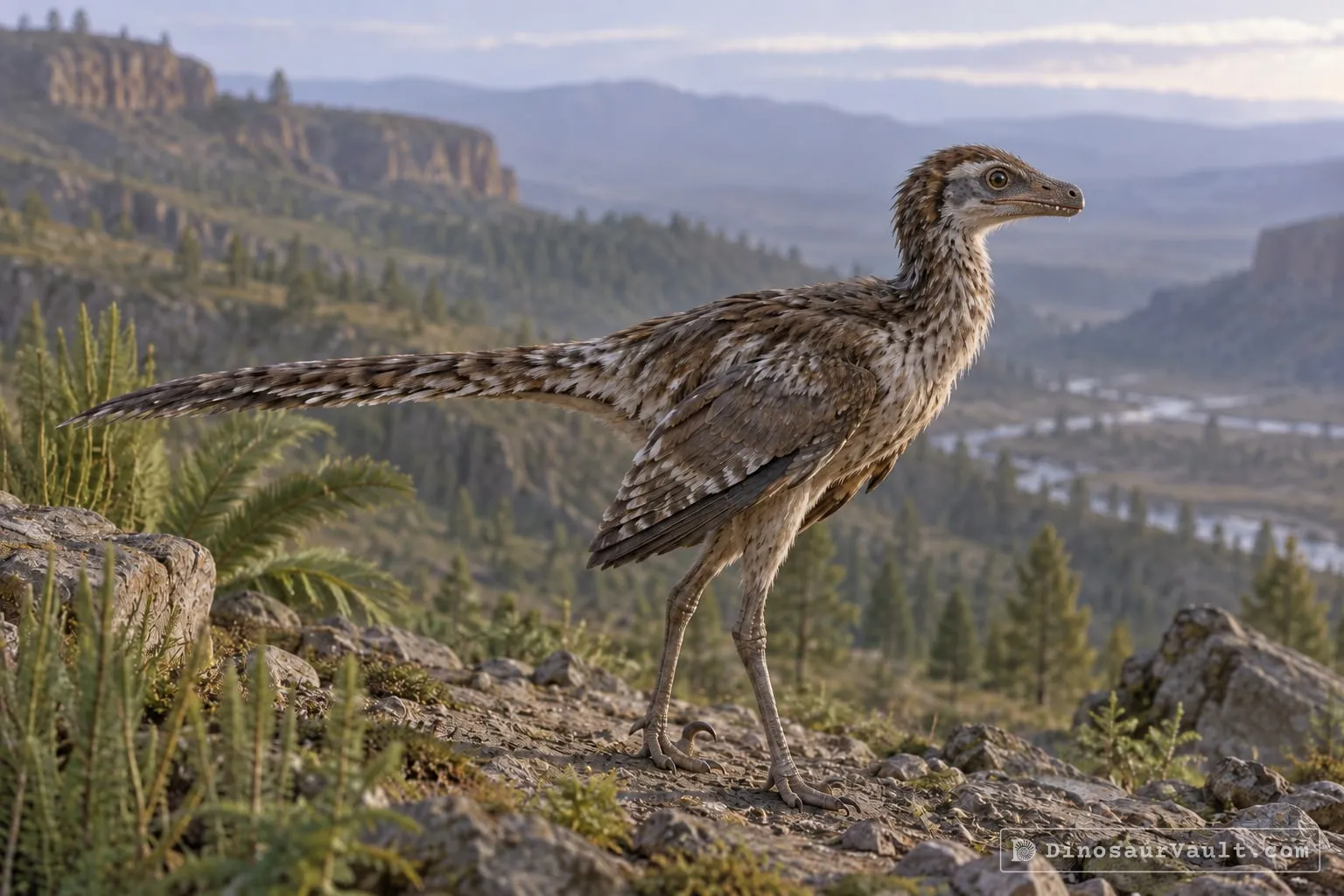


A rock formation can hold fossils laid down millions of years apart, so not every animal here met Suzhousaurus.
The evidence
The science behind Suzhousaurus
Which parts of the picture come from its own bones, and which come from its relatives.
From its own fossils
- The type specimen preserves back vertebrae, ribs, a right shoulder blade, an upper arm bone with expanded ends and a pubic bone with a deeply concave front edge.
- A second partial skeleton, referred to it because its pubic bone matches, preserves vertebrae from the back, hips and base of the tail, much of the pelvis and a sturdy thigh bone that bends backward in its lower half.
- A single isolated tooth has also been referred to Suzhousaurus.
Borrowed from relatives
- The missing head is restored by comparison with Erlikosaurus, a therizinosaur with a well-known skull.
- The hands and feet are restored by comparison with Nothronychus, a therizinosaur whose hands and feet are better known.
Still unknown
- The shape of its skull and hand claws.
- Its exact place in the therizinosaur family tree: one study puts it outside Therizinosauridae, while a later one groups it with more advanced therizinosaurs.
- Exactly which plants it ate.
Discovery timeline
- 2001Its worldTang et al.
- 2007Named itLi et al.
- 2008New findLi, You & Zhang
- 2010Family treeZanno
- 2017How it fedButton et al.
Key papers
The research behind what we know of Suzhousaurus
Its world
Studied the regional fossil-bearing rocks and identified river and lake deposits formed under a warm, partly dry climate.
Biostratigraphy and palaeoenvironment of the dinosaur-bearing sediments in Lower Cretaceous of Mazongshan area, Gansu Province, China. Cretaceous Research 22: 115-129
Read the paper : Biostratigraphy and palaeoenvironment of the dinosaur-bearing sediments in Lower Cretaceous of Mazongshan area, Gansu Province, China (opens in a new tab)Named it
Described a large therizinosaur from a partial skeleton, identifying distinctive features in its shoulder, upper arm and pelvis.
A large therizinosauroid (Dinosauria: Theropoda) from the Early Cretaceous of northwestern China. Acta Geologica Sinica 81: 539-549
No link available
New find
Described another partial skeleton with a well-preserved half of the pelvis and revised the features used to identify Suzhousaurus.
A new specimen of Suzhousaurus megatherioides (Dinosauria: Therizinosauroidea) from the Early Cretaceous of northwestern China. Canadian Journal of Earth Sciences 45: 769-779
Read the paper : A new specimen of Suzhousaurus megatherioides (Dinosauria: Therizinosauroidea) from the Early Cretaceous of northwestern China (opens in a new tab)Family tree
Rechecked the bones of Suzhousaurus, rewrote its diagnosis around the hips and placed it outside the advanced therizinosaur family.
A taxonomic and phylogenetic re-evaluation of Therizinosauria (Dinosauria: Maniraptora). Journal of Systematic Palaeontology 8: 503-543
Read the paper : A taxonomic and phylogenetic re-evaluation of Therizinosauria (Dinosauria: Maniraptora) (opens in a new tab)How it fed
Studied growth lines in therizinosaur teeth, including an isolated tooth referred to Suzhousaurus, to follow the shift from meat to plants.
Incremental growth of therizinosaurian dental tissues: implications for dietary transitions in Theropoda. PeerJ 5: e4129
Read the paper : Incremental growth of therizinosaurian dental tissues: implications for dietary transitions in Theropoda (opens in a new tab)
Close relatives
Other members of Therizinosauridae


Sources: Wikidata