Wulatelong
"Wulate dragon"
Type species Wulatelong gobiensis
- Lived
- 84 to 72 million years ago, Late Cretaceous
- Diet
- Omnivore
- Group
- Theropods, Oviraptoridae
- Found in
- China
- Named by
- Xu et al. 2013
Where its fossils were found
The evidence
Today

80 million years ago
Habitat
Windblown sand formed part of its landscape in northern China. Its neighbors included Protoceratops, Pinacosaurus and Linheraptor.
Field notes
About Wulatelong
What it was like
Wulatelong was an oviraptor, a feathered dinosaur with a toothless beak, known from a partial skull and skeleton.
Its world
It lived in the Late Cretaceous in what is now northern China. Its bones come from the Wulansuhai Formation, where it shared the land with Protoceratops, the armored Pinacosaurus and the raptor Linheraptor.
How it was found
Xu and colleagues named Wulatelong in 2013, from a single find.
Field gallery
More views of Wulatelong
Scenes reconstructed from the available fossil evidence.
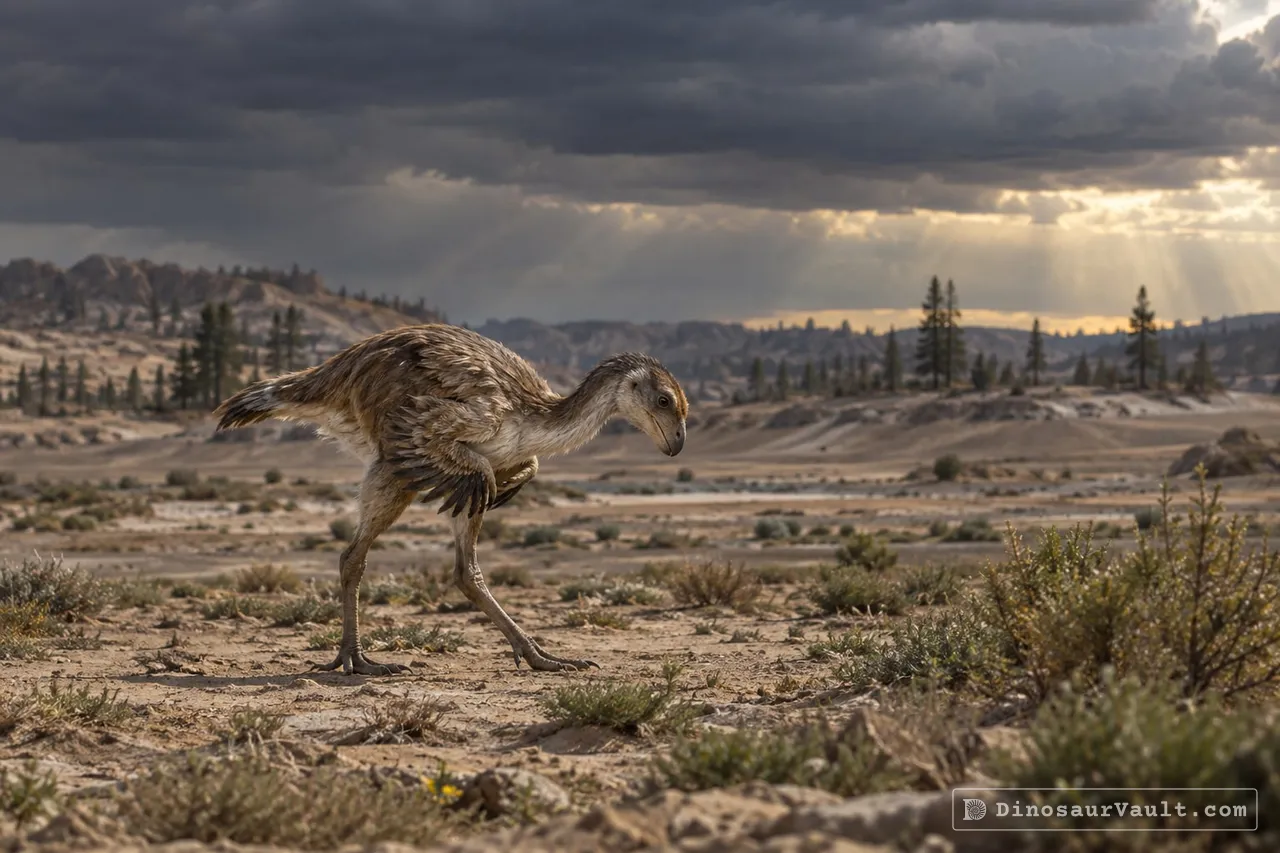
1 of 2
Lived alongside
Found in the same rock formations
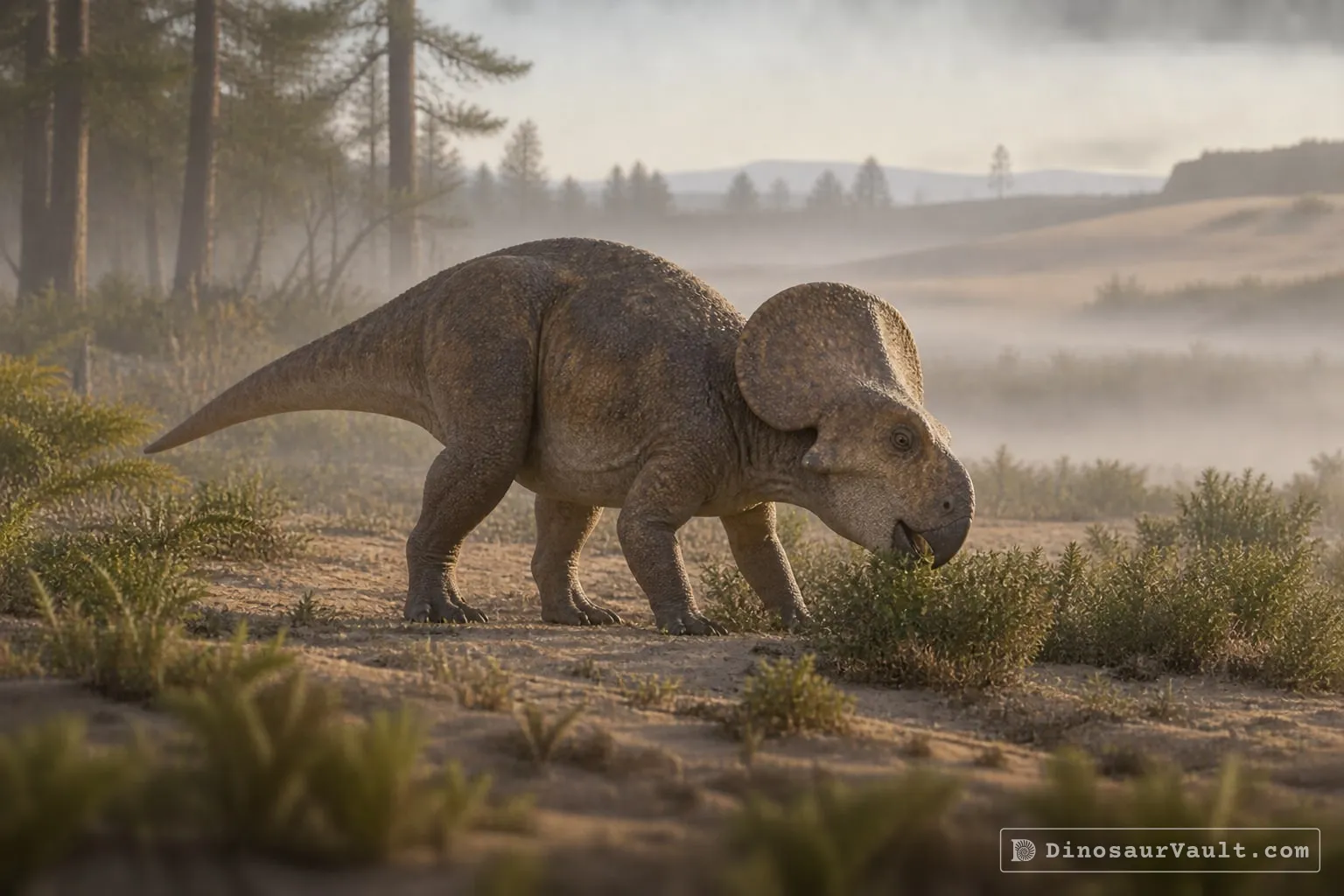
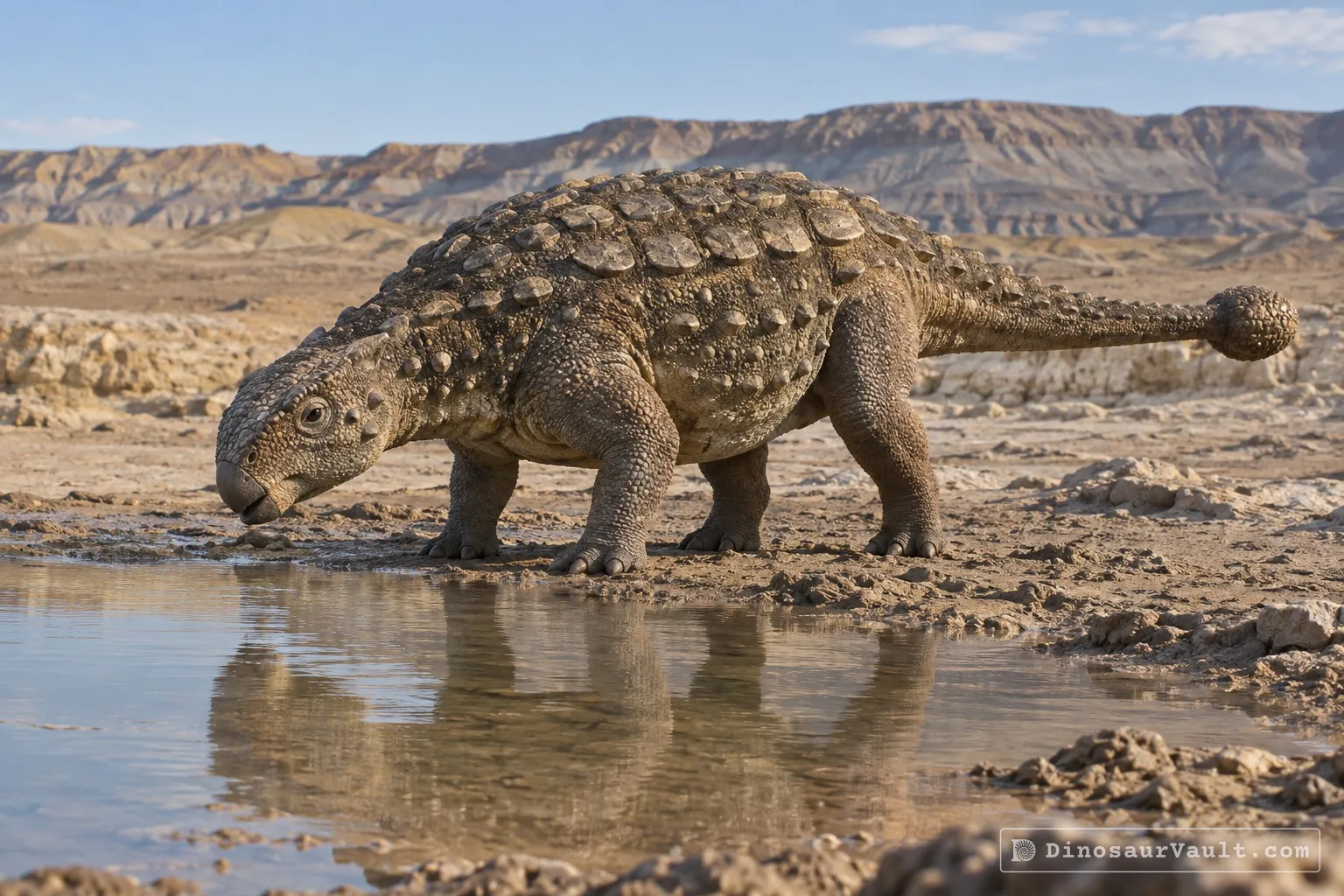
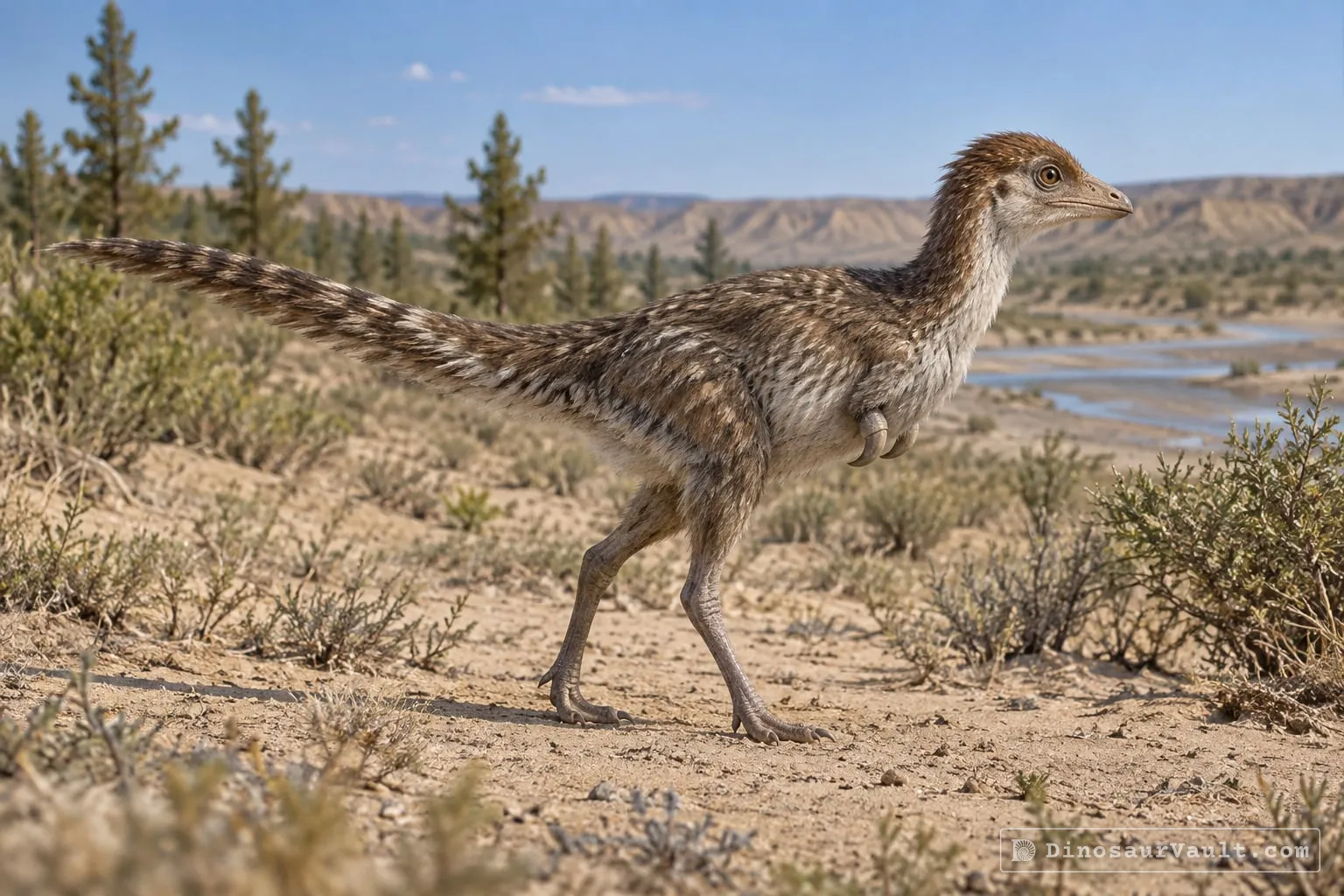
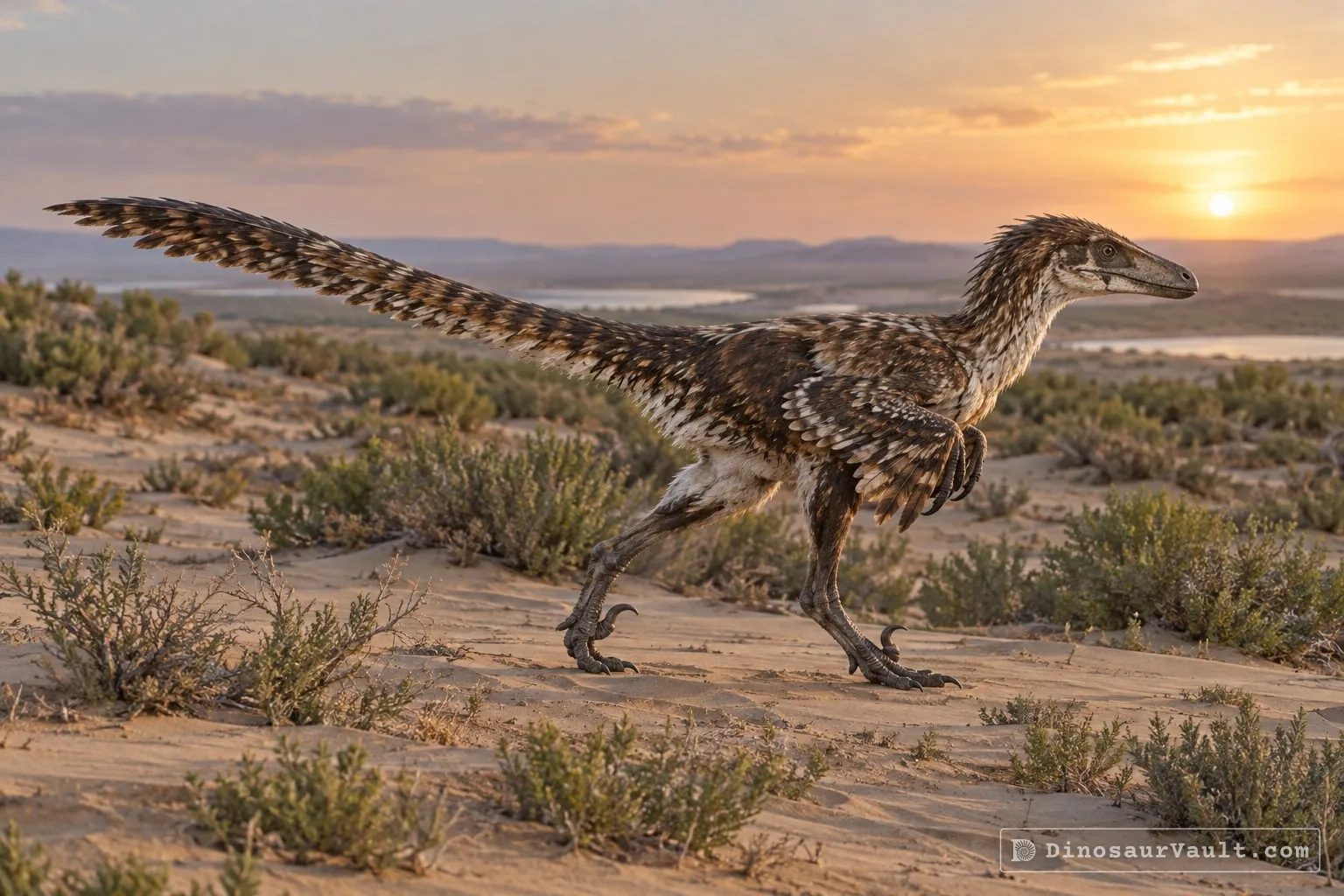
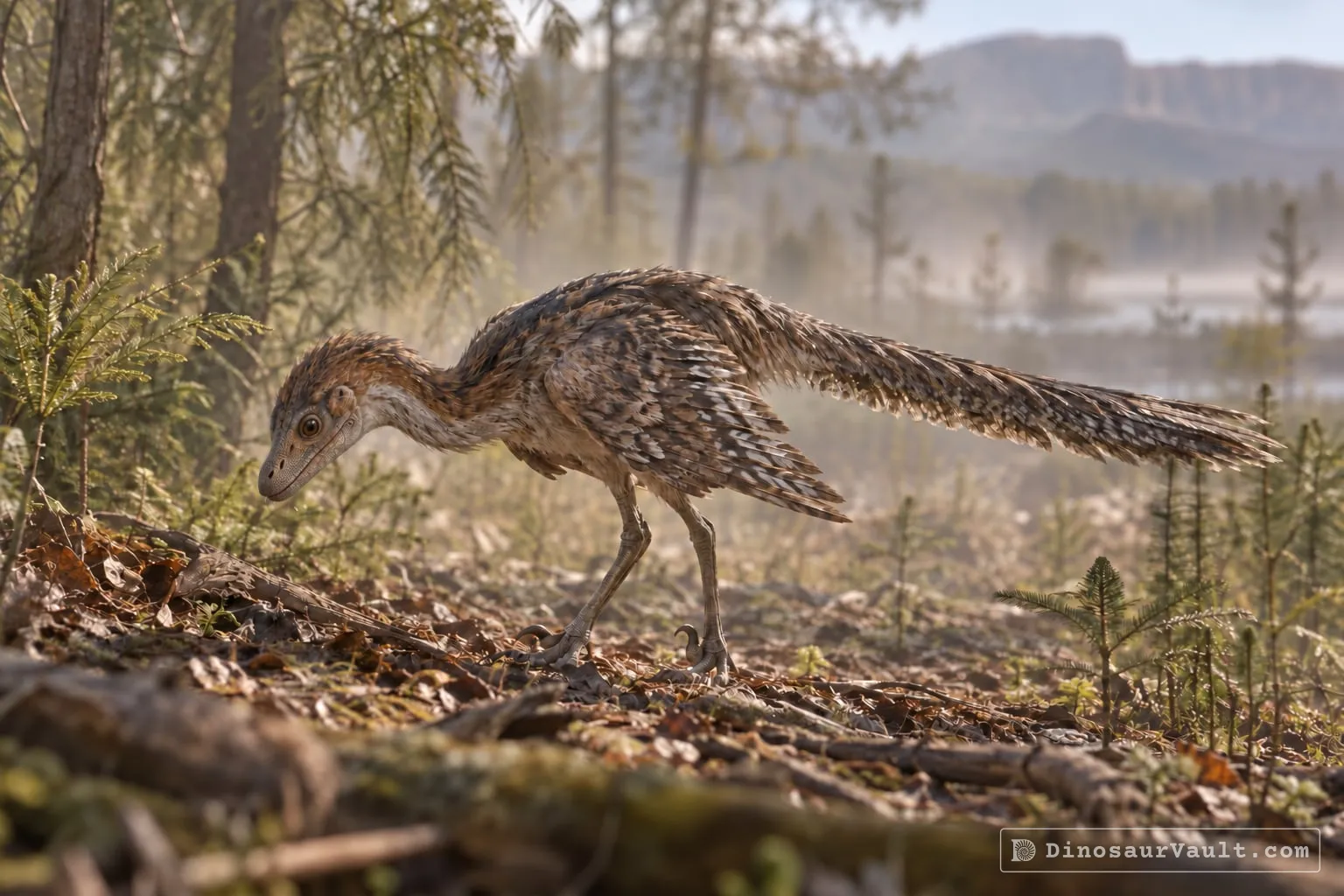
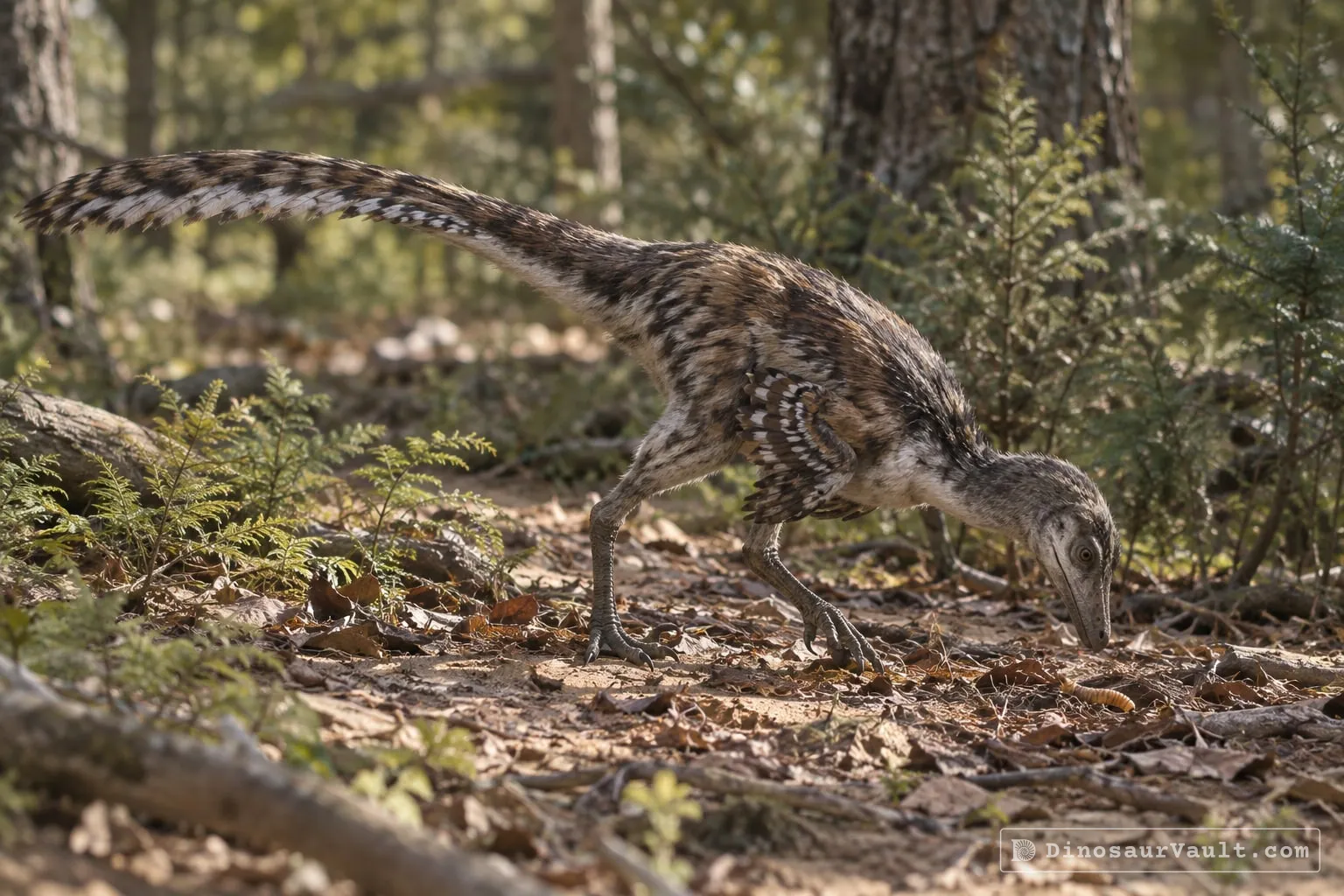
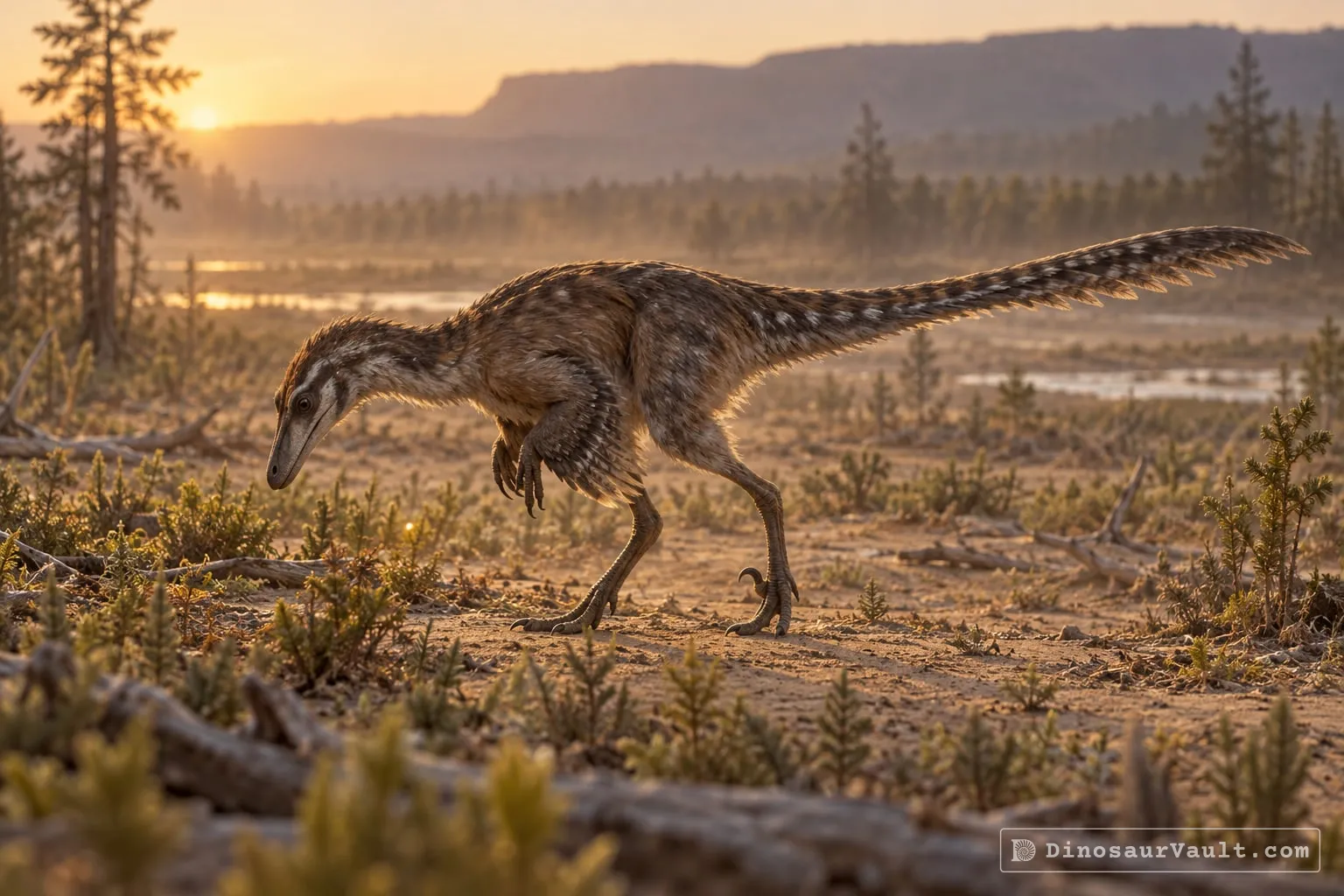


A rock formation can hold fossils laid down millions of years apart, so not every animal here met Wulatelong.
The evidence
The science behind Wulatelong
Which parts of the picture come from its own bones, and which come from its relatives.
From its own fossils
- A weathered skeleton preserves much of the skull, backbone, shoulders, hand, hips and hindlimb.
- The skull has large, elongated nostril openings that extend unusually low on the snout, and a short, deep toothless beak.
- Its tail was proportionally short, as in other oviraptorosaurs, and its hand claws were strongly curved.
Borrowed from relatives
- Much of its body shape comes from its own skeleton.
- Missing parts of the lower jaw, skull roof, neck and limb joints are restored by comparison with Khaan.
- A feather covering is inferred from feathered oviraptorosaurs such as Caudipteryx.
Still unknown
- Its feather colors and patterns.
- Exactly what it ate.
- Whether its damaged nasal bones formed a low crest, its exact outline, and how its appearance changed as it grew.
Discovery timeline
- 2010Same rocksXU et al.
- 2012Full descriptionBalanoff & Norell
- 2013Named itXu et al.
- 2016Family treeLü et al.
Key papers
The research behind what we know of Wulatelong
Same rocks
Named Linheraptor from a nearly complete skeleton in the same formation as Wulatelong.
A new dromaeosaurid (Dinosauria: Theropoda) from the Upper Cretaceous Wulansuhai Formation of Inner Mongolia, China. Zootaxa 2403
Read the paper : A new dromaeosaurid (Dinosauria: Theropoda) from the Upper Cretaceous Wulansuhai Formation of Inner Mongolia, China (opens in a new tab)Full description
Described the skull, jaws and skeleton of Khaan, offering comparisons for missing parts of Wulatelong.
Osteology of Khaan mckennai (Oviraptorosauria: Theropoda). Bulletin of the American Museum of Natural History 372: 1-77
Read the paper : Osteology of Khaan mckennai (Oviraptorosauria: Theropoda) (opens in a new tab)Named it
Named Wulatelong from a weathered skeleton and identified distinctive nostril and jaw features.
A new oviraptorid from the Upper Cretaceous of Nei Mongol, China, and its stratigraphic implications. Vertebrata PalAsiatica 51: 85-101
No link available
Family tree
Placed Wulatelong close to Banji and Tongtianlong in a comparison of oviraptorid relationships.
A Late Cretaceous diversification of Asian oviraptorid dinosaurs: evidence from a new species preserved in an unusual posture. Scientific Reports 6
Read the paper : A Late Cretaceous diversification of Asian oviraptorid dinosaurs: evidence from a new species preserved in an unusual posture (opens in a new tab)
Close relatives
Other members of Oviraptoridae


Sources: Wikidata