Linheraptor
"Linhe robber"
- Lived
- 84 to 72 million years ago, Late Cretaceous
- Diet
- Carnivore
- Group
- Theropods, Dromaeosauridae
- Found in
- China
- Named by
- Xu et al. 2010
Where its fossils were found
The evidence
Today

80 million years ago
Habitat
Sandy country in what is now northern China, recorded in the Wulansuhai Formation. Protoceratops, Pinacosaurus and Linhenykus also occur in these rocks.
Field notes
About Linheraptor
What it was like
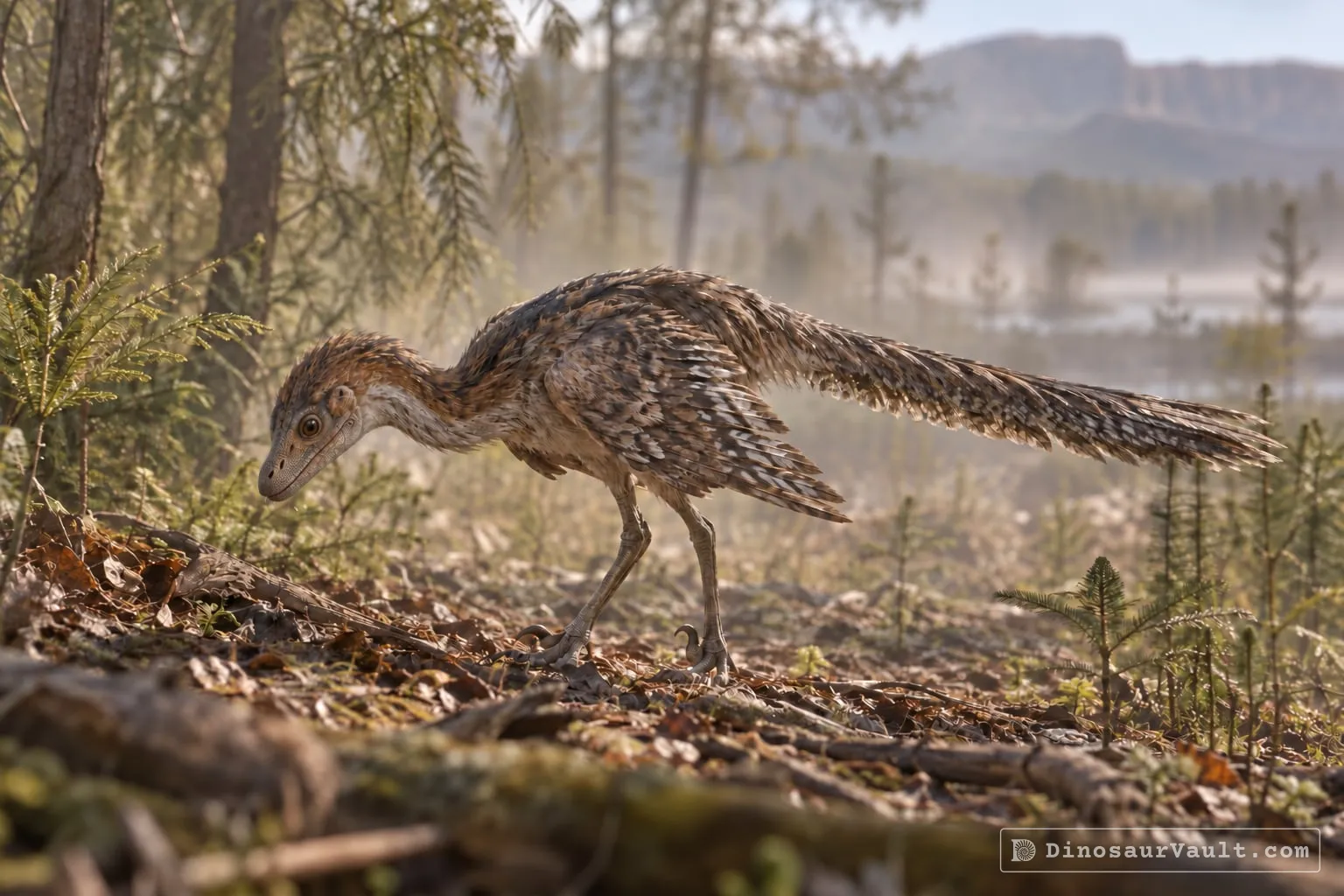
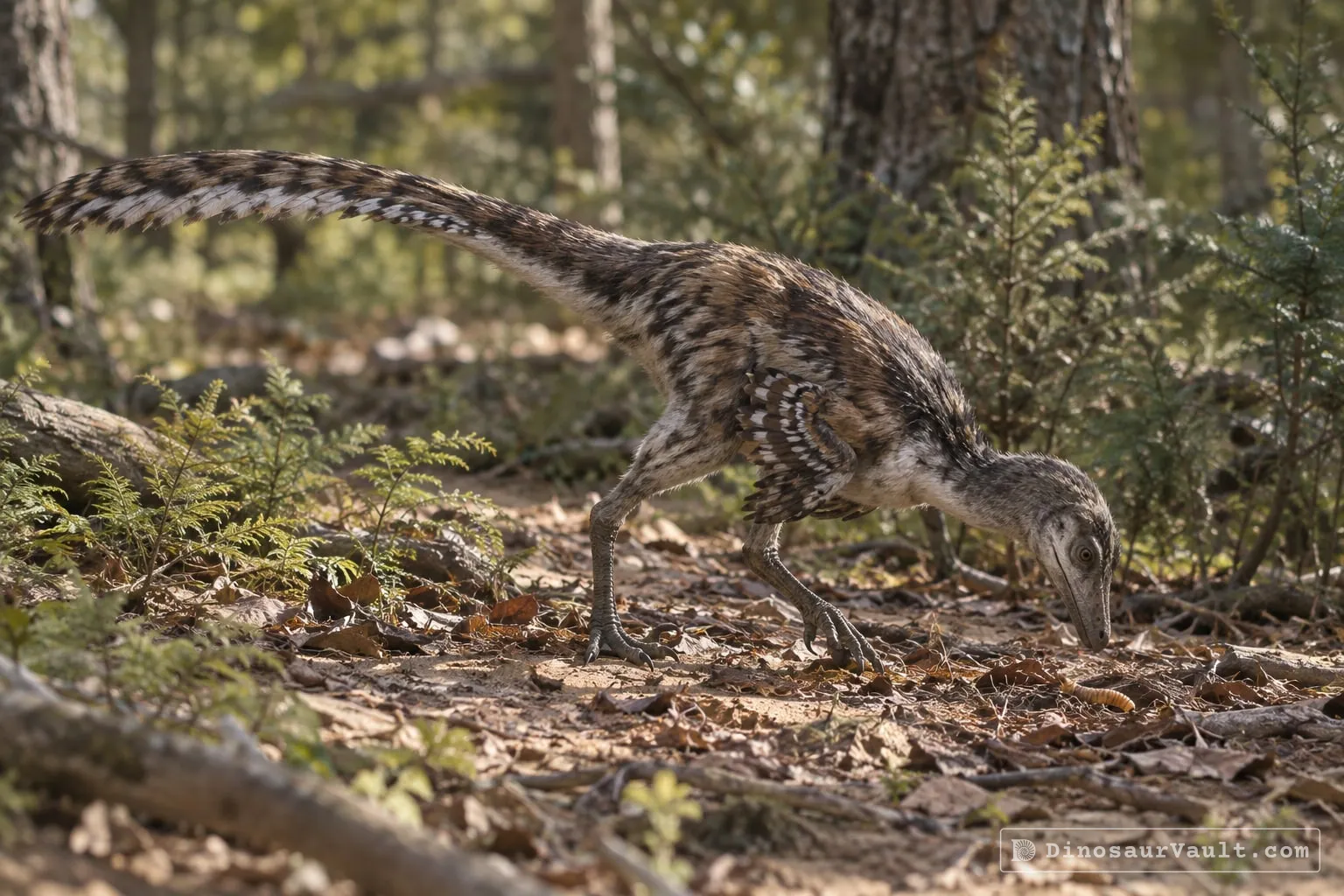
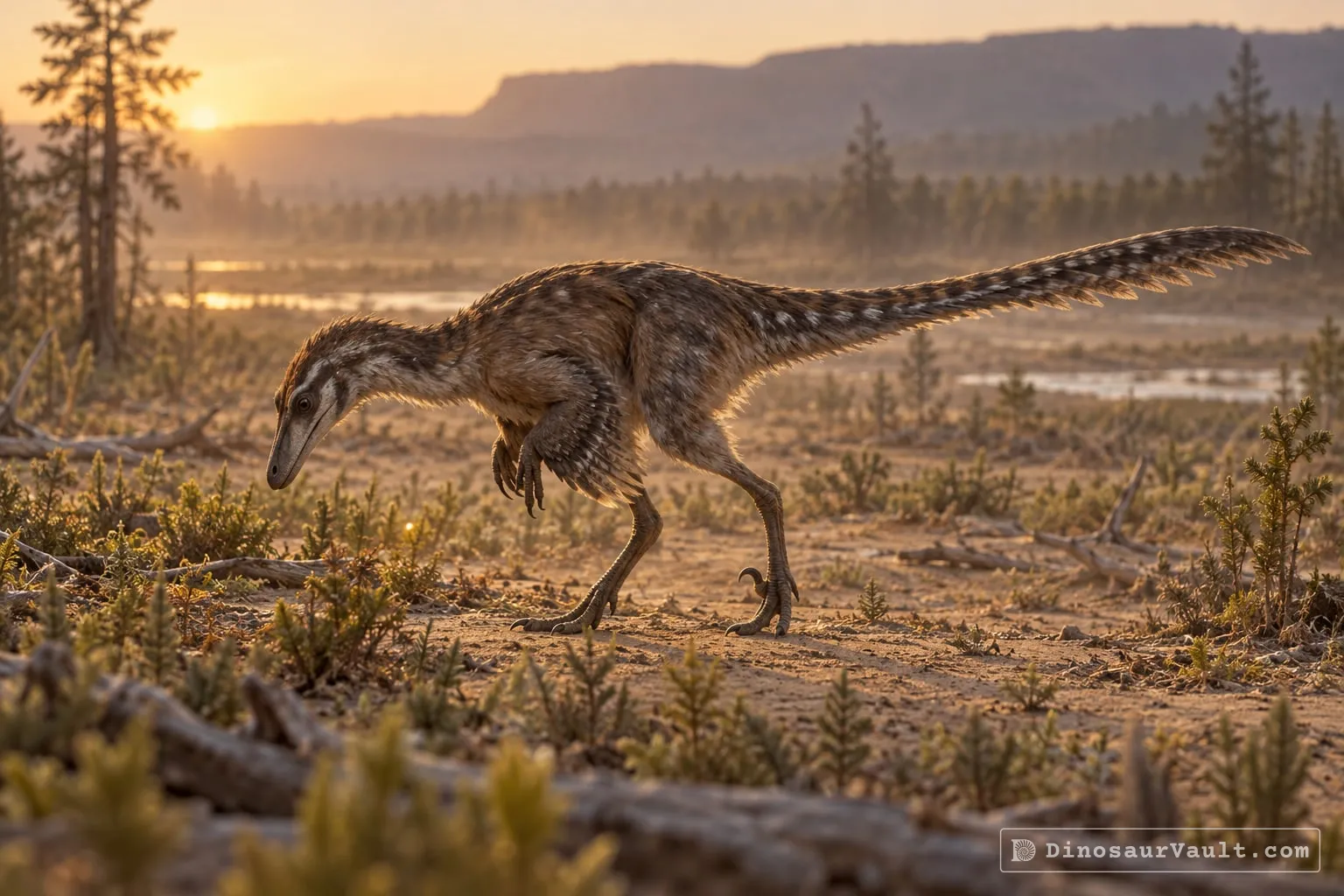
Linheraptor was a feathered raptor about the size of a large dog, a relative of Velociraptor, with a sickle claw on each foot. It is known from a nearly complete skeleton with a skull.
Its world
It lived in the Late Cretaceous in what is now northern China. Its skeleton comes from the Wulansuhai Formation, where it shared the land with Protoceratops, the armored Pinacosaurus and the small alvarezsaur Linhenykus.
How it was found
Xu and colleagues named Linheraptor in 2010, from a single, beautifully preserved skeleton. Some scientists think it is the same animal as Tsaagan from Mongolia.
Field gallery
More views of Linheraptor
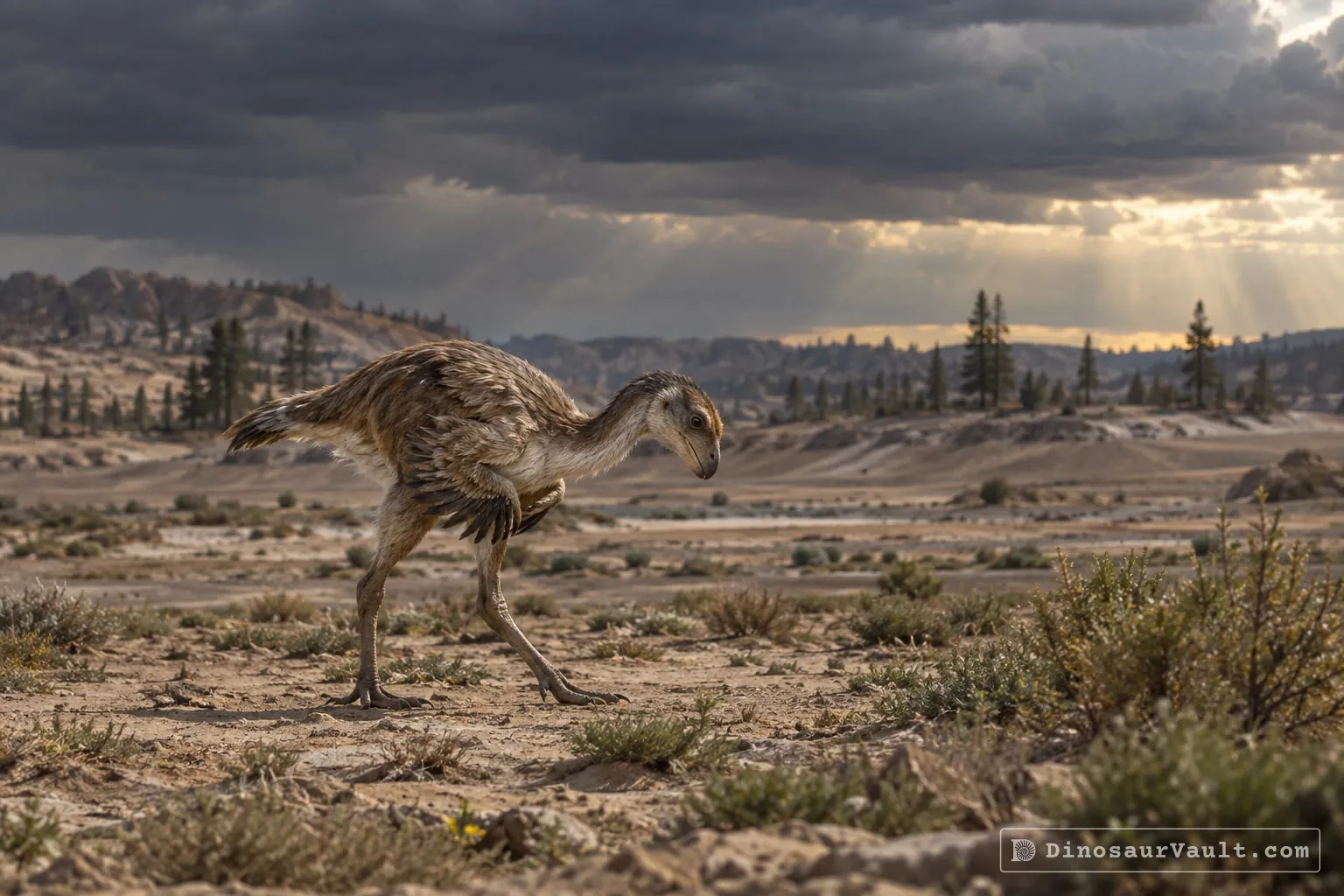
Scenes reconstructed from the available fossil evidence.
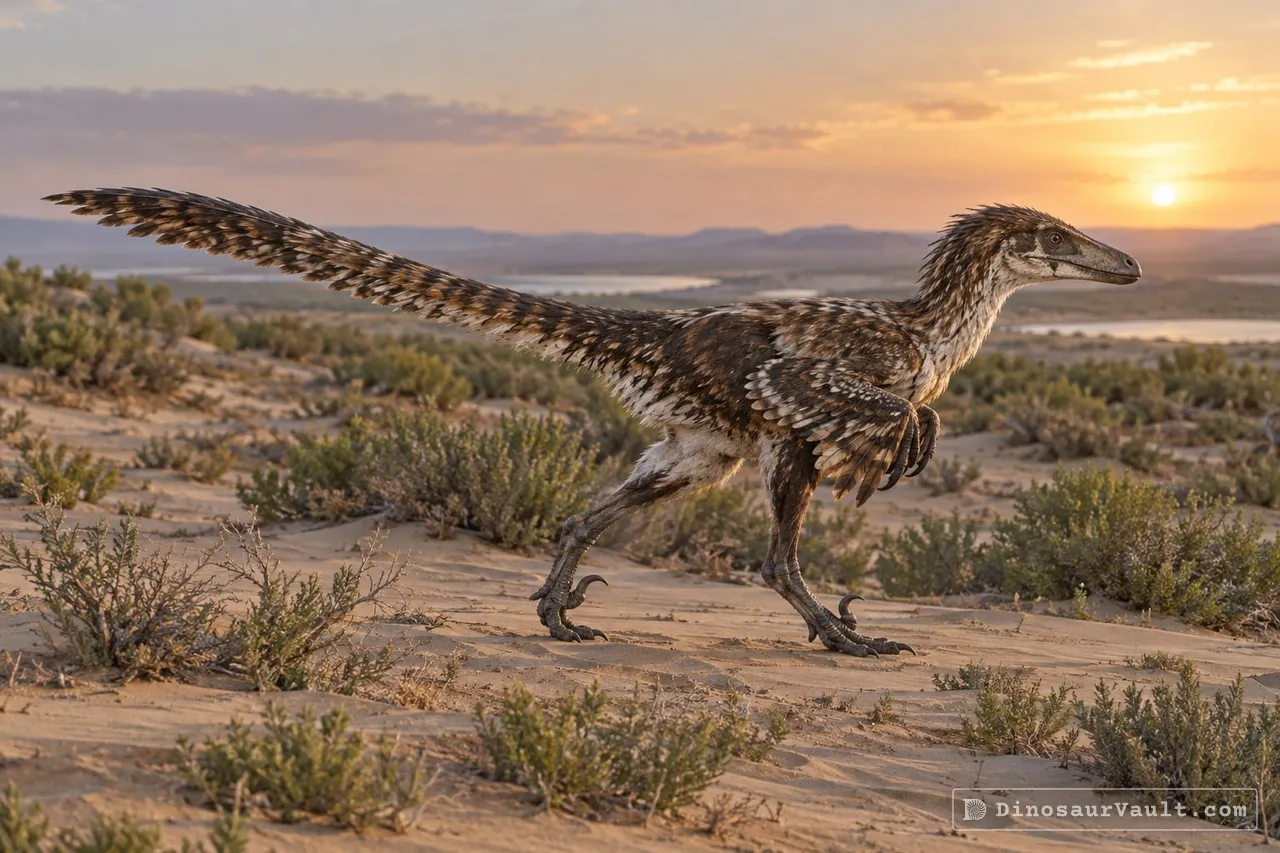
1 of 3
Lived alongside
Found in the same rock formations
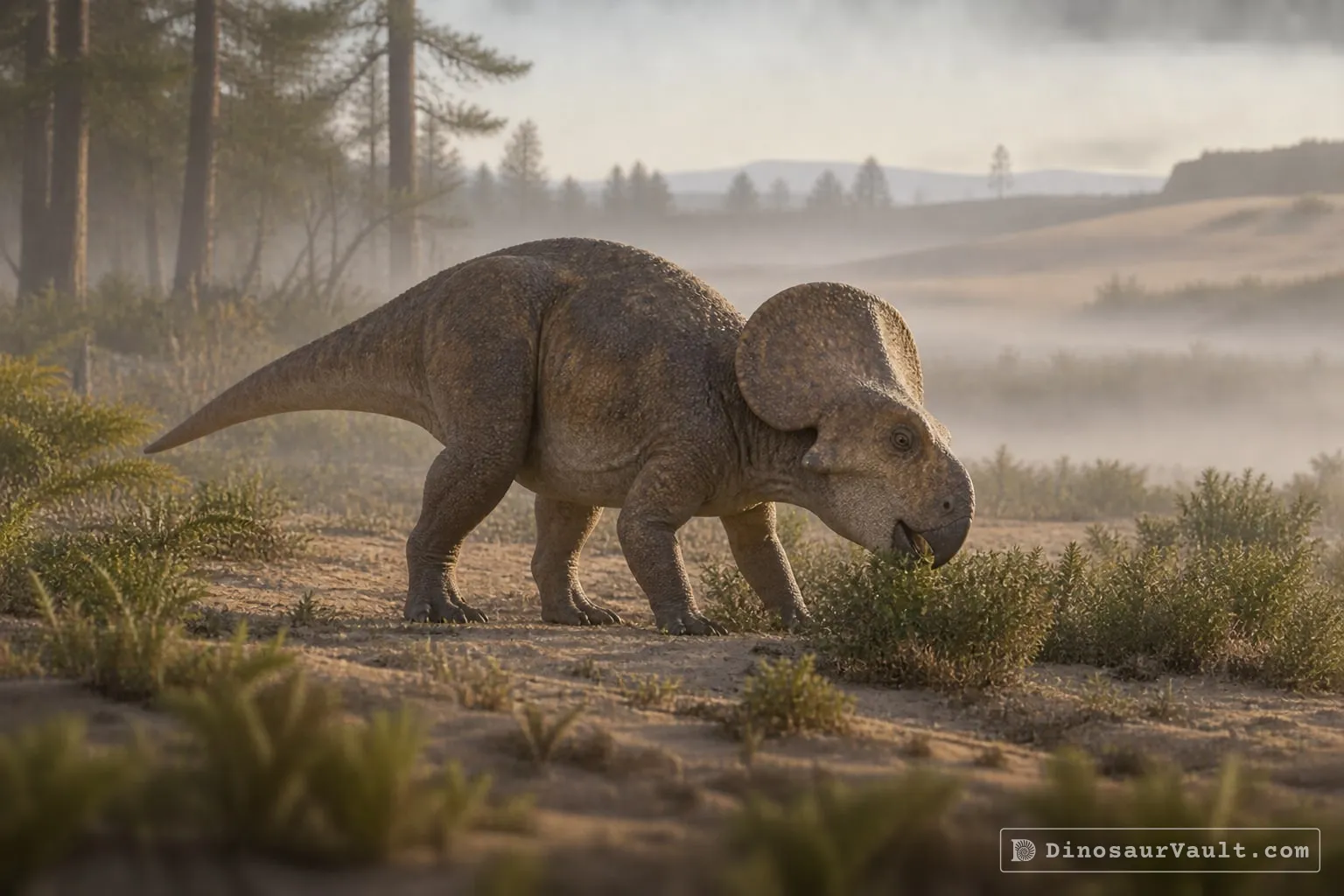
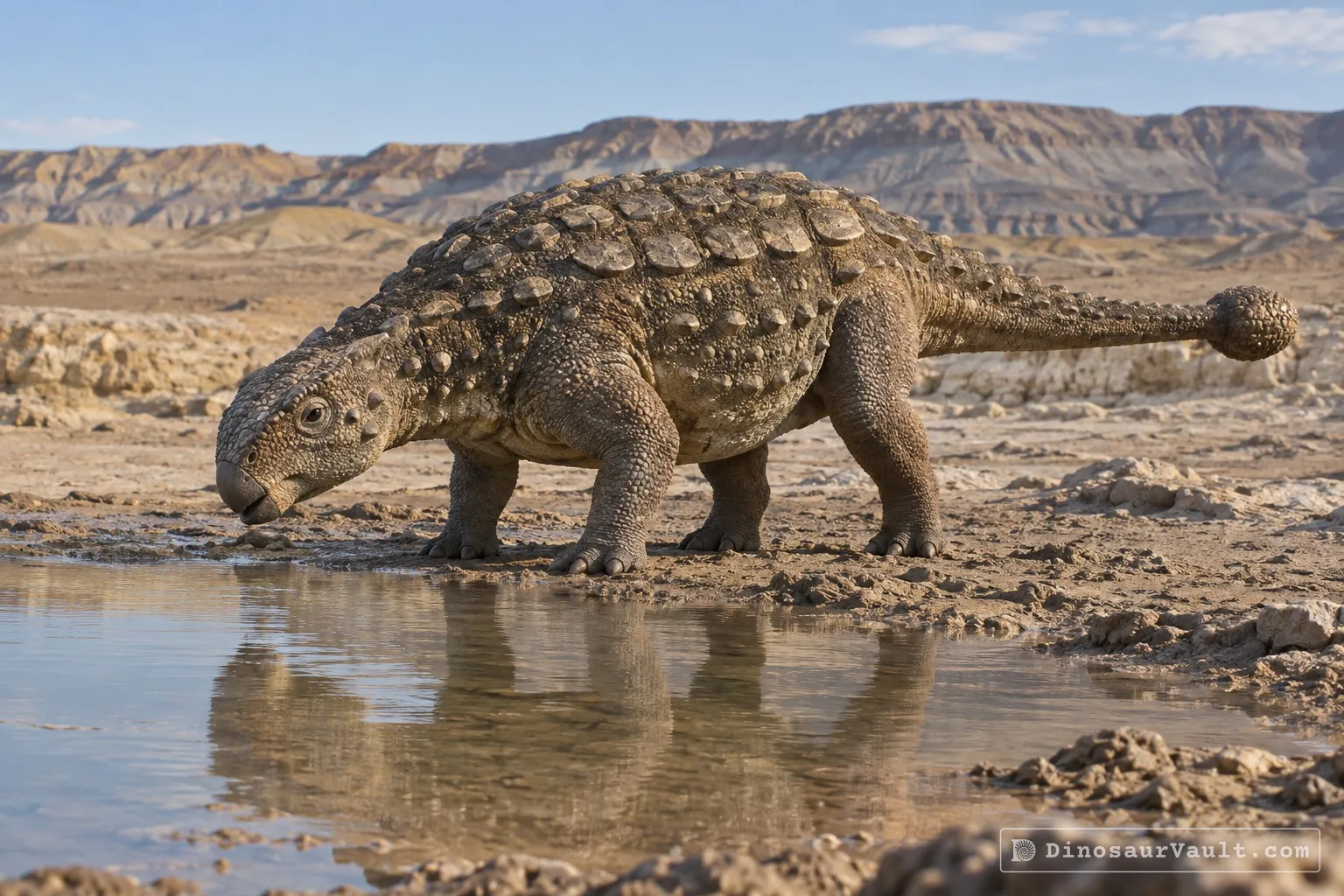
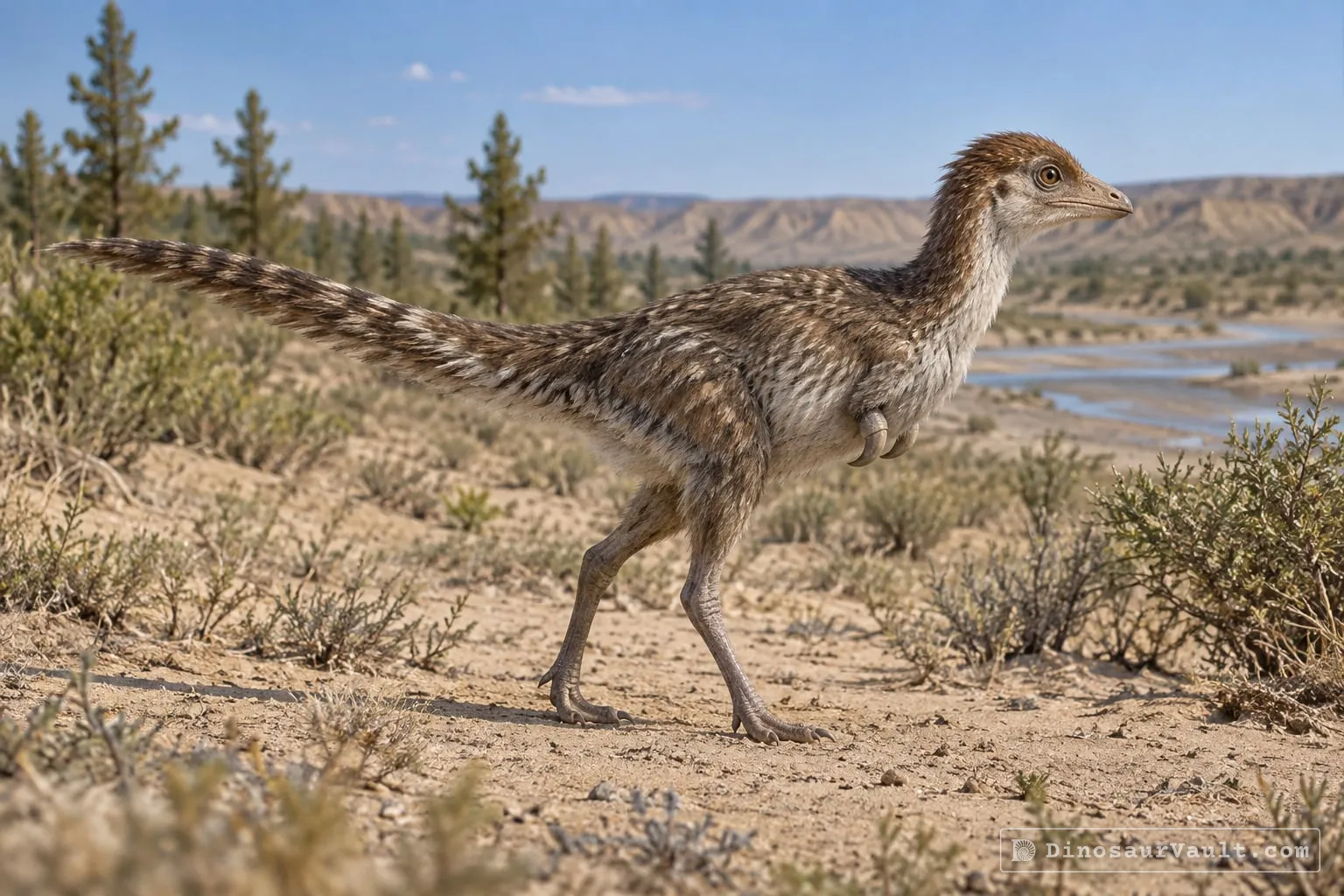


A rock formation can hold fossils laid down millions of years apart, so not every animal here met Linheraptor.
The evidence
The science behind Linheraptor
Which parts of the picture come from its own bones, and which come from its relatives.
From its own fossils
- A nearly complete skeleton preserves the skull, backbone, limbs and long tail.
- Its foot had an enlarged, curved claw on the second toe.
- Further preparation of the skull revealed features that distinguish it from Tsaagan.
Borrowed from relatives
- Almost the whole skeleton is known from Linheraptor itself.
- Feathers are restored by comparison with relatives such as Velociraptor and Microraptor.
Still unknown
- Its feather colors and exact plumage pattern.
- Its preferred prey and hunting habits.
- How its proportions changed as it grew.
Discovery timeline
- 2007Close relativeTurner, Makovicky & Norell
- 2010Named itXU et al.
- 2020Family treePei et al.
Key papers
The research behind what we know of Linheraptor
Close relative
Found feather attachment bumps on a Velociraptor forearm, supporting feathered arms in relatives such as Linheraptor.
Feather quill knobs in the dinosaur Velociraptor. Science 317: 1721
Read the paper : Feather quill knobs in the dinosaur Velociraptor (opens in a new tab)Named it
Named Linheraptor from a nearly complete skeleton and identified similarities with Tsaagan.
A new dromaeosaurid (Dinosauria: Theropoda) from the Upper Cretaceous Wulansuhai Formation of Inner Mongolia, China. Zootaxa 2403
Read the paper : A new dromaeosaurid (Dinosauria: Theropoda) from the Upper Cretaceous Wulansuhai Formation of Inner Mongolia, China (opens in a new tab)Family tree
Added Linheraptor to a broad comparison of bird relatives and examined how their relationships connect with the evolution of flight.
Potential for Powered Flight Neared by Most Close Avialan Relatives, but Few Crossed Its Thresholds. Current Biology 30: 4033-4046.e8
Read the paper : Potential for Powered Flight Neared by Most Close Avialan Relatives, but Few Crossed Its Thresholds (opens in a new tab)
Close relatives
Other members of Dromaeosauridae


Sources: Wikidata