Philovenator
"love hunter"
- Lived
- 84 to 72 million years ago, Late Cretaceous
- Diet
- Omnivore
- Group
- Theropods, Troodontidae
- Found in
- China
- Named by
- Xu et al. 2012
Where its fossils were found
The evidence
Today

80 million years ago
Habitat
Dry plains with windblown sand and occasional lakes in northern China. Protoceratops, Linheraptor and Linhenykus also lived in the region.
Field notes
About Philovenator
What it was like
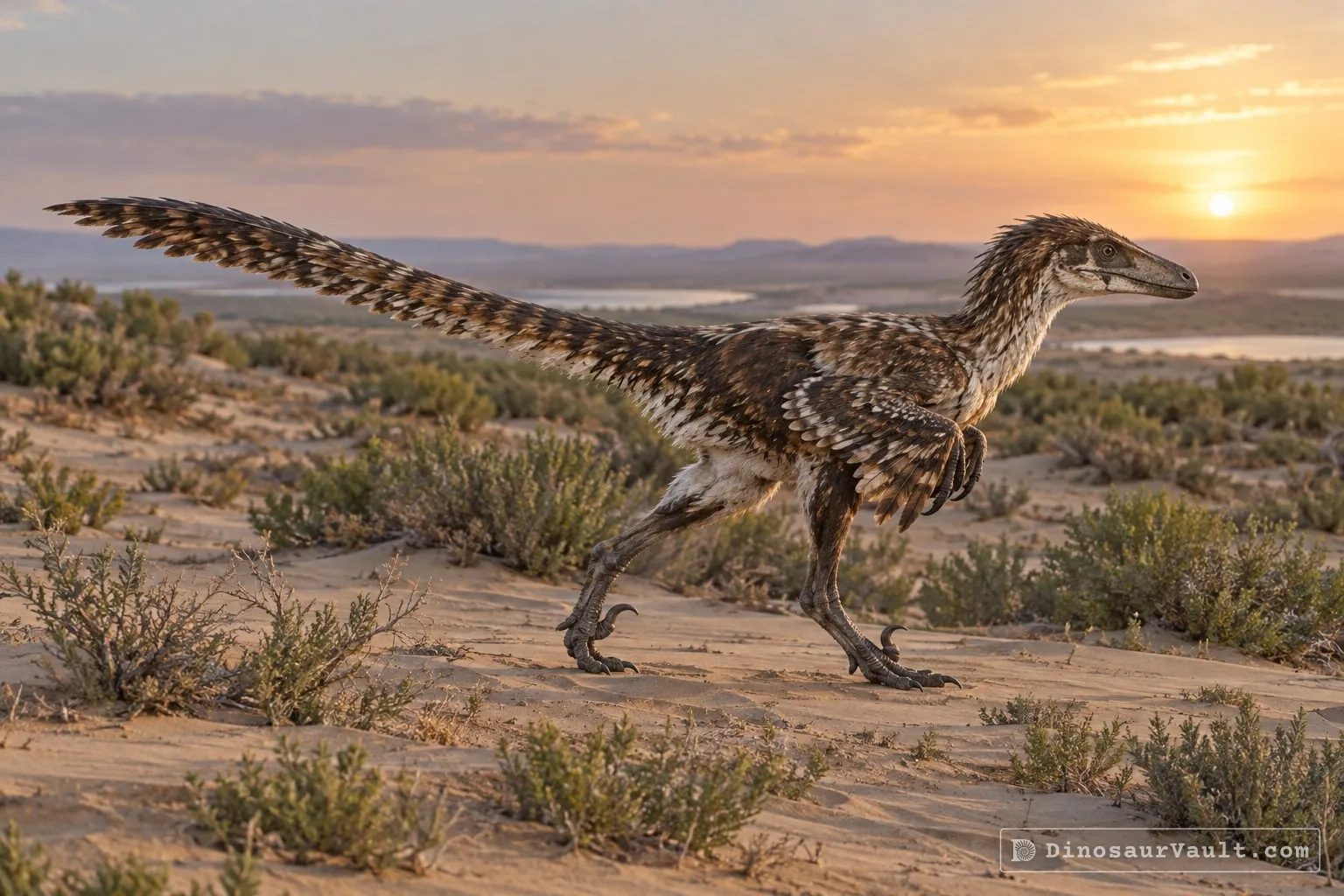
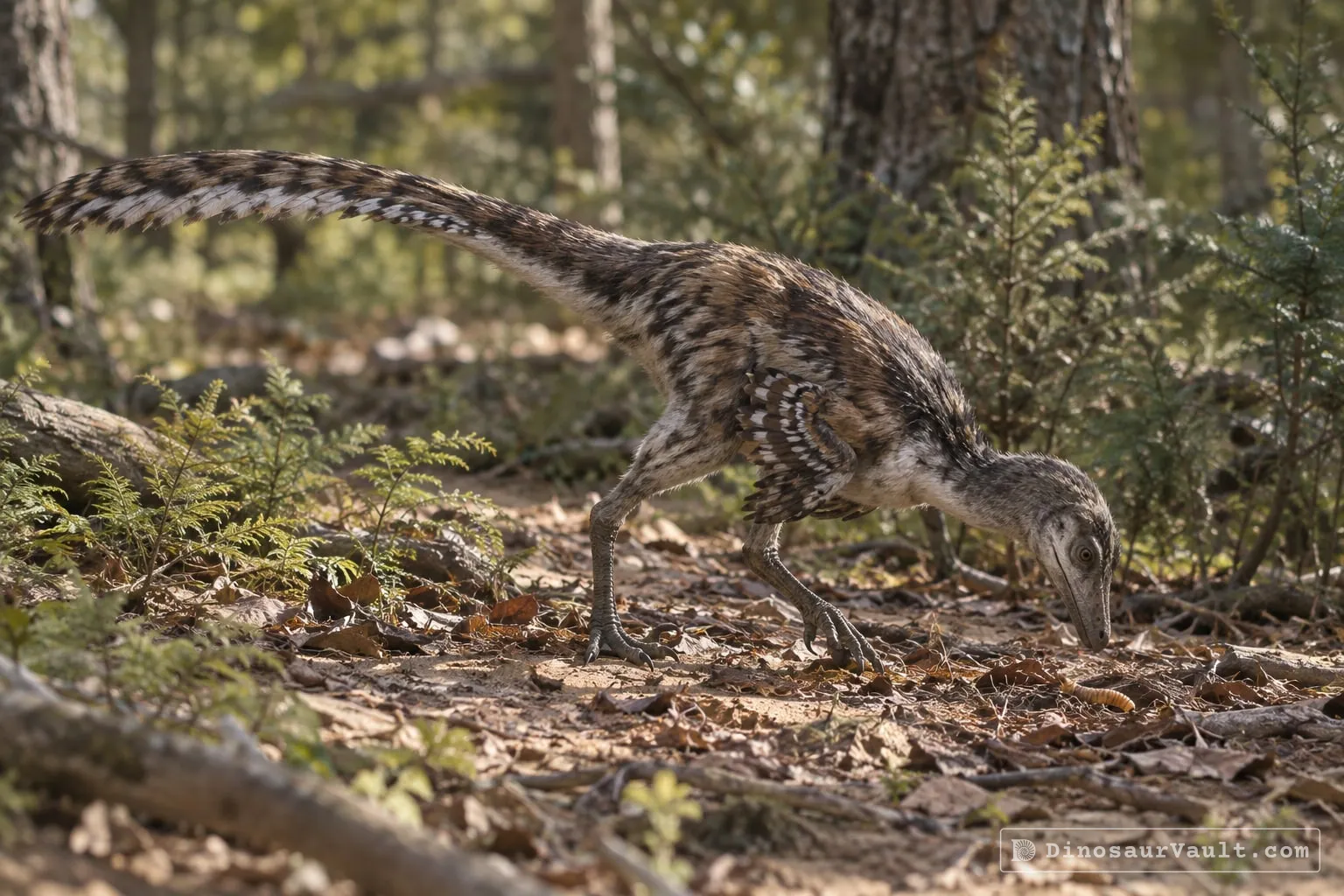
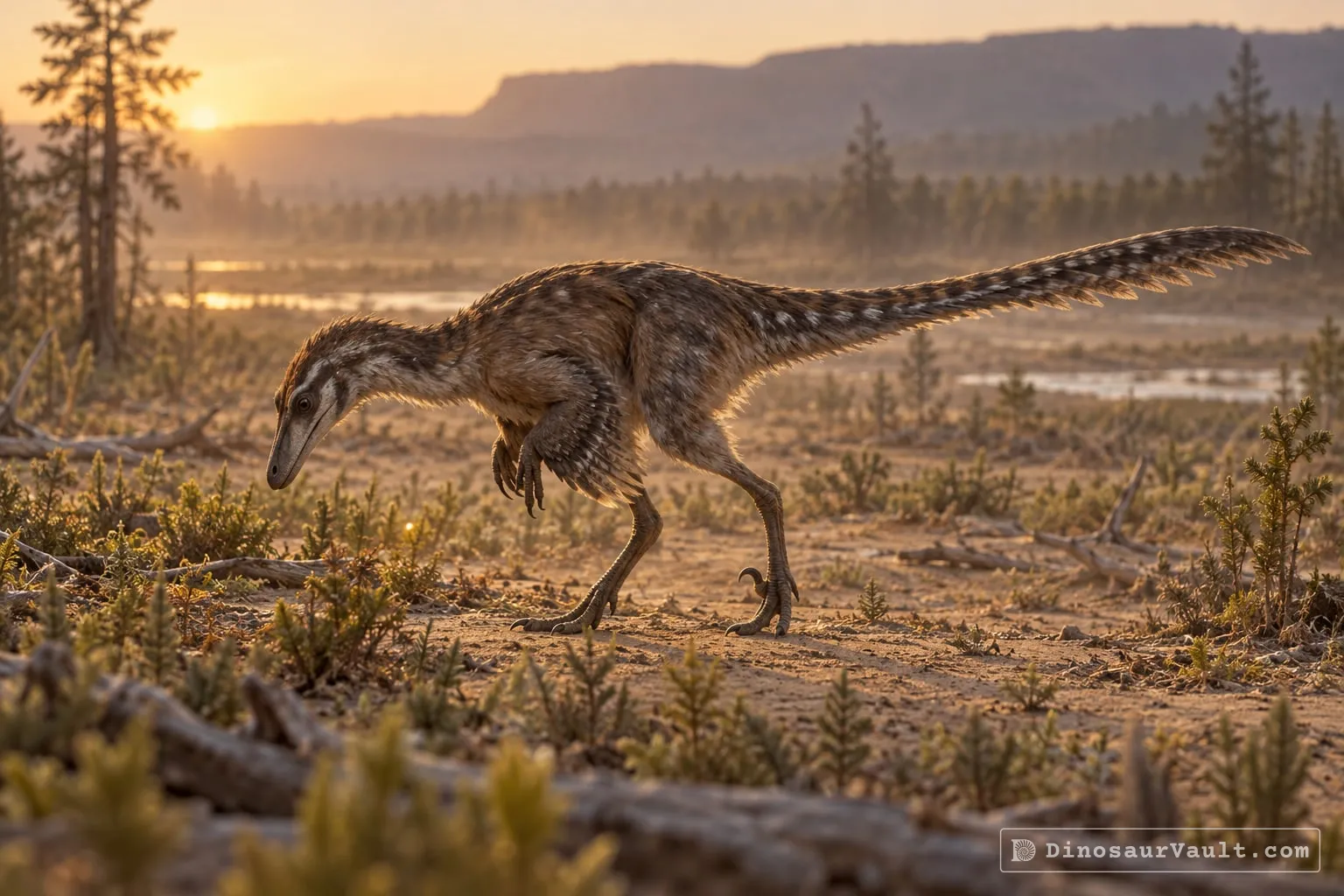
Philovenator was a small feathered troodontid, known only from part of a hind leg. It was a close relative of Linhevenator.
Its world
It lived in the Late Cretaceous in what is now northern China. Its bones come from the Wulansuhai Formation, where it shared the land with Protoceratops, the raptor Linheraptor and the small alvarezsaur Linhenykus.
How it was found
Xu and colleagues named Philovenator in 2012. The leg had first been thought to belong to a young Saurornithoides. Its name honors a well-known paleontologist who loves hunting for dinosaurs.
Field gallery
More views of Philovenator
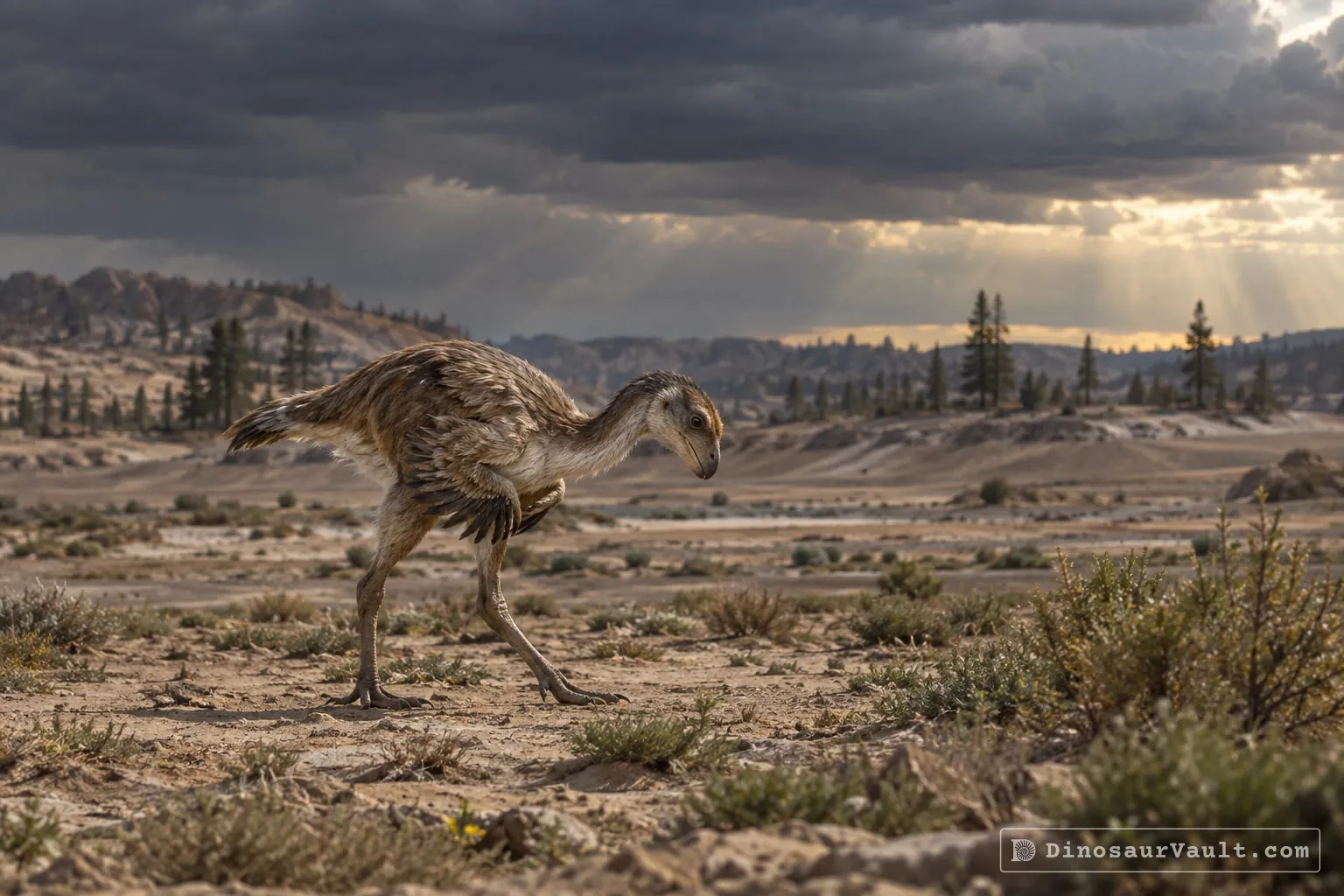
Scenes reconstructed from the available fossil evidence.
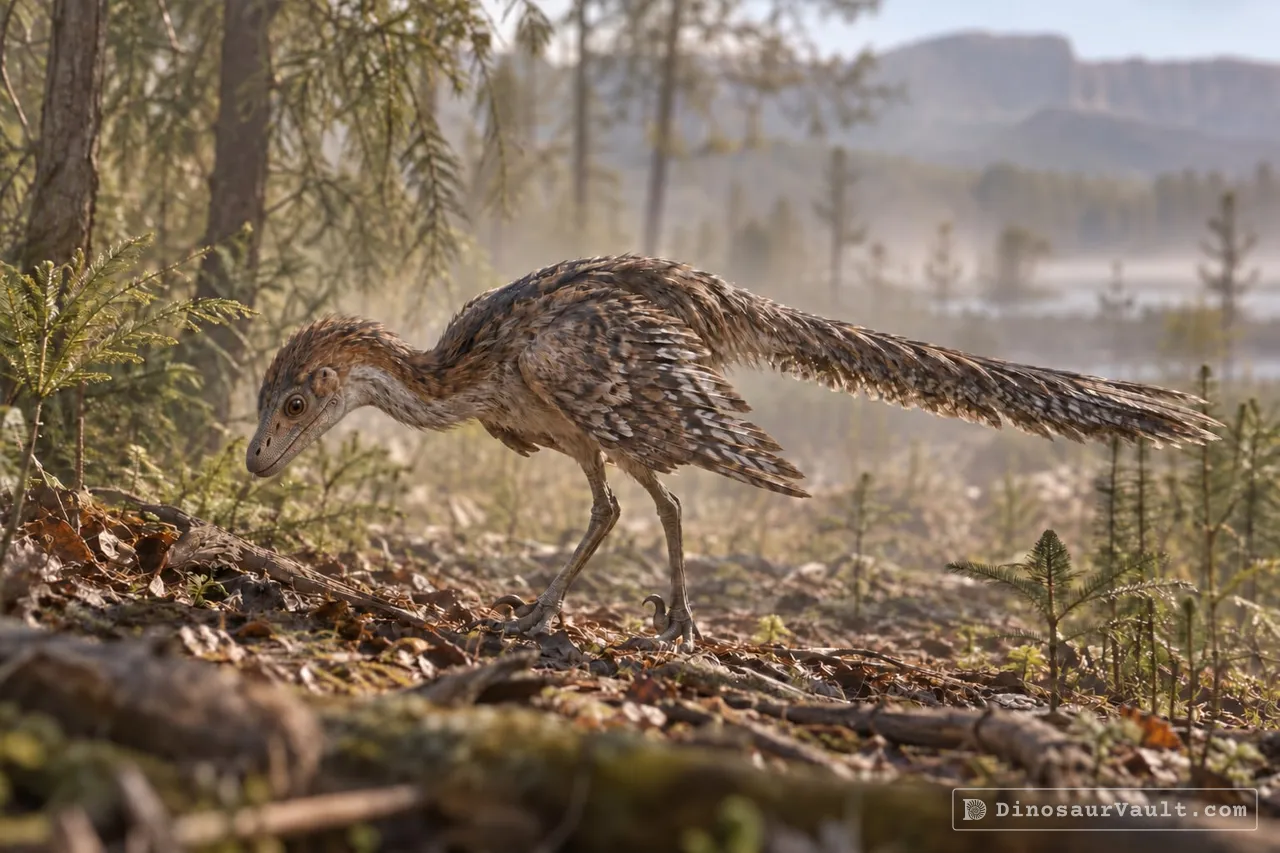
1 of 3
Lived alongside
Found in the same rock formations
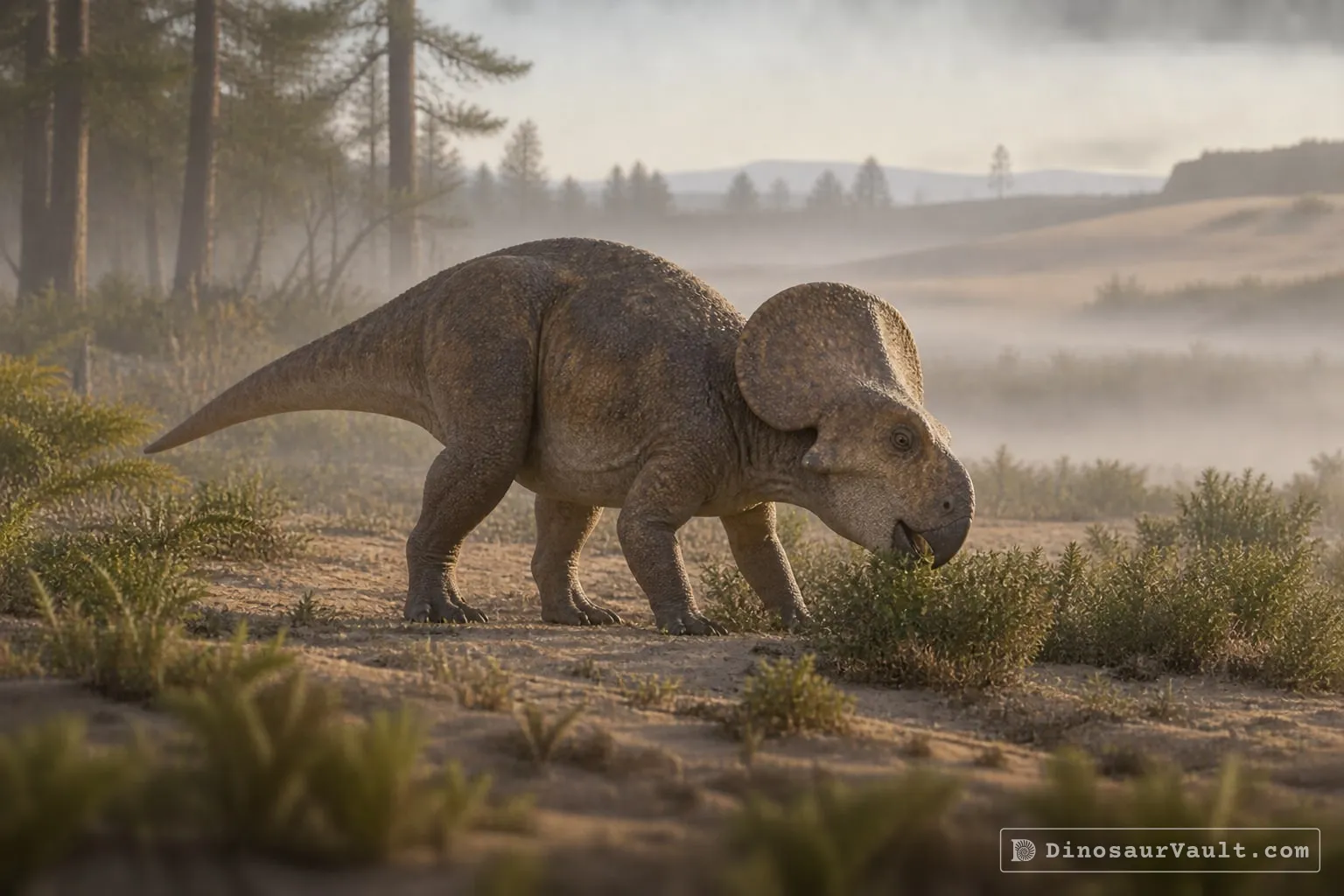
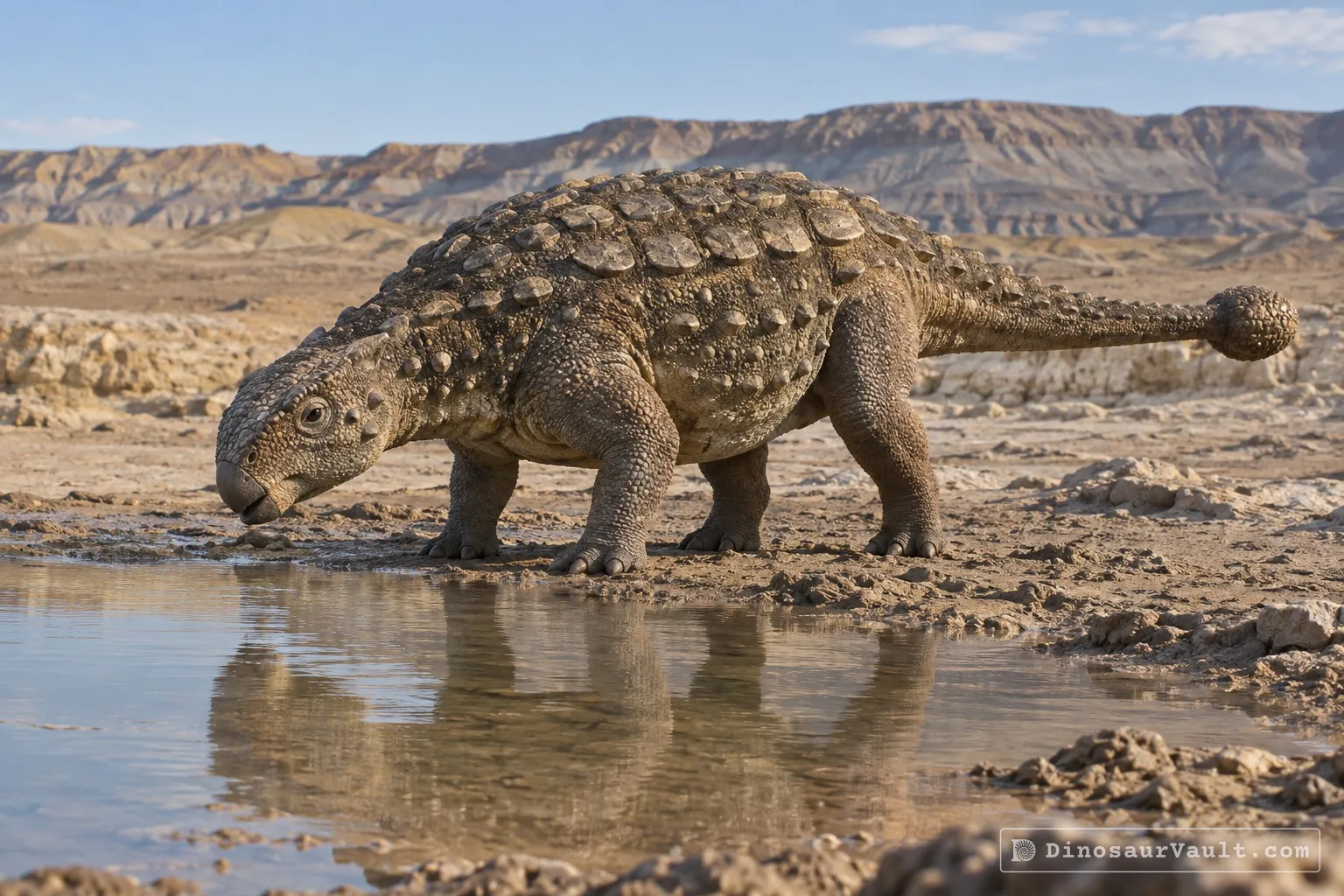
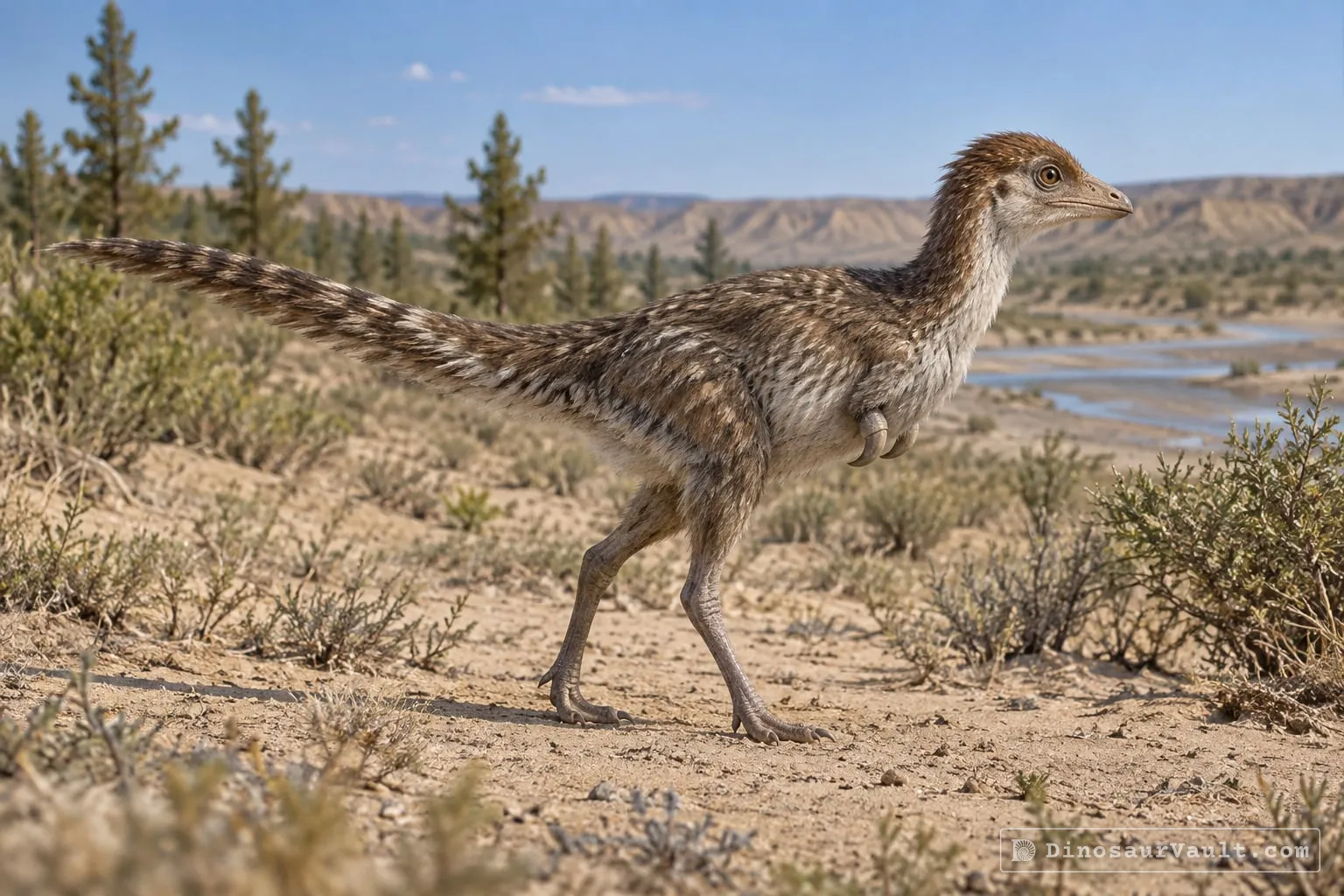


A rock formation can hold fossils laid down millions of years apart, so not every animal here met Philovenator.
The evidence
The science behind Philovenator
Which parts of the picture come from its own bones, and which come from its relatives.
From its own fossils
- The type specimen preserves most of a left hind leg, including the thighbone, parts of the shin and ankle, and foot bones.
- Some ankle and foot bones are fused together.
- The long bones of the sole of the foot (metatarsals) are exceptionally long and slender, with the middle one squeezed between its neighbors.
Borrowed from relatives
- Jianianhualong offers comparisons for the missing head, trunk, arms and tail, and for an inferred feather covering.
Still unknown
- Its skull shape and exact diet.
- The length and arrangement of its feathers.
- Its color.
Discovery timeline
- 2011Same rocksXu et al.
- 2012Named itXu et al.
- 2022Same rocksPei et al.
- 2023Family treeLee et al.
Key papers
The research behind what we know of Philovenator
Same rocks
Described Linhevenator, a troodontid from the same rocks with short arms and a specialized second toe.
A Short-Armed Troodontid Dinosaur from the Upper Cretaceous of Inner Mongolia and Its Implications for Troodontid Evolution. PLoS ONE 6: e22916
Read the paper : A Short-Armed Troodontid Dinosaur from the Upper Cretaceous of Inner Mongolia and Its Implications for Troodontid Evolution (opens in a new tab)Named it
Reexamined the leg and its bone growth, identifying a small troodontid of its own rather than a young animal of a larger species.
The taxonomy of the troodontid IVPP V 10597 reconsidered. Vertebrata PalAsiatica 50: 140-150
No link available
Same rocks
Named Papiliovenator from the same formation and compared its skull and foot bones with other local troodontids, including Philovenator.
A new troodontid from the Upper Cretaceous Gobi Basin of inner Mongolia, China. Cretaceous Research 130: 105052
Read the paper : A new troodontid from the Upper Cretaceous Gobi Basin of inner Mongolia, China (opens in a new tab)Family tree
Compared Philovenator with Harenadraco; both have exceptionally slender metatarsals, though the study did not find them close relatives.
The first troodontid (Dinosauria: Theropoda) from the Upper Cretaceous Baruungoyot Formation of Mongolia. Journal of Vertebrate Paleontology 43
Read the paper : The first troodontid (Dinosauria: Theropoda) from the Upper Cretaceous Baruungoyot Formation of Mongolia (opens in a new tab)
Close relatives
Other members of Troodontidae


Sources: Wikidata