Papiliovenator
"butterfly hunter"
Type species Papiliovenator neimengguensis
- Lived
- 84 to 72 million years ago, Late Cretaceous
- Diet
- Omnivore
- Group
- Theropods, Troodontidae
- Found in
- China
- Named by
- Pei et al. 2022
Where its fossils were found
The evidence
Today

80 million years ago
Habitat
It lived in northern China alongside Protoceratops, Linheraptor and Philovenator. Its fossils come from the Wulansuhai Formation.
Field notes
About Papiliovenator
What it was like
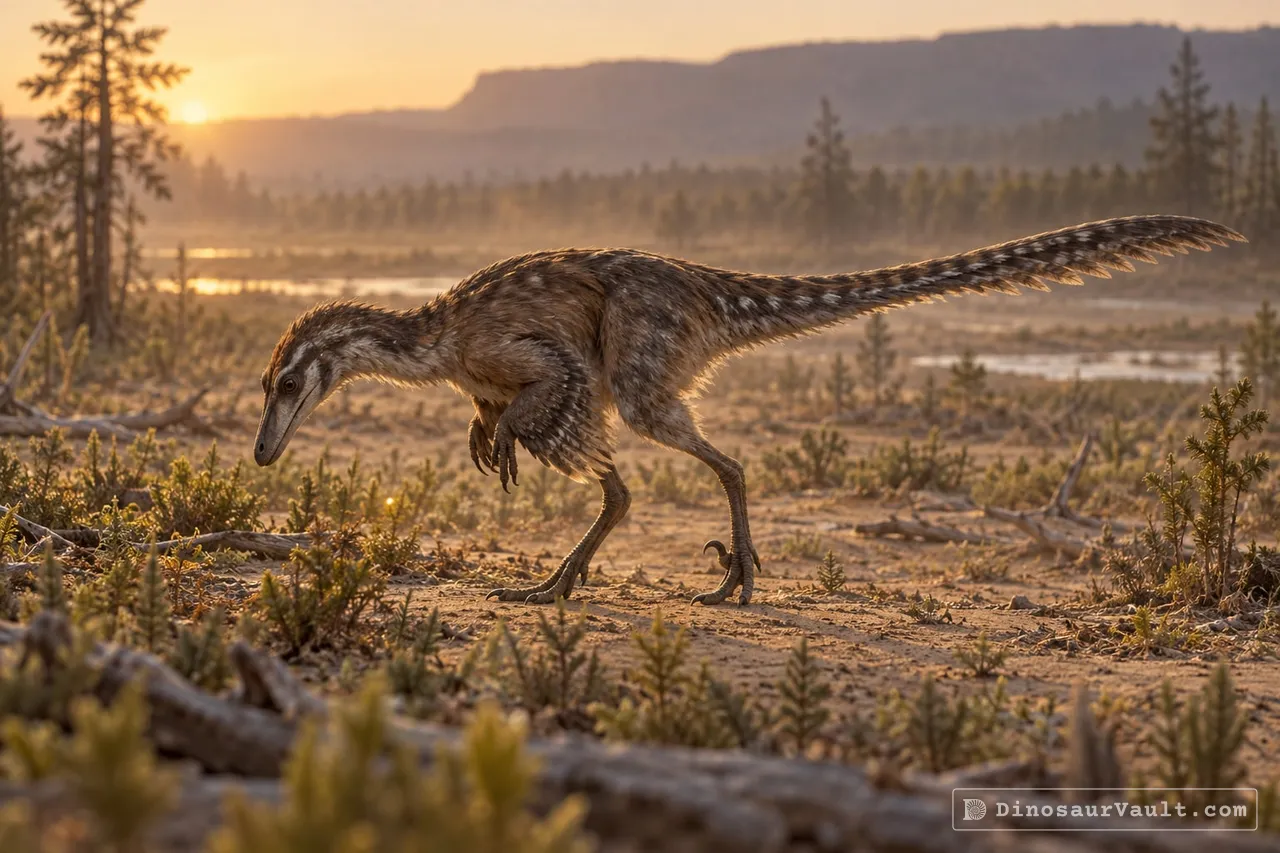
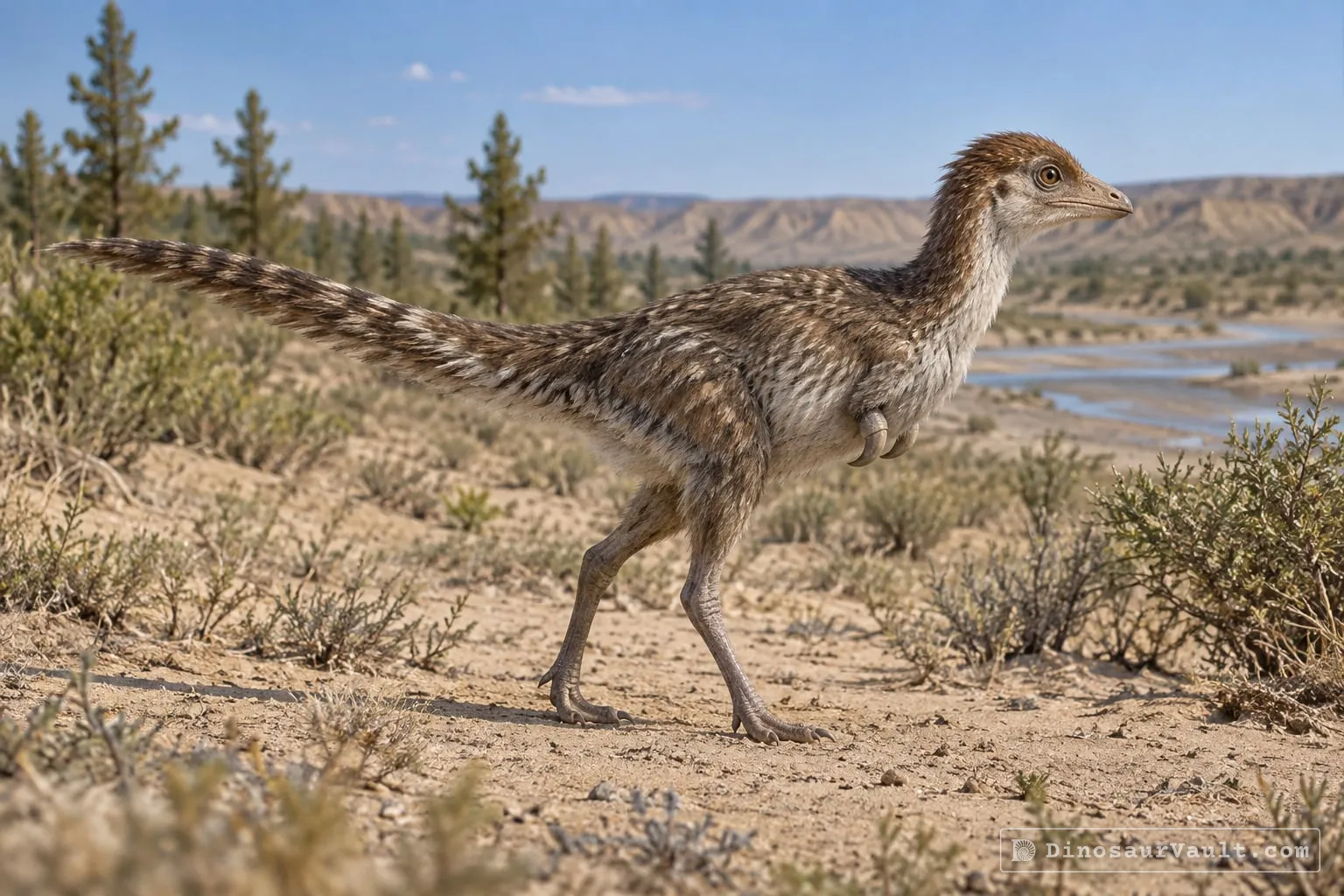
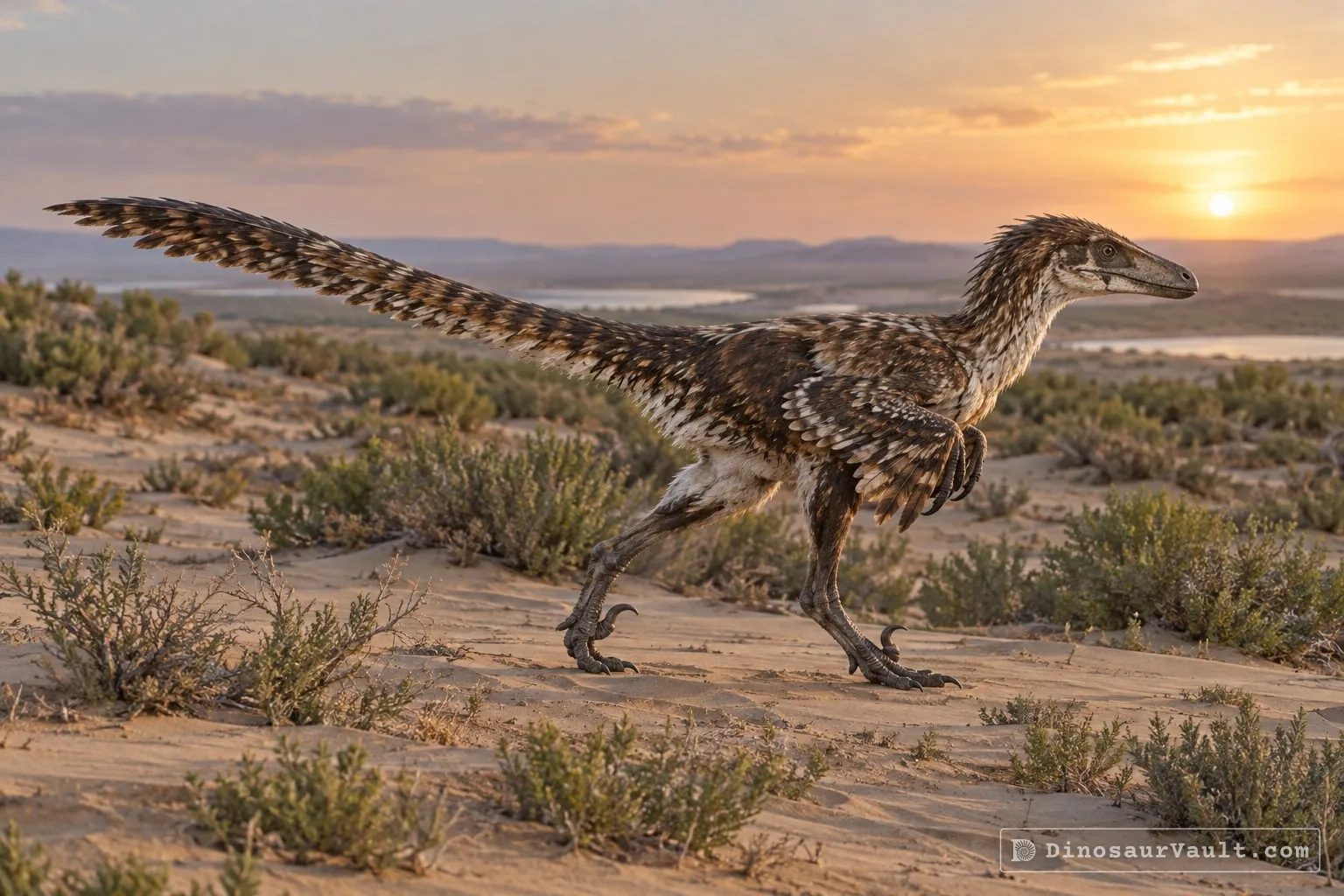
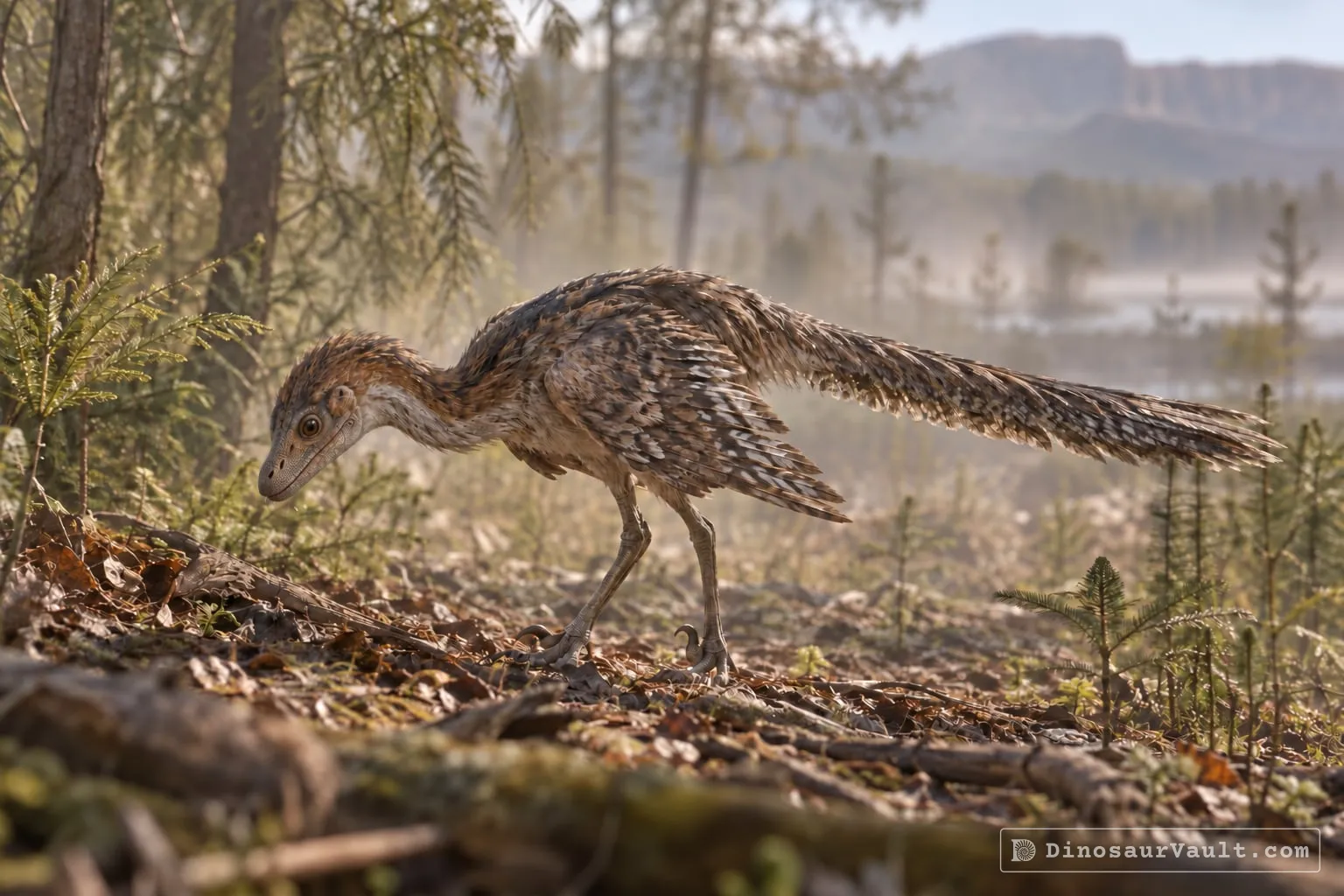
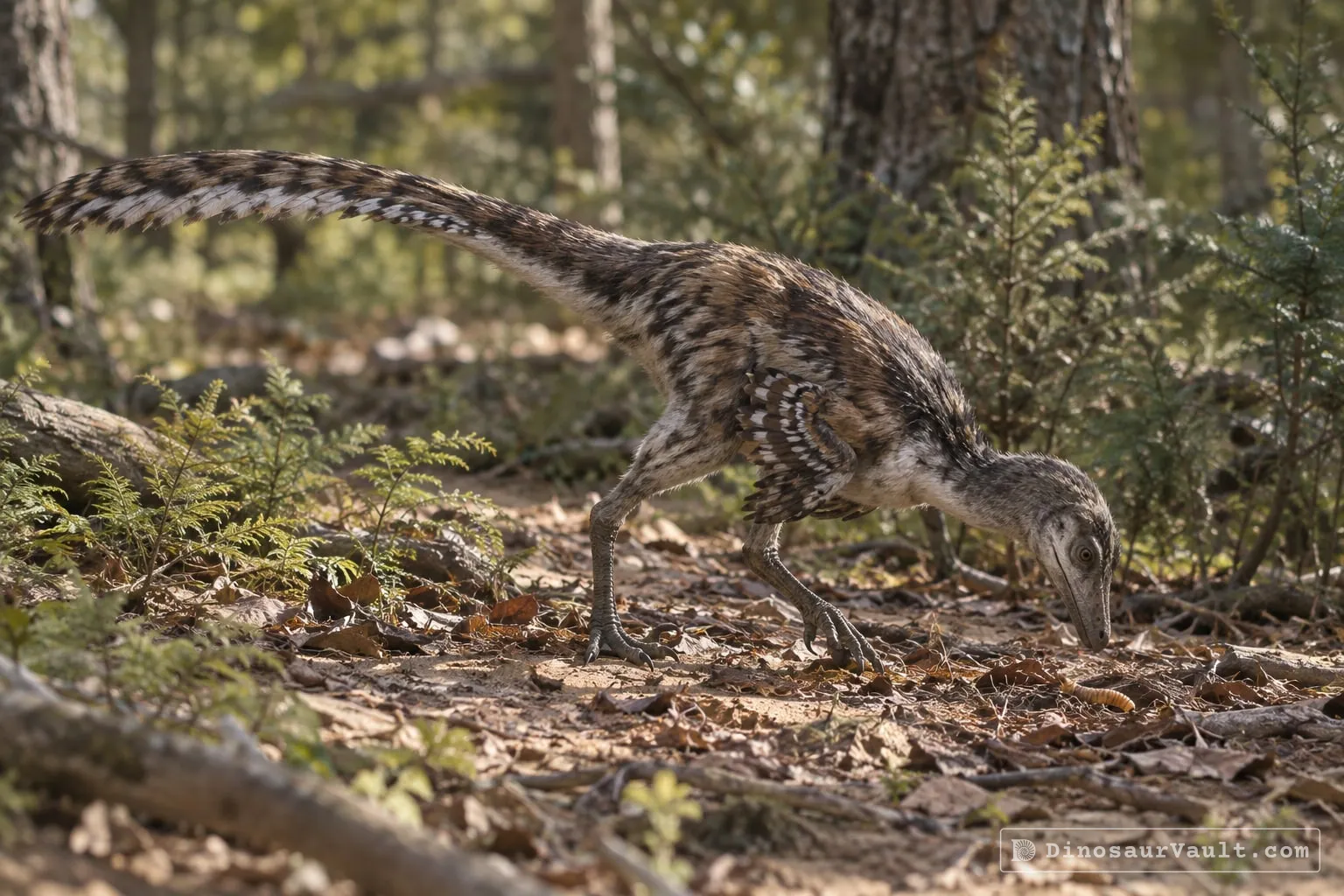
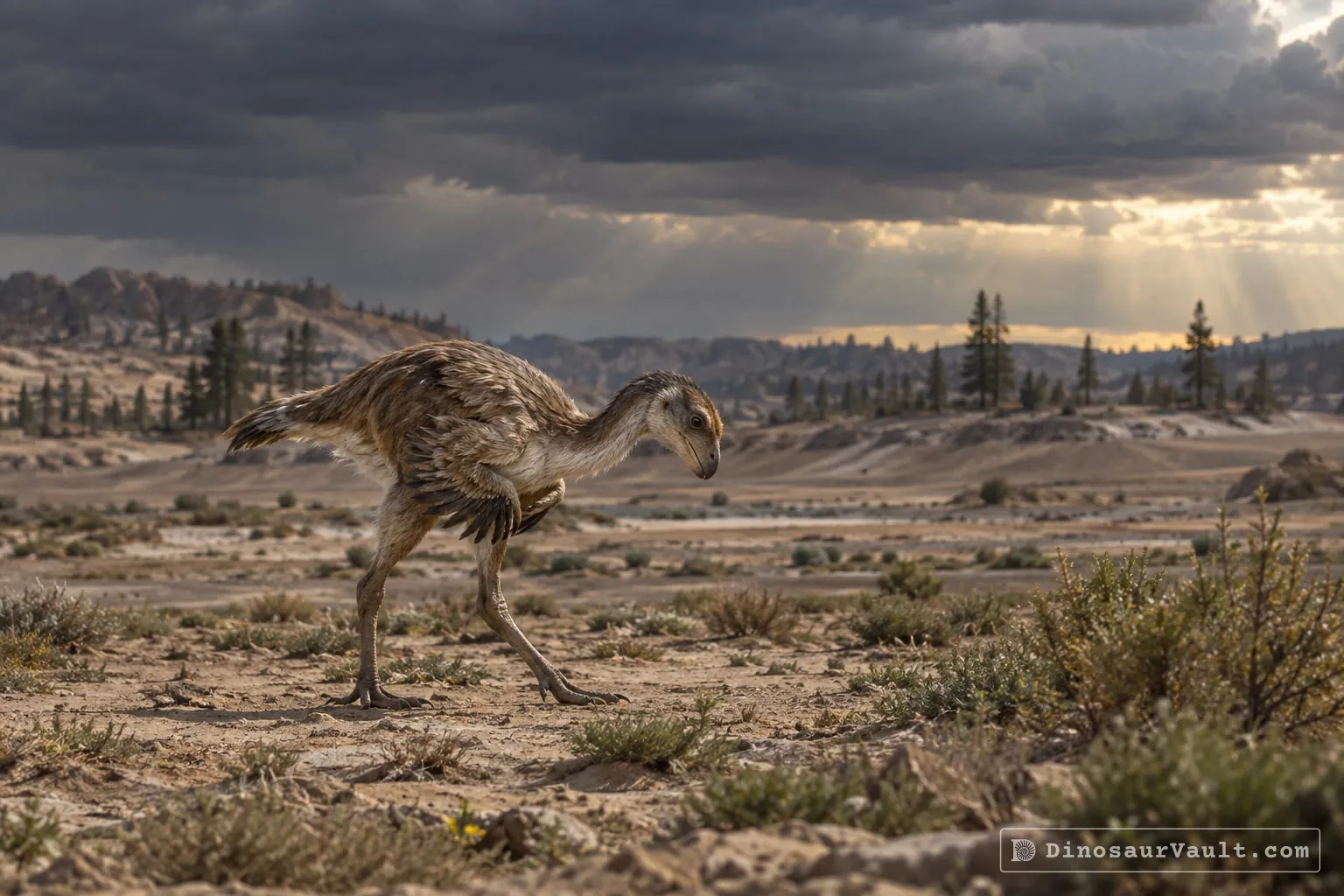
Papiliovenator was a small feathered troodontid, known from a skull and part of the skeleton. Some of its back bones had a butterfly-shaped feature, which gave it its name.
Its world
It lived in the Late Cretaceous in what is now northern China. Its bones come from the Wulansuhai Formation, where it shared the land with Protoceratops, the raptor Linheraptor and the small troodontid Philovenator.
How it was found
Pei and colleagues named Papiliovenator in 2022, from a single find.
Field gallery
More views of Papiliovenator
Scenes reconstructed from the available fossil evidence.
1 of 3
Lived alongside
Found in the same rock formations
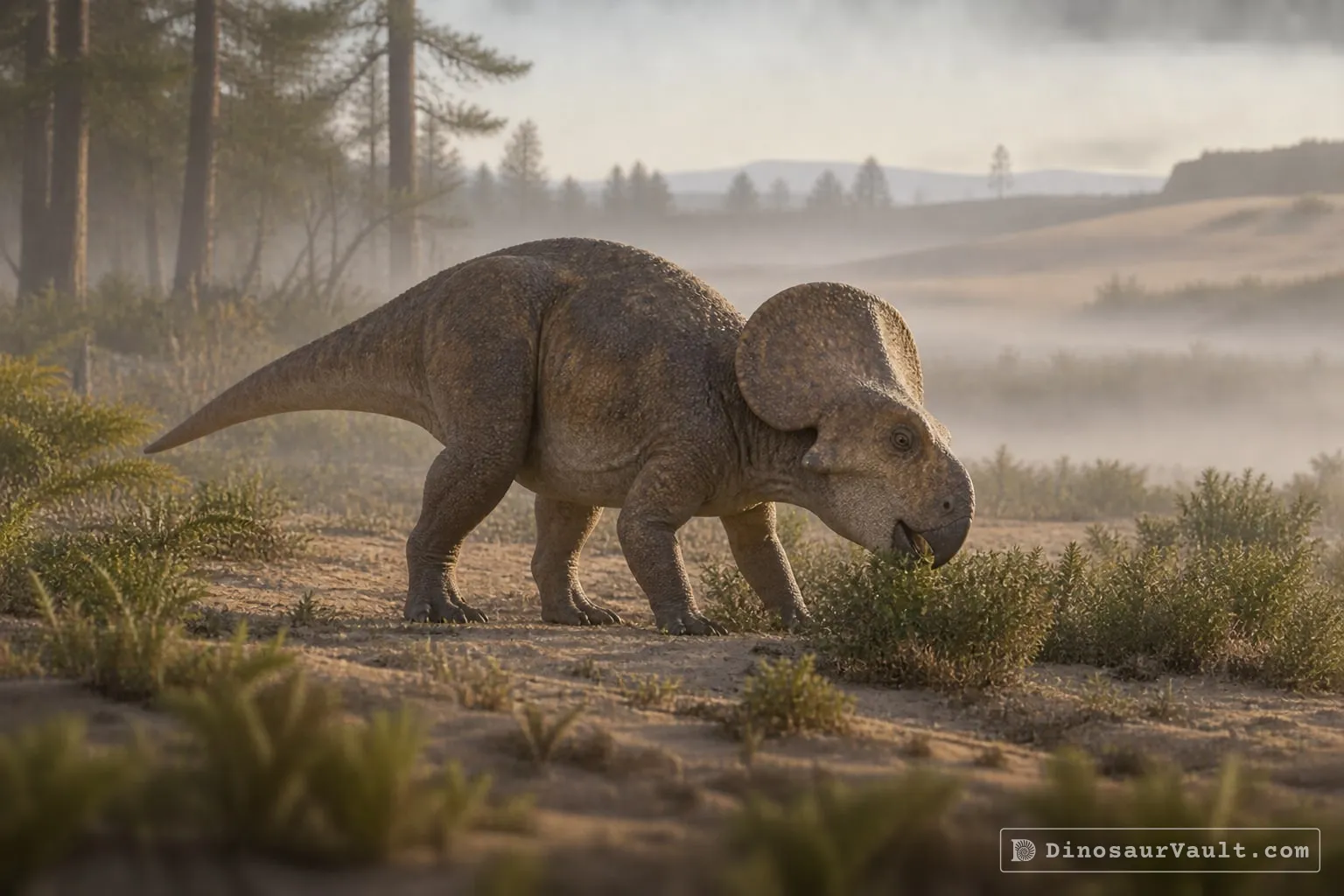
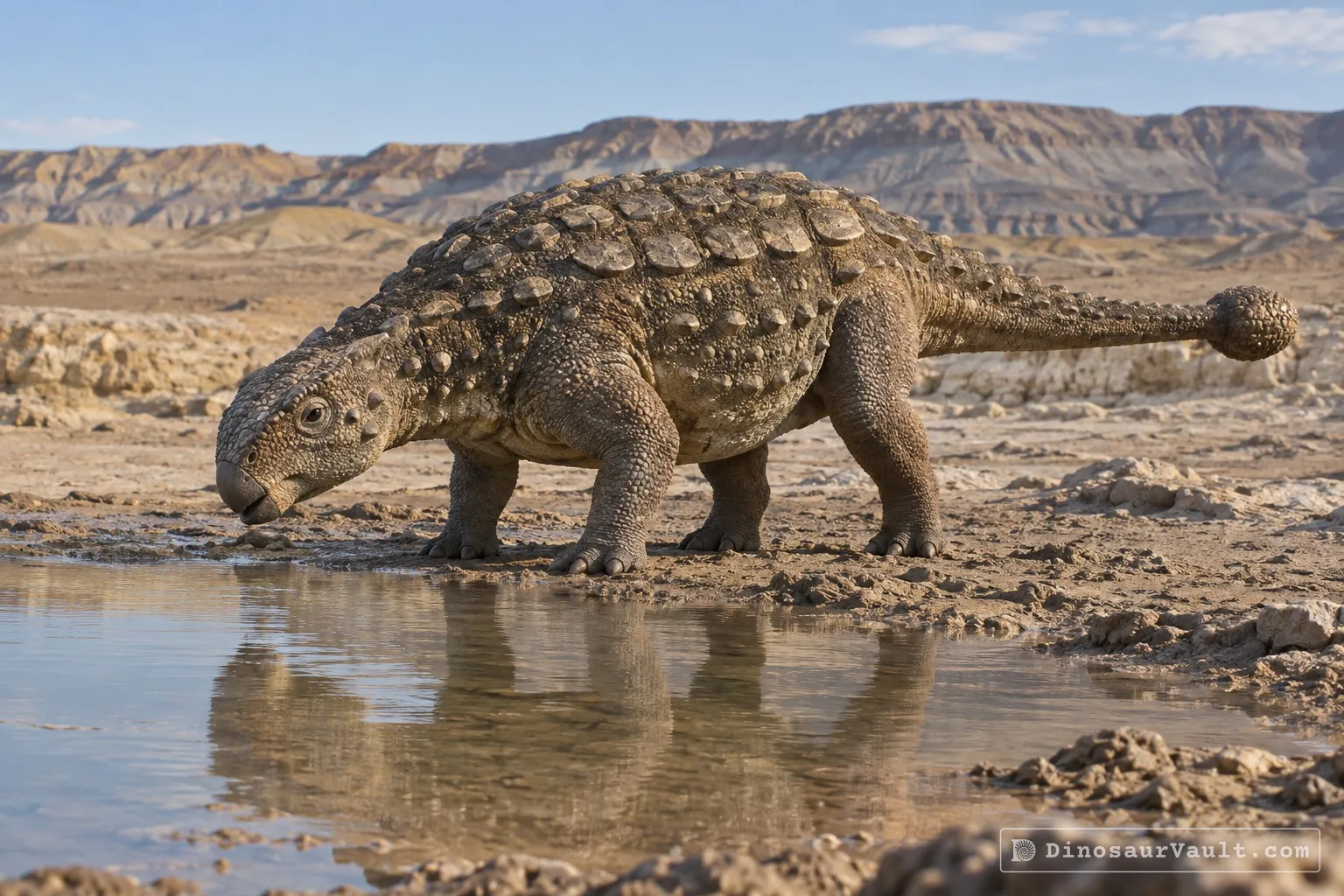


A rock formation can hold fossils laid down millions of years apart, so not every animal here met Papiliovenator.
The evidence
The science behind Papiliovenator
Which parts of the picture come from its own bones, and which come from its relatives.
From its own fossils
- A nearly complete skull and parts of the skeleton belong to an animal that was still growing.
- Its snout was short, unlike the longer snouts of many other troodontids.
- The arches of its frontmost backbones spread outward into a butterfly shape.
Borrowed from relatives
- Feathers are restored by comparison with feathered troodontids such as Jianianhualong.
- Missing parts of the limbs and tail are modeled on other troodontids, including Linhevenator.
Still unknown
- Its feather colors and patterns.
- How its proportions changed as it reached adulthood.
- Which foods it ate most often.
Discovery timeline
- 2011Close relativeXu et al.
- 2017Close relativeXu et al.
- 2022Named itPei et al.
Key papers
The research behind what we know of Papiliovenator
Close relative
Described Linhevenator from the same formation, with short, strong arms and a specialized claw-bearing toe.
A Short-Armed Troodontid Dinosaur from the Upper Cretaceous of Inner Mongolia and Its Implications for Troodontid Evolution. PLoS ONE 6: e22916
Read the paper : A Short-Armed Troodontid Dinosaur from the Upper Cretaceous of Inner Mongolia and Its Implications for Troodontid Evolution (opens in a new tab)Close relative
Jianianhualong preserved large feathers on its arms, legs and tail, providing a comparison for feathering in other troodontids.
Mosaic evolution in an asymmetrically feathered troodontid dinosaur with transitional features. Nature Communications 8
Read the paper : Mosaic evolution in an asymmetrically feathered troodontid dinosaur with transitional features (opens in a new tab)Named it
Described a short-snouted troodontid with butterfly-shaped backbones and identified the known individual as still growing.
A new troodontid from the Upper Cretaceous Gobi Basin of inner Mongolia, China. Cretaceous Research 130: 105052
Read the paper : A new troodontid from the Upper Cretaceous Gobi Basin of inner Mongolia, China (opens in a new tab)
Close relatives
Other members of Troodontidae


Sources: Wikidata