Udanoceratops
Type species Udanoceratops tschizhovi
- Lived
- 84 to 72 million years ago, Late Cretaceous
- Diet
- Herbivore
- Group
- Ceratopsians, Leptoceratopsidae
- Found in
- Mongolia
- Named by
- Kurzanov 1992
Where its fossils were found
The evidence
Today

80 million years ago
Habitat
The Djadokhta Formation records a dry landscape of dunes and occasional watercourses in Mongolia. Protoceratops, Velociraptor and Pinacosaurus lived in this region.
Field notes
About Udanoceratops
What it was like
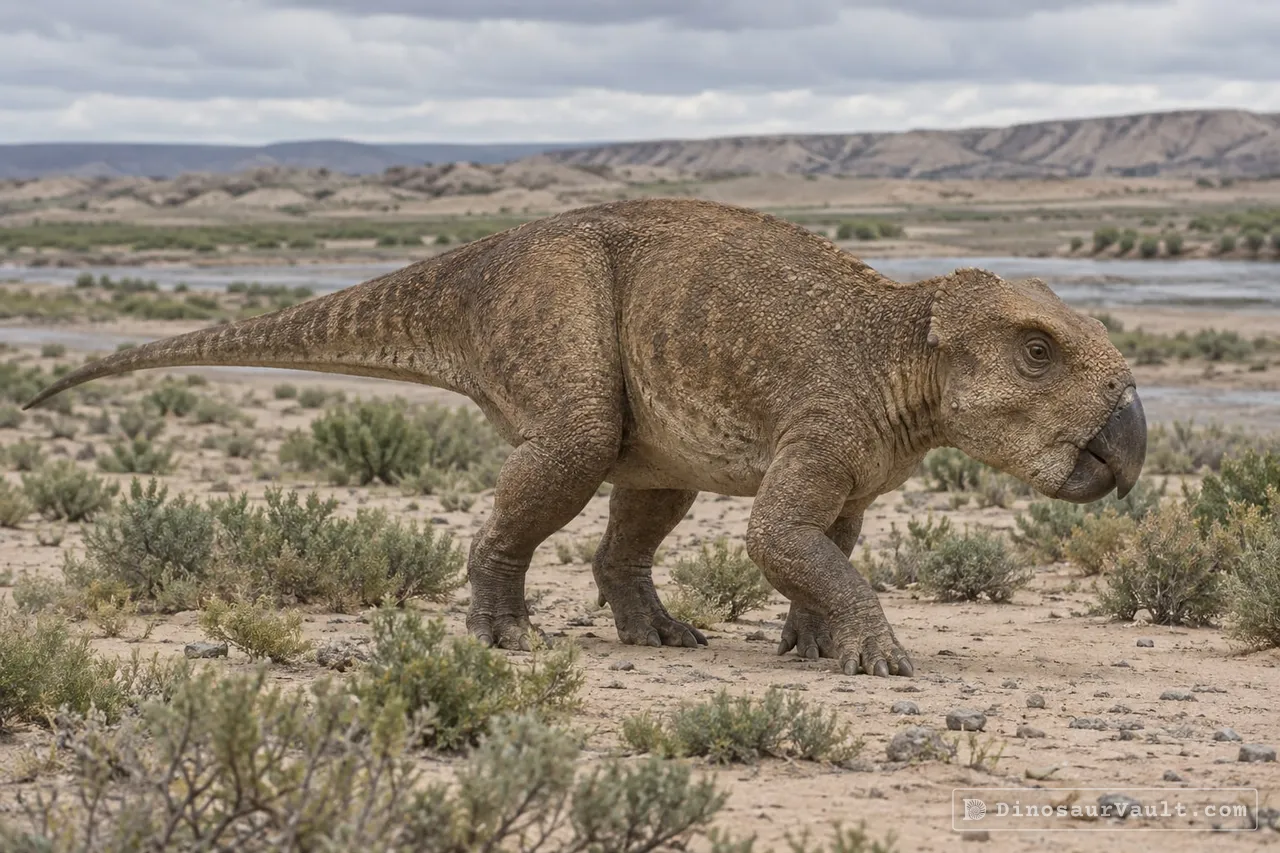
Udanoceratops was a large member of the leptoceratopsids, a family of early horned dinosaurs with no real horns and only a small frill. It had a deep, heavy lower jaw for slicing tough plants. It may have been able to rise onto its hind legs at times.
Its world
It lived in the Late Cretaceous in what is now Mongolia. Its bones come from the Djadokhta Formation, a dry land of sand dunes shared with its smaller cousin Protoceratops, the raptor Velociraptor and the armored Pinacosaurus.
How it was found
Kurzanov named it in 1992 from one partial skeleton. The type species is Udanoceratops tschizhovi.
Field gallery
More views of Udanoceratops
Scenes reconstructed from the available fossil evidence.
Lived alongside
Found in the same rock formations
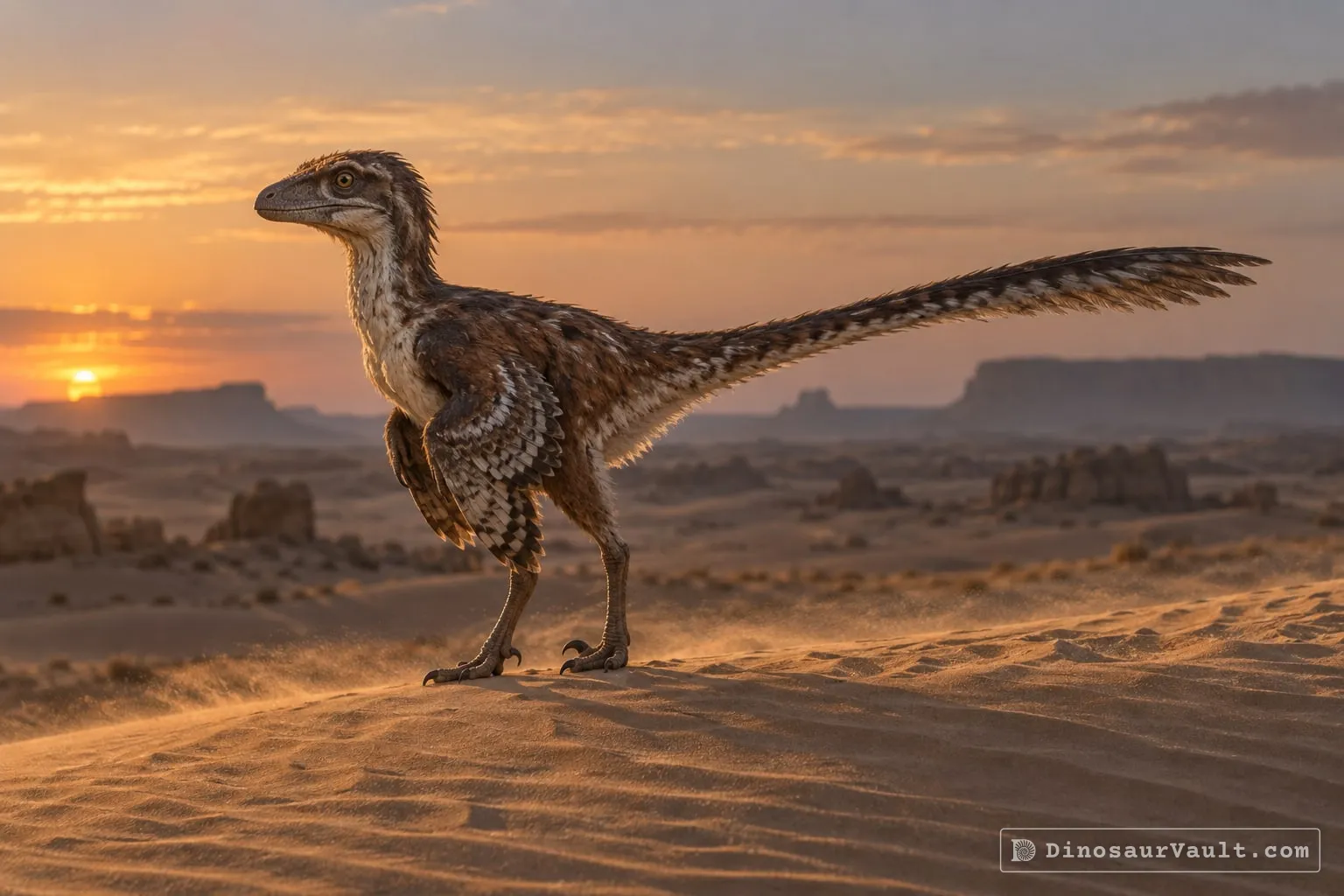
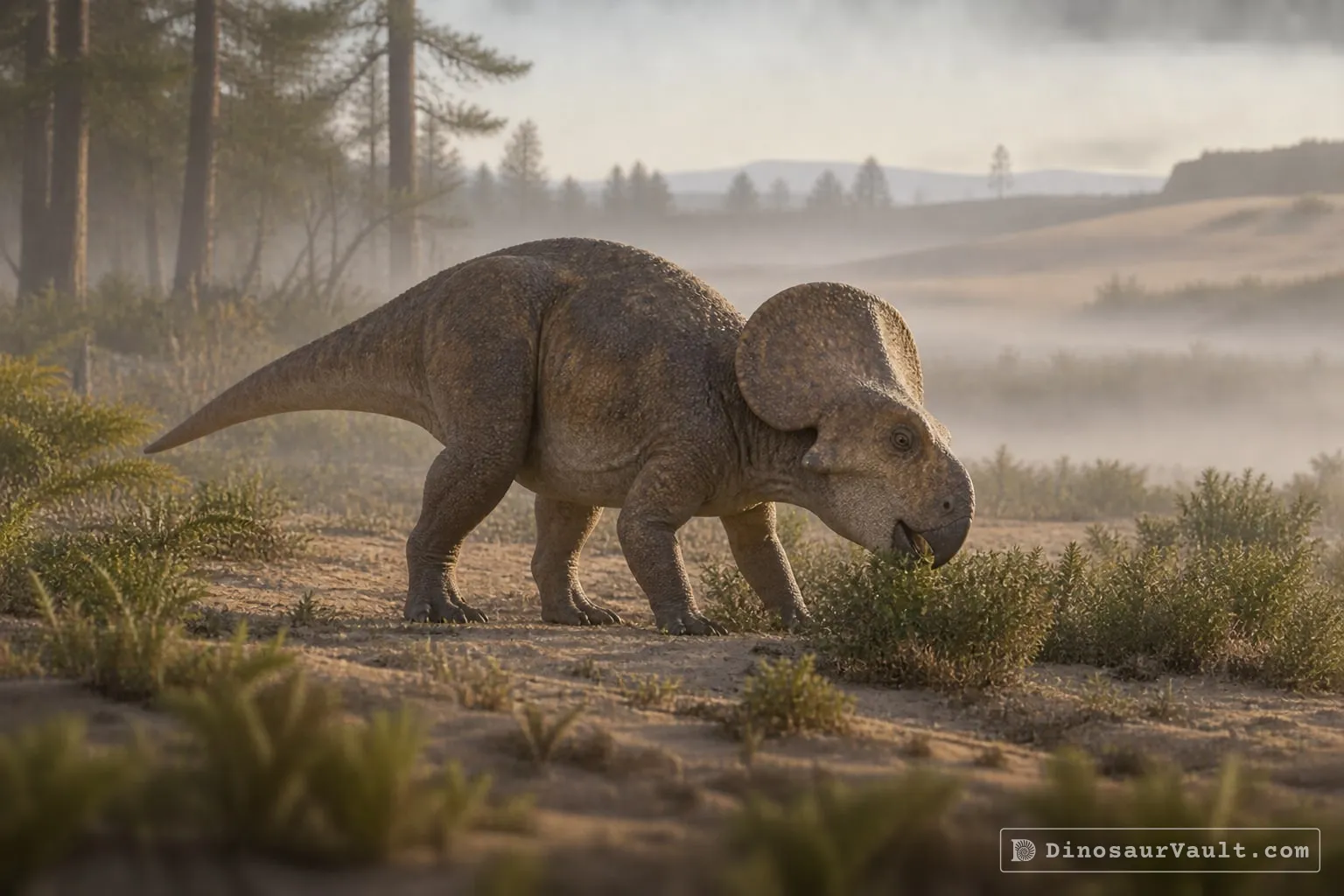
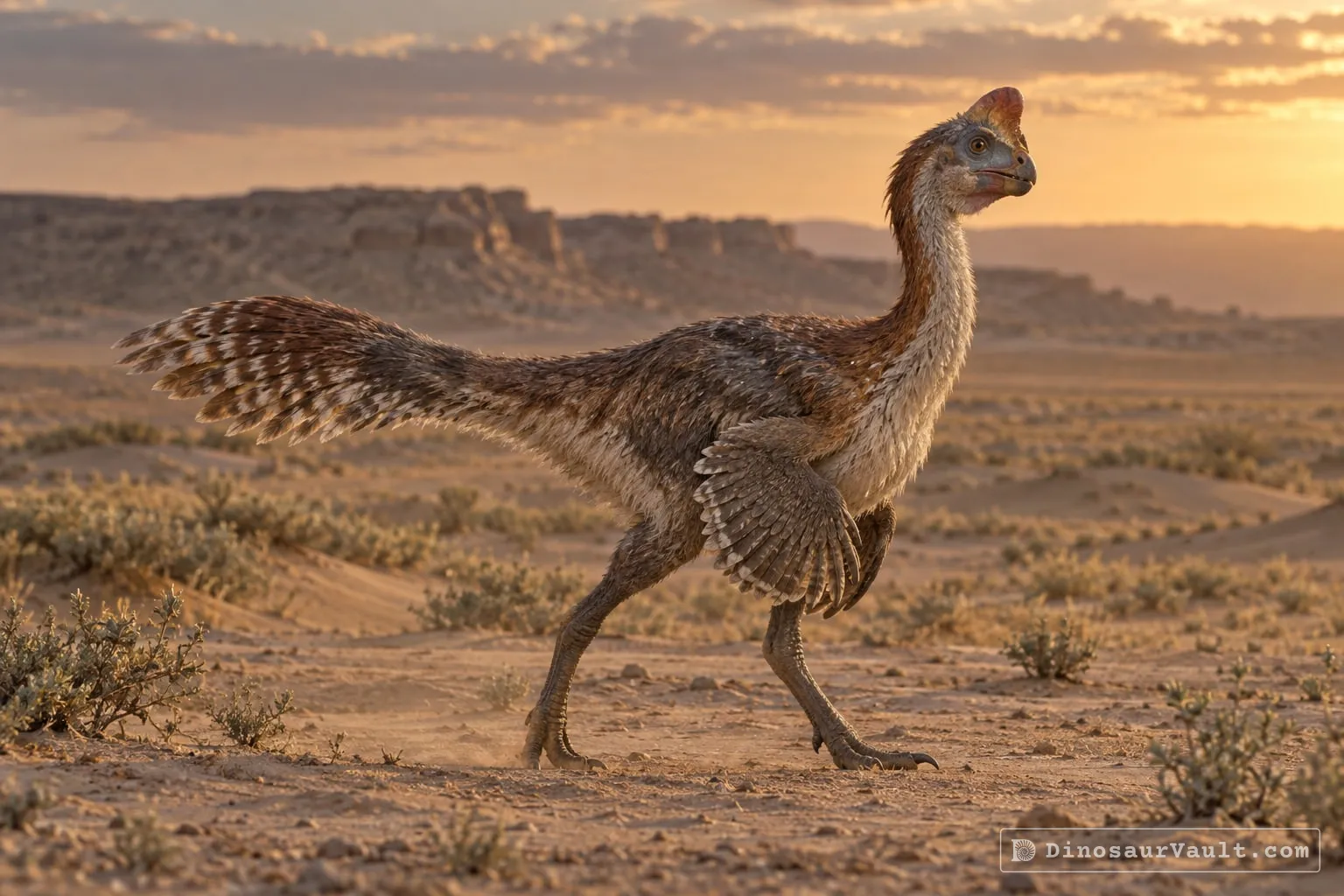
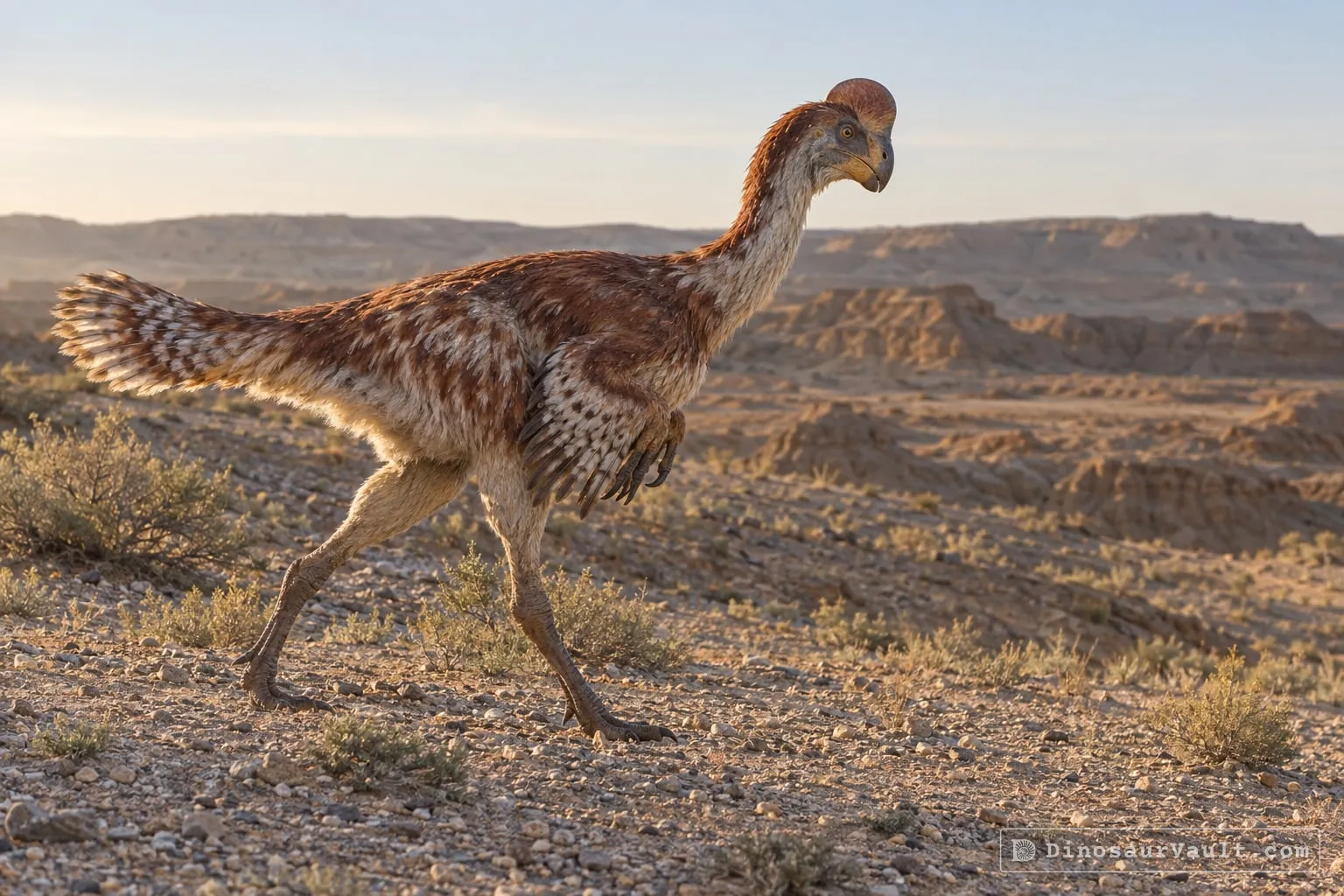
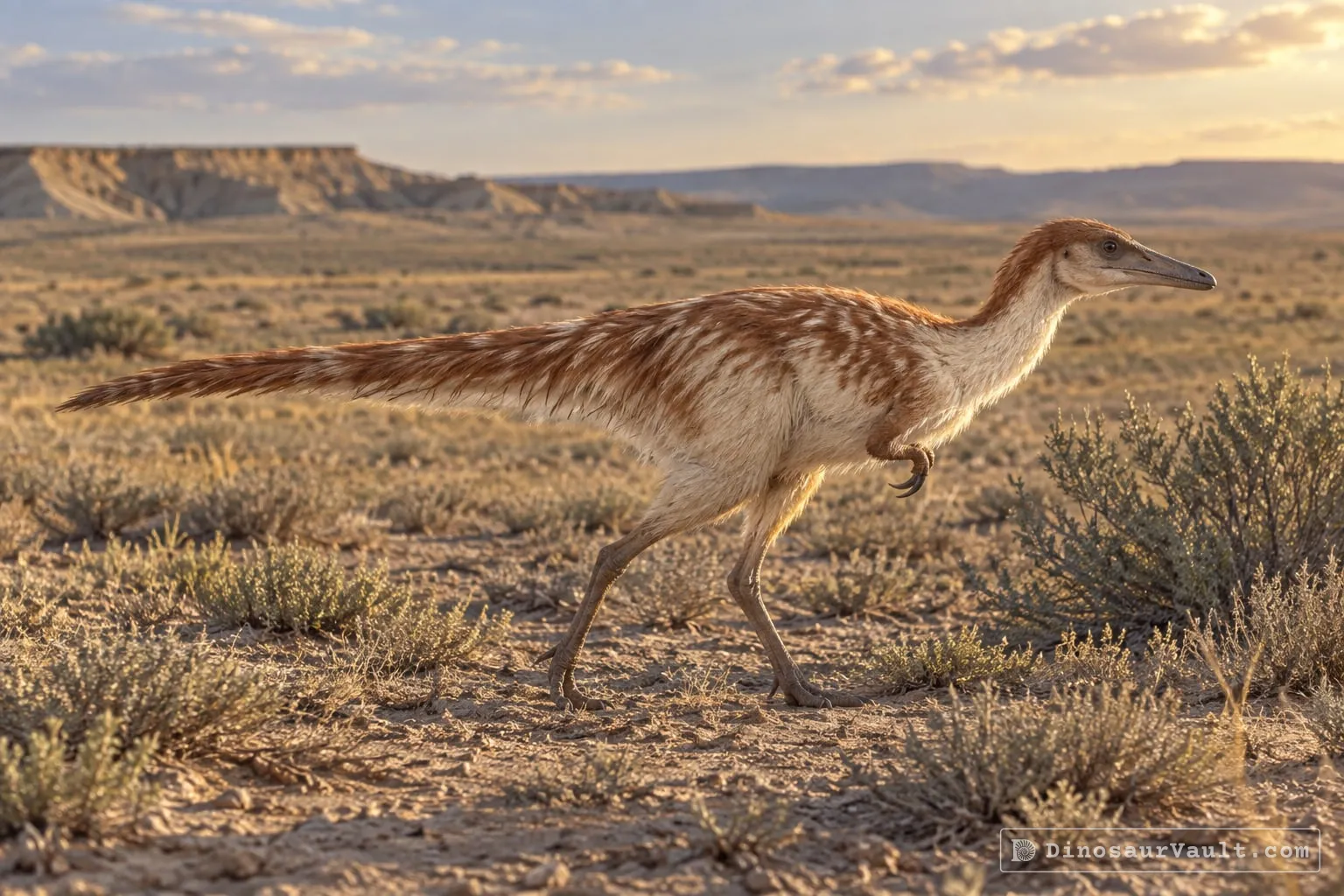
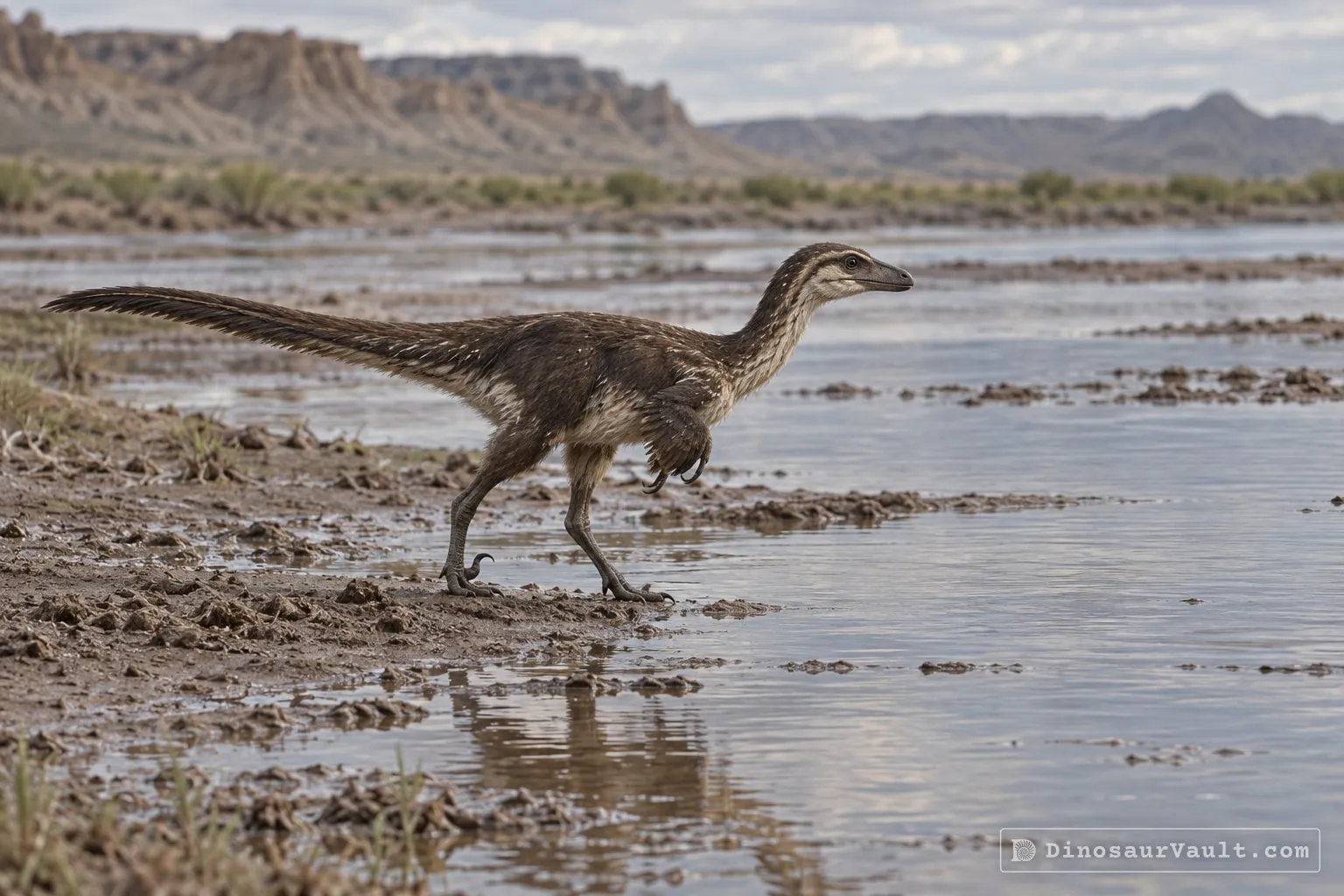
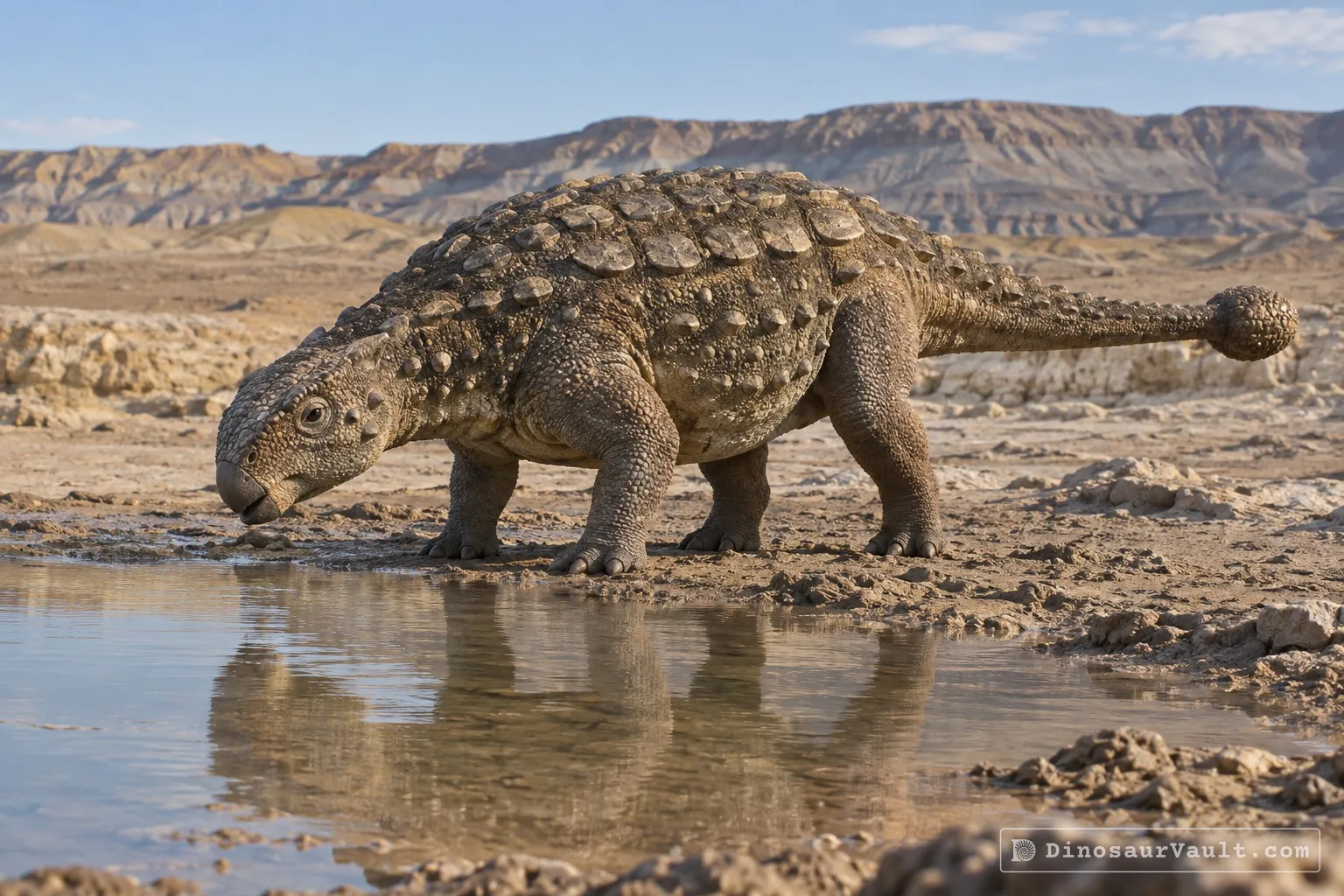


A rock formation can hold fossils laid down millions of years apart, so not every animal here met Udanoceratops.
The evidence
The science behind Udanoceratops
Which parts of the picture come from its own bones, and which come from its relatives.
From its own fossils
- A partial skull preserves a toothless beak and an unusually deep, curved lower jaw.
- The skull has large, oval nostril openings and straight rows of cheek teeth.
Borrowed from relatives
- Leptoceratops helps fill in the body outline and short frill in a restoration.
Still unknown
- The complete outline of its frill.
- Its skin texture and color.
- Whether the young skeleton tentatively assigned to it really belongs to this genus.
Discovery timeline
- 1992Named itKurzanov
- 2008PostureTereschenko
- 2015Family treeHe et al.
Key papers
The research behind what we know of Udanoceratops
Named it
Named a large, hornless ceratopsian from a partial skeleton found in Mongolia.
A gigantic protoceratopsid from the Upper Cretaceous of Mongolia. Paleontological Journal 26: 103-116
No link available
Posture
Compared backbones and feet, proposing that Udanoceratops walked on all fours and could use a trotting gait.
Adaptive features of protoceratopoids (Ornithischia: Neoceratopsia). Paleontological Journal 42: 273-286
Read the paper : Adaptive features of protoceratopoids (Ornithischia: Neoceratopsia) (opens in a new tab)Family tree
Added Ischioceratops to the family tree and placed Udanoceratops among the leptoceratopsids.
A New Leptoceratopsid (Ornithischia, Ceratopsia) with a Unique Ischium from the Upper Cretaceous of Shandong Province, China. PLOS ONE 10: e0144148
Read the paper : A New Leptoceratopsid (Ornithischia, Ceratopsia) with a Unique Ischium from the Upper Cretaceous of Shandong Province, China (opens in a new tab)
Close relatives
Other members of Leptoceratopsidae


Sources: Wikidata