Cerasinops
"cherry face"
Type species Cerasinops hodgskissi
- Lived
- 84 to 72 million years ago, Late Cretaceous
- Diet
- Herbivore
- Group
- Ceratopsians, Leptoceratopsidae
- Found in
- United States
- Named by
- Chinnery and Horner 2007
Where its fossils were found
The evidence
Today

80 million years ago
Habitat
Rivers crossed the floodplains of what is now Montana. Other dinosaurs of the Two Medicine Formation include Achelousaurus, Maiasaura and Daspletosaurus.
Field notes
About Cerasinops
What it was like
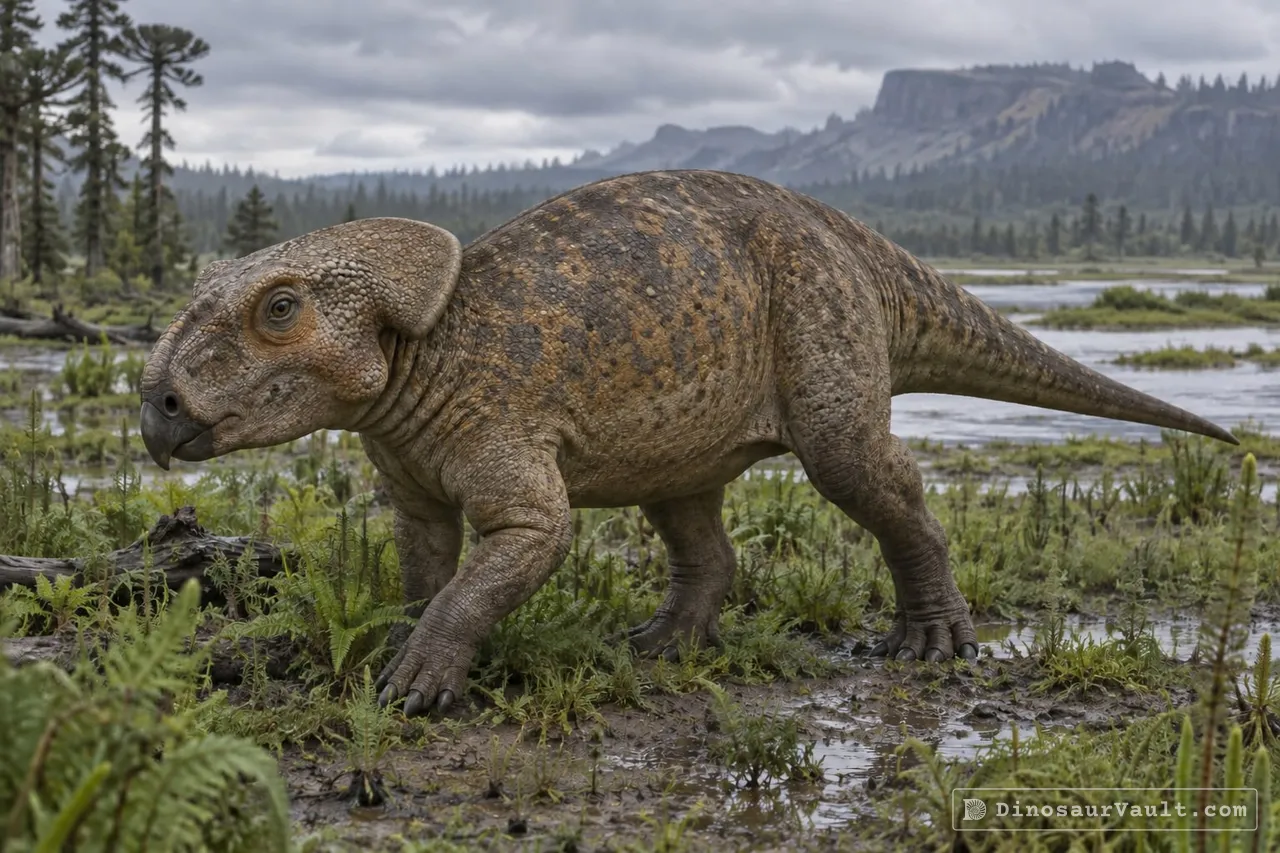
Cerasinops was a small, early horned dinosaur with a short frill and no horns. It walked on two or four legs and had a deep beak and strong jaws.
Its world
It lived in the Late Cretaceous in what is now Montana, in the United States. Its bones come from the Two Medicine Formation, where it shared the land with the horned Achelousaurus, the duck-billed Maiasaura and the tyrannosaur Daspletosaurus.
How it was found
Chinnery and Horner named Cerasinops in 2007. Three finds are known.
Field gallery
More views of Cerasinops
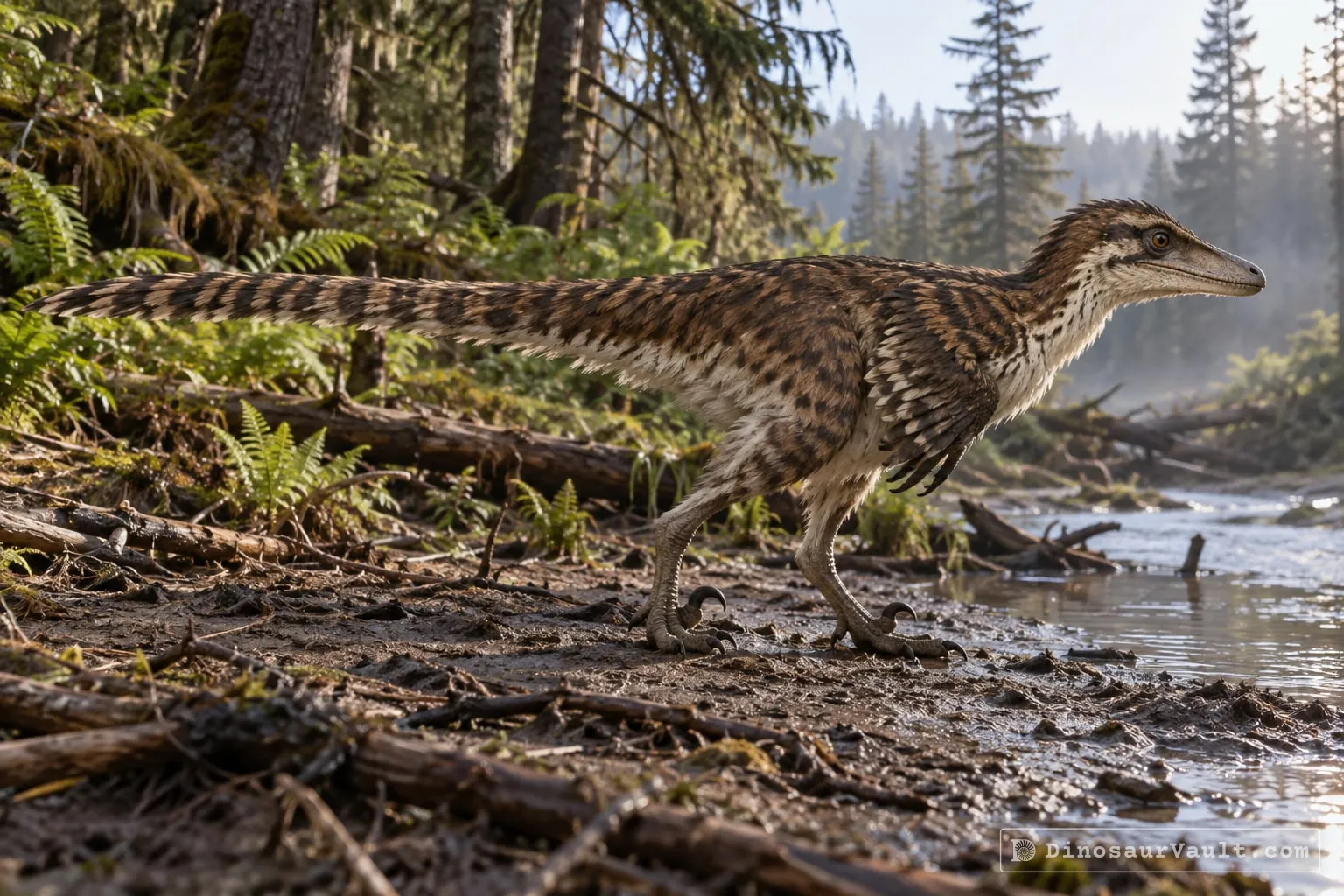
Scenes reconstructed from the available fossil evidence.
Lived alongside
Found in the same rock formations
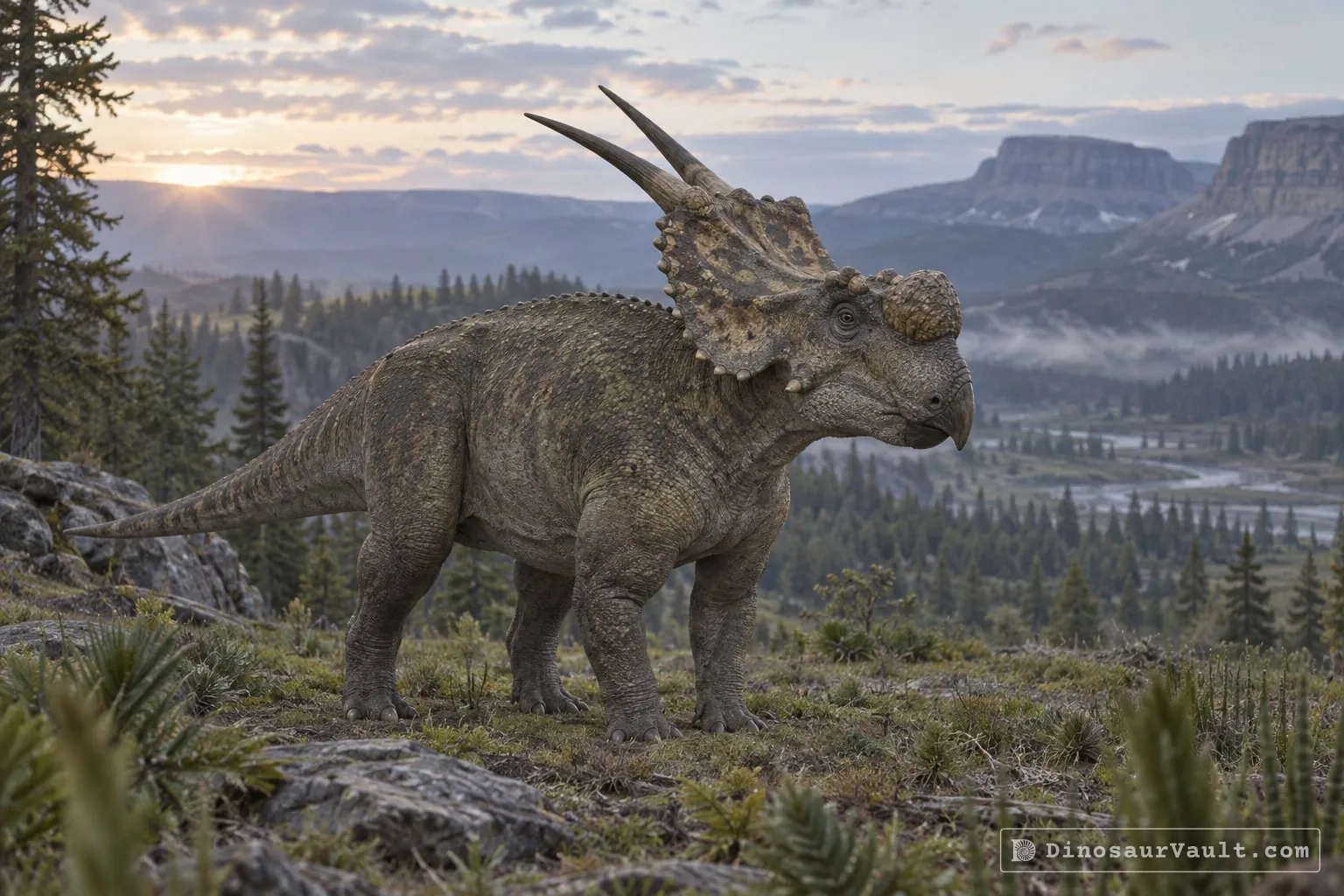
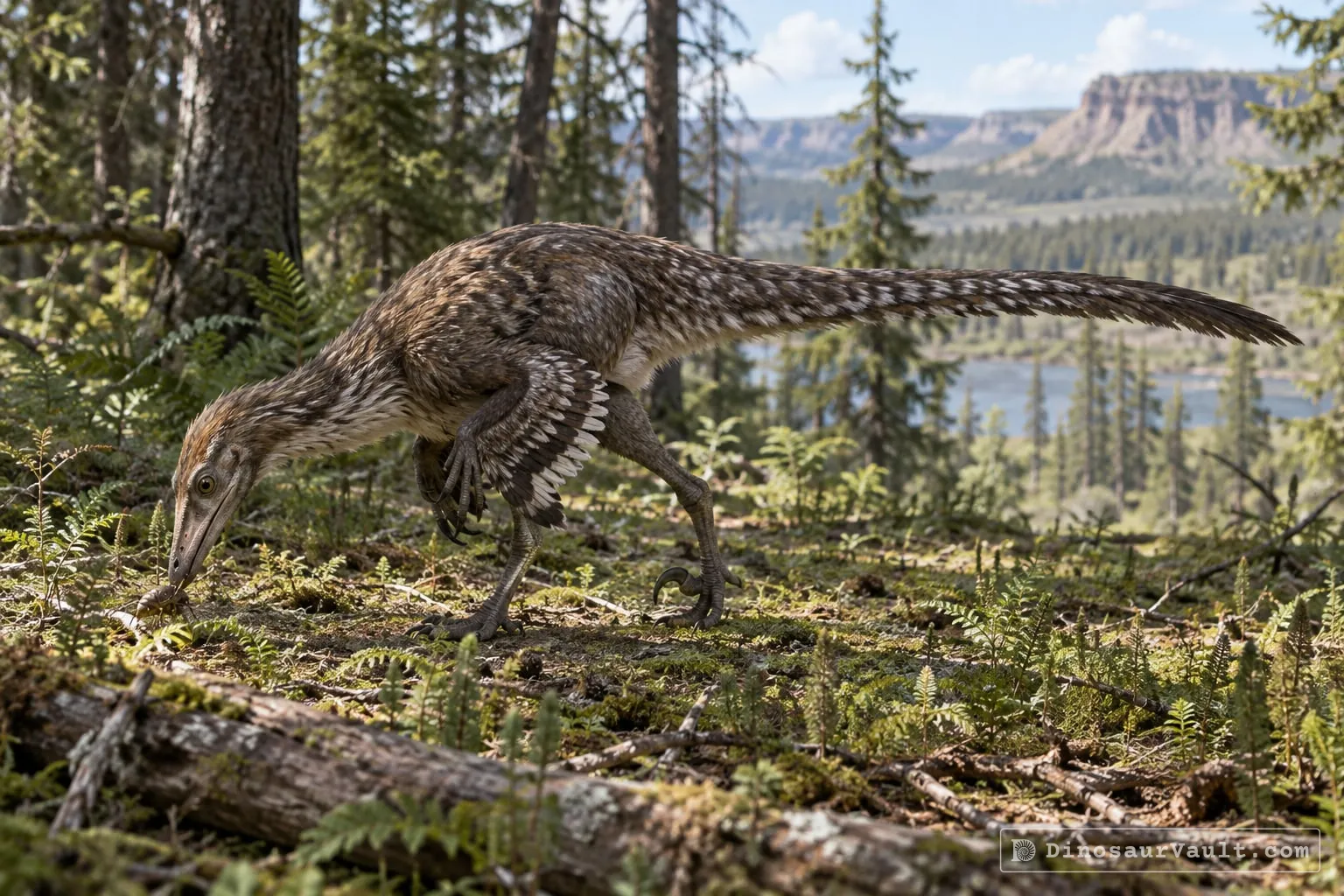
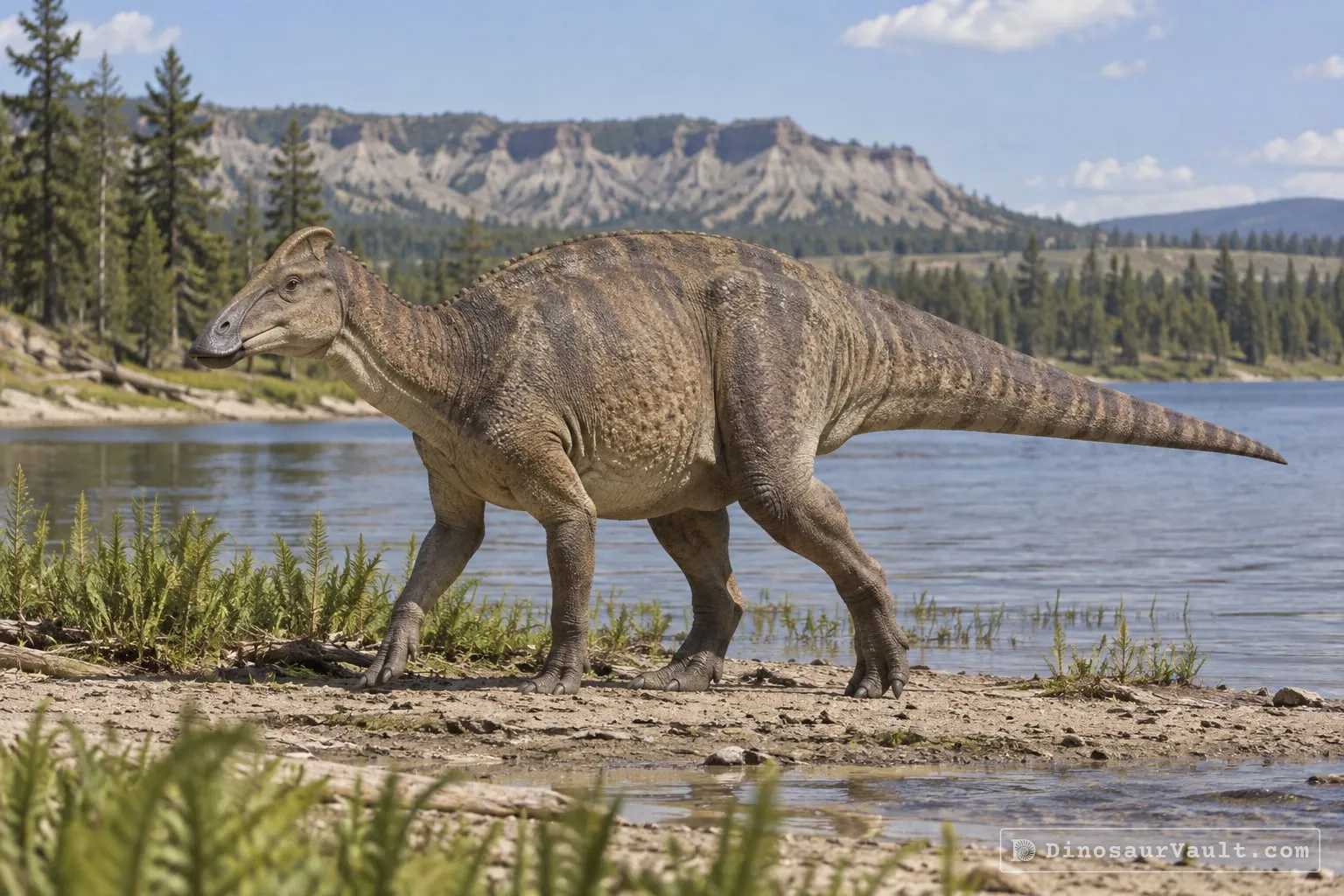
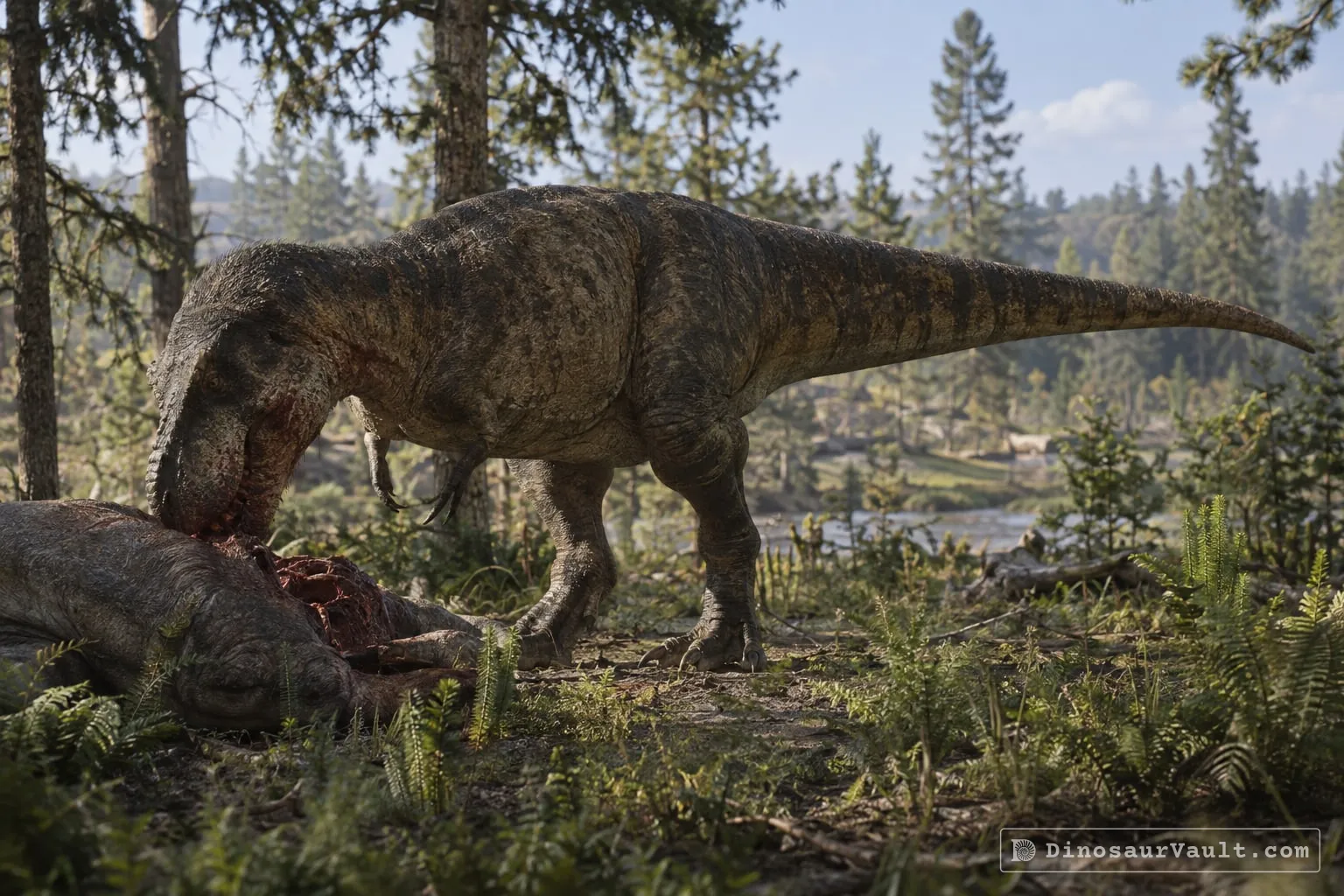
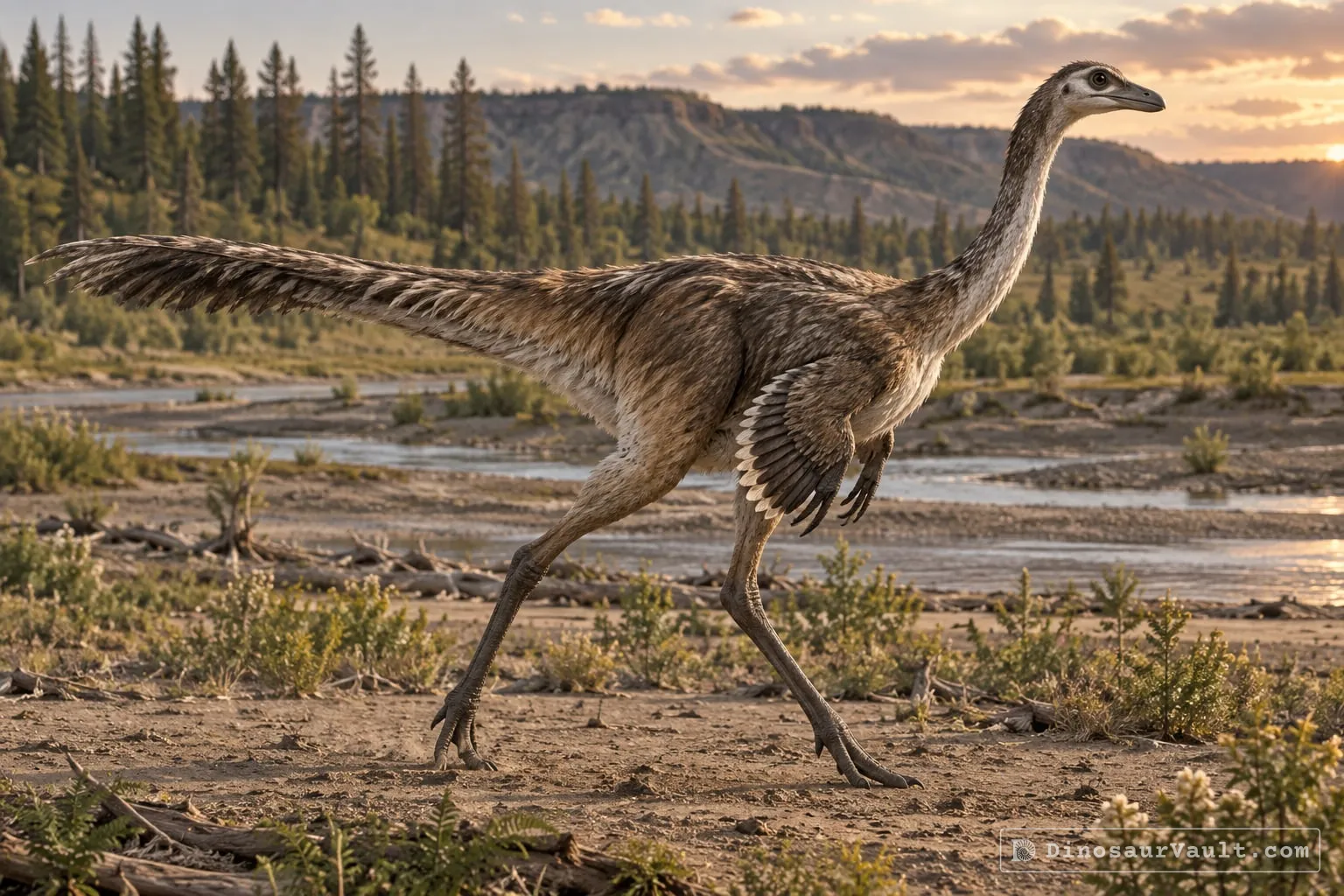
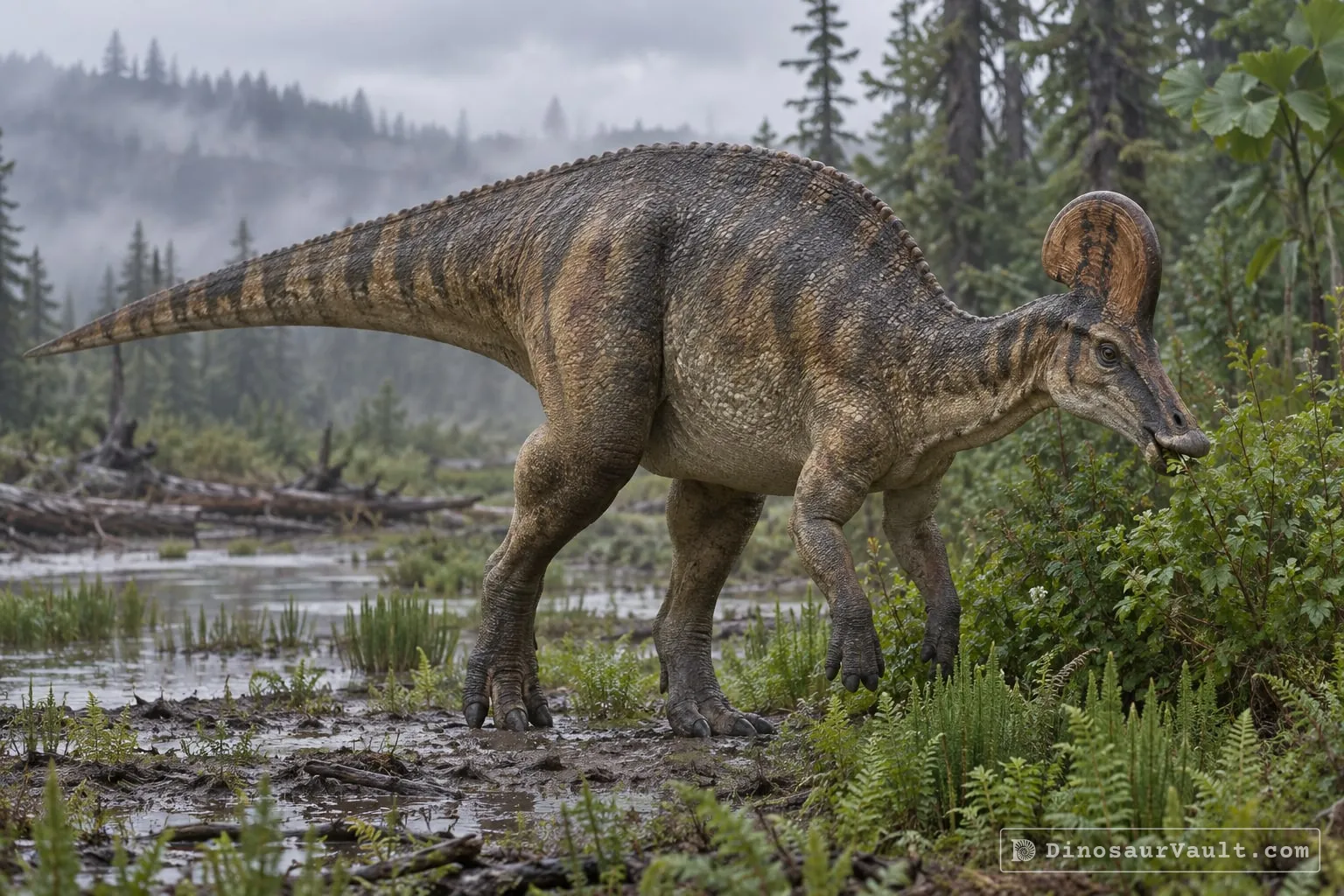
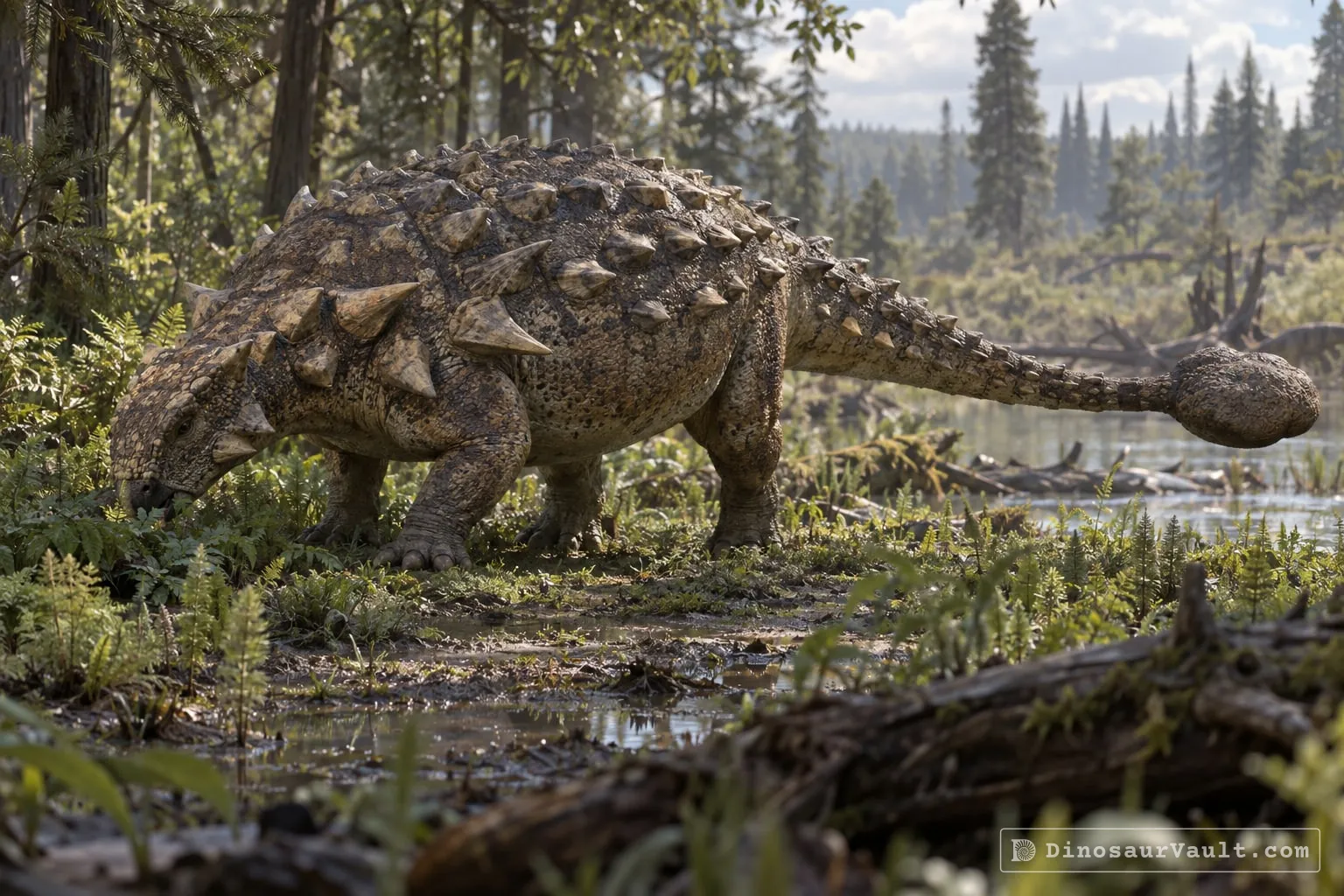


A rock formation can hold fossils laid down millions of years apart, so not every animal here met Cerasinops.
The evidence
The science behind Cerasinops
Which parts of the picture come from its own bones, and which come from its relatives.
From its own fossils
- Much of the skull and skeleton is preserved, including the frill, jaws and limbs.
- Its frill has openings, and teeth occur near the front of the upper jaw as well as farther back.
- Its arms are much shorter than its legs, suggesting it may have walked on its hind legs.
Borrowed from relatives
- Much of its body shape comes from its own bones; missing parts can be compared with Leptoceratops and Protoceratops.
Still unknown
- How often it walked on its hind legs rather than all fours.
- Its skin color and covering.
- How its frill changed as it grew.
Discovery timeline
- 1939New findGilmore
- 2007Named itChinnery & Horner
- 2024Fossil sitesRogers et al.
Key papers
The research behind what we know of Cerasinops
New find
Described fragmentary skeletons as Leptoceratops that were later assigned to Cerasinops, including a well-preserved hind leg and foot.
Ceratopsian dinosaurs from the Two Medicine formation, Upper Cretaceous of Montana. Proceedings of the United States National Museum 87: 1-18
Read the paper : Ceratopsian dinosaurs from the Two Medicine formation, Upper Cretaceous of Montana (opens in a new tab)Named it
Described a small ceratopsian combining skull features of Asian and North American relatives, with short arms suggesting it may have walked on its hind legs.
A new neoceratopsian dinosaur linking North American and Asian taxa. Journal of Vertebrate Paleontology 27: 625-641
Read the paper : A new neoceratopsian dinosaur linking North American and Asian taxa (opens in a new tab)Fossil sites
Divided the Two Medicine Formation into named rock units and used dated volcanic layers to place dinosaur finds, including Cerasinops, in time.
Updating the Upper Cretaceous (Campanian) Two Medicine Formation of Montana: Lithostratigraphic revisions, new CA-ID-TIMS U-Pb ages, and a calibrated framework for dinosaur occurrences. Geological Society of America Bulletin 137: 315-340
Read the paper : Updating the Upper Cretaceous (Campanian) Two Medicine Formation of Montana: Lithostratigraphic revisions, new CA-ID-TIMS U-Pb ages, and a calibrated framework for dinosaur occurrences (opens in a new tab)
Close relatives
Other members of Leptoceratopsidae


Sources: Wikidata