Prenoceratops
"bent horned face"
Type species Prenoceratops pieganensis
- Lived
- 84 to 72 million years ago, Late Cretaceous
- Diet
- Herbivore
- Group
- Ceratopsians, Leptoceratopsidae
- Found in
- Canada and United States
- Named by
- Chinnery 2004
Where its fossils were found
The evidence
Today

80 million years ago
Habitat
It lived in Montana and Alberta during the Late Cretaceous. Daspletosaurus and Hypacrosaurus were among the dinosaurs of the Two Medicine Formation.
Field notes
About Prenoceratops
What it was like
Prenoceratops was a small, early horned dinosaur from the leptoceratopsid family. It had no real horns and only a short frill. Its skull sloped steeply down toward its beak.
Its world
It lived in the Late Cretaceous in what is now Montana and Alberta. Its bones come from the Two Medicine and Oldman formations. In Montana it shared the land with the tyrannosaur Daspletosaurus and the duckbill Hypacrosaurus.
How it was found
Chinnery named it in 2004. The type species is Prenoceratops pieganensis. Many of its bones come from a bonebed.
Field gallery
More views of Prenoceratops
Scenes reconstructed from the available fossil evidence.
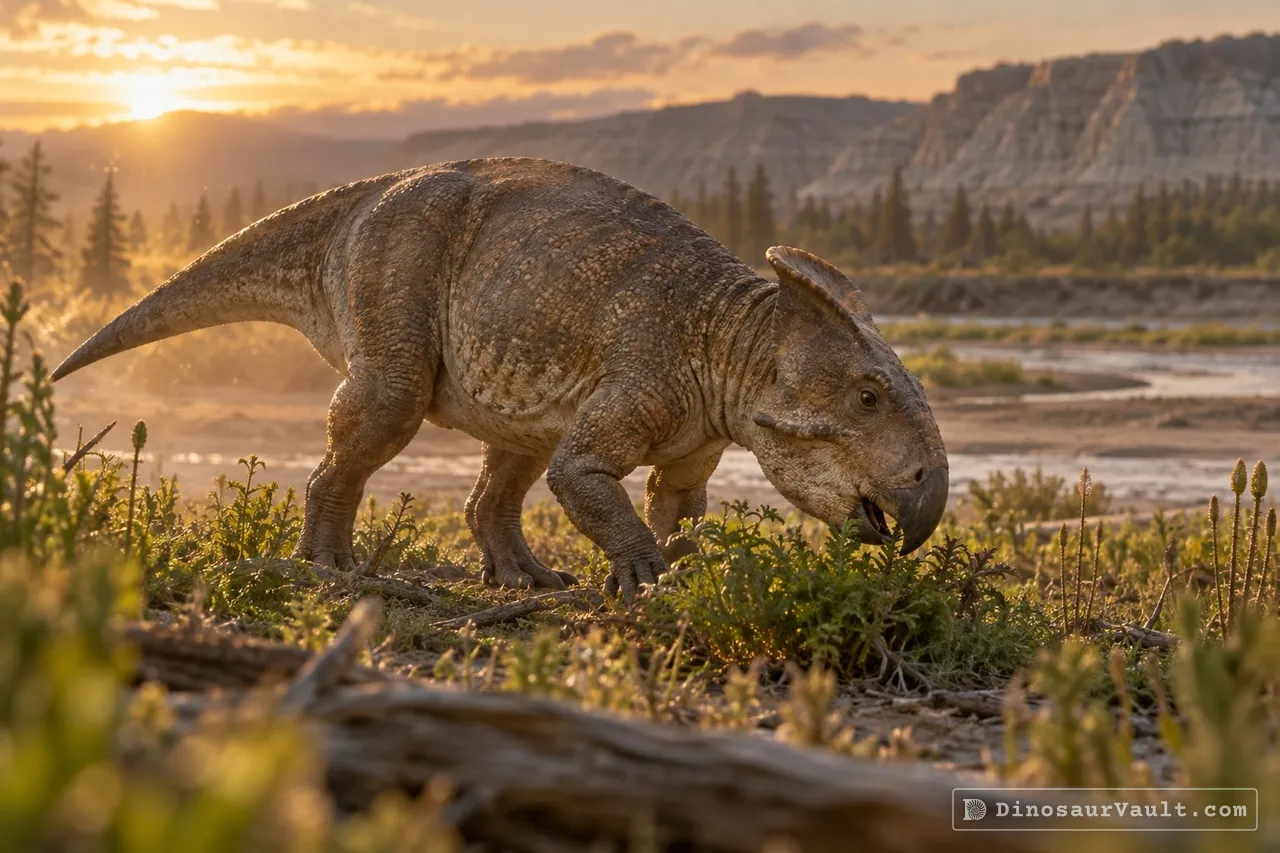
Lived alongside
Found in the same rock formations
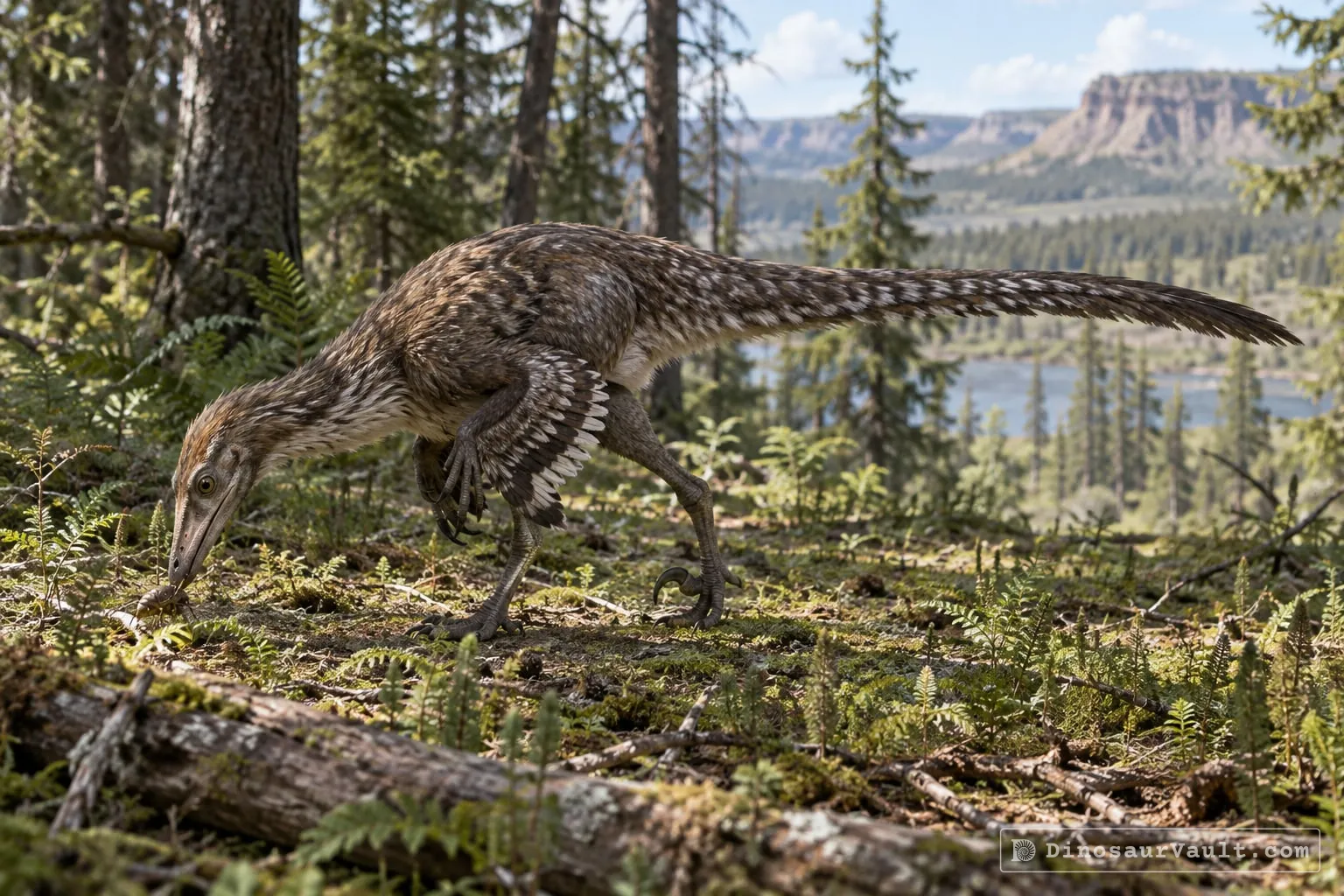
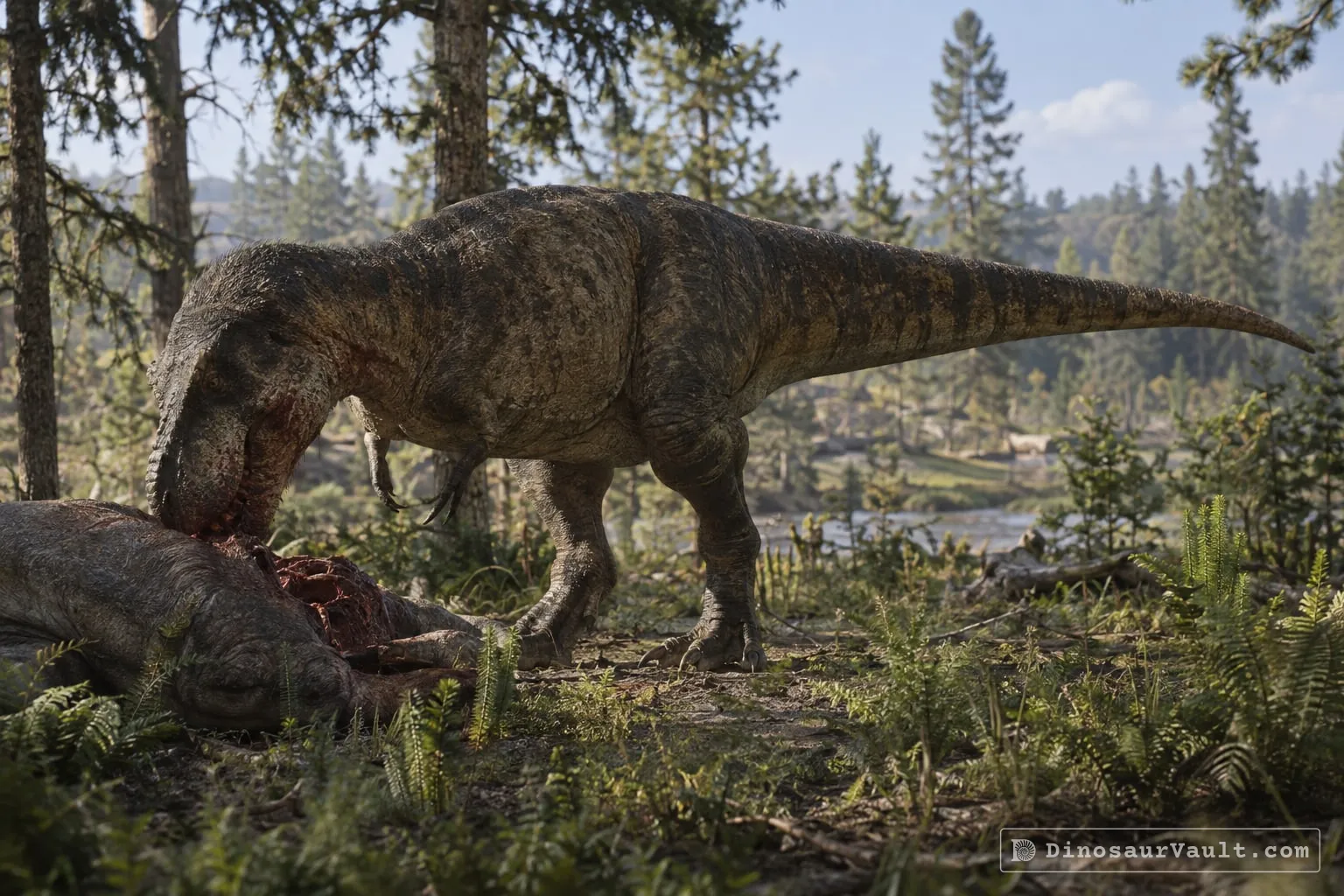
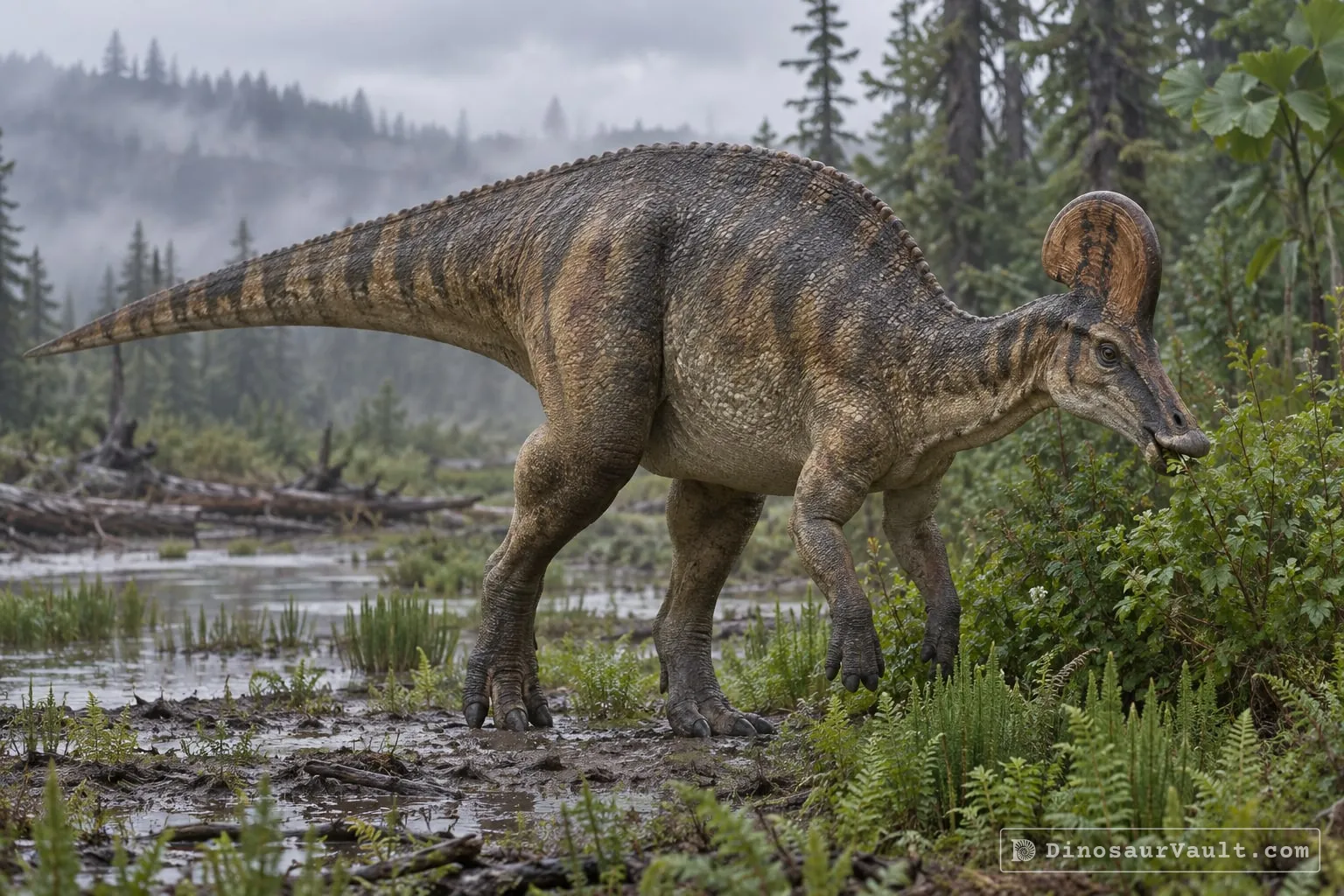
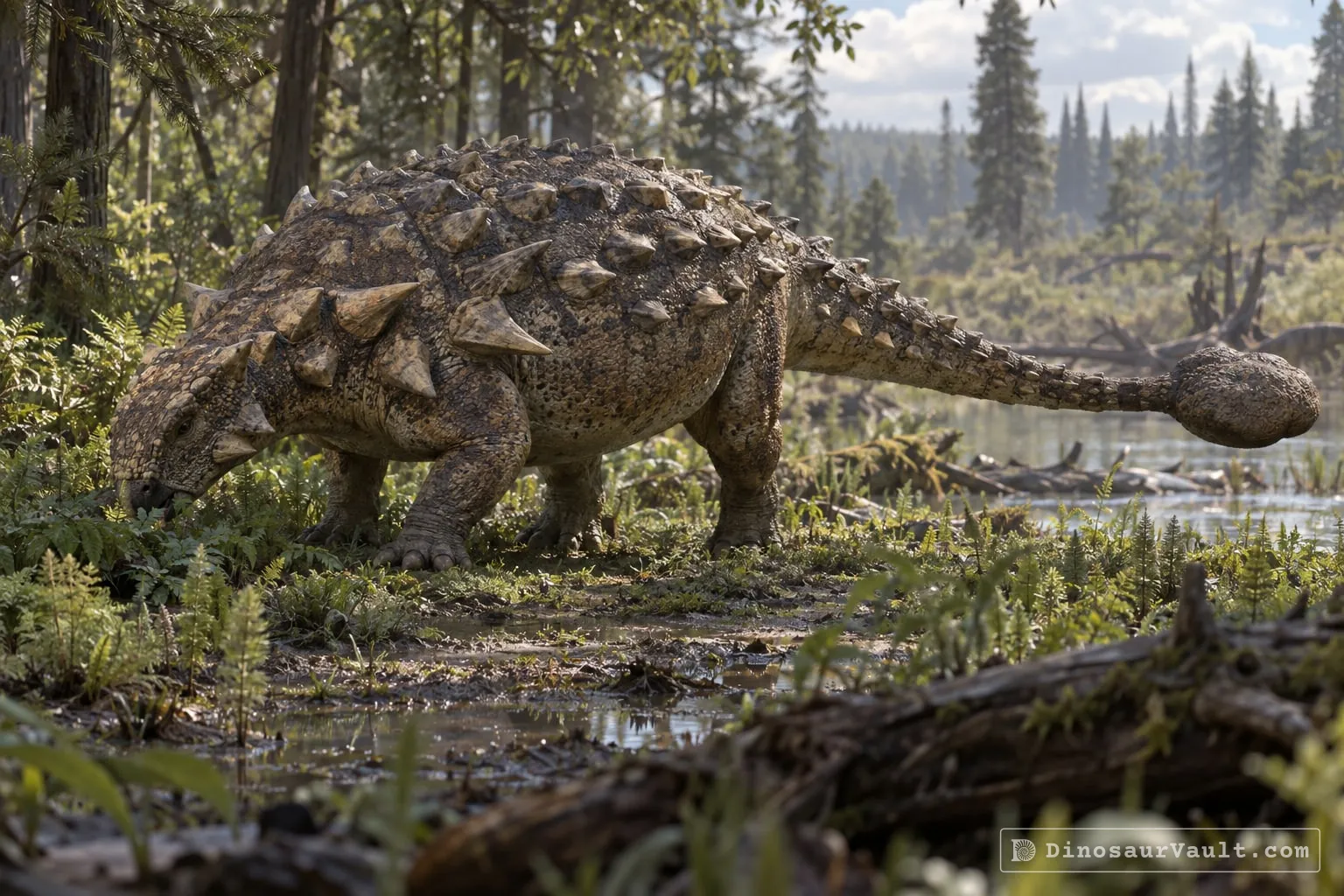
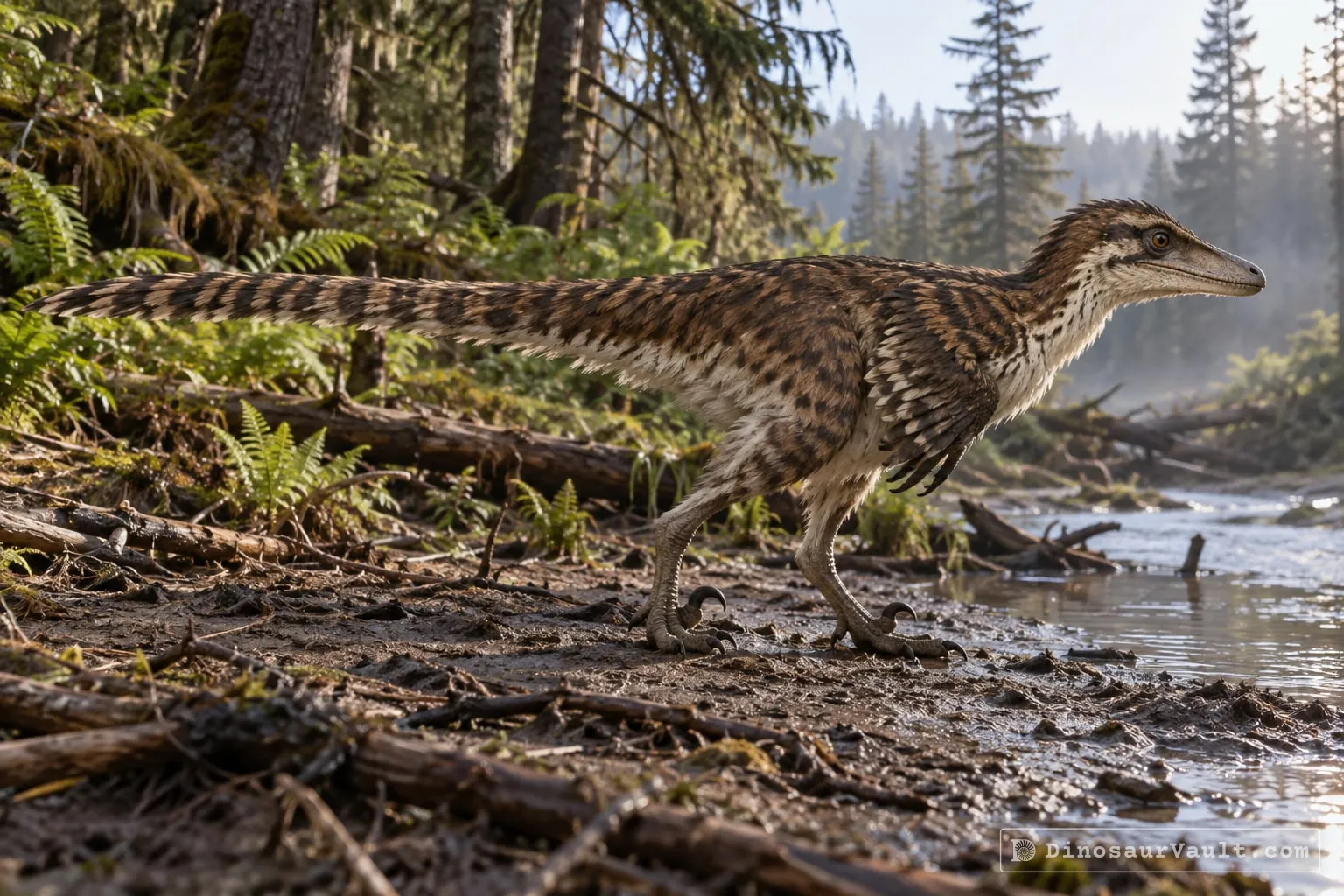
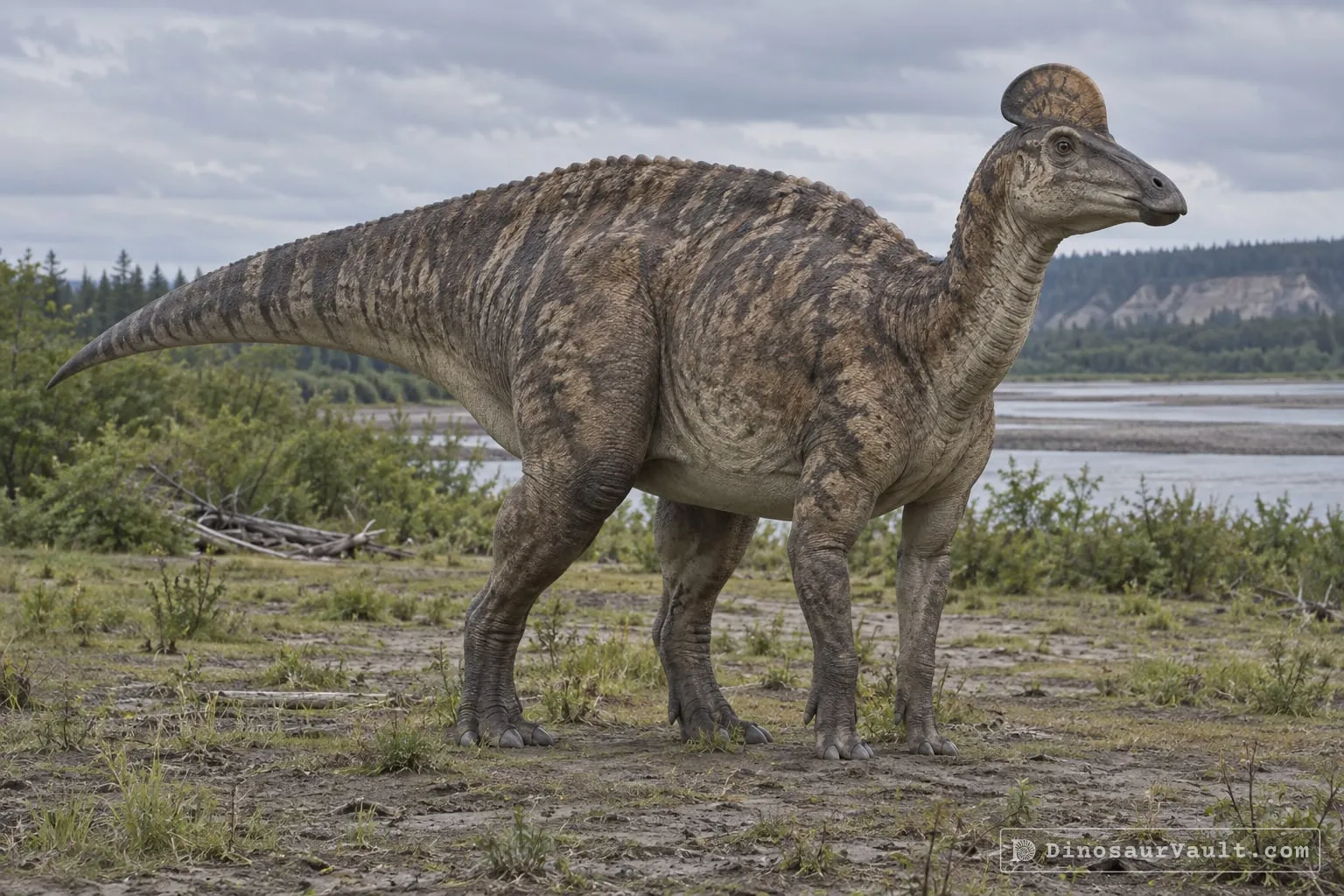
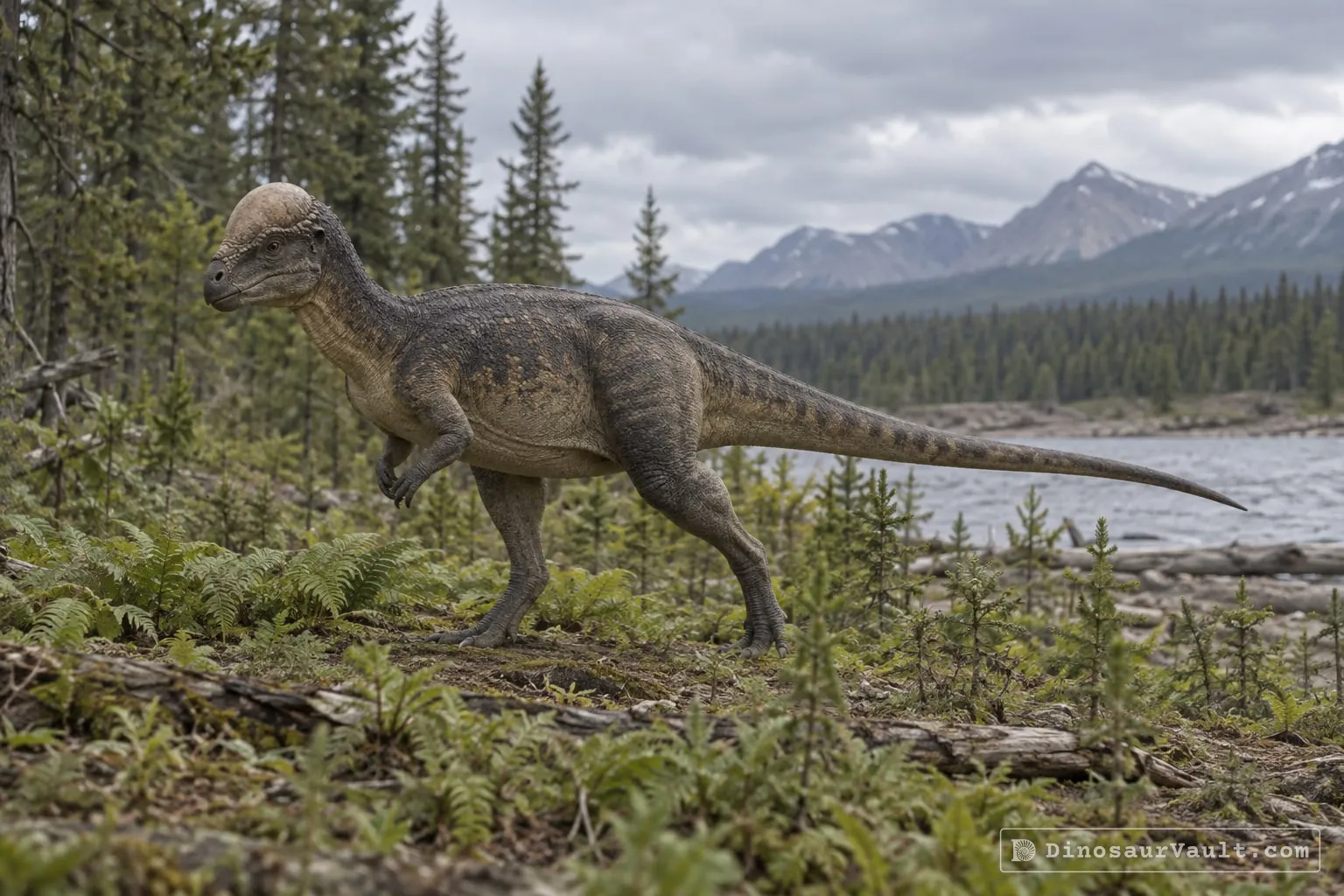
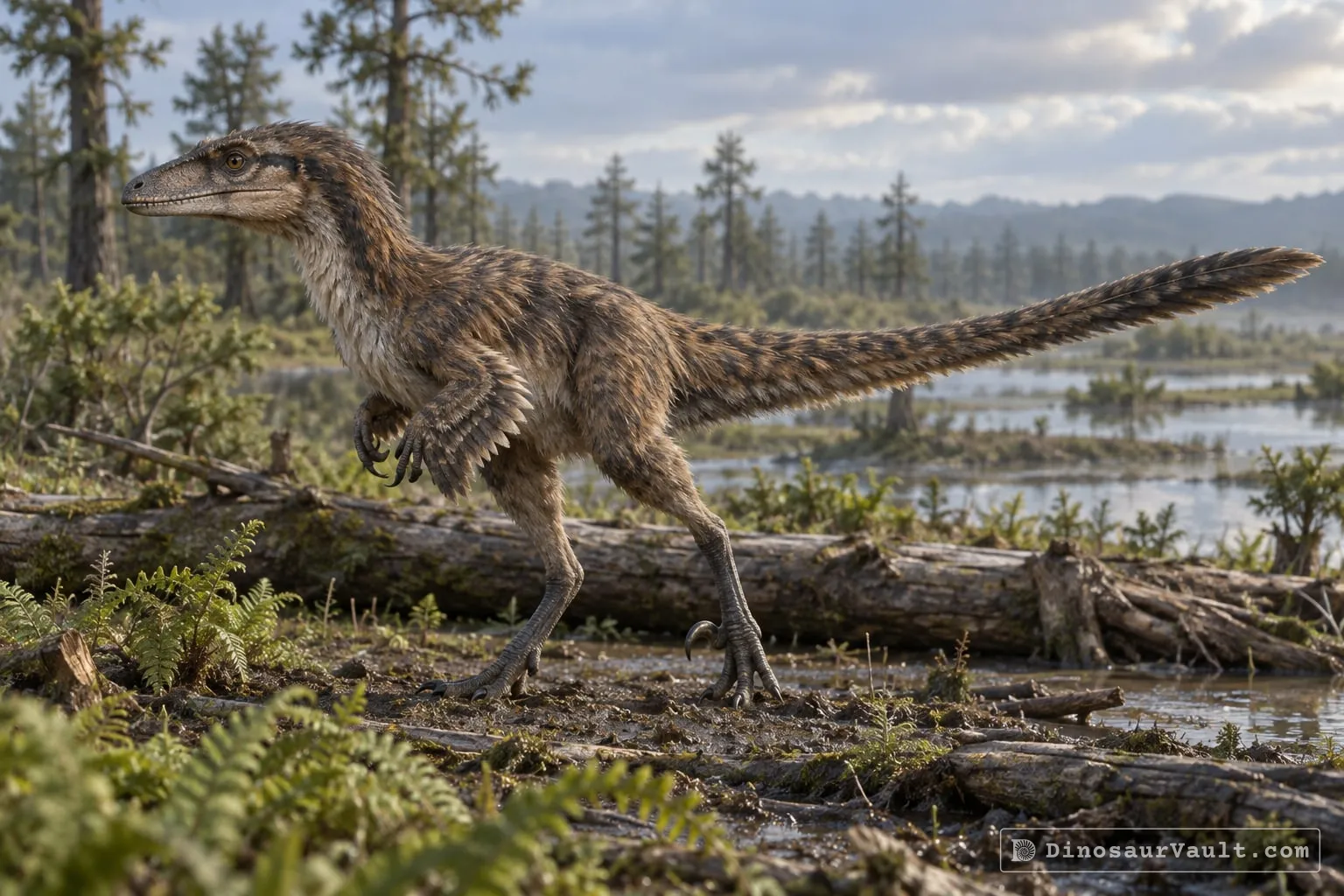


A rock formation can hold fossils laid down millions of years apart, so not every animal here met Prenoceratops.
The evidence
The science behind Prenoceratops
Which parts of the picture come from its own bones, and which come from its relatives.
From its own fossils
- A bonebed preserves separated skull bones from several animals.
- Its head was lower and more sloping than the head of Leptoceratops.
- An arm bone bends inward near the wrist, a feature also found in Ferrisaurus.
Borrowed from relatives
- More complete relatives such as Leptoceratops help restore the body's overall proportions and stance.
Still unknown
- Its skin texture and color.
- Whether it regularly lived in groups.
- How its skull changed as it grew.
Discovery timeline
- 2004Named itChinnery
- 2012Family treeRyan et al.
- 2019Close relativeArbour & Evans
Key papers
The research behind what we know of Prenoceratops
Named it
Described the skull bones from a bonebed and identified a low, sloping head that distinguished Prenoceratops from Leptoceratops.
Description ofPrenoceratops pieganensisgen. et sp. nov. (Dinosauria: Neoceratopsia) from the Two Medicine Formation of Montana. Journal of Vertebrate Paleontology 24: 572-590
Read the paper : Description ofPrenoceratops pieganensisgen. et sp. nov. (Dinosauria: Neoceratopsia) from the Two Medicine Formation of Montana (opens in a new tab)Family tree
Described new small horned dinosaurs and compared their jaws and relationships with other leptoceratopsids, including Prenoceratops.
New leptoceratopsids from the Upper Cretaceous of Alberta, Canada. Cretaceous Research 35: 69-80
Read the paper : New leptoceratopsids from the Upper Cretaceous of Alberta, Canada (opens in a new tab)Close relative
Described Ferrisaurus and compared its limbs with Prenoceratops, including the inward bend near the end of the arm bone.
A new leptoceratopsid dinosaur from Maastrichtian-aged deposits of the Sustut Basin, northern British Columbia, Canada. PeerJ 7: e7926
Read the paper : A new leptoceratopsid dinosaur from Maastrichtian-aged deposits of the Sustut Basin, northern British Columbia, Canada (opens in a new tab)
Close relatives
Other members of Leptoceratopsidae


Sources: Wikidata