Outline: a typical ceratopsian
Montanoceratops
"Montana horned face"
- Lived
- 84 to 66 million years ago, Late Cretaceous
- Diet
- Herbivore
- Length
- about 3 m (10 ft)
- Group
- Ceratopsians, Leptoceratopsidae
- Found in
- United States and Canada
- Named by
- Sternberg 1951
Size comparison
To scale

Scale in metersOutline: typical ceratopsian shape
Where its fossils were found
The evidence
Today

75 million years ago
Field notes
About Montanoceratops
What it was like
Montanoceratops was a small horned dinosaur about 3 meters (10 feet) long, a member of the leptoceratopsids. It had a short frill and a deep beak.
Its tail had tall spines on top, which made it deep and narrow.
Its world
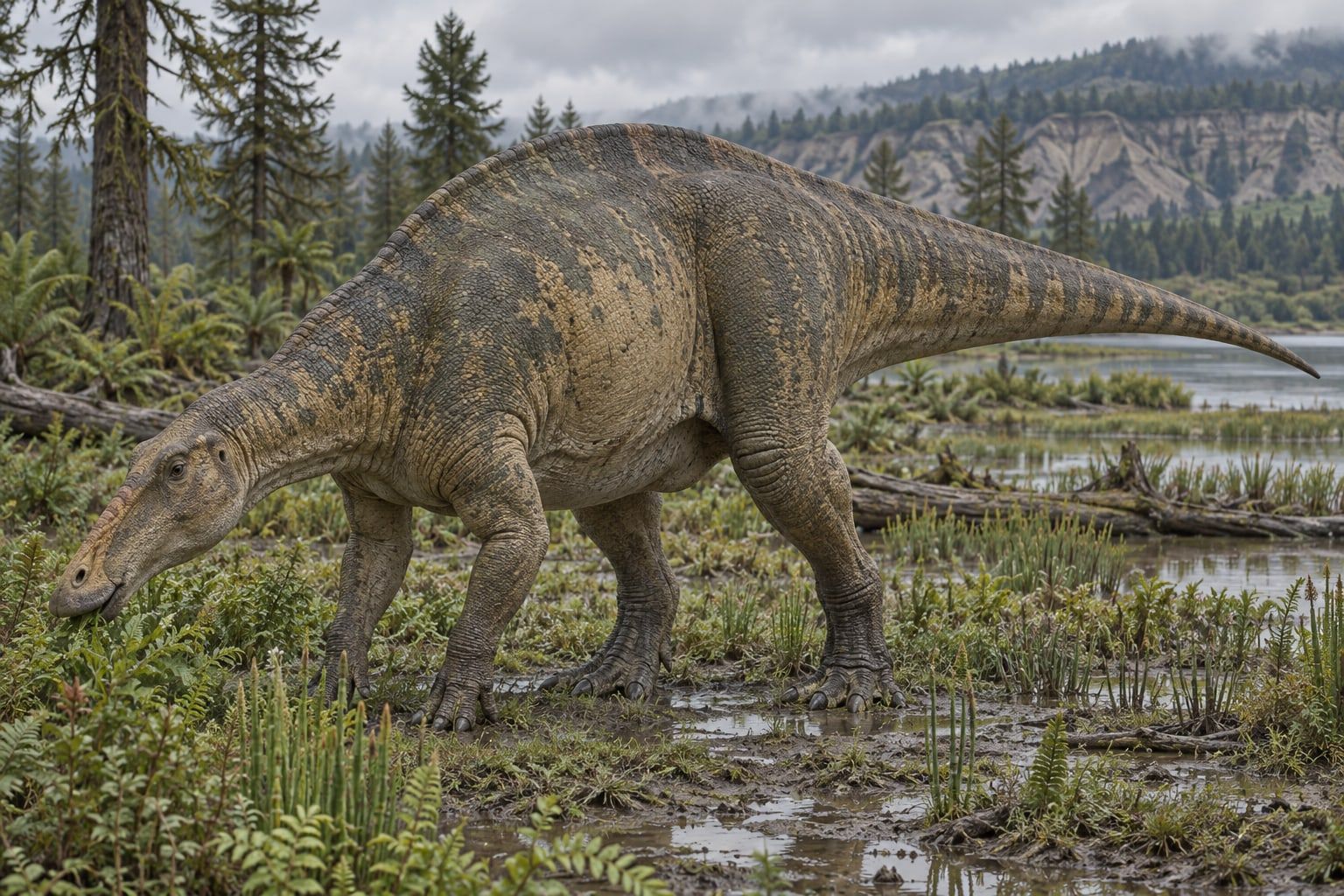
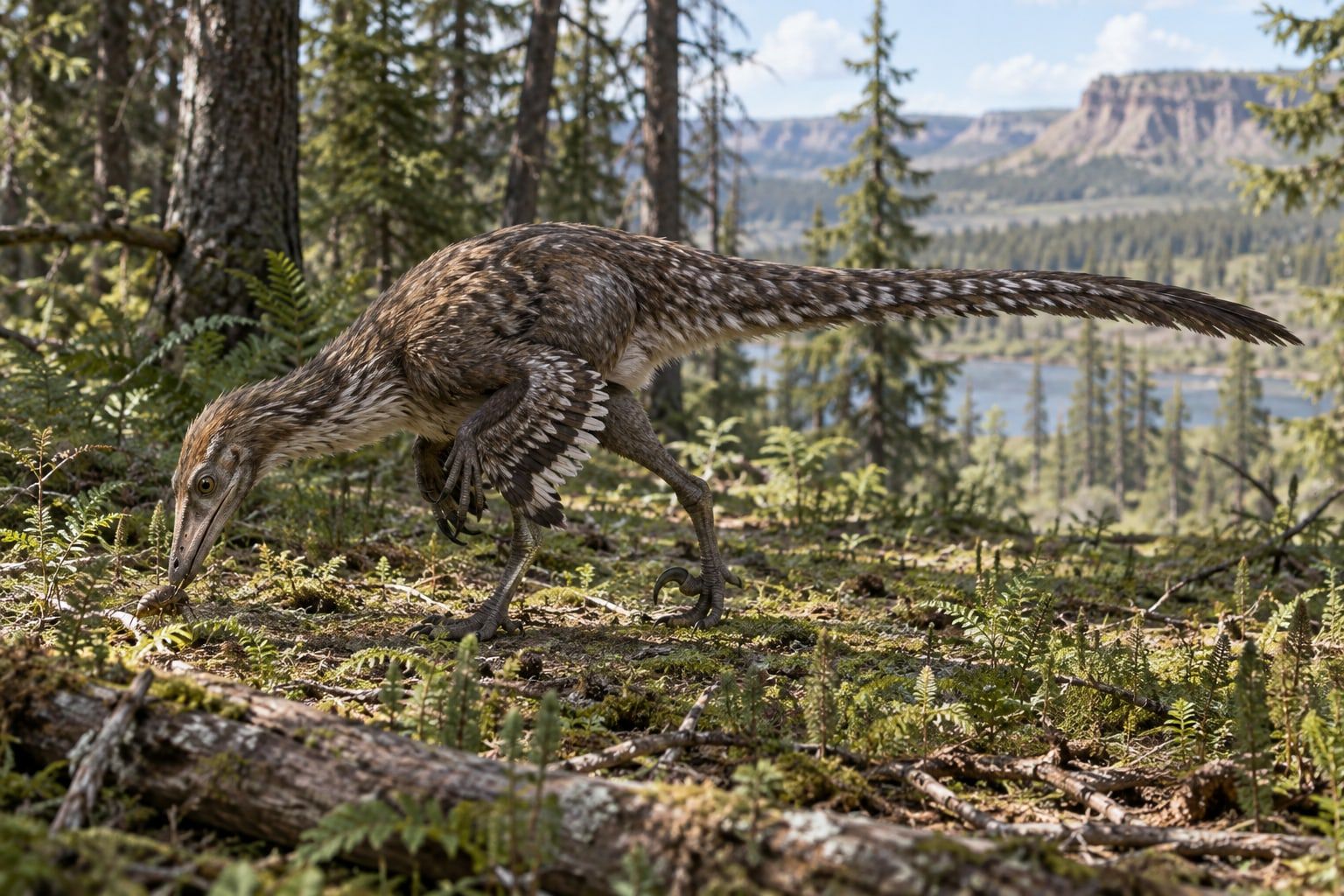
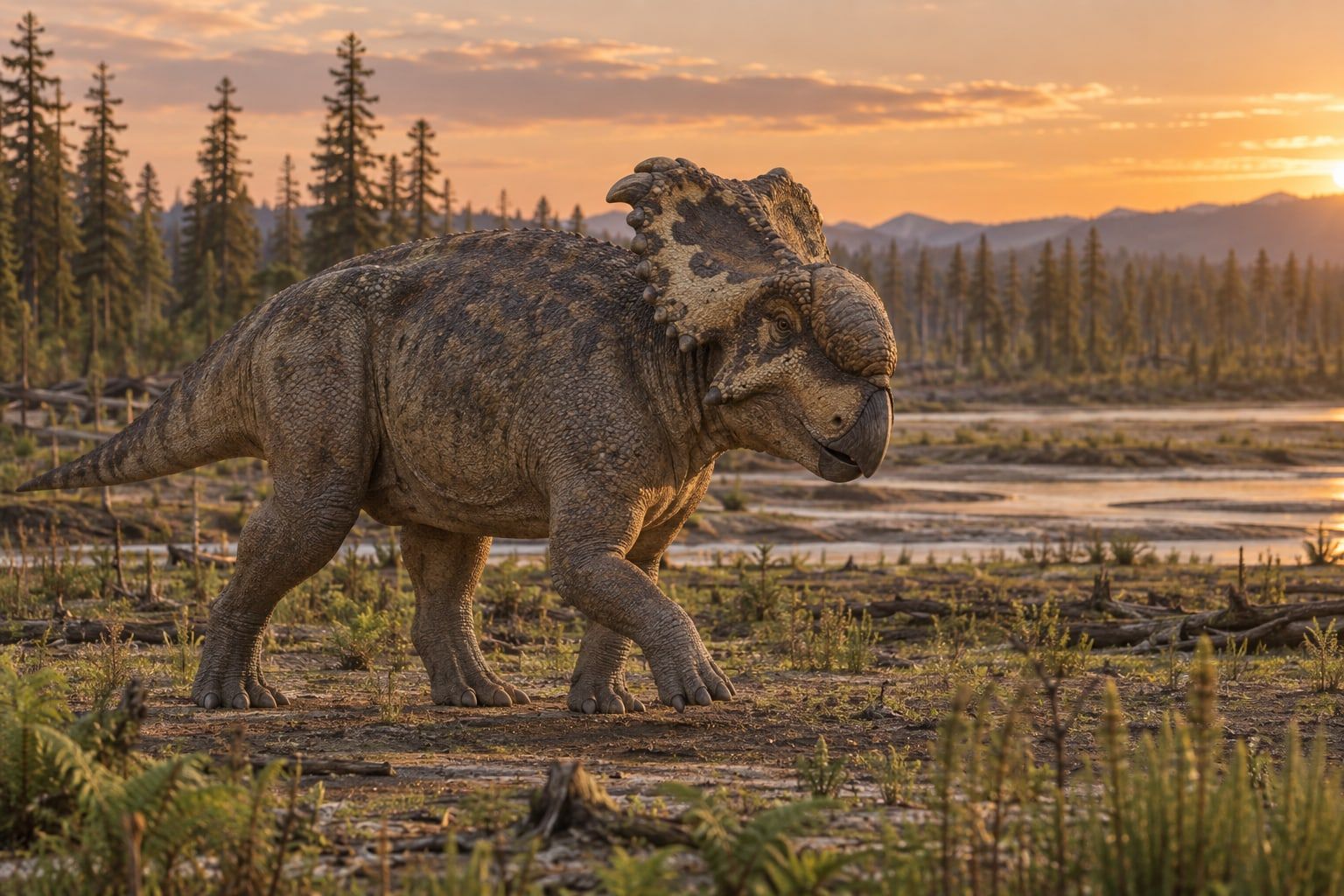
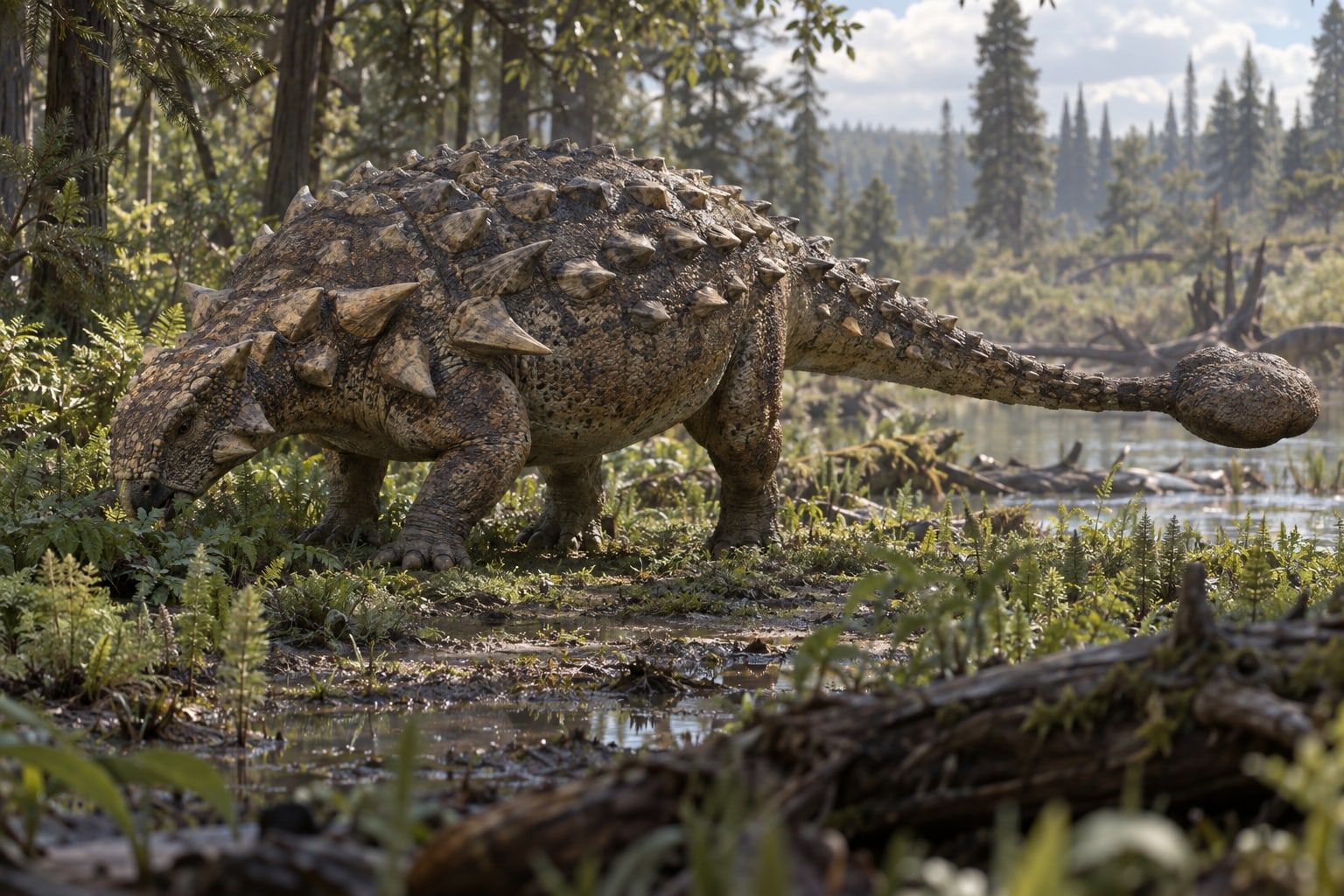
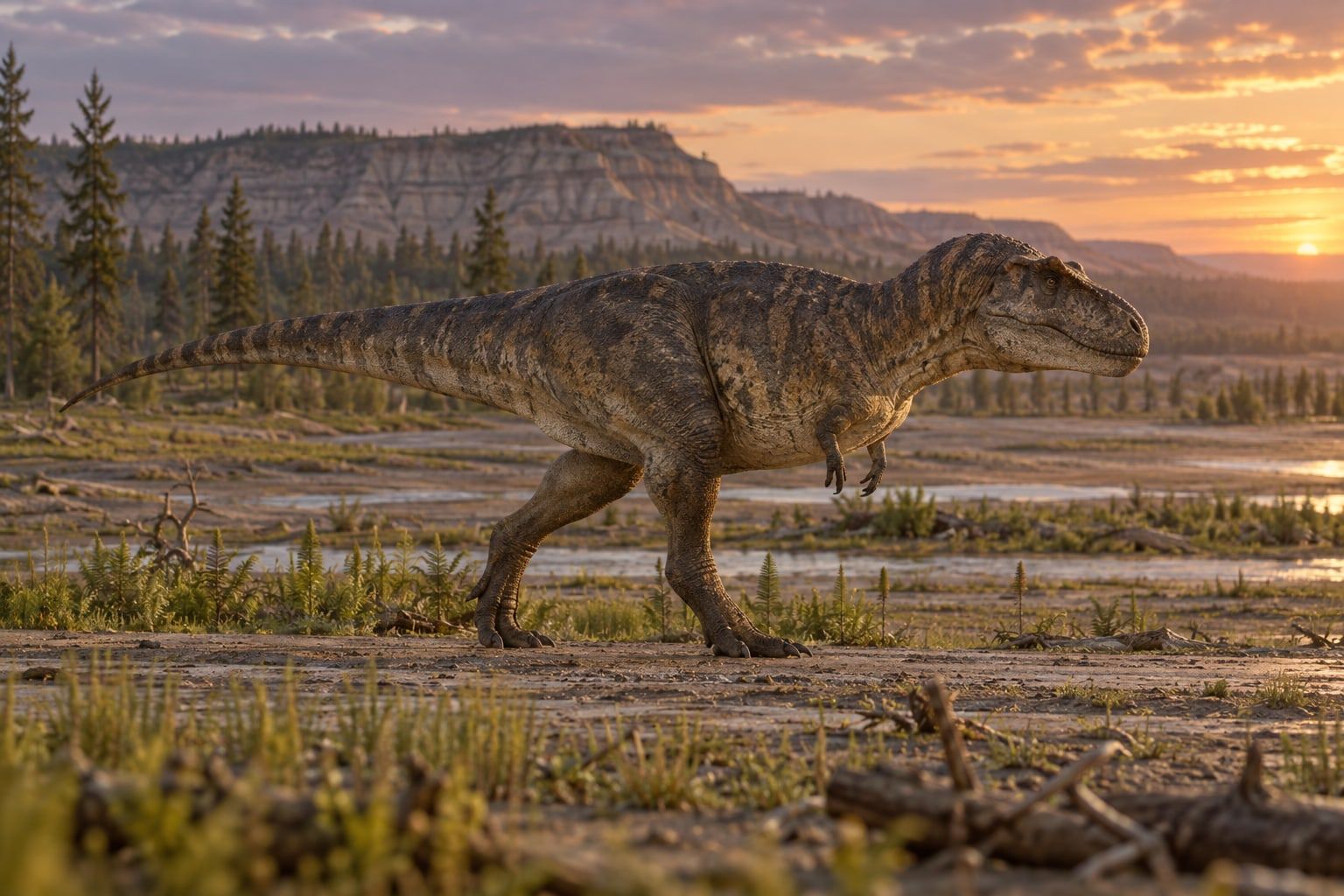
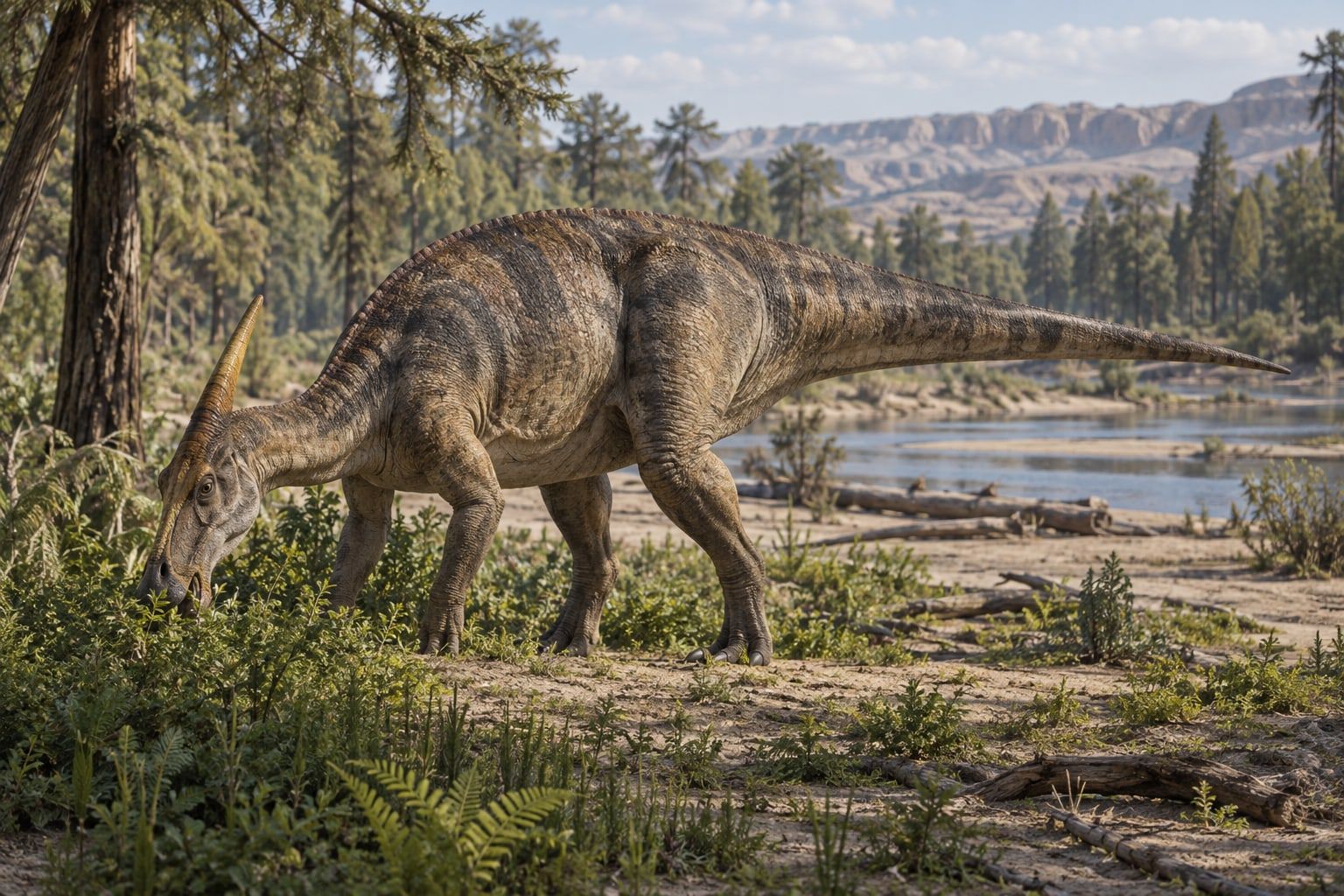
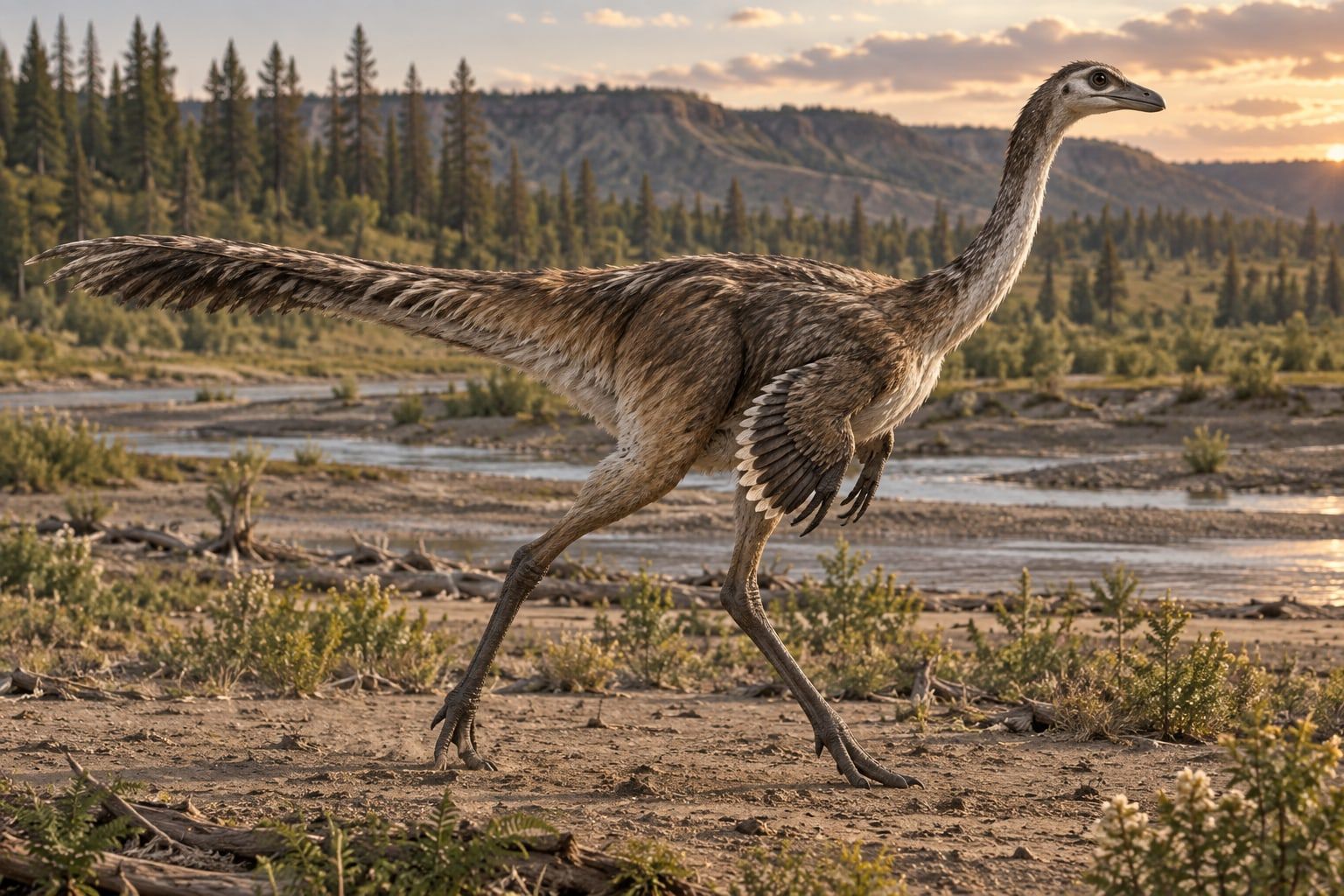
It lived in the Late Cretaceous in what is now Montana, in the United States, and Alberta, Canada. Its bones come from the Horseshoe Canyon Formation and rocks of about the same age in Montana, where it shared the land with Edmontosaurus, the horned Pachyrhinosaurus and Anchiceratops and the tyrannosaur Albertosaurus.
How it was found
Sternberg named Montanoceratops in 1951, for bones that had first been placed in another genus.
Lived alongside
Found in the same rock formations
Close relatives
Other members of Leptoceratopsidae
Sources: WikidataNamed in: C. M. Sternberg. 1951. Complete skeleton of Leptoceratops gracilis Brown from the Upper Edmonton Member on Red Deer River, Alberta. National Museum of Canada Bulletin 123:225-255