Outline: a typical ceratopsian
Leptoceratops
LEP-toe-SER-a-tops
"slender horned face"
- Lived
- 72 to 66 million years ago, Late Cretaceous
- Diet
- Herbivore
- Length
- about 3 m (10 ft)
- Group
- Ceratopsians, Leptoceratopsidae
- Found in
- United States and Canada
- Named by
- Brown 1914
Size comparison
To scale

Scale in metersOutline: typical ceratopsian shape
Where its fossils were found
The evidence
Today
70 million years ago
Field notes
About Leptoceratops
What it was like
Leptoceratops was a small horned dinosaur about 3 meters (10 feet) long. It had a parrot-like beak, a short frill and no real horns. Its teeth were built for chopping tough plants.
It could probably walk on four legs and rise onto two when it needed speed.
Its world
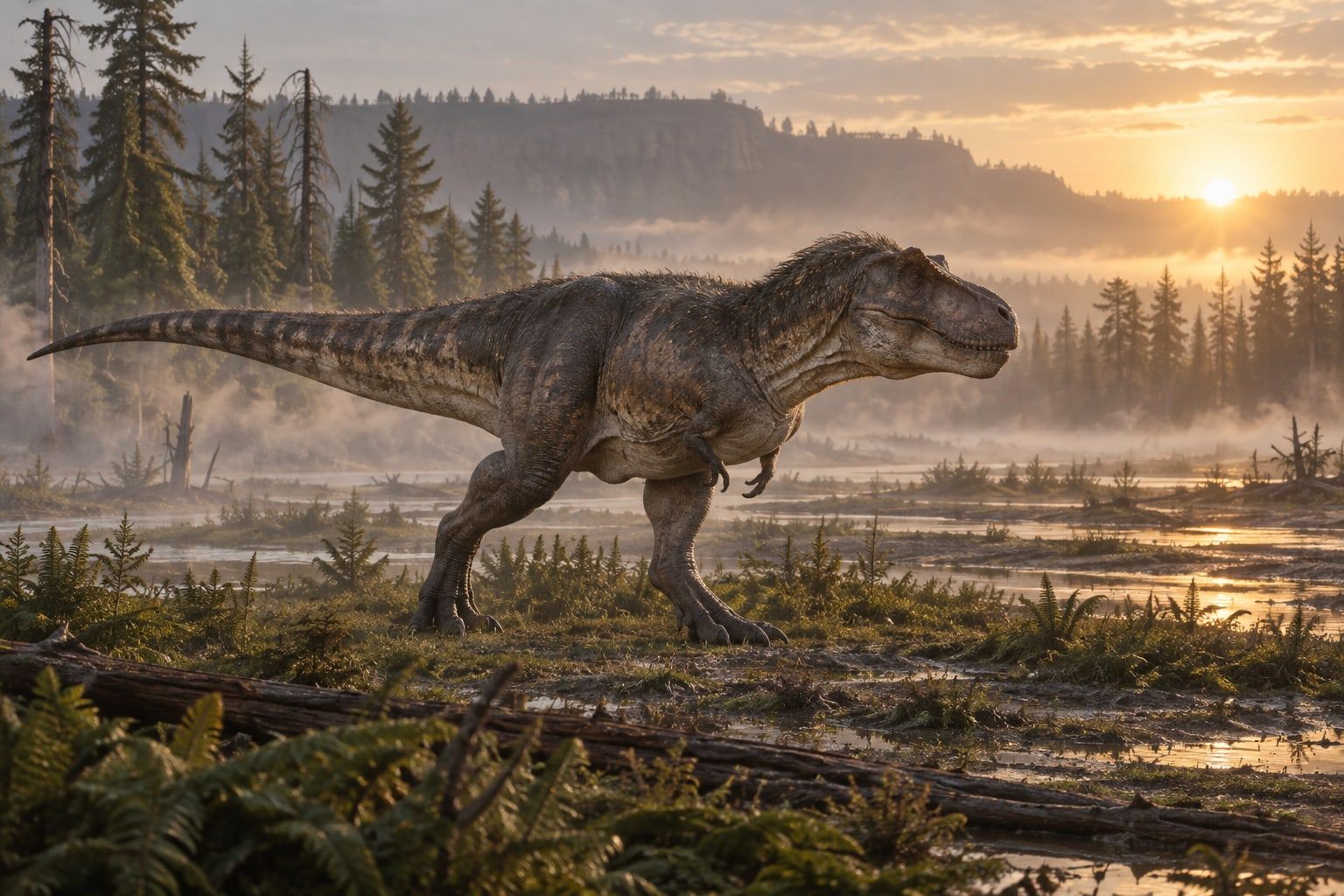
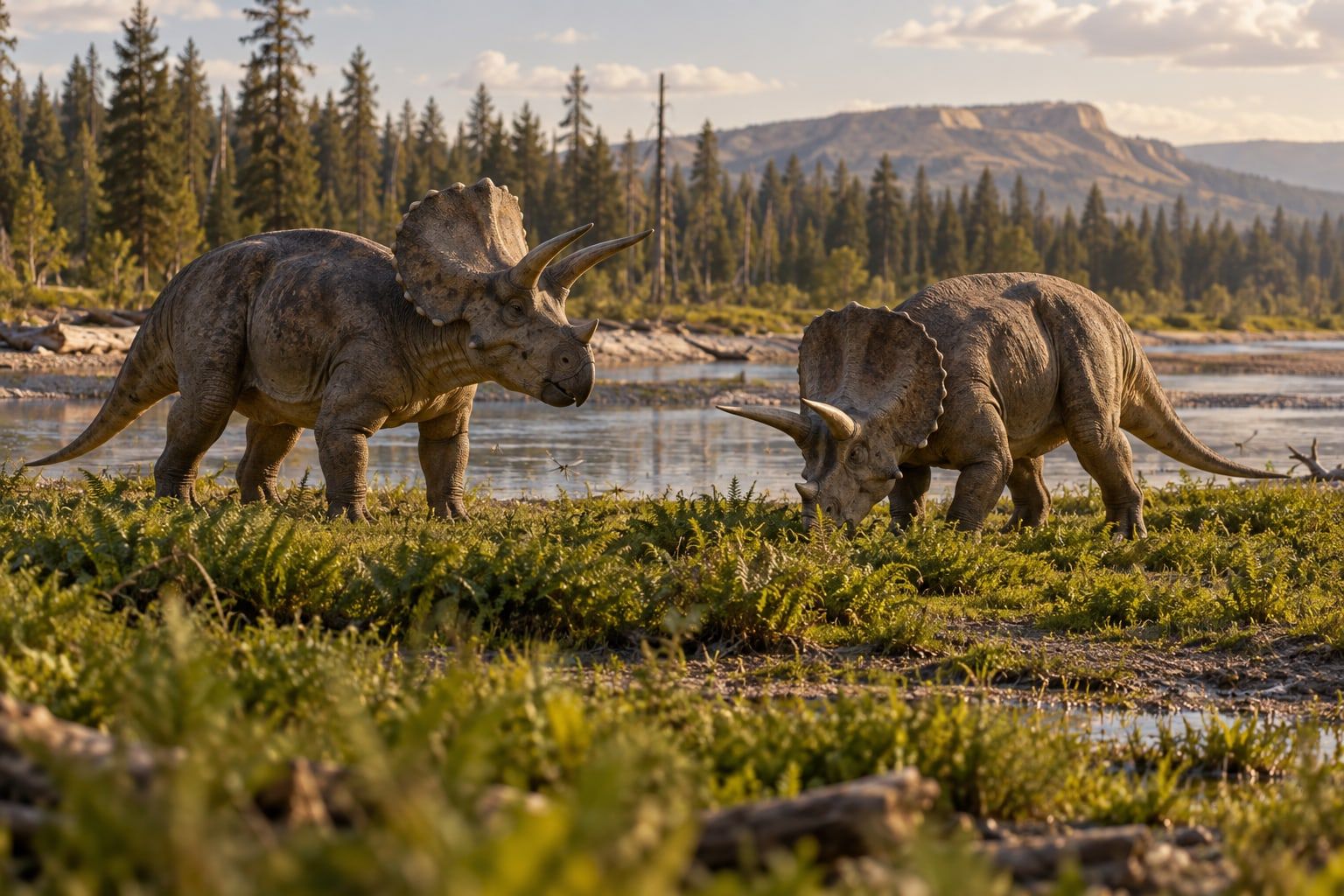
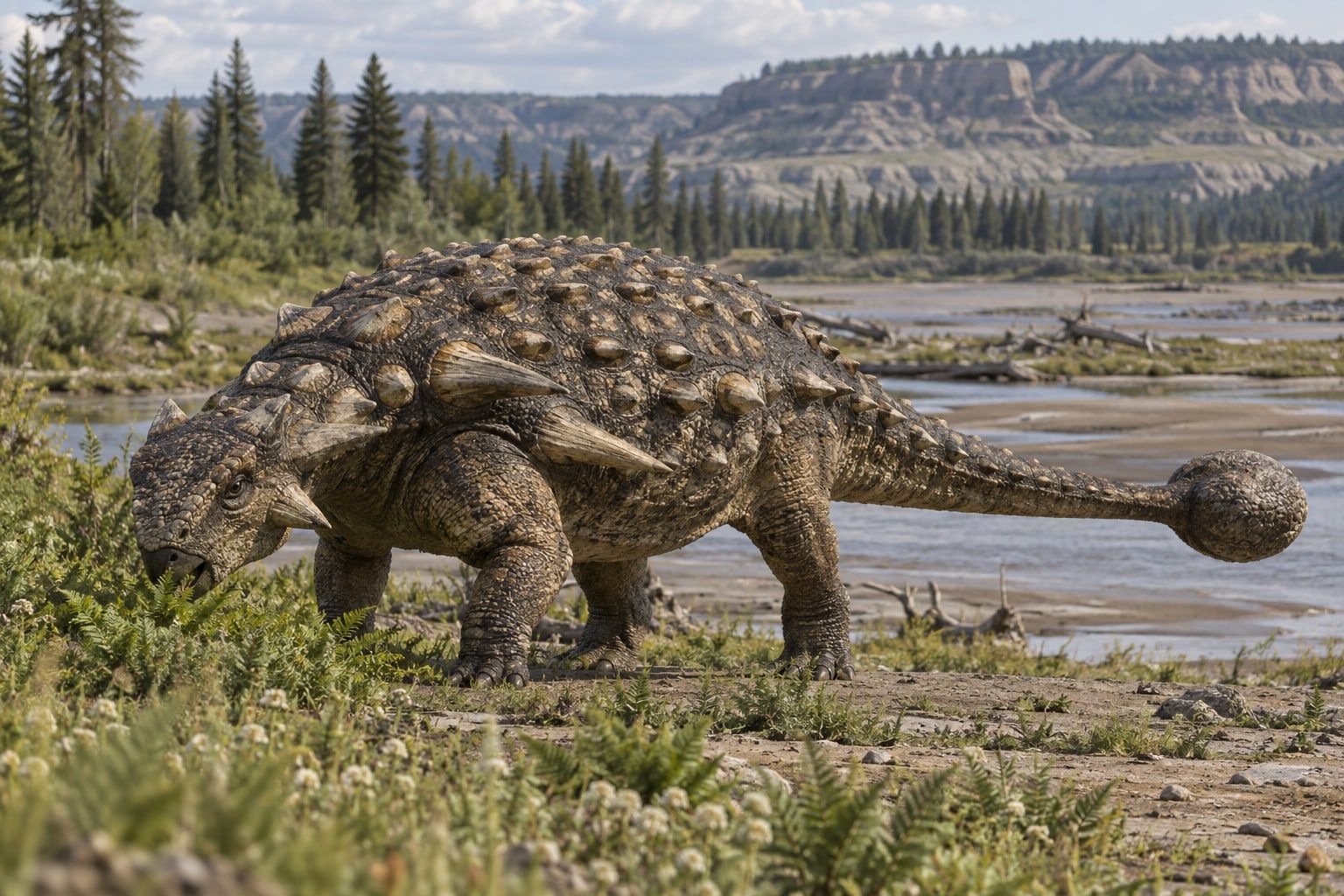
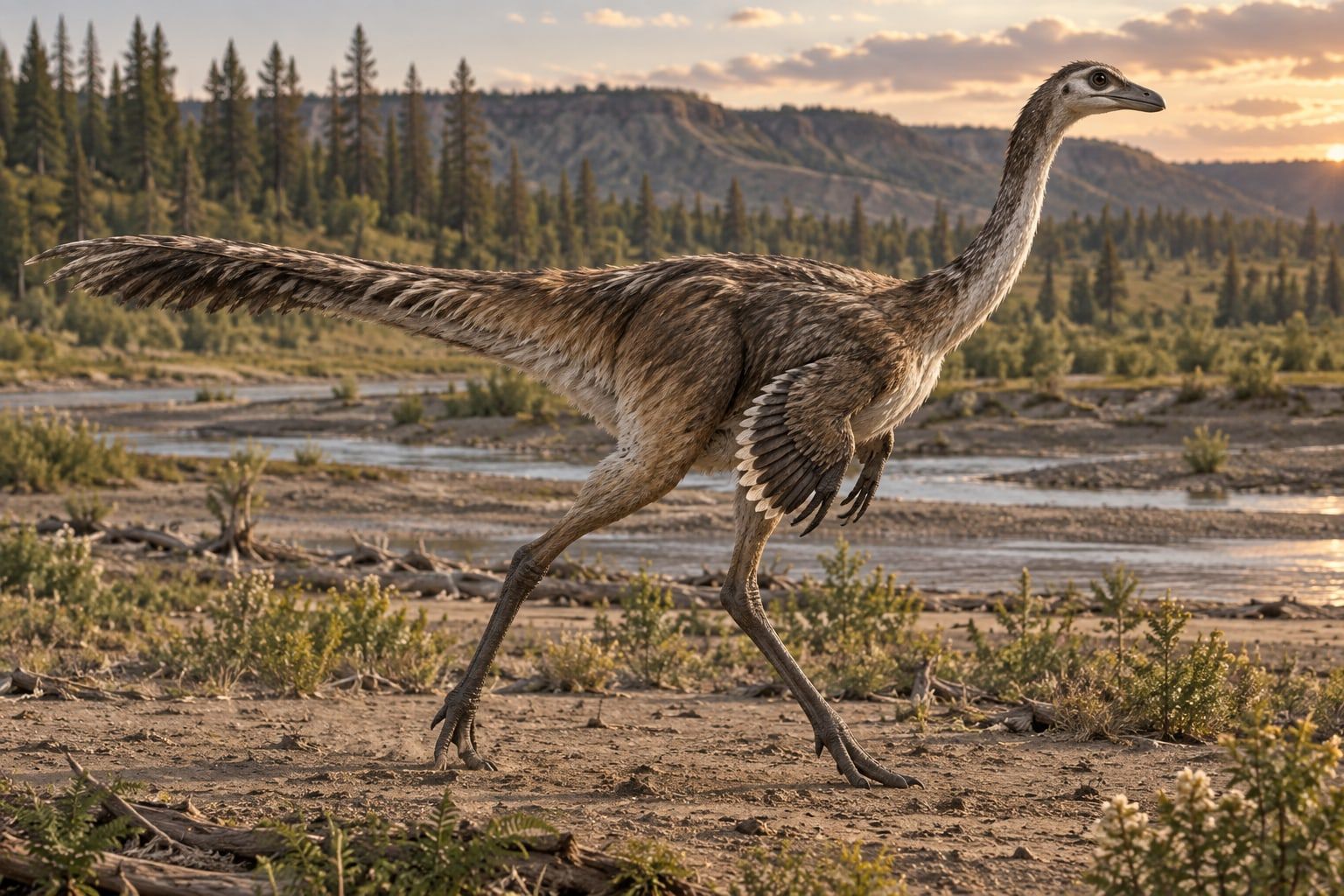
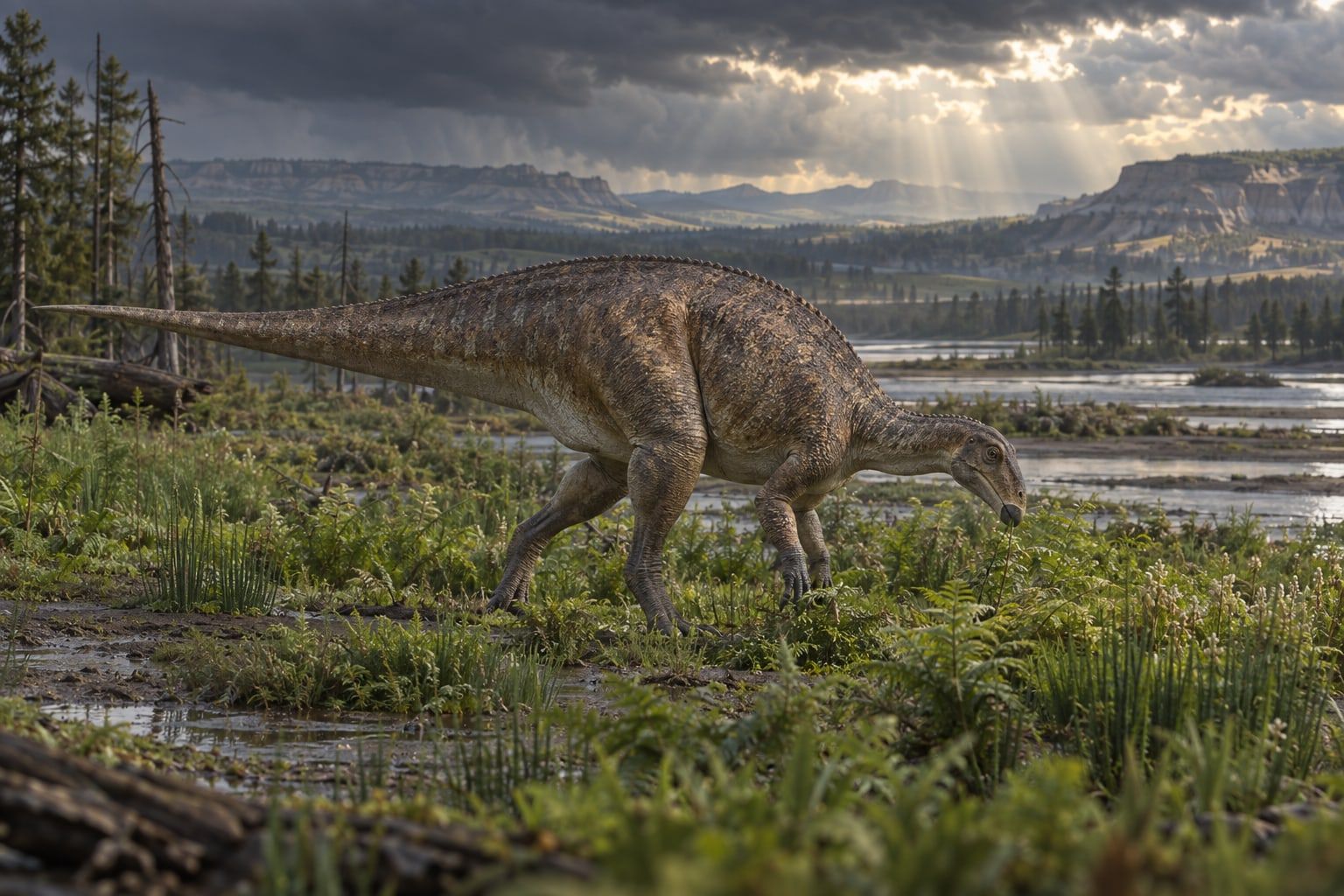
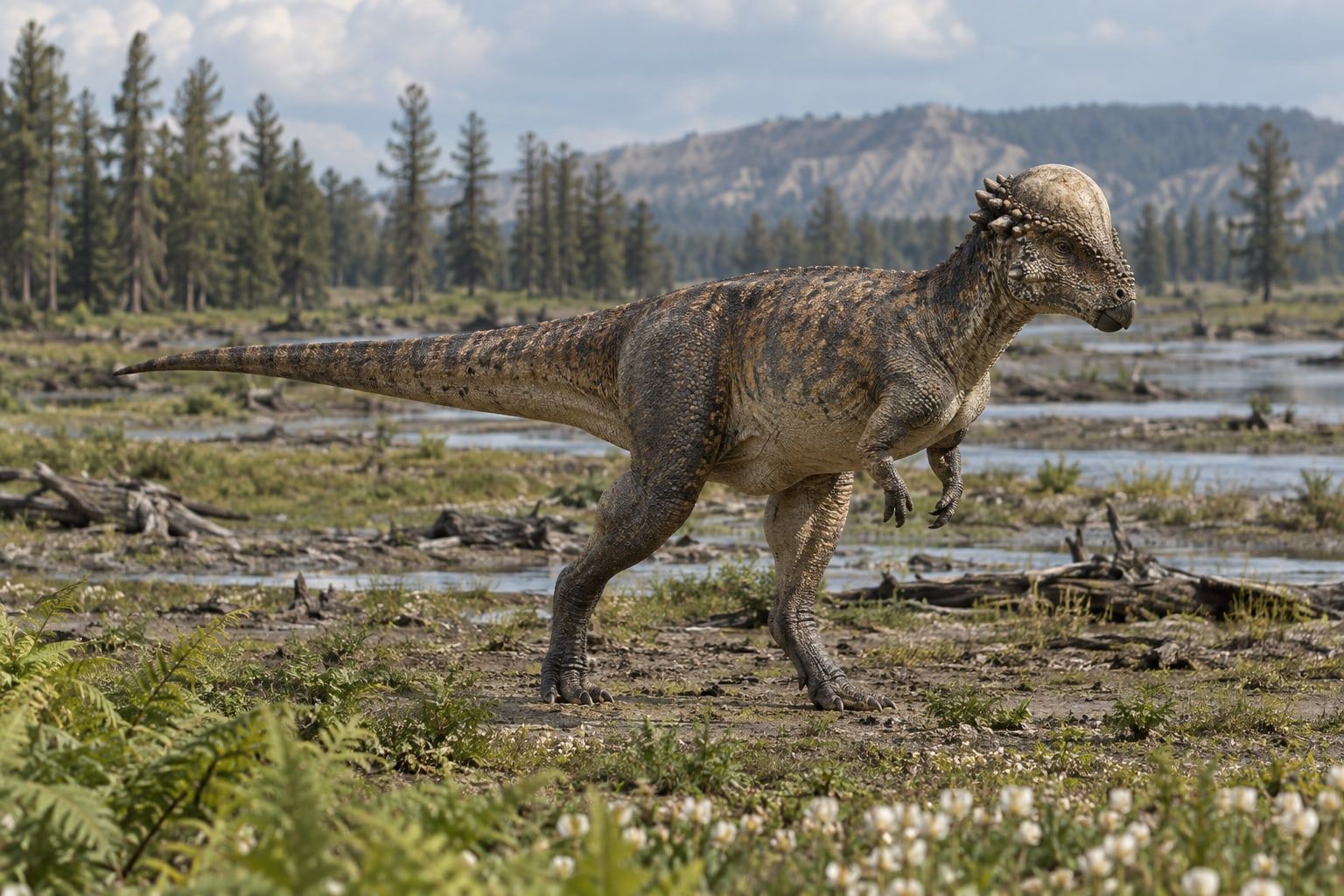
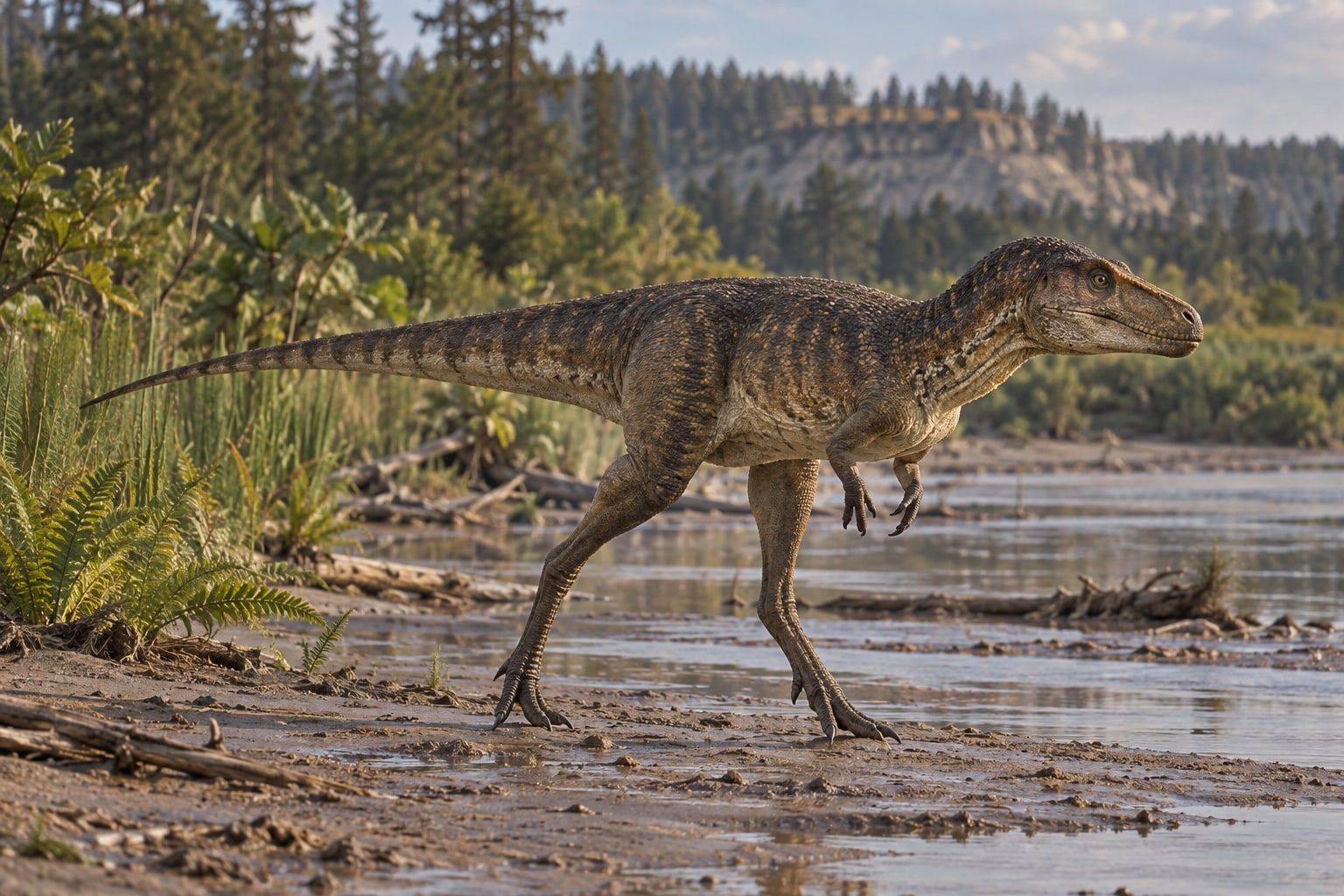
It lived about 72 to 66 million years ago, at the very end of the Cretaceous, in western North America. Its fossils come from Alberta, Montana and Wyoming. It shared its world with Tyrannosaurus, Triceratops, Ankylosaurus and the small plant eater Thescelosaurus. It was a late survivor of an old, simple kind of horned dinosaur.
How it was found
Brown named Leptoceratops in 1914. Later finds include several fairly complete skeletons, so it is one of the better known small horned dinosaurs.
Lived alongside
Found in the same rock formations
Close relatives
Other members of Leptoceratopsidae
Sources: WikidataNamed in: B. Brown. 1914. Leptoceratops, a new genus of Ceratopsia from the Edmonton Cretaceous of Alberta. Bulletin of the American Museum of Natural History 33(36):567-580