Outline: a typical theropod
Halszkaraptor
HALSH-kuh-RAP-tor
"Halszka's seizer"
- Lived
- 84 to 72 million years ago, Late Cretaceous
- Diet
- Carnivore
- Group
- Theropods, Dromaeosauridae
- Found in
- Mongolia
- Named by
- Cau et al. 2017
Where its fossils were found
The evidence
Today

80 million years ago
Field notes
About Halszkaraptor
What it was like
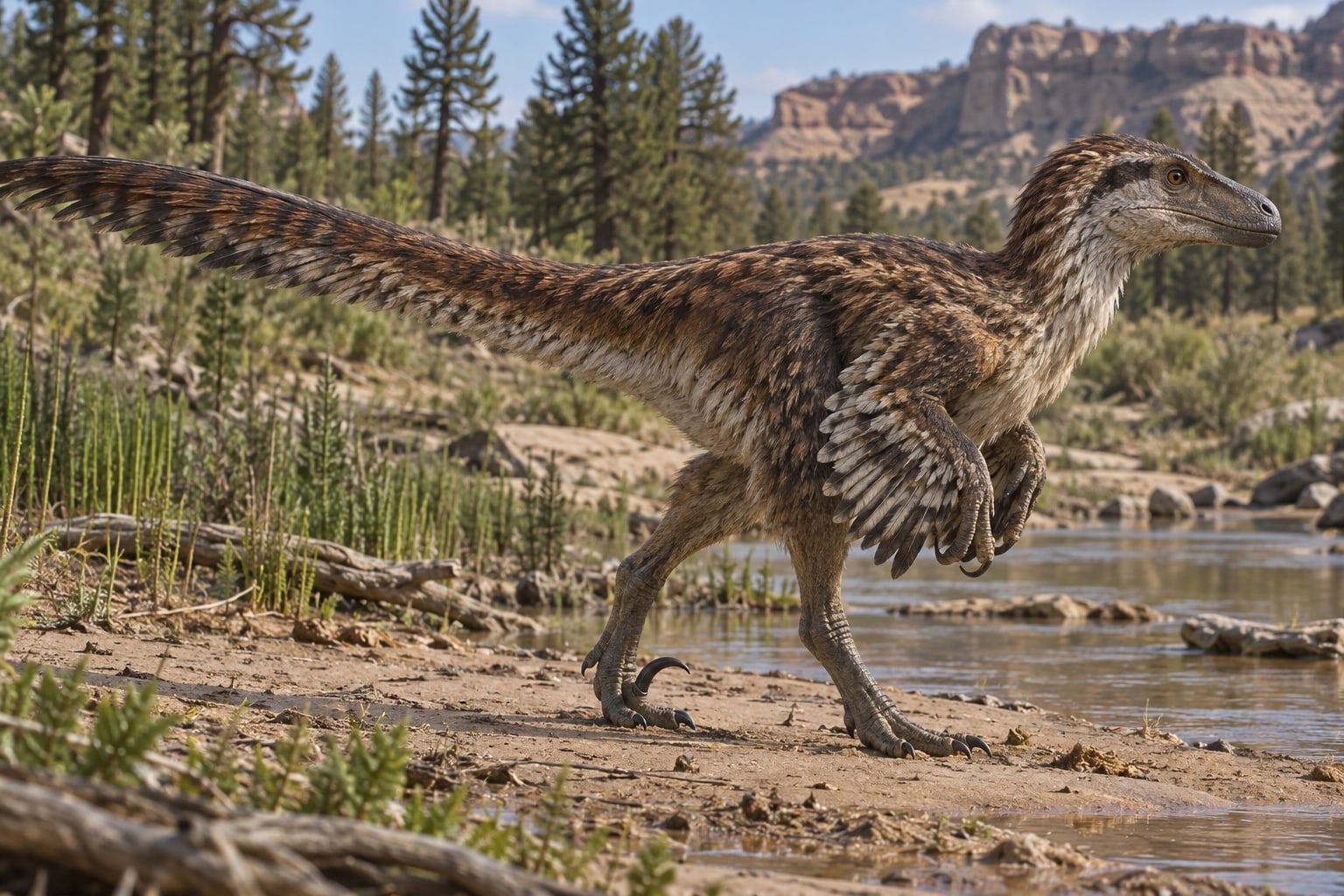
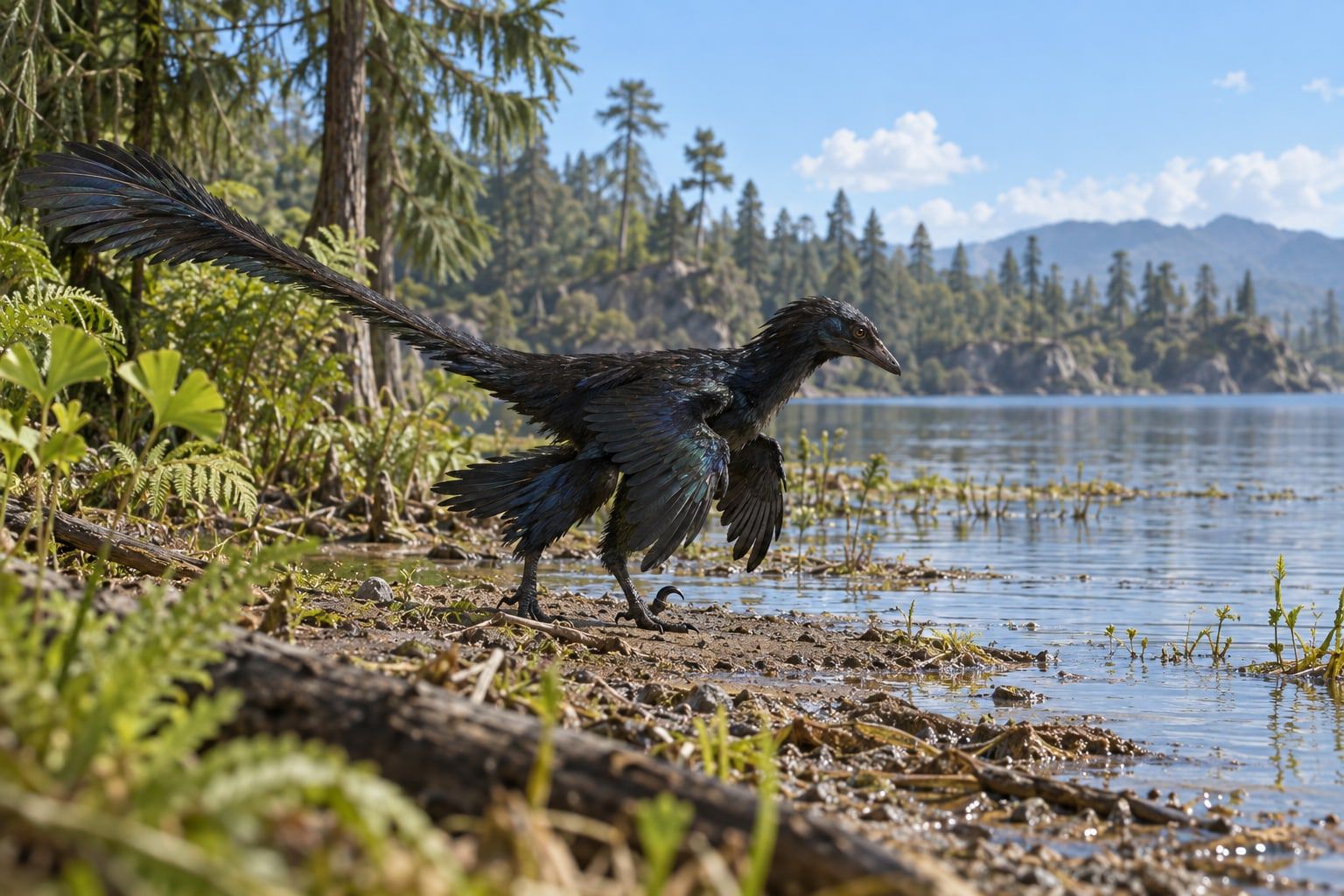
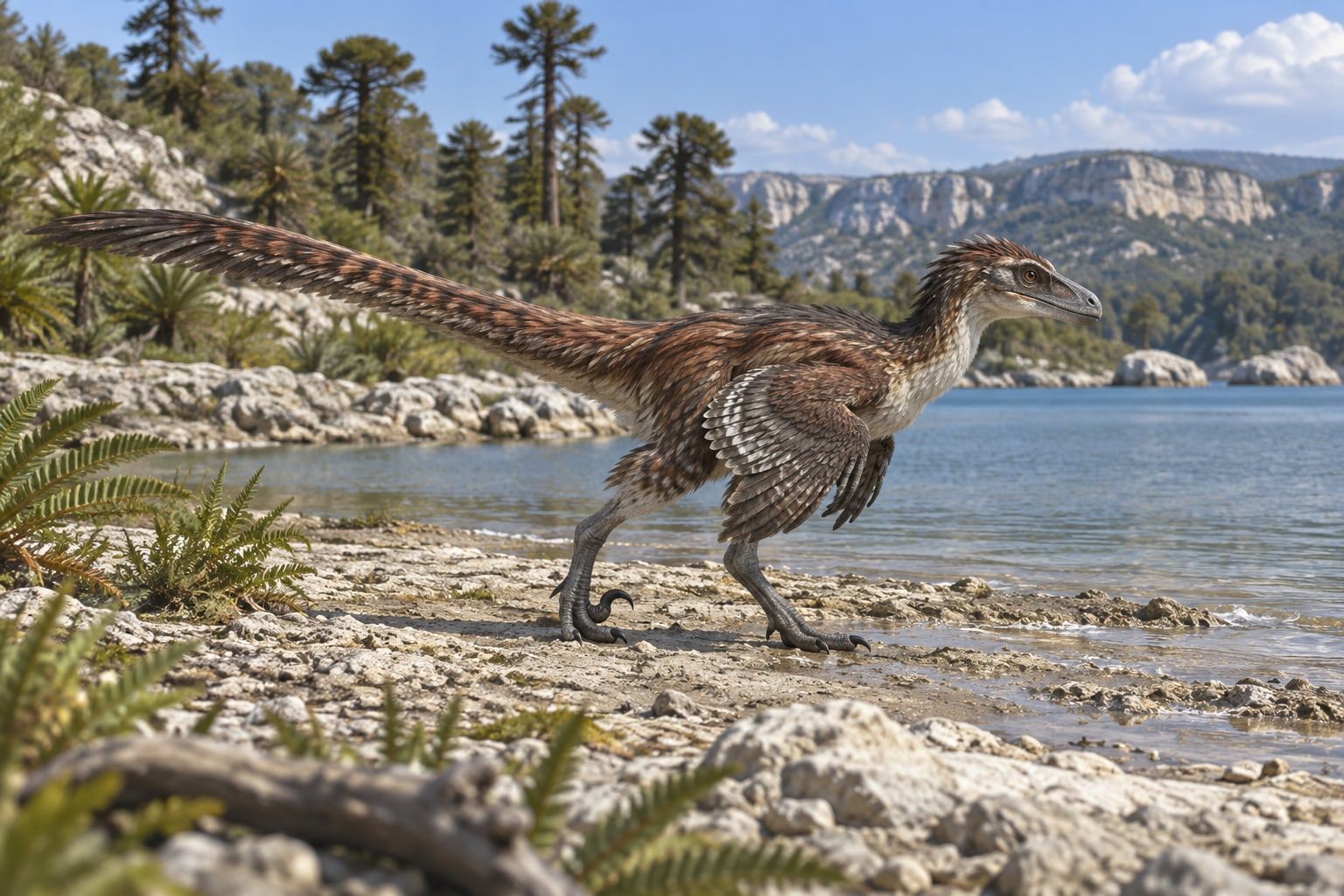
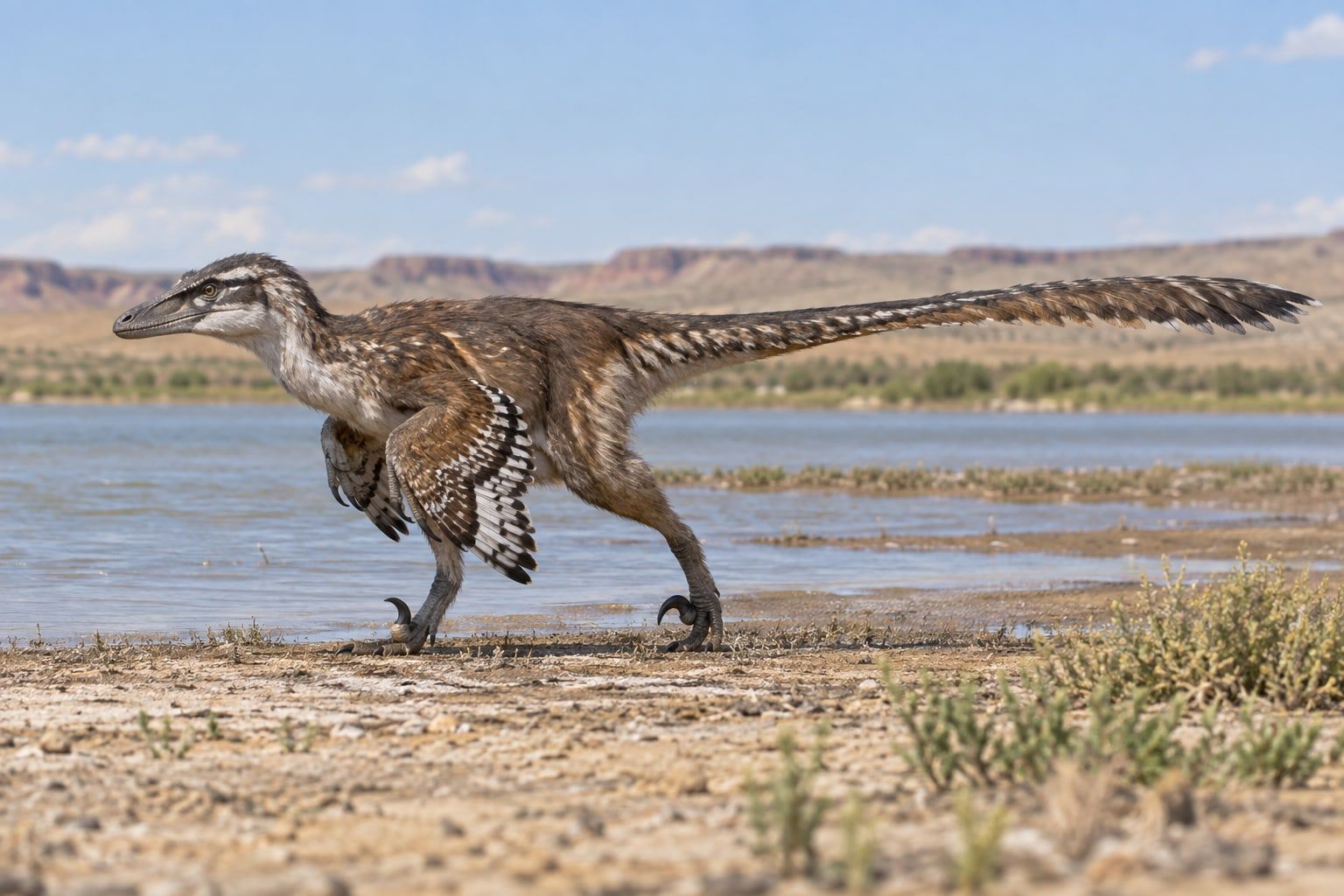
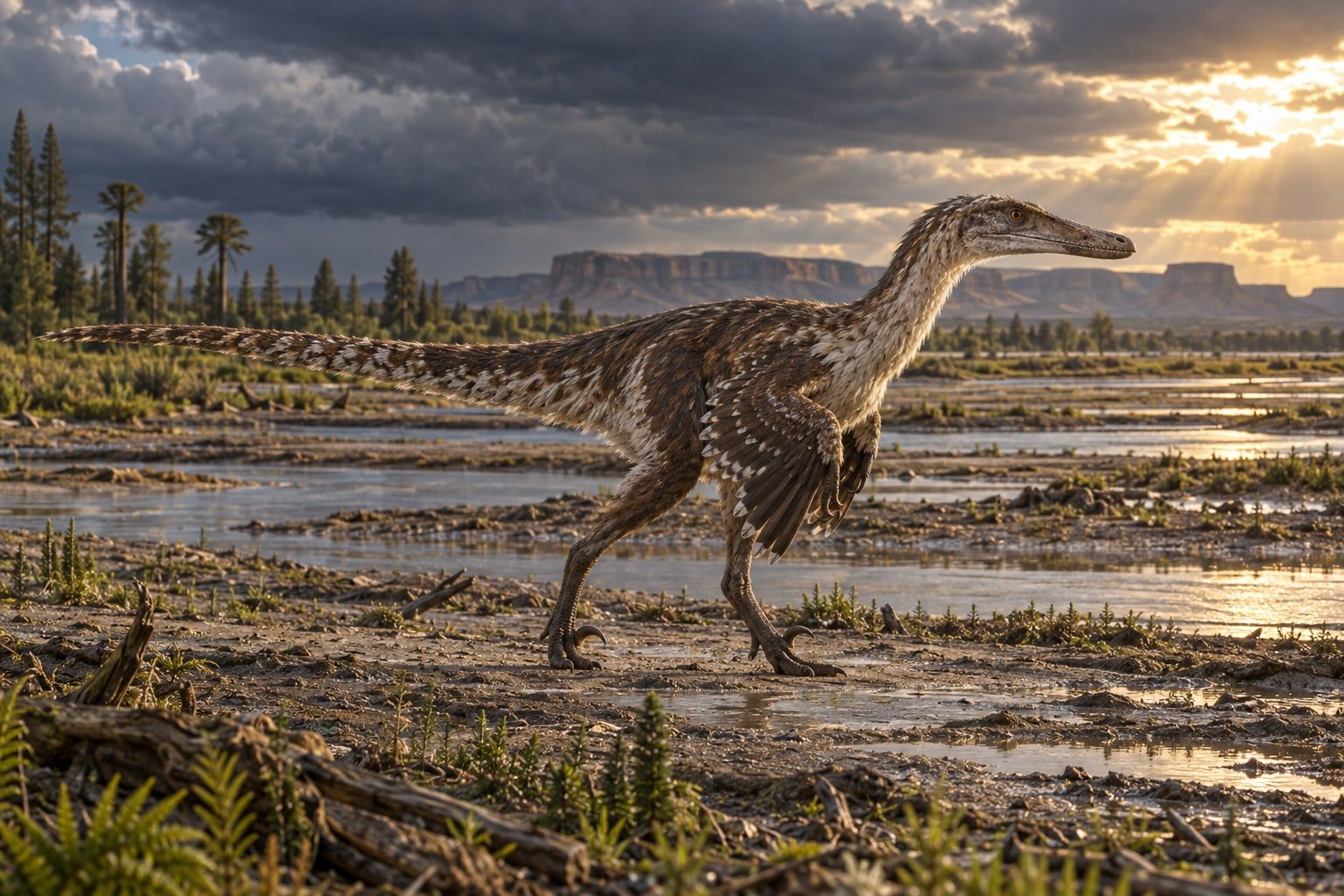
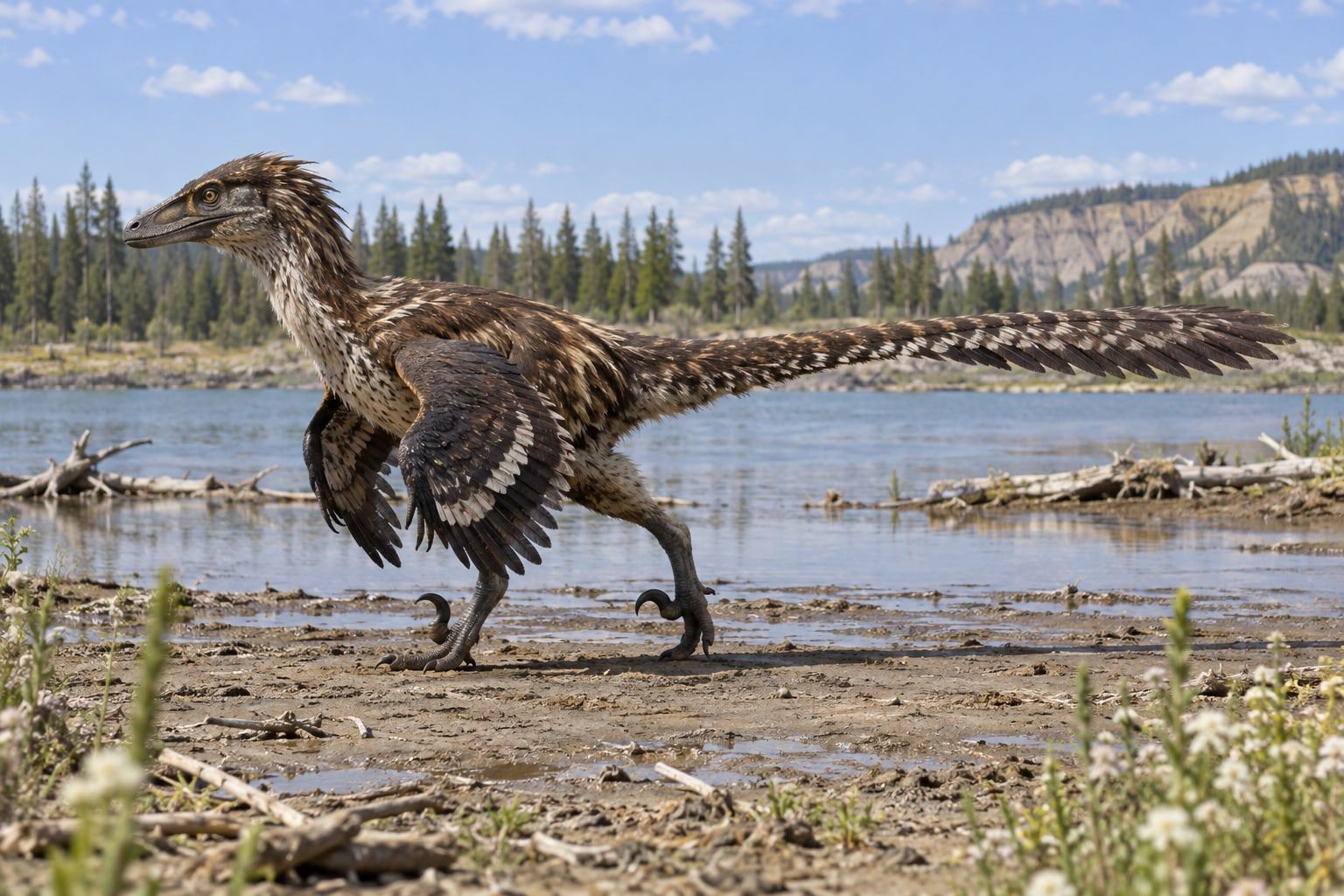
Halszkaraptor was a small, strange feathered dinosaur, about the size of a duck. It had a long, bendy neck, a flat snout with many small teeth, and front limbs that some scientists think may have worked like flippers.
It was first described as a dinosaur that swam and hunted in water, something like a merganser. Other scientists think it lived mainly on land. The debate is still open.
Its world
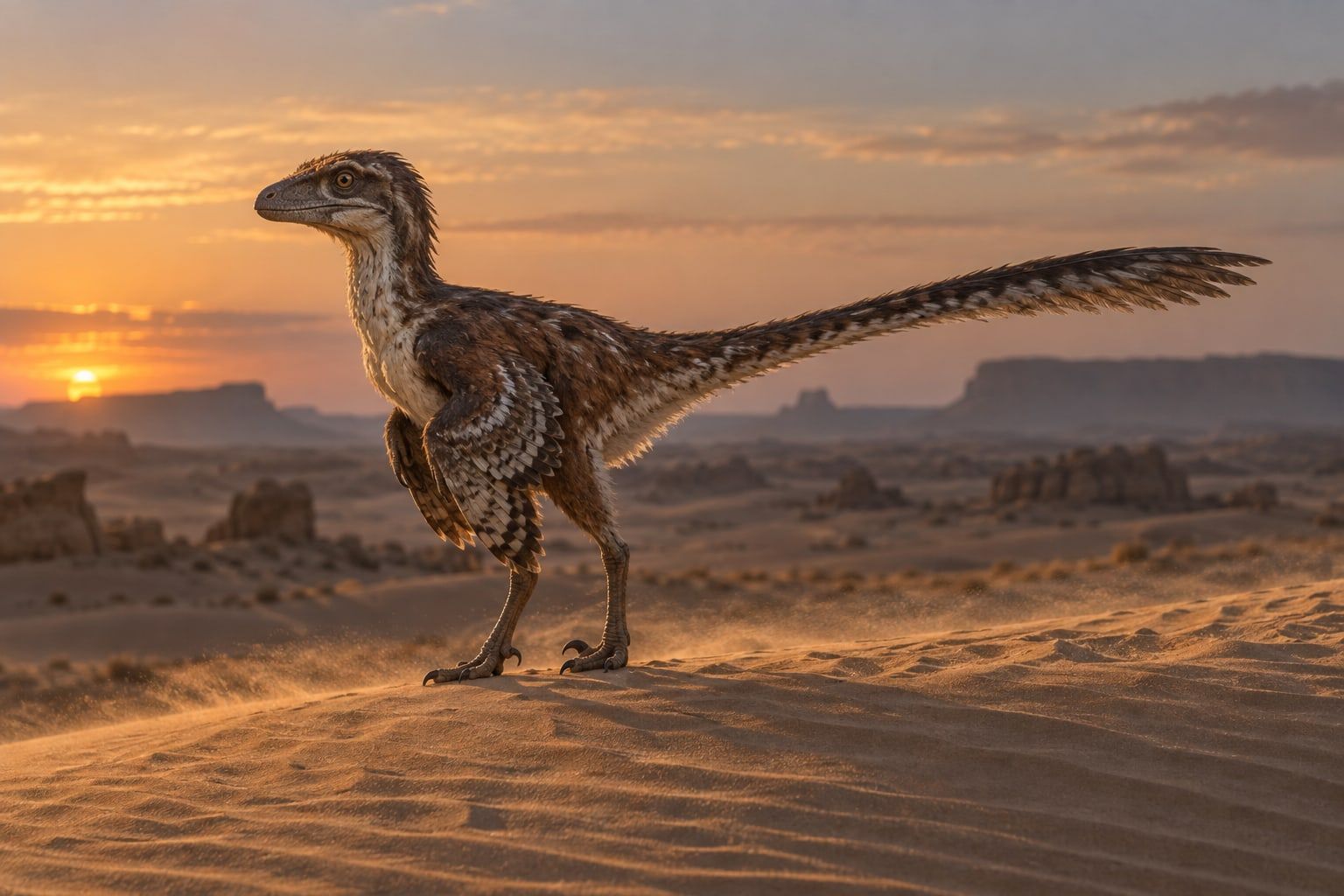
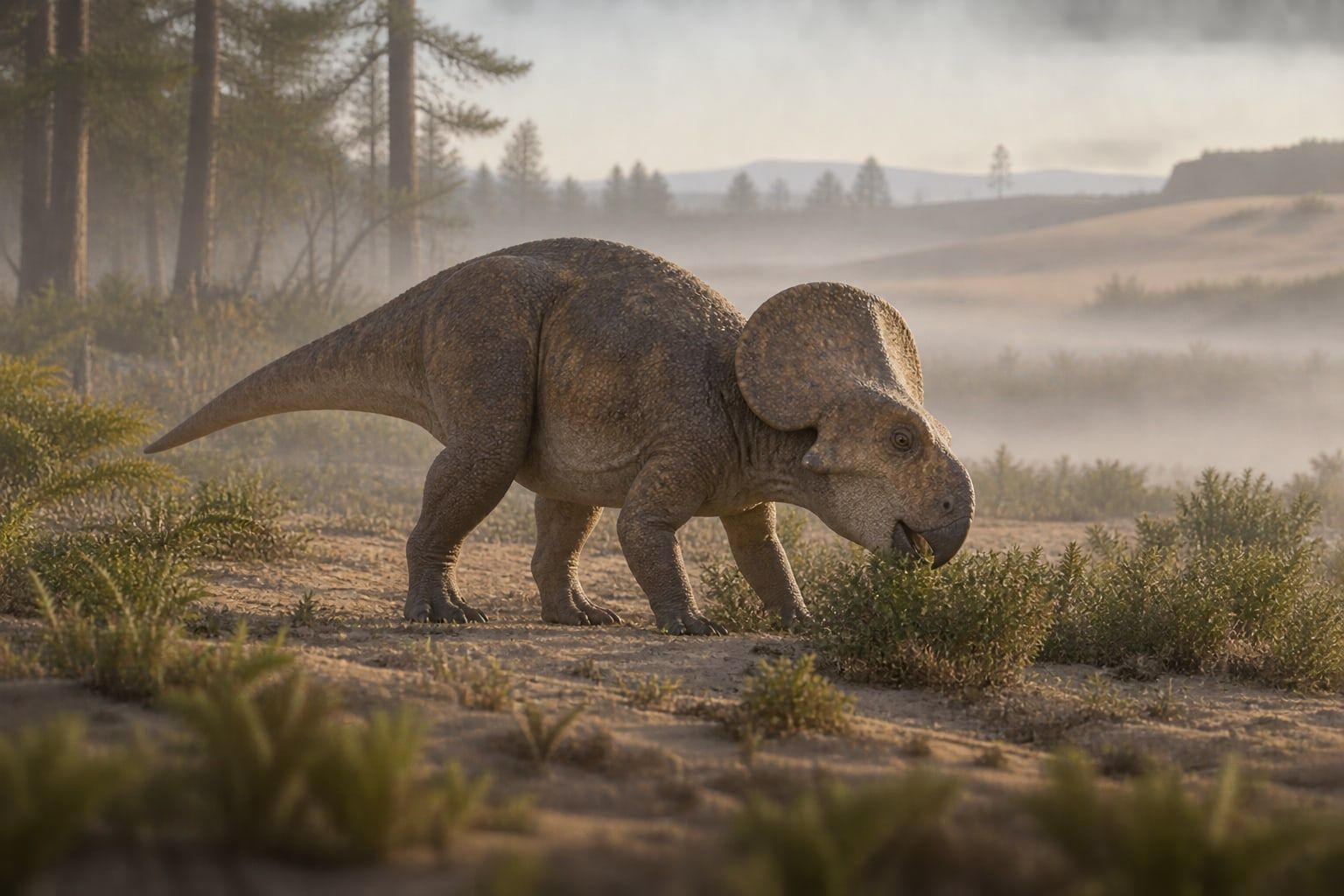
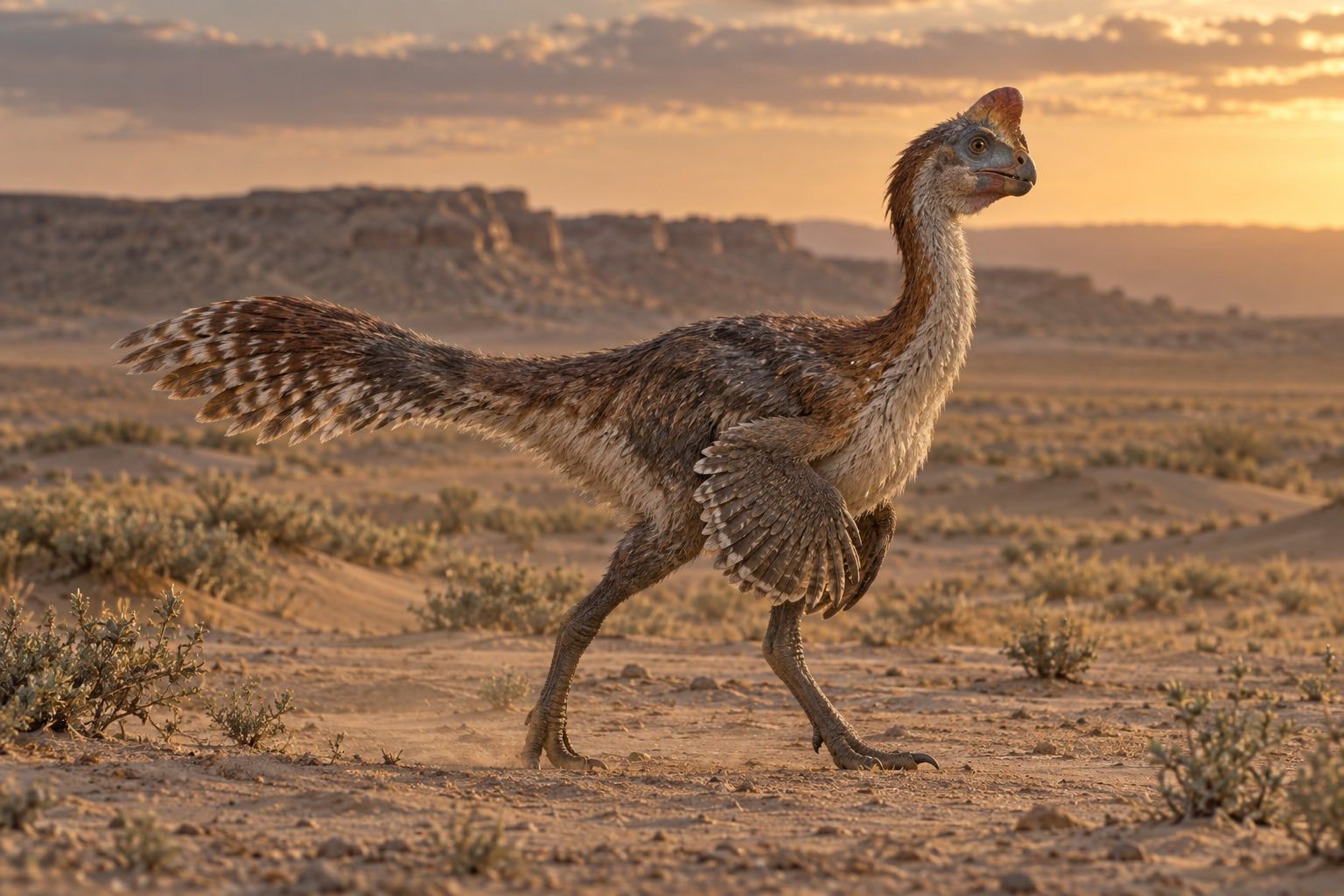
It lived about 84 to 72 million years ago, in the Late Cretaceous, in what is now Mongolia. Its fossil comes from the Djadokhta Formation, a dry land shared with Velociraptor, Protoceratops, Citipati and Oviraptor.
How it was found
Cau and colleagues named Halszkaraptor in 2017. It is known from a single skeleton that was smuggled out of Mongolia and later returned.
Lived alongside
Found in the same rock formations
Close relatives
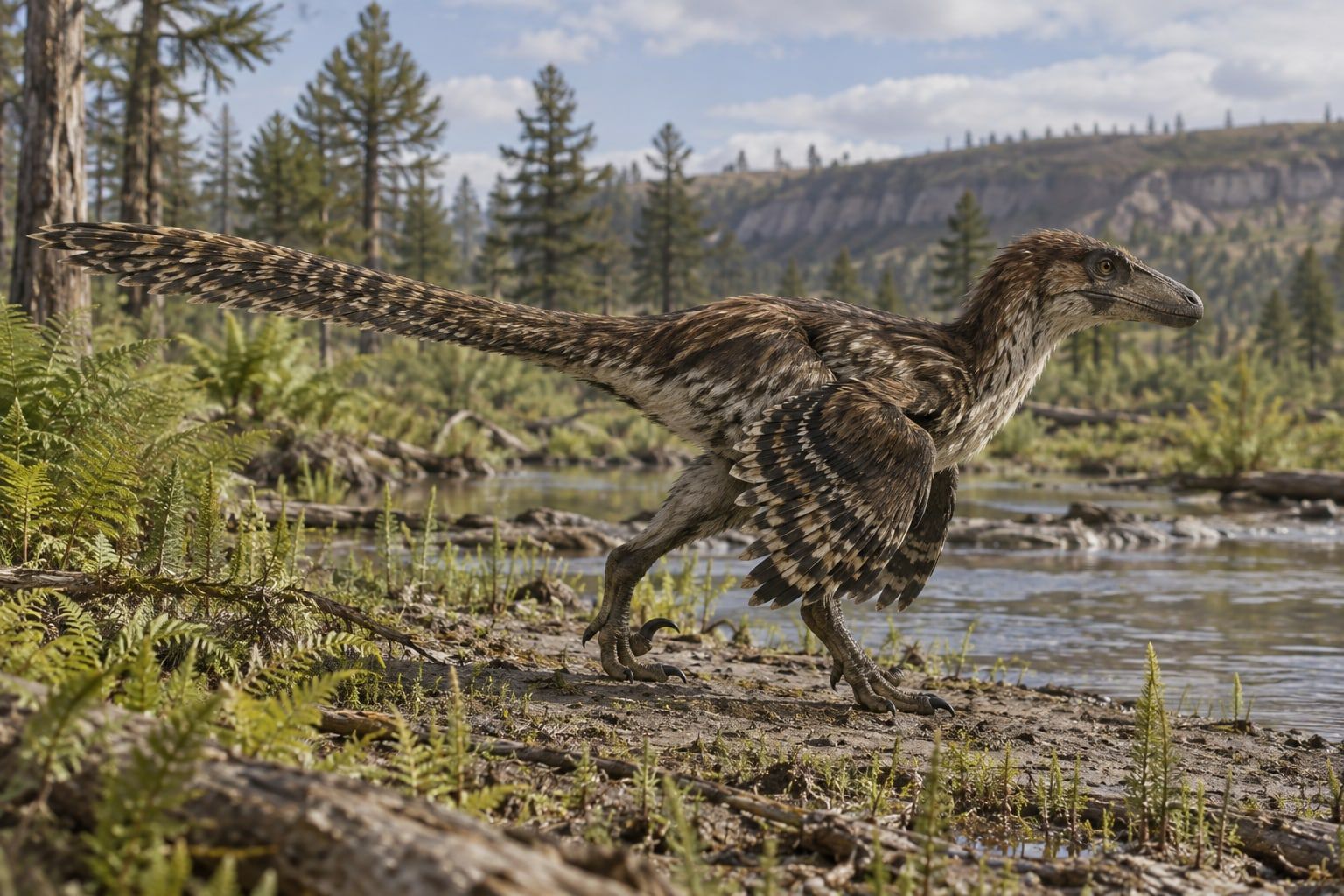
Other members of Dromaeosauridae
Sources: WikidataNamed in: A. Cau, V. Beyrand, and D. F. A. E. Voeten, V. Fernandez, P. Tafforeau, K. Stein, R. Barsbold, K. Tsogtbaatar, P. J. Currie, P. Godefroit. 2017. Synchrotron scanning reveals amphibious ecomorphology in a new clade of bird-like dinosaurs. Nature