Zhuchengceratops
Type species Zhuchengceratops inexpectus
- Lived
- 84 to 72 million years ago, Late Cretaceous
- Diet
- Herbivore
- Group
- Ceratopsians, Leptoceratopsidae
- Found in
- China
- Named by
- Xu et al. 2010
Where its fossils were found
The evidence
Today

80 million years ago
Habitat
It probably lived on a plain crossed by rivers in what is now China. Nearby dinosaur finds include Shantungosaurus, Sinoceratops and Zhuchengtyrannus.
Field notes
About Zhuchengceratops
What it was like
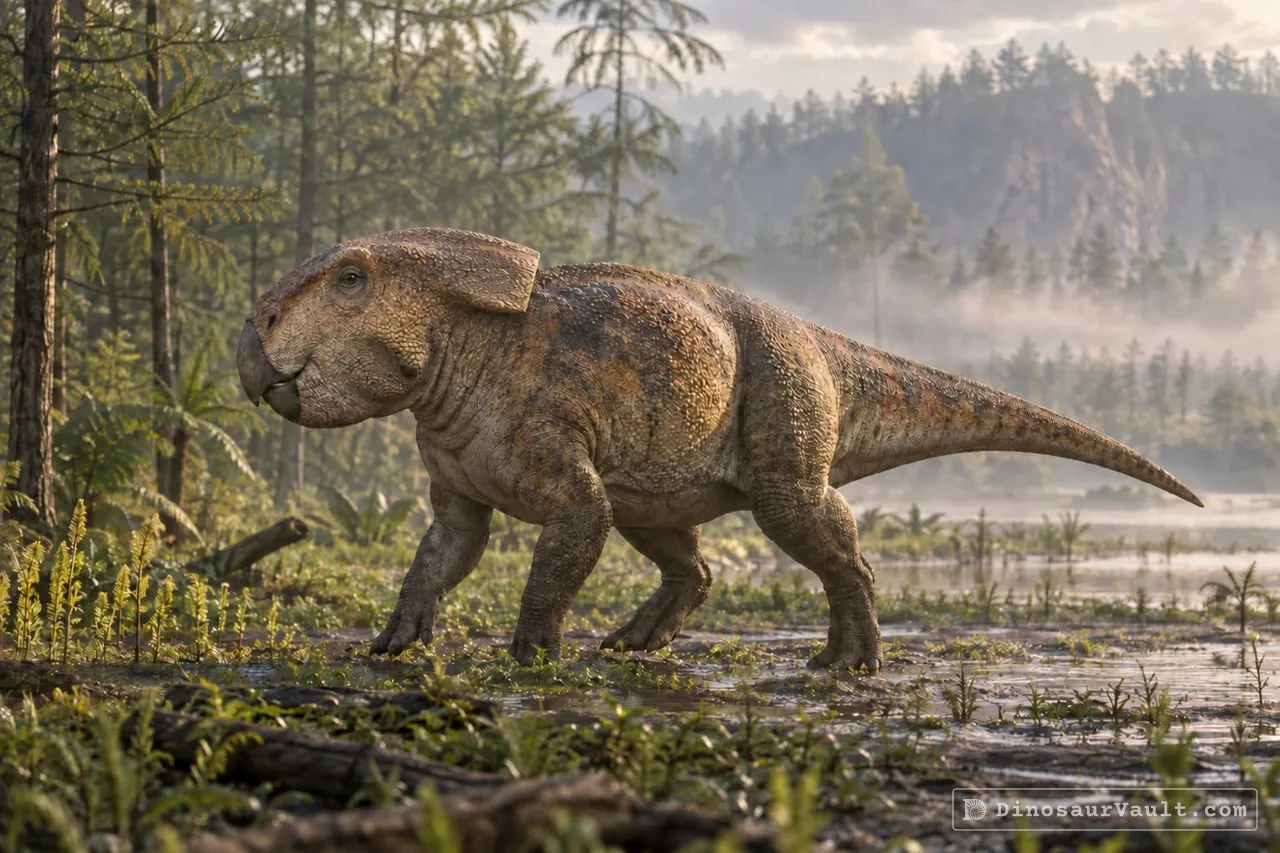
Zhuchengceratops was a small horned dinosaur with a deep, strong lower jaw. It belonged to the leptoceratopsids, simple horned dinosaurs with short frills and no real horns.
Its world
It lived in the Late Cretaceous, in what is now China. It comes from the Hongtuya Formation, where it shared the land with the giant duckbill Shantungosaurus, the tyrannosaur Zhuchengtyrannus and the horned Sinoceratops.
How it was found
Xu and colleagues named Zhuchengceratops in 2010. The type species is Zhuchengceratops inexpectus, meaning unexpected, since leptoceratopsids were thought to be rare in Asia at the time.
Field gallery
More views of Zhuchengceratops
Scenes reconstructed from the available fossil evidence.
Lived alongside
Found in the same rock formations
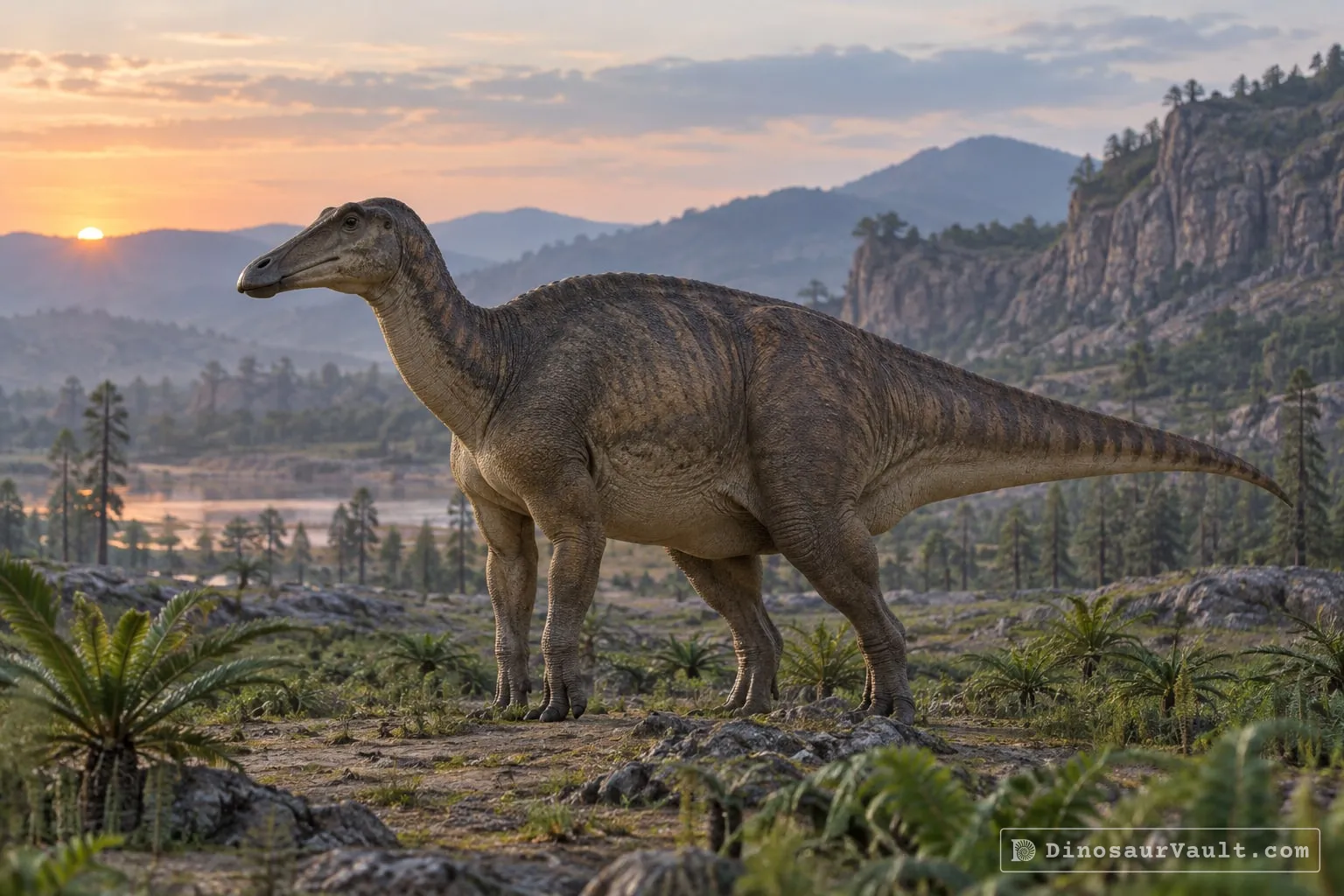
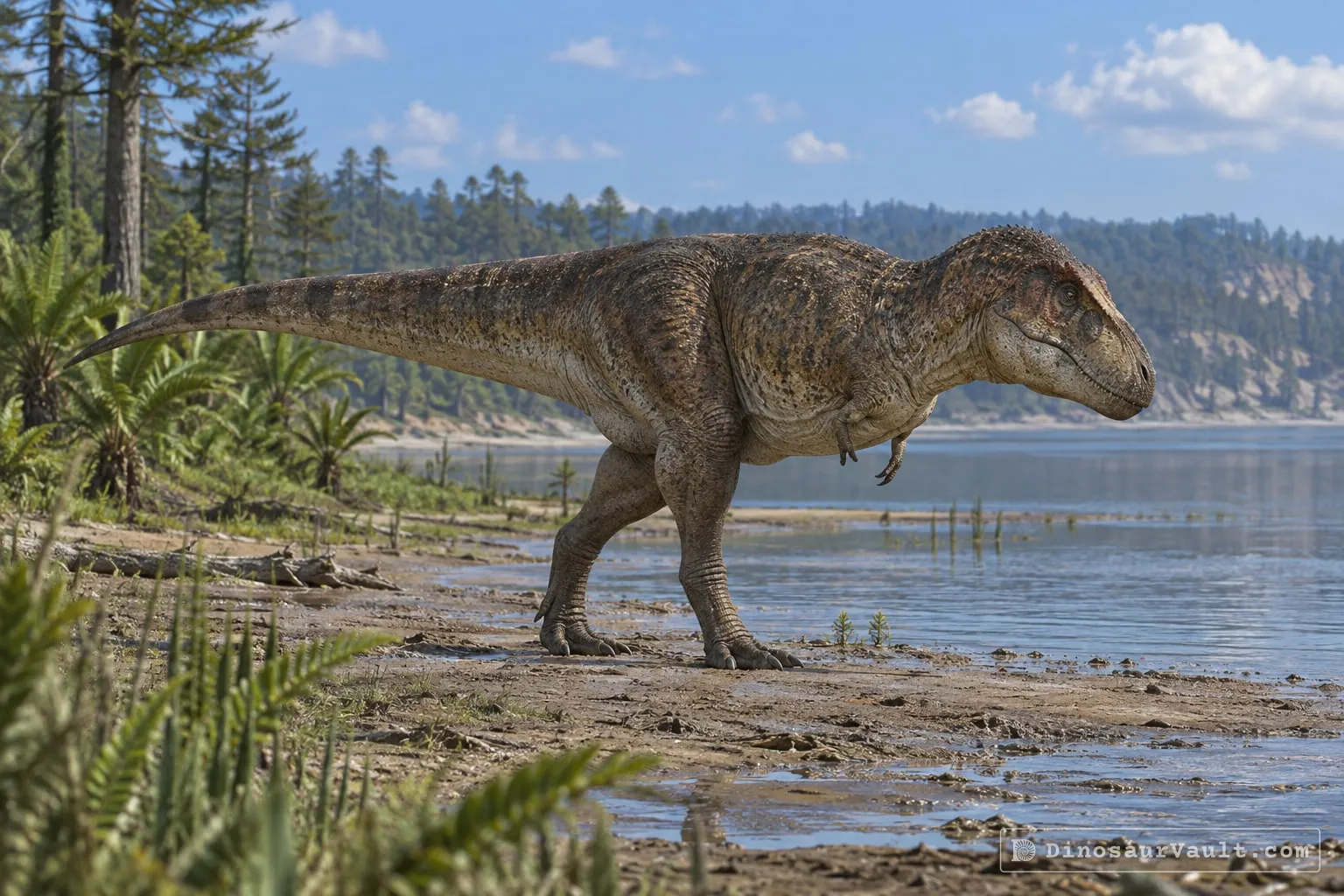
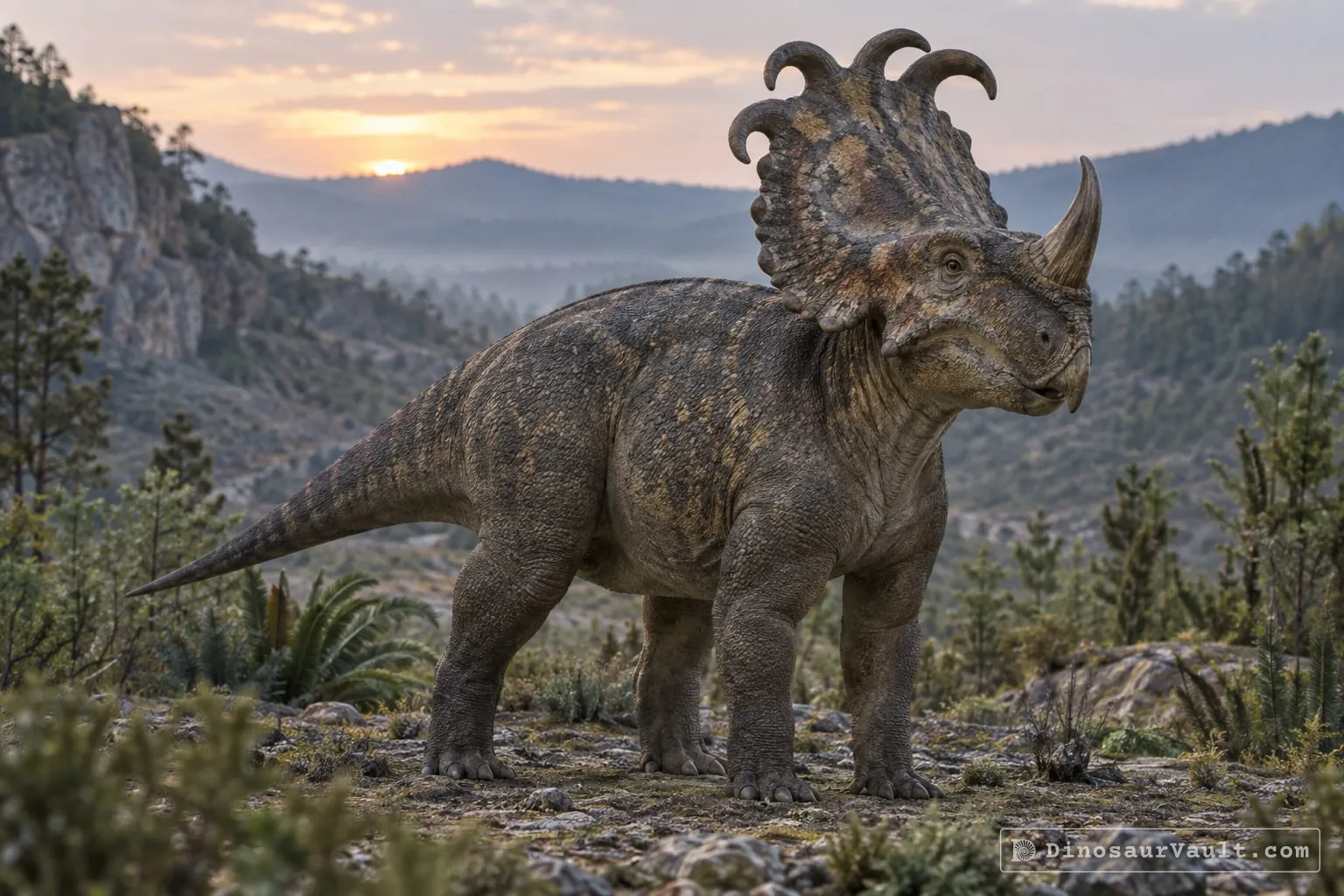
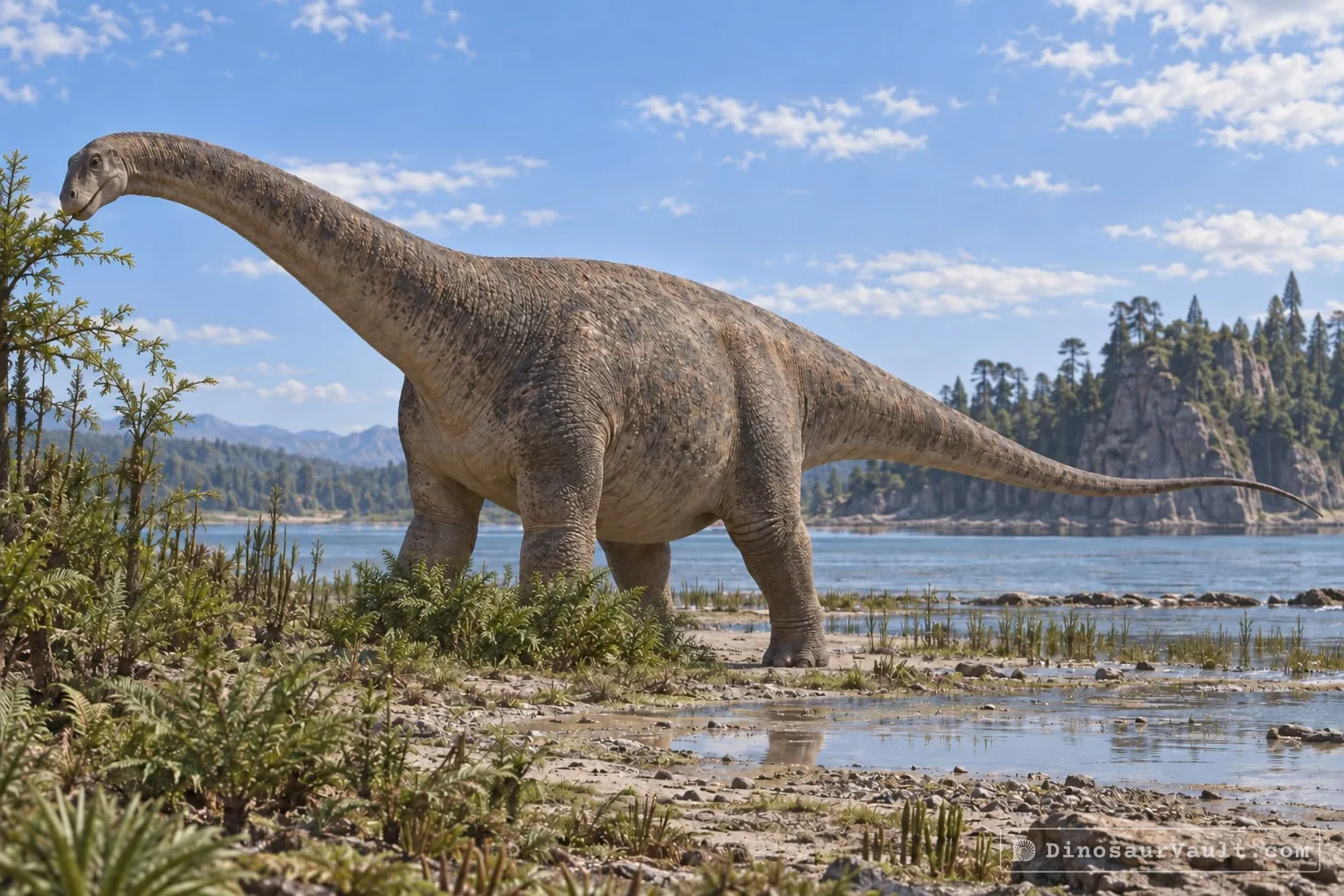
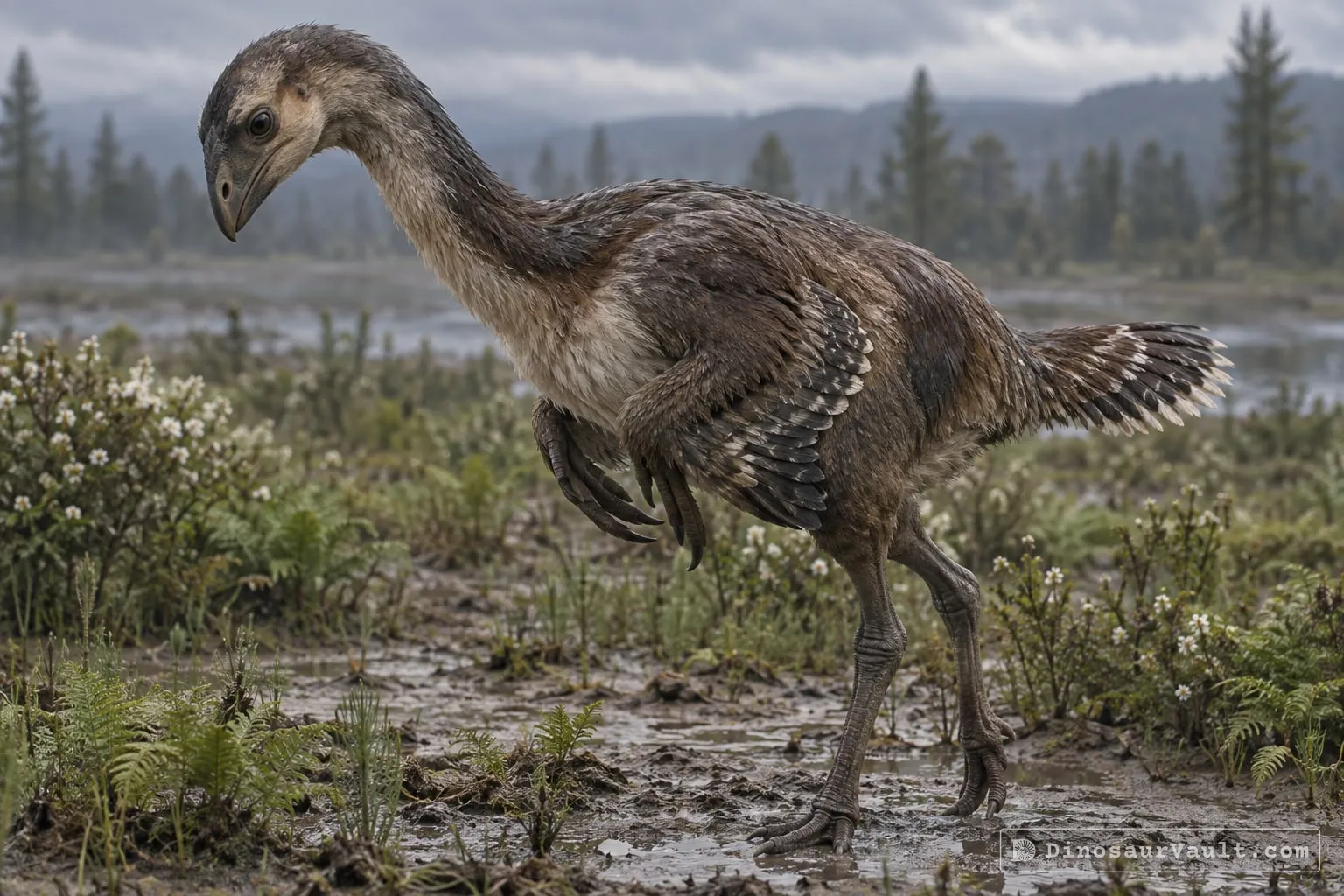
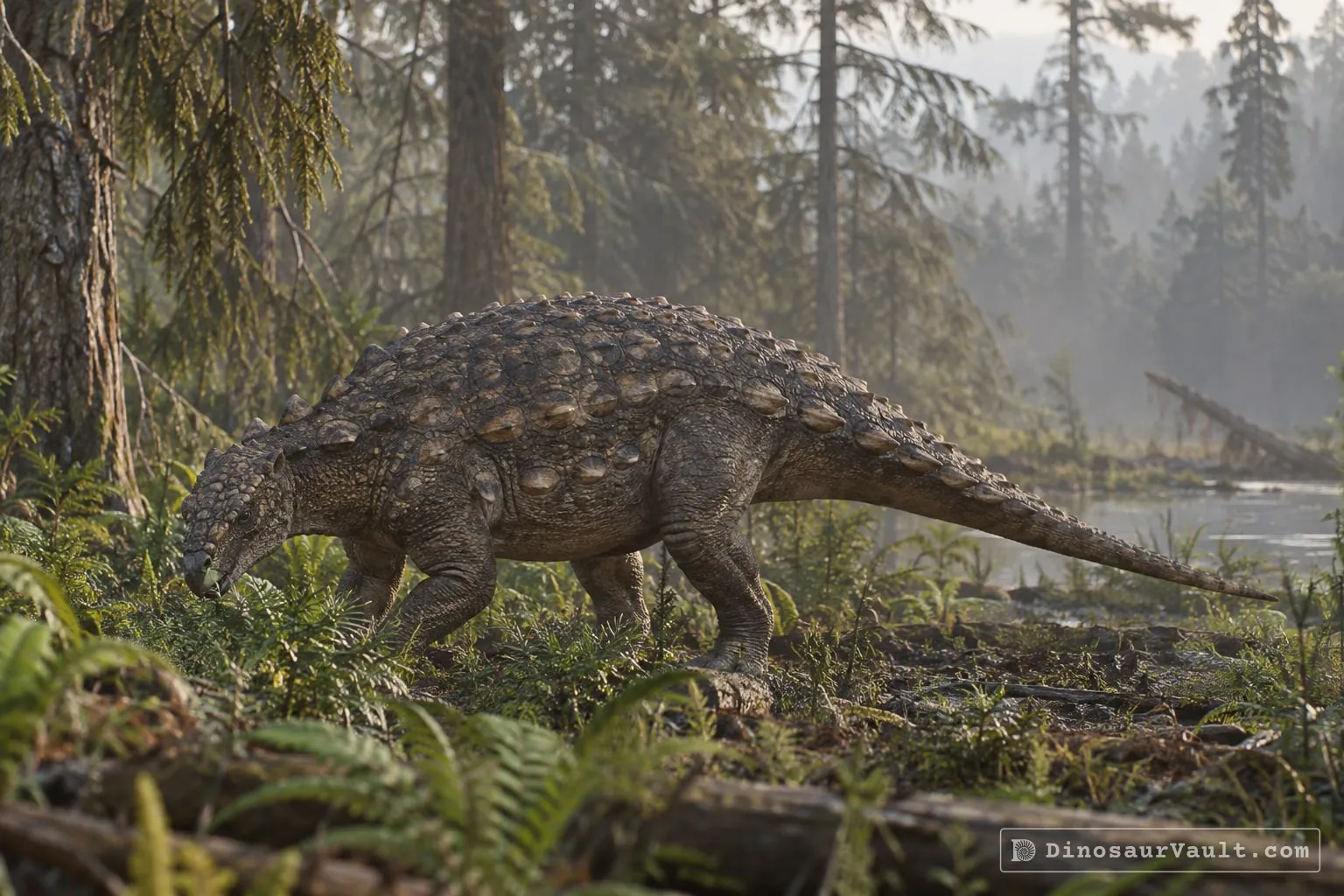
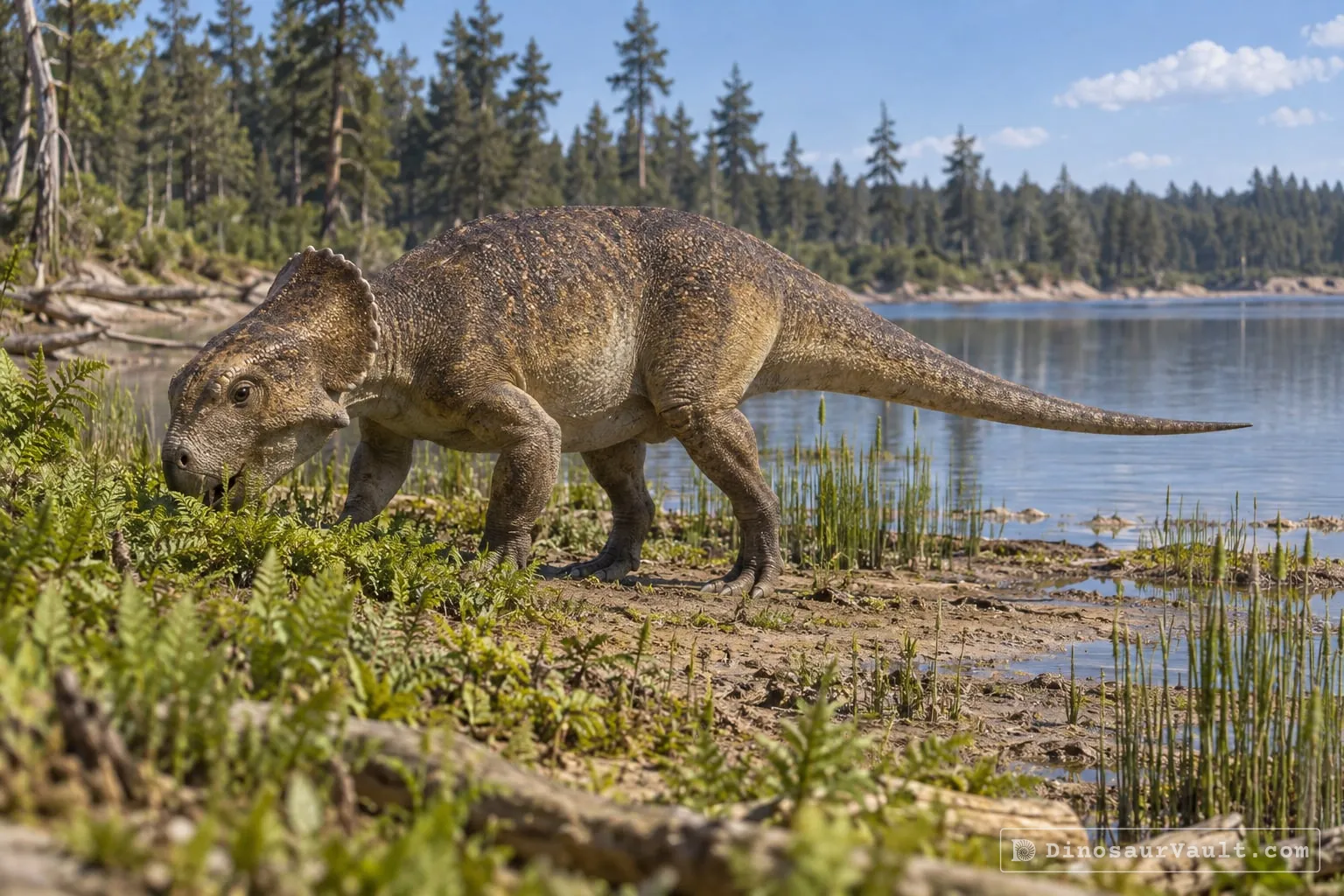


A rock formation can hold fossils laid down millions of years apart, so not every animal here met Zhuchengceratops.
The evidence
The science behind Zhuchengceratops
Which parts of the picture come from its own bones, and which come from its relatives.
From its own fossils
- A partial skeleton preserves parts of the skull, lower jaws, teeth, backbone and ribs.
- Its lower jaw is unusually deep from top to bottom but narrow from side to side.
- The front of the lower jaw is deeper than the region beneath the main chewing muscles.
Borrowed from relatives
- The missing limbs and tail are restored from better-known leptoceratopsids such as Leptoceratops.
- A short frill and a face without large horns follow relatives such as Leptoceratops and Udanoceratops.
Still unknown
- The complete shape of its frill.
- Which plants it preferred to eat.
- Its skin covering and color.
Discovery timeline
- 2010Named itXu et al.
- 2010Same rocksXu et al.
- 2015Same rocksHe et al.
Key papers
The research behind what we know of Zhuchengceratops
Named it
Described a partial skeleton with a deep, narrow lower jaw and placed Zhuchengceratops among the leptoceratopsids.
A New Leptoceratopsid (Ornithischia: Ceratopsia) from the Upper Cretaceous of Shandong, China and Its Implications for Neoceratopsian Evolution. PLoS ONE 5: e13835
Read the paper : A New Leptoceratopsid (Ornithischia: Ceratopsia) from the Upper Cretaceous of Shandong, China and Its Implications for Neoceratopsian Evolution (opens in a new tab)Same rocks
Named Sinoceratops from nearby rocks, showing that large horned dinosaurs also lived in this region of China.
First ceratopsid dinosaur from China and its biogeographical implications. Chinese Science Bulletin 55: 1631-1635
Read the paper : First ceratopsid dinosaur from China and its biogeographical implications (opens in a new tab)Same rocks
Described Ischioceratops from the same locality, adding another small horned dinosaur to the area's fauna.
A New Leptoceratopsid (Ornithischia, Ceratopsia) with a Unique Ischium from the Upper Cretaceous of Shandong Province, China. PLOS ONE 10: e0144148
Read the paper : A New Leptoceratopsid (Ornithischia, Ceratopsia) with a Unique Ischium from the Upper Cretaceous of Shandong Province, China (opens in a new tab)
Close relatives
Other members of Leptoceratopsidae


Sources: Wikidata