Gorgosaurus
GOR-go-SORE-us
"dreadful lizard"
Type species Gorgosaurus libratus
- Lived
- 84 to 72 million years ago, Late Cretaceous
- Diet
- Carnivore
- Length
- about 9 m (30 ft)
- Group
- Theropods, Tyrannosauridae
- Found in
- Canada and United States
- Named by
- Lambe 1914
Size comparison
To scale
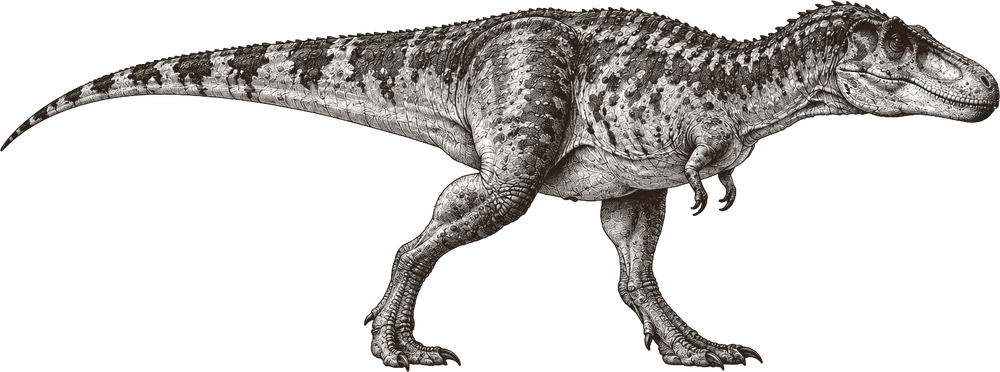


Scale in meters
Where its fossils were found
The evidence
Today

80 million years ago
Habitat
Rivers crossed a floodplain near the Western Interior Seaway. Fossil spores and pollen record ferns, clubmosses, conifers and flowering plants, while Centrosaurus, Dromaeosaurus and Daspletosaurus lived in the region.
Field notes
About Gorgosaurus
What it was like
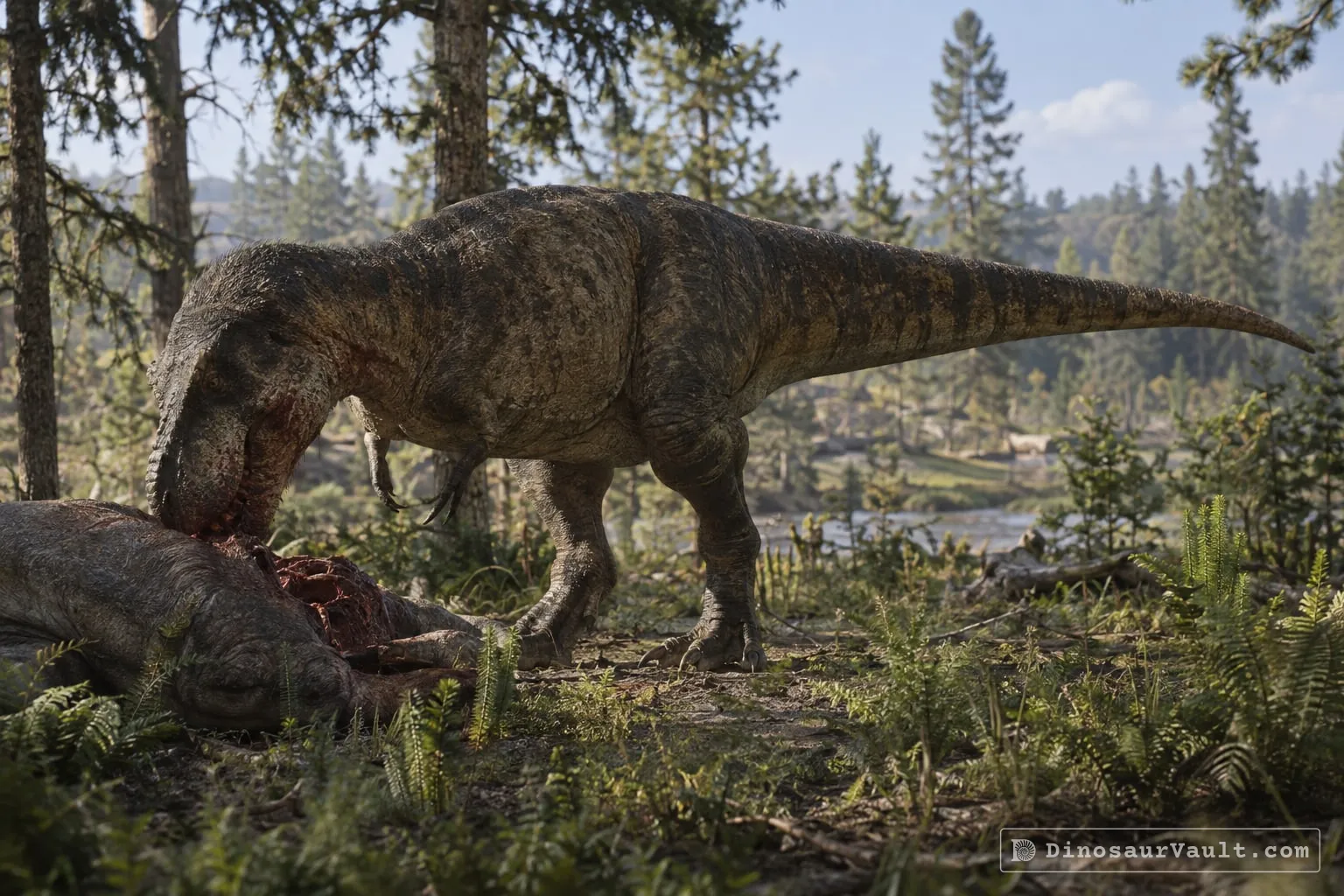
Gorgosaurus was a large, two-legged hunter with a deep skull, banana-shaped teeth, and powerful jaws. It grew to about 9 meters (30 feet) long, walking on strong hind legs while its arms stayed small, each ending in two clawed fingers. Its eyes faced partly forward, giving it good depth perception for tracking prey.
It was closely related to Albertosaurus, and more distant kin to Tyrannosaurus, Tarbosaurus, and Daspletosaurus. Gorgosaurus was likely a fast, agile hunter compared to its bulkier relatives, built more for speed than raw power.
Its world
Gorgosaurus lived from about 84 to 72 million years ago, during the Late Cretaceous, across what is now Alberta and Montana, with finds also reported in North Carolina and South Dakota. Its bones come from rock layers such as Dinosaur Park, Judith River, Hell Creek, and Oldman.
It shared its floodplain habitat with plant eaters like Stegoceras and small hunters such as Troodon, Dromaeosaurus, and Saurornitholestes. In some areas it lived alongside Daspletosaurus, another large tyrannosaurid, and the two may have hunted different prey to avoid competing directly.
How it was found
Lambe named Gorgosaurus in 1914 from fossils found in Alberta. About 17 finds of the genus are known today, making it one of the better-represented tyrannosaurids in the fossil record. The type species is Gorgosaurus libratus.
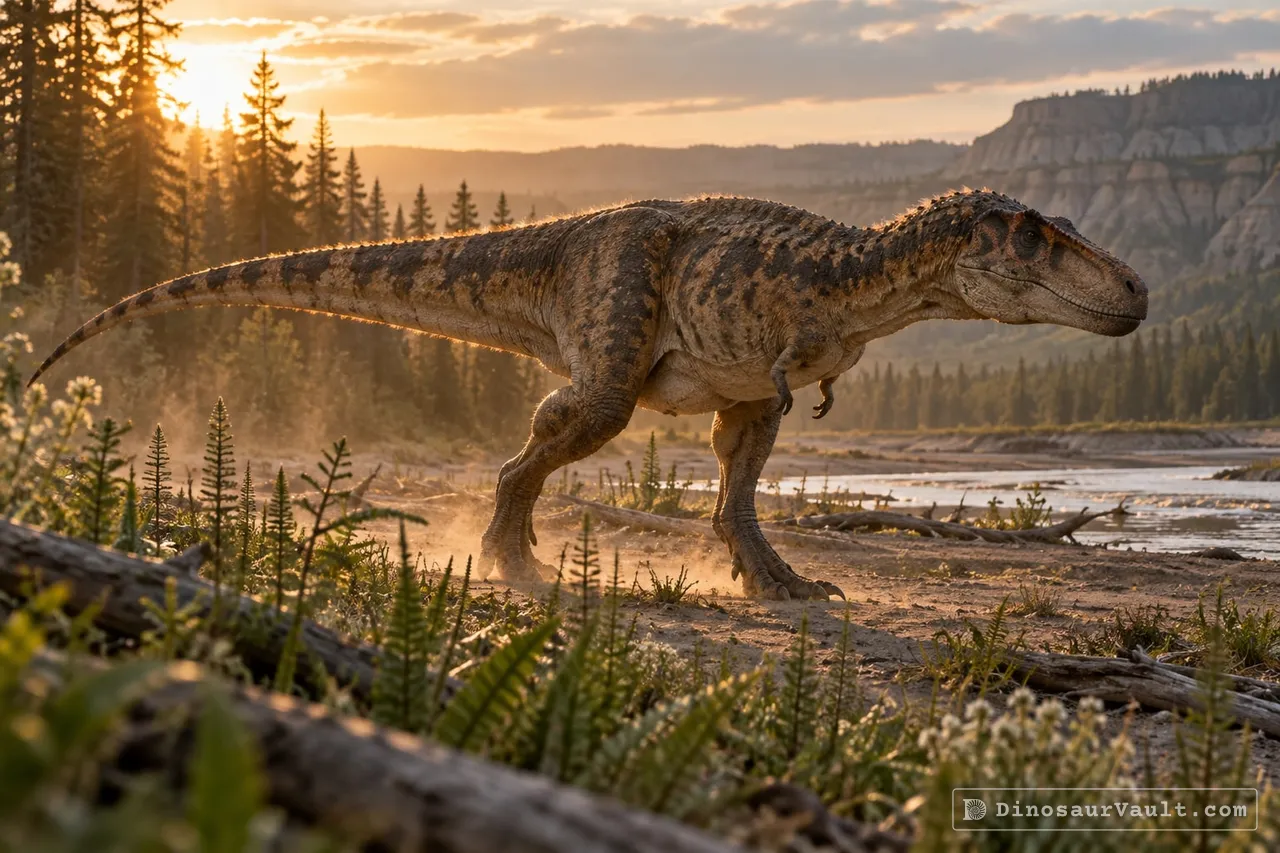
Field gallery
More views of Gorgosaurus
Scenes reconstructed from the available fossil evidence.
1 of 7
Lived alongside
Found in the same rock formations
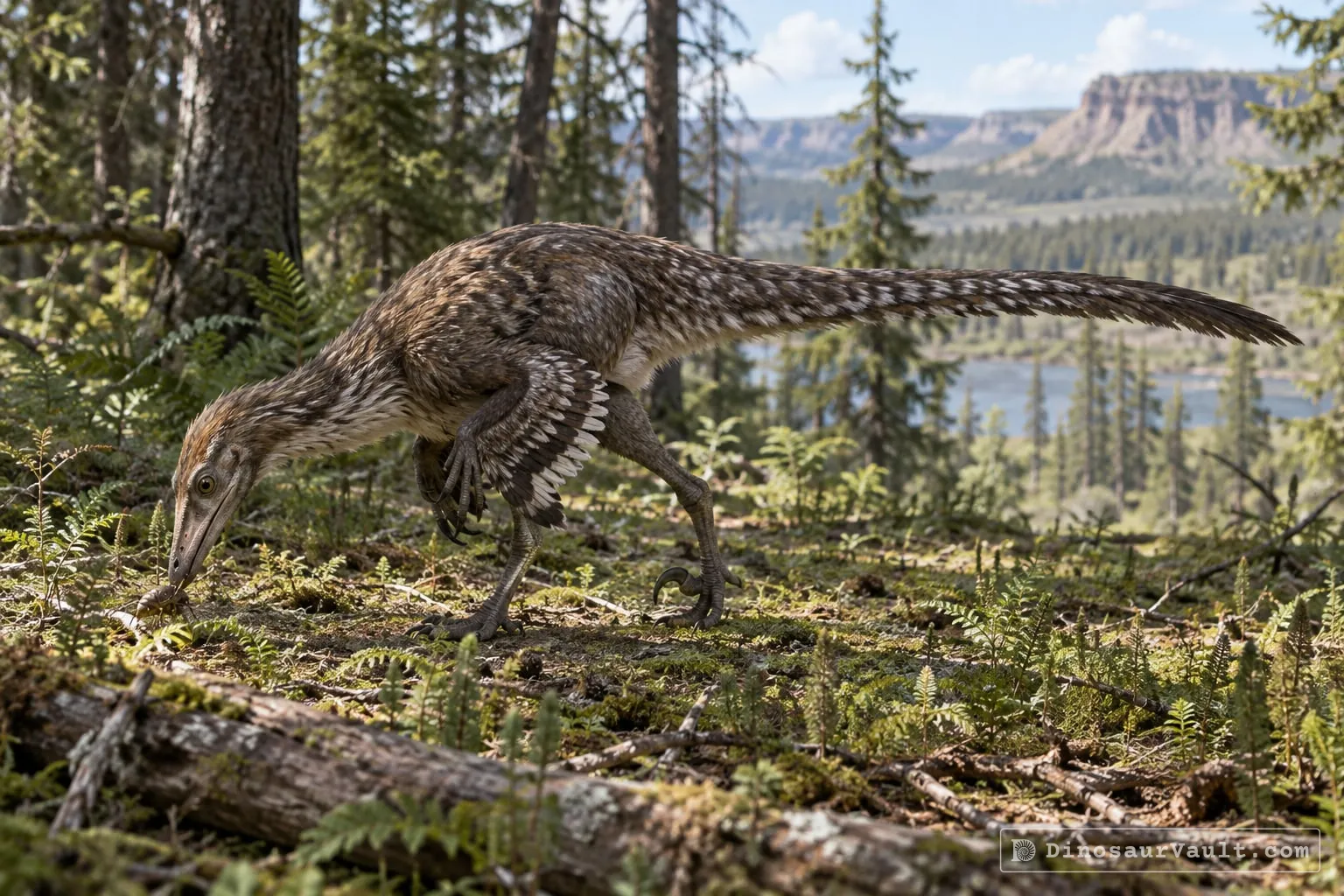
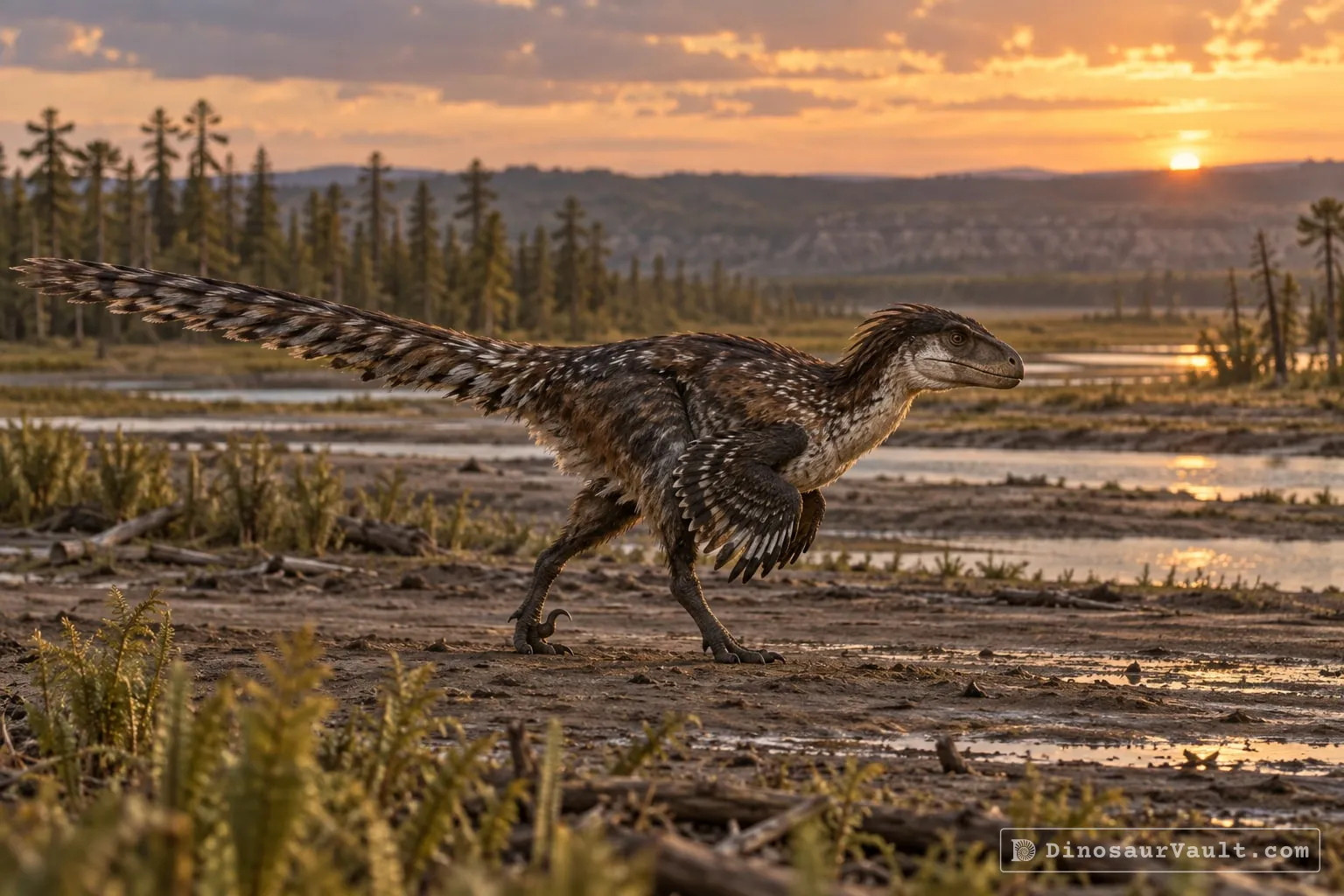
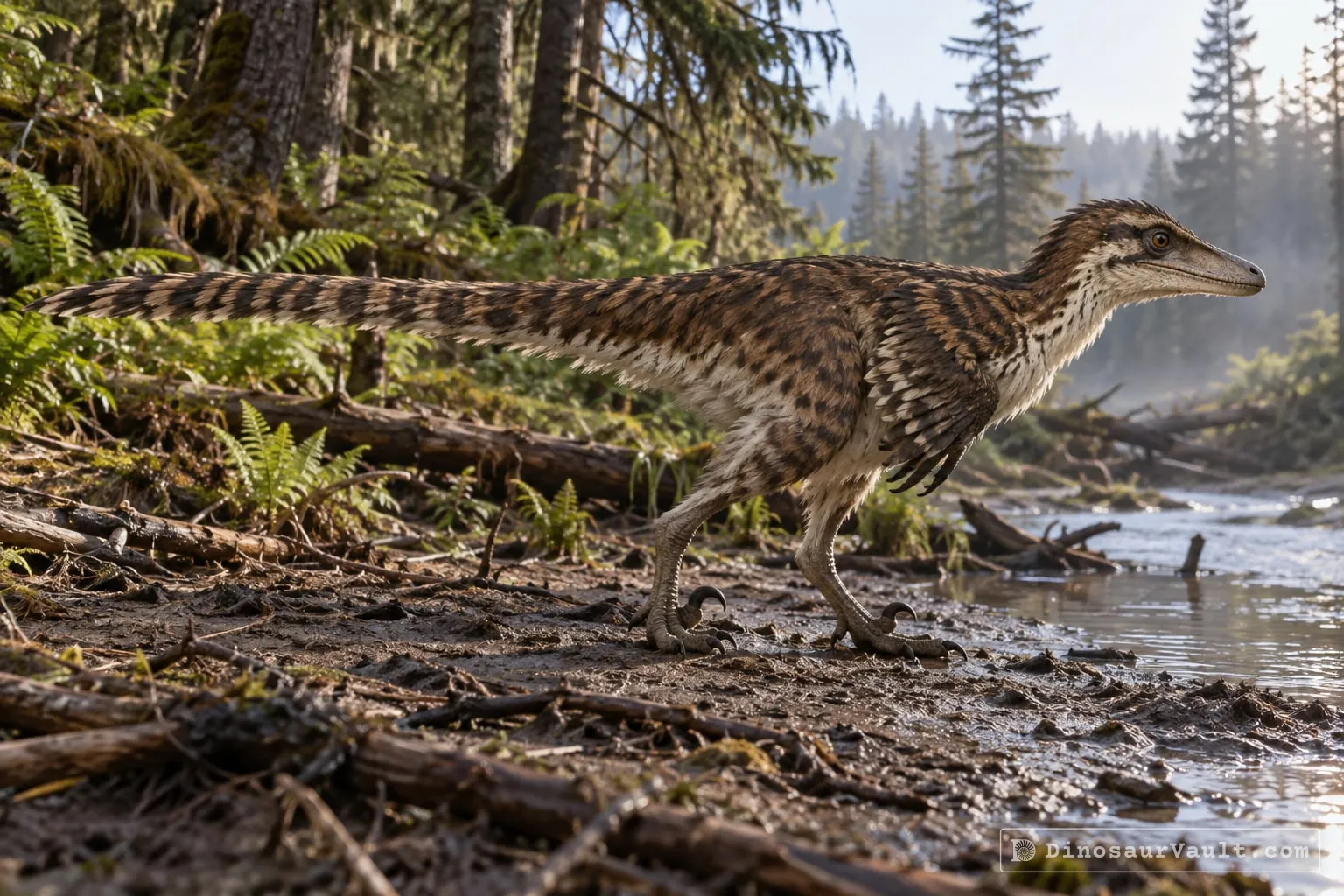
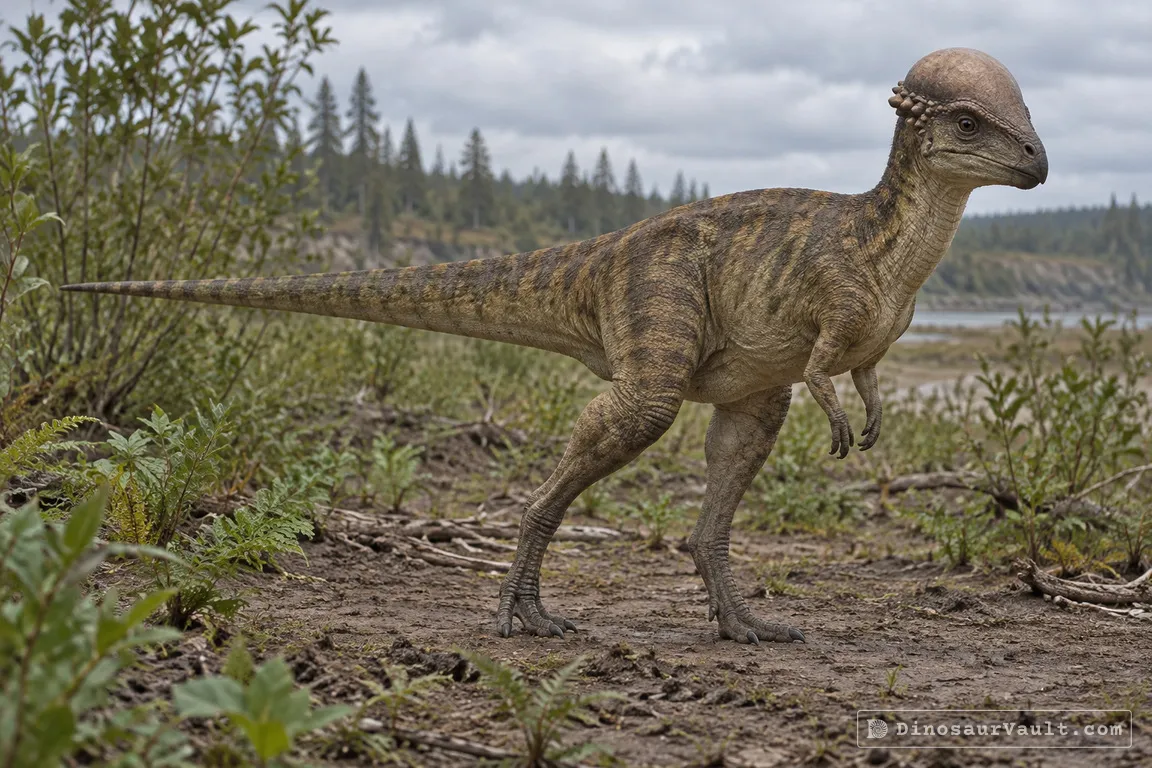
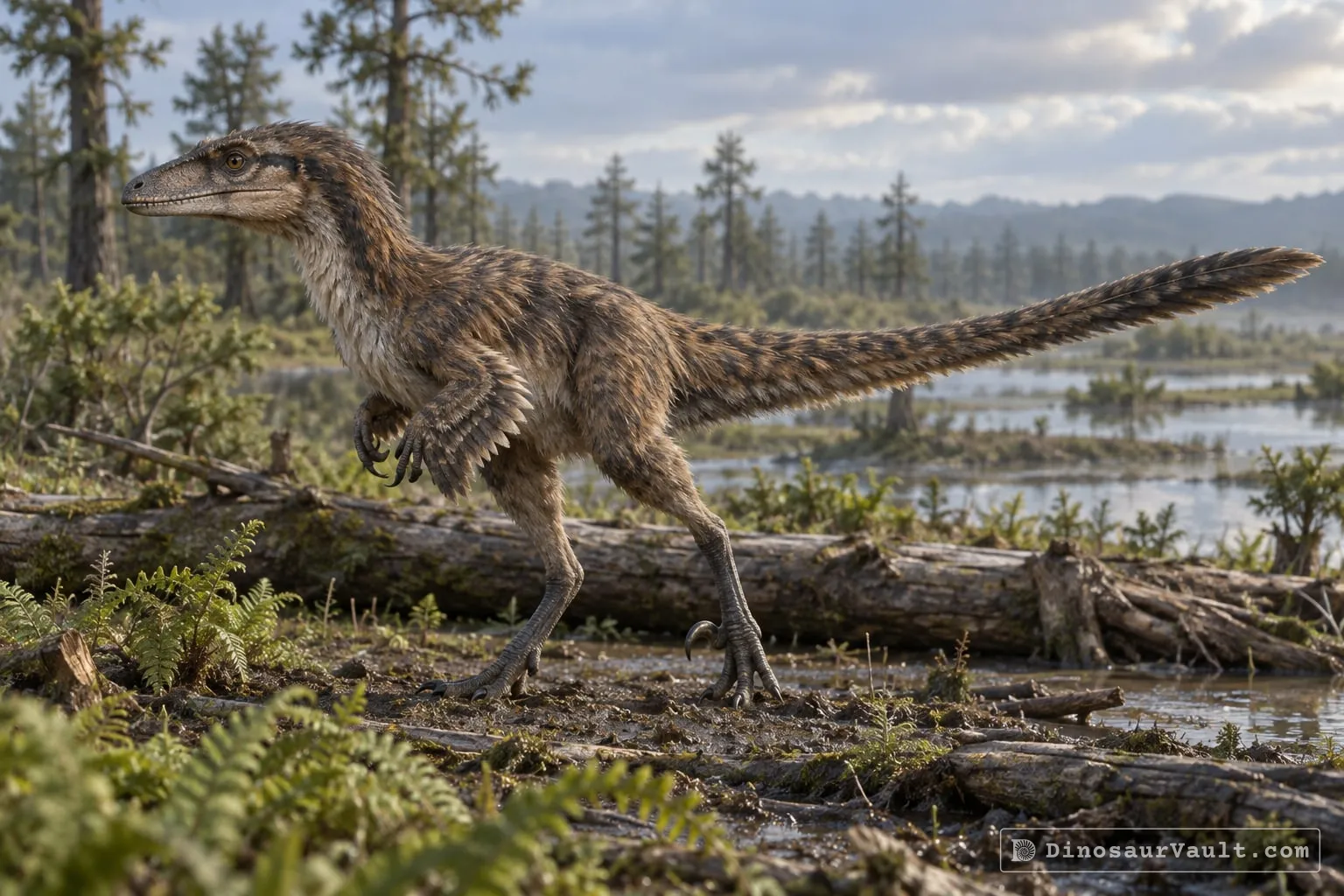
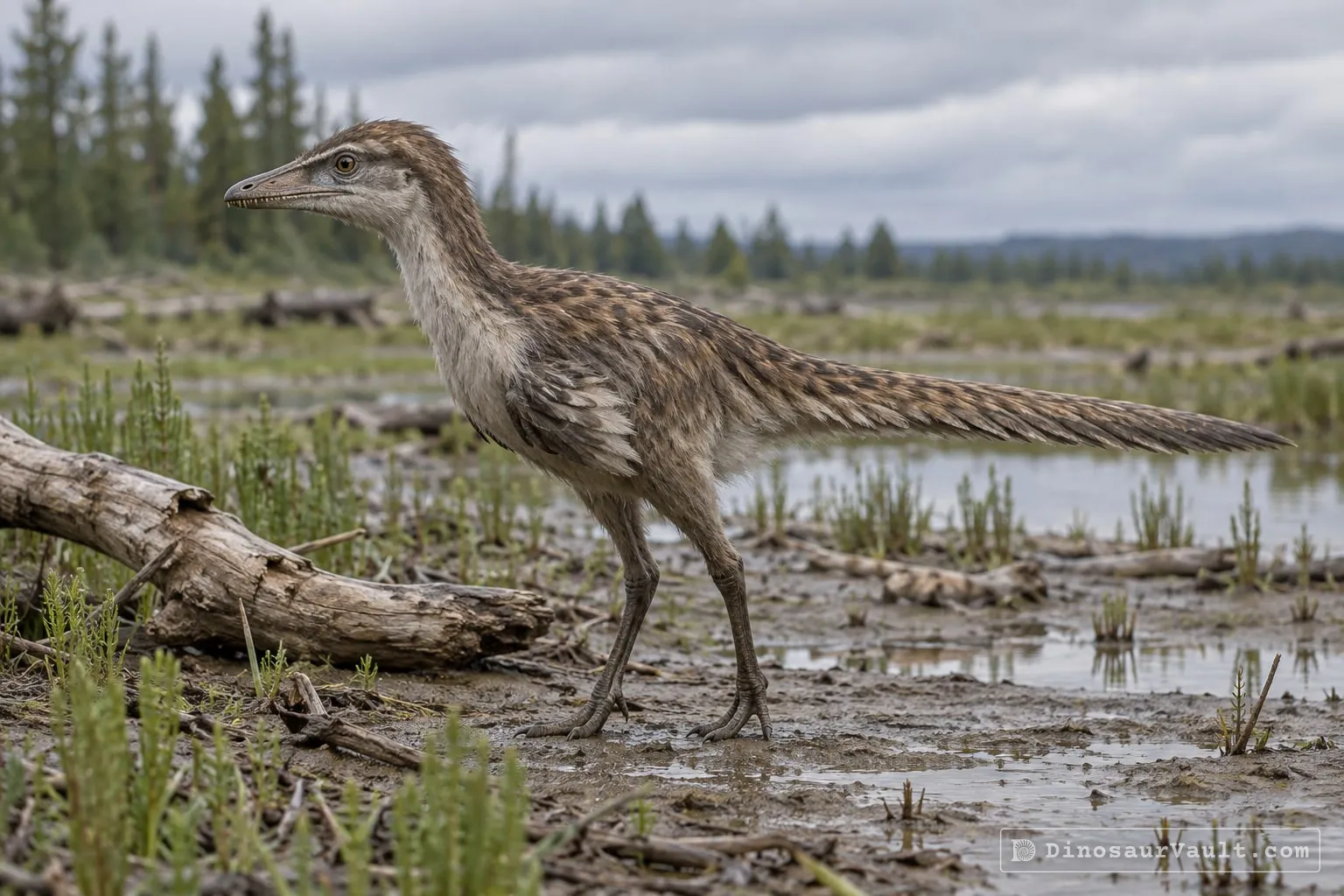
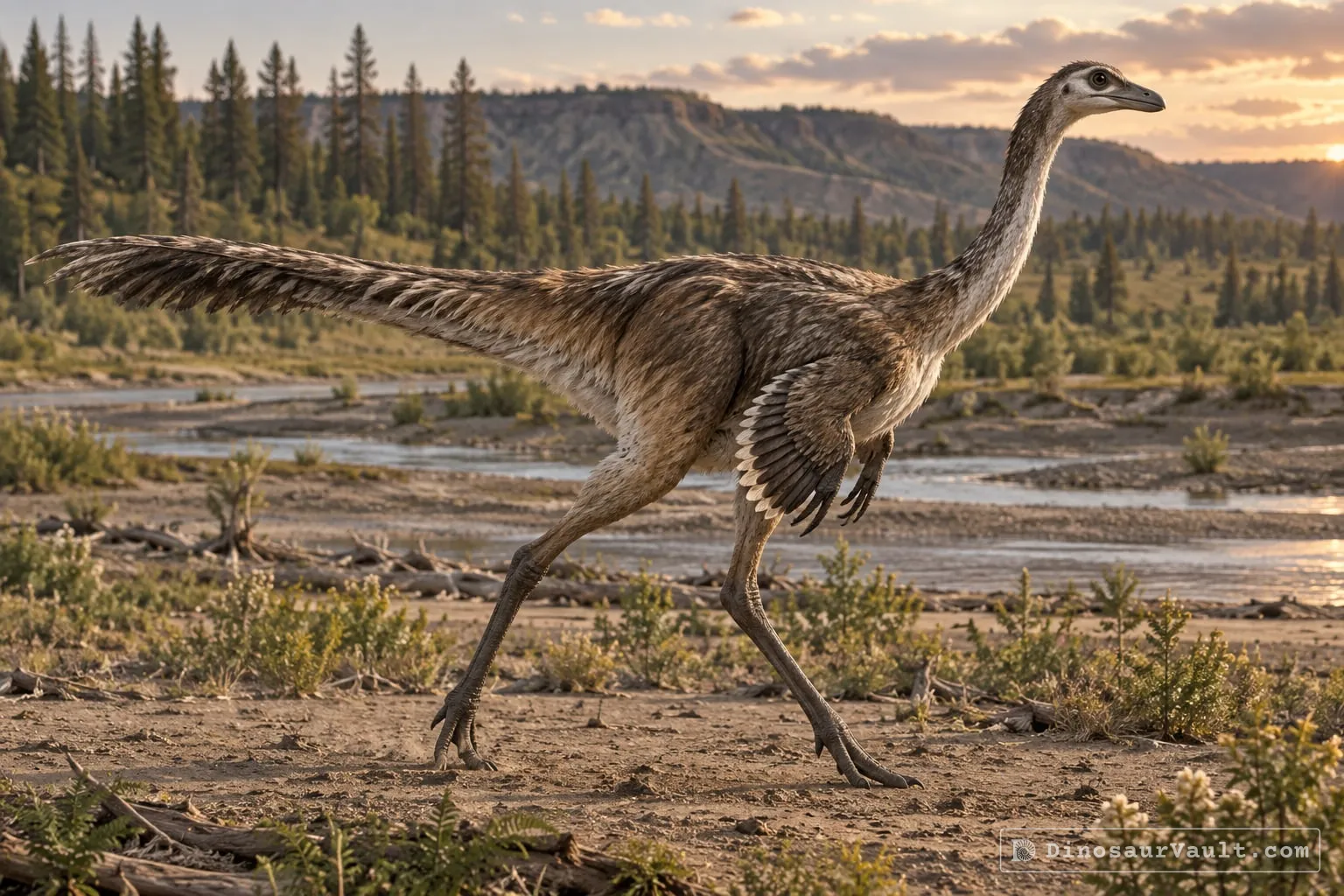


A rock formation can hold fossils laid down millions of years apart, so not every animal here met Gorgosaurus.
The evidence
The science behind Gorgosaurus
Which parts of the picture come from its own bones, and which come from its relatives.
From its own fossils
- Skeletons show a long-legged predator with small bumps above the eyes and tiny arms ending in paired fingers.
- A young skeleton preserves the hindlimbs of small Citipes in its stomach.
- Skin impressions preserve small, pebbly scales.
Borrowed from relatives
- Almost the whole skeleton is known from its own bones.
- Lips covering the teeth are inferred from comparisons with Tyrannosaurus and other large theropods.
Still unknown
- Its color and any changes in covering as it grew.
- Whether it hunted in groups or cared for its young.
Often drawn wrong
- Large horns above the eyes replace the small bumps shown by its skull.
- Its palms faced inward rather than down toward the ground.
- A permanent row of exposed teeth ignores the likely covering of lips.
Discovery timeline
- 1914Named itLambe
- 2004Growing upErickson et al.
- 2017SkinBell et al.
- 2023Close relativeCullen et al.
- 2023How it fedTherrien et al.
Key papers
The research behind what we know of Gorgosaurus
Named it
Named a new large meat eater from Alberta, with a skull and skeleton that became the basis for Gorgosaurus libratus.
On a new genus and species of carnivorous dinosaur from the Belly River Formation of Alberta, with a description of the skull of Stephanosaurus marginatus from the same horizon. The Ottawa Naturalist 28: 13-20
No link available
Growing up
Compared growth marks in tyrannosaur bones, including Gorgosaurus, and found that Tyrannosaurus reached its greater size through faster growth.
Gigantism and comparative life-history parameters of tyrannosaurid dinosaurs. Nature 430: 772-775
Read the paper : Gigantism and comparative life-history parameters of tyrannosaurid dinosaurs (opens in a new tab)Skin
Described scaly skin in Gorgosaurus and other large tyrannosaurs, showing that scales formed part of their covering.
Tyrannosauroid integument reveals conflicting patterns of gigantism and feather evolution. Biology Letters 13: 20170092
Read the paper : Tyrannosauroid integument reveals conflicting patterns of gigantism and feather evolution (opens in a new tab)Close relative
Compared teeth and jaws of theropods and living reptiles, supporting lips that covered the teeth when the mouth was closed.
Theropod dinosaur facial reconstruction and the importance of soft tissues in paleobiology. Science 379: 1348-1352
Read the paper : Theropod dinosaur facial reconstruction and the importance of soft tissues in paleobiology (opens in a new tab)How it fed
Found small Citipes hindlimbs inside a young Gorgosaurus, supporting a change from small prey to much larger prey as tyrannosaurs grew.
Exceptionally preserved stomach contents of a young tyrannosaurid reveal an ontogenetic dietary shift in an iconic extinct predator. Science Advances 9
Read the paper : Exceptionally preserved stomach contents of a young tyrannosaurid reveal an ontogenetic dietary shift in an iconic extinct predator (opens in a new tab)
Close relatives
Other members of Tyrannosauridae


Sources: Wikidata