Edmontosaurus
ed-MON-toe-SORE-us
"lizard from Edmonton"
- Lived
- 84 to 66 million years ago, Late Cretaceous
- Diet
- Herbivore
- Length
- about 12 m (39 ft)
- Group
- Ornithopods, Hadrosauridae
- Found in
- United States and Canada
- Named by
- Lambe 1917
Size comparison
To scale
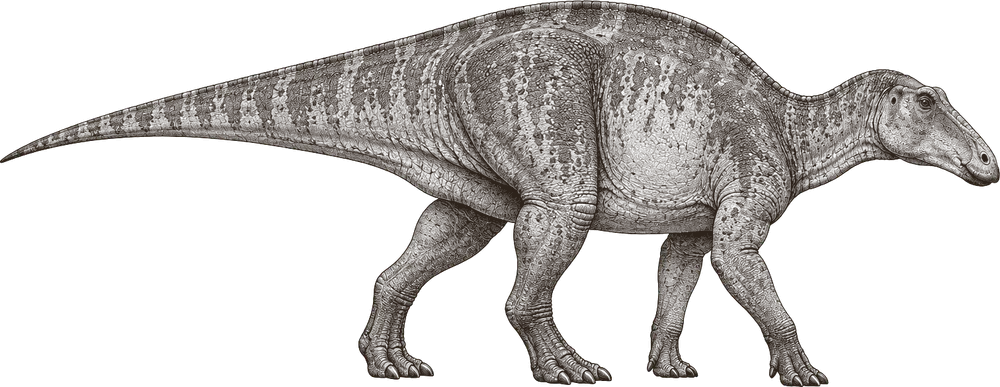


Scale in meters
Where its fossils were found
The evidence
Today

75 million years ago
Habitat
In Hell Creek it lived on river floodplains with forests, wetlands and low-growing vegetation. Its neighbors included Triceratops, Thescelosaurus and Tyrannosaurus.
A Dinosaur Vault film
You Hatch in the Arctic. Then the Sun Disappears.
Baby dinosaur fossils from northern Alaska show that dinosaurs nested in the ancient Arctic. Follow a young hadrosaur as its polar forest heads into months of darkness.
Subscribe on YouTubeField notes
About Edmontosaurus
What it was like
Edmontosaurus was a large plant eater with a wide, flattened beak used for cropping plants, and rows of tightly packed teeth further back in its jaws for grinding tough food. It grew to about 12 meters (39 feet) long, making it one of the largest duck-billed dinosaurs known.
Unlike some of its relatives, it had no tall bony crest on its head, just a smaller, fleshy comb. It probably walked on four legs while feeding but could run on two, and well-preserved skin impressions show it was covered in small, bumpy scales.
Its world
Edmontosaurus lived from about 84 to 66 million years ago, during the Late Cretaceous, across a wide part of what is now the United States and Canada, including Montana, Alberta, Wyoming, South Dakota, Alaska, and Colorado.
It lived alongside Triceratops, Pachyrhinosaurus, and Tyrannosaurus, among the last dinosaurs to exist before the Cretaceous came to an end. Bones found together in large groups suggest Edmontosaurus lived and may have moved in herds.
How it was found
Lambe named Edmontosaurus in 1917, from fossils found in Alberta. It is now one of the best known dinosaurs, with 68 finds recorded, and its close relatives include Saurolophus, Maiasaura, and Parasaurolophus, other duck-billed dinosaurs from around the same time.
Field gallery
More views of Edmontosaurus
Scenes reconstructed from the available fossil evidence.
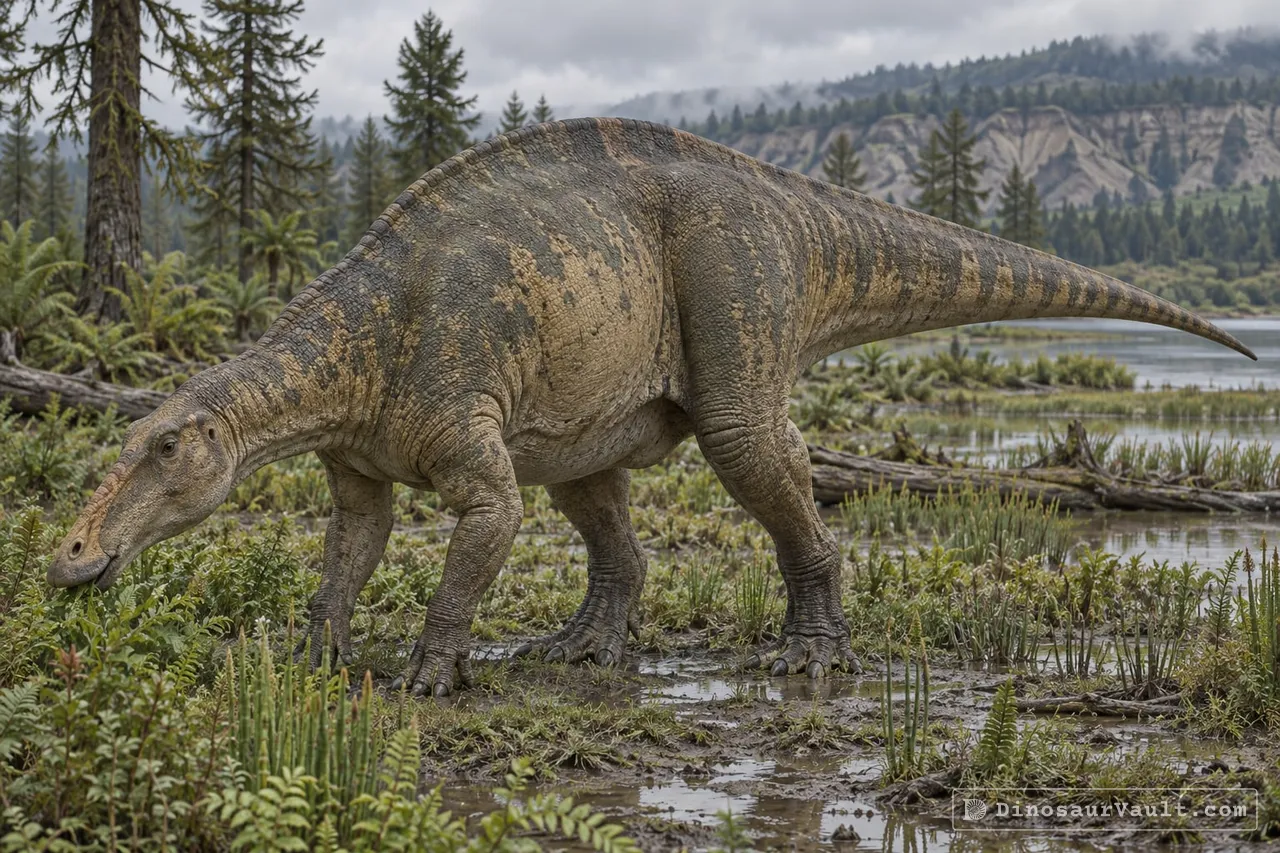
1 of 7
Lived alongside
Found in the same rock formations
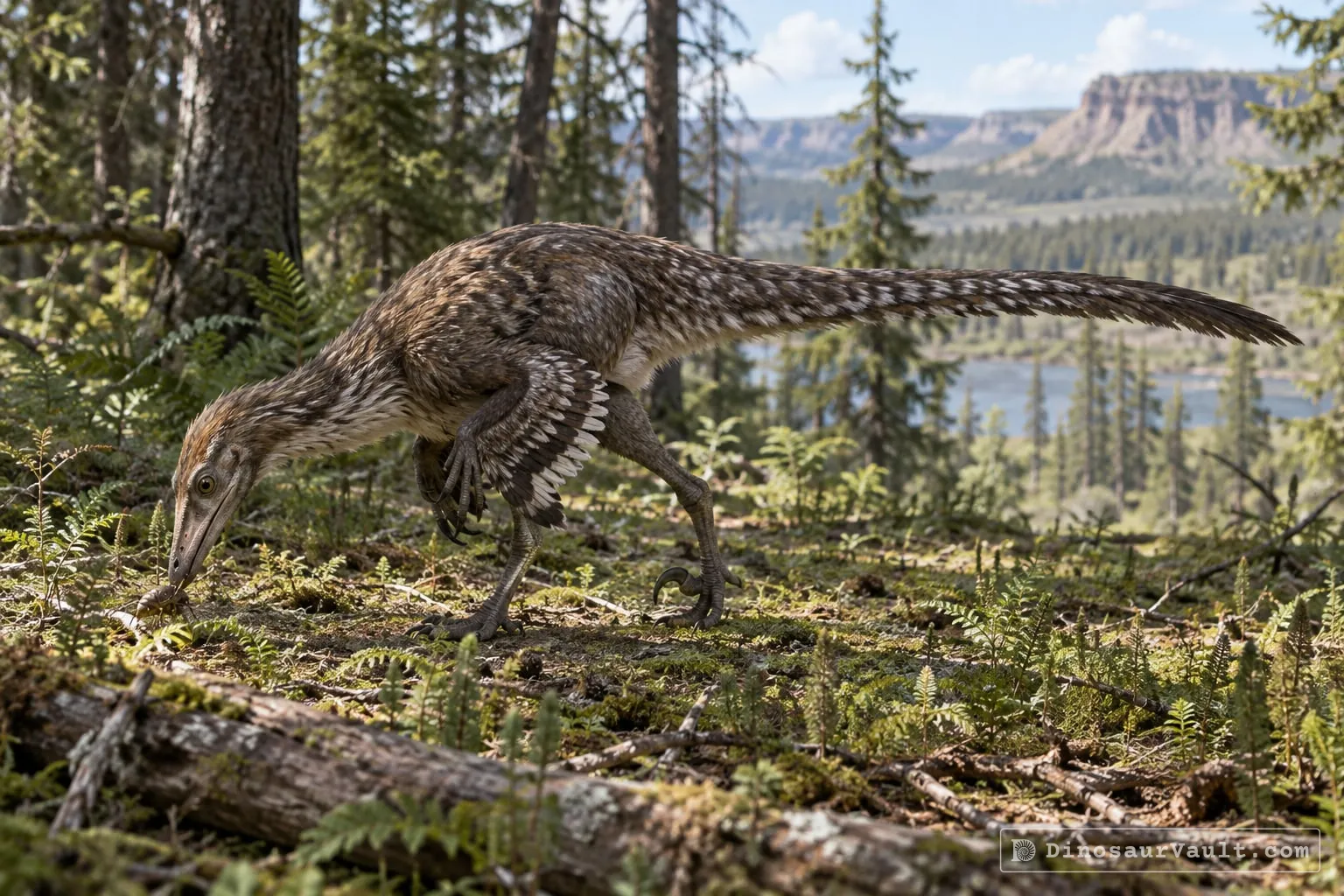
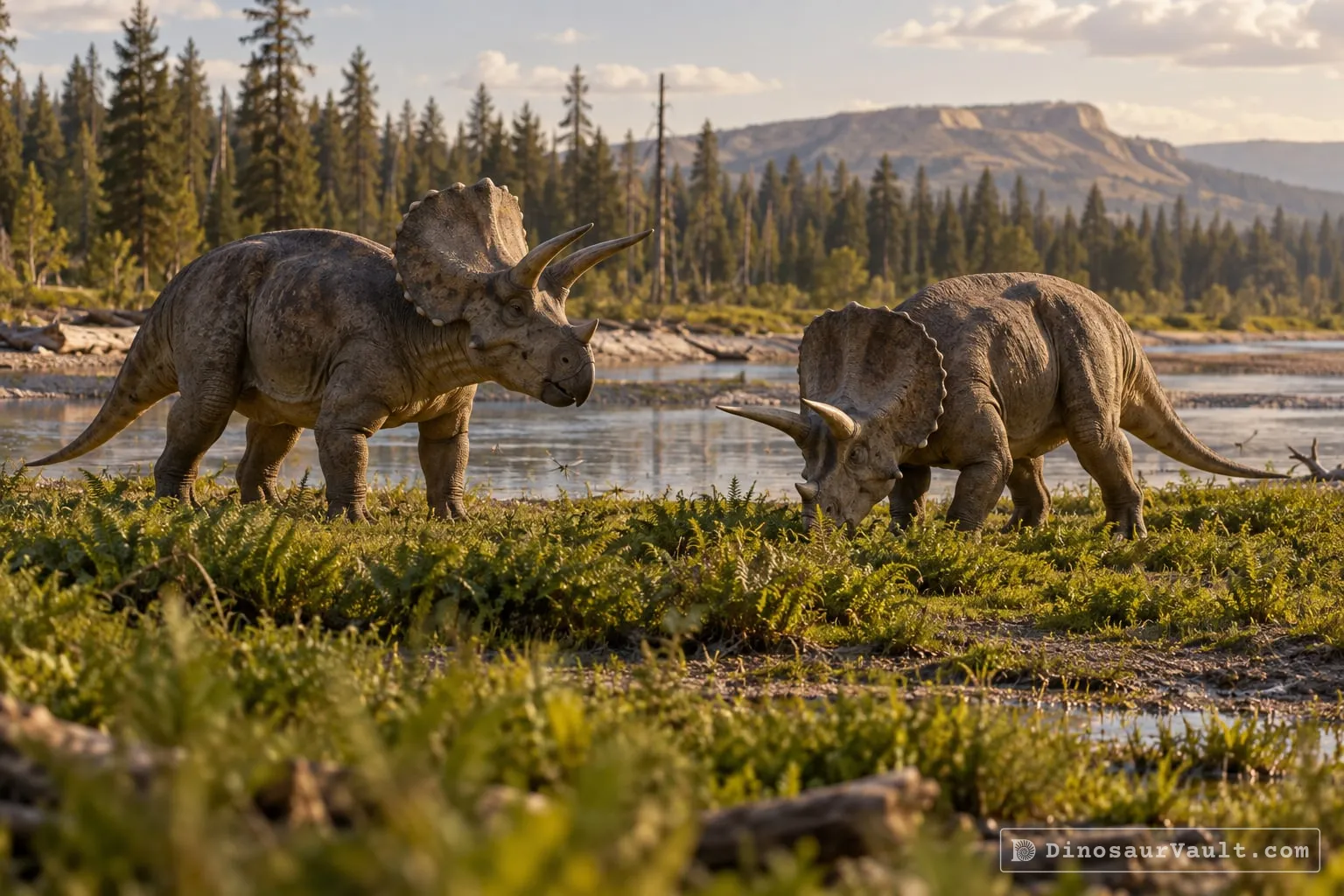
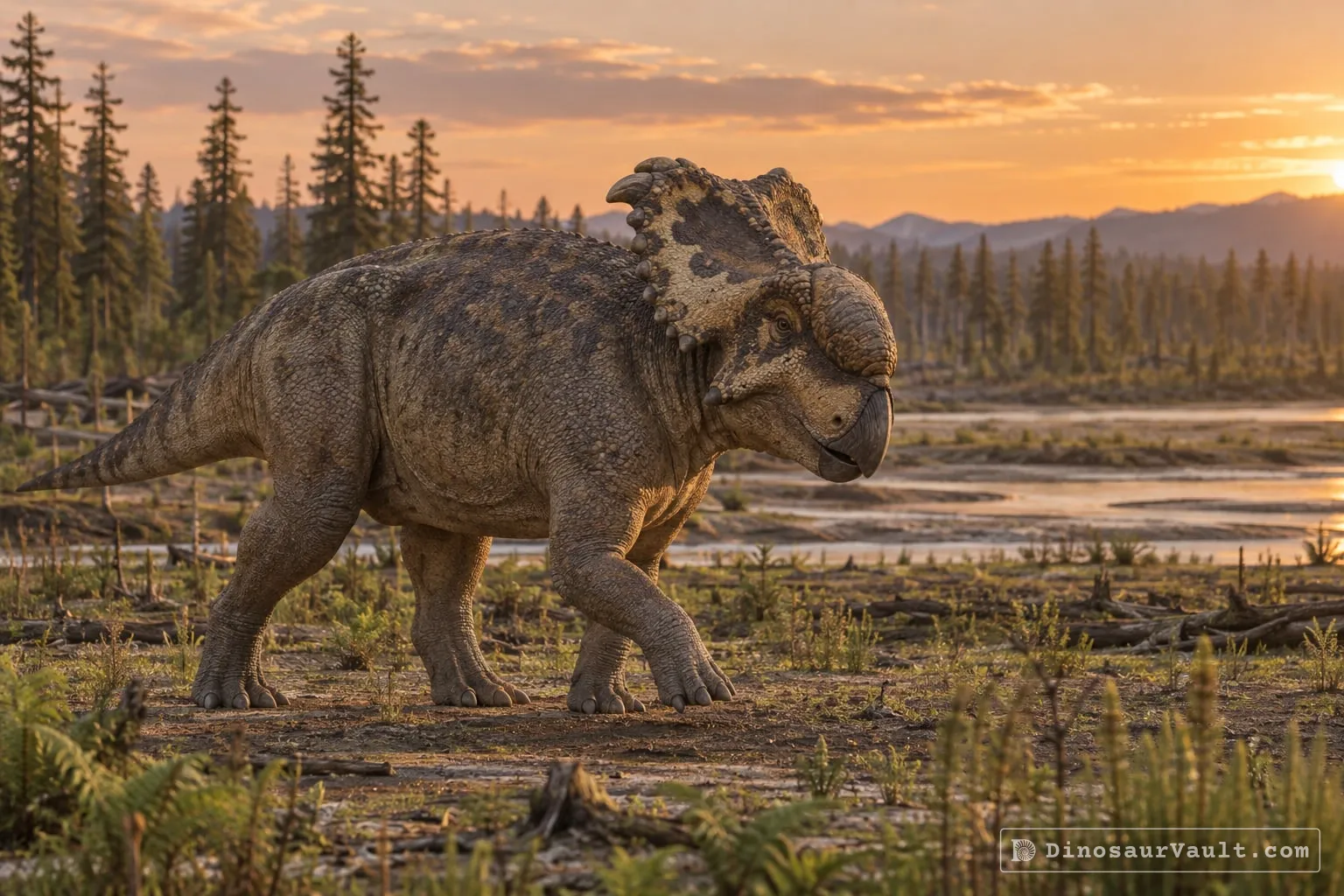
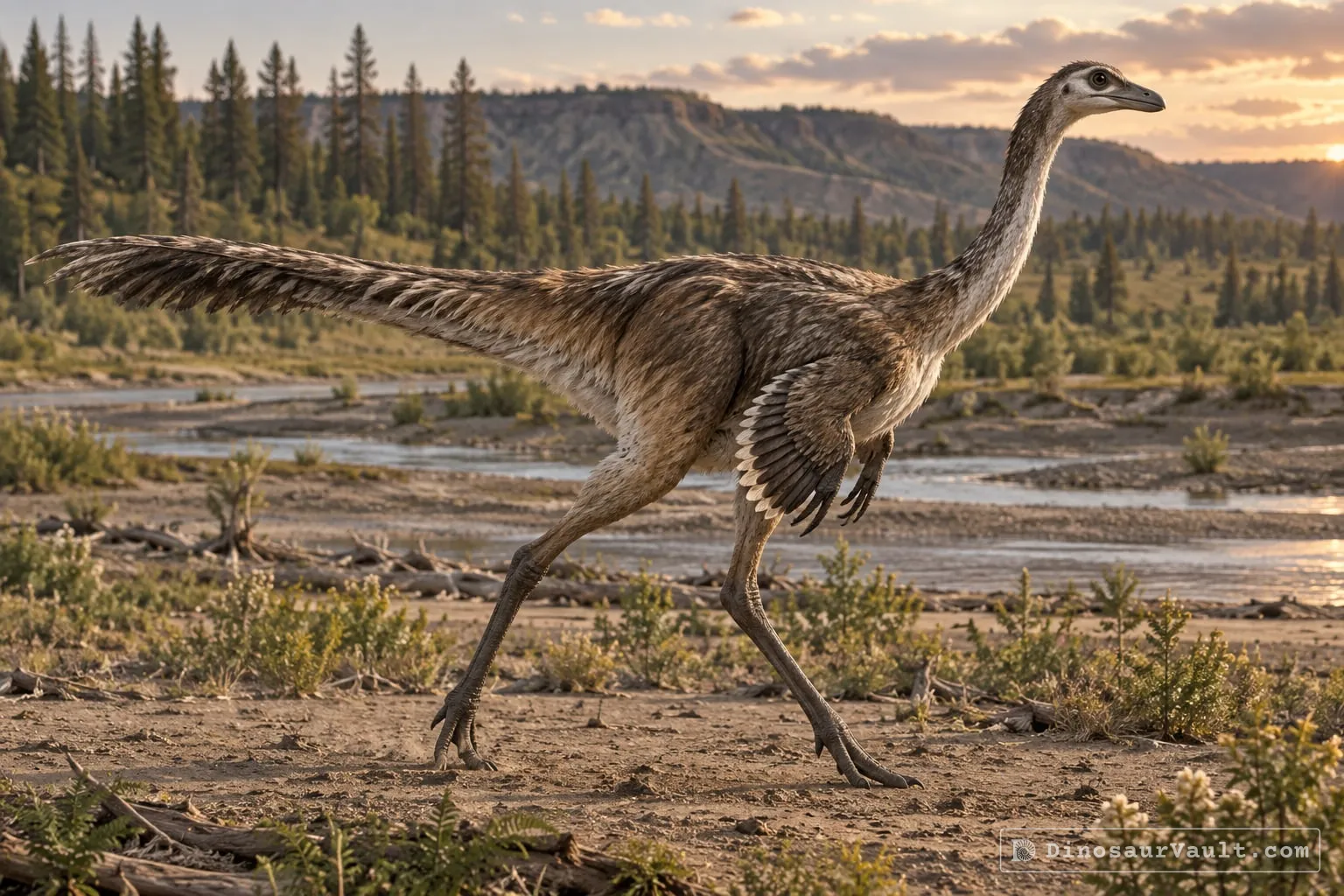
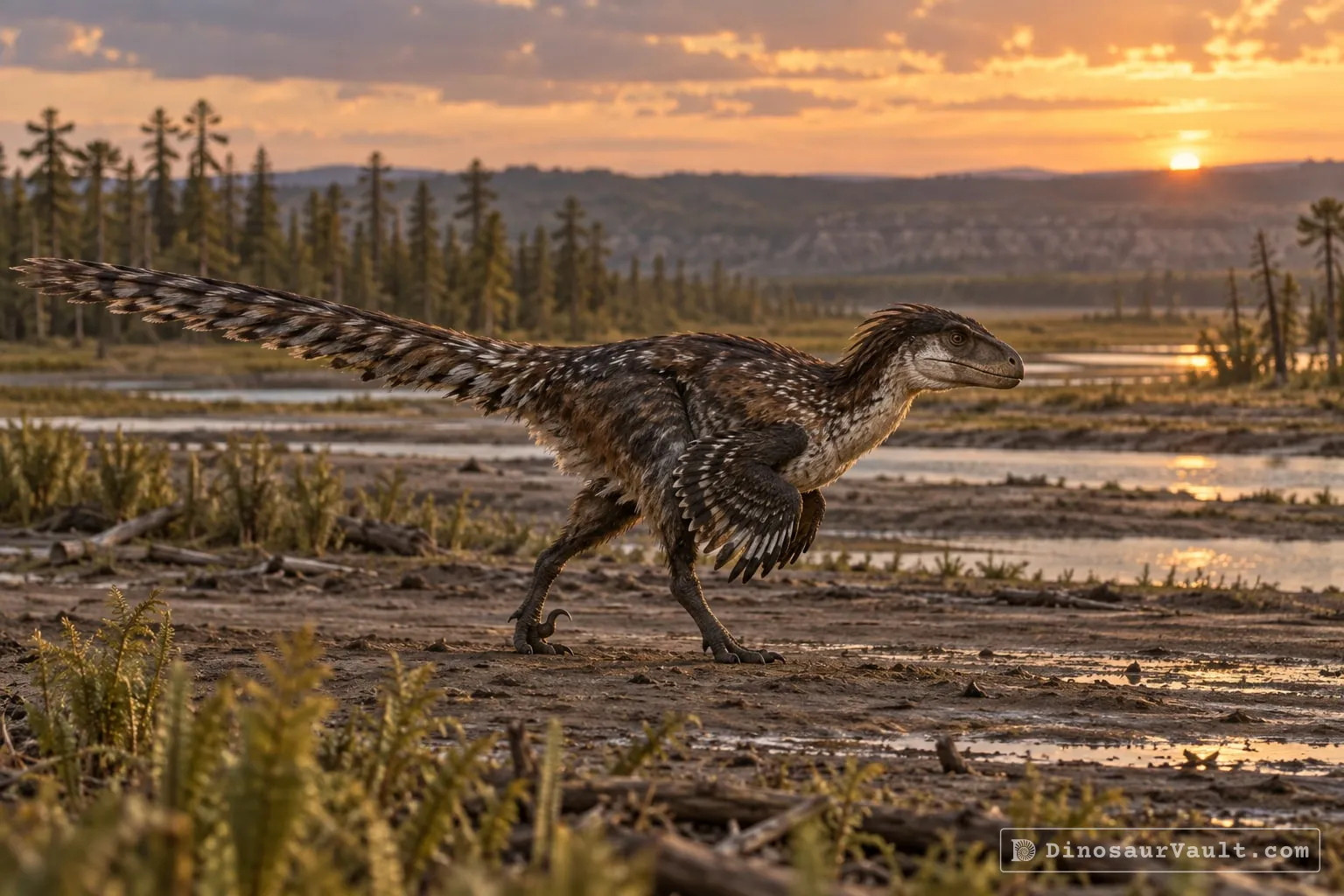
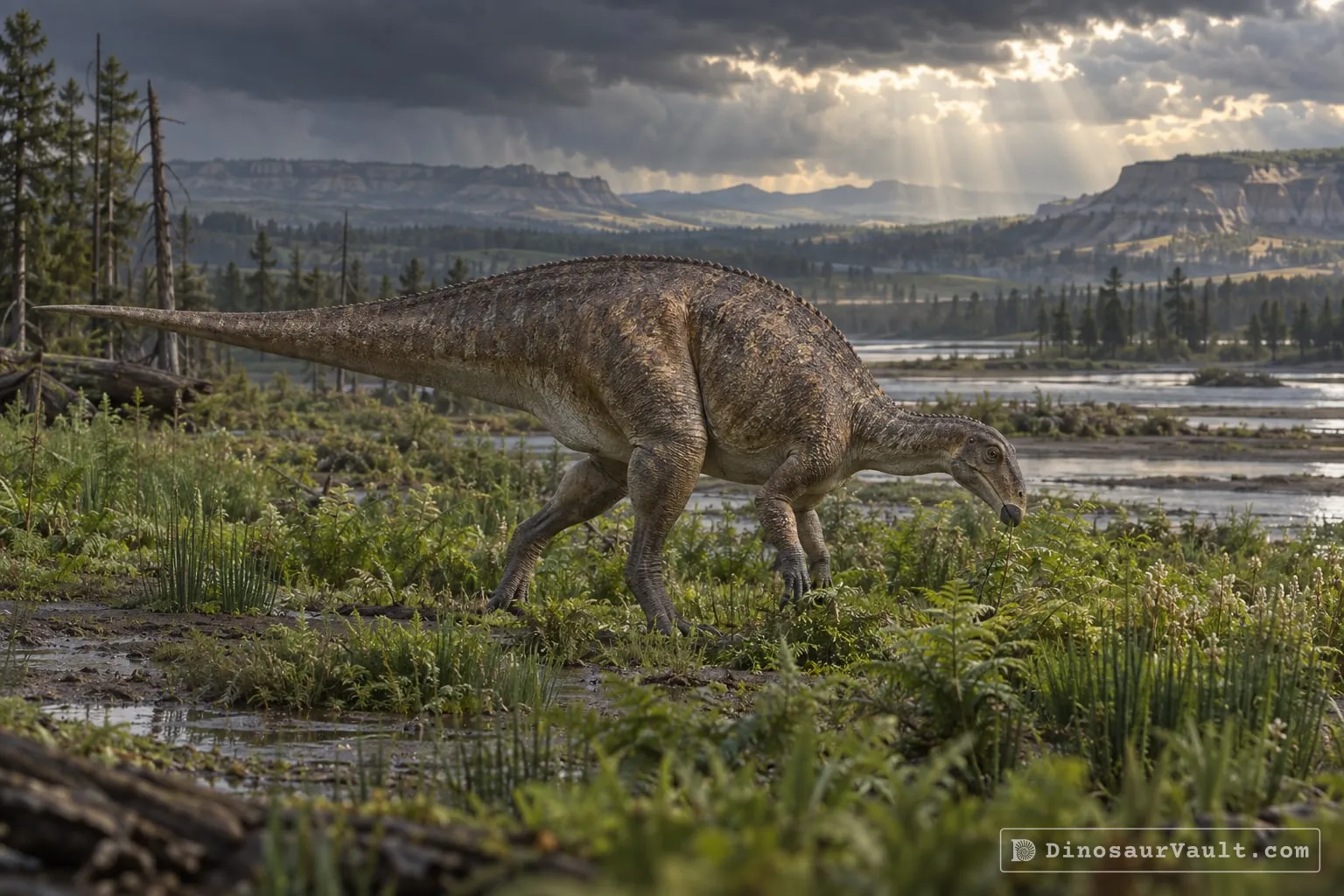
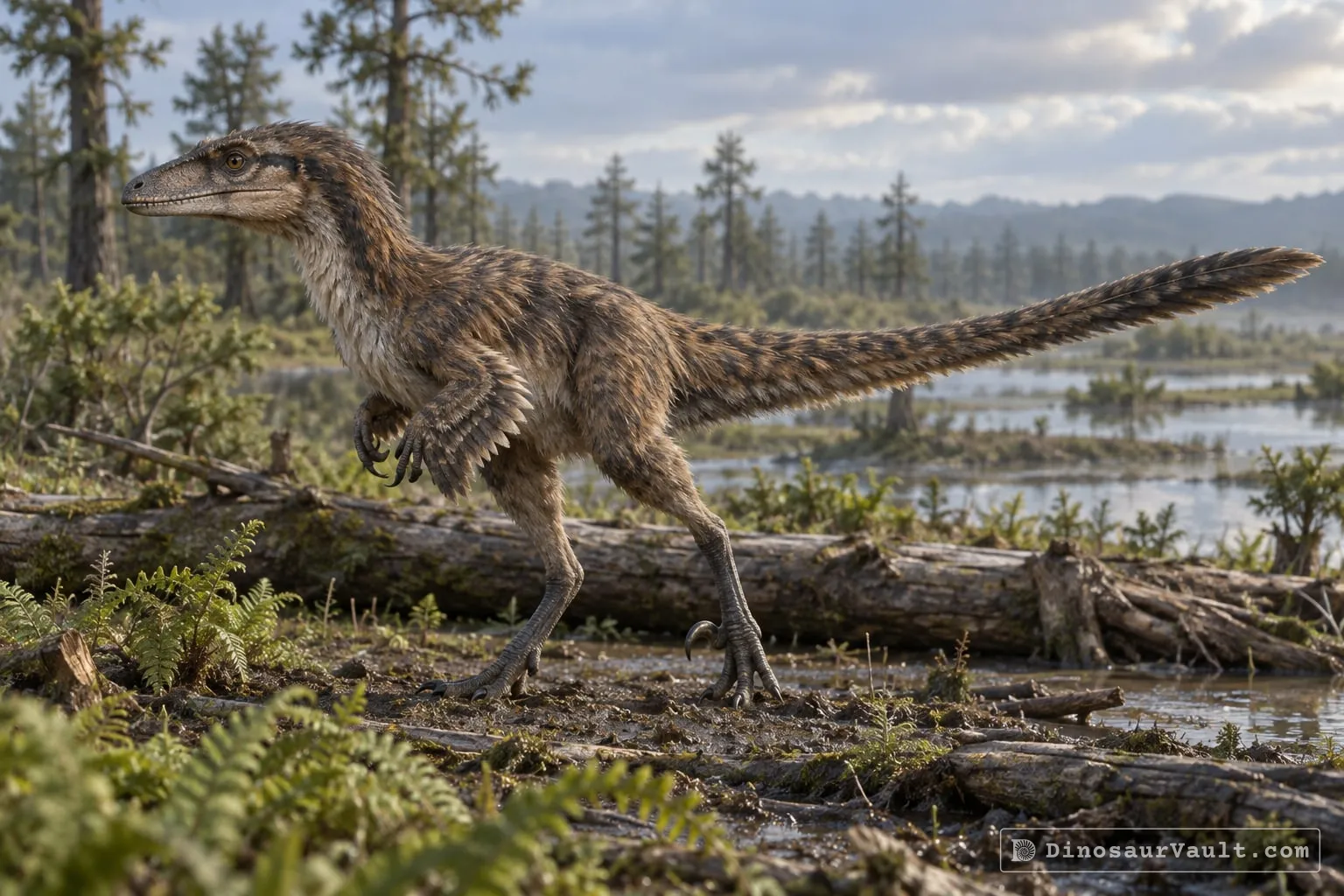
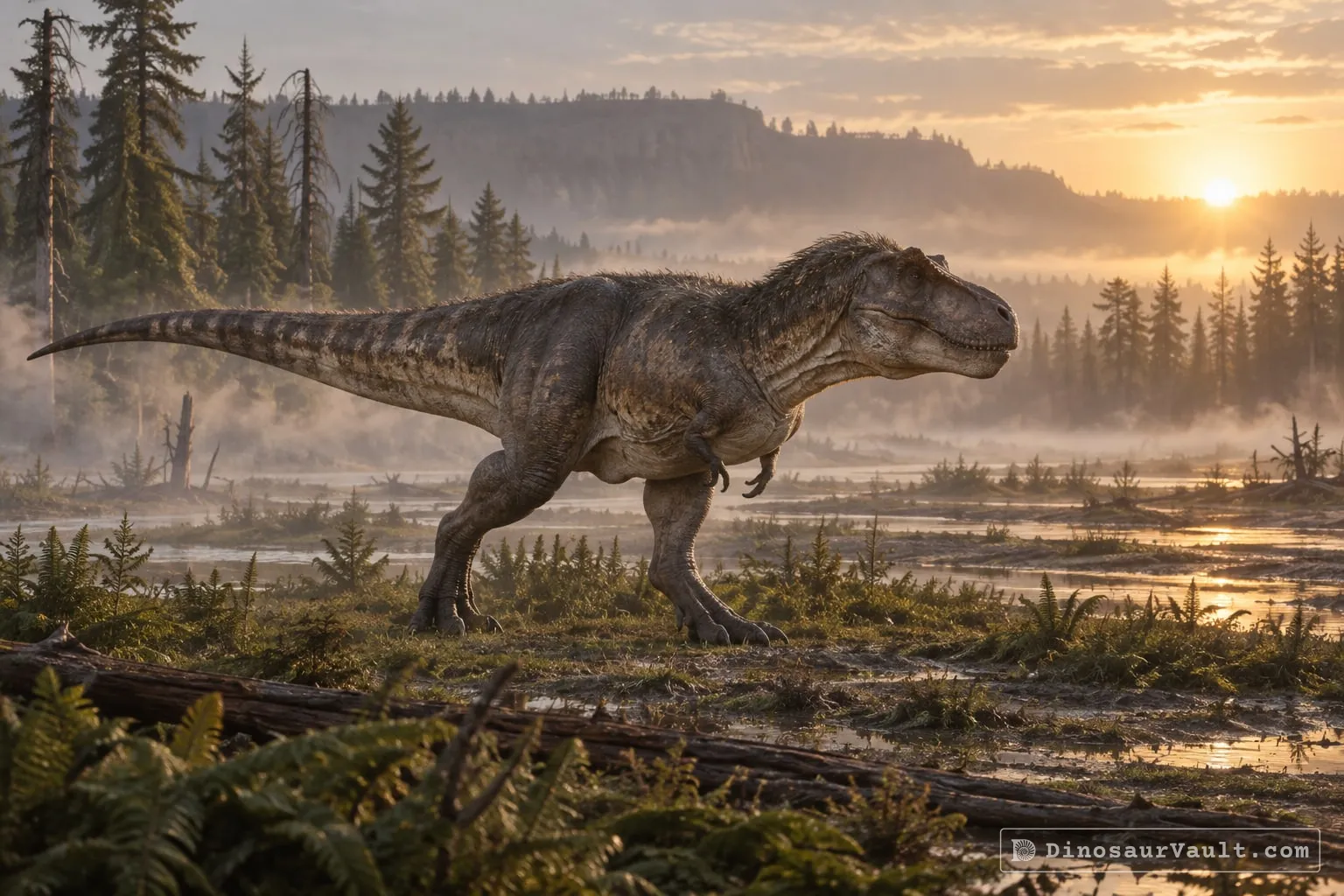


A rock formation can hold fossils laid down millions of years apart, so not every animal here met Edmontosaurus.
The evidence
The science behind Edmontosaurus
Which parts of the picture come from its own bones, and which come from its relatives.
From its own fossils
- Many skeletons show a broad beak, tightly packed grinding teeth, strong hindlegs and a long, muscular tail.
- Mummified specimens preserve pebbly scales and soft tissue around the body and hands.
- A mummified specimen preserves a fleshy comb on top of the head.
Borrowed from relatives
- Almost the whole body is known from its own skeletons and preserved skin, so little needs to be borrowed from relatives.
Still unknown
- Its skin color and markings.
- How widespread fleshy head combs were among its species.
- Whether adults cared for their young.
Often drawn wrong
- Its hands formed compact supports for walking, rather than broad paddles for swimming.
- It had no hollow bony crest like Parasaurolophus and no thumb spike like Iguanodon.
Discovery timeline
- 1917Named itLambe
- 2009How it fedWilliams, Barrett & Purnell
- 2011SkullsCampione & Evans
- 2014SkinBell et al.
Key papers
The research behind what we know of Edmontosaurus
Named it
Named Edmontosaurus from duck-billed dinosaur remains in Alberta.
A new genus and species of crestless hadrosaur from the Edmonton Formation of Alberta. The Ottawa Naturalist 31: 65-73
No link available
How it fed
Tiny scratches on Edmontosaurus teeth reveal complex chewing movements and suggest feeding on abrasive, low-growing plants.
Quantitative analysis of dental microwear in hadrosaurid dinosaurs, and the implications for hypotheses of jaw mechanics and feeding. Proceedings of the National Academy of Sciences 106: 11194-11199
Read the paper : Quantitative analysis of dental microwear in hadrosaurid dinosaurs, and the implications for hypotheses of jaw mechanics and feeding (opens in a new tab)Skulls
Skull comparisons showed that changes during growth explained several supposed species, including long-snouted animals once placed in a separate genus.
Cranial Growth and Variation in Edmontosaurs (Dinosauria: Hadrosauridae): Implications for Latest Cretaceous Megaherbivore Diversity in North America. PLoS ONE 6: e25186
Read the paper : Cranial Growth and Variation in Edmontosaurs (Dinosauria: Hadrosauridae): Implications for Latest Cretaceous Megaherbivore Diversity in North America (opens in a new tab)Skin
A mummified specimen preserved a fleshy head comb, revealing a display structure made entirely of soft tissue.
A Mummified Duck-Billed Dinosaur with a Soft-Tissue Cock’s Comb. Current Biology 24: 70-75
Read the paper : A Mummified Duck-Billed Dinosaur with a Soft-Tissue Cock’s Comb (opens in a new tab)
Close relatives
Other members of Hadrosauridae


Sources: Wikidata