Triceratops
try-SERR-uh-tops
"three-horned face"
Type species Triceratops horridus
- Lived
- 72 to 66 million years ago, Late Cretaceous
- Diet
- Herbivore
- Length
- about 9 m (30 ft)
- Group
- Ceratopsians, Ceratopsidae
- Found in
- United States and Canada
- Named by
- Marsh 1889
Size comparison
To scale
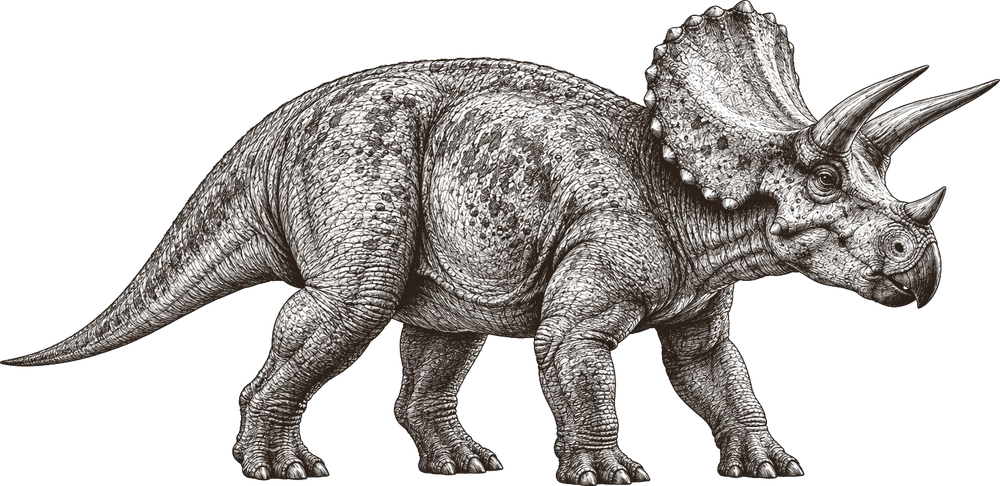


Scale in meters
Where its fossils were found
The evidence
Today

70 million years ago
Habitat
The Hell Creek floodplain had rivers, wooded patches, flowering plants, conifers and ferns. Tyrannosaurus, Edmontosaurus and Thescelosaurus lived in this landscape.
A Dinosaur Vault film
The Last Day of the Dinosaurs
The day the asteroid struck, seen from Montana: the shaking ground, the falling sky and the long dark. Then the small ground-living birds that made it through.
Subscribe on YouTubeField notes
About Triceratops
What it was like
Triceratops was a heavily built plant eater with three horns on its face and a wide bony frill behind its head. It grew up to about 9 meters (30 feet) long, making it one of the largest horned dinosaurs known.
Scientists disagree about what the horns and frill were mainly for. Some think they were weapons for defense against predators, while others argue they were used to identify rivals and attract mates.
Its world
Triceratops lived in the Late Cretaceous, from about 72 to 66 million years ago, across what is now the western United States and Canada. Its bones turn up in rock layers such as Hell Creek and Lance, alongside Tyrannosaurus, Edmontosaurus, Ankylosaurus, and Pachycephalosaurus.
Triceratops was likely prey for Tyrannosaurus, and it was one of the last dinosaurs alive before the extinction 66 million years ago, when an asteroid struck near Chicxulub in Yucatan, Mexico.
How it was found
Marsh named Triceratops in 1889. More than any other horned dinosaur, its fossils keep turning up: about 142 finds have been recorded so far, including skeletons from hatchlings to full-grown adults.
Field gallery
More views of Triceratops
Scenes reconstructed from the available fossil evidence.
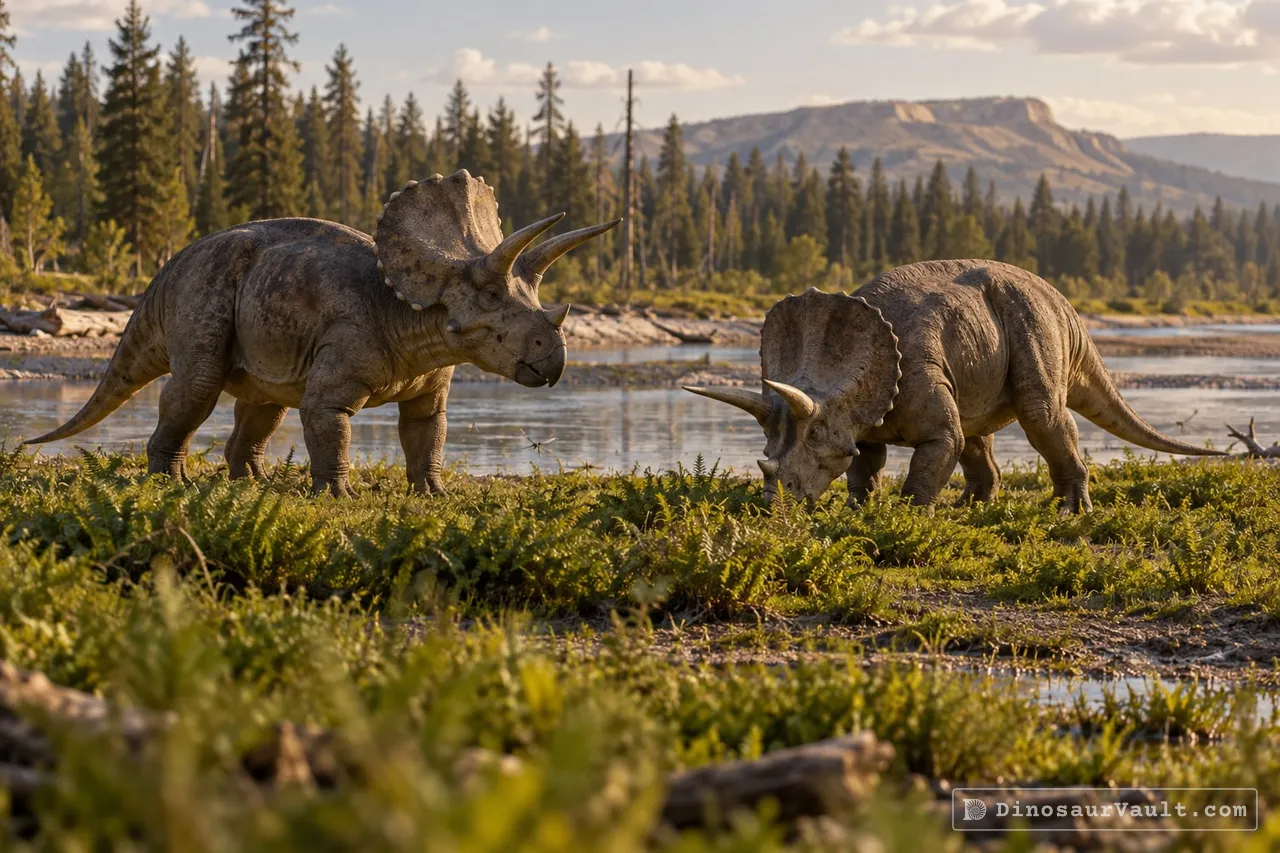
1 of 7
Lived alongside
Found in the same rock formations
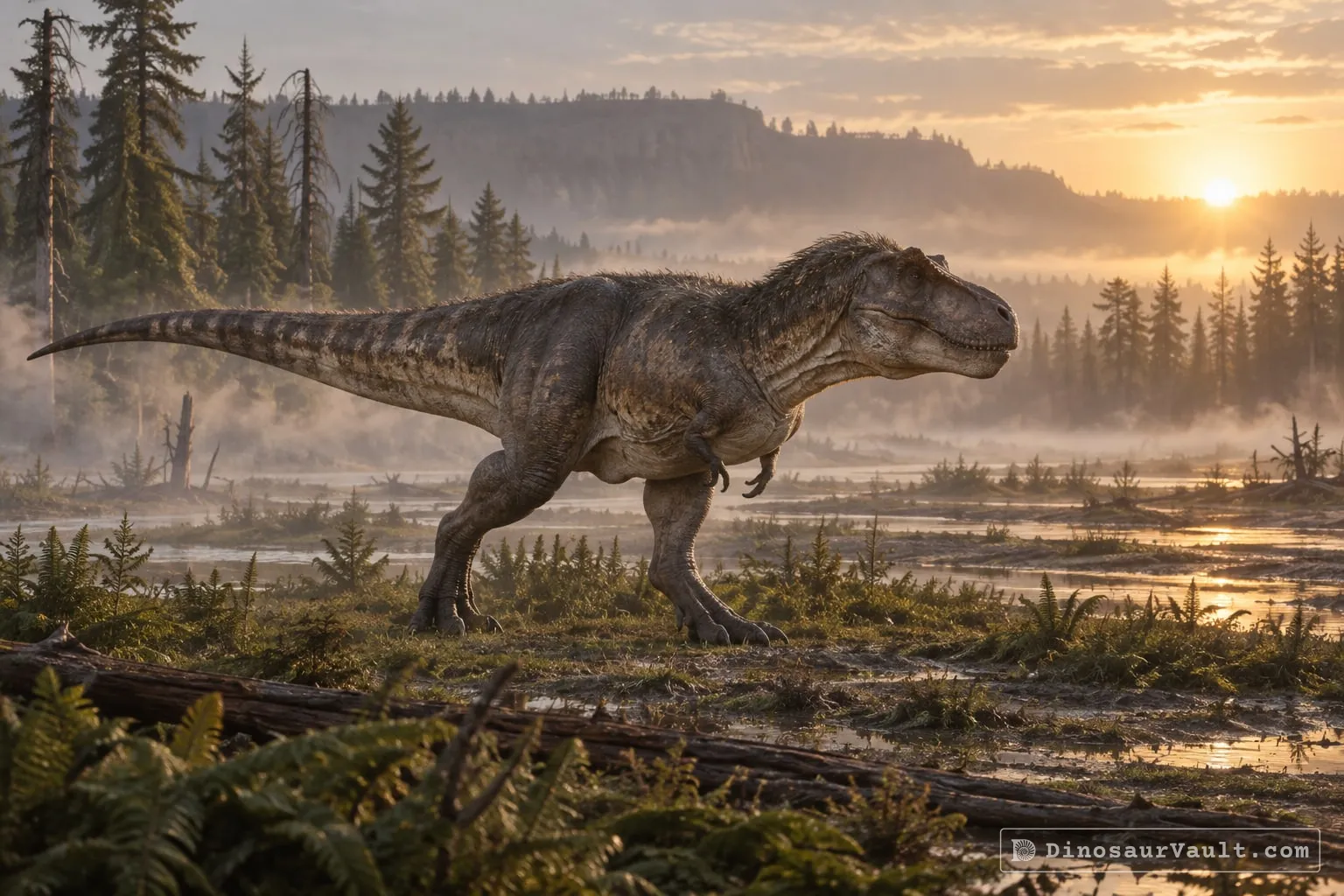
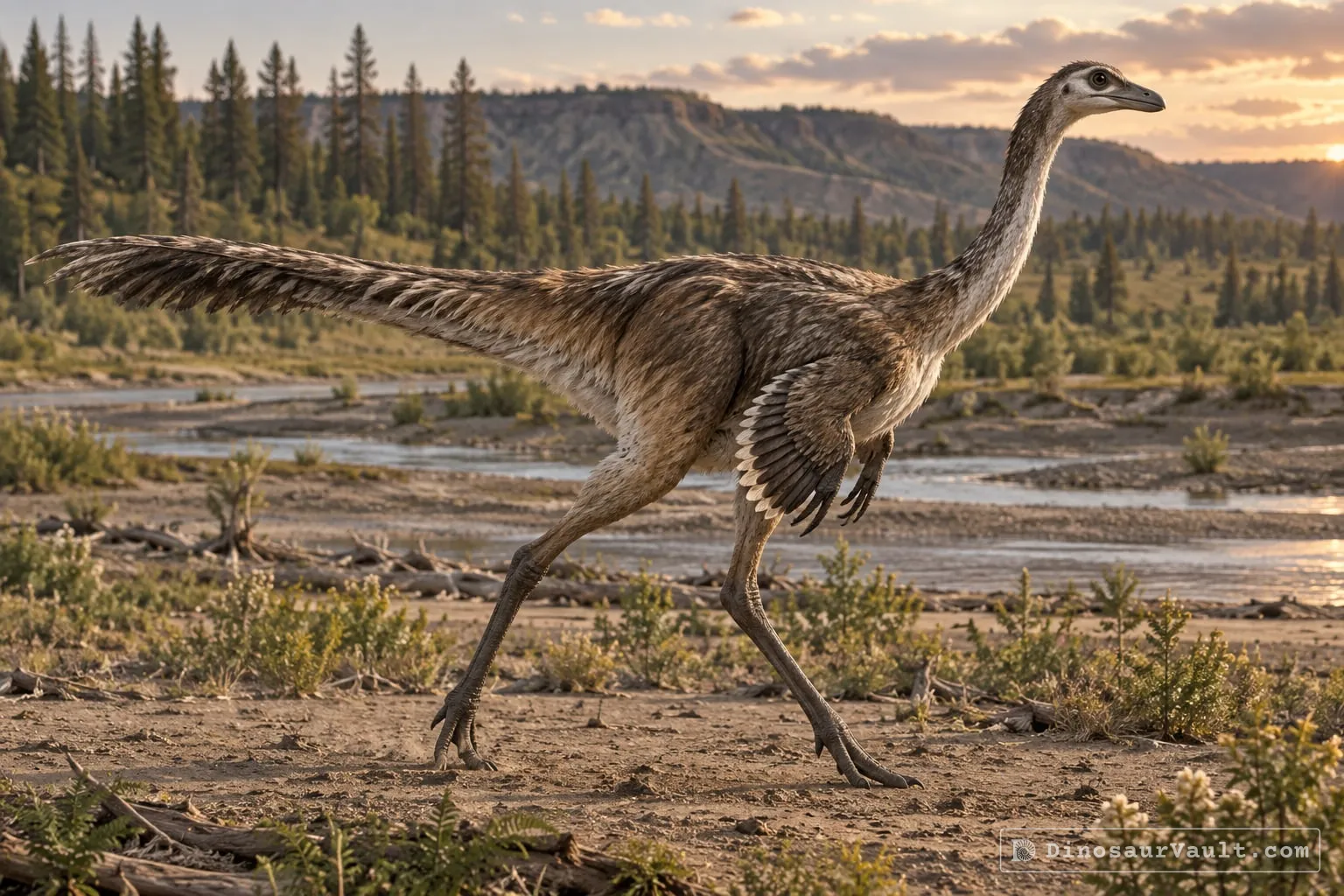
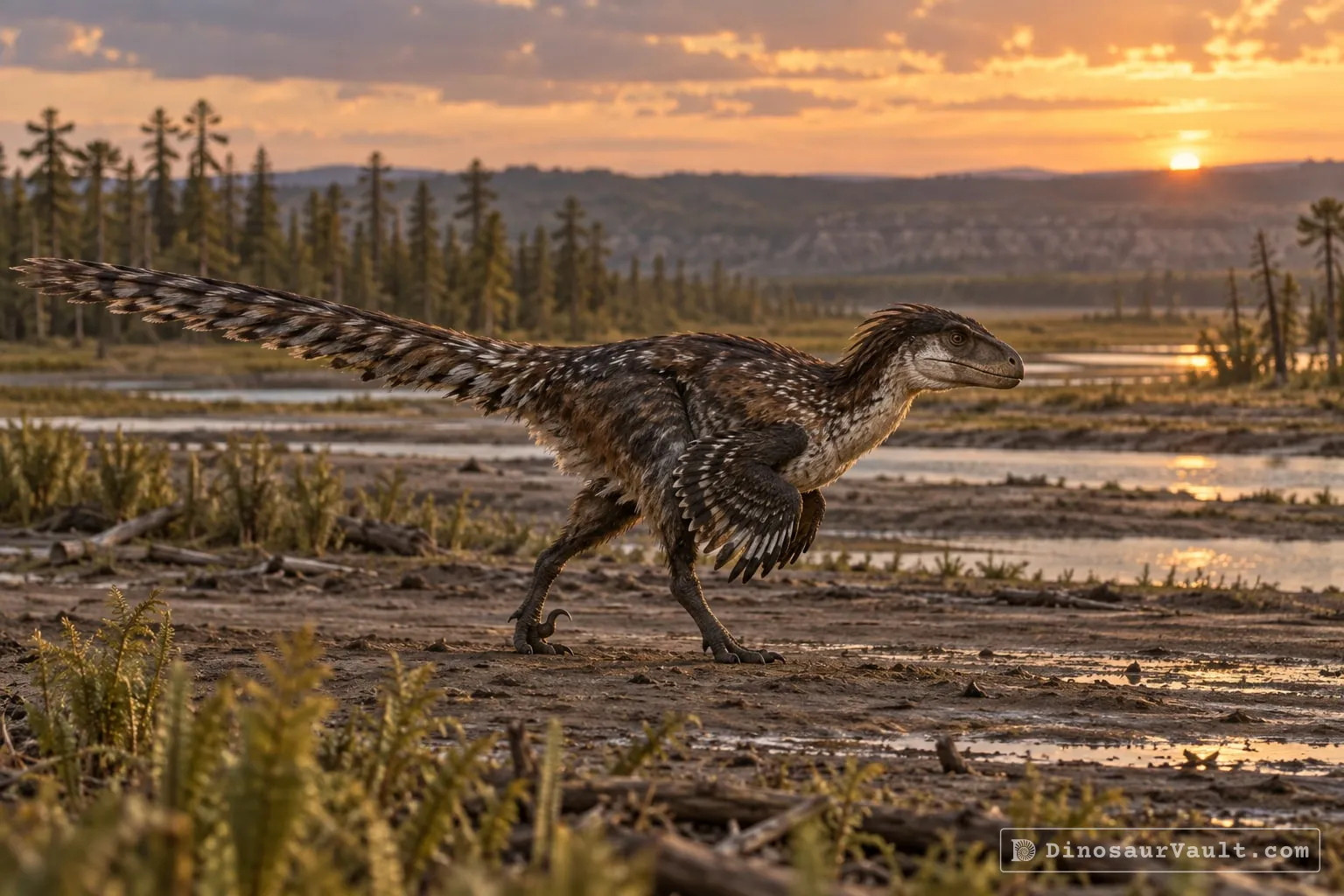
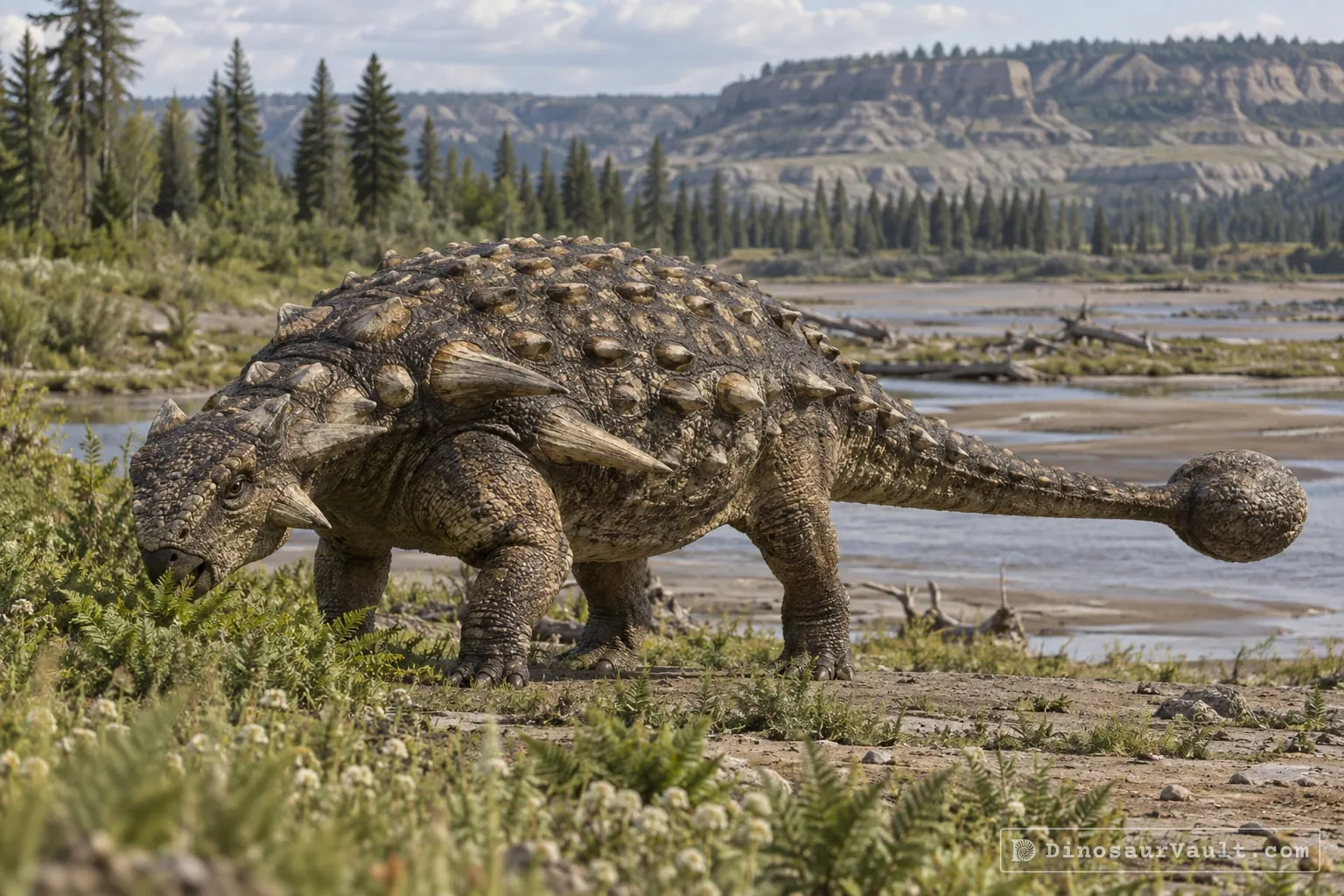
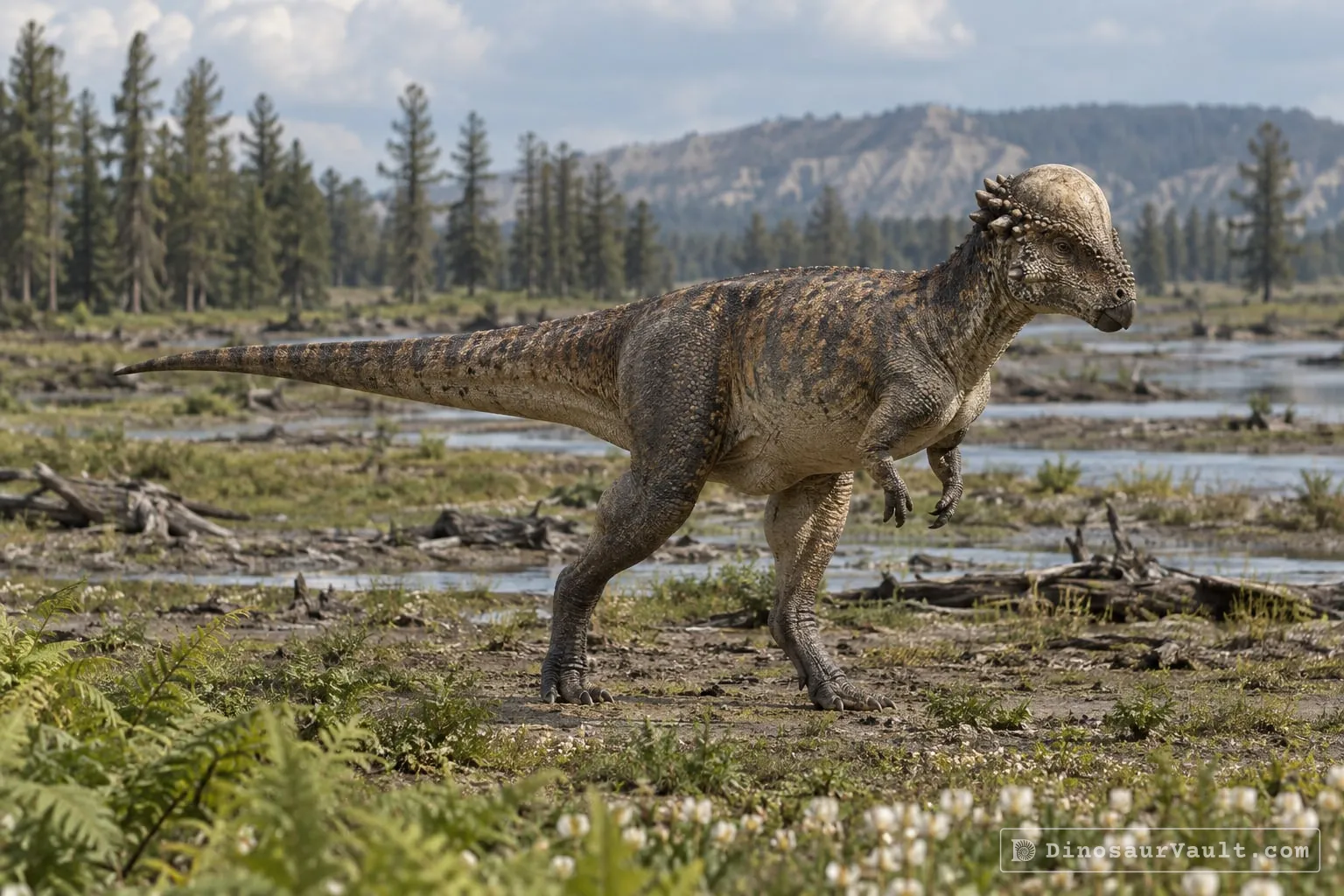
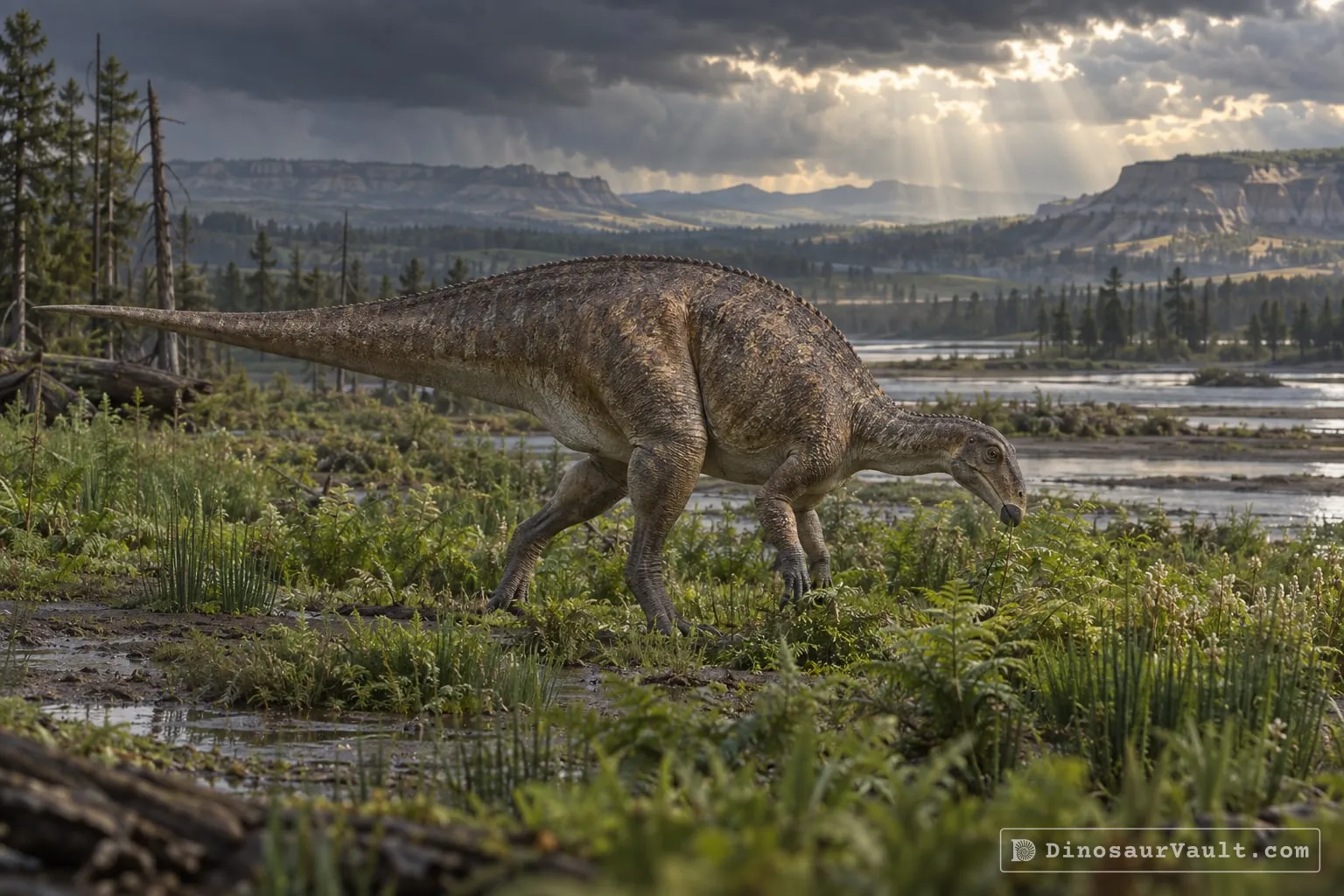
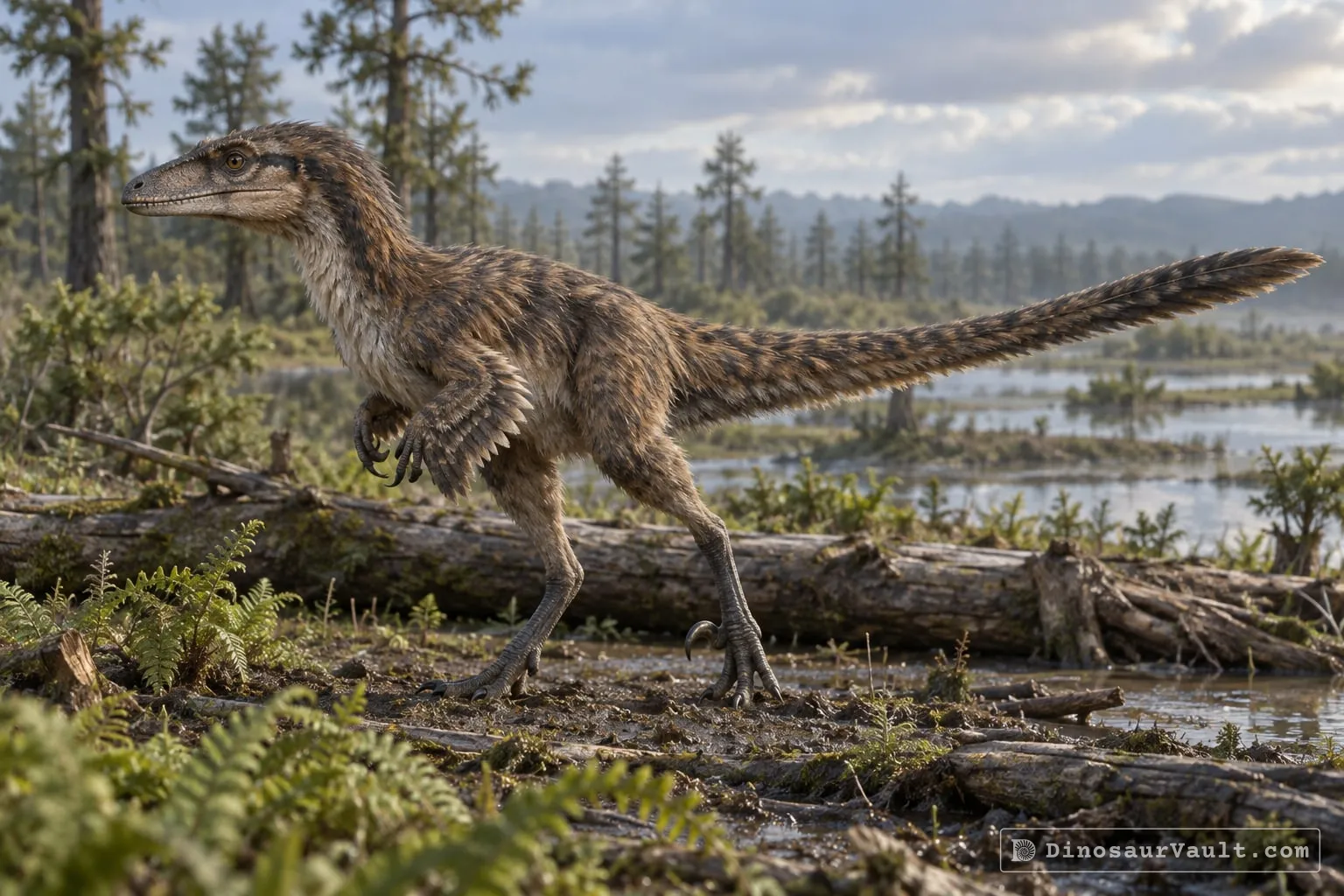
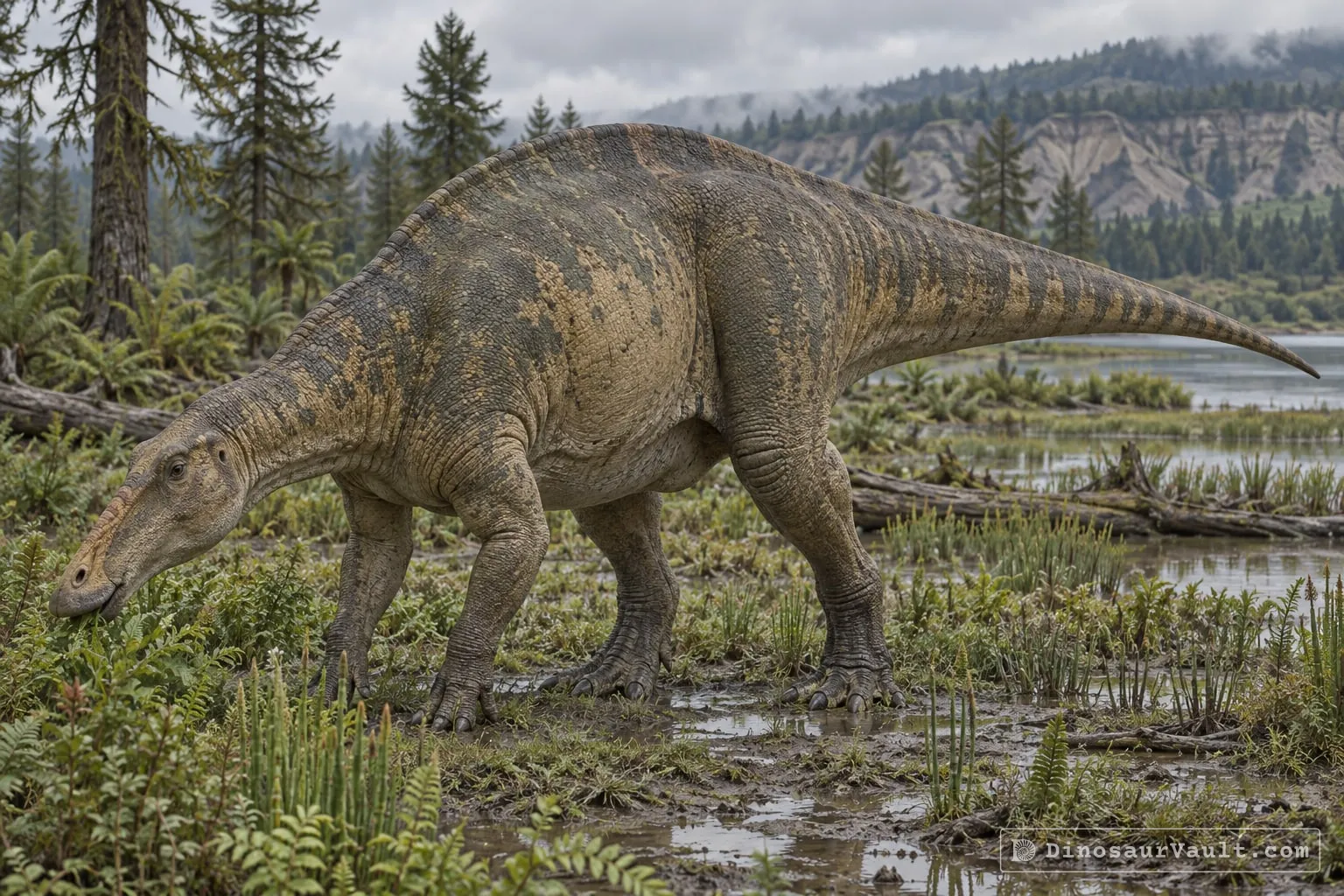


A rock formation can hold fossils laid down millions of years apart, so not every animal here met Triceratops.
The evidence
The science behind Triceratops
Which parts of the picture come from its own bones, and which come from its relatives.
From its own fossils
- Skulls preserve a deep beak, brow horns, a nasal horn and a solid bony frill.
- Closely packed teeth formed cutting surfaces that sharpened as they wore down.
- Young skulls have shorter, backward-curving brow horns and a developing frill edge.
Borrowed from relatives
- Its own skulls and skeletons supply most of the body shape.
- The outer horn coverings follow comparisons with living horned animals and other ceratopsians such as Centrosaurus.
Still unknown
- Its color and the exact length of the coverings over its horns.
- Whether it lived in herds or cared for its young.
- The full body proportions of the young animal known from a partial skull probably belonging to Triceratops prorsus.
Often drawn wrong
- Holes through the frill confuse it with horned relatives. Its frill was solid bone.
- Young animals had different horn curves and frill edges rather than adult heads simply made smaller.
Discovery timeline
- 1889Named itMarsh
- 2006Growing upHorner & Goodwin
- 2009SkullFarke, Wolff & Tanke
- 2014SkullScannella et al.
- 2015How it fedErickson et al.
Key papers
The research behind what we know of Triceratops
Named it
Named Triceratops from its horned skull, recognizing a large plant eater with a bony frill.
Notice of gigantic horned Dinosauria from the Cretaceous. American Journal of Science s3-38: 173-176
Read the paper : Notice of gigantic horned Dinosauria from the Cretaceous (opens in a new tab)Growing up
Compared young and adult skulls, showing changes in horn direction, the nose horn and the frill edge during growth.
Major cranial changes during Triceratops ontogeny. Proceedings of the Royal Society B: Biological Sciences 273: 2757-2761
Read the paper : Major cranial changes during Triceratops ontogeny (opens in a new tab)Skull
Compared skull injuries with those in Centrosaurus and found a pattern consistent with Triceratops locking horns against its own kind.
Evidence of Combat in Triceratops. PLoS ONE 4: e4252
Read the paper : Evidence of Combat in Triceratops (opens in a new tab)Skull
Tracked skull changes through the rock layers, with Triceratops horridus appearing earlier and Triceratops prorsus later.
Evolutionary trends in Triceratops from the Hell Creek Formation, Montana. Proceedings of the National Academy of Sciences 111: 10245-10250
Read the paper : Evolutionary trends in Triceratops from the Hell Creek Formation, Montana (opens in a new tab)How it fed
Showed how different tooth tissues wore at different rates, keeping the cutting surfaces sharp as Triceratops sliced plants.
Wear biomechanics in the slicing dentition of the giant horned dinosaur Triceratops. Science Advances 1
Read the paper : Wear biomechanics in the slicing dentition of the giant horned dinosaur Triceratops (opens in a new tab)
Close relatives
Other members of Ceratopsidae


Sources: Wikidata