Nanotyrannus
NAN-oh-tie-RAN-us
"dwarf tyrant"
- Lived
- 72 to 66 million years ago, Late Cretaceous
- Diet
- Carnivore
- Group
- Theropods, Nanotyrannidae
- Found in
- United States
- Named by
- Bakker et al. 1988
Where its fossils were found
The evidence
Today

70 million years ago
Habitat
Rivers crossed the Hell Creek floodplains, with flowering trees and conifers. Triceratops, Ankylosaurus and Pachycephalosaurus lived in the region.
Field notes
About Nanotyrannus
A puzzle of a skeleton
Nanotyrannus is known mostly from skull material, so what its full body looked like is not fully settled. It was a meat-eating theropod with a slender, low skull and small, blunt crests just in front of its eyes. Its jaws held small, blade-like teeth, most of them serrated on both edges, though the teeth right at the front of the upper jaw were smooth-edged. Whether it represents an adult animal or a growing juvenile of a different, larger species is exactly what scientists cannot agree on.
Its world
Nanotyrannus lived at the end of the Cretaceous, between about 72 and 66 million years ago, in what is now Montana, Wyoming, and South Dakota. Its fossils come from the Hell Creek and Lance formations, the same rock layers that preserve Tyrannosaurus, Triceratops, Ankylosaurus, Pachycephalosaurus, Edmontosaurus, and Torosaurus. Only 5 fossil finds have been assigned to Nanotyrannus so far, which is part of why paleontologists still argue over what the bones actually represent.
A genus in dispute
Bakker and his coauthors named Nanotyrannus in 1988, arguing that its small size and light build set it apart from Tyrannosaurus. Since then, scientists have disagreed sharply. Some argue that every Nanotyrannus specimen is simply a young, still-growing Tyrannosaurus, since young tyrannosaurs are known to have been slimmer and faster than adults of the same species. Others argue the skeletal differences are too consistent to be explained by growth alone, and that Nanotyrannus deserves to stand as its own genus. No single answer has settled the question, and both views still have supporters among paleontologists.
Field gallery
More views of Nanotyrannus
Scenes reconstructed from the available fossil evidence.
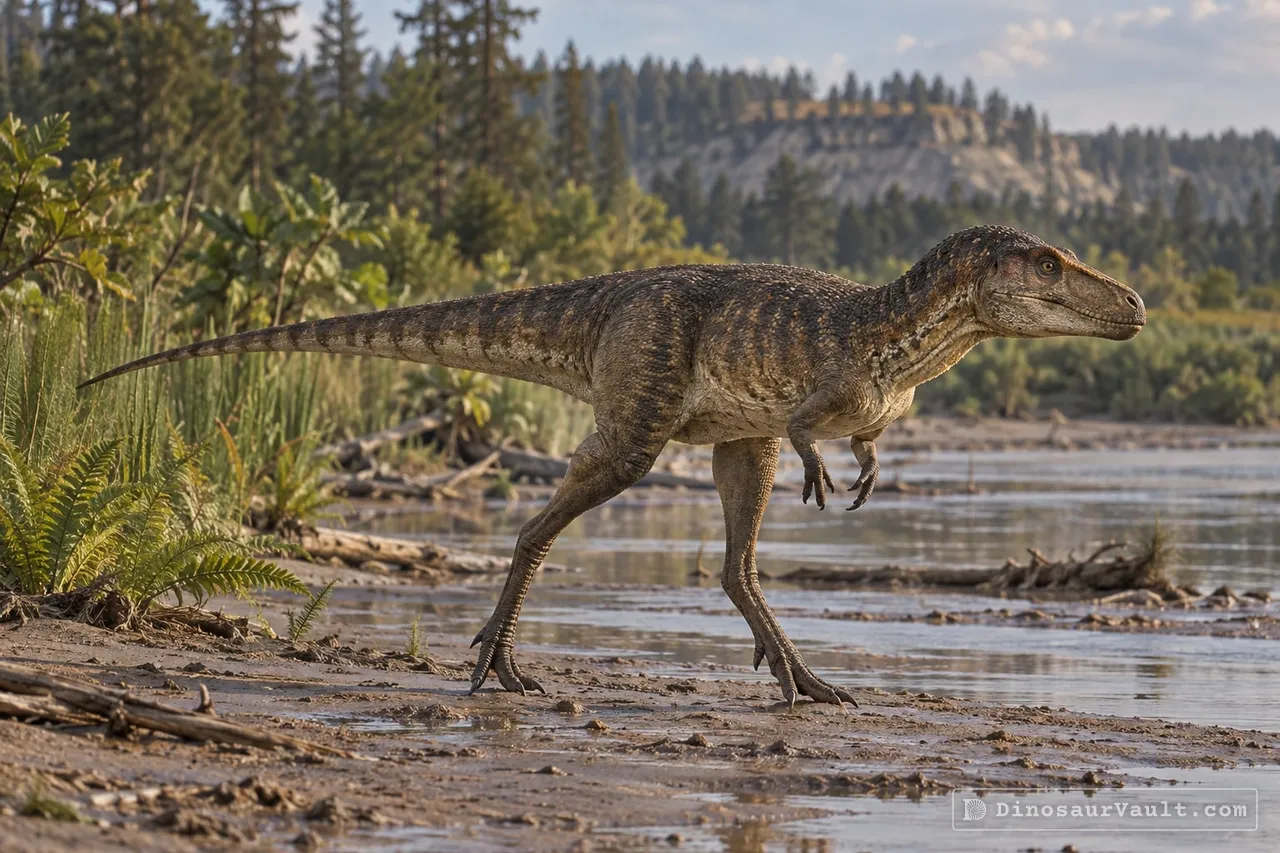
1 of 7
Lived alongside
Found in the same rock formations
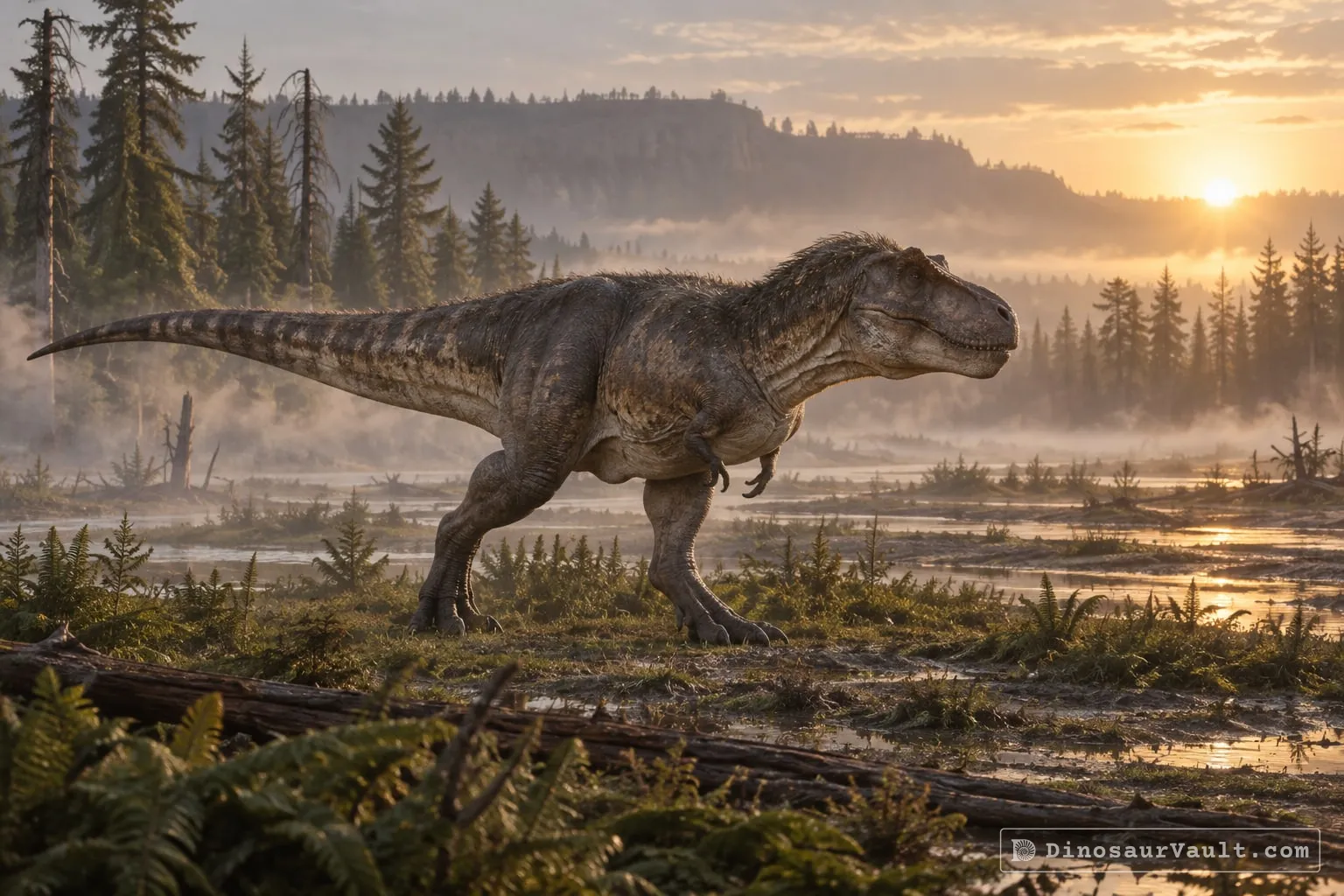
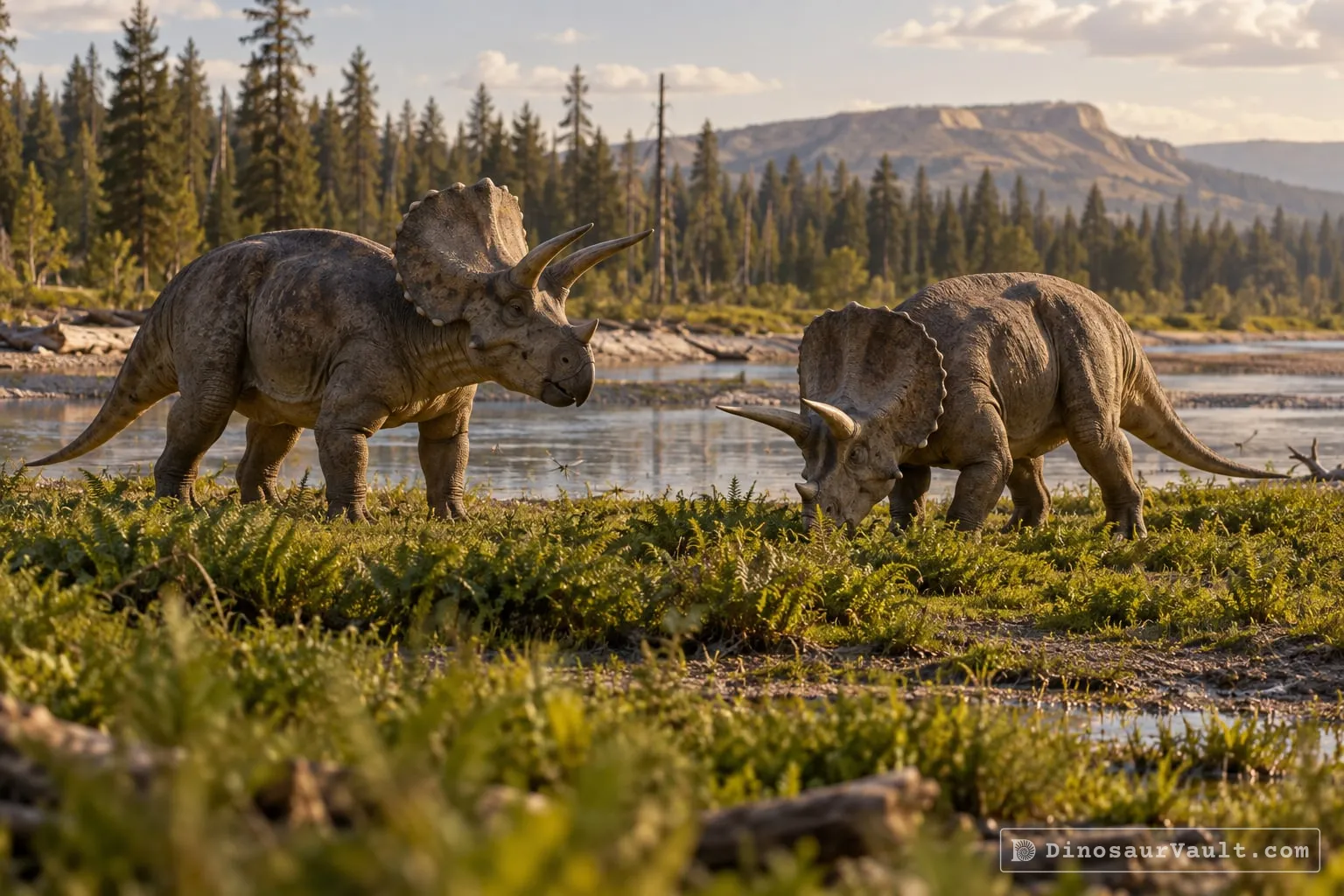
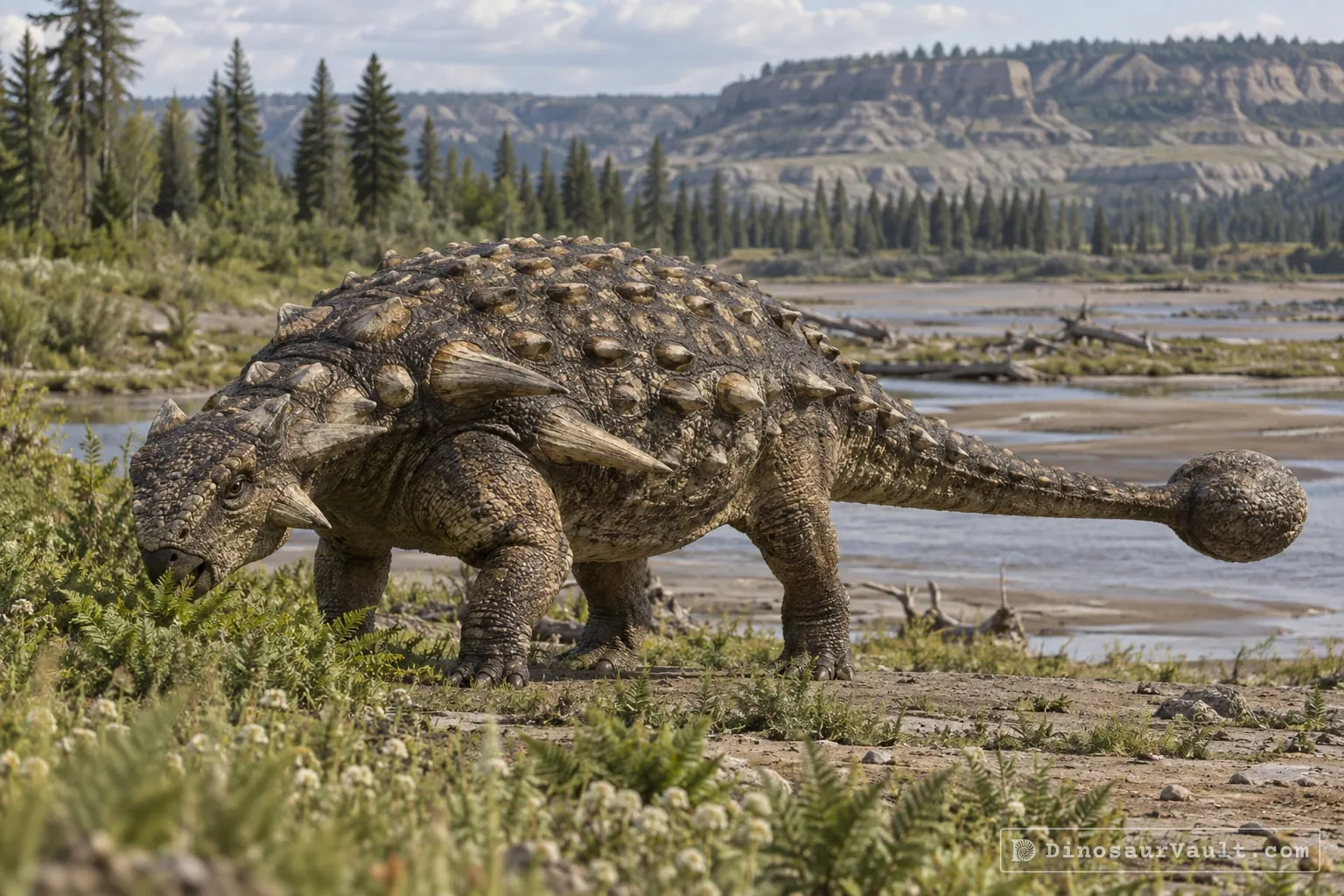
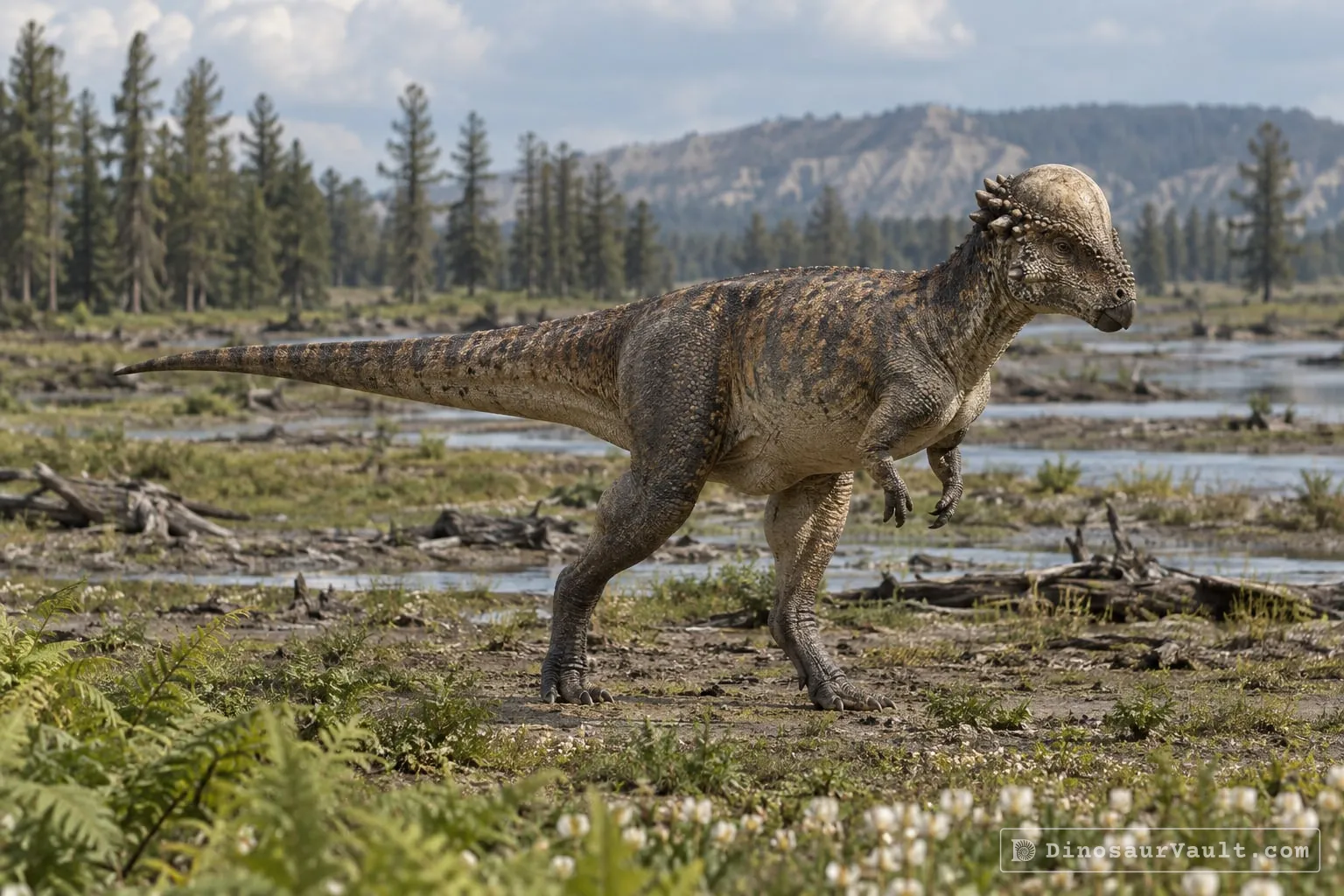
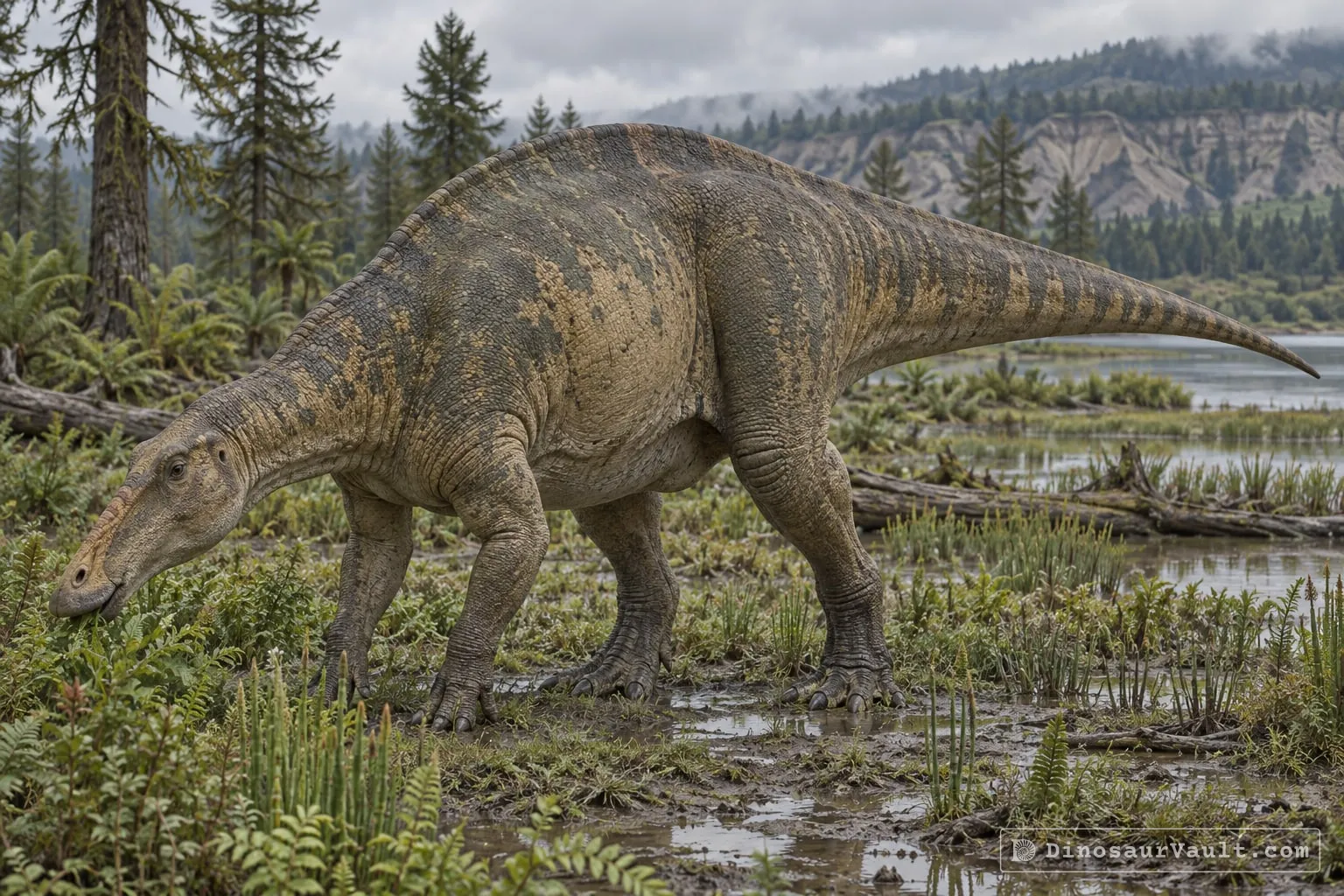
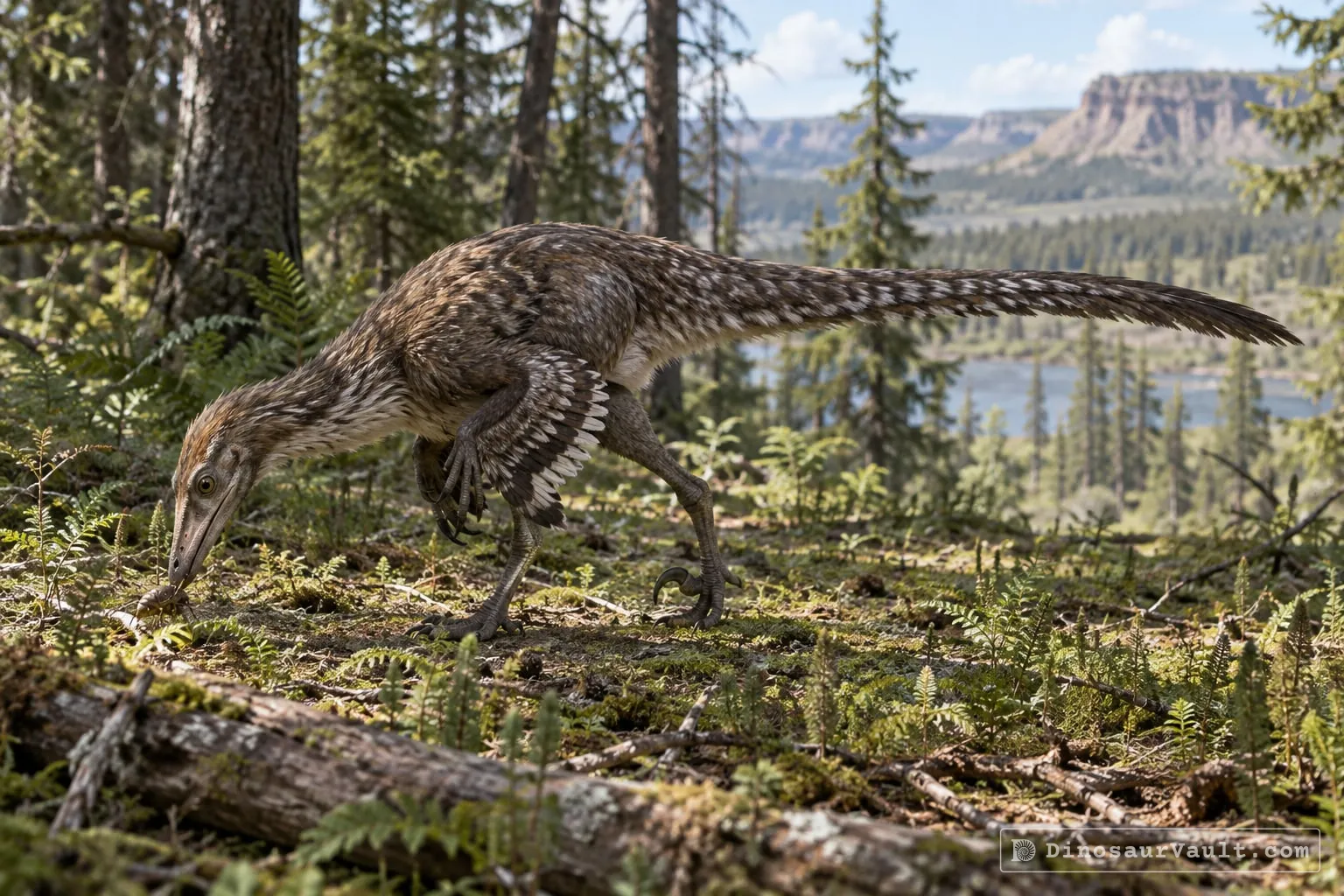
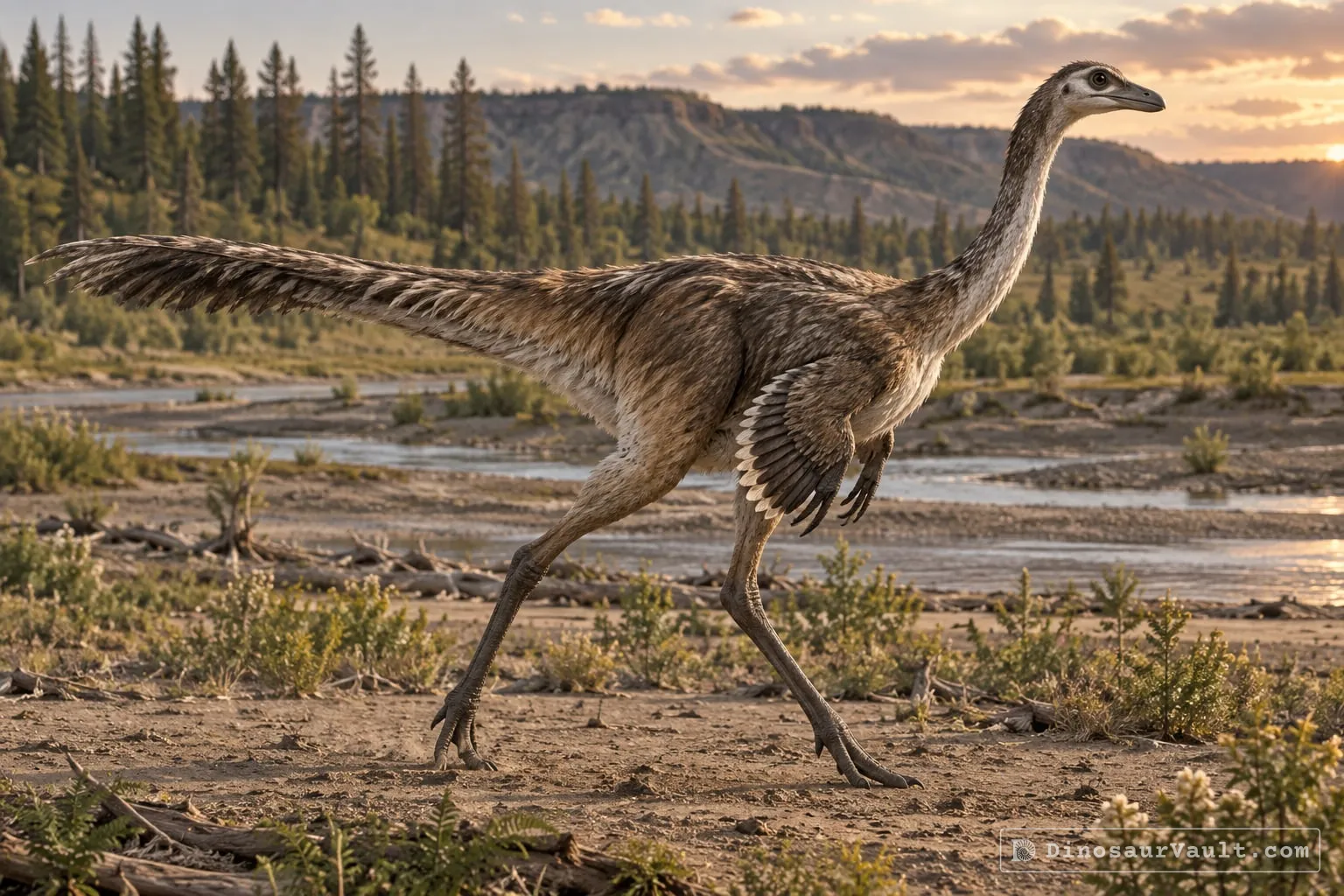
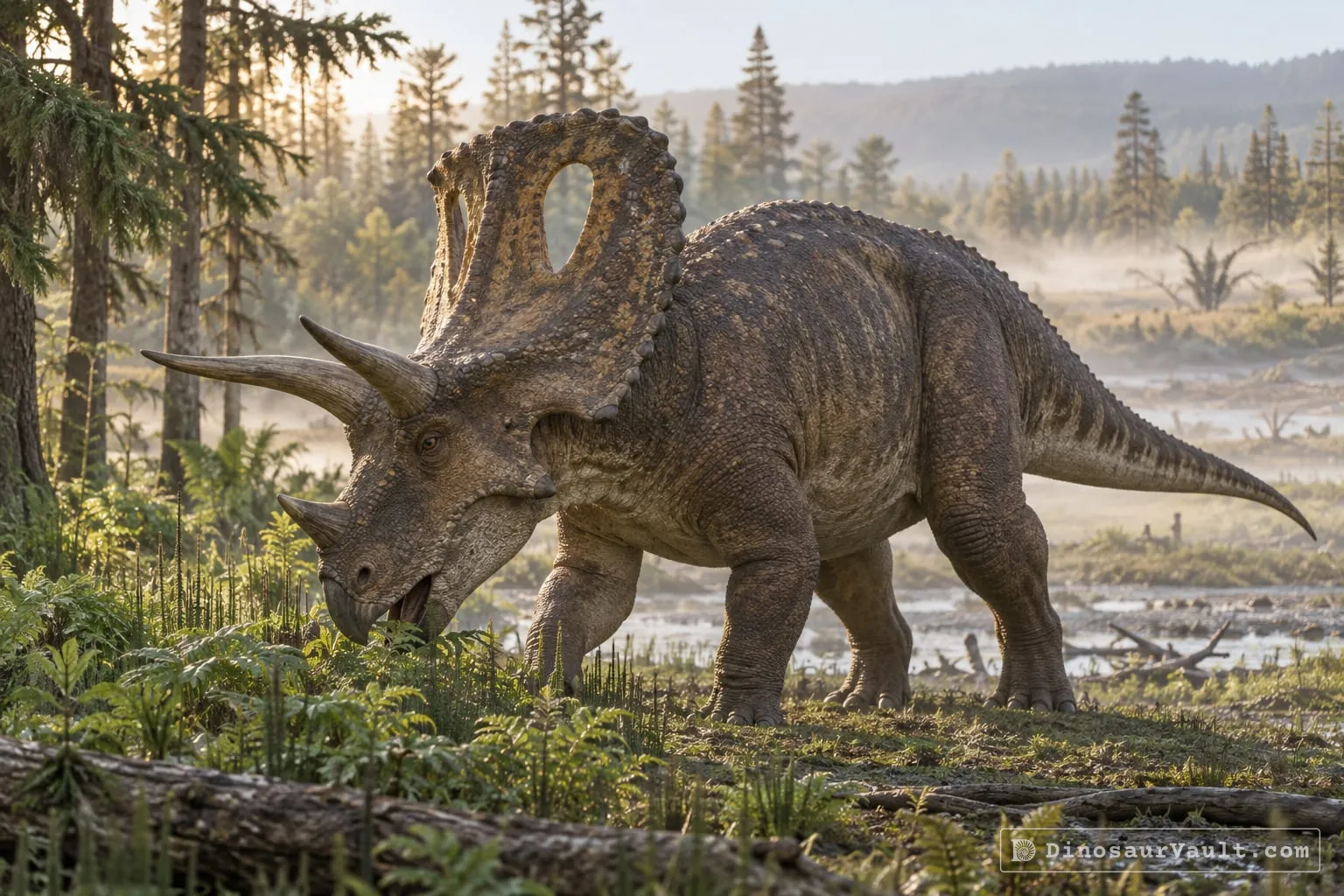


A rock formation can hold fossils laid down millions of years apart, so not every animal here met Nanotyrannus.
The evidence
The science behind Nanotyrannus
Which parts of the picture come from its own bones, and which come from its relatives.
From its own fossils
- Skulls show a long, shallow snout with blade-like teeth.
- A near-grown skeleton assigned to Nanotyrannus has long lower legs and enlarged forelimbs.
- Growth marks in that skeleton indicate that growth was slowing toward maturity.
Borrowed from relatives
- Lips covering the teeth follow comparisons with Tyrannosaurus and living lizards.
- A mostly scaly covering follows skin known in Tyrannosaurus.
Still unknown
- Which disputed smaller specimens belong to Nanotyrannus rather than young Tyrannosaurus.
- Its final adult size and the function of each finger.
- Its color and the full extent of any feather covering.
Often drawn wrong
- Its slender build and relatively long arms differ from an adult Tyrannosaurus simply reduced in size.
- Its palms faced inward, rather than flat toward the ground.
Discovery timeline
- 1988Named itBakker, Williams & Currie
- 2020Growing upWoodward et al.
- 2023Close relativeCullen et al.
- 2024Family treeLongrich & Saitta
- 2025New findZanno & Napoli
Key papers
The research behind what we know of Nanotyrannus
Named it
Named Nanotyrannus as a small tyrannosaur, arguing that its skull differed from Tyrannosaurus.
Nanotyrannus, a new genus of pygmy tyrannosaur, from the latest Cretaceous of Montana. Hunteria 1: 1-30
No link available
Growing up
Examined bone growth in disputed specimens and interpreted them as young Tyrannosaurus rather than adult Nanotyrannus.
Growing up Tyrannosaurus rex : Osteohistology refutes the pygmy “ Nanotyrannus ” and supports ontogenetic niche partitioning in juvenile Tyrannosaurus. Science Advances 6
Read the paper : Growing up Tyrannosaurus rex : Osteohistology refutes the pygmy “ Nanotyrannus ” and supports ontogenetic niche partitioning in juvenile Tyrannosaurus (opens in a new tab)Close relative
Compared theropod teeth and jaws with living reptiles, supporting lips that covered the teeth when the mouth was closed.
Theropod dinosaur facial reconstruction and the importance of soft tissues in paleobiology. Science 379: 1348-1352
Read the paper : Theropod dinosaur facial reconstruction and the importance of soft tissues in paleobiology (opens in a new tab)Family tree
Reexamined anatomy and growth, arguing that Nanotyrannus was a separate small tyrannosaur rather than a young Tyrannosaurus.
Taxonomic Status of Nanotyrannus lancensis (Dinosauria: Tyrannosauroidea)—A Distinct Taxon of Small-Bodied Tyrannosaur. Fossil Studies 2: 1-65
Read the paper : Taxonomic Status of Nanotyrannus lancensis (Dinosauria: Tyrannosauroidea)—A Distinct Taxon of Small-Bodied Tyrannosaur (opens in a new tab)New find
Described a near-grown skeleton and argued that Nanotyrannus was a distinct small predator living alongside Tyrannosaurus.
Nanotyrannus and Tyrannosaurus coexisted at the close of the Cretaceous. Nature 648: 357-367
Read the paper : Nanotyrannus and Tyrannosaurus coexisted at the close of the Cretaceous (opens in a new tab)
Sources: Wikidata