Torvosaurus
TOR-voh-SORE-us
"savage lizard"
Type species Torvosaurus tanneri
- Lived
- 162 to 143 million years ago, Late Jurassic
- Diet
- Carnivore
- Length
- about 10 m (33 ft)
- Group
- Theropods, Megalosauridae
- Found in
- United States, Portugal and Uruguay
- Named by
- Galton and Jensen 1979
Size comparison
To scale
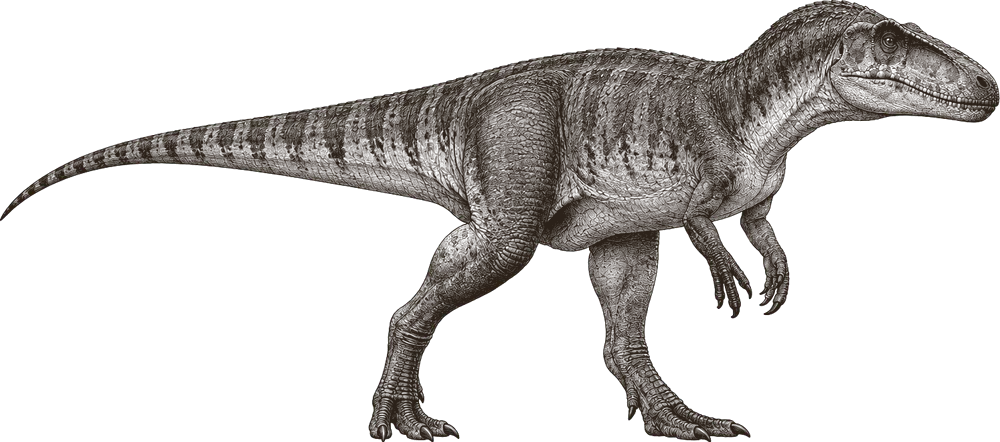


Scale in meters
Where its fossils were found
The evidence
Today

150 million years ago
Also reported from Germany and Tanzania.
Habitat
Its Morrison habitat included wet floodplains crossed by rivers. Stegosaurus, Brontosaurus and Diplodocus lived in this region.
Field notes
About Torvosaurus
What it was like
Torvosaurus was a large, heavily built predator with a deep skull, long teeth, and unusually powerful, short arms for a theropod its size. It grew to about 10 meters (33 feet) long, making it one of the largest carnivores of its time.
Its body was built more for strength than speed, and its bite was likely powerful enough to tackle large plant eaters. It is closely related to Megalosaurus, and both belong to a group of large-bodied Jurassic predators.
Its world
Torvosaurus lived from about 162 to 143 million years ago, spanning the Late Jurassic to the Early Cretaceous. Its fossils have been found in Wyoming, Colorado, and Utah in the United States, as well as in Portugal and Uruguay, with possible finds also reported from Germany and Tanzania.
It hunted alongside the smaller predator Ceratosaurus and the larger Allosaurus, in a landscape shared with plated Stegosaurus and Dacentrurus and long-necked giants such as Brachiosaurus, Brontosaurus, Diplodocus, and Apatosaurus.
How it was found
Galton and Jensen named Torvosaurus in 1979, from fossils found in the western United States. About 19 finds of the genus are known today, with the type species Torvosaurus tanneri found across several countries on two continents.
Field gallery
More views of Torvosaurus
Scenes reconstructed from the available fossil evidence.
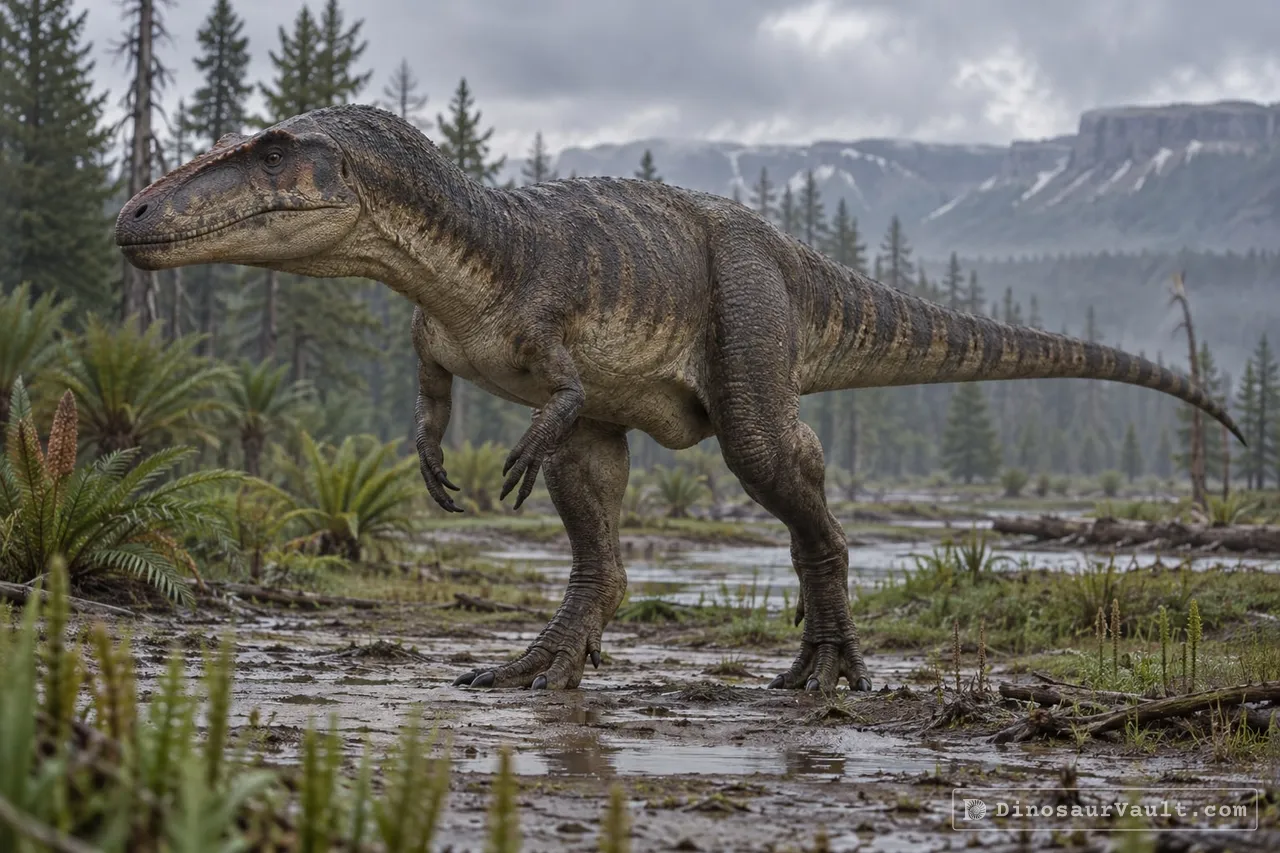
1 of 7
Lived alongside
Found in the same rock formations
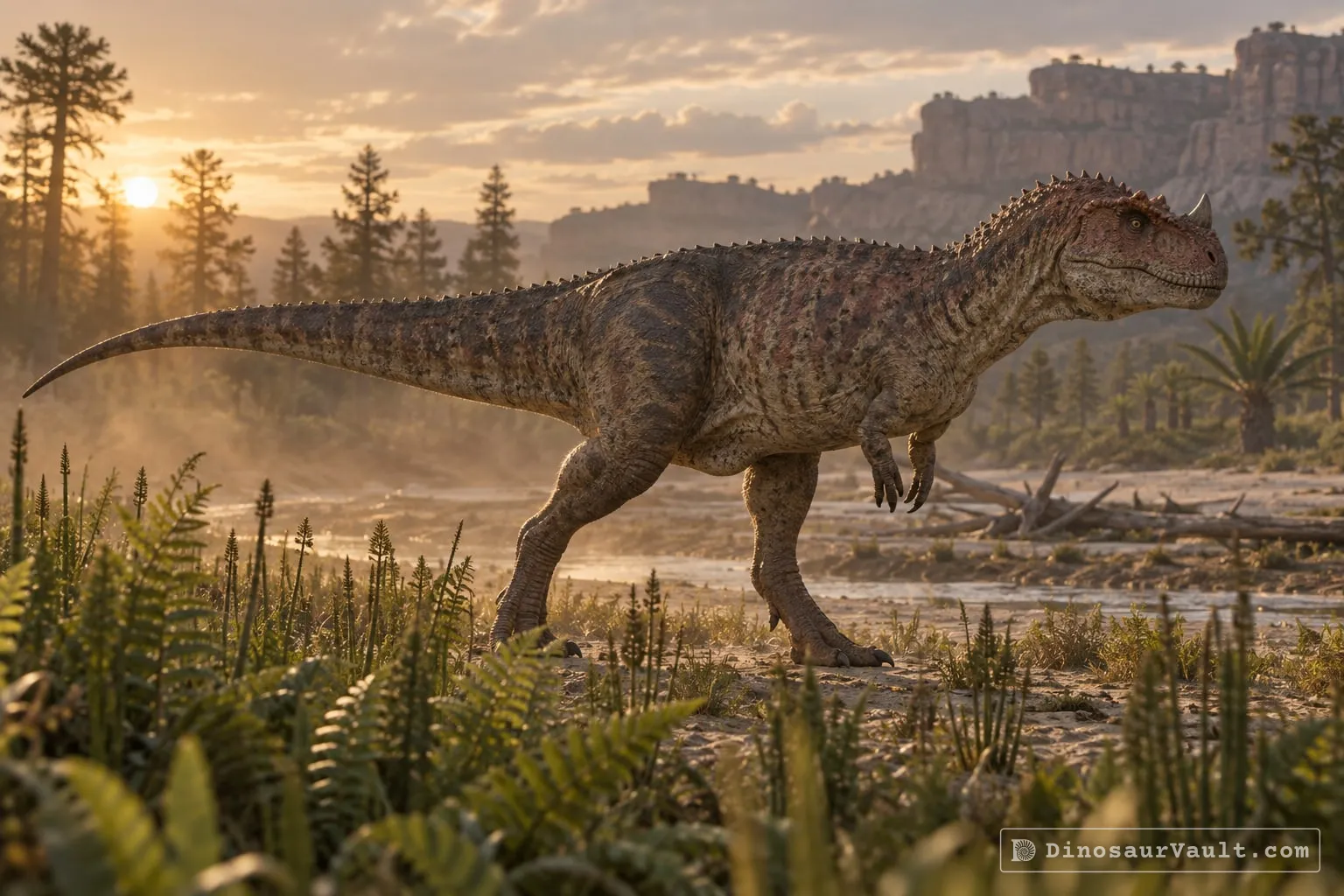
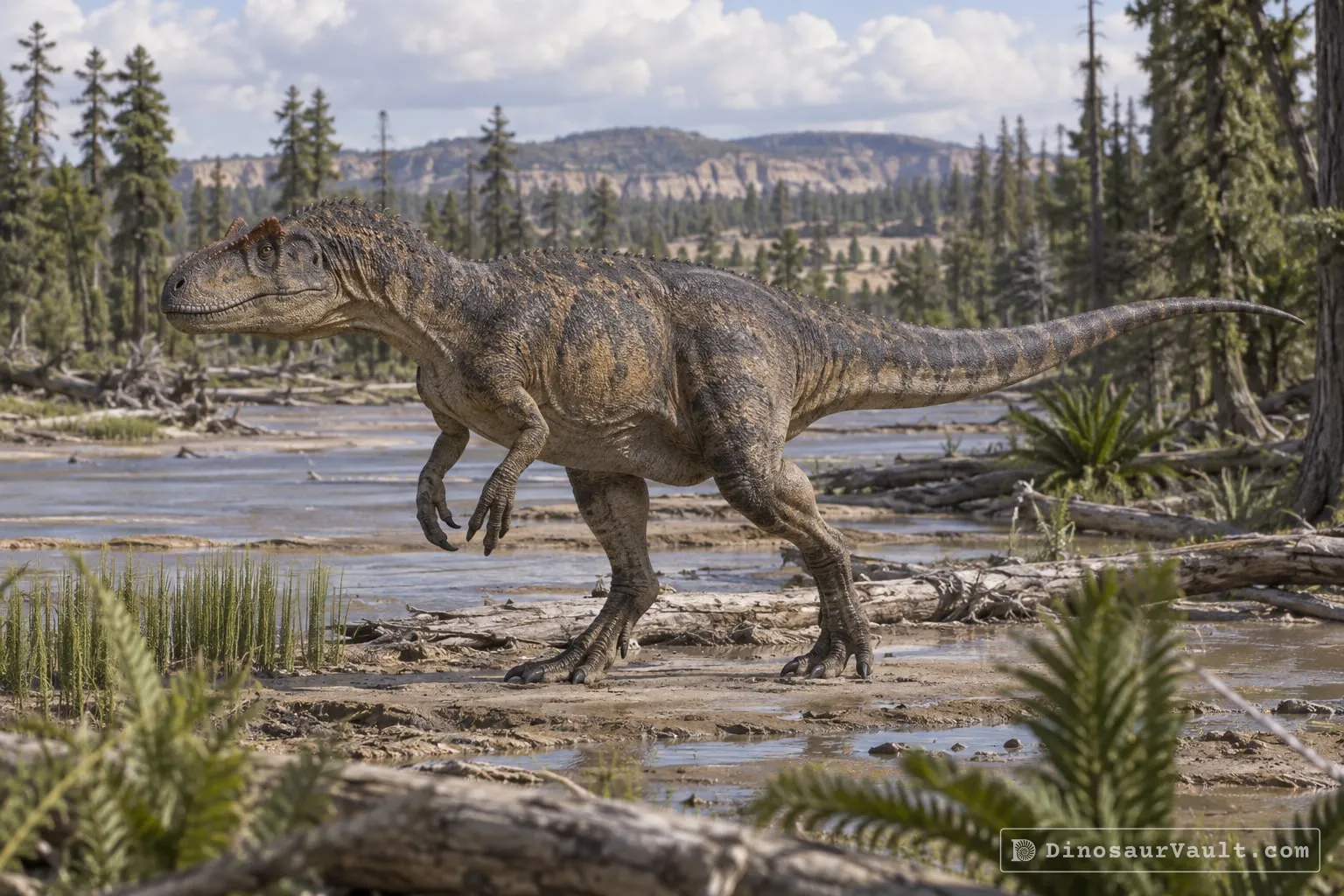
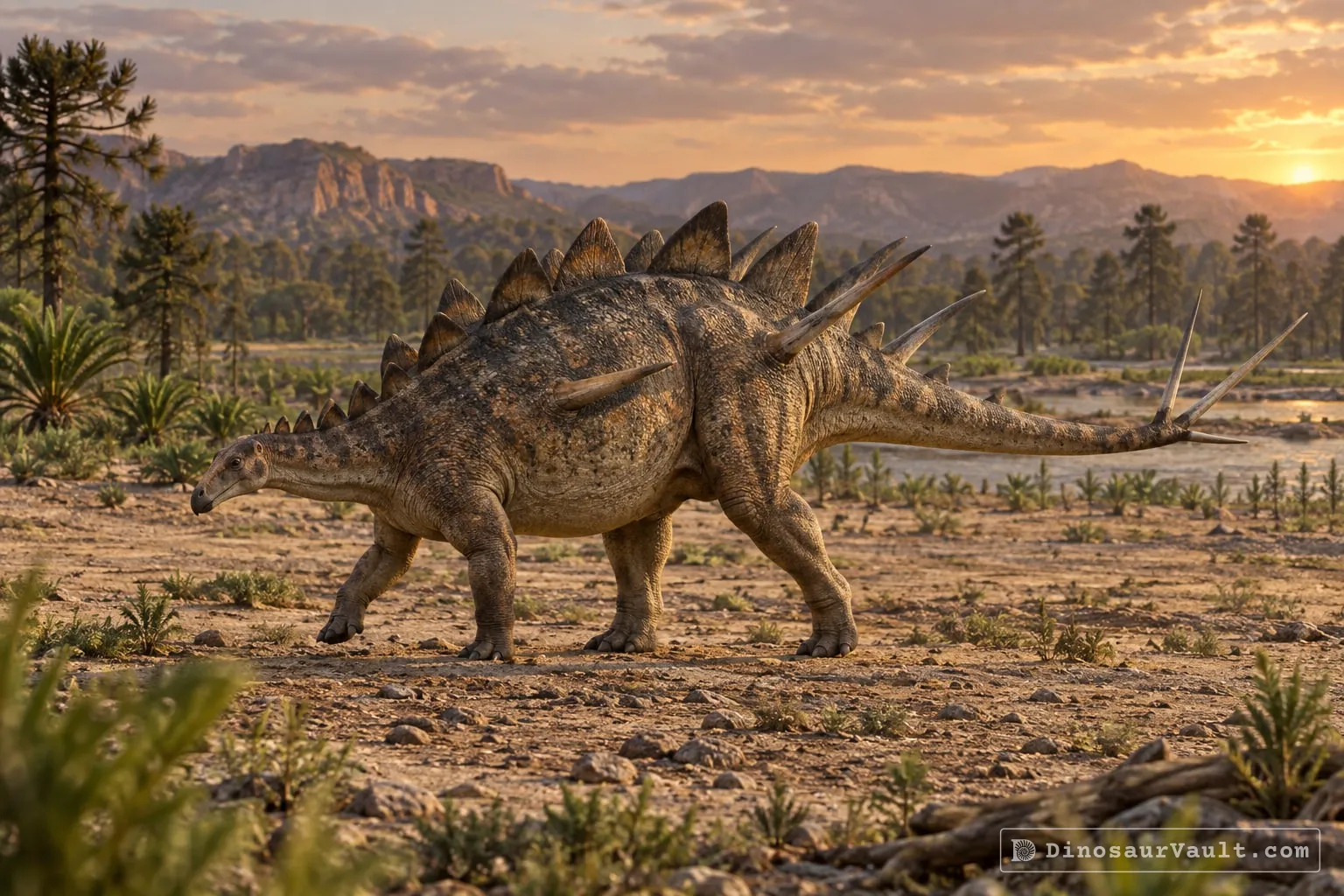
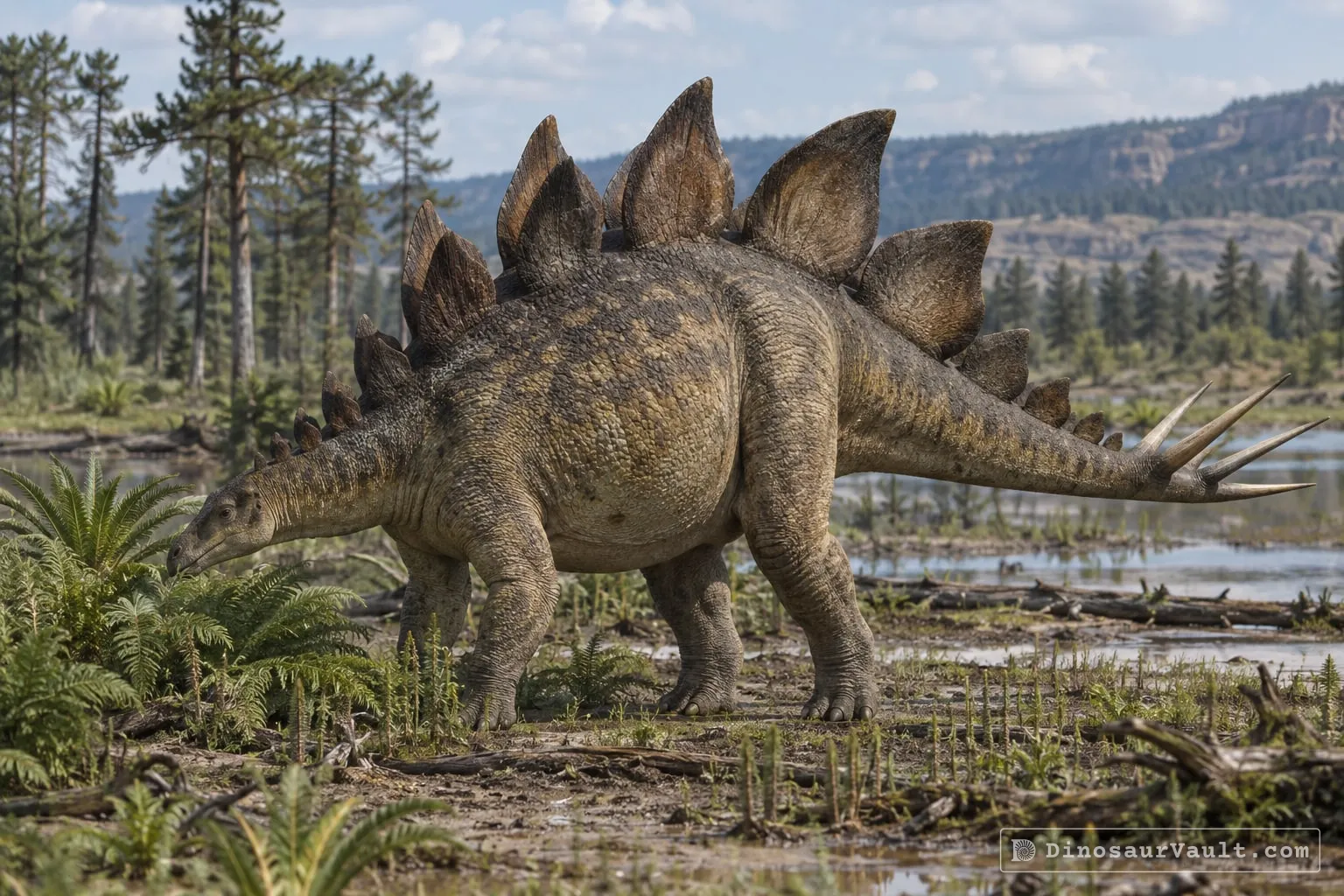
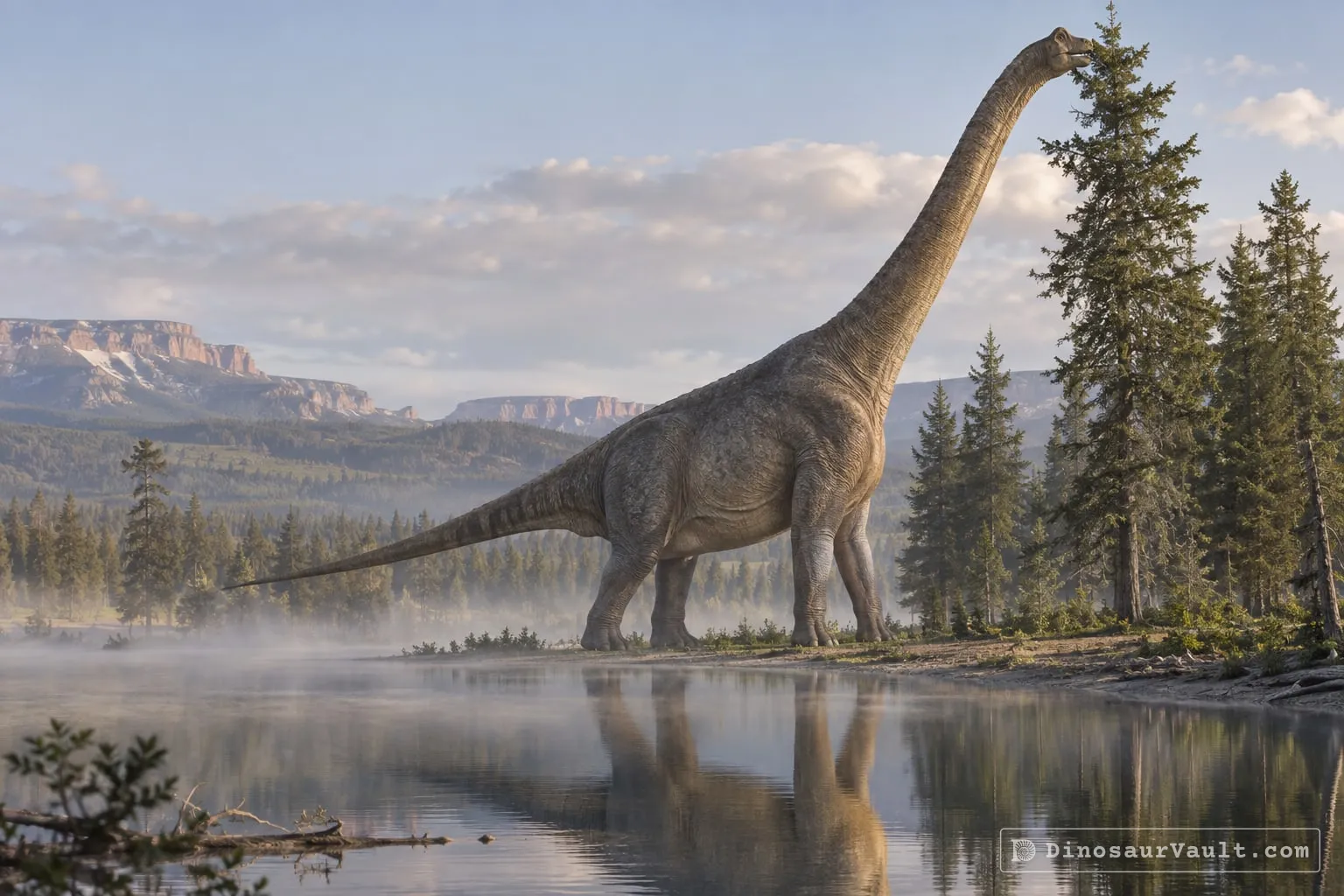
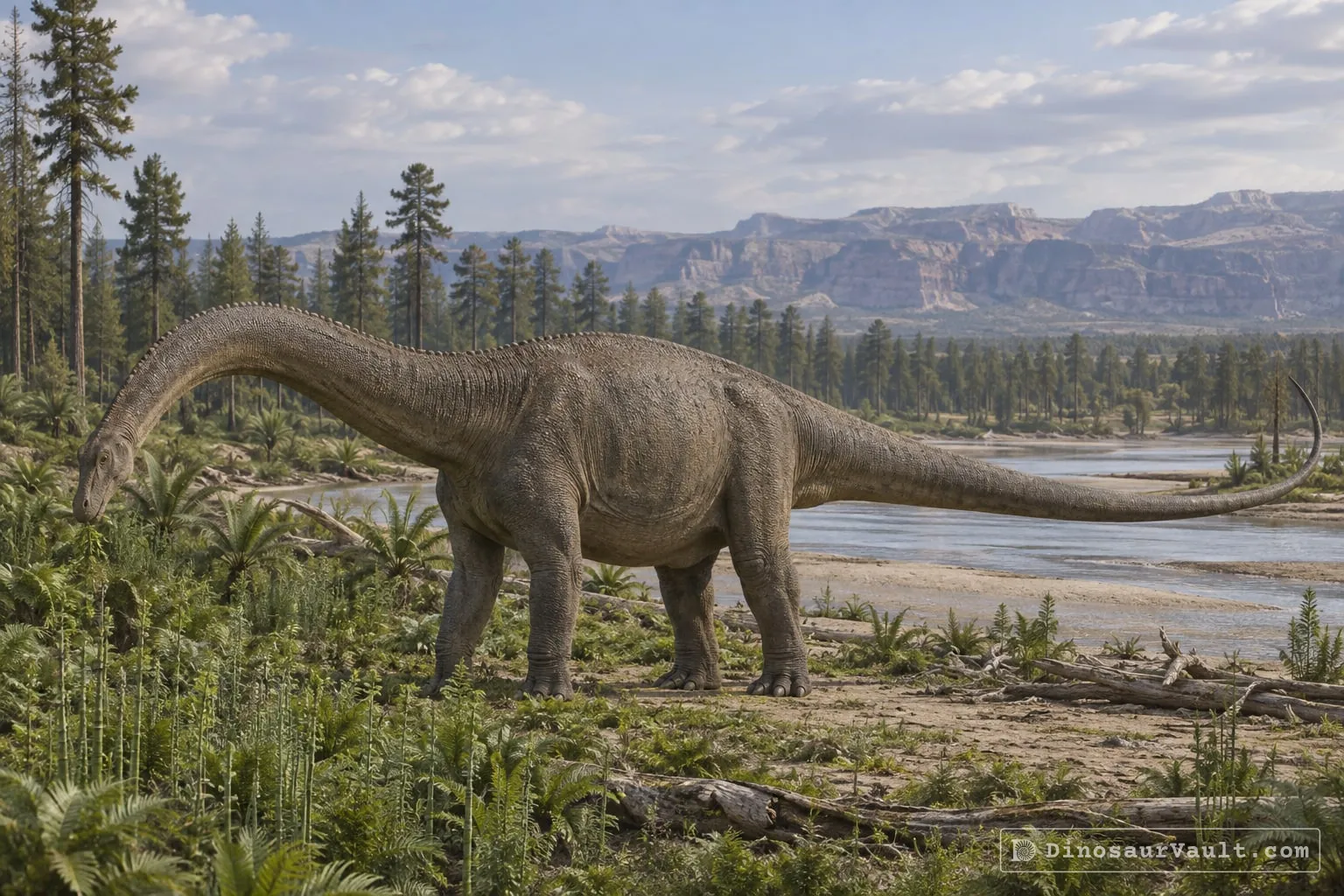
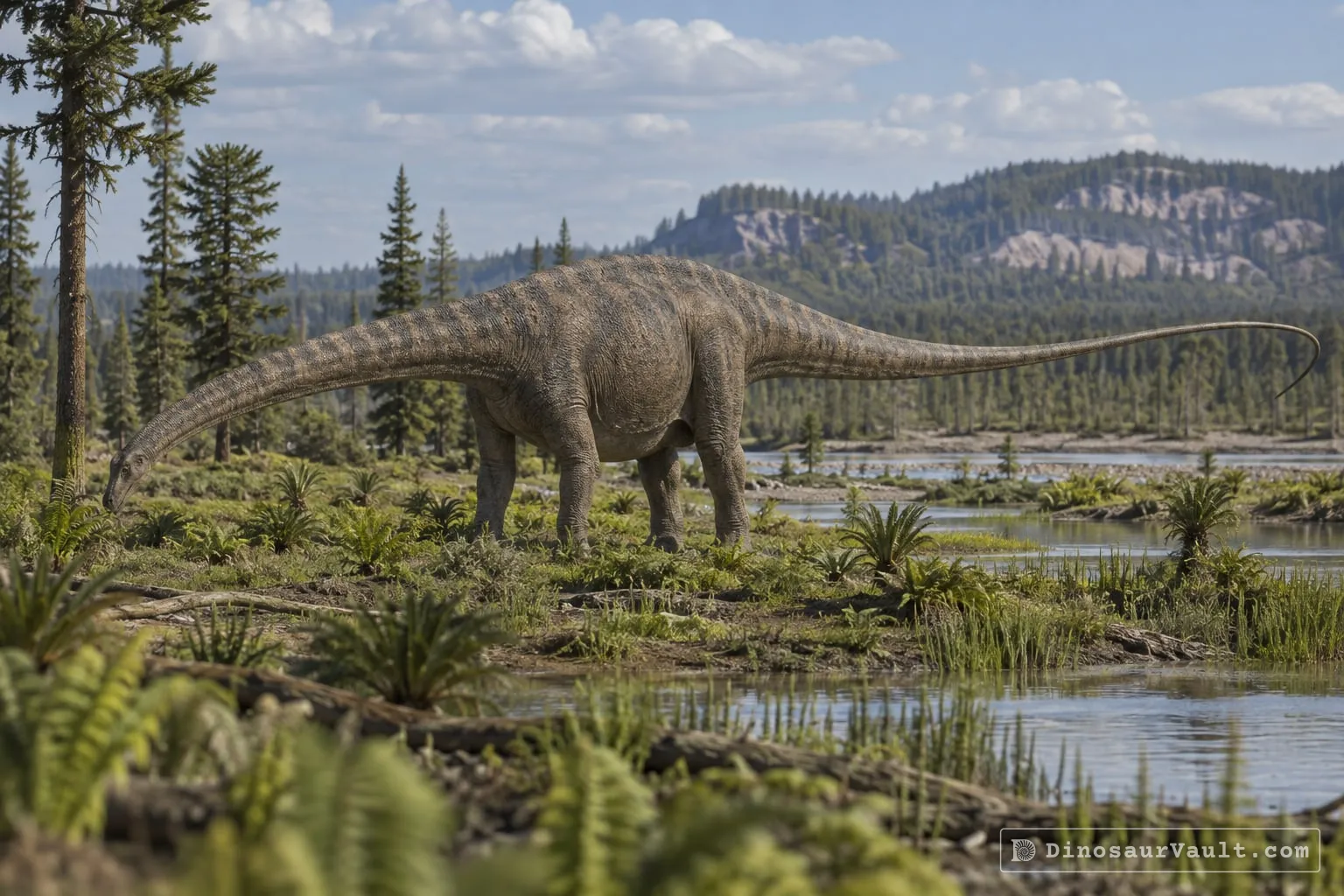
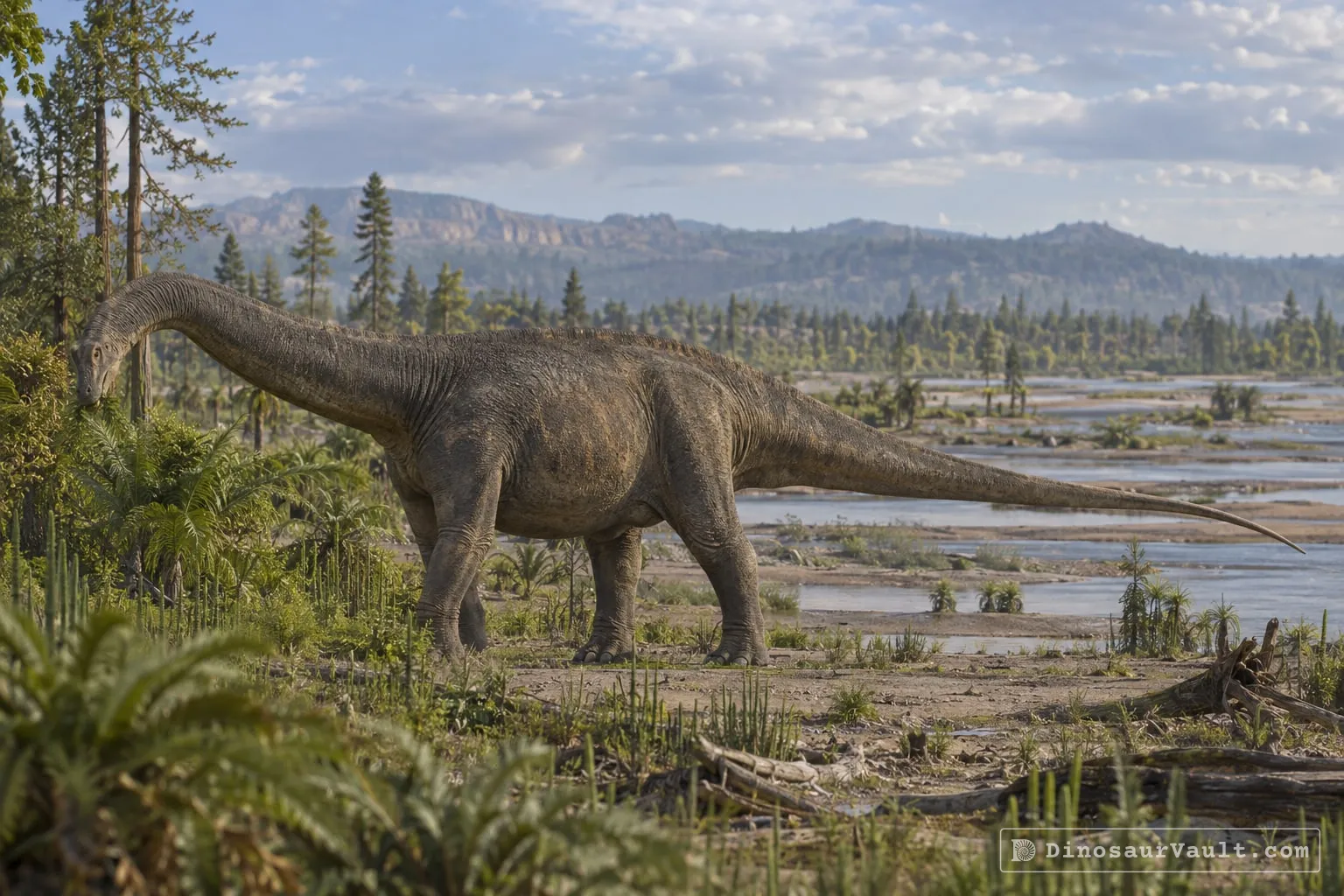


A rock formation can hold fossils laid down millions of years apart, so not every animal here met Torvosaurus.
The evidence
The science behind Torvosaurus
Which parts of the picture come from its own bones, and which come from its relatives.
From its own fossils
- Skull and jaw bones show a deep snout and long, serrated teeth.
- Arm bones show powerful forearms and clawed hands with three fingers.
- Eggs from Portugal contain embryonic bones assigned to Torvosaurus.
Borrowed from relatives
- Missing parts of the skeleton are restored by comparison with Megalosaurus and other megalosaurids.
- Lips covering the teeth follow comparisons with other large theropods and living lizards.
Still unknown
- The full body proportions of a young Torvosaurus.
- Its color and the covering of its skin.
- Whether adults cared for eggs or young.
Often drawn wrong
- Its hands faced inward; turning the palms toward the ground gives the wrists an impossible pose.
- A closed mouth probably concealed its teeth beneath lips.
Discovery timeline
- 1979Named itGalton & Jensen
- 2014New findHendrickx & Mateus
- 2023SkinCullen et al.
Key papers
The research behind what we know of Torvosaurus
Named it
Introduced a large Jurassic predator from Colorado, with unusually powerful arms.
A new large theropod dinosaur from the Upper Jurassic of Colorado. Brigham Young University Geology Studies 26: 1-12
No link available
New find
Named a Portuguese species from an upper jaw whose tooth count and internal structure differ from the American species.
Torvosaurus gurneyi n. sp., the Largest Terrestrial Predator from Europe, and a Proposed Terminology of the Maxilla Anatomy in Nonavian Theropods. PLoS ONE 9: e88905
Read the paper : Torvosaurus gurneyi n. sp., the Largest Terrestrial Predator from Europe, and a Proposed Terminology of the Maxilla Anatomy in Nonavian Theropods (opens in a new tab)Skin
Tooth wear and skull comparisons support lips that covered the teeth of large theropods when their mouths were closed.
Theropod dinosaur facial reconstruction and the importance of soft tissues in paleobiology. Science 379: 1348-1352
Read the paper : Theropod dinosaur facial reconstruction and the importance of soft tissues in paleobiology (opens in a new tab)
Close relatives
Other members of Megalosauridae


Sources: Wikidata