Brachiosaurus
BRAK-ee-oh-SORE-us
"arm lizard"
Type species Brachiosaurus altithorax
- Lived
- 155 to 143 million years ago, Late Jurassic
- Diet
- Herbivore
- Length
- about 21 m (69 ft)
- Group
- Sauropods, Brachiosauridae
- Found in
- United States
- Named by
- Riggs 1903
Size comparison
To scale
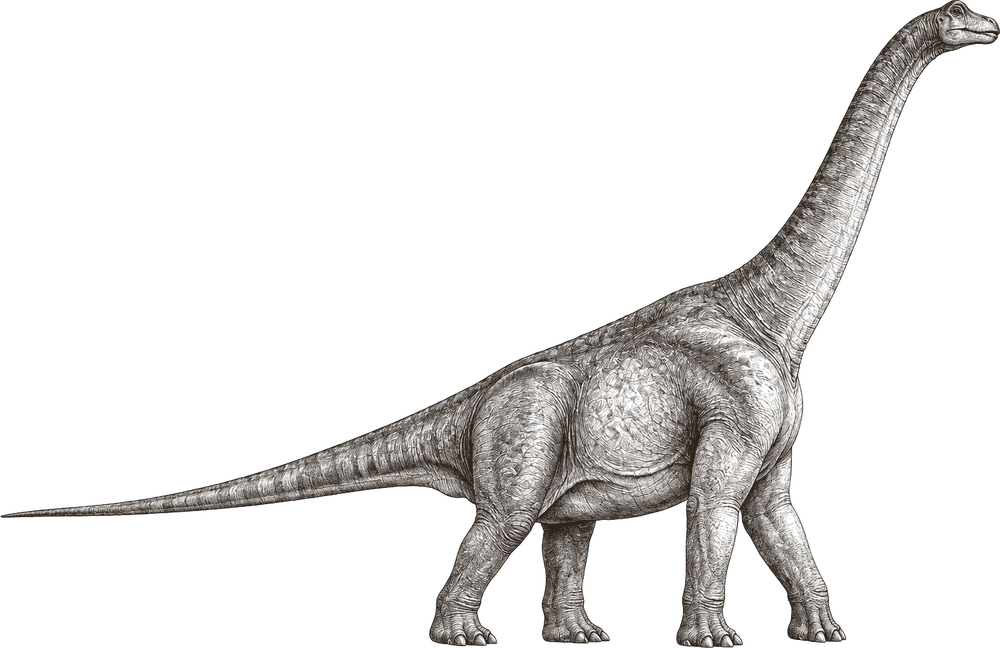


Scale in meters
Where its fossils were found
The evidence
Today

150 million years ago
Also reported from Zimbabwe.
Habitat
Rivers crossed broad floodplains in the Morrison Formation landscape, where conifers, ferns and horsetails grew. Stegosaurus, Camptosaurus and Brontosaurus shared this world.
Field notes
About Brachiosaurus
What it was like
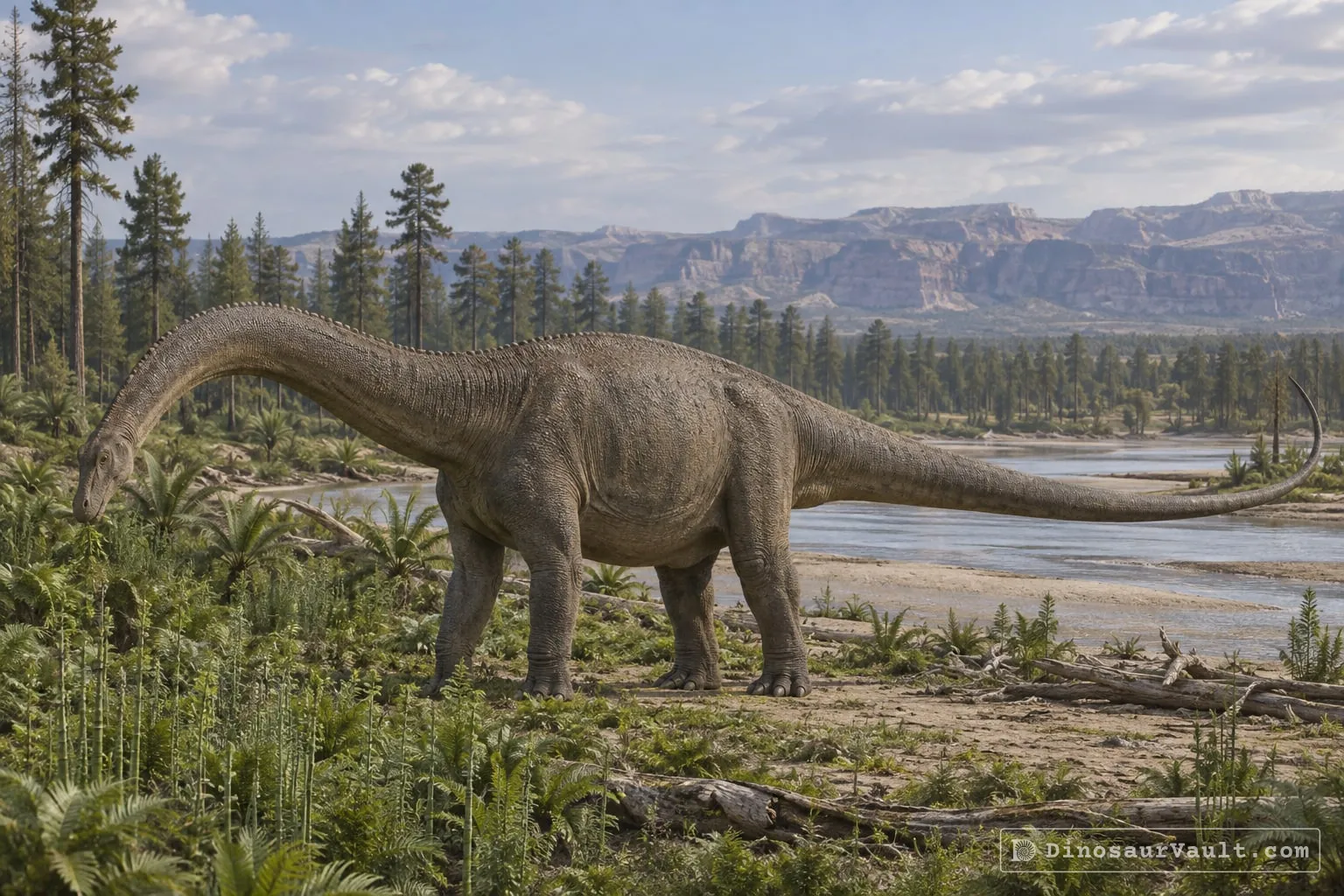
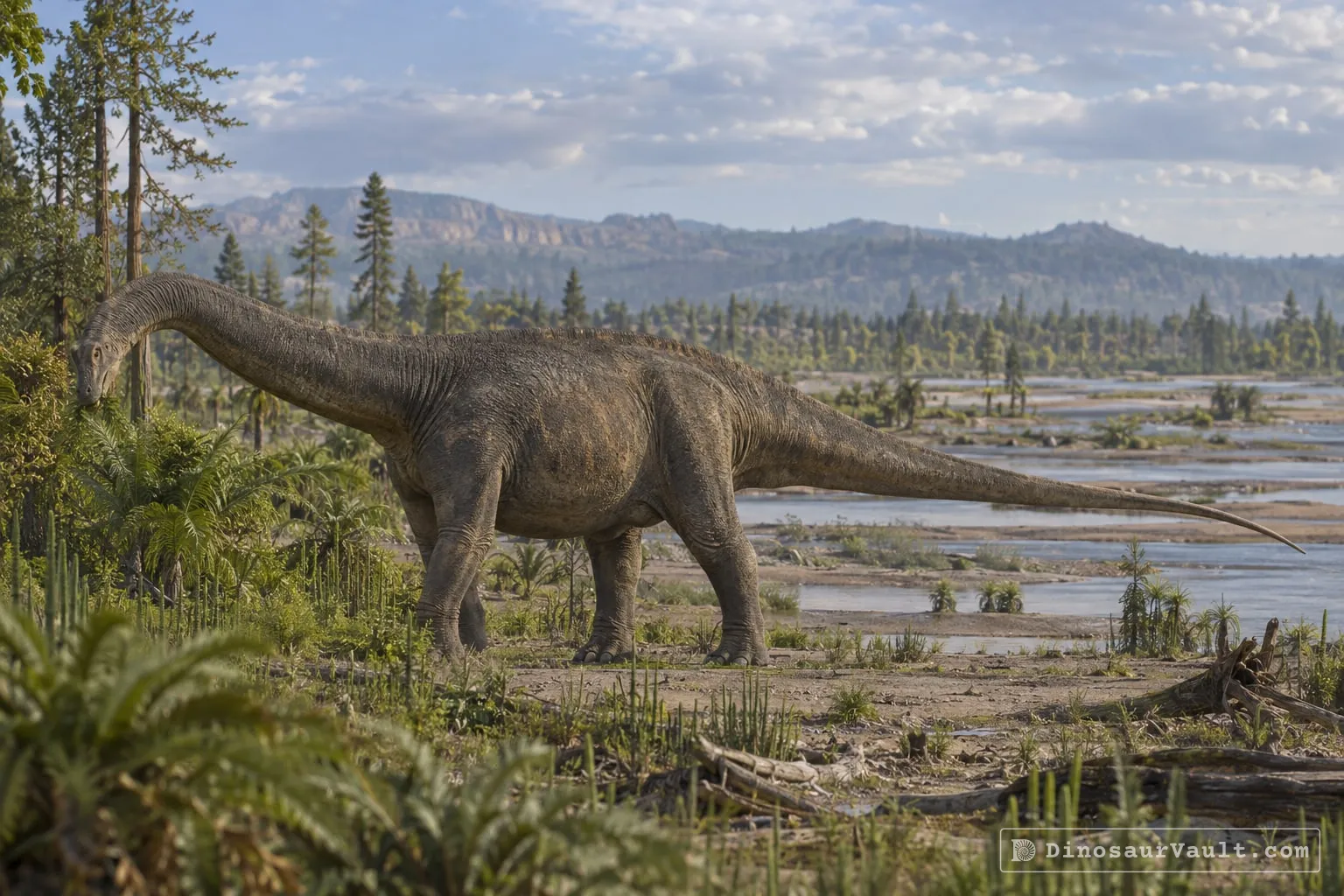
Brachiosaurus was a giant plant eater with a long neck and a small head. Unlike most sauropods, its front legs were longer than its back legs, which gave its back a steep, sloped shape. It grew up to about 21 meters (69 feet) long.
Its long neck let it reach leaves high up in trees that shorter plant eaters could not touch. Brachiosaurus was not built for rearing up on its hind legs the way some other sauropods may have been.
Its world
Brachiosaurus lived from about 155 to 143 million years ago, spanning the Late Jurassic and Early Cretaceous, in what is now the western United States, with possible fossils also reported from Zimbabwe. Its bones come from the Morrison Formation, alongside Stegosaurus, Allosaurus, Diplodocus, and Apatosaurus.
How it was found
Riggs named Brachiosaurus in 1903, choosing a name that means arm lizard for its long forelimbs. Only about 11 fossil finds of the genus are known, so it remains one of the rarer sauropods of its time and place, and much about its life is still uncertain.
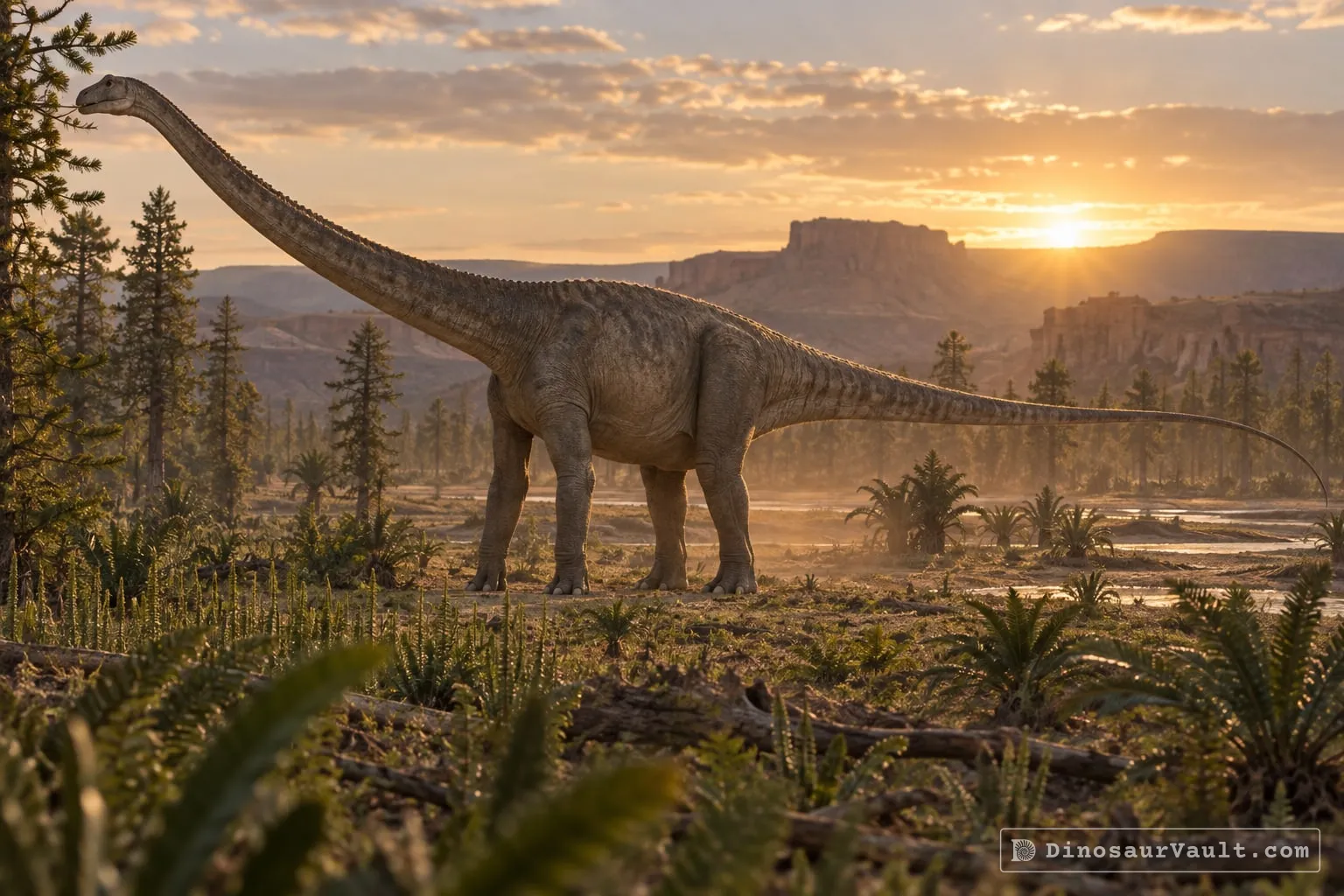
Field gallery
More views of Brachiosaurus
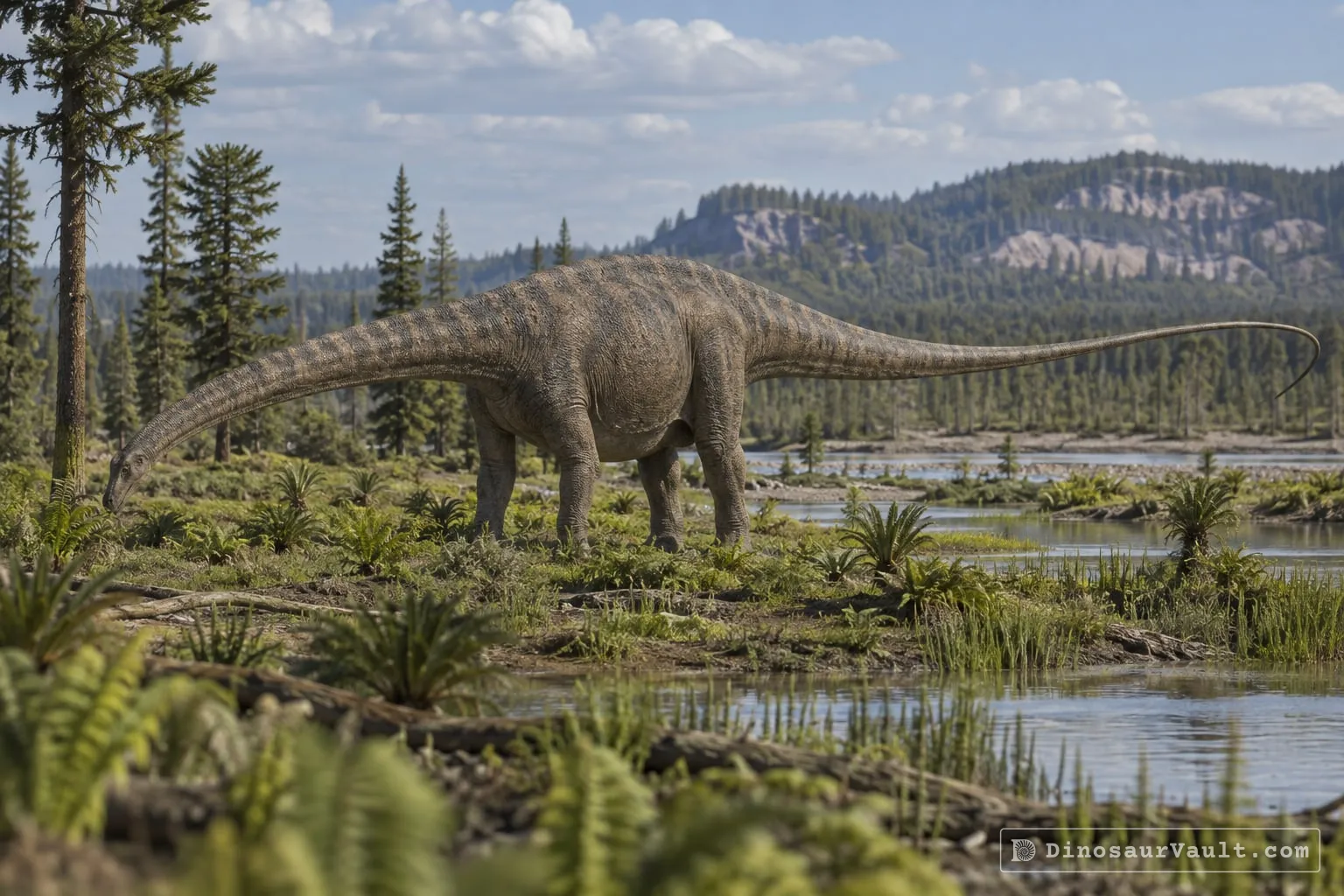
Scenes reconstructed from the available fossil evidence.
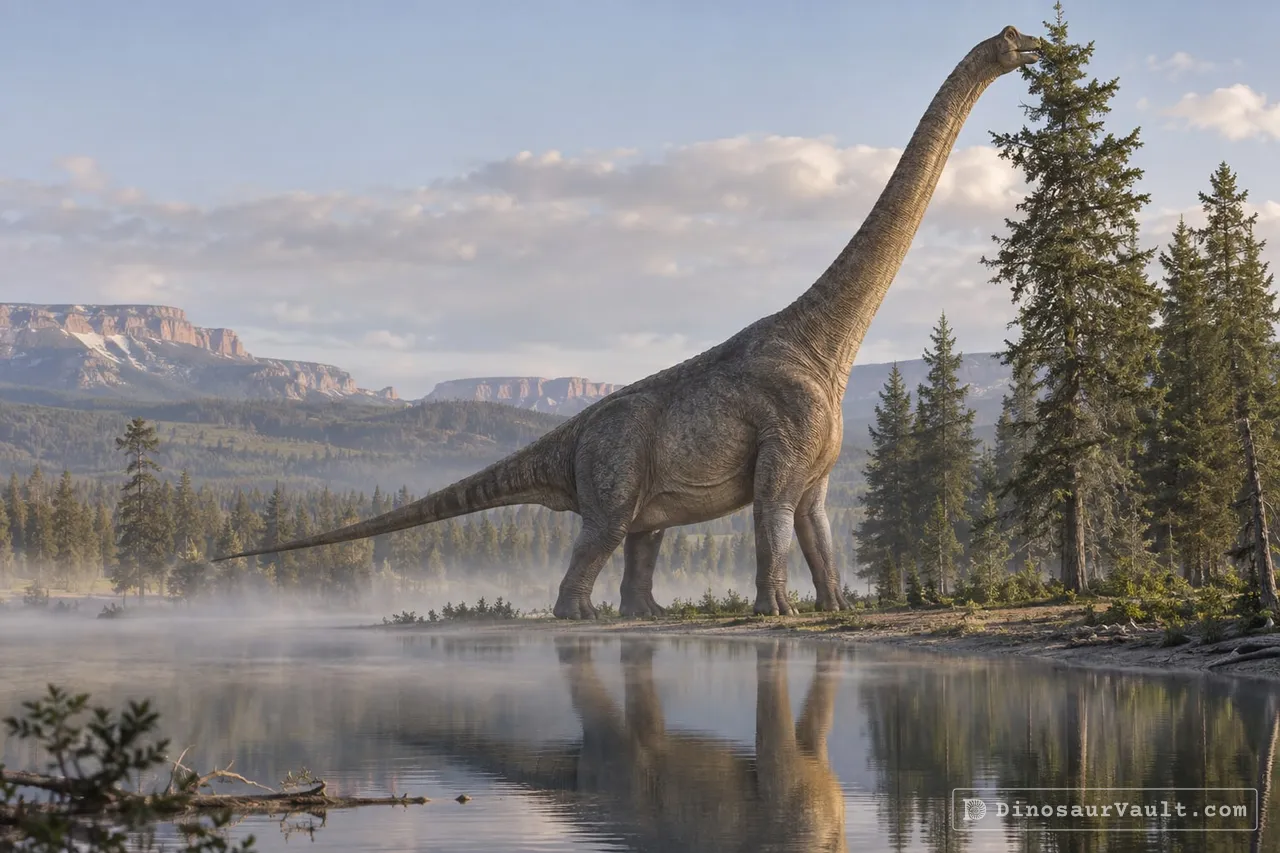
1 of 7
Lived alongside
Found in the same rock formations
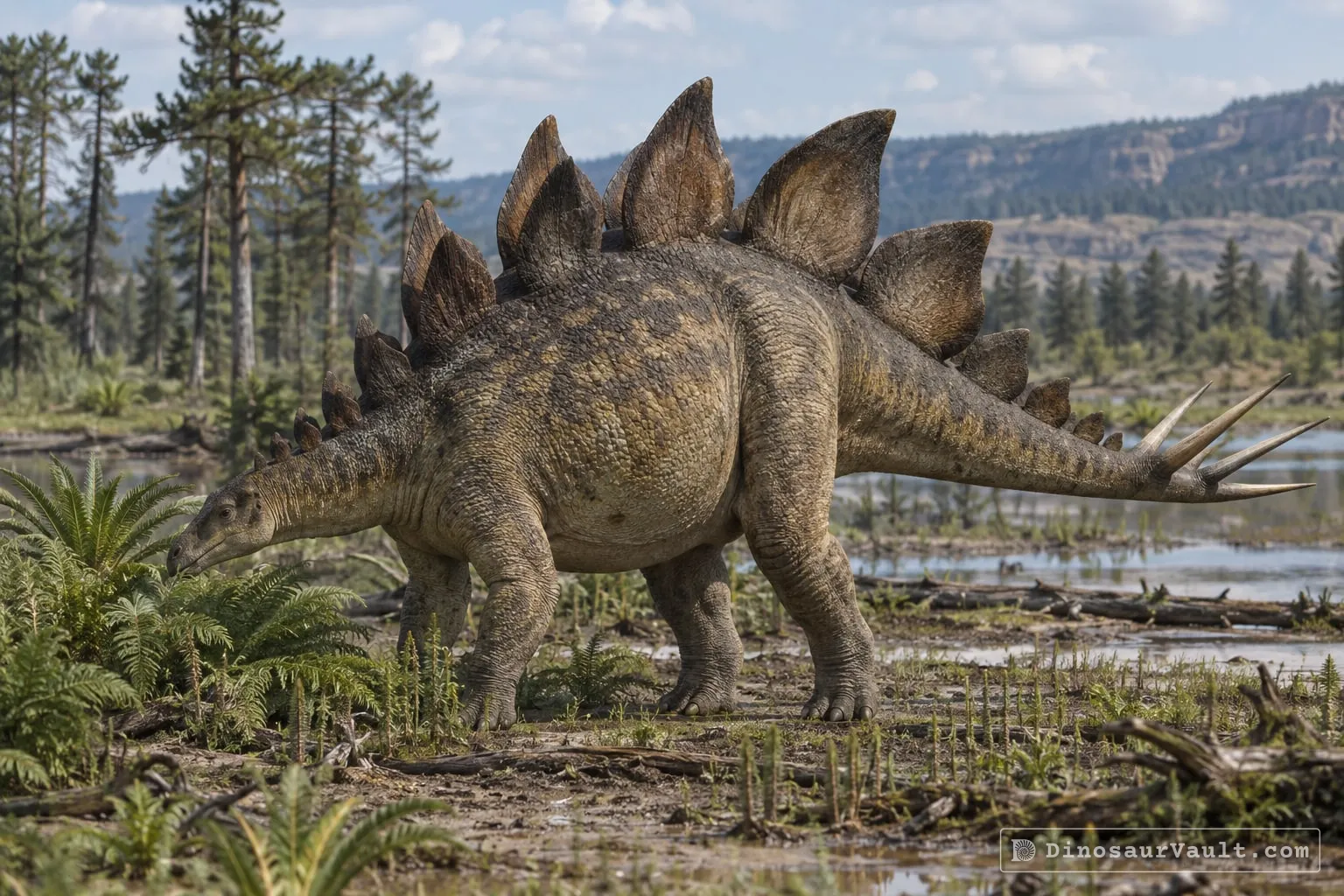
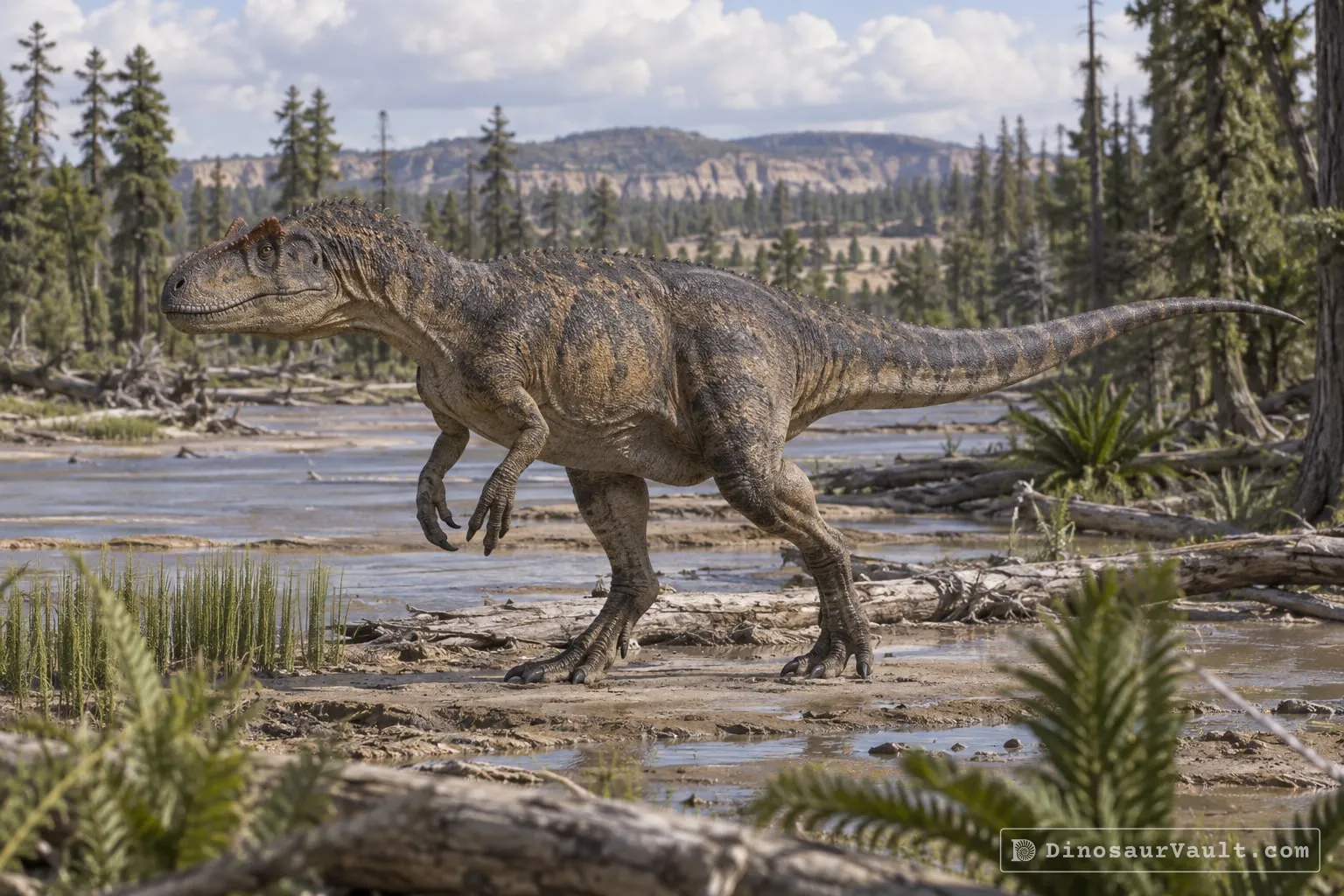
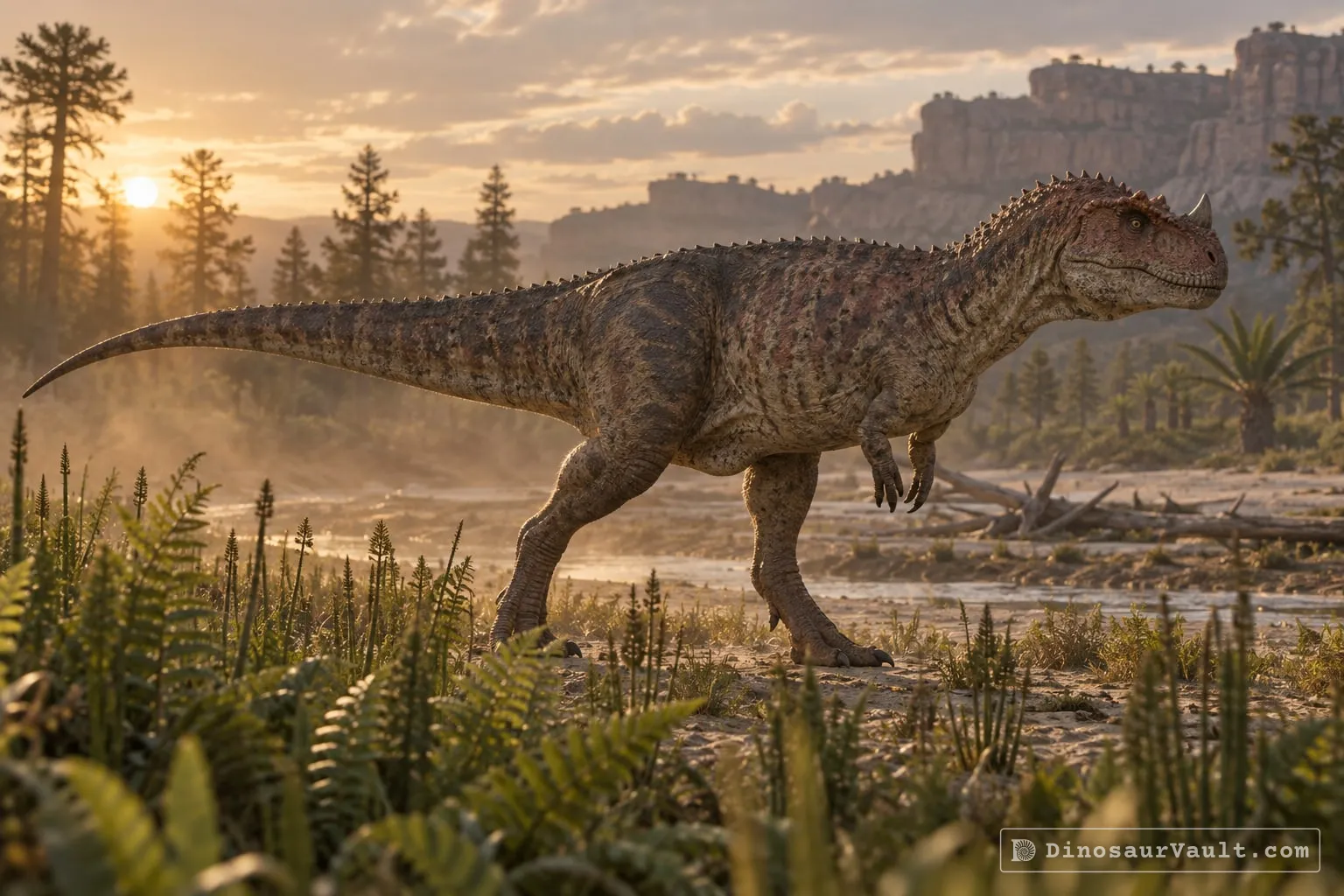
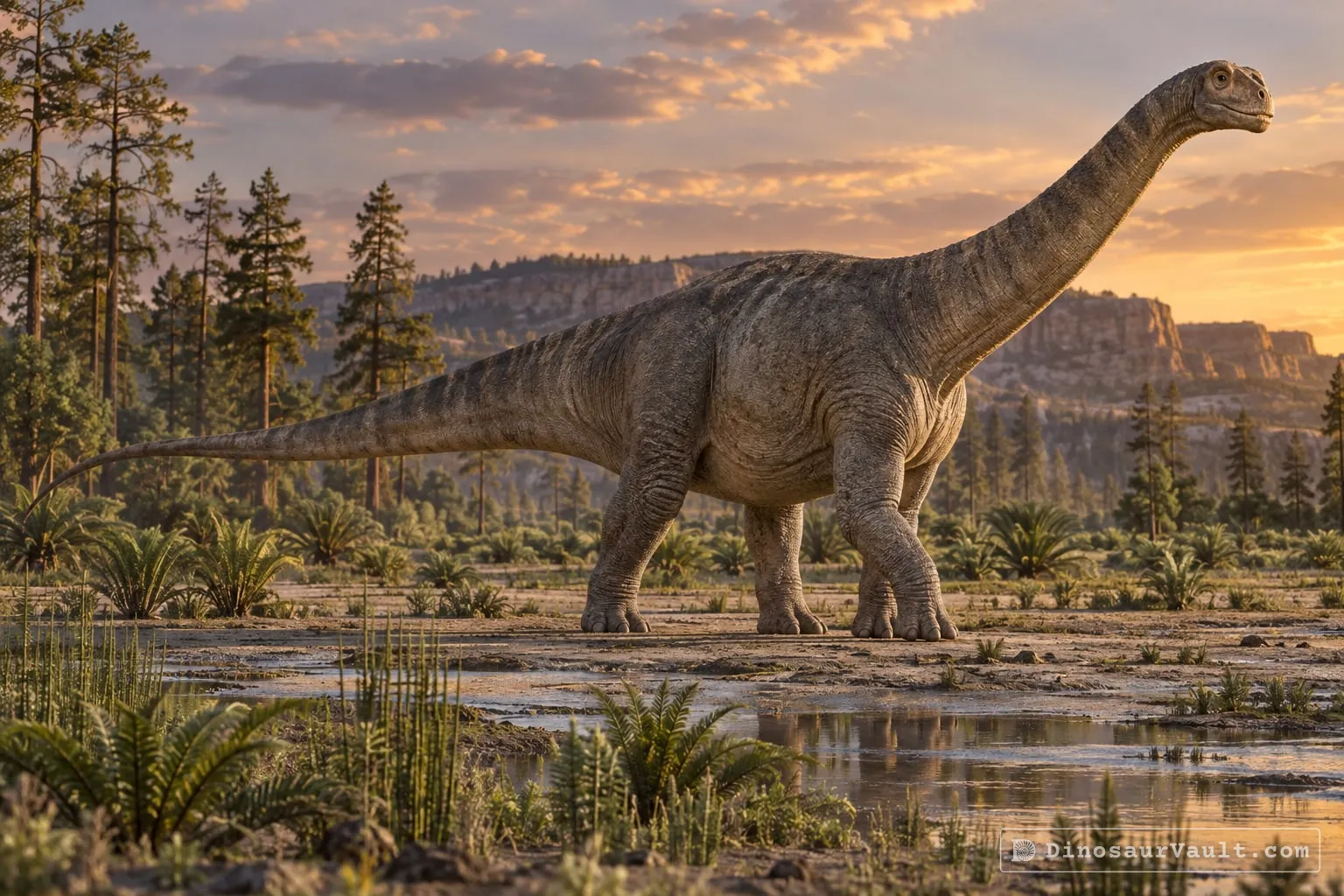


A rock formation can hold fossils laid down millions of years apart, so not every animal here met Brachiosaurus.
The evidence
The science behind Brachiosaurus
Which parts of the picture come from its own bones, and which come from its relatives.
From its own fossils
- The original partial skeleton preserves trunk vertebrae, ribs, hip bones and large limb bones.
- Its long upper arm bones support a high-shouldered body with forelimbs longer than the hindlimbs.
Borrowed from relatives
- Giraffatitan and other brachiosaurids help fill gaps in the neck, skull and feet.
- Scaly skin is inferred from skin preserved in other sauropods.
Still unknown
- The exact outline of its head and the soft tissues around its nose.
- Whether the small juvenile brachiosaurid skeleton belongs to Brachiosaurus or a close relative.
- Its color and whether it traveled in herds.
Often drawn wrong
- Many familiar reconstructions borrow the head and body of Giraffatitan, which is a separate genus.
- Its compact front feet were weight-bearing columns, rather than elephant feet with a row of exposed toenails.
Discovery timeline
- 1903Named itRiggs
- 2001SkullWitmer
- 2009Full descriptionTaylor
- 2012Growing upCARBALLIDO et al.
- 2019SkullD'Emic & Carrano
Key papers
The research behind what we know of Brachiosaurus
Named it
Named Brachiosaurus from a partial skeleton with unusually long forelimbs, giving the genus a name meaning arm lizard.
Brachiosaurus altithorax, the largest known dinosaur. American Journal of Science s4-15: 299-306
Read the paper : Brachiosaurus altithorax, the largest known dinosaur (opens in a new tab)Skull
Comparisons with living animals placed fleshy dinosaur nostrils toward the front of their bony openings, changing familiar sauropod faces.
Nostril Position in Dinosaurs and Other Vertebrates and Its Significance for Nasal Function. Science 293: 850-853
Read the paper : Nostril Position in Dinosaurs and Other Vertebrates and Its Significance for Nasal Function (opens in a new tab)Full description
Compared the original skeleton with Giraffatitan and found enough anatomical differences to keep them in separate genera.
A re-evaluation ofBrachiosaurus altithoraxRiggs 1903 (Dinosauria, Sauropoda) and its generic separation fromGiraffatitan brancai(Janensch 1914). Journal of Vertebrate Paleontology 29: 787-806
Read the paper : A re-evaluation ofBrachiosaurus altithoraxRiggs 1903 (Dinosauria, Sauropoda) and its generic separation fromGiraffatitan brancai(Janensch 1914) (opens in a new tab)Growing up
Reidentified a small juvenile sauropod as a brachiosaurid, possibly Brachiosaurus, and traced changes in its vertebrae during growth.
New information on a juvenile sauropod specimen from the Morrison Formation and the reassessment of its systematic position. Palaeontology 55: 567-582
Read the paper : New information on a juvenile sauropod specimen from the Morrison Formation and the reassessment of its systematic position (opens in a new tab)Skull
Restudied skull and body bones attributed to Brachiosaurus, clarifying its anatomy and differences from Giraffatitan.
Redescription of Brachiosaurid Sauropod Dinosaur Material From the Upper Jurassic Morrison Formation, Colorado, USA. The Anatomical Record 303: 732-758
Read the paper : Redescription of Brachiosaurid Sauropod Dinosaur Material From the Upper Jurassic Morrison Formation, Colorado, USA (opens in a new tab)
Close relatives
Other members of Brachiosauridae


Sources: Wikidata