Apatosaurus
uh-PAT-uh-SORE-us
"deceptive lizard"
- Lived
- 155 to 143 million years ago, Late Jurassic
- Diet
- Herbivore
- Length
- about 22 m (72 ft)
- Group
- Sauropods, Diplodocidae
- Found in
- United States
- Named by
- Marsh 1877
Size comparison
To scale
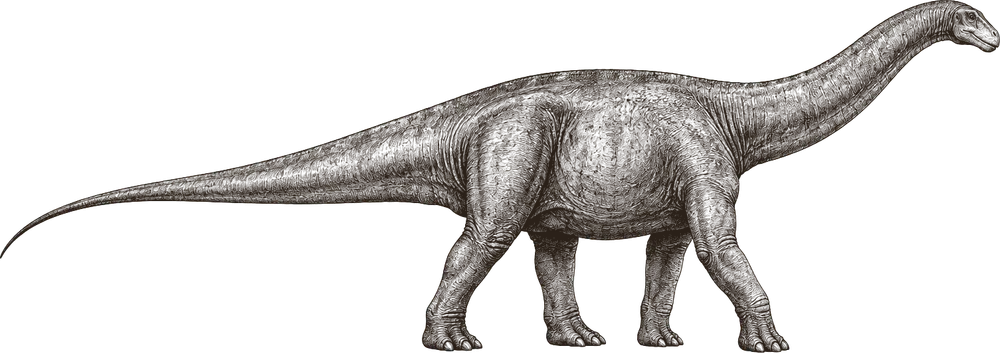


Scale in meters
Where its fossils were found
The evidence
Today

150 million years ago
Habitat
Rivers crossed the muddy Morrison floodplains of Wyoming, with conifers, ferns and horsetails. Stegosaurus, Camarasaurus and Barosaurus inhabited the region.
Field notes
About Apatosaurus
A heavier relative
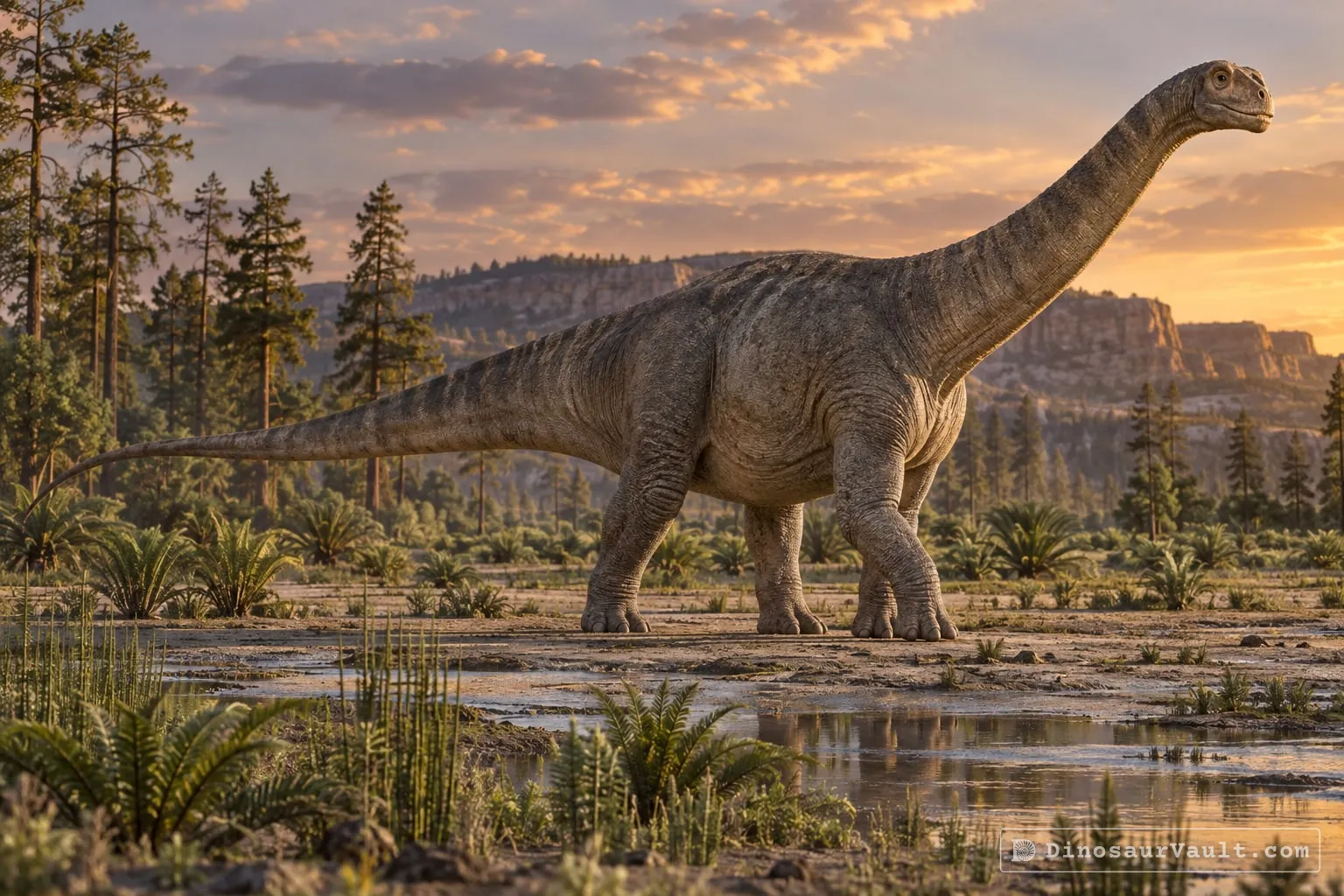
Apatosaurus was a massive, long-necked plant-eater built like a heavier version of Diplodocus, with much stockier leg bones and a thicker, more heavily built neck. It grew to roughly 22 meters, about 72 feet, long, likely making it one of the heaviest animals ever to walk on land. It walked on four thick, column-like legs and held its long tail off the ground rather than dragging it. Like its relatives, it had a small head and peg-like teeth suited to stripping leaves rather than chewing them.
Its world
Apatosaurus lived in the Late Jurassic, between about 155 and 143 million years ago, across what is now Wyoming, Colorado, Utah, Oklahoma, Montana, and New Mexico. Its bones come from the Morrison Formation, alongside 60 separate finds attributed to the genus. It shared this world with the sauropods Brontosaurus, Diplodocus, Brachiosaurus, and Camarasaurus, the plated Stegosaurus, and predators including Allosaurus, Ceratosaurus, and Torvosaurus.
A name shared with a neighbor
Marsh named Apatosaurus in 1877, two years before he named Brontosaurus. For most of the twentieth century, paleontologists treated the two as the same animal, with Apatosaurus as the valid name and Brontosaurus set aside as a synonym. A later study of sauropod skeletons argued the two were different enough to count as separate genera after all, placing them together in the small group Apatosaurinae. The debate has not fully settled, and some scientists still prefer treating Brontosaurus as part of Apatosaurus.
Field gallery
More views of Apatosaurus
Scenes reconstructed from the available fossil evidence.
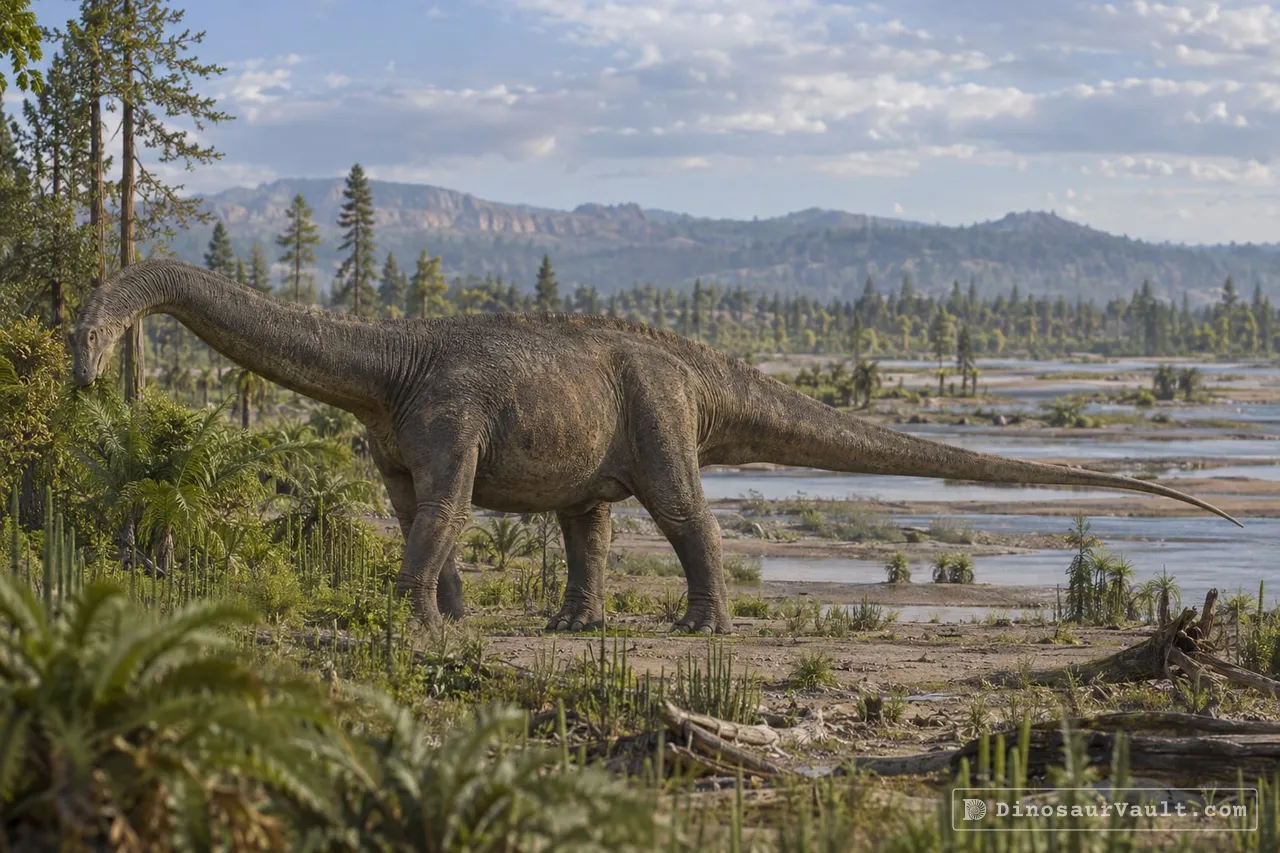
1 of 7
Lived alongside
Found in the same rock formations
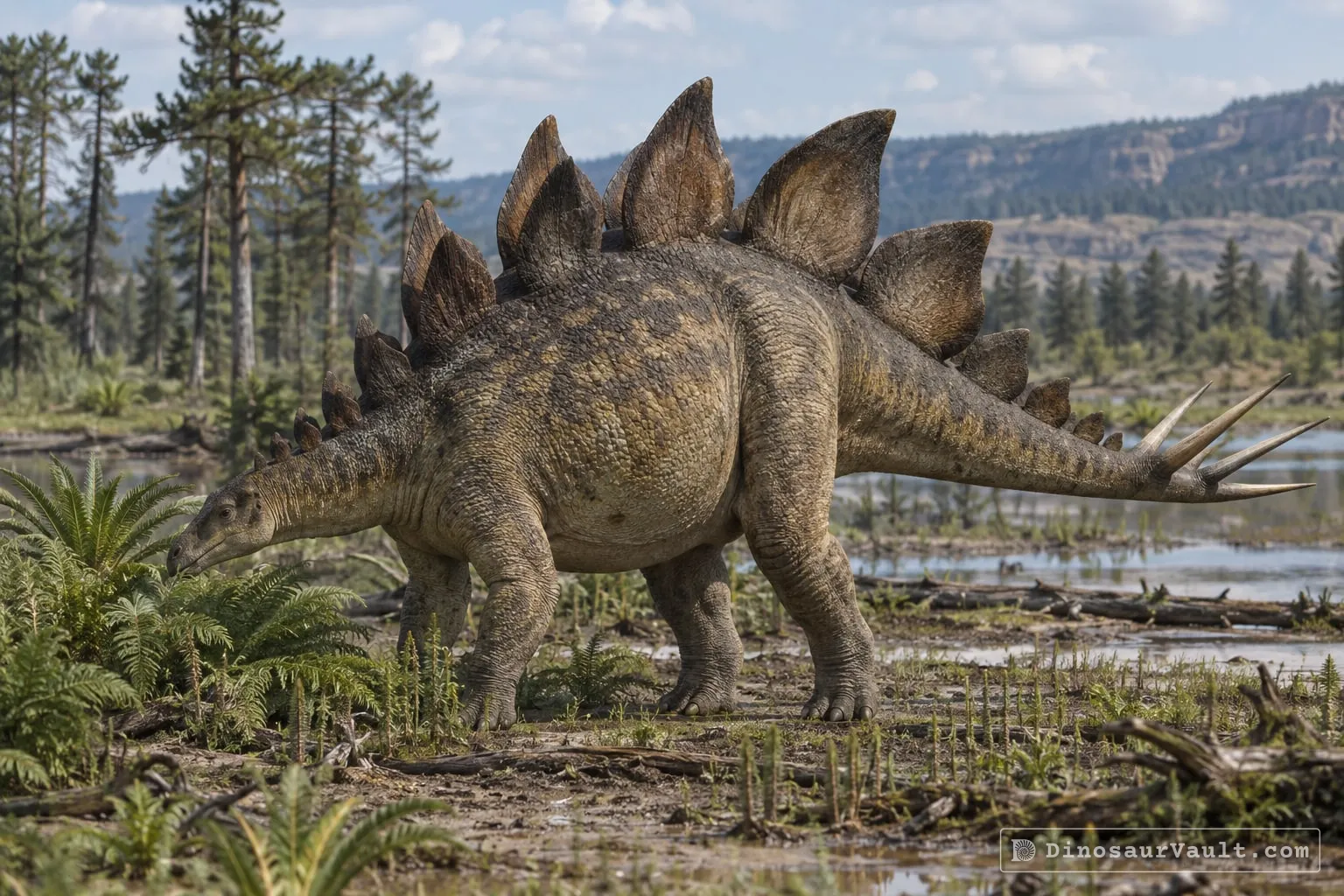
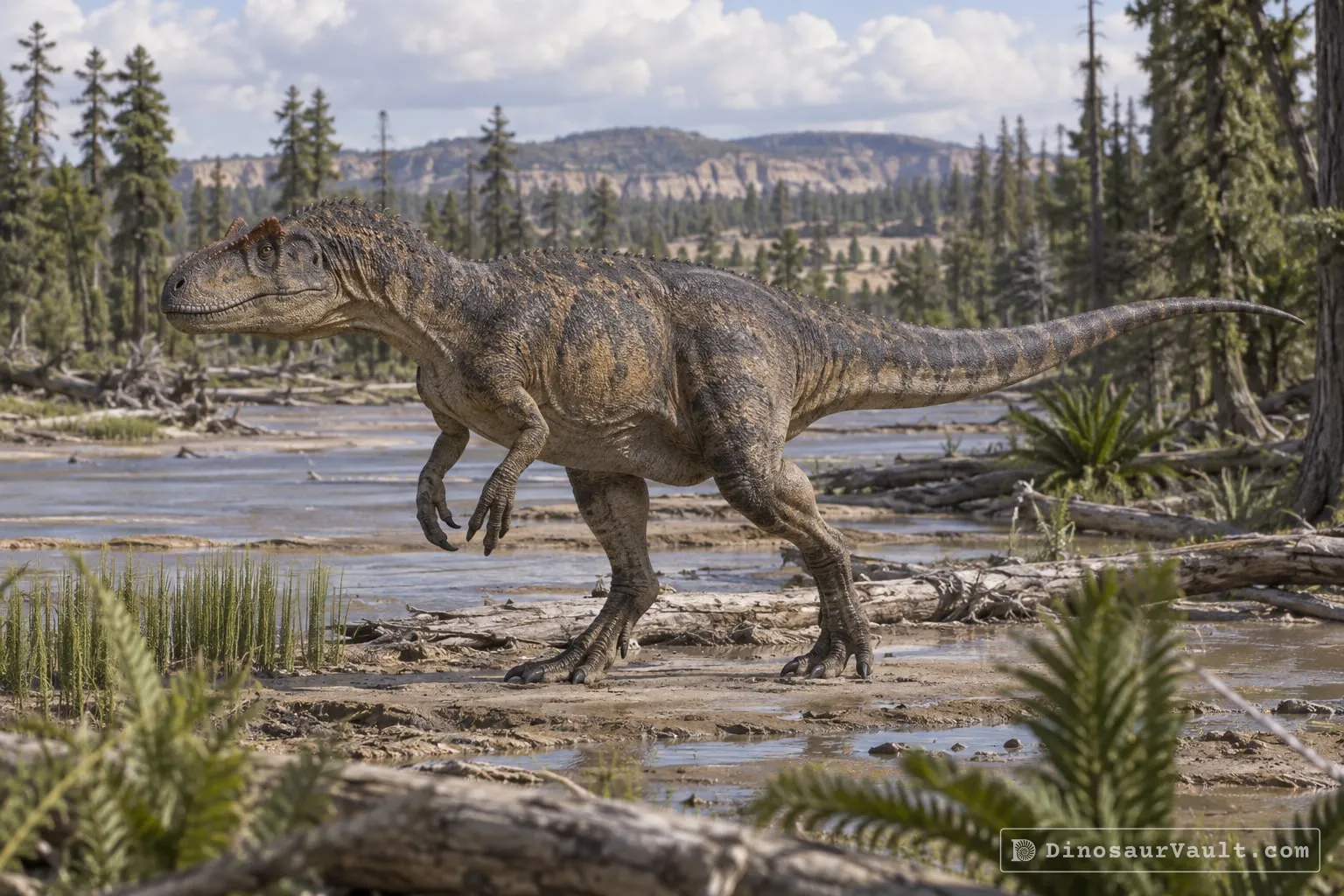
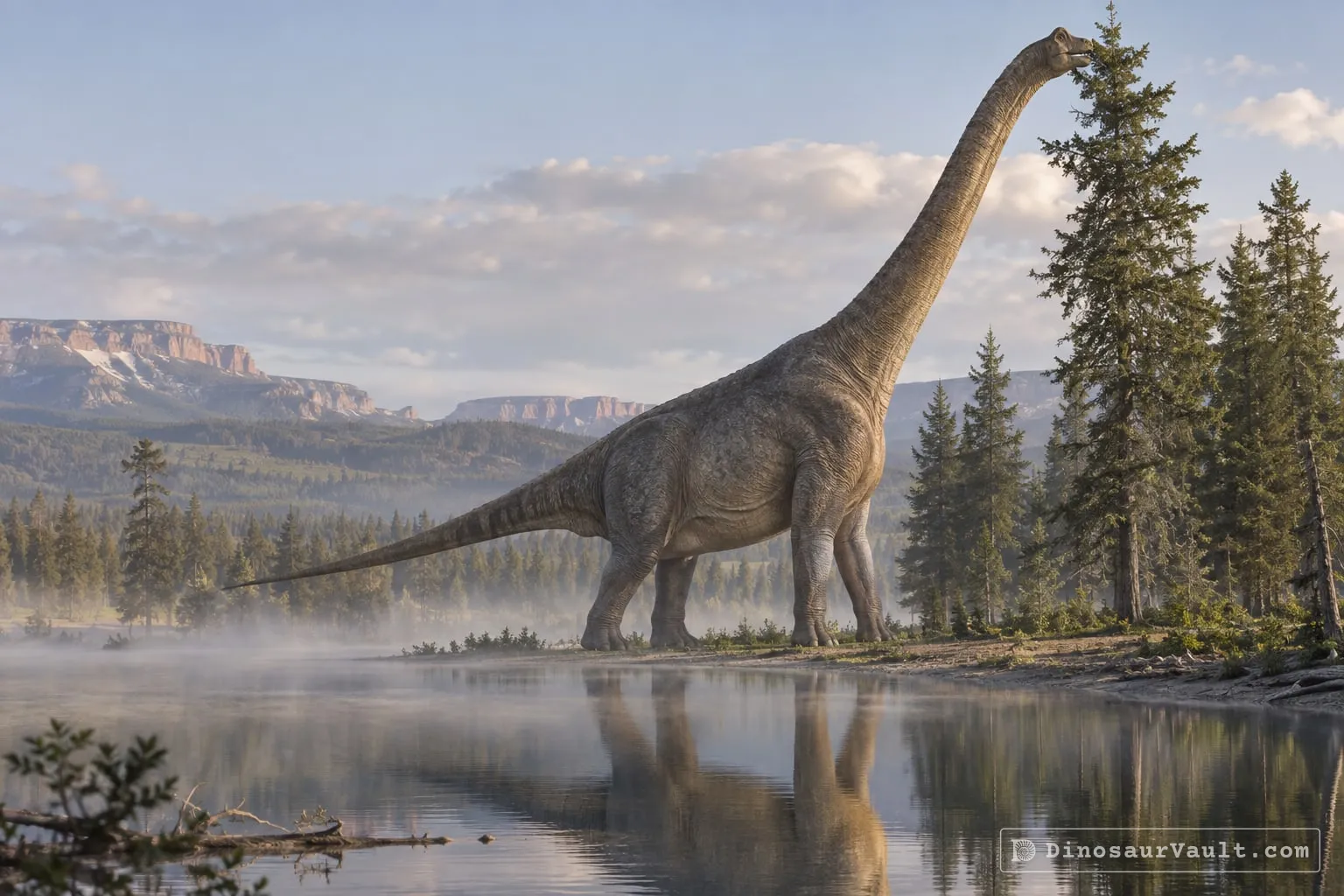
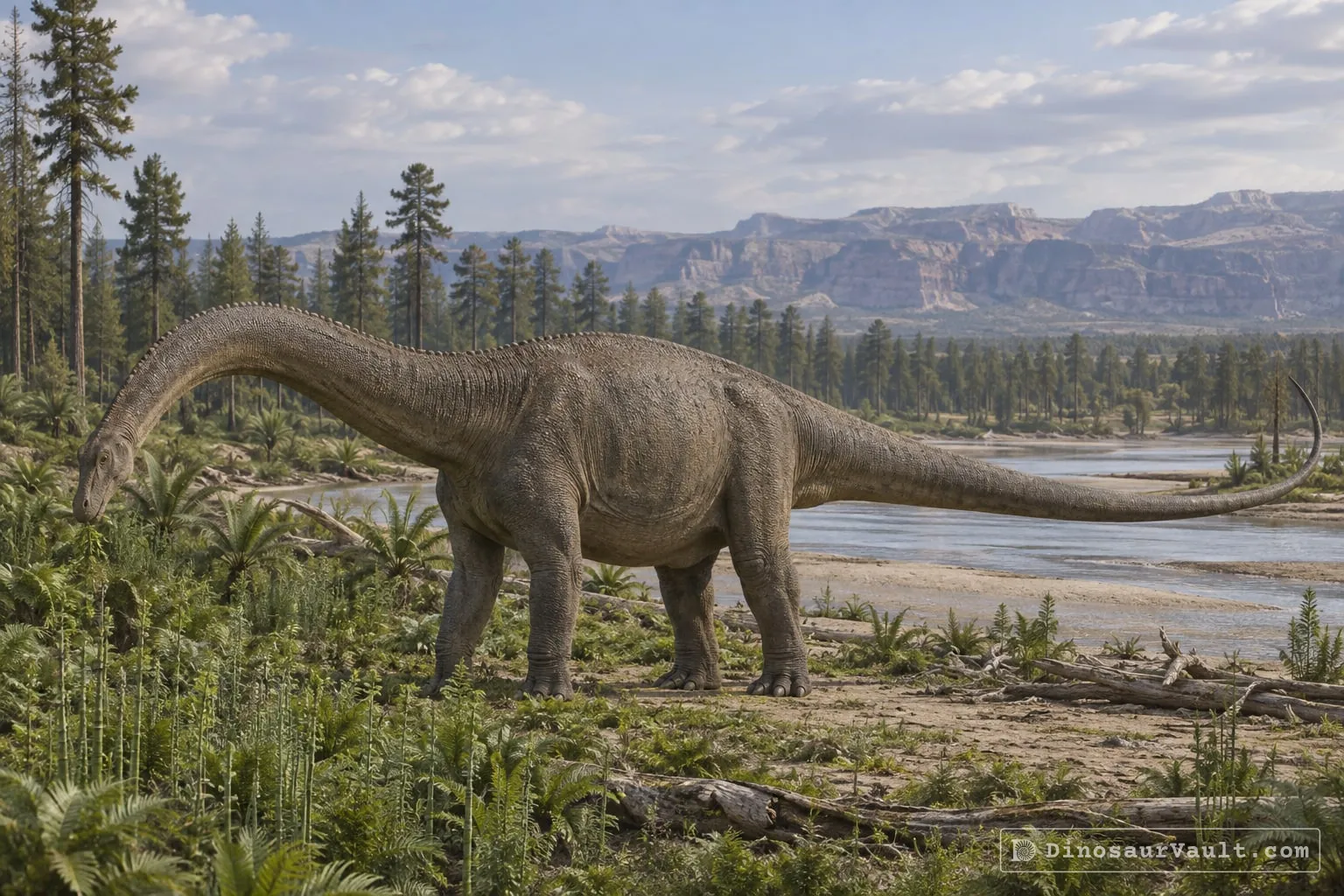
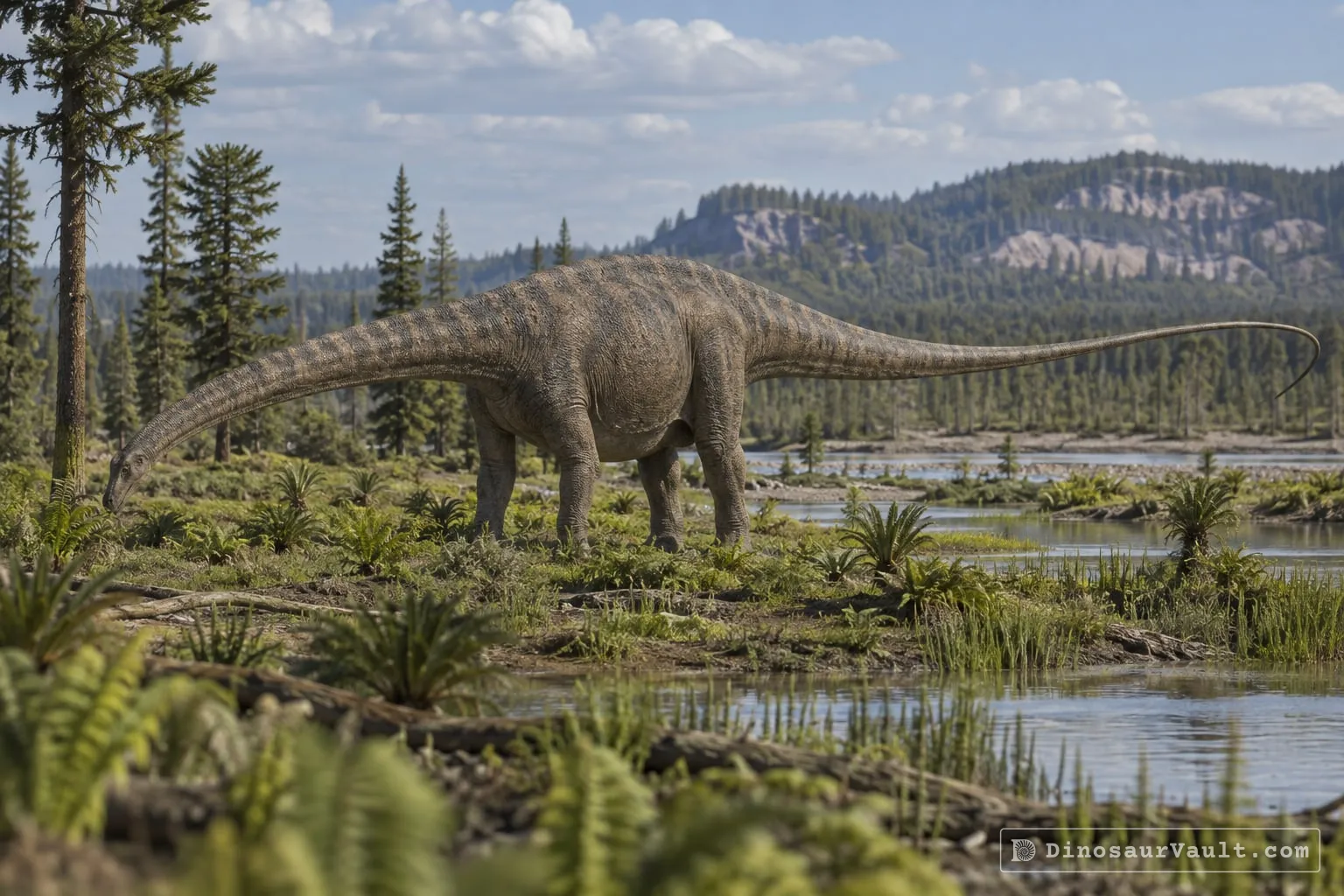
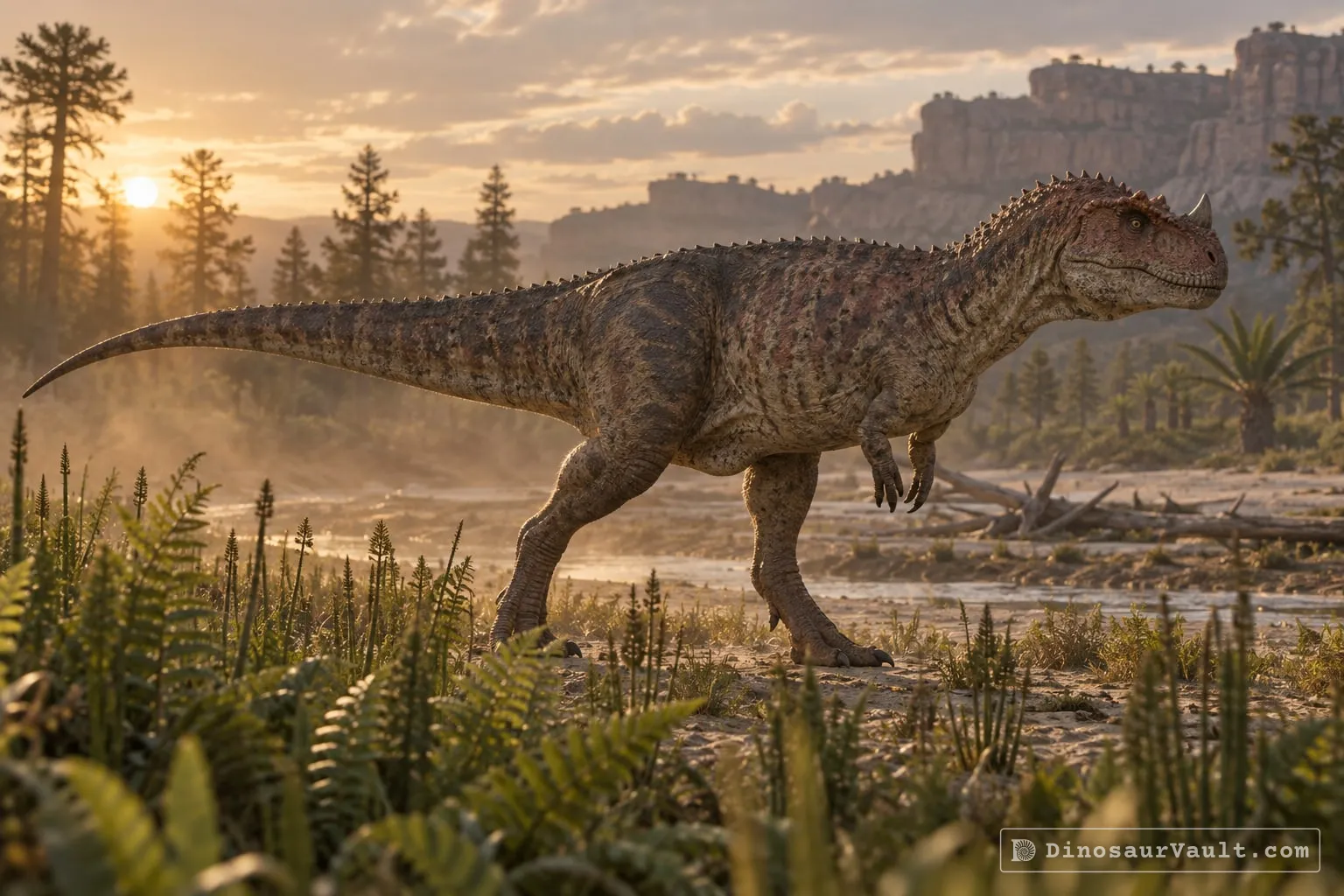
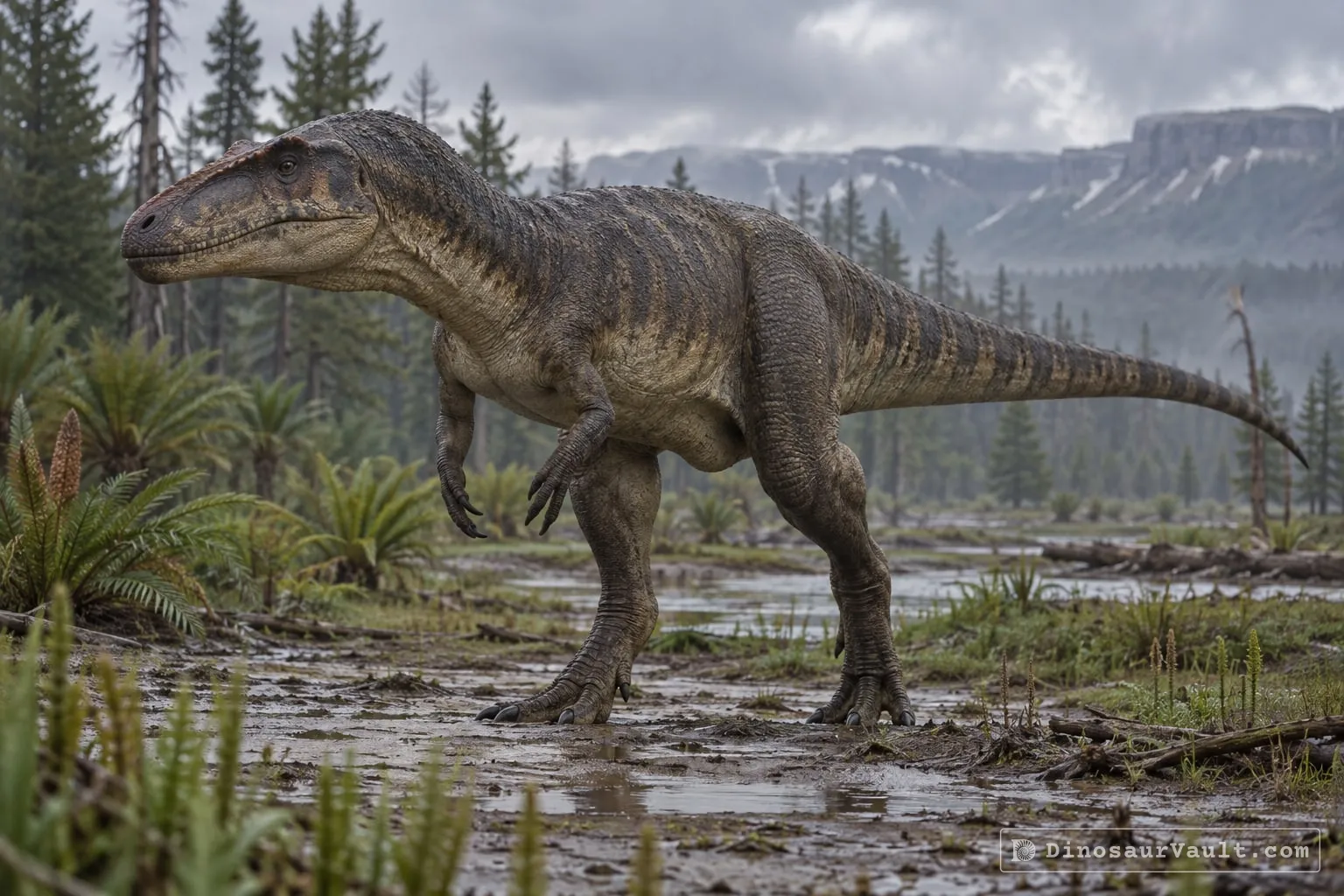


A rock formation can hold fossils laid down millions of years apart, so not every animal here met Apatosaurus.
The evidence
The science behind Apatosaurus
Which parts of the picture come from its own bones, and which come from its relatives.
From its own fossils
- Skeletons show a deep trunk, thick neck bones and stout limbs supporting a heavy body.
- Skulls show a small, low head with slender teeth, rather than the deep skull of Camarasaurus.
- The long tail narrows toward its tip and balanced the front of the body.
Borrowed from relatives
- Very little of the skeleton needs borrowing: its own fossils show almost the whole body.
- Missing bones in individual skeletons can be compared with Brontosaurus and Diplodocus.
Still unknown
- The species identity of some Wyoming skeletons.
- The complete appearance of its young and whether adults cared for them.
- Its color, skin details and usual neck position.
Often drawn wrong
- Older mounts gave it a deep head like Camarasaurus; its own skull was low and slender.
- Its tail was held above the ground, rather than dragged behind it.
- Its front feet were compact columns, rather than elephant feet with a row of nails.
Discovery timeline
- 1877Named itMarsh
- 1978SkullBerman & McIntosh
- 1999PostureStevens & Parrish
- 2013PostureTaylor & Wedel
- 2015Family treeTschopp, Mateus & Benson
Key papers
The research behind what we know of Apatosaurus
Named it
Named Apatosaurus from large sauropod bones recovered from Jurassic rocks.
Notice of new dinosaurian reptiles from the Jurassic formation. American Journal of Science s3-14: 514-516
Read the paper : Notice of new dinosaurian reptiles from the Jurassic formation (opens in a new tab)Skull
Described the low, slender skull of Apatosaurus and showed its resemblance to Diplodocus rather than Camarasaurus.
Skull and relationships of the Upper Jurassic sauropod Apatosaurus (Reptilia, Saurischia). Bulletin of Carnegie Museum of Natural History 8: 1-35
Read the paper : Skull and relationships of the Upper Jurassic sauropod Apatosaurus (Reptilia, Saurischia) (opens in a new tab)Posture
Digital neck models suggested low browsing and a wider range of sideways neck movement in Apatosaurus than in Diplodocus.
Neck Posture and Feeding Habits of Two Jurassic Sauropod Dinosaurs. Science 284: 798-800
Read the paper : Neck Posture and Feeding Habits of Two Jurassic Sauropod Dinosaurs (opens in a new tab)Posture
Showed that cartilage between neck bones changes reconstructed posture and flexibility, challenging models that fit the bare bones directly together.
The Effect of Intervertebral Cartilage on Neutral Posture and Range of Motion in the Necks of Sauropod Dinosaurs. PLoS ONE 8: e78214
Read the paper : The Effect of Intervertebral Cartilage on Neutral Posture and Range of Motion in the Necks of Sauropod Dinosaurs (opens in a new tab)Family tree
Compared individual skeletons and proposed separating Brontosaurus from Apatosaurus on differences in their bones.
A specimen-level phylogenetic analysis and taxonomic revision of Diplodocidae (Dinosauria, Sauropoda). PeerJ 3: e857
Read the paper : A specimen-level phylogenetic analysis and taxonomic revision of Diplodocidae (Dinosauria, Sauropoda) (opens in a new tab)
Close relatives
Other members of Diplodocidae


Sources: Wikidata