Albertosaurus
al-BER-tuh-SORE-us
"Alberta lizard"
- Lived
- 84 to 66 million years ago, Late Cretaceous
- Diet
- Carnivore
- Length
- about 9 m (30 ft)
- Group
- Theropods, Tyrannosauridae
- Found in
- Canada
- Named by
- Osborn 1905
Size comparison
To scale
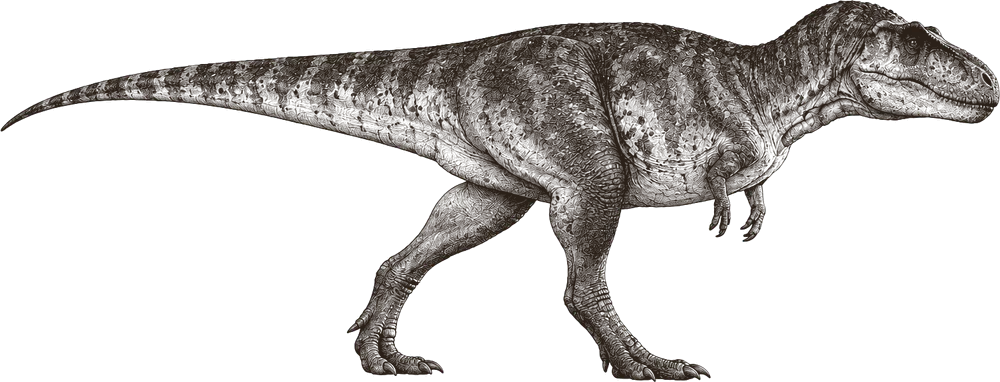

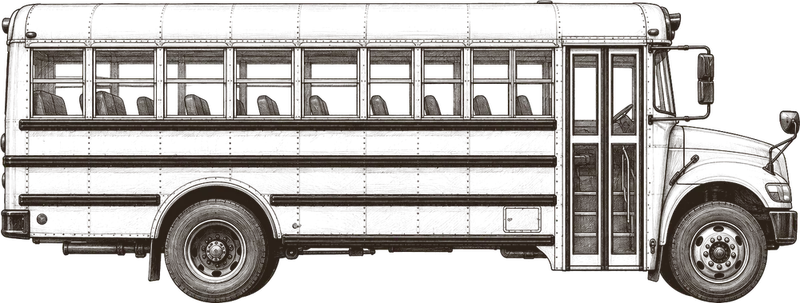
Scale in meters
Where its fossils were found
The evidence
Today

75 million years ago
Also reported from United States.
Habitat
River channels and low floodplains in the Horseshoe Canyon Formation of Alberta. Edmontosaurus, Ornithomimus and Struthiomimus were among the dinosaurs of this region.
Field notes
About Albertosaurus
What it was like
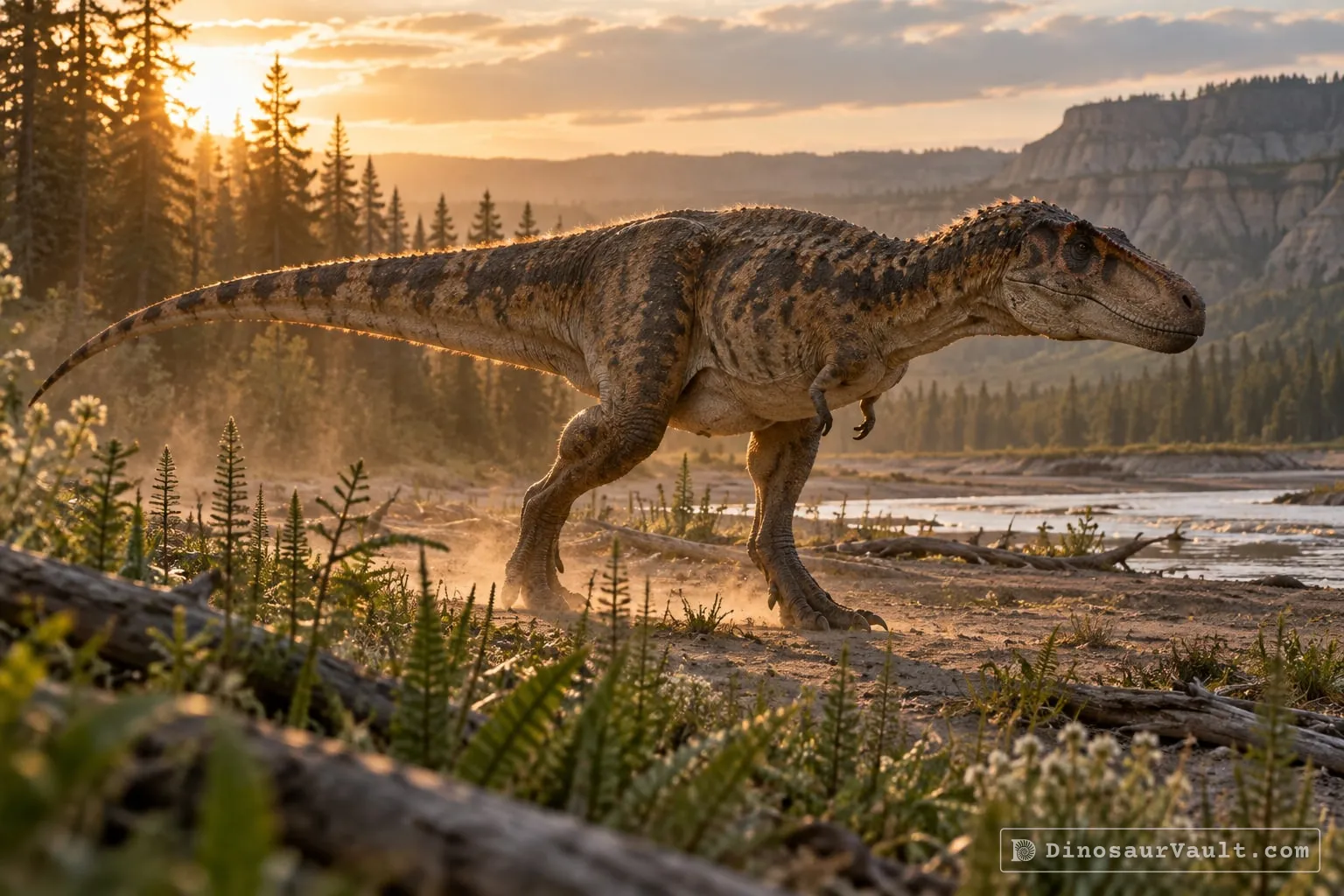
Albertosaurus was a bipedal predator with a massive head, rows of sharp teeth, and small, two-fingered arms. It grew to about 9 meters (30 feet) long, smaller than its famous relative Tyrannosaurus but still a formidable hunter.
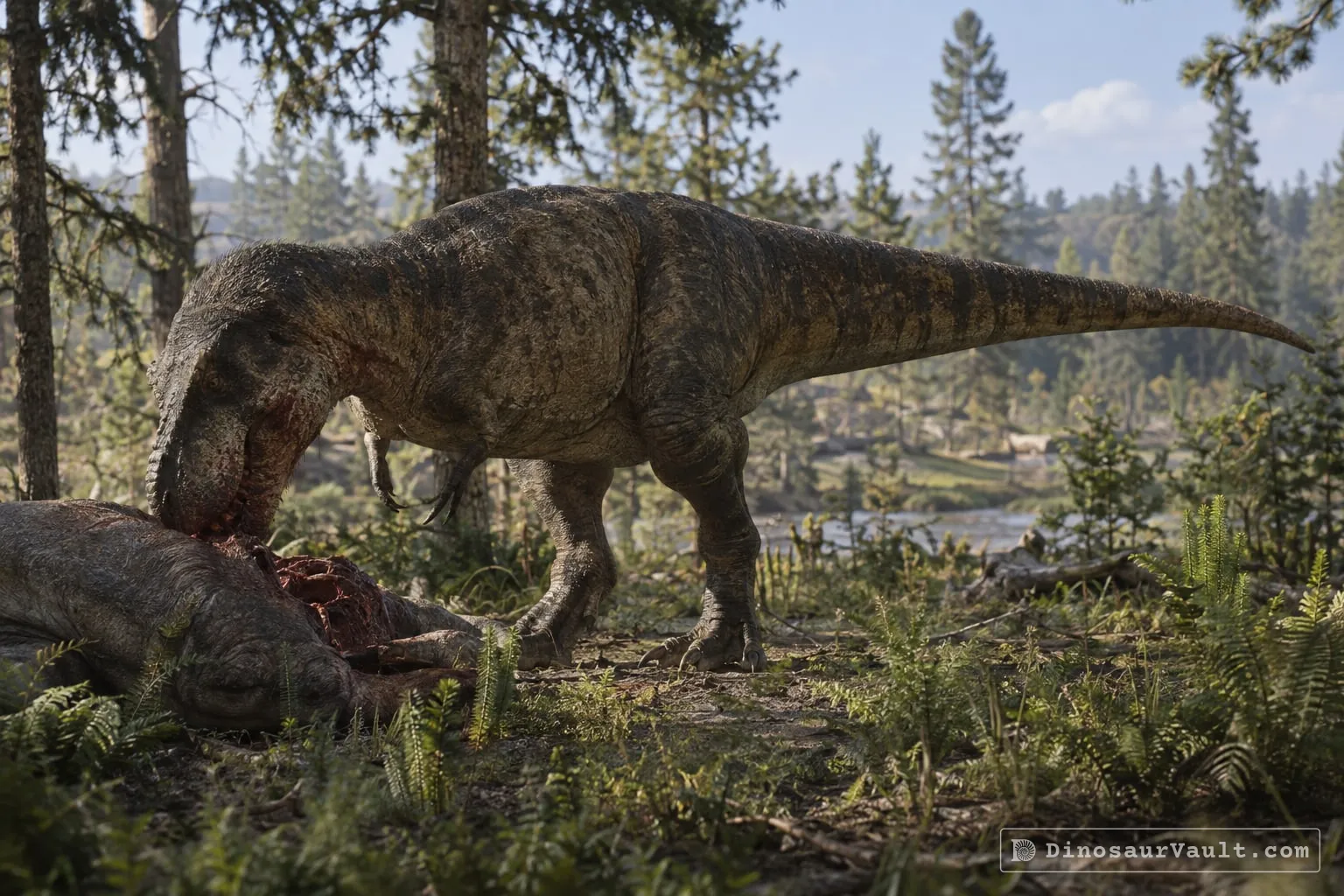
It probably had a strong sense of smell and good eyesight, useful for finding prey across open floodplains. Some paleontologists think Albertosaurus may have hunted or scavenged in groups, based on a bonebed where the remains of several individuals were found together.
Its world
Albertosaurus lived from about 84 to 66 million years ago, in the Late Cretaceous, mostly in what is now Alberta, Canada, with possible remains also reported from Saskatchewan and the states of Montana and Missouri in the United States. Its fossils come from formations including Horseshoe Canyon, Judith River, Oldman, and Scollard.
It shared its world with the armored Euoplocephalus, the ostrich-like Ornithomimus and Struthiomimus, the small hunter Troodon, and close relatives such as Gorgosaurus and Daspletosaurus.
How it was found
Osborn named Albertosaurus in 1905. Since then, paleontologists have recovered about 21 fossil finds, giving Albertosaurus one of the more complete fossil records among tyrannosaurids. Some scientists count the closely related Gorgosaurus as a second species of Albertosaurus, while others treat it as a separate genus; the question is still debated.
Field gallery
More views of Albertosaurus
Scenes reconstructed from the available fossil evidence.
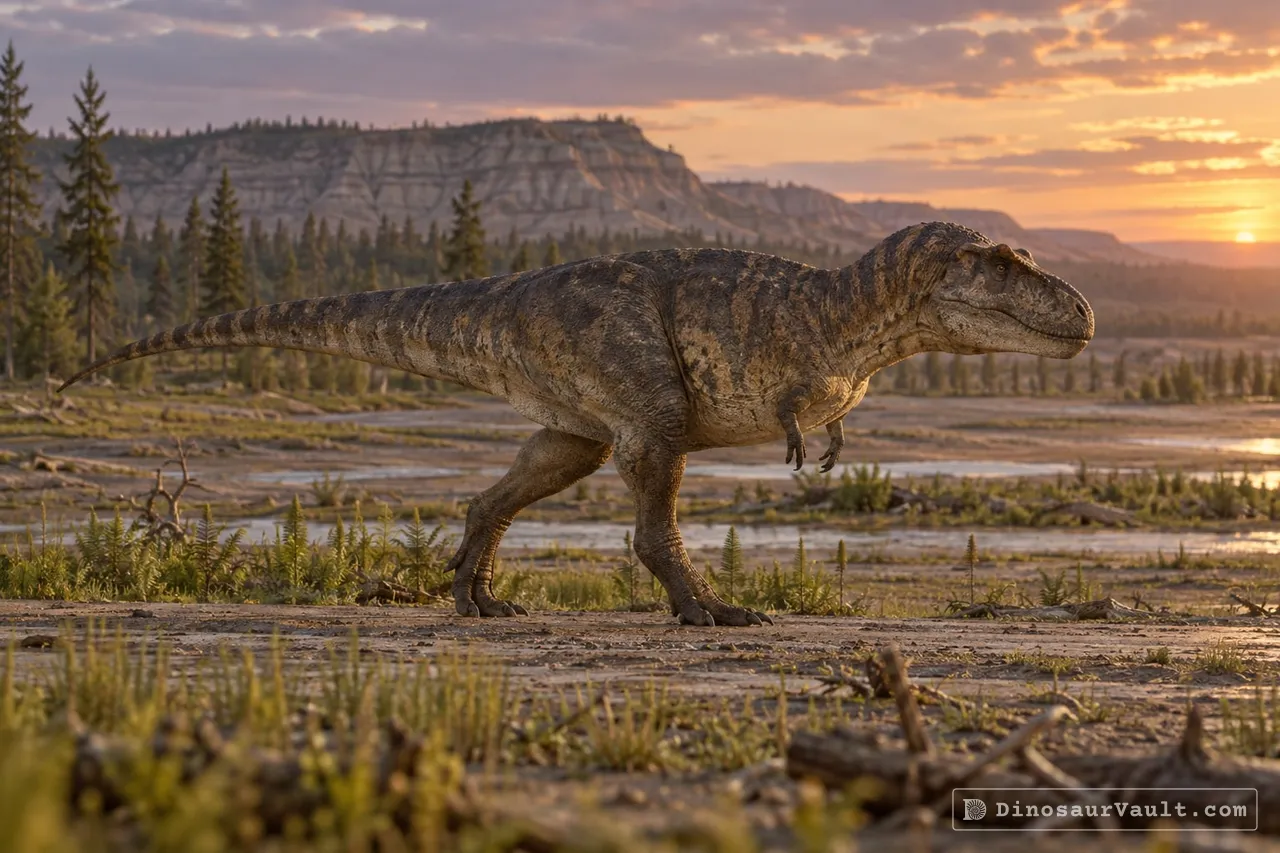
1 of 7
Lived alongside
Found in the same rock formations
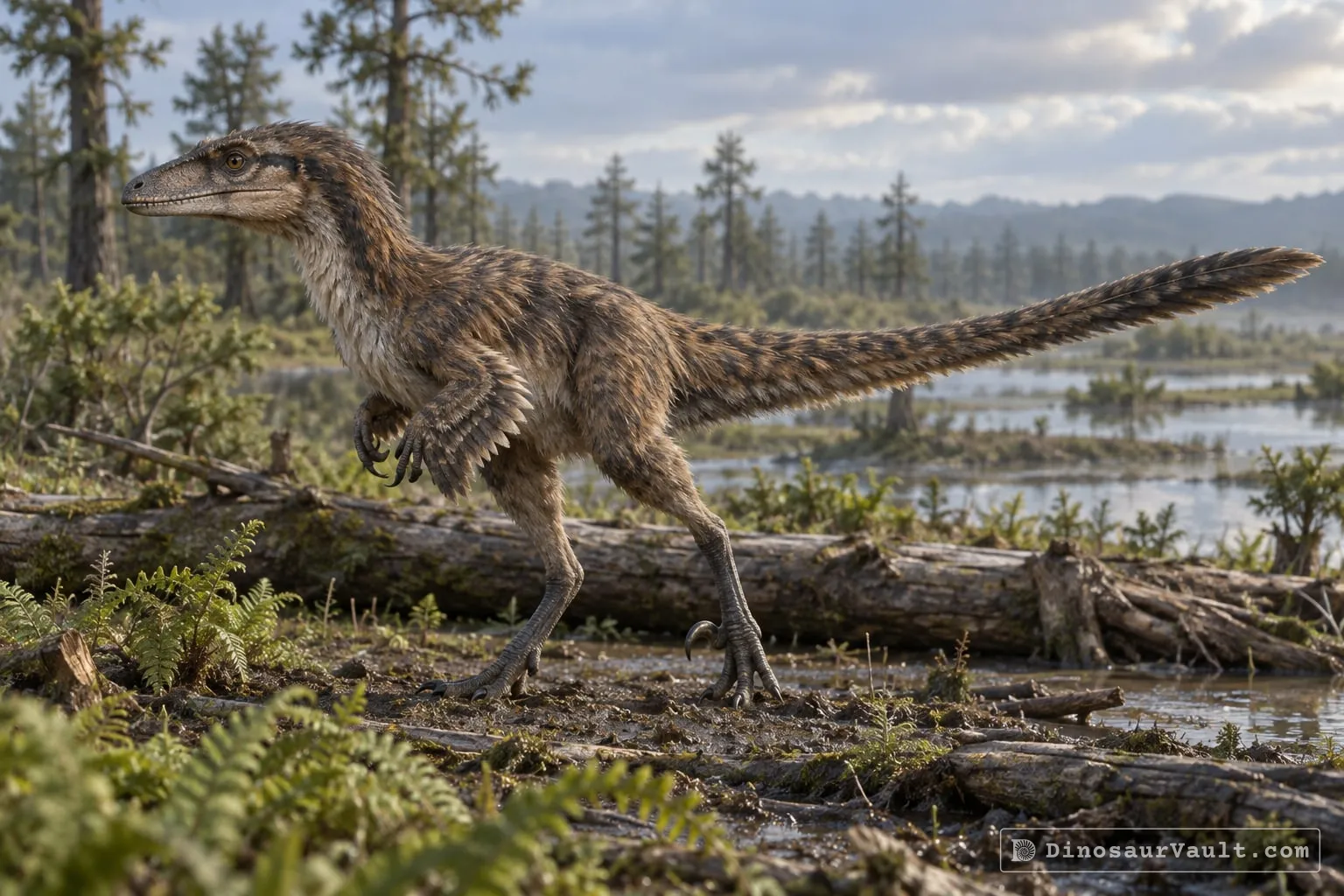
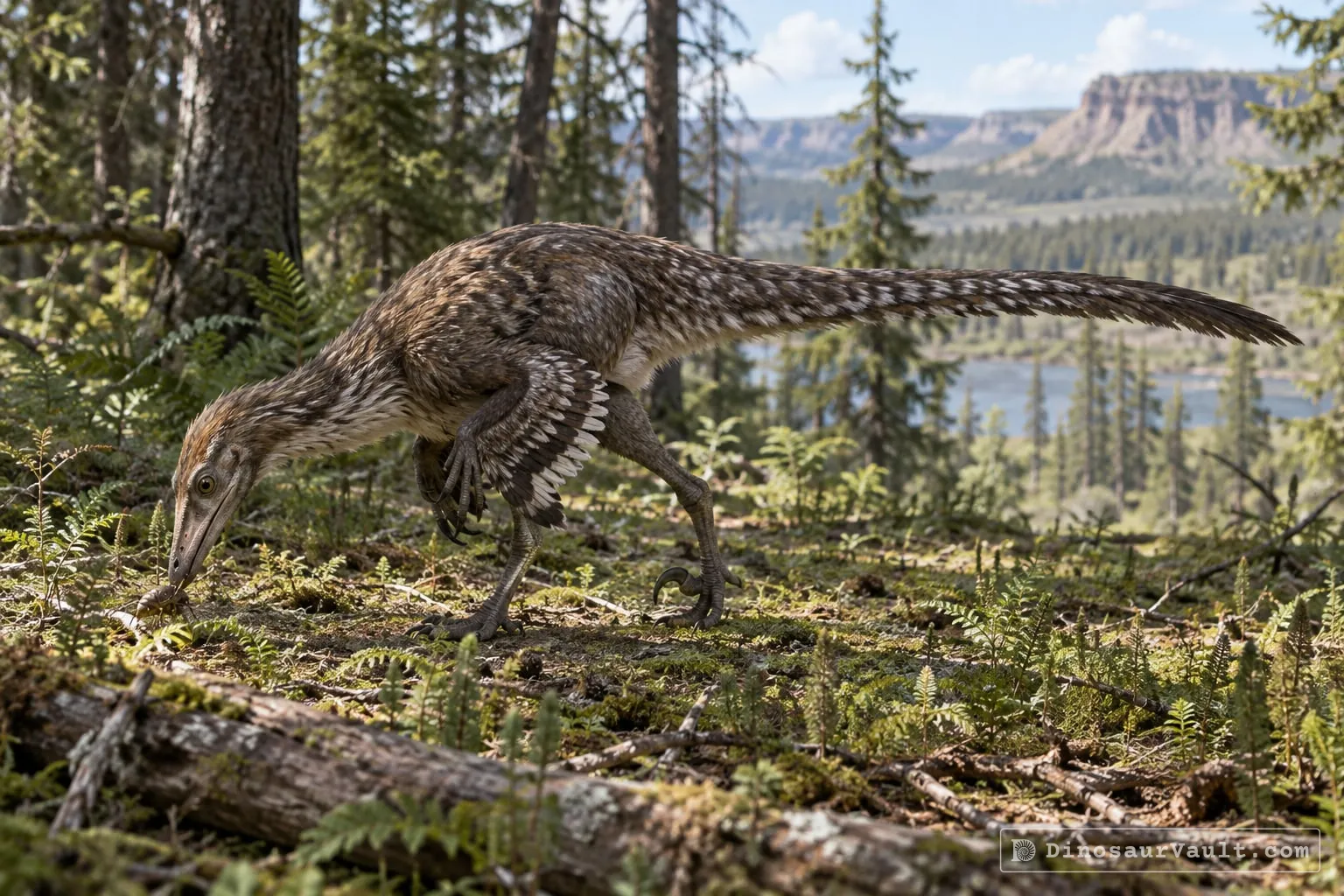
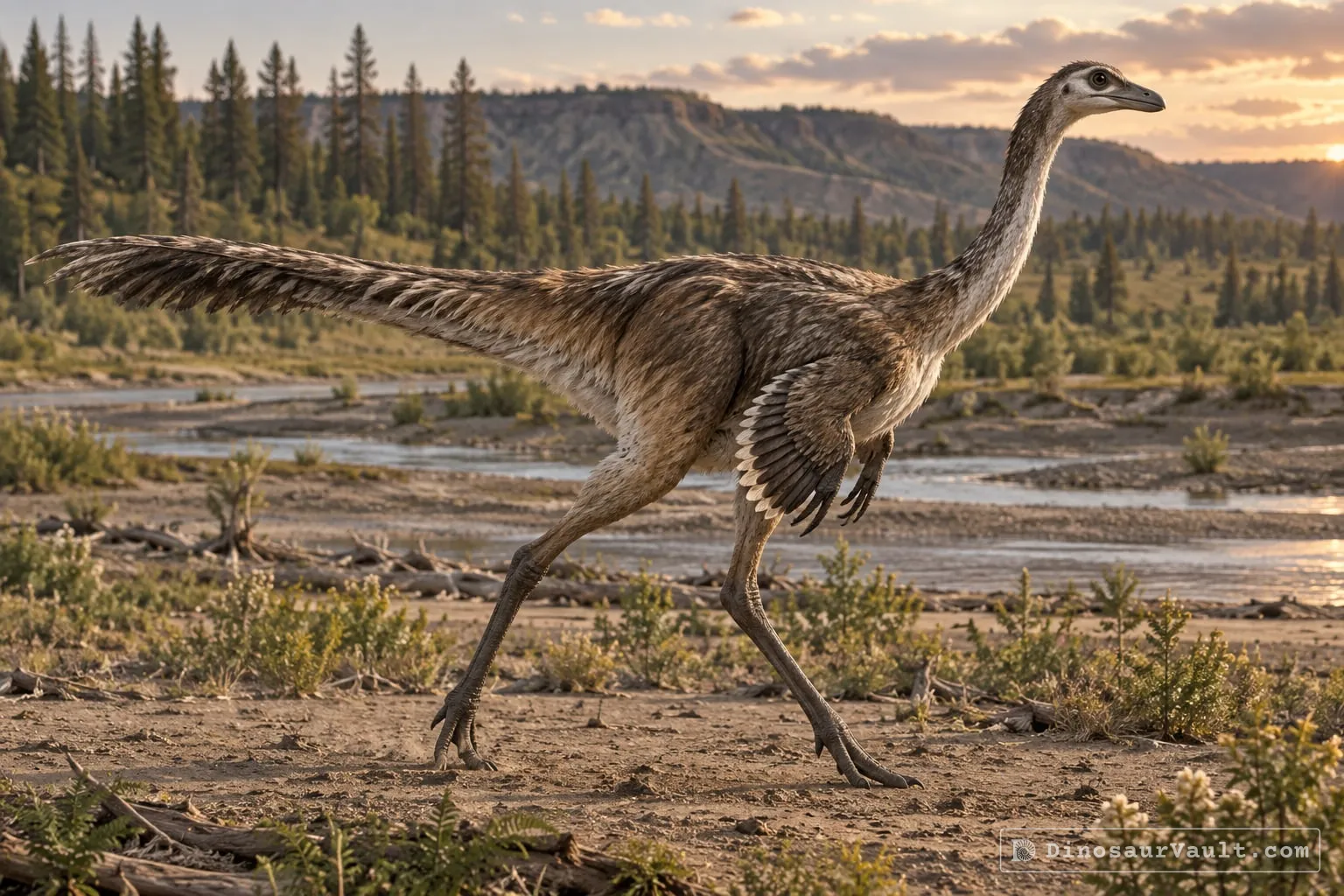
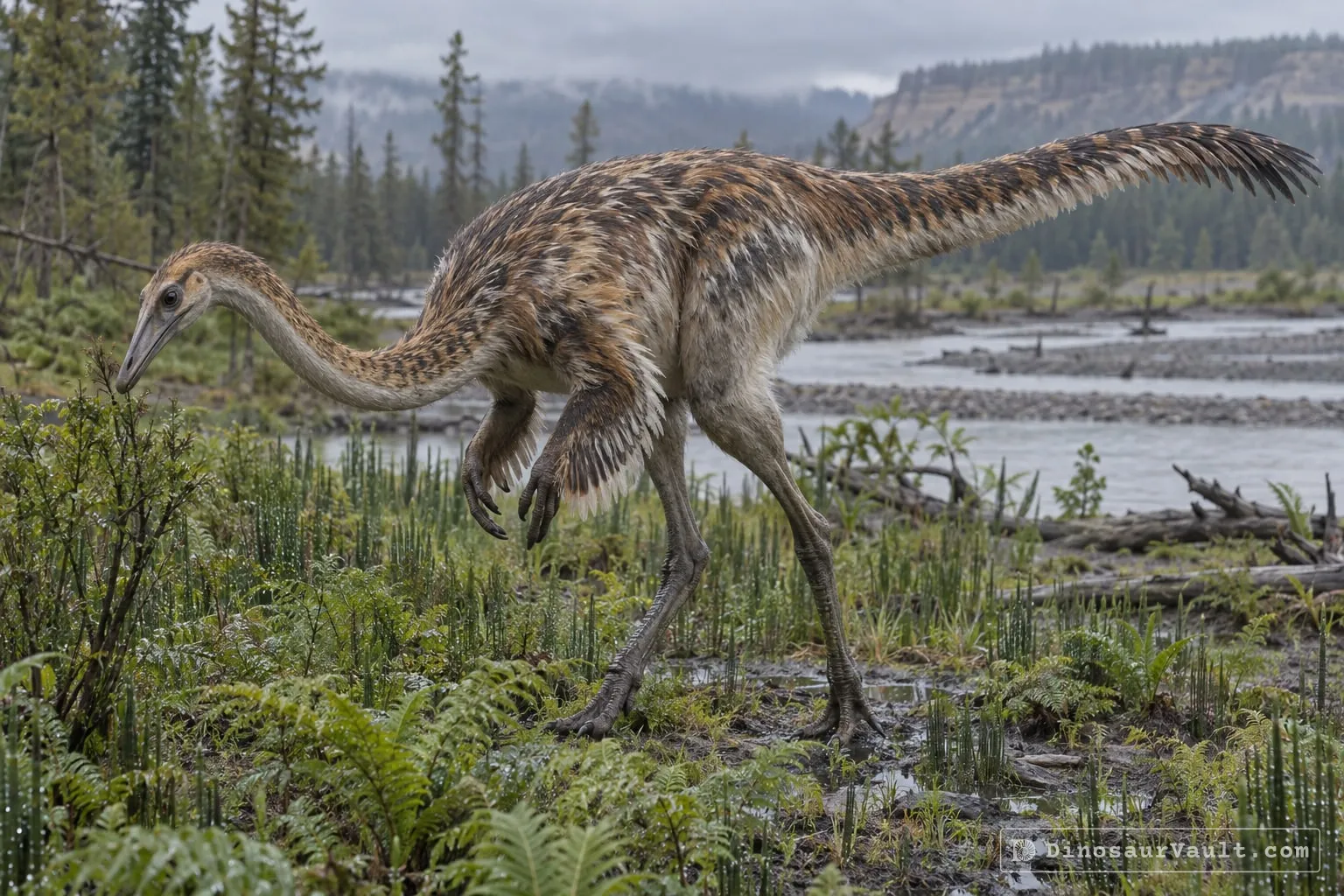
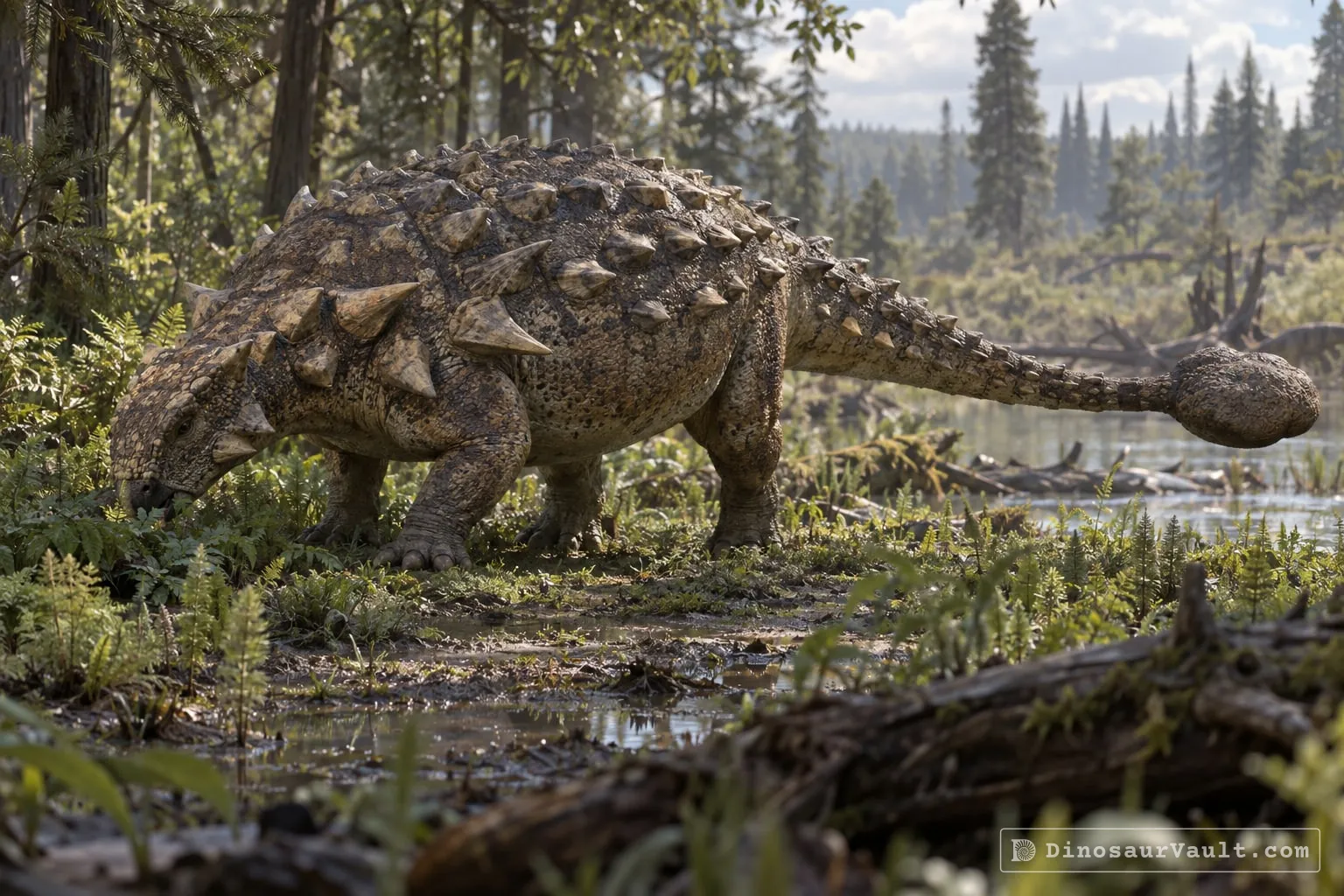
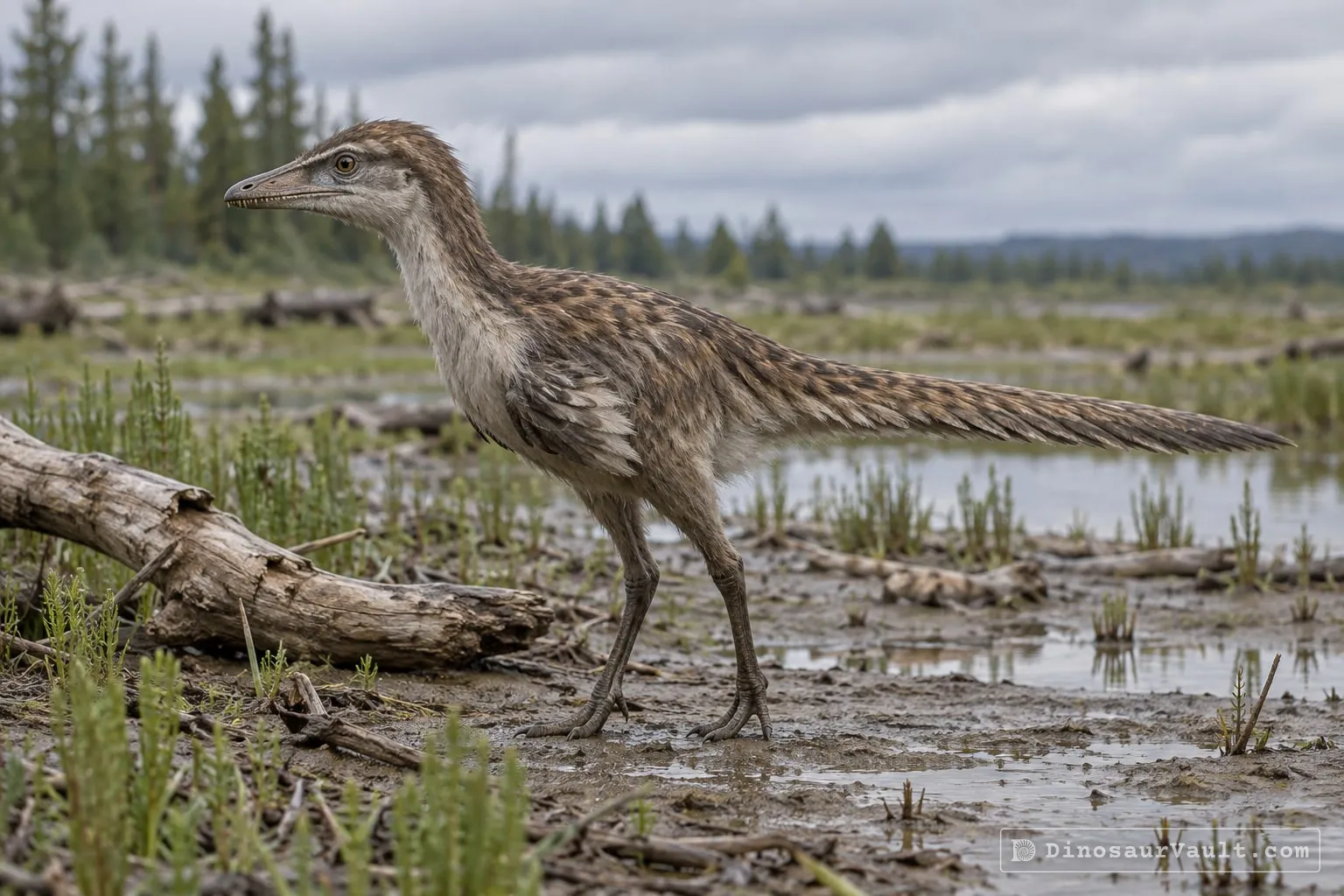


A rock formation can hold fossils laid down millions of years apart, so not every animal here met Albertosaurus.
The evidence
The science behind Albertosaurus
Which parts of the picture come from its own bones, and which come from its relatives.
From its own fossils
- Skulls and skeletons show a relatively slender tyrannosaur with long lower legs and small brow ridges.
- A bonebed contains Albertosaurus of different ages, from juveniles to adults.
- Preserved skin impressions show small scales.
Borrowed from relatives
- Much of its skeleton is known directly, with Gorgosaurus providing a close comparison for missing parts.
- Lips covering the teeth are inferred from comparisons with other theropods, including Tyrannosaurus.
Still unknown
- Whether groups hunted together or simply gathered in the same places.
- Its color and the skin covering of juveniles.
- Whether adults cared for their young.
Often drawn wrong
- Giving it the stocky proportions of Tyrannosaurus loses its lighter build and longer lower legs.
- Its hands had two main fingers, with palms facing inward.
- Large horns above the eyes replace the small brow ridges shown by its skull.
Discovery timeline
- 1905Named itOsborn
- 2004Growing upErickson et al.
- 2006Growing upErickson et al.
- 2017SkinBell et al.
- 2023Close relativeCullen et al.
Key papers
The research behind what we know of Albertosaurus
Named it
Named Albertosaurus from skull remains found in Alberta and distinguished it from other large predatory dinosaurs.
Tyrannosaurus and other Cretaceous carnivorous dinosaurs. Bulletin of the American Museum of Natural History 21: 259-265
No link available
Growing up
Compared bone growth rings in Albertosaurus and other tyrannosaurs, showing how their growth rates and adult sizes differed.
Gigantism and comparative life-history parameters of tyrannosaurid dinosaurs. Nature 430: 772-775
Read the paper : Gigantism and comparative life-history parameters of tyrannosaurid dinosaurs (opens in a new tab)Growing up
Used ages from Albertosaurus bones to estimate survival through different stages of life.
Tyrannosaur Life Tables: An Example of Nonavian Dinosaur Population Biology. Science 313: 213-217
Read the paper : Tyrannosaur Life Tables: An Example of Nonavian Dinosaur Population Biology (opens in a new tab)Skin
Compared skin impressions from Albertosaurus and other large tyrannosaurs and found scales on preserved patches.
Tyrannosauroid integument reveals conflicting patterns of gigantism and feather evolution. Biology Letters 13: 20170092
Read the paper : Tyrannosauroid integument reveals conflicting patterns of gigantism and feather evolution (opens in a new tab)Close relative
Comparisons of teeth and jaws support lips covering the teeth in theropods, guiding restoration of the Albertosaurus face.
Theropod dinosaur facial reconstruction and the importance of soft tissues in paleobiology. Science 379: 1348-1352
Read the paper : Theropod dinosaur facial reconstruction and the importance of soft tissues in paleobiology (opens in a new tab)
Close relatives
Other members of Tyrannosauridae


Sources: Wikidata