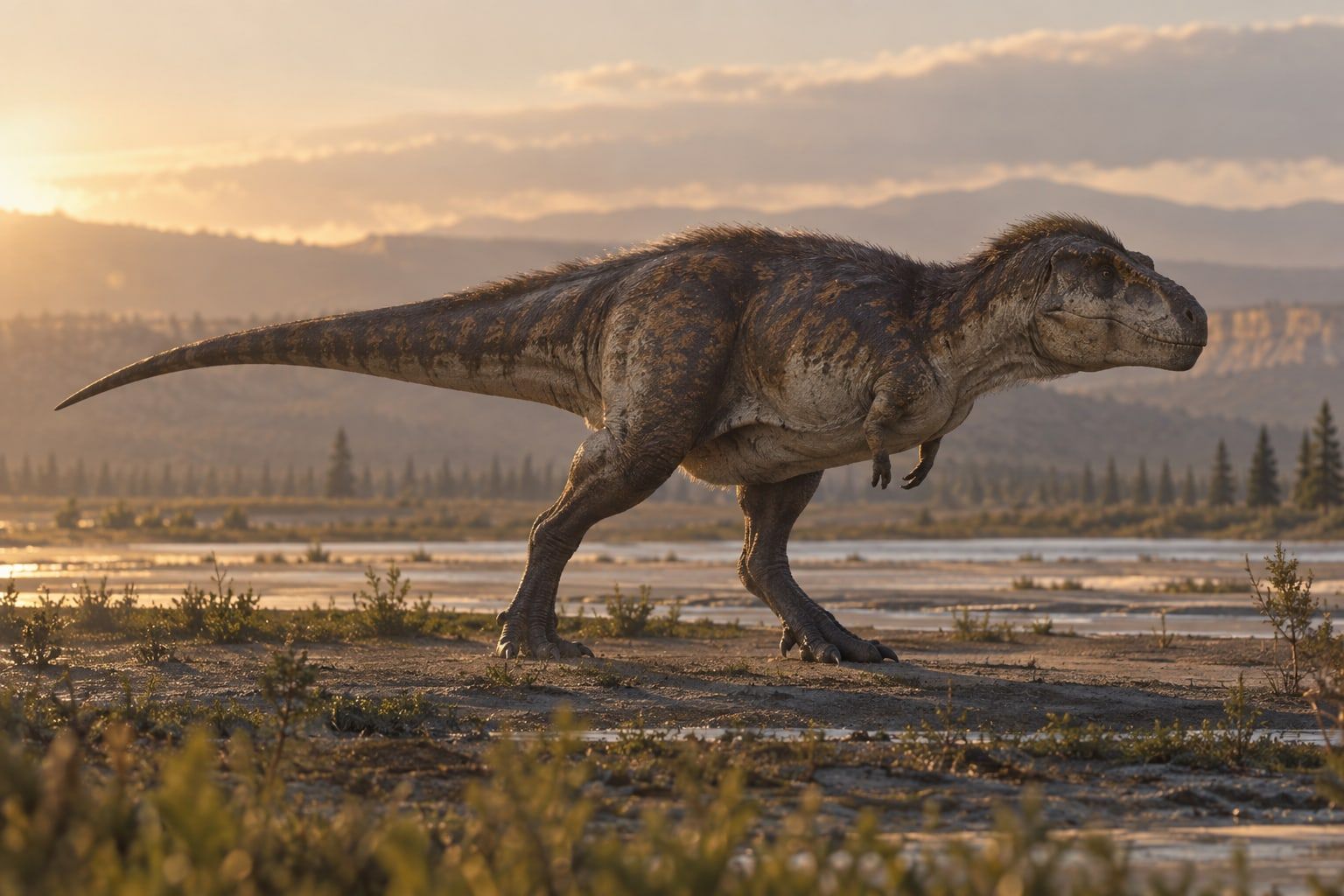
Nanuqsaurus
NAN-uk-SORE-us
"polar bear lizard"
Type species Nanuqsaurus hoglundi
- Lived
- 72 to 66 million years ago, Late Cretaceous
- Diet
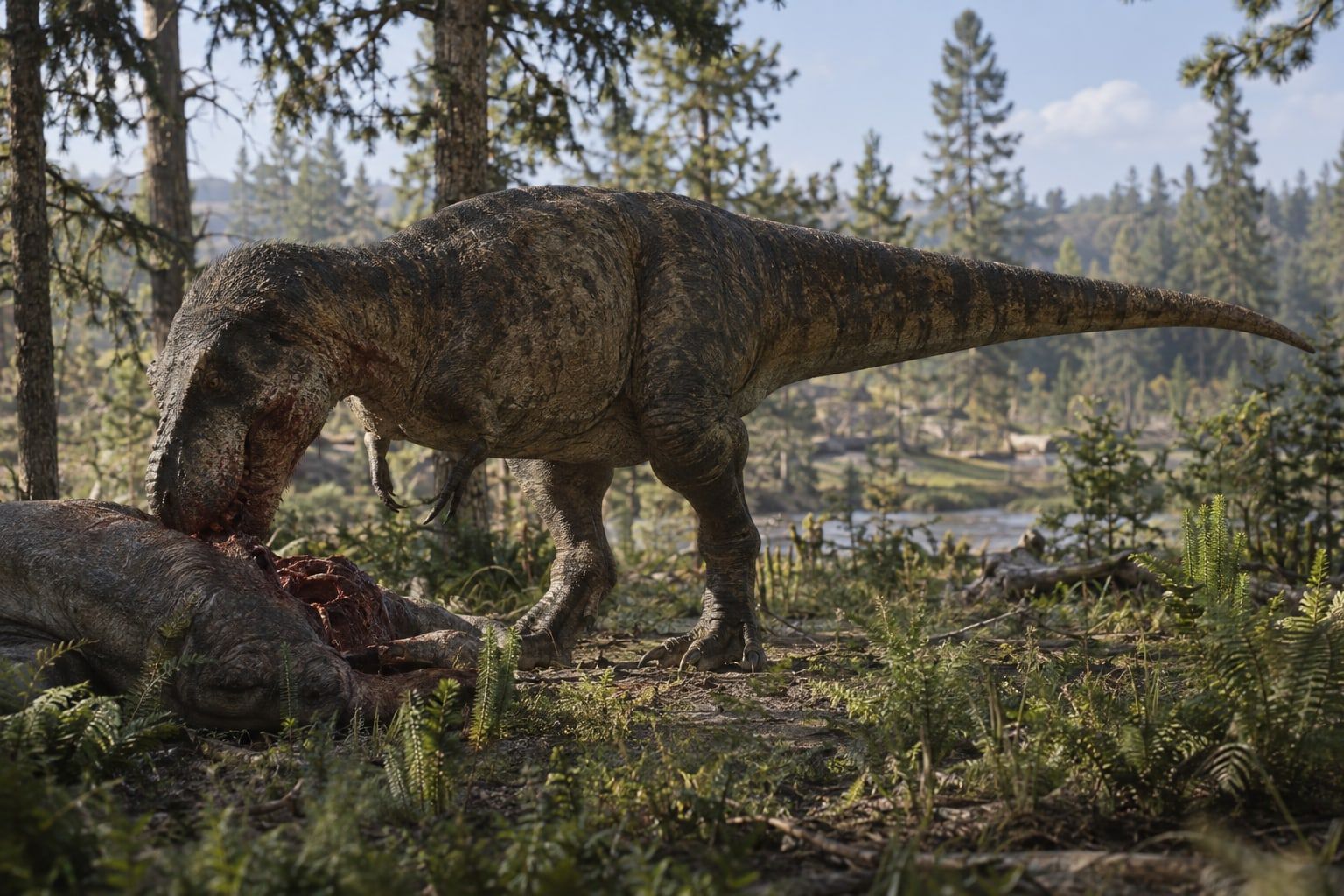
- Carnivore
- Group
- Theropods, Tyrannosauridae
- Found in
- United States
- Named by
- Fiorillo and Tykoski 2014
Where its fossils were found
The evidence
Today
70 million years ago
Field notes
About Nanuqsaurus
What it was like
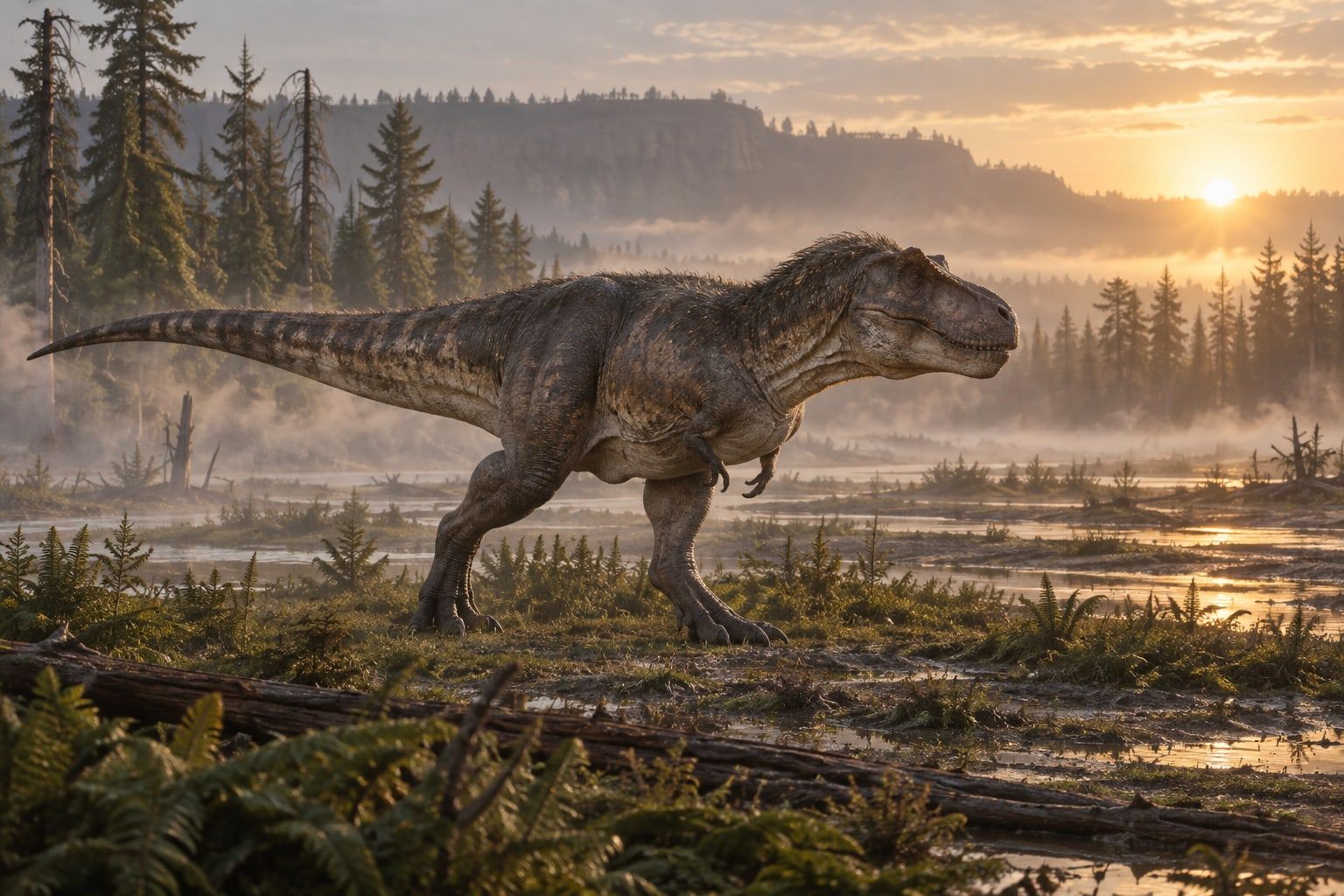
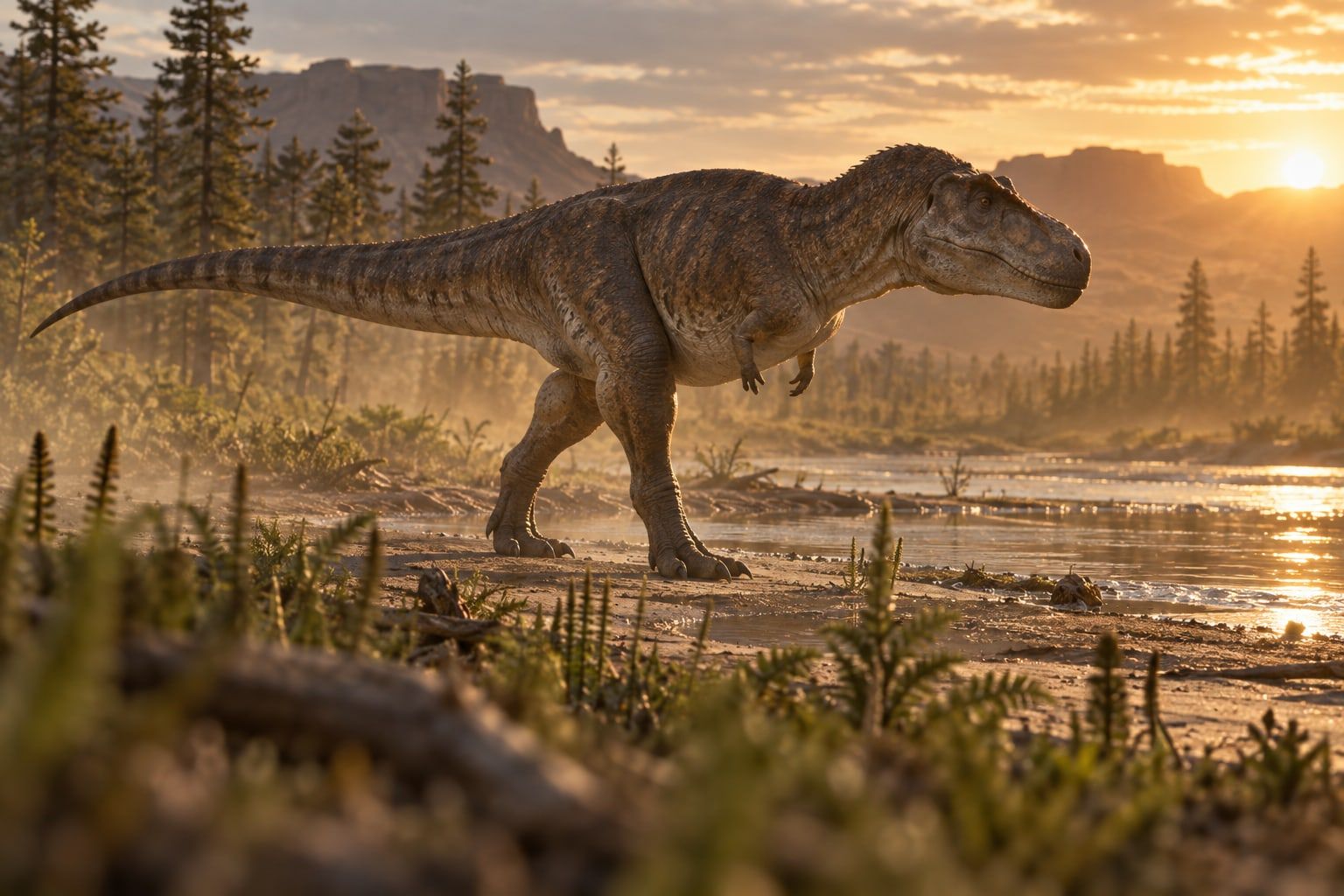
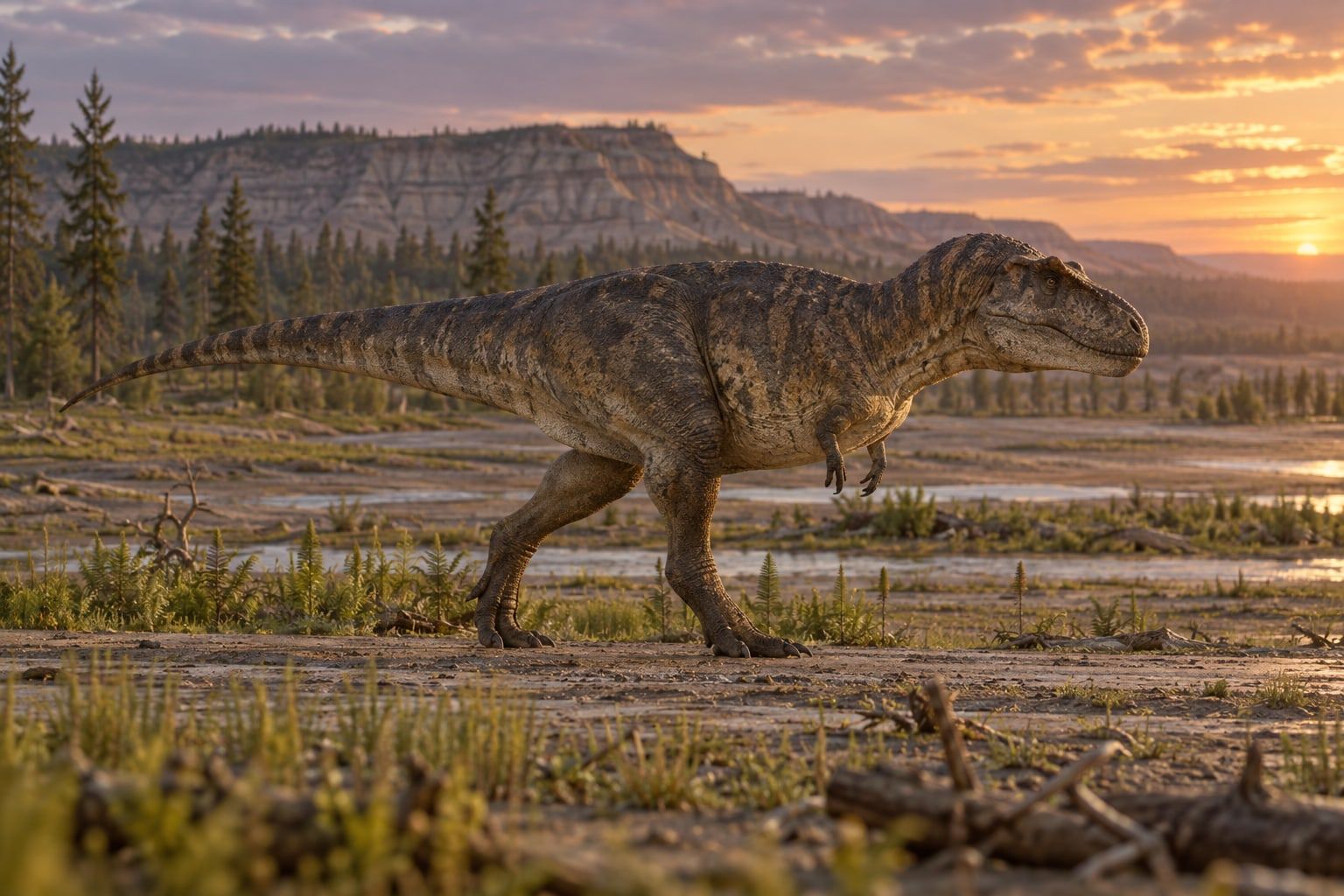
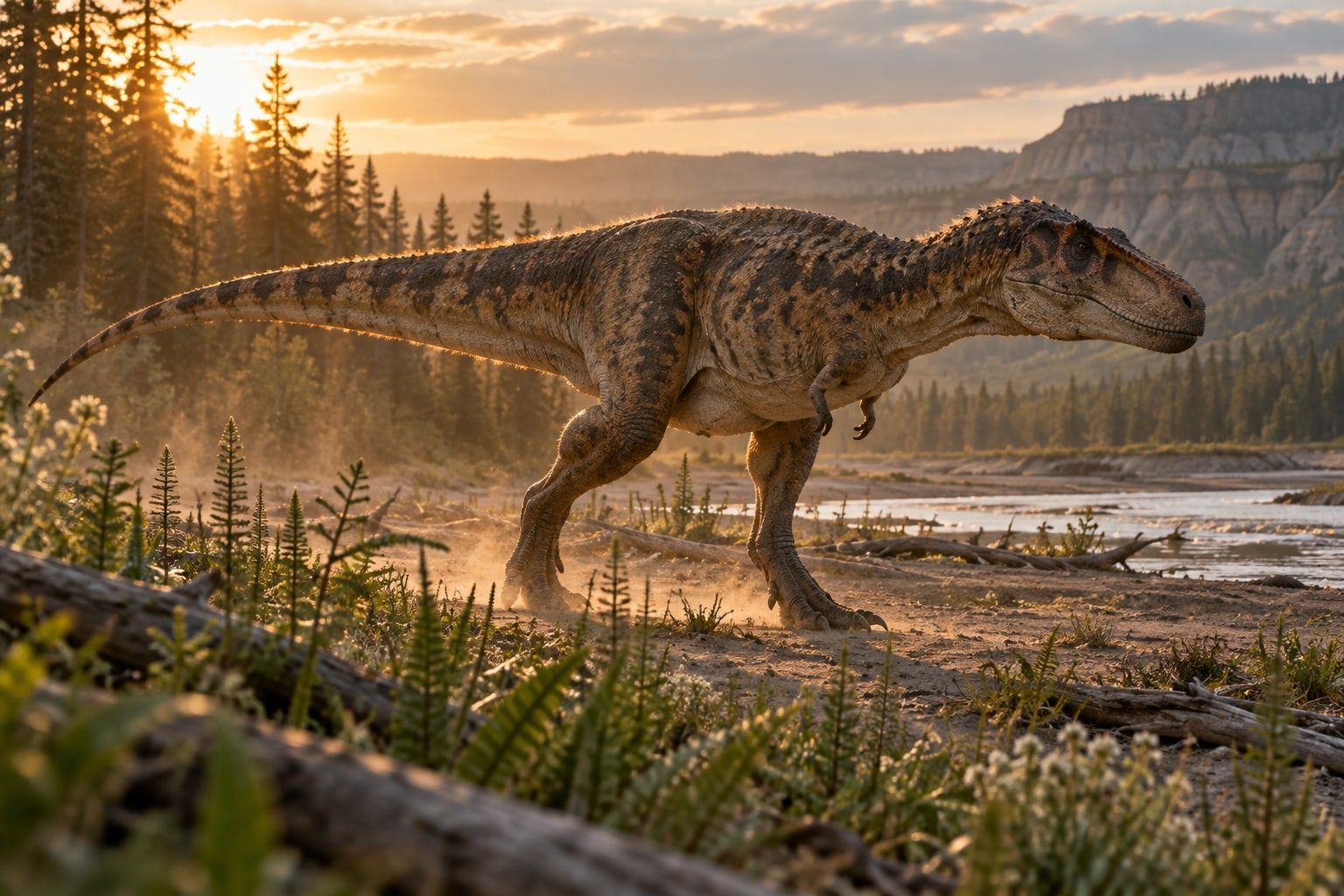
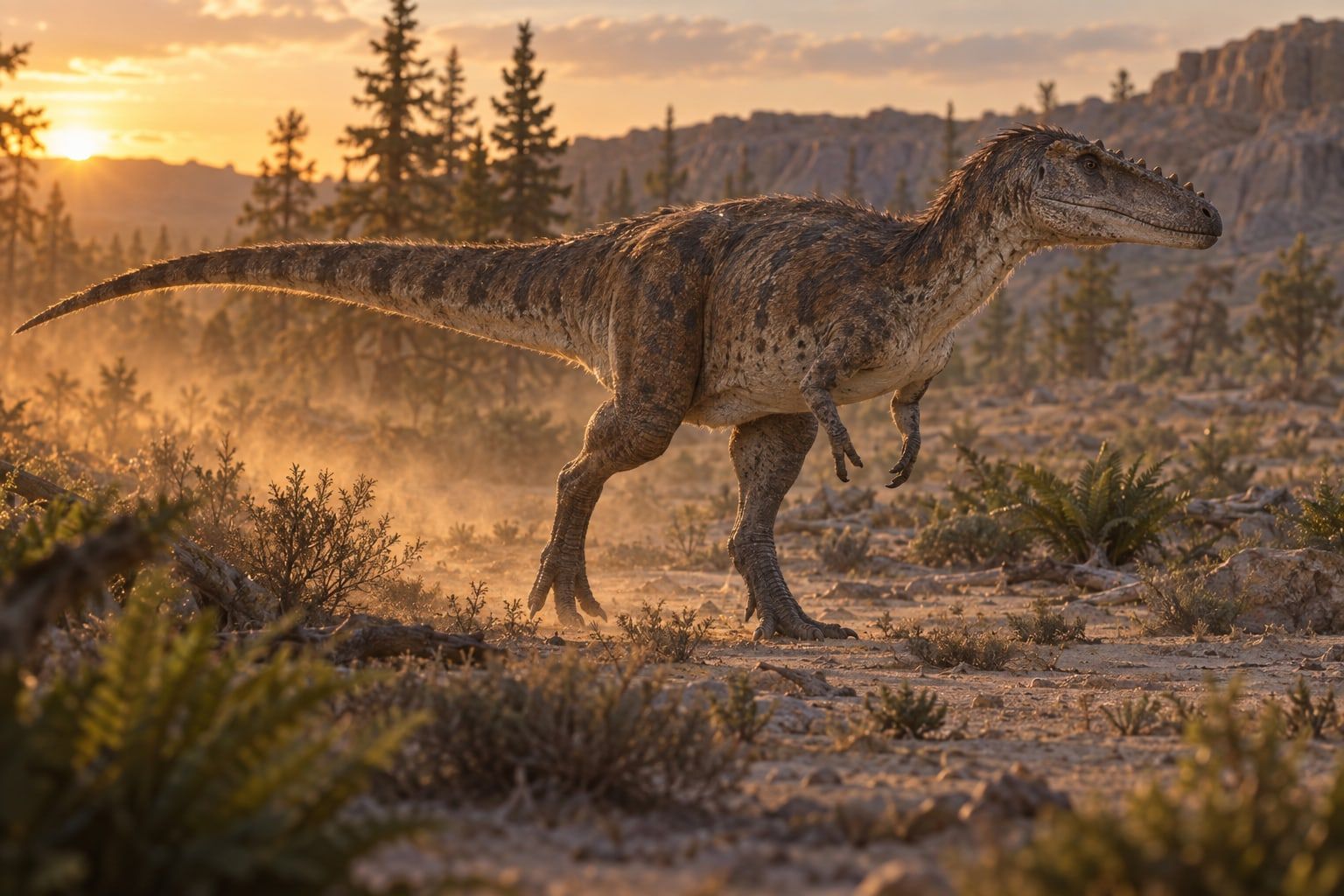
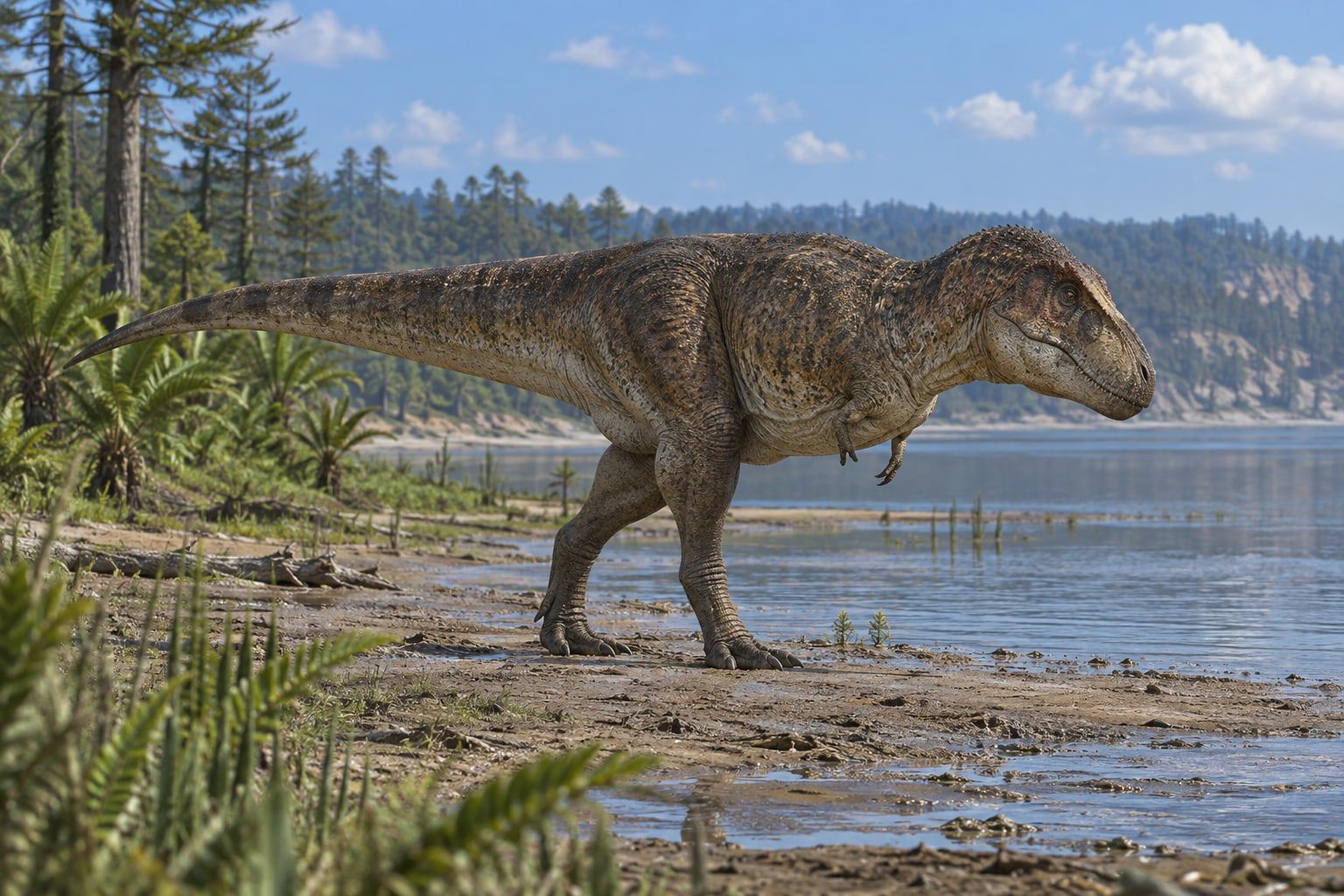
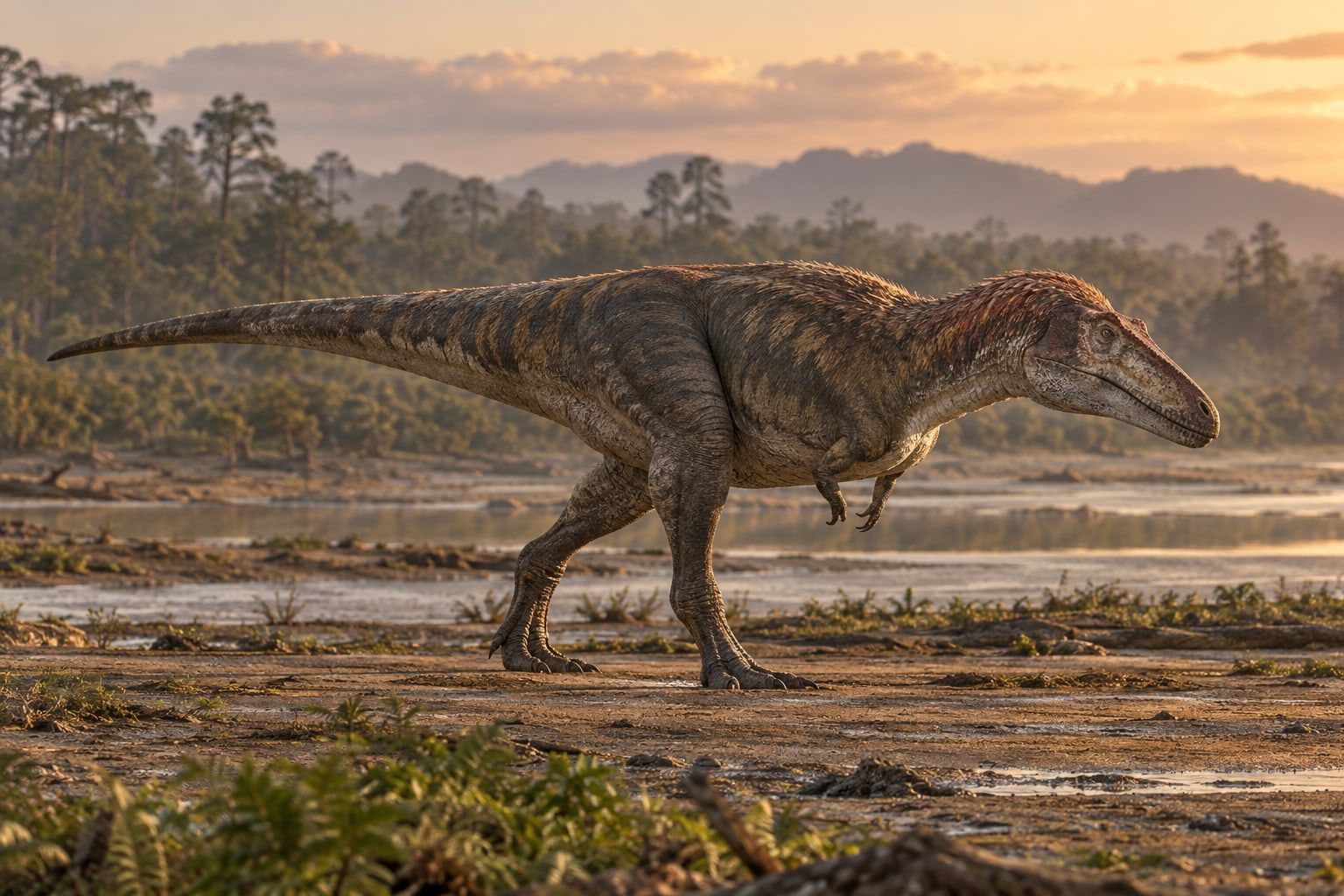
Nanuqsaurus was a tyrannosaurid, related to Tyrannosaurus, Tarbosaurus, and Daspletosaurus, but known only from a partial skull and a few other bones. Based on what has been found, it appears to have been smaller than many of its southern relatives, though scientists are still debating exactly how small.
Like other tyrannosaurids, it was a bipedal carnivore with a large head, small arms, and powerful jaws.
Its world
Nanuqsaurus lived from about 72 to 66 million years ago, in the Late Cretaceous, in what is now Alaska, further north than almost any other tyrannosaurid known. Its fossils come from the Prince Creek Formation.
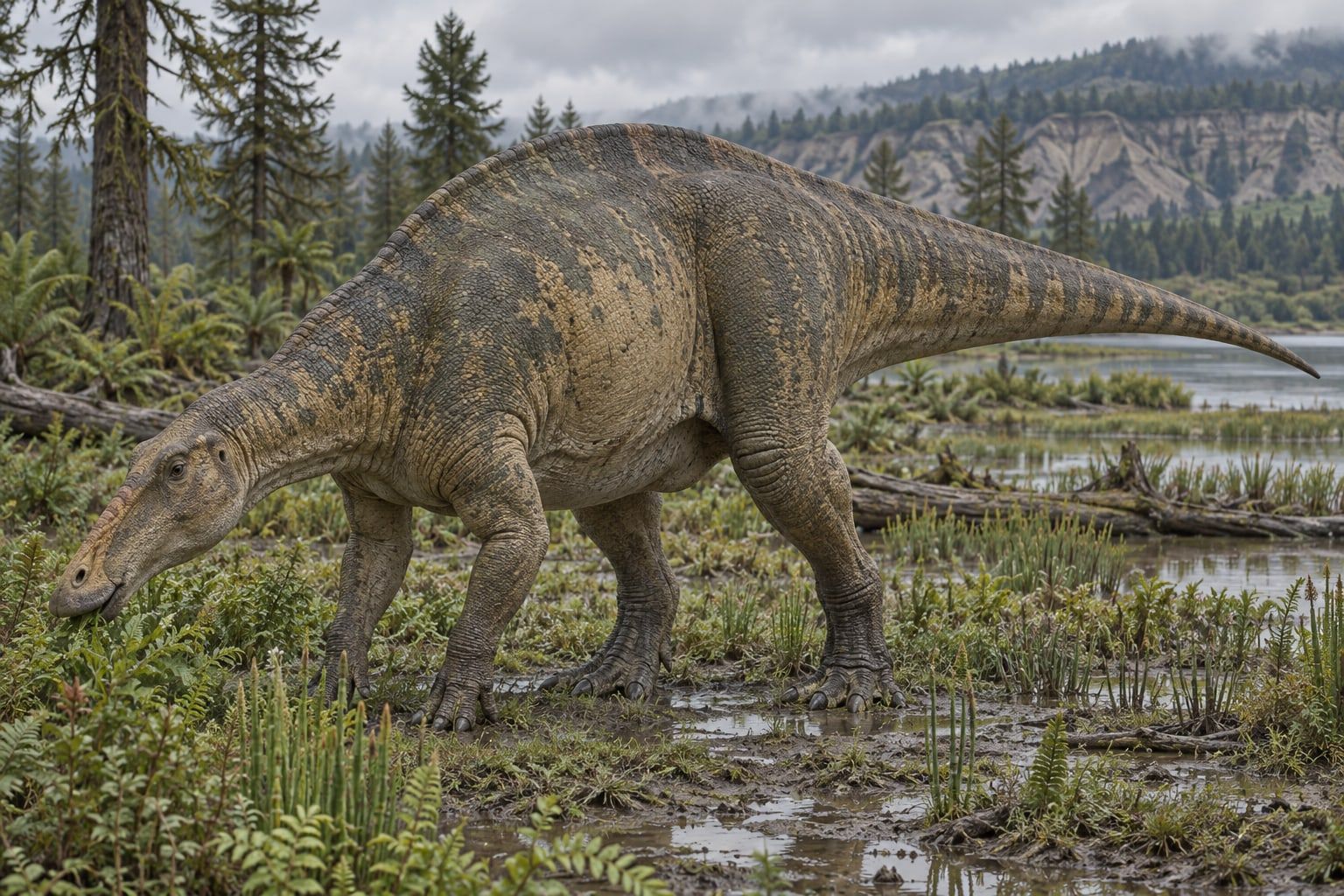
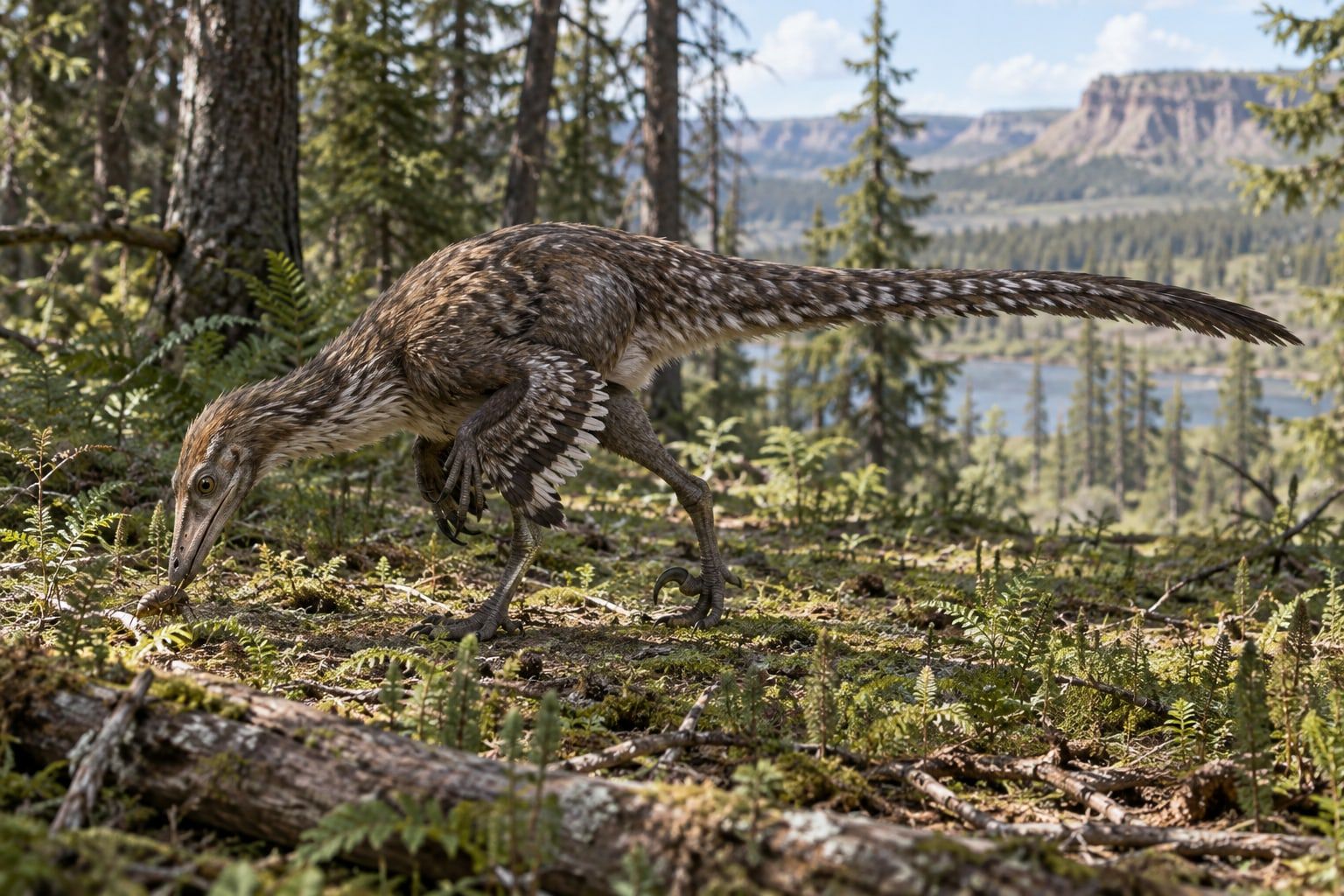
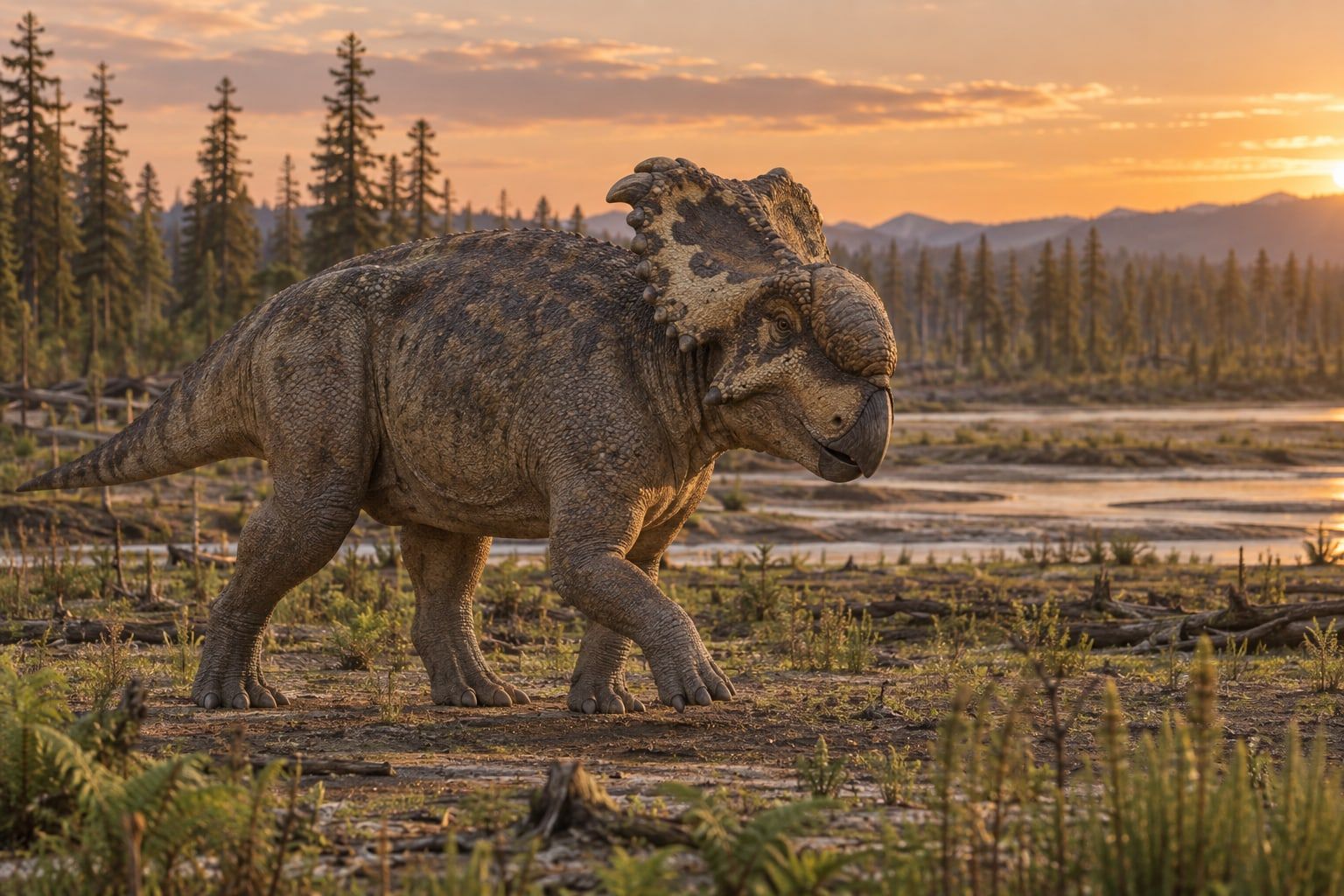
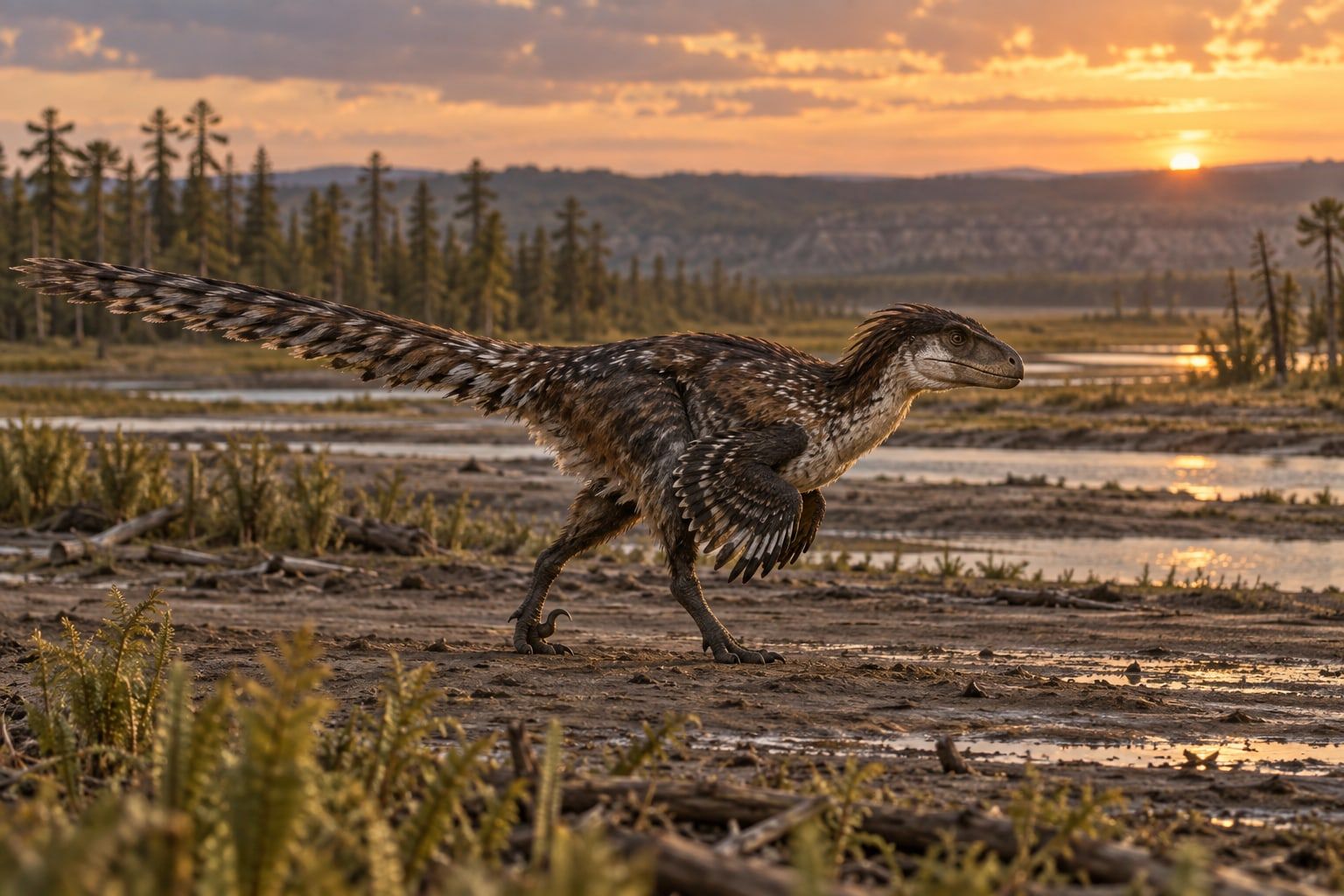
It shared this cold, dark-wintered world with the plant eaters Edmontosaurus, Pachyrhinosaurus, and Ugrunaaluk, the dome-headed Alaskacephale, the troodontid Troodon, and the small hunters Dromaeosaurus and Saurornitholestes.
How it was found
Fiorillo and Tykoski named Nanuqsaurus hoglundi in 2014. Only a single fossil find of the genus has been described so far, so much about its full size and appearance is still unknown, and further discoveries could change how it compares to its more familiar relatives.
Lived alongside
Found in the same rock formations
Close relatives
Other members of Tyrannosauridae
Sources: WikidataNamed in: A. R. Fiorillo and R. S. Tykoski. 2014. A diminutive new tyrannosaur from the top of the world. PLoS ONE 9(3):e91287