Auroraceratops
"dawn horned face"
- Lived
- 113 to 110 million years ago, Early Cretaceous
- Diet
- Herbivore
- Group
- Ceratopsians
- Found in
- China
- Named by
- You et al. 2005
Where its fossils were found
The evidence
Today

110 million years ago
Habitat
It lived around rivers and lakes in a warm region with a partly dry climate. Other dinosaurs in its world included Archaeoceratops, Equijubus and Gobititan.
Field notes
About Auroraceratops
What it was like
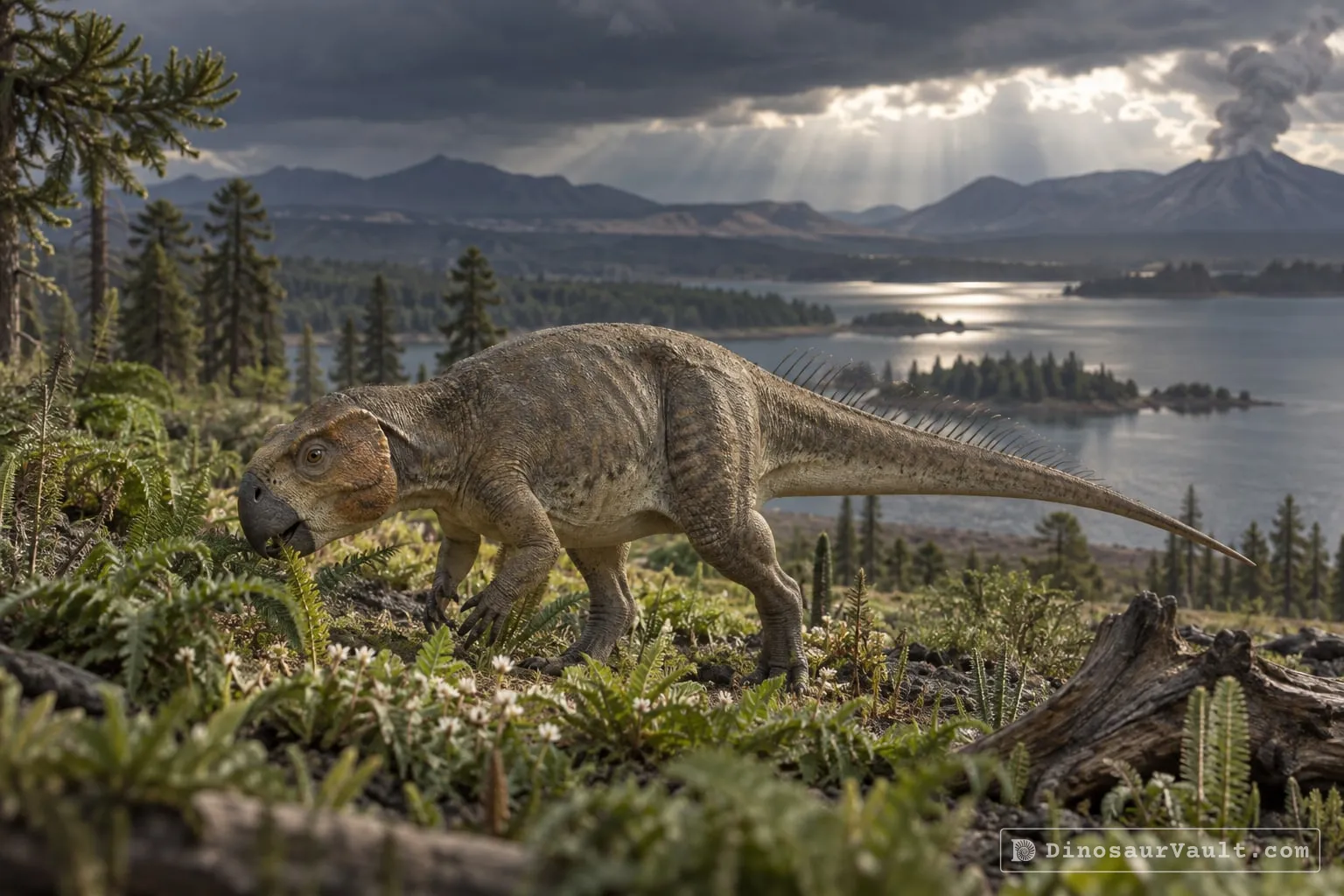
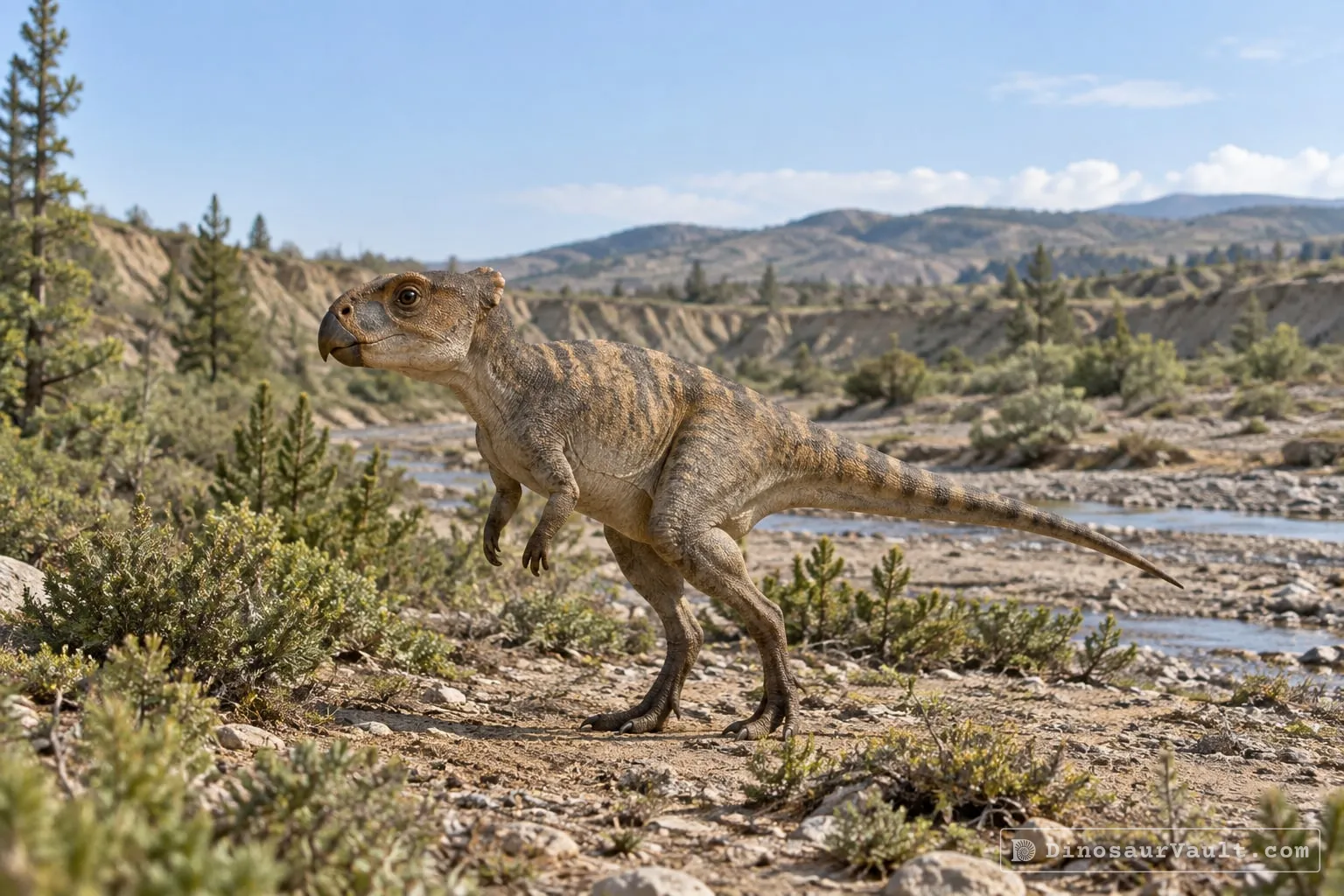
Auroraceratops was a small, early horned dinosaur that walked on two legs. It had a wide, flat face, a short frill and bumps on its cheeks, but no horns. Many skeletons are known, from young to adult.
Its world
It lived in the Early Cretaceous, in what is now China. It shared its world with the parrot-beaked Psittacosaurus, the early horned Archaeoceratops, the therizinosaur Suzhousaurus and the early duckbill relative Equijubus.
How it was found
You and colleagues named Auroraceratops in 2005.
Field gallery
More views of Auroraceratops
Scenes reconstructed from the available fossil evidence.
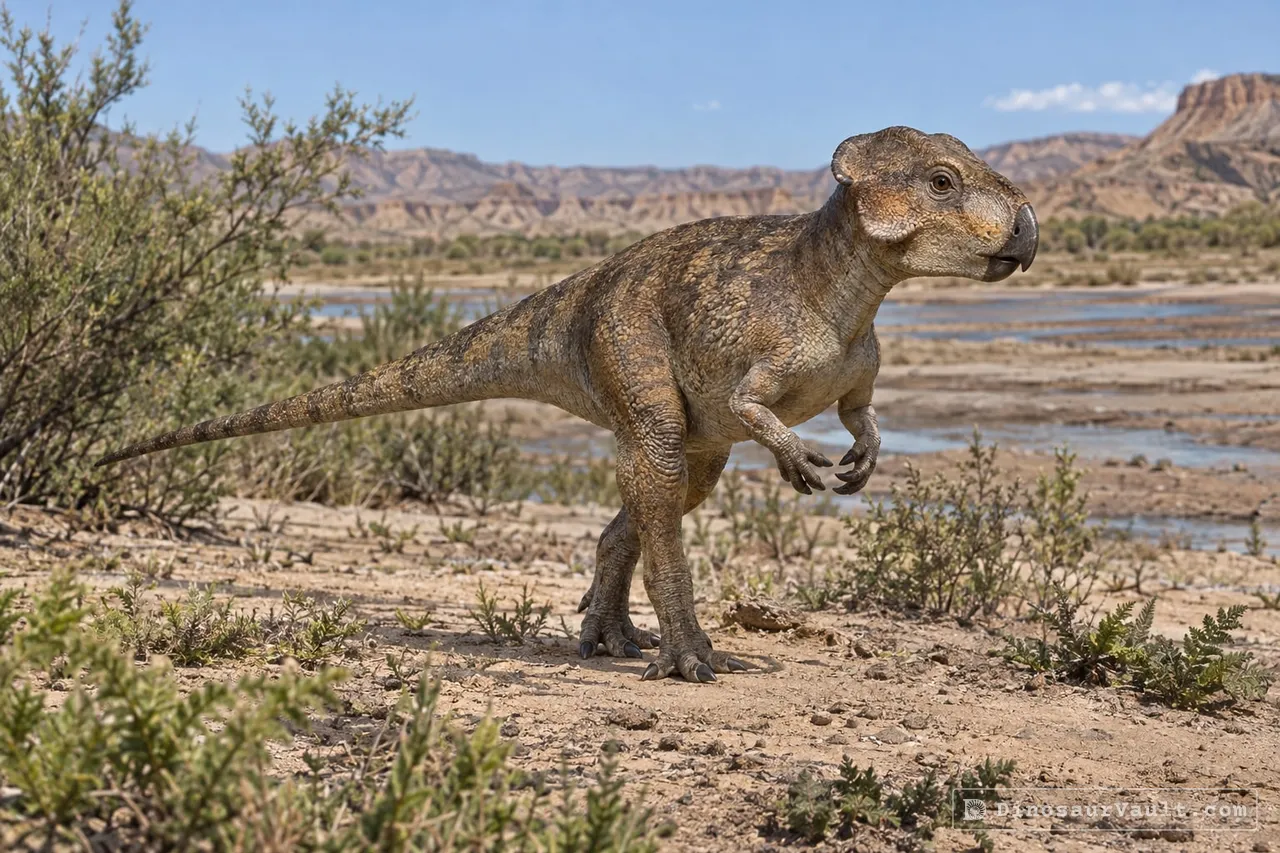
1 of 3
Lived alongside
Found in the same rock formations
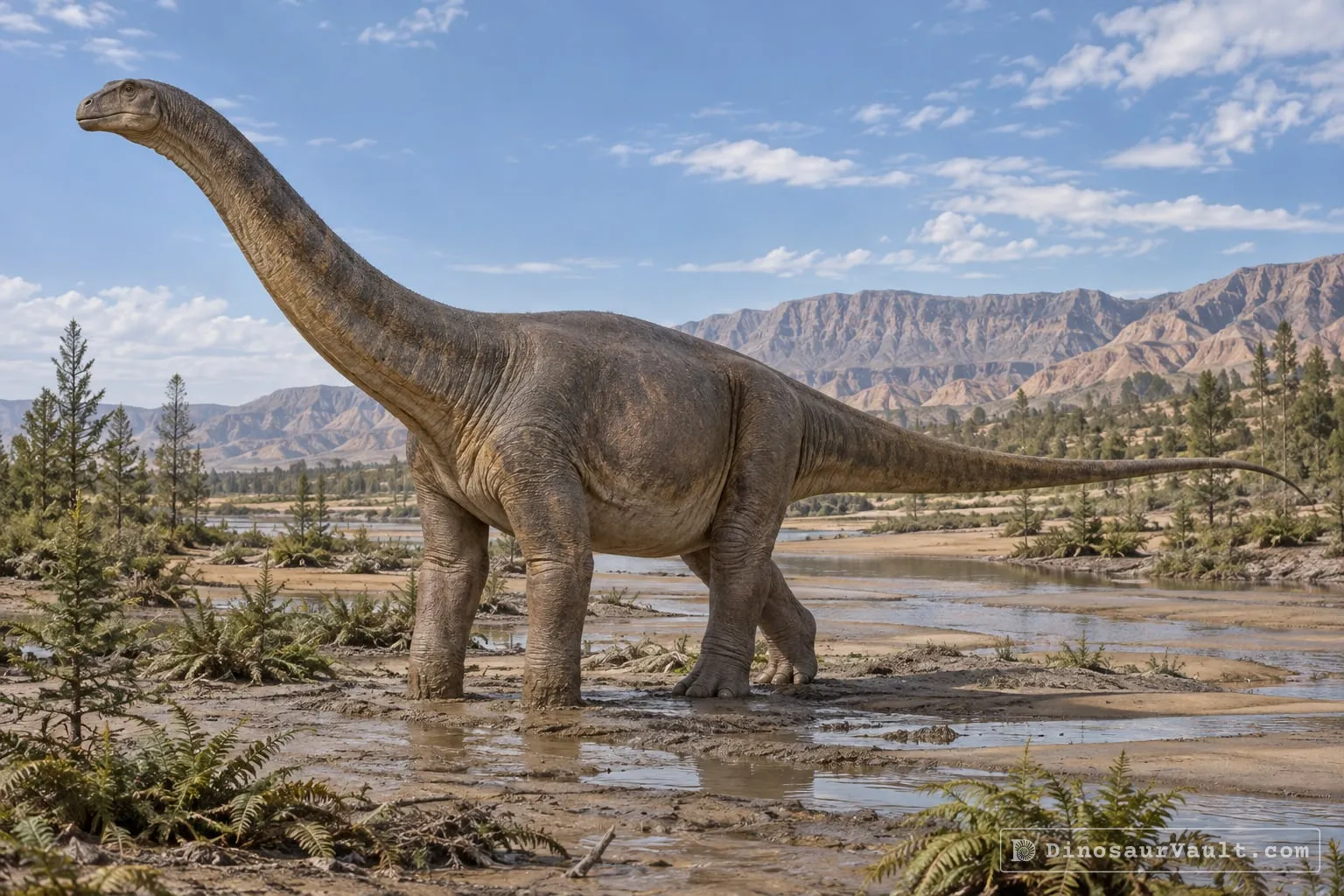
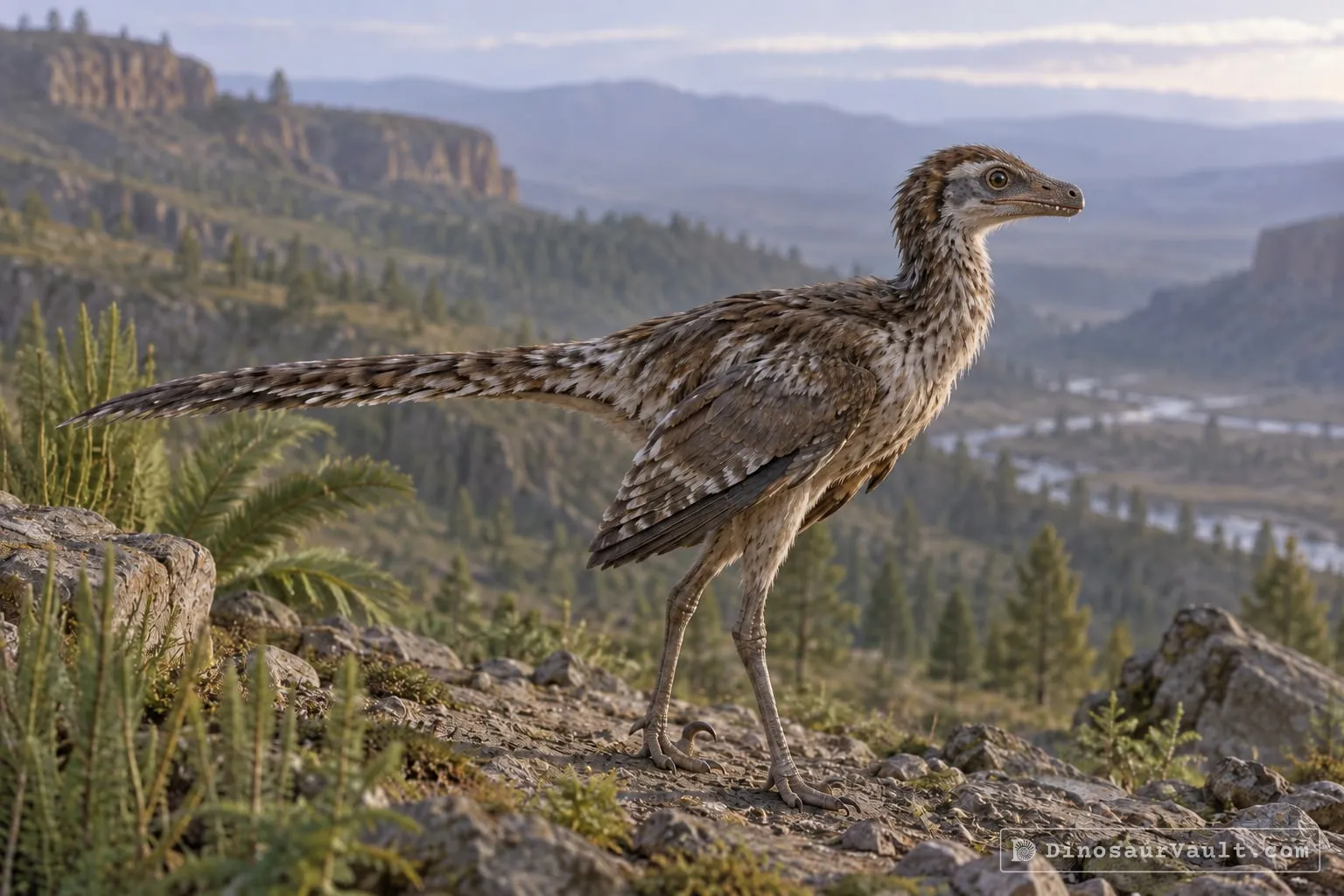
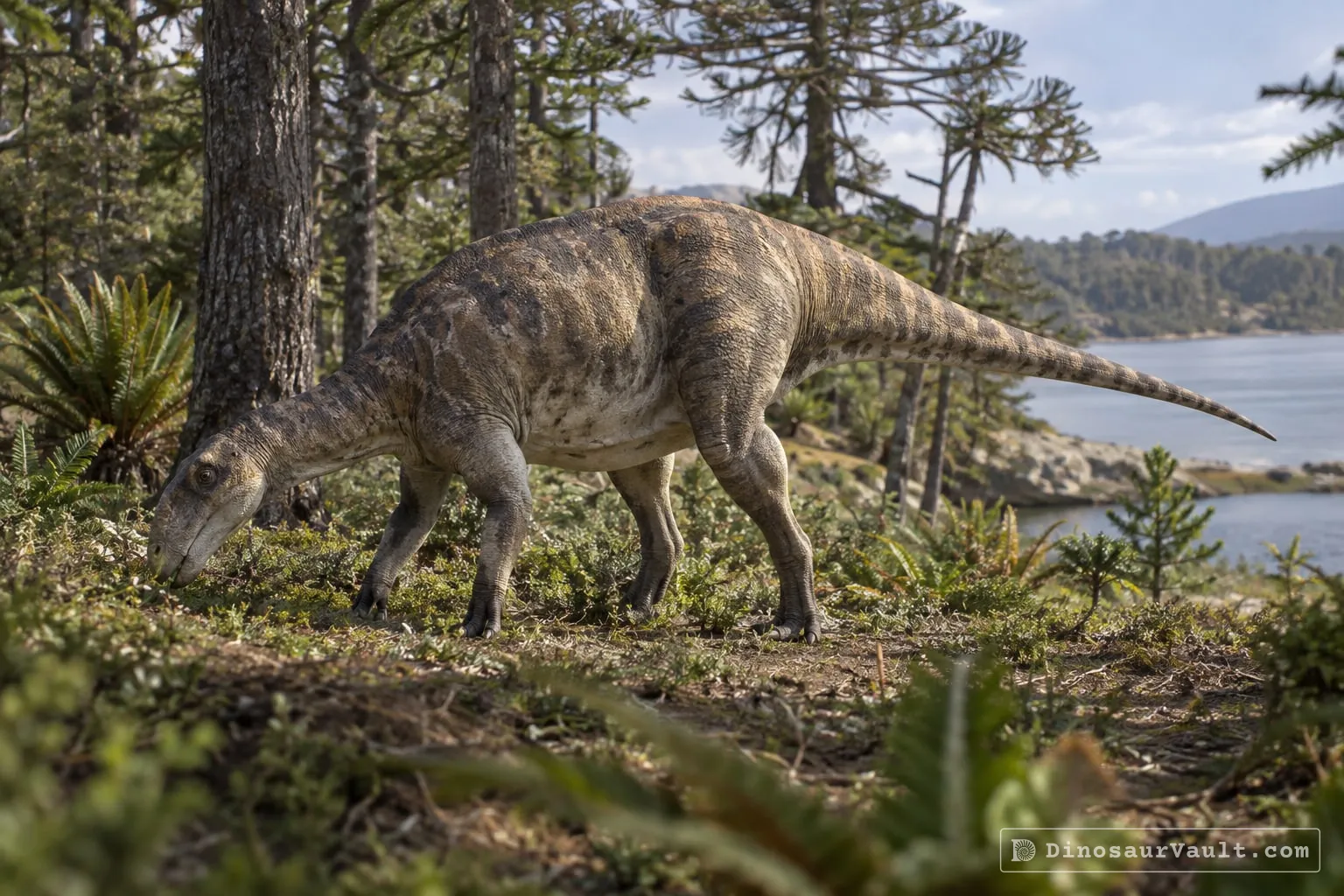
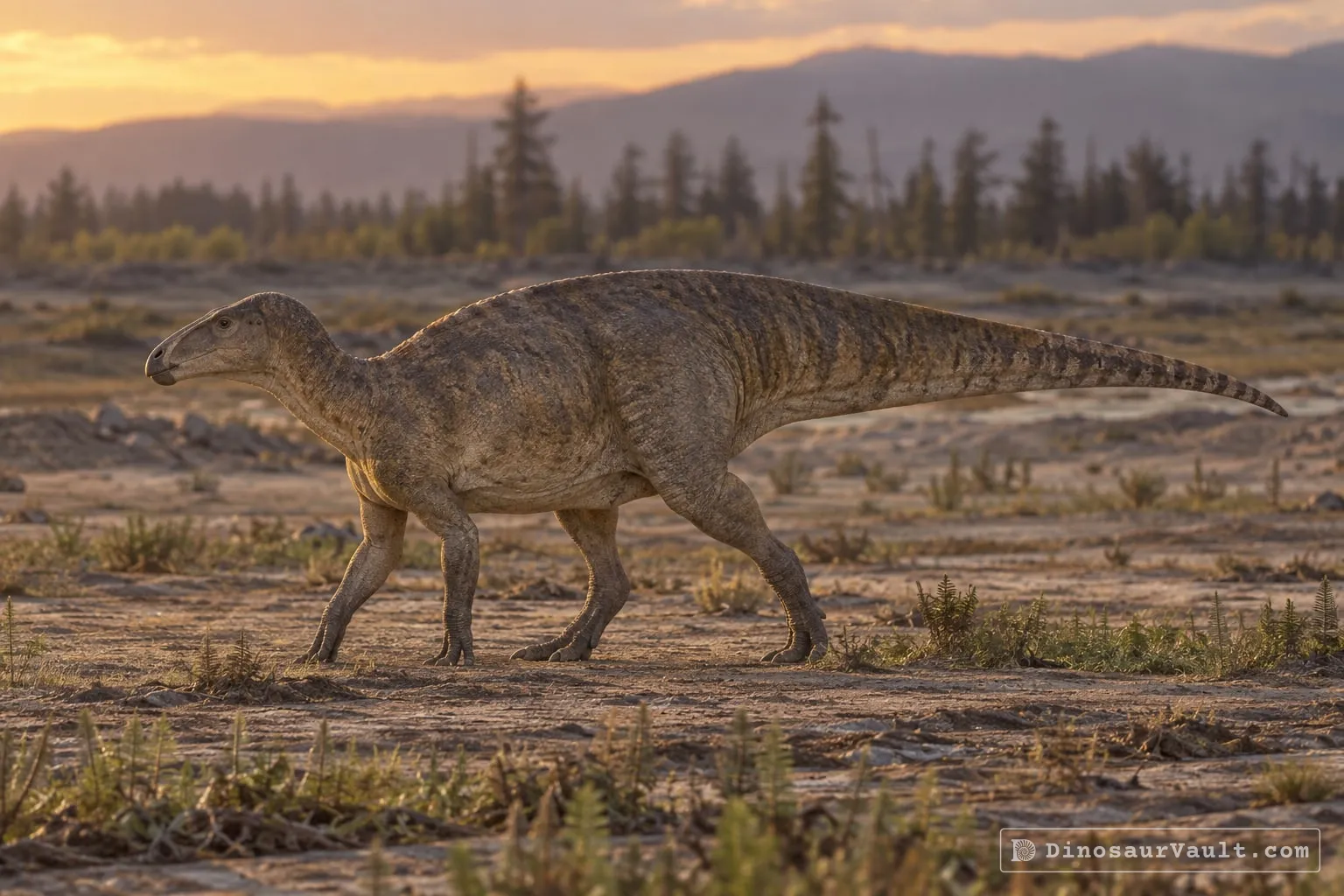
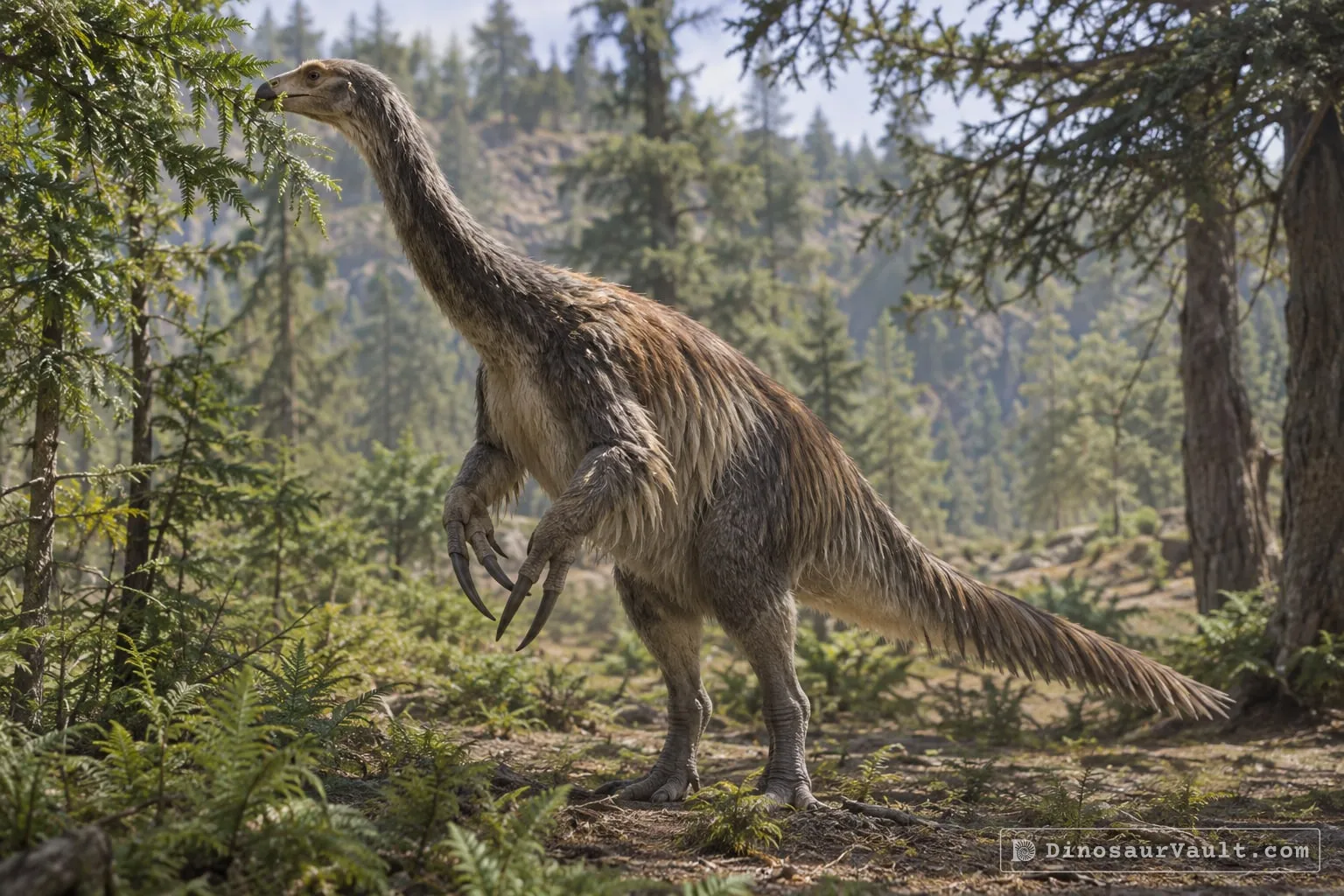


A rock formation can hold fossils laid down millions of years apart, so not every animal here met Auroraceratops.
The evidence
The science behind Auroraceratops
Which parts of the picture come from its own bones, and which come from its relatives.
From its own fossils
- Many skulls and skeletons reveal a broad snout, a short frill and rough bumps on the cheeks and lower jaw.
- The limb bones show that it walked on its hind legs.
- Its front neck vertebrae were fused into a strong unit supporting the head.
Borrowed from relatives
- Almost the whole skeleton is known from its own fossils, so little of the body needs to be borrowed from relatives.
Still unknown
- Its color and markings.
- What soft coverings grew over the rough patches on its face.
- Whether it cared for its young.
Discovery timeline
- 2005Named itYou et al.
- 2018SkullMorschhauser et al.
- 2018PostureMorschhauser et al.
- 2018Family treeMorschhauser et al.
Key papers
The research behind what we know of Auroraceratops
Named it
Named Auroraceratops from a nearly complete skull with a broad snout, rough facial bones and swollen teeth at the front of the upper jaw.
On a new genus of basal neoceratopsian dinosaur from the Early Cretaceous of Gansu Province, China. Acta Geologica Sinica 79: 593-597
No link available
Skull
Compared many skulls and described the unusual bumps, teeth and other features that distinguish Auroraceratops.
Cranial anatomy of the basal neoceratopsian Auroraceratops rugosus (Ornithischia: Ceratopsia) from the Yujingzi Basin, Gansu Province, China. Journal of Vertebrate Paleontology 38: 36-68
Read the paper : Cranial anatomy of the basal neoceratopsian Auroraceratops rugosus (Ornithischia: Ceratopsia) from the Yujingzi Basin, Gansu Province, China (opens in a new tab)Posture
Described the body skeleton and showed that Auroraceratops walked on its hind legs, with fused vertebrae at the front of its neck.
Postcranial morphology of the basal neoceratopsian (Ornithischia: Ceratopsia)Auroraceratops rugosusfrom the Early Cretaceous (Aptian–Albian) of northwestern Gansu Province, China. Journal of Vertebrate Paleontology 38: 75-116
Read the paper : Postcranial morphology of the basal neoceratopsian (Ornithischia: Ceratopsia)Auroraceratops rugosusfrom the Early Cretaceous (Aptian–Albian) of northwestern Gansu Province, China (opens in a new tab)Family tree
Compared early horned dinosaurs and recovered Auroraceratops in a branch with Aquilops.
Phylogenetic history ofAuroraceratops rugosus(Ceratopsia: Ornithischia) from the Lower Cretaceous of Gansu Province, China. Journal of Vertebrate Paleontology 38: 117-147
Read the paper : Phylogenetic history ofAuroraceratops rugosus(Ceratopsia: Ornithischia) from the Lower Cretaceous of Gansu Province, China (opens in a new tab)
Close relatives
Other members of Neoceratopsia


Sources: Wikidata