Erliansaurus
"Erlian lizard"
Type species Erliansaurus bellamanus
- Lived
- 84 to 72 million years ago, Late Cretaceous
- Diet
- Herbivore
- Group
- Theropods, Therizinosauridae
- Found in
- China
- Named by
- Xu et al. 2002
Where its fossils were found
The evidence
Today

80 million years ago
Habitat
Rivers crossed a vegetated floodplain in the Iren Dabasu Formation. Neimongosaurus, Bactrosaurus and Gigantoraptor also occur in these rocks.
Field notes
About Erliansaurus
What it was like
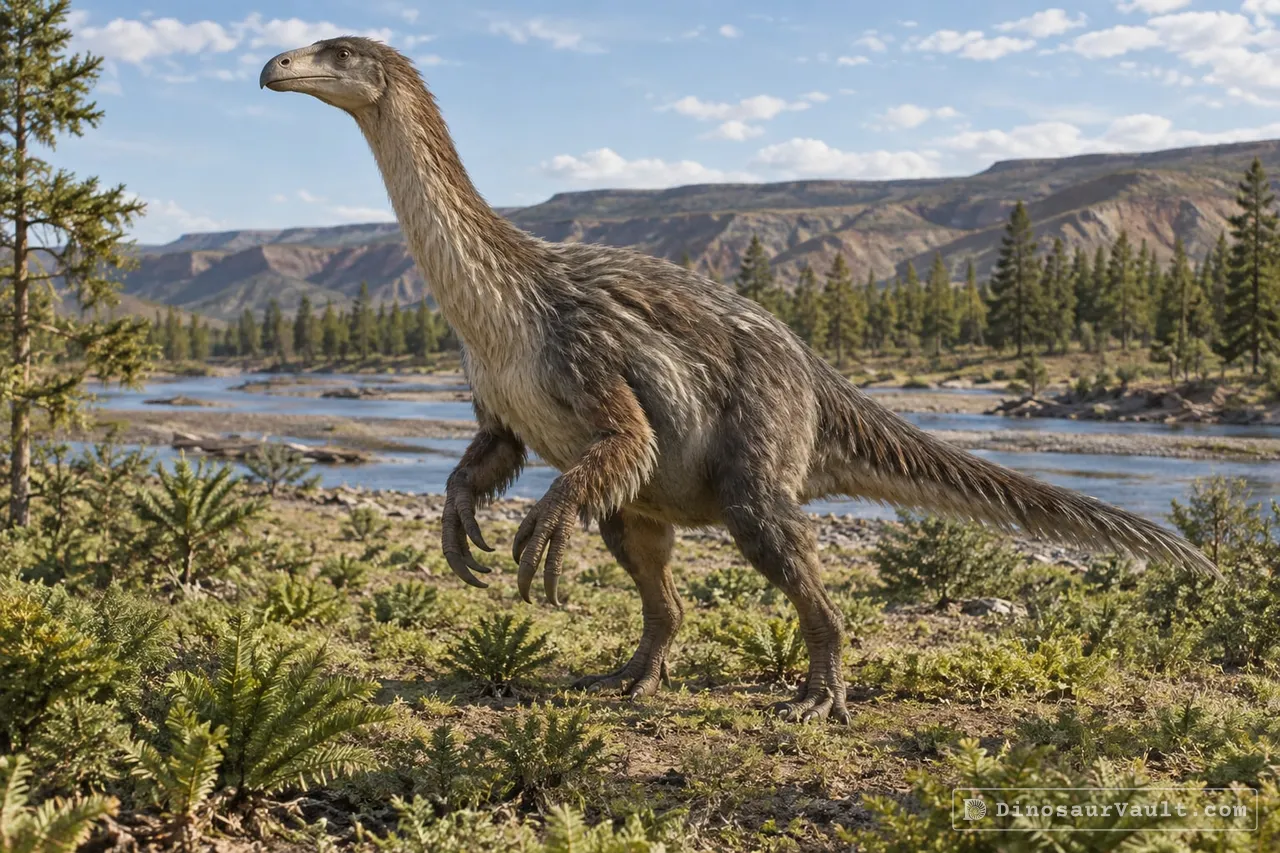
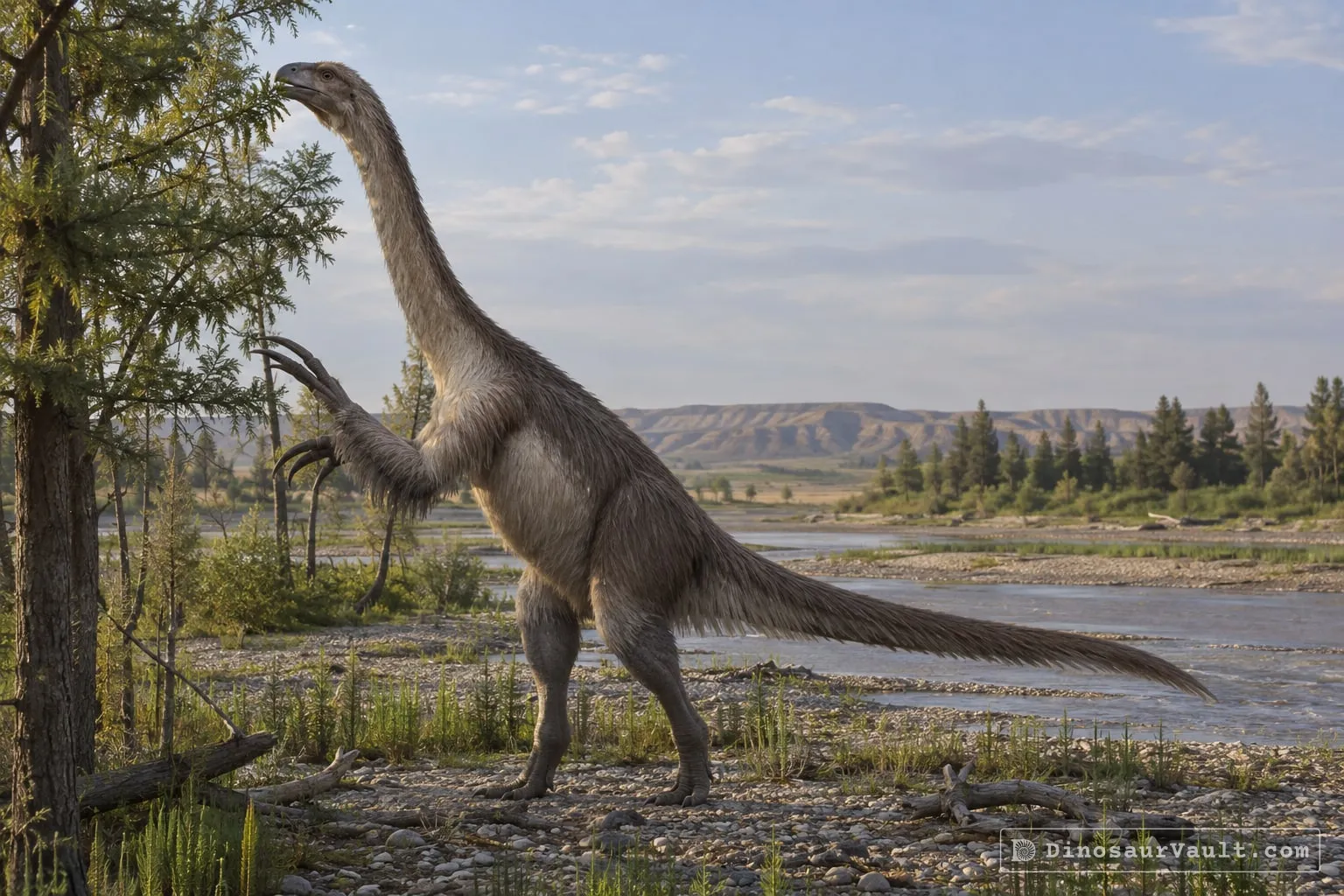
Erliansaurus was a therizinosaur, a plant eater with a long neck, long claws on its hands and a small head. It is known from part of a skeleton.
Its world
It lived in the Late Cretaceous in what is now northern China. Its bones come from the Iren Dabasu Formation, where it shared the land with another therizinosaur, Neimongosaurus, the giant oviraptor Gigantoraptor and the plant eaters Bactrosaurus and Gilmoreosaurus.
How it was found
Xu and colleagues named Erliansaurus in 2002, from a single find. Its species name means "beautiful hand".
Field gallery
More views of Erliansaurus
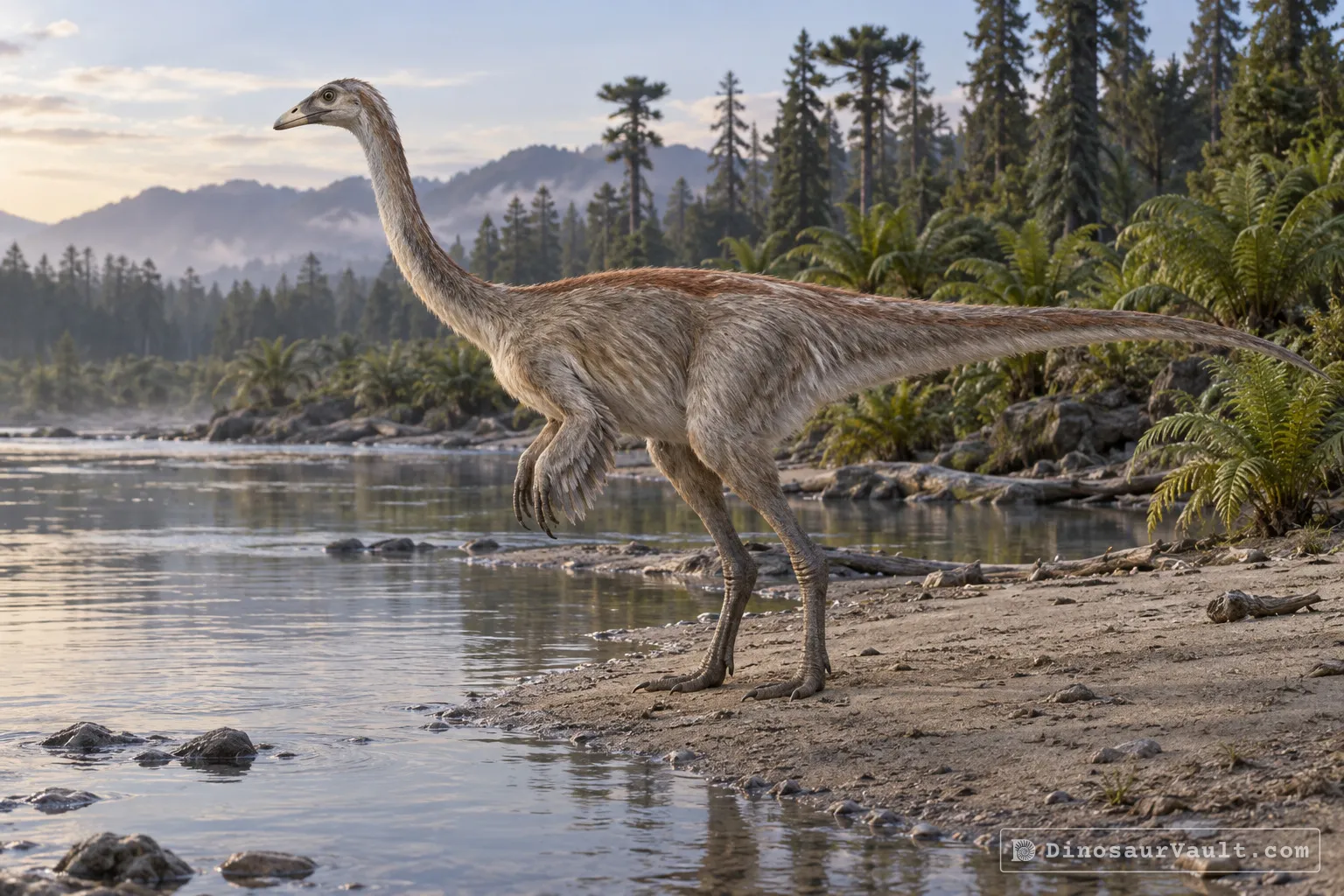
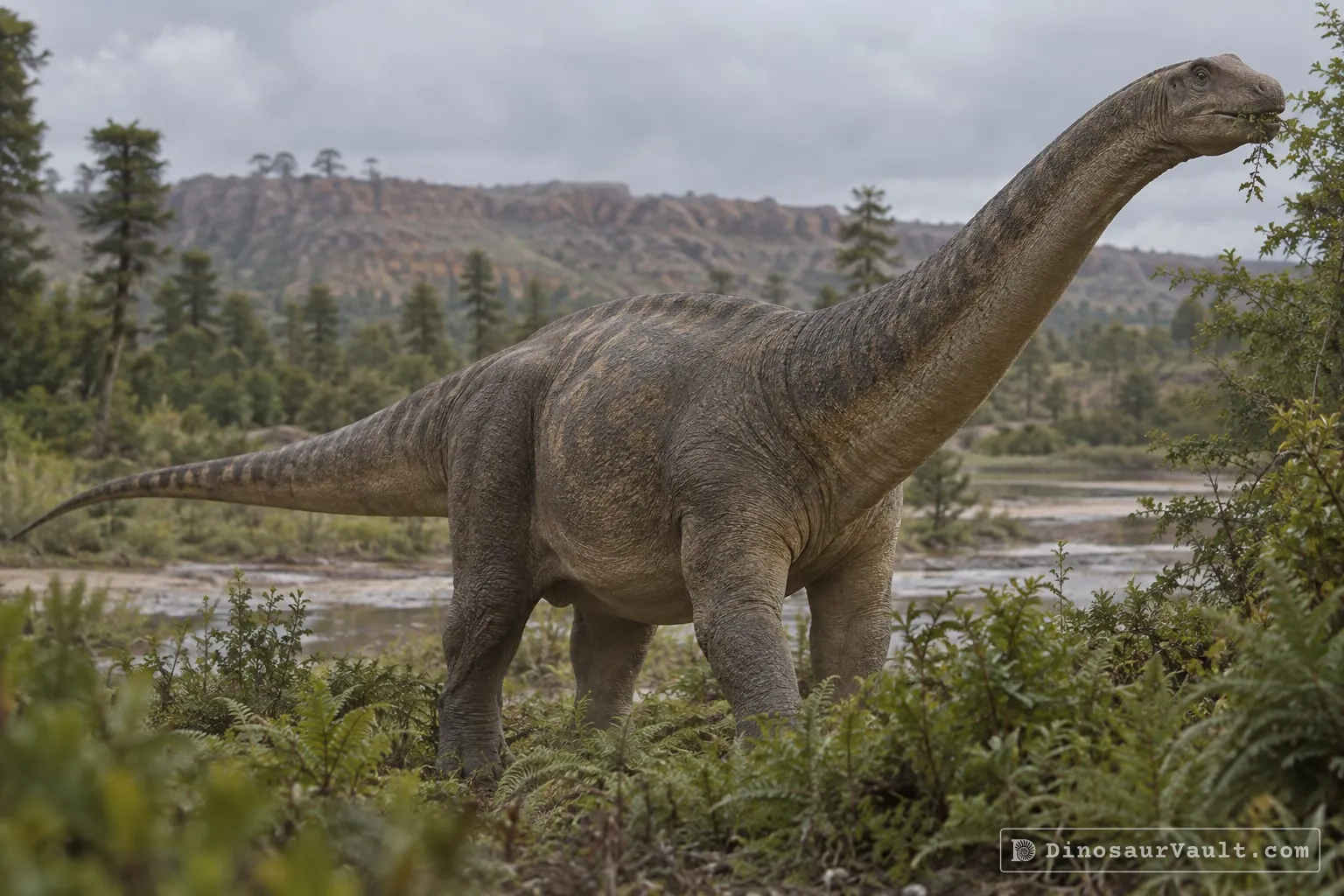
Scenes reconstructed from the available fossil evidence.
Lived alongside
Found in the same rock formations
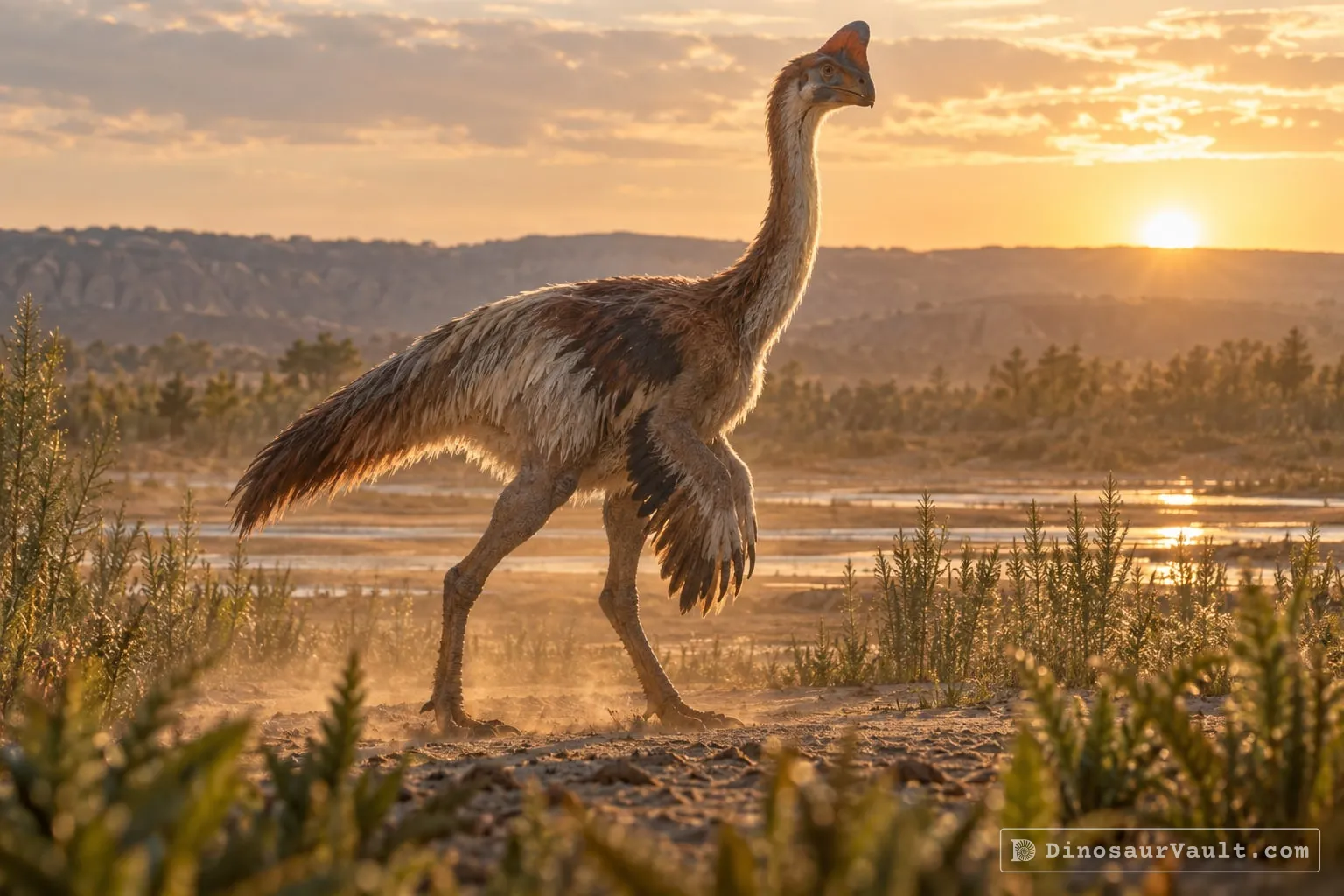
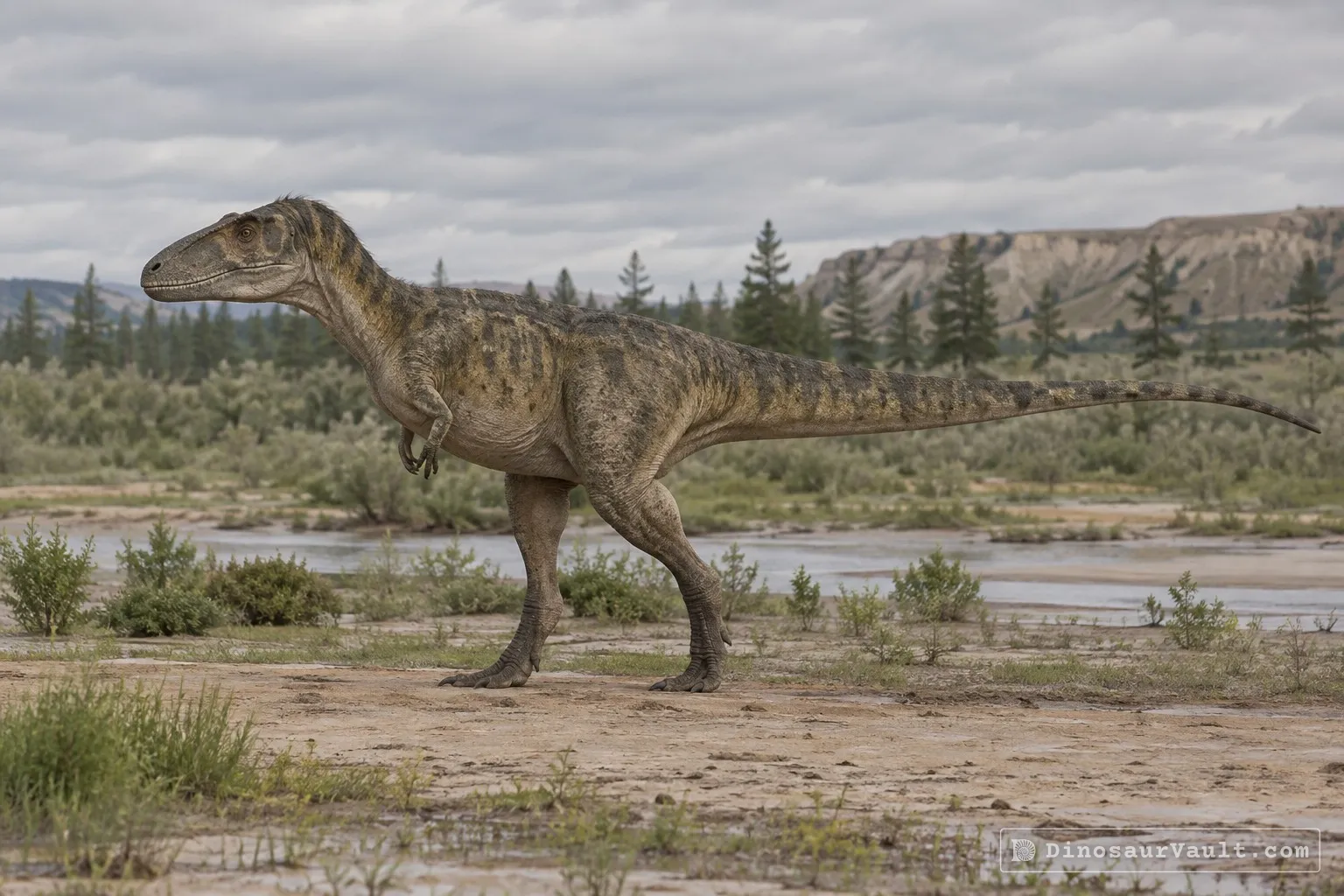
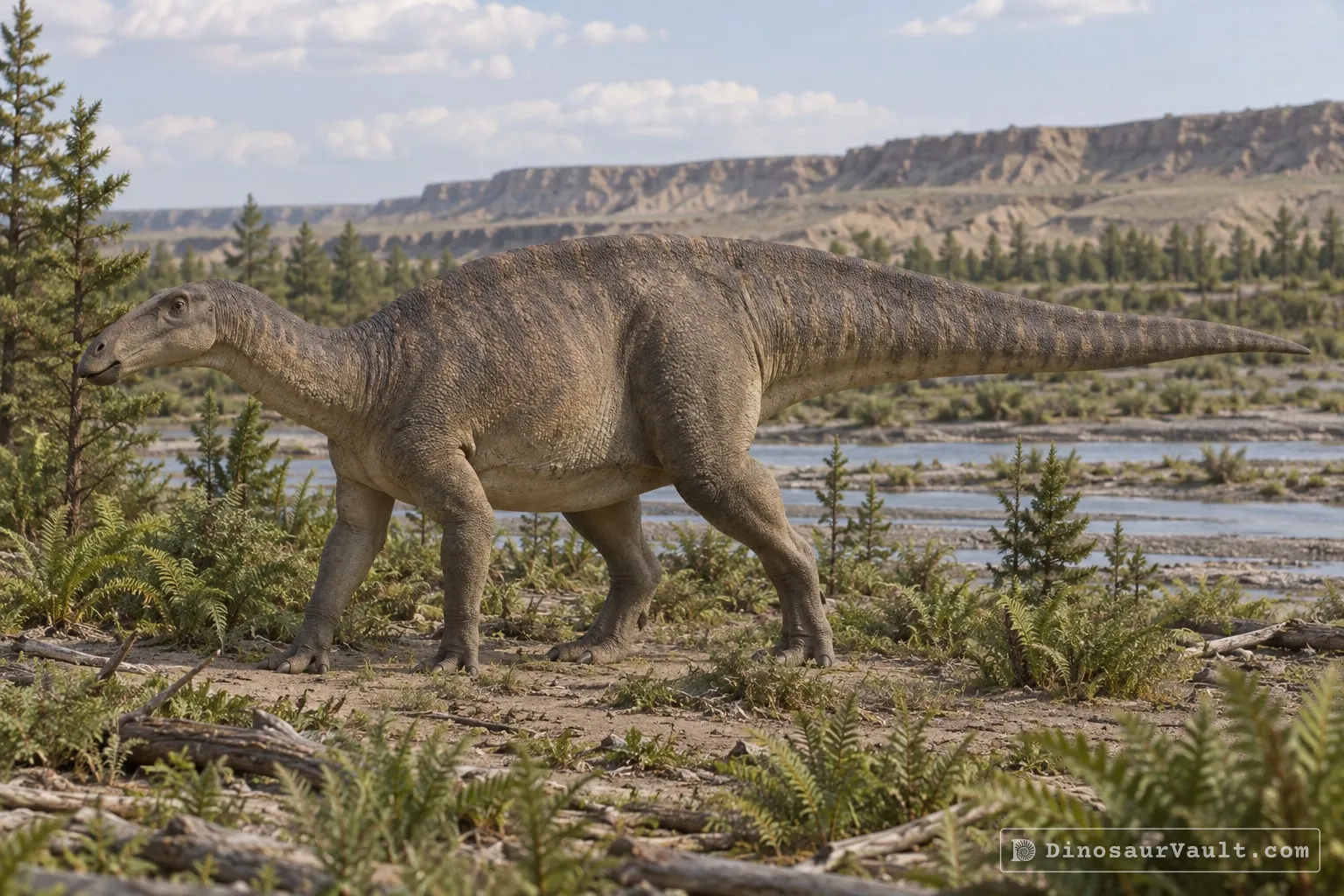
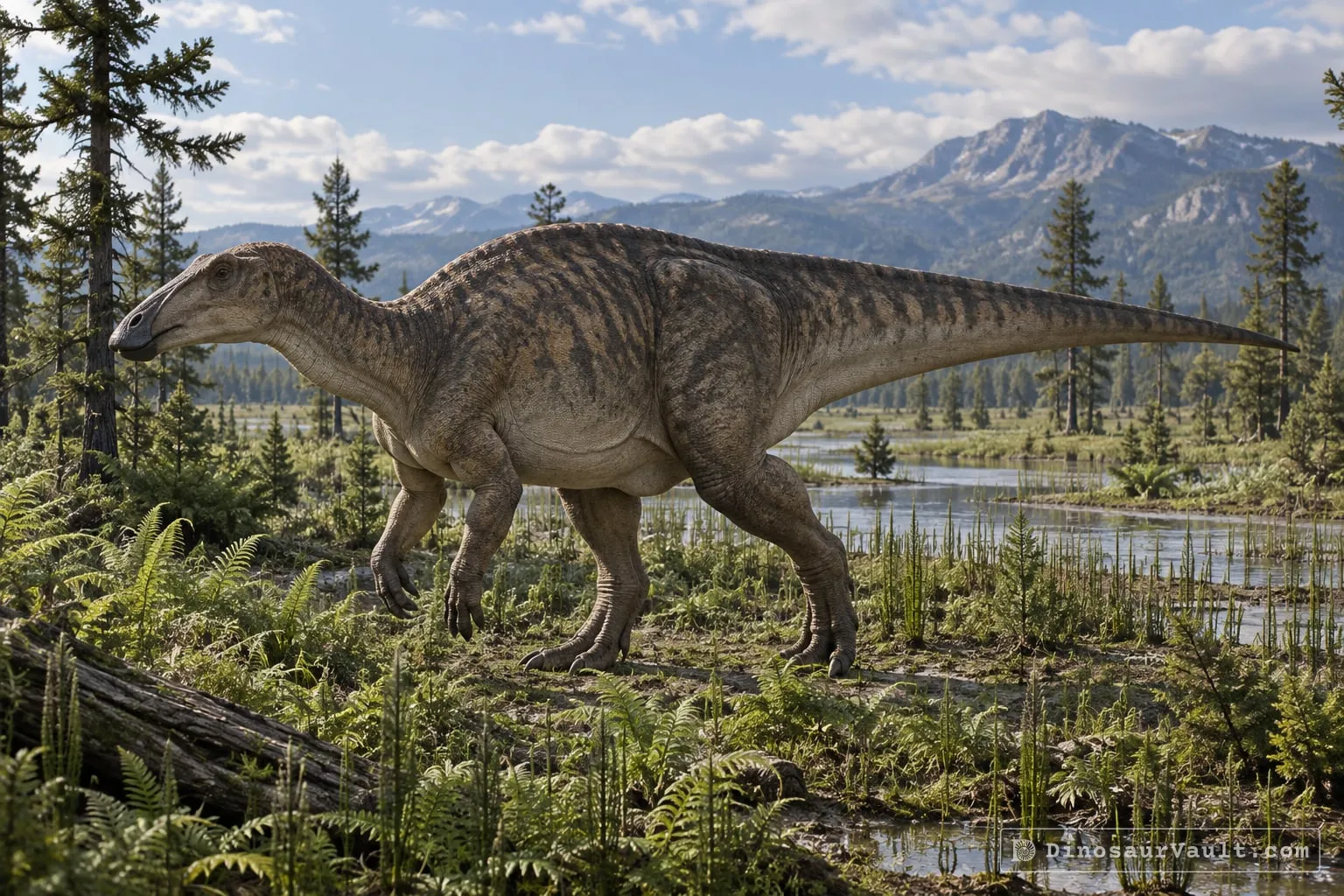
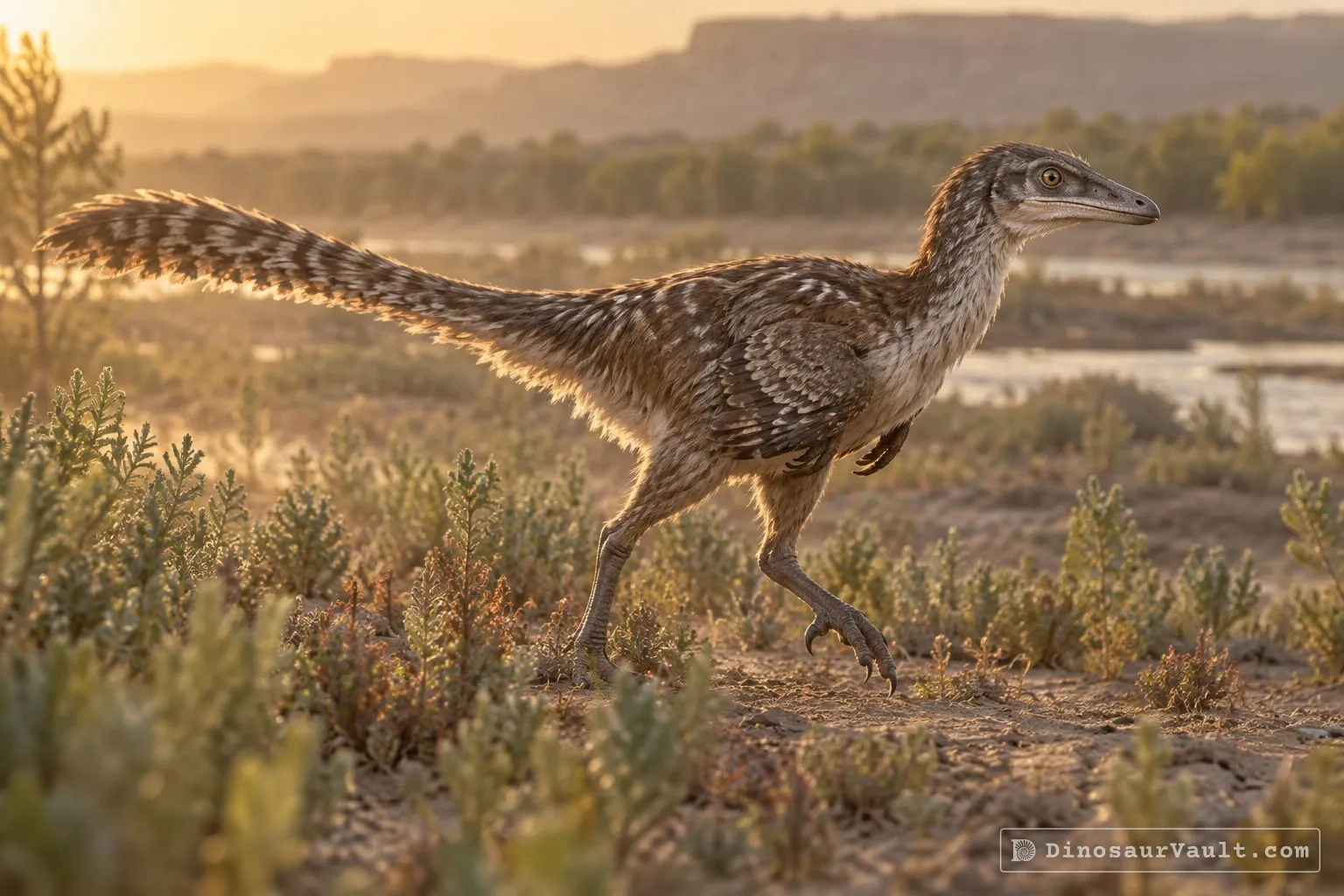


A rock formation can hold fossils laid down millions of years apart, so not every animal here met Erliansaurus.
The evidence
The science behind Erliansaurus
Which parts of the picture come from its own bones, and which come from its relatives.
From its own fossils
- A partial skeleton preserves back and tail vertebrae, most of an arm, parts of the hips and several leg bones.
- Its hand claws were strongly curved and flattened from side to side, with the largest claw on the thumb.
- The shin was shorter than the thigh, and the foot bones were short.
Borrowed from relatives
- The missing head is restored using the skull of Erlikosaurus.
- A covering of simple feathers is inferred from Beipiaosaurus, a therizinosaur with preserved feather filaments.
Still unknown
- Its own skull shape and teeth.
- Its adult size and growth pattern.
- Its feather covering and color.
Often drawn wrong
- Its hand claws should follow its own curved bones, without copying the extremely long claws of Therizinosaurus.
Discovery timeline
- 2002Named itXu et al.
- 2009Close relativeXu, Zheng & You
- 2010Family treeZanno
Key papers
The research behind what we know of Erliansaurus
Named it
Named Erliansaurus from a partial skeleton with distinctive hand claws and leg bones.
A new therizinosauroid (Dinosauria, Theropoda) from the Upper Cretaceous Iren Dabasu Formation of Nei Mongol. Vertebrata PalAsiatica 40: 228-240
No link available
Close relative
Documented broad feather filaments in Beipiaosaurus, supporting a feather covering as a possibility for other therizinosaurs.
A new feather type in a nonavian theropod and the early evolution of feathers. Proceedings of the National Academy of Sciences 106: 832-834
Read the paper : A new feather type in a nonavian theropod and the early evolution of feathers (opens in a new tab)Family tree
Reassessed Erliansaurus and other therizinosaurs, identifying distinctive features in its tail vertebrae and lower leg.
A taxonomic and phylogenetic re-evaluation of Therizinosauria (Dinosauria: Maniraptora). Journal of Systematic Palaeontology 8: 503-543
Read the paper : A taxonomic and phylogenetic re-evaluation of Therizinosauria (Dinosauria: Maniraptora) (opens in a new tab)
Close relatives
Other members of Therizinosauridae


Sources: Wikidata