Equijubus
"horse mane"
- Lived
- 113 to 110 million years ago, Early Cretaceous
- Diet
- Herbivore
- Group
- Ornithopods
- Found in
- China
- Named by
- You et al. 2003
Where its fossils were found
The evidence
Today

110 million years ago
Habitat
Rivers and lakes lay within inland basins in northwestern China, where grasses and other flowering plants grew. The regional dinosaur fauna included Psittacosaurus, Archaeoceratops and Gobititan.
Field notes
About Equijubus
What it was like
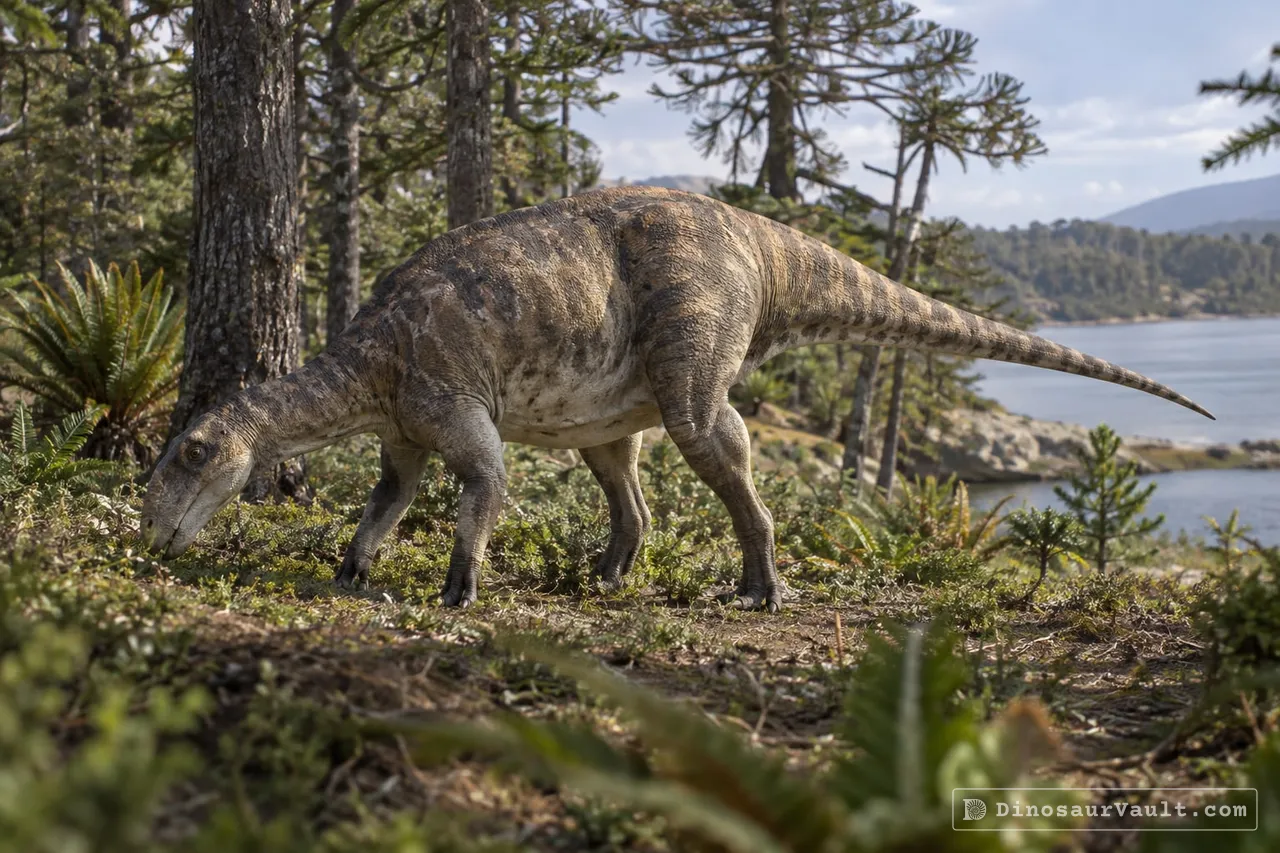
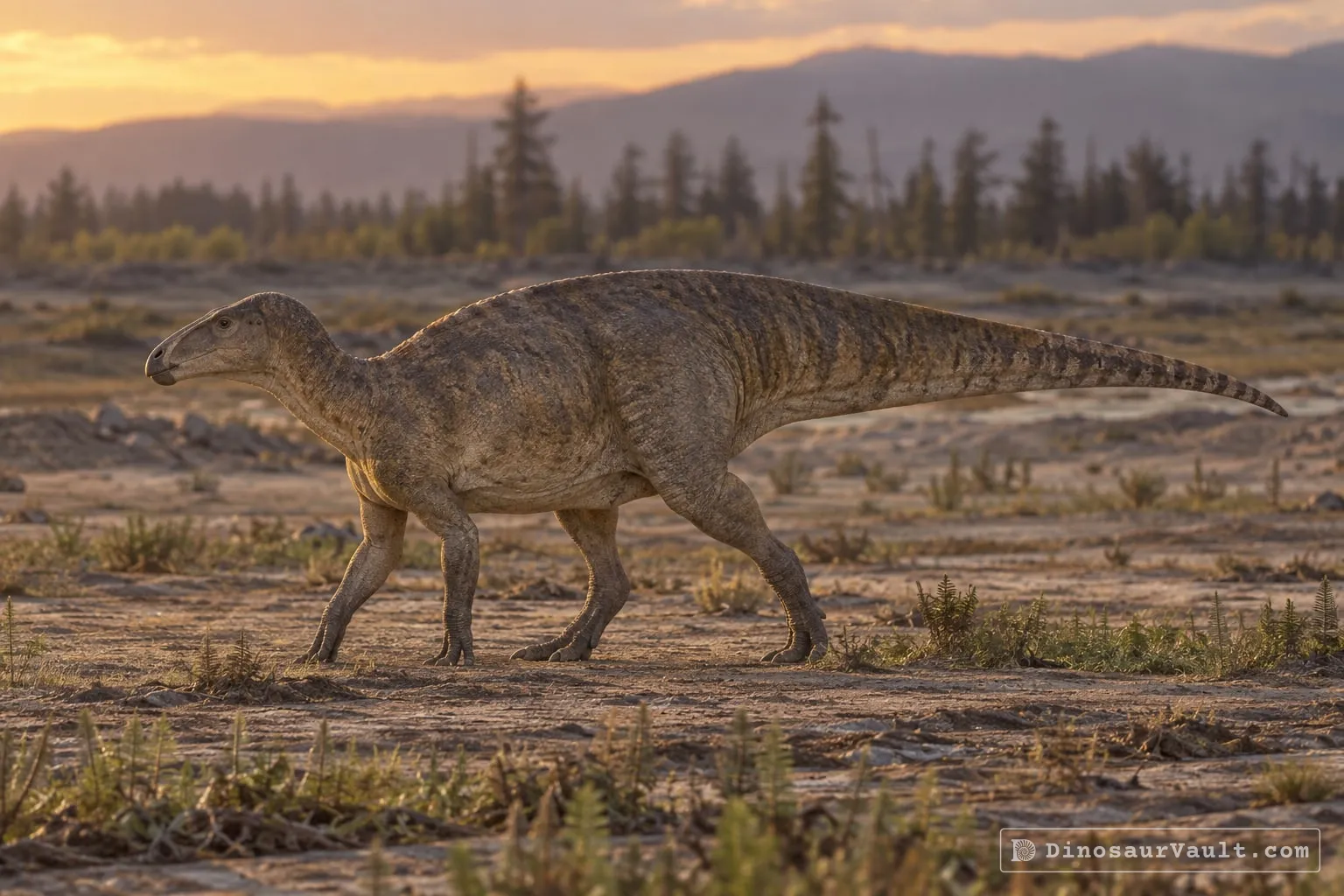
Equijubus was a plant eater, an early relative of the duck-billed dinosaurs, known from a skull and part of a skeleton. It had a beak and grinding teeth.
Its world
It lived in the Early Cretaceous in what is now northwestern China. Its bones come from the Zhonggou Formation, where it shared the land with Psittacosaurus, the early horned Archaeoceratops and Auroraceratops and the long-necked Gobititan.
How it was found
You and colleagues named Equijubus in 2003. Its name refers to a mountain near where it was found.
Field gallery
More views of Equijubus
Scenes reconstructed from the available fossil evidence.
1 of 3
Lived alongside
Found in the same rock formations
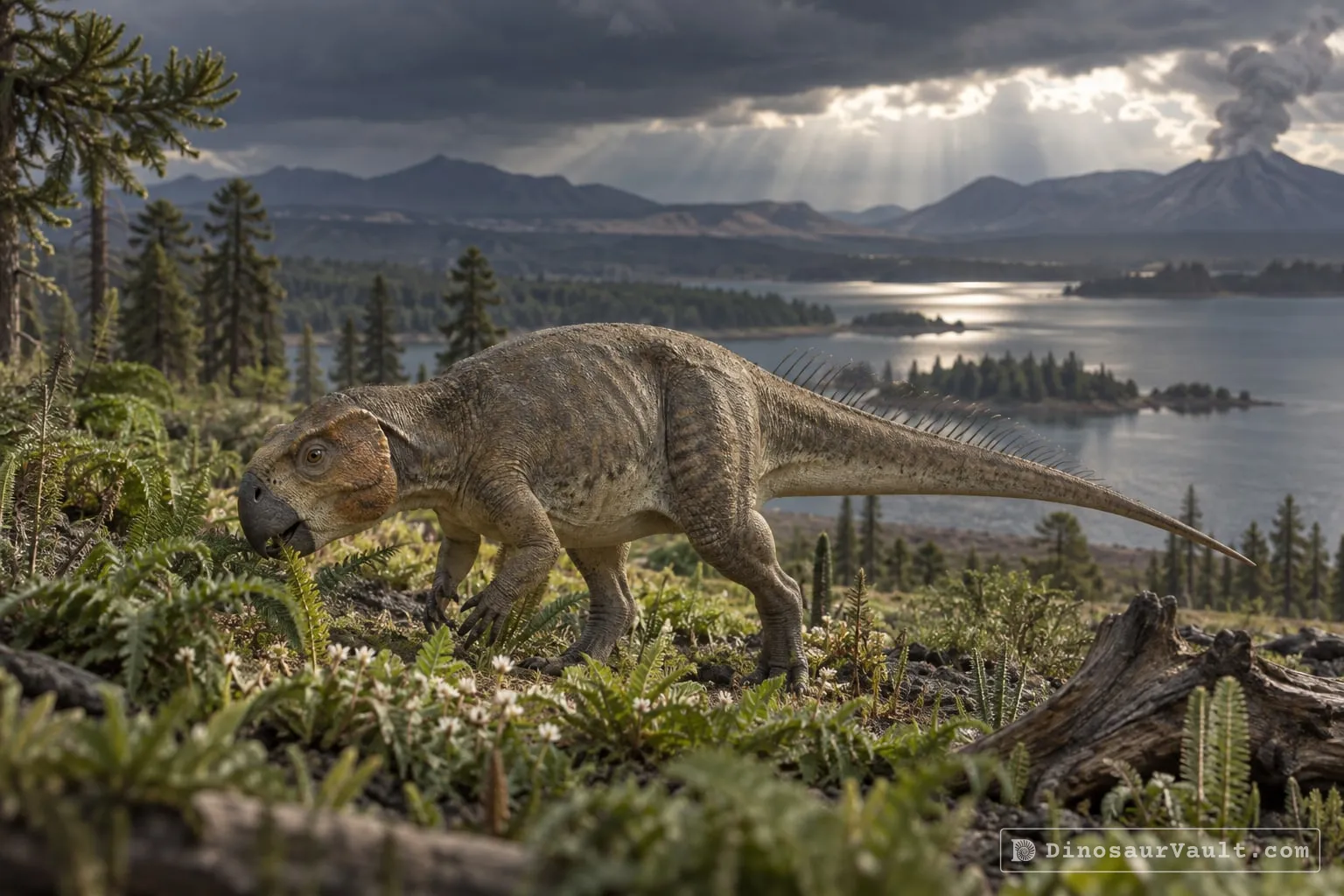
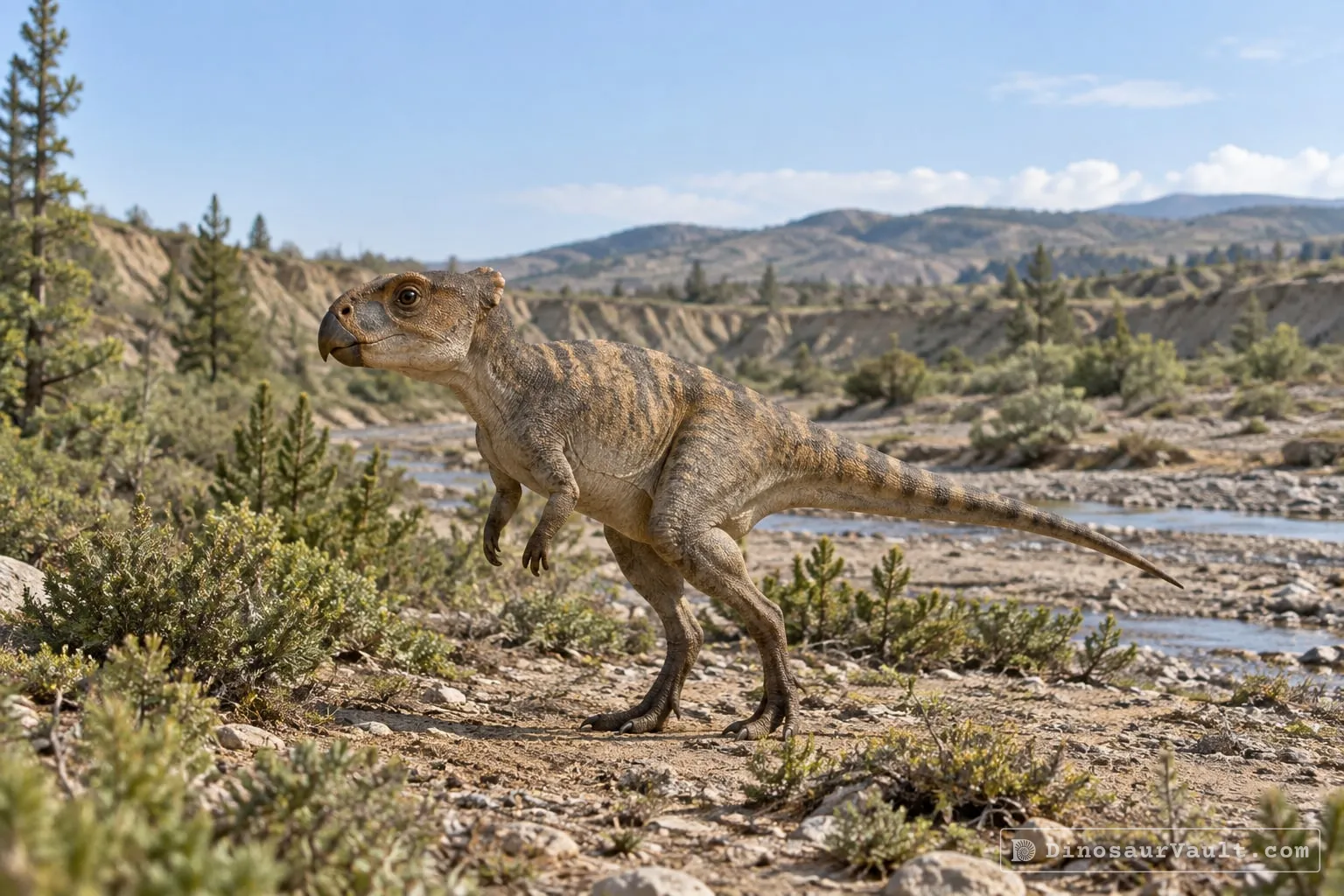
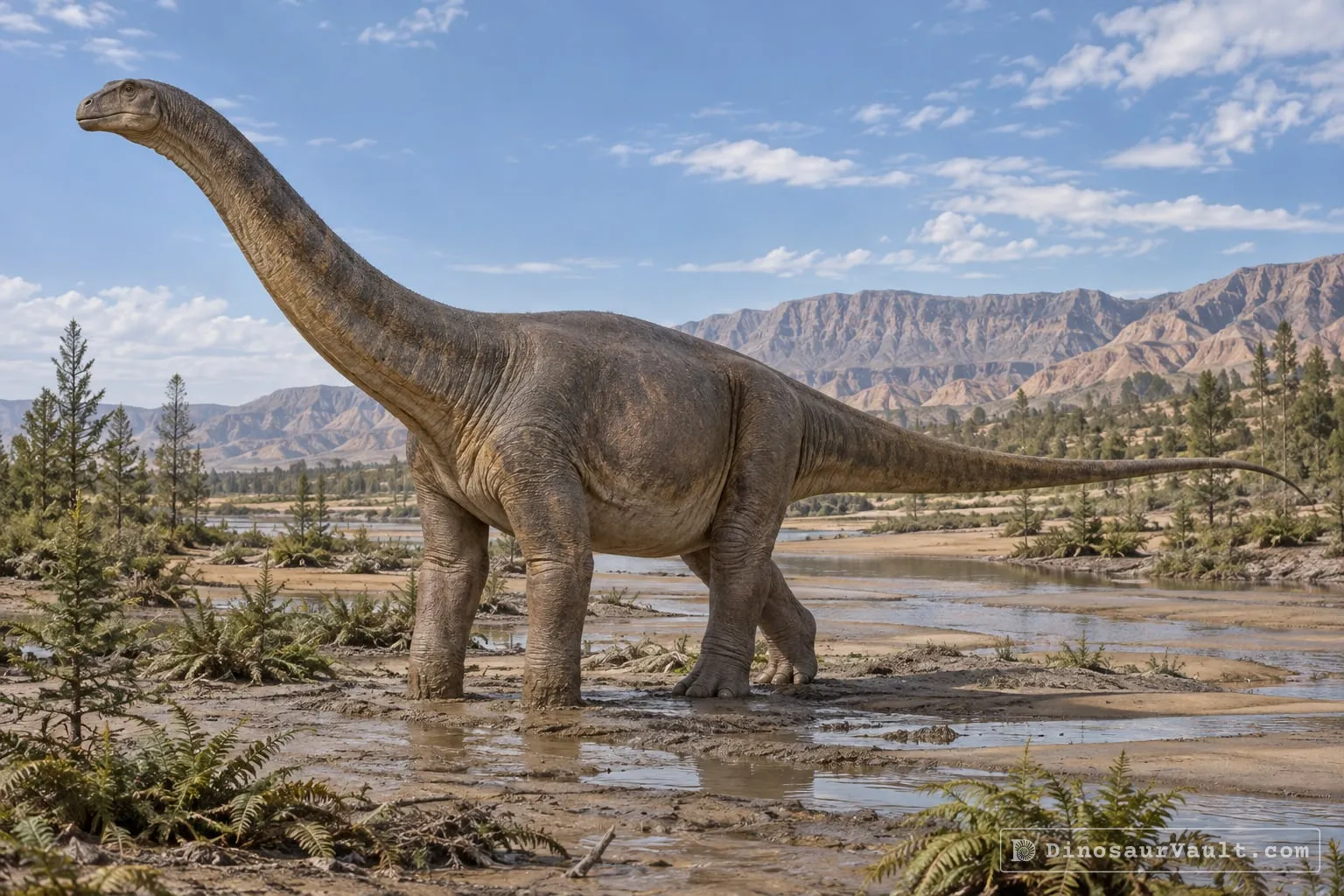
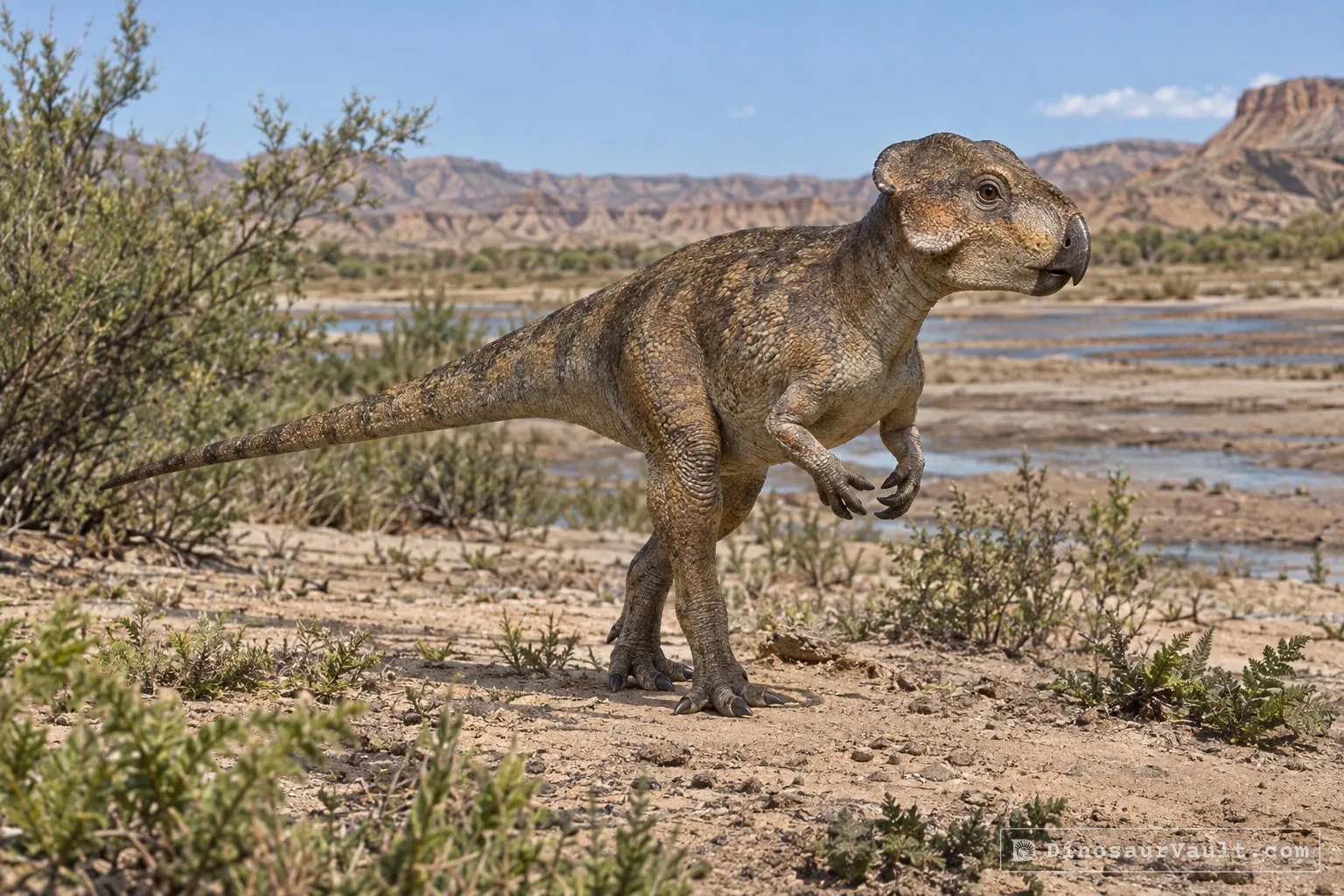
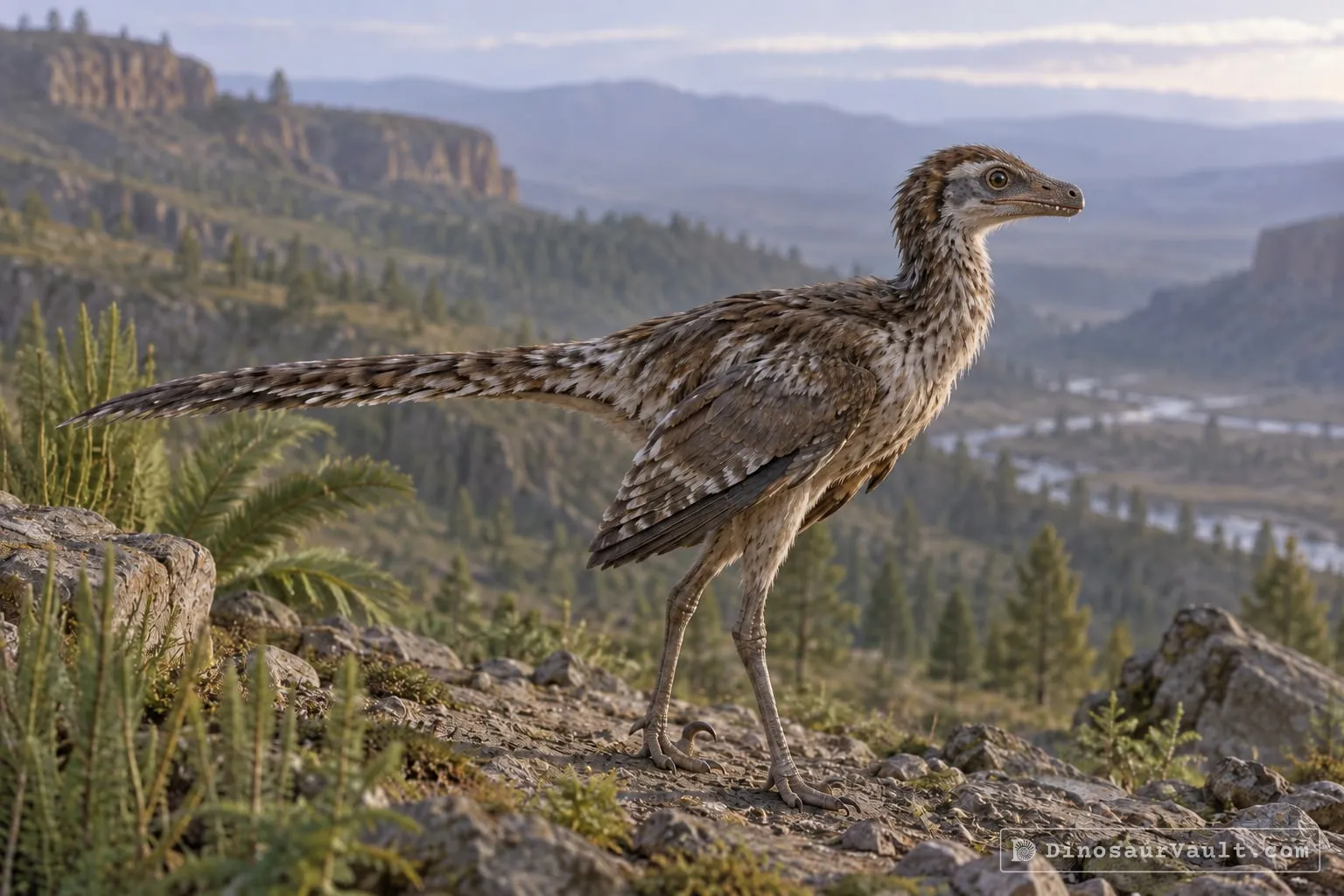
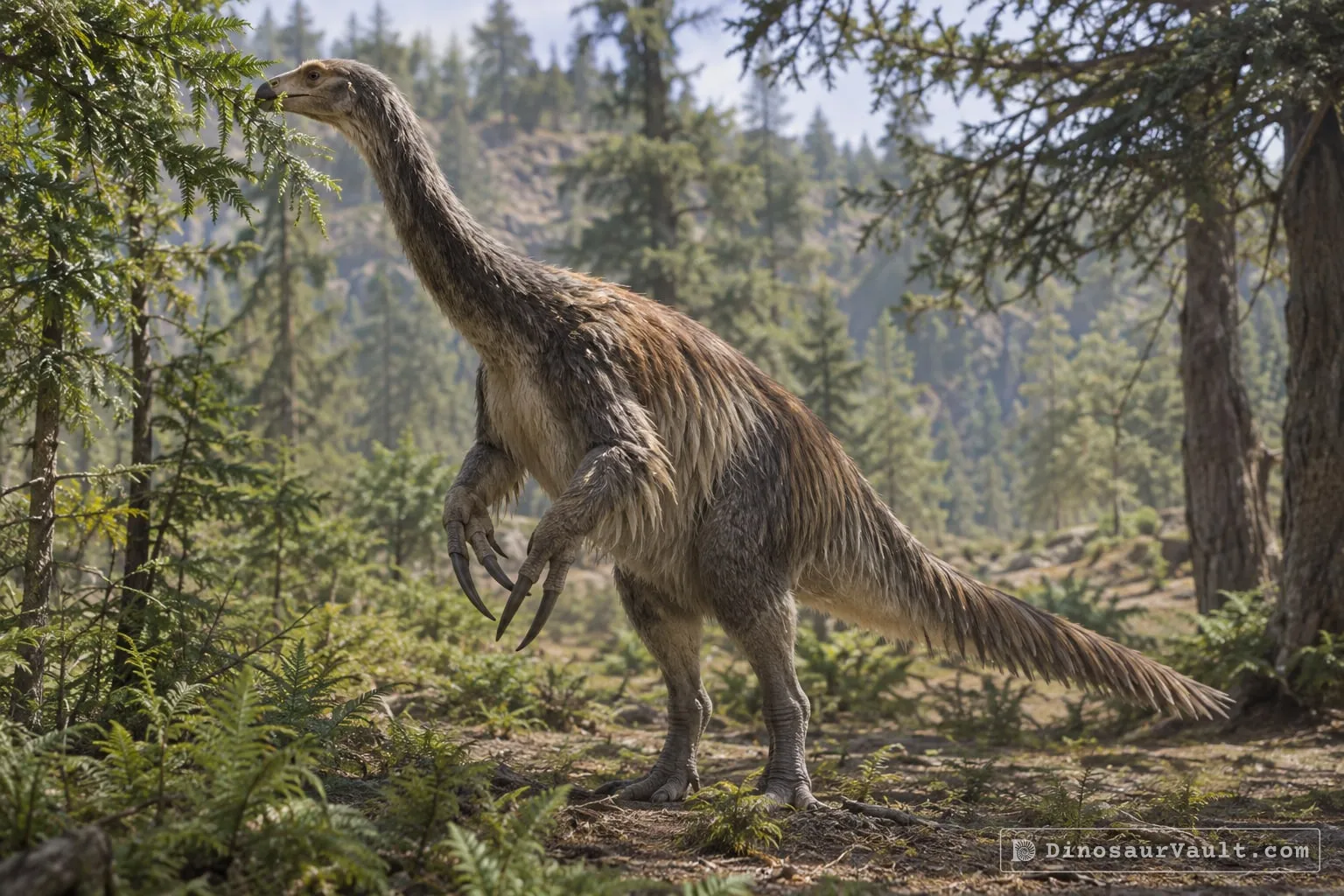


A rock formation can hold fossils laid down millions of years apart, so not every animal here met Equijubus.
The evidence
The science behind Equijubus
Which parts of the picture come from its own bones, and which come from its relatives.
From its own fossils
- A complete skull with attached lower jaws was found with part of the backbone.
- Its jaws carried closely packed teeth for processing plants.
- Tiny grass fragments and silica particles were found in material along its teeth.
Borrowed from relatives
- The missing limbs and tail are restored from related plant eaters such as Iguanodon and Eolambia.
Still unknown
- The proportions of its limbs and tail.
- Its skin covering and color.
- How much grass it ate compared with other plants.
Discovery timeline
- 2003Named itYou et al.
- 2012Family treeMcDonald
- 2017How it fedWu, You & Li
Key papers
The research behind what we know of Equijubus
Named it
Described a skull and partial backbone combining features of earlier plant eaters with those of duck-billed dinosaurs.
The earliest-known duck-billed dinosaur from deposits of late Early Cretaceous age in northwest China and hadrosaur evolution. Cretaceous Research 24: 347-355
Read the paper : The earliest-known duck-billed dinosaur from deposits of late Early Cretaceous age in northwest China and hadrosaur evolution (opens in a new tab)Family tree
Used new information about Equijubus in a broad comparison of the plant-eating dinosaurs leading toward duck-billed dinosaurs.
Phylogeny of Basal Iguanodonts (Dinosauria: Ornithischia): An Update. PLoS ONE 7: e36745
Read the paper : Phylogeny of Basal Iguanodonts (Dinosauria: Ornithischia): An Update (opens in a new tab)How it fed
Found microscopic grass remains along the teeth of Equijubus, suggesting that grasses formed part of its diet.
Dinosaur-associated Poaceae epidermis and phytoliths from the Early Cretaceous of China. National Science Review 5: 721-727
Read the paper : Dinosaur-associated Poaceae epidermis and phytoliths from the Early Cretaceous of China (opens in a new tab)
Close relatives
Other members of Hadrosauroidea


Sources: Wikidata