Outline: a typical ankylosaur
Sauropelta
SORE-oh-PEL-tuh
"lizard shield"
- Lived
- 121 to 94 million years ago, Early Cretaceous to Late Cretaceous
- Diet
- Herbivore
- Length
- about 6.5 m (21 ft)
- Group
- Ankylosaurs, Nodosauridae
- Found in
- United States
- Named by
- Ostrom 1970
Size comparison
To scale

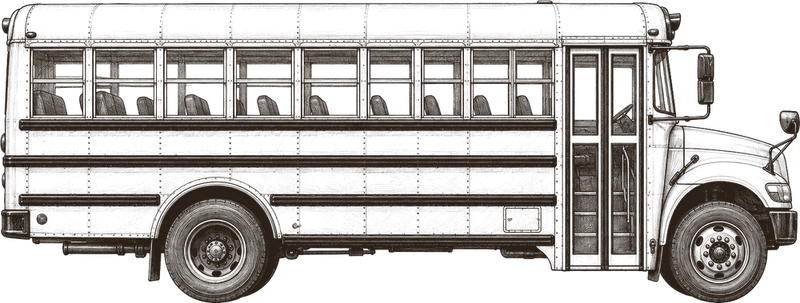
Scale in metersOutline: typical ankylosaur shape
Where its fossils were found
The evidence
Today
110 million years ago
Field notes
About Sauropelta
What it was like
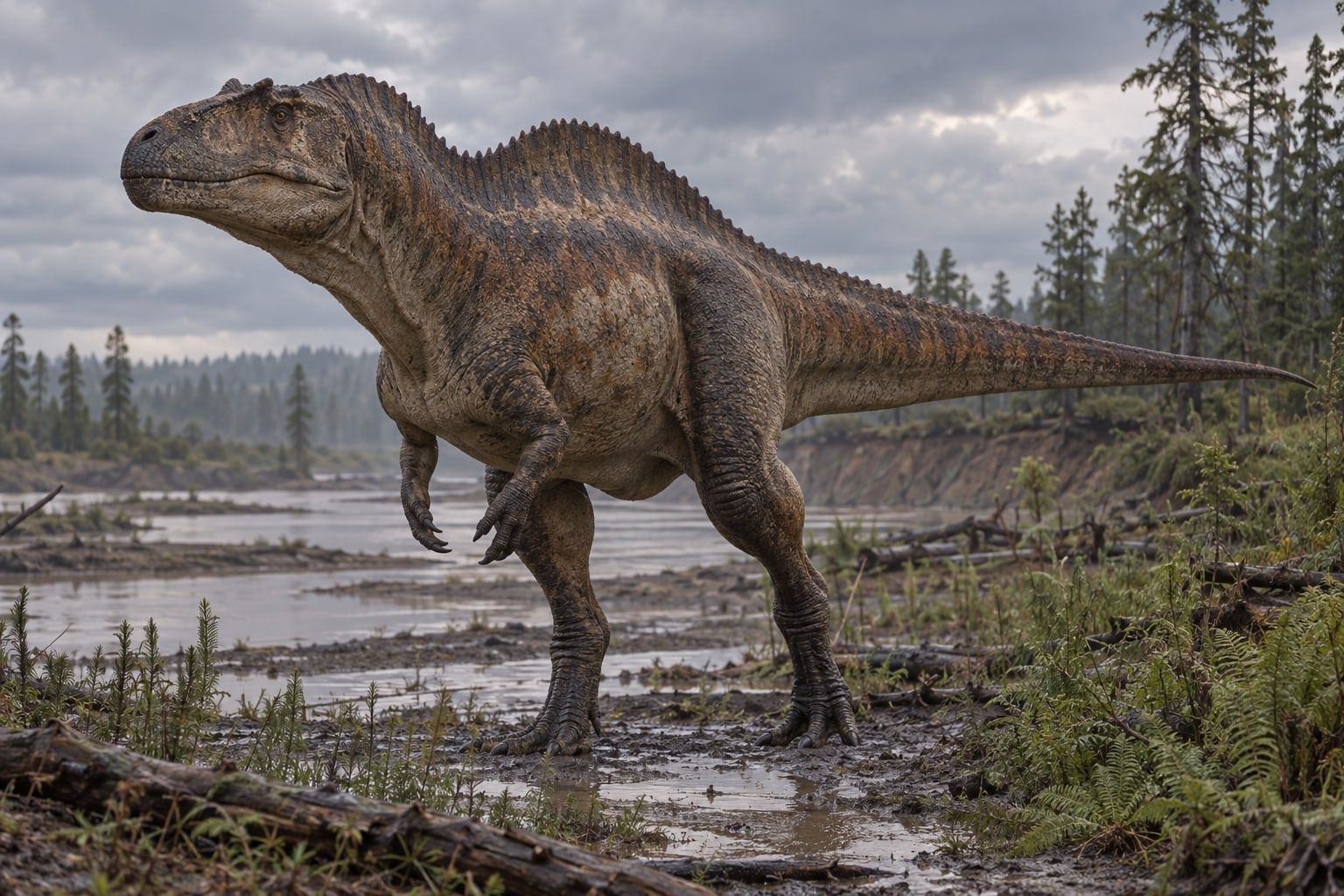
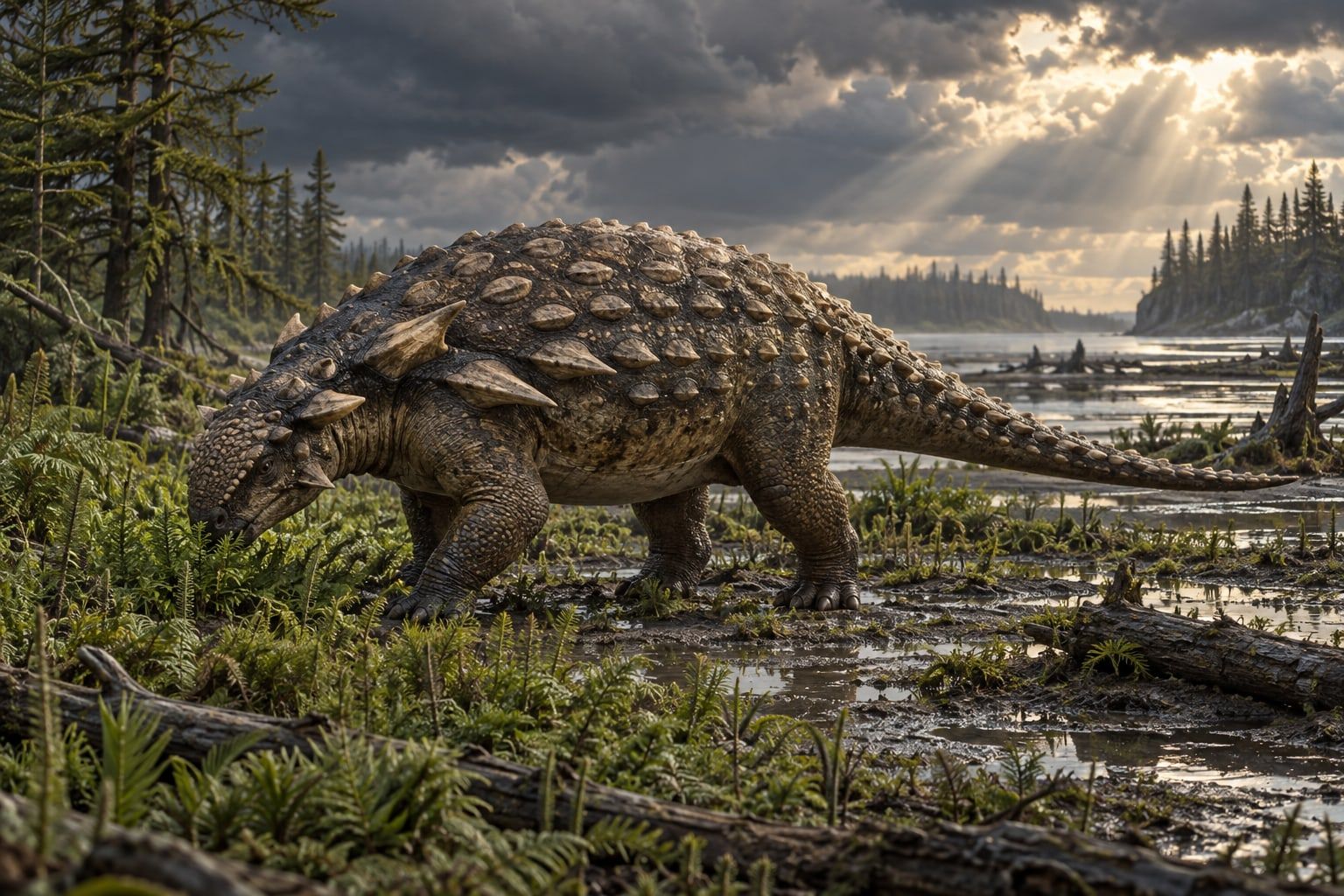
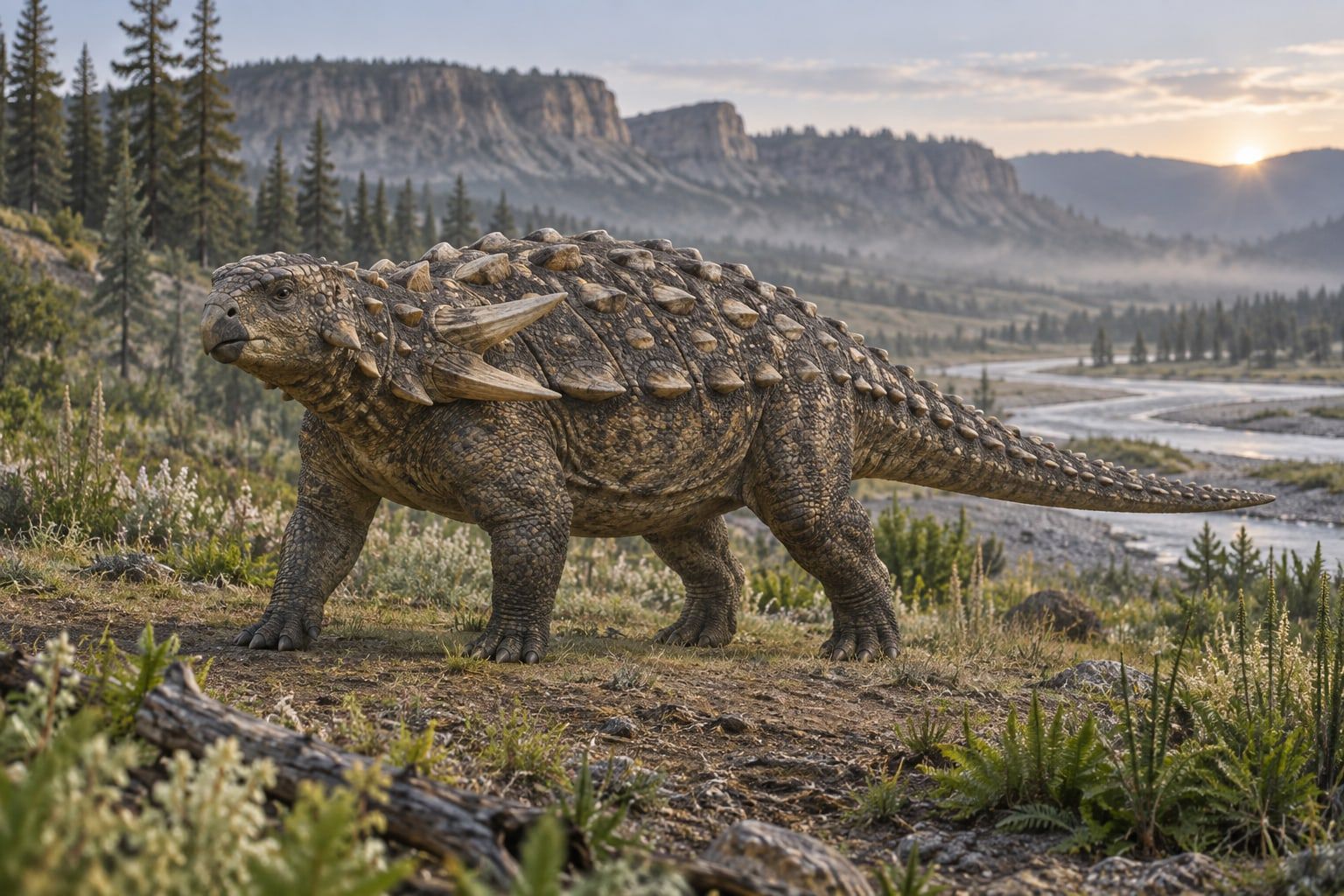
Sauropelta was a nodosaur, an armored plant eater without a tail club. Its back was covered in rows of bony plates set in the skin, and long spikes stuck out from its neck and shoulders, probably to protect it from attack.
It was about 6.5 meters (21 feet) long, and its tail was very long, making up about half of its length.
Its world
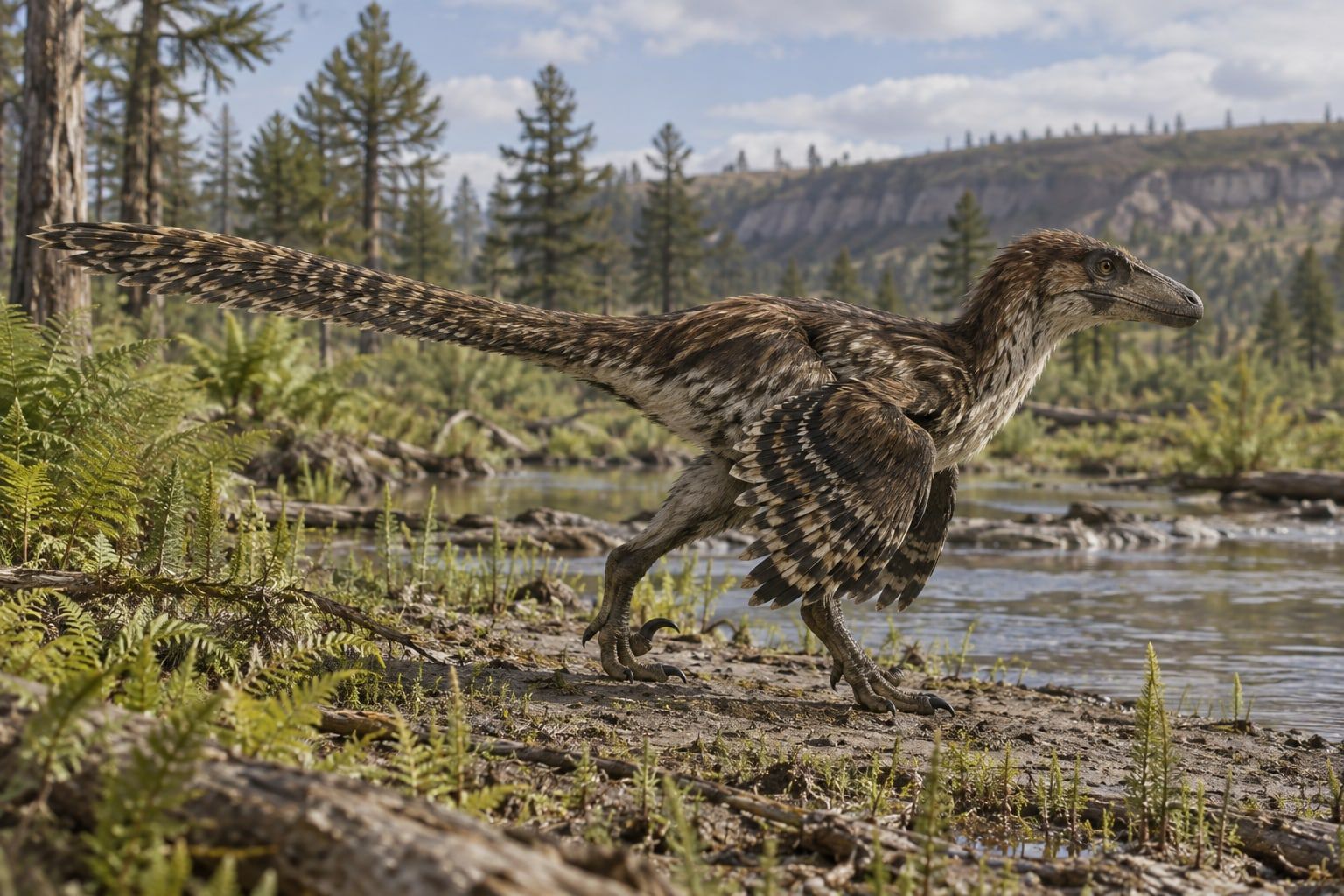
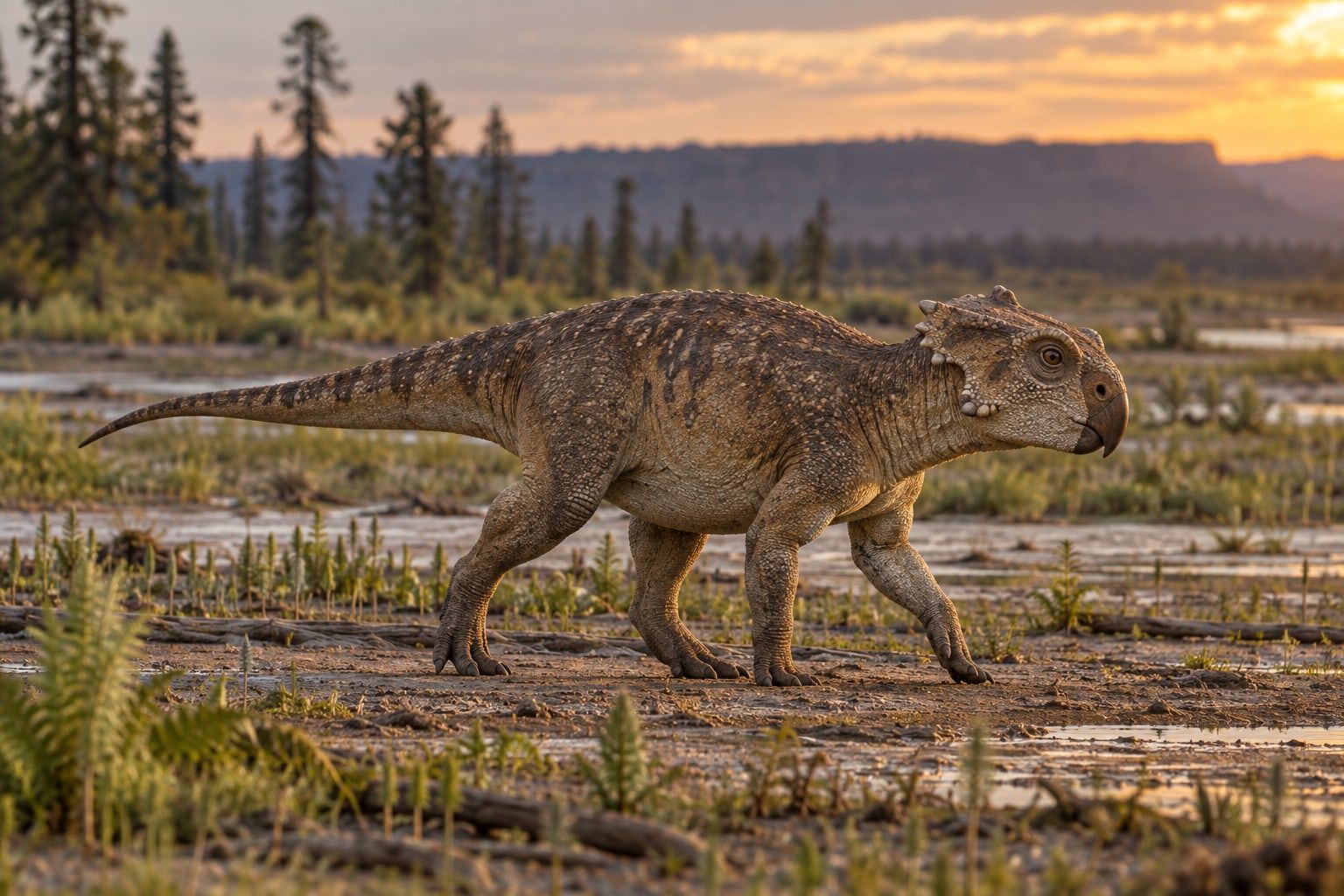
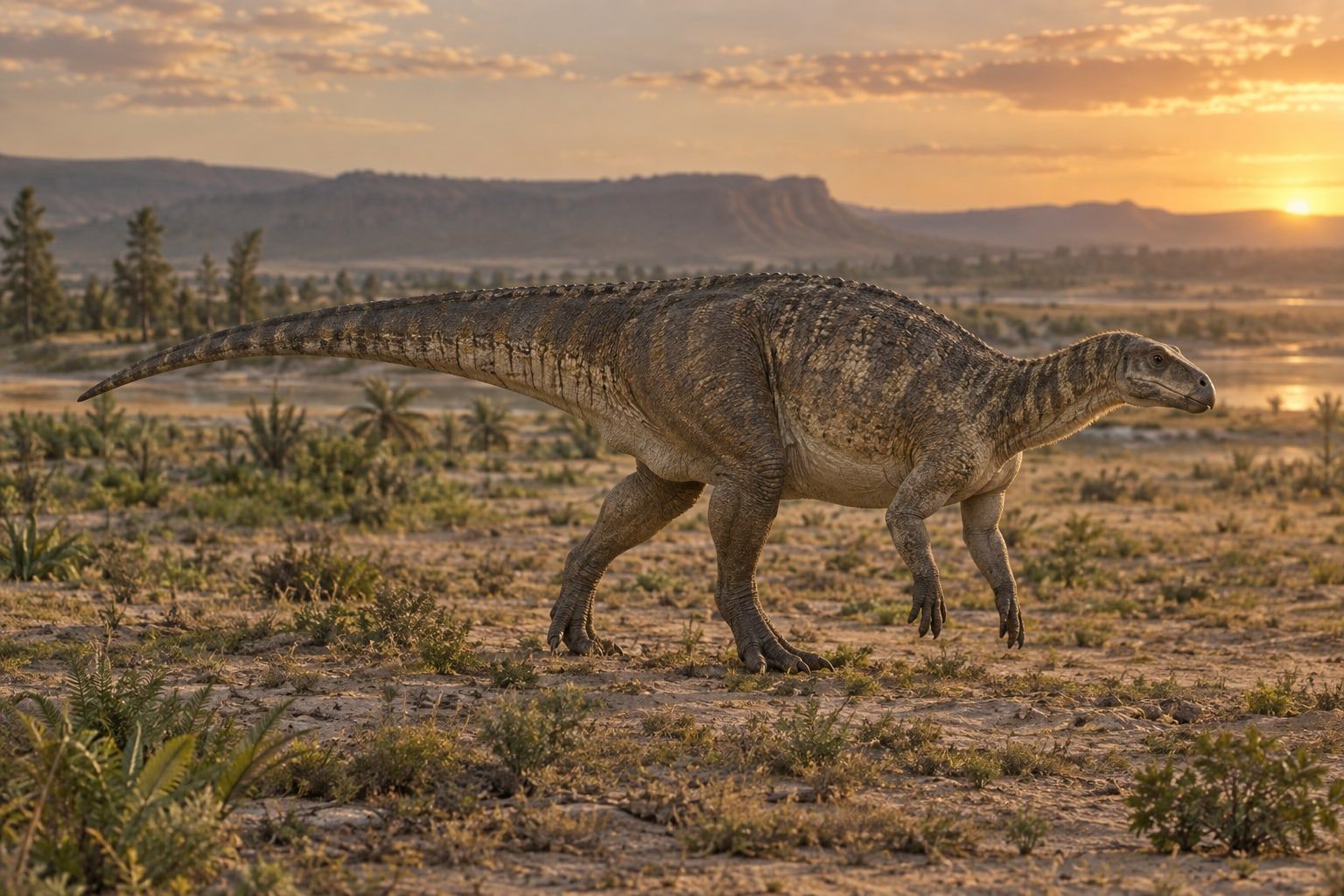
It lived in the Early Cretaceous in what is now Montana and Wyoming in the United States. Its bones come from the Cloverly Formation, where it shared the land with the plant eater Tenontosaurus, the sickle-clawed hunter Deinonychus and the small feathered Microvenator.
How it was found
Ostrom named Sauropelta in 1970. With 21 finds, it is one of the best known nodosaurs, and the many bones show much of its body.
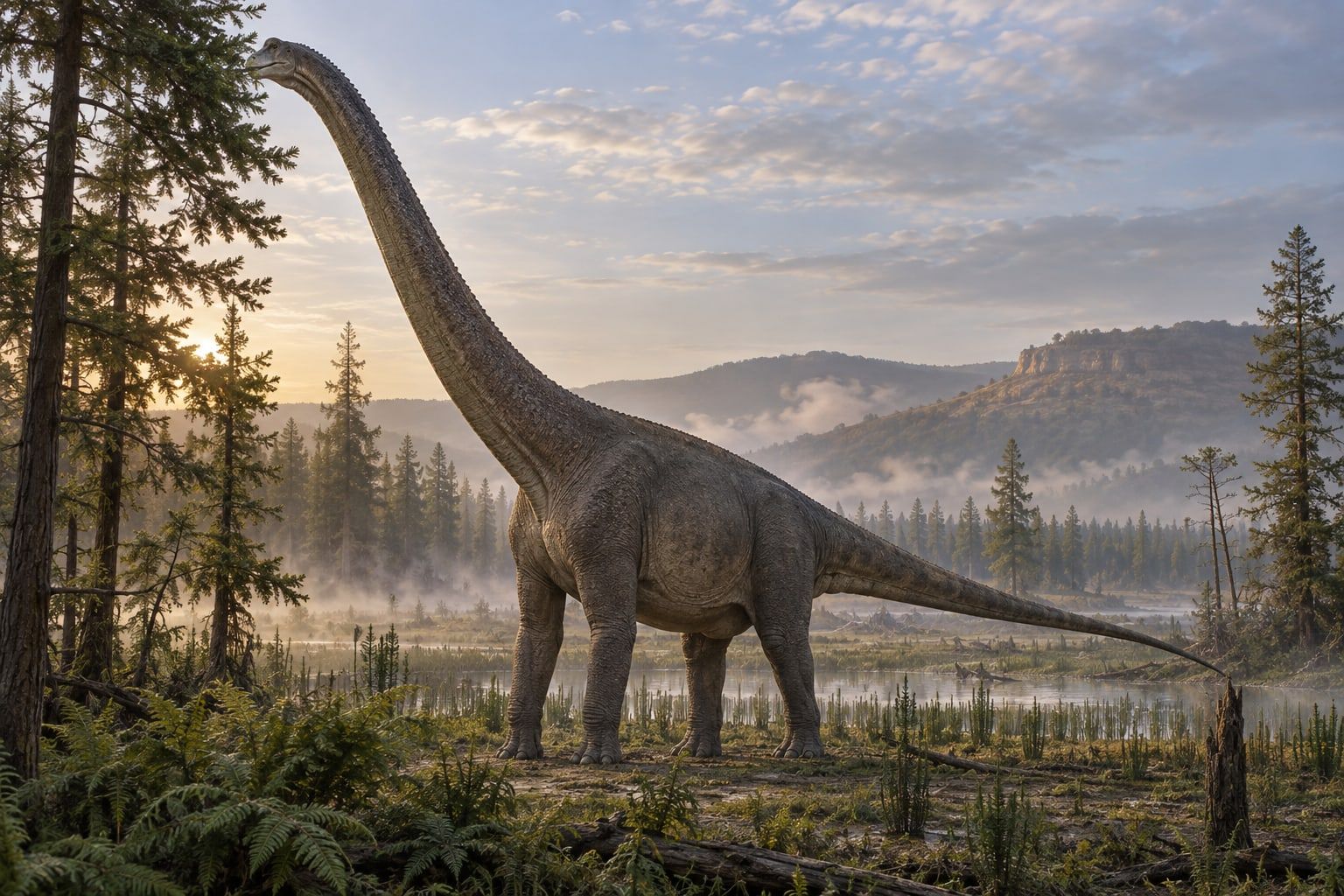
Lived alongside
Found in the same rock formations
Close relatives
Other members of Nodosauridae
Sources: WikidataNamed in: J. H. Ostrom. 1970. Stratigraphy and paleontology of the Cloverly Formation (Lower Cretaceous) of the Bighorn Basin area, Wyoming and Montana. Peabody Museum Bulletin 35:1-234