Outline: a typical ankylosaur
Hylaeosaurus
hy-LEE-oh-SORE-us
"woodland lizard"
- Lived
- 139 to 120 million years ago, Early Cretaceous
- Diet
- Herbivore
- Length
- about 5 m (16 ft)
- Group
- Ankylosaurs, Nodosauridae
- Found in
- United Kingdom, Germany and France
- Named by
- Mantell 1833
Size comparison
To scale


Scale in metersOutline: typical ankylosaur shape
Where its fossils were found
The evidence
Today

130 million years ago
Field notes
About Hylaeosaurus
What it was like
Hylaeosaurus was an armored plant eater about 5 meters (16 feet) long. It had bony plates along its back and long spines on its shoulders.
Much of its body is still unknown, so scientists are not sure exactly where it fits among the armored dinosaurs.
Its world
It lived about 139 to 120 million years ago, in the Early Cretaceous, in what are now England, Germany and France. Its fossils come from rocks such as the Tunbridge Wells Sand and the Weald Clay.
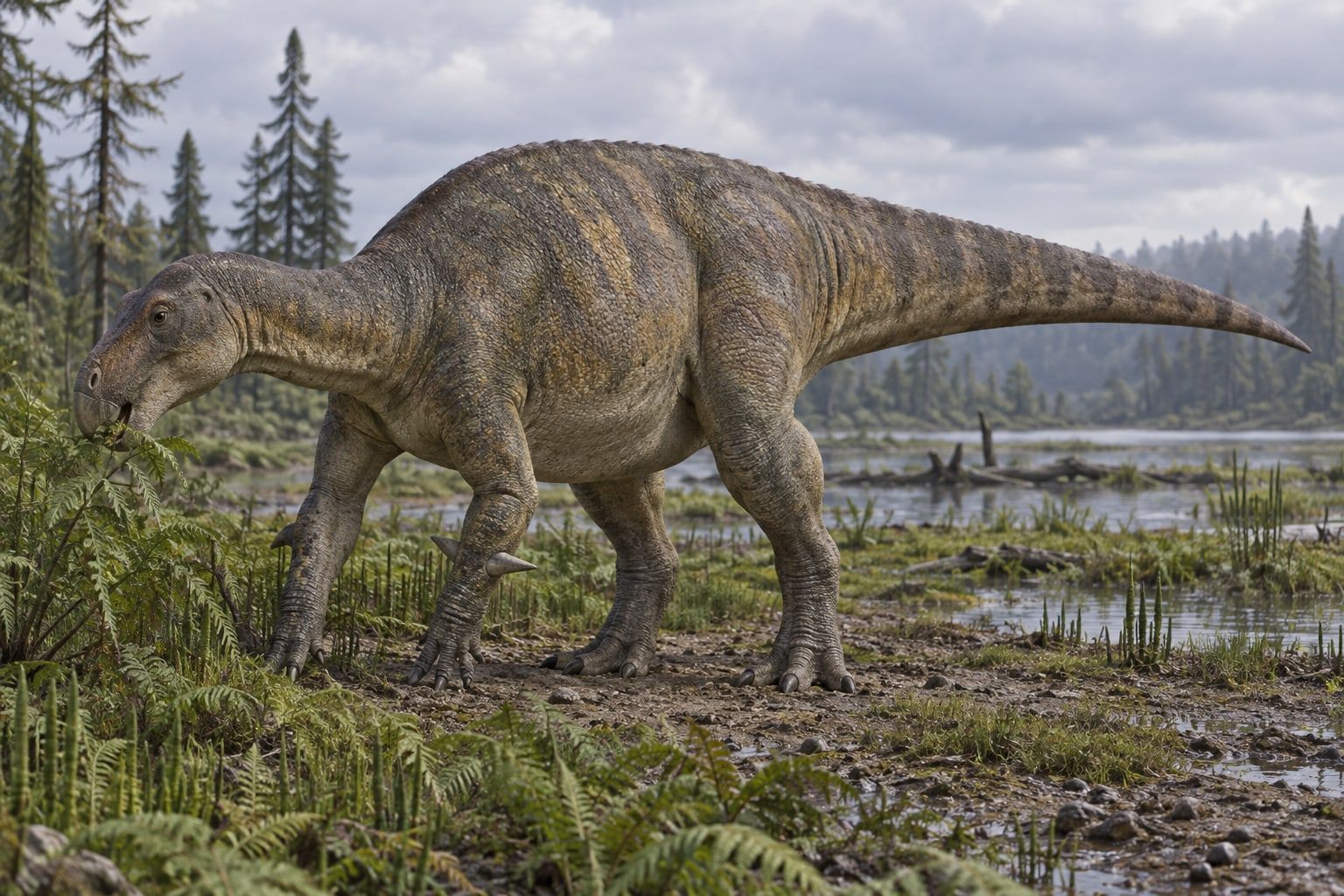
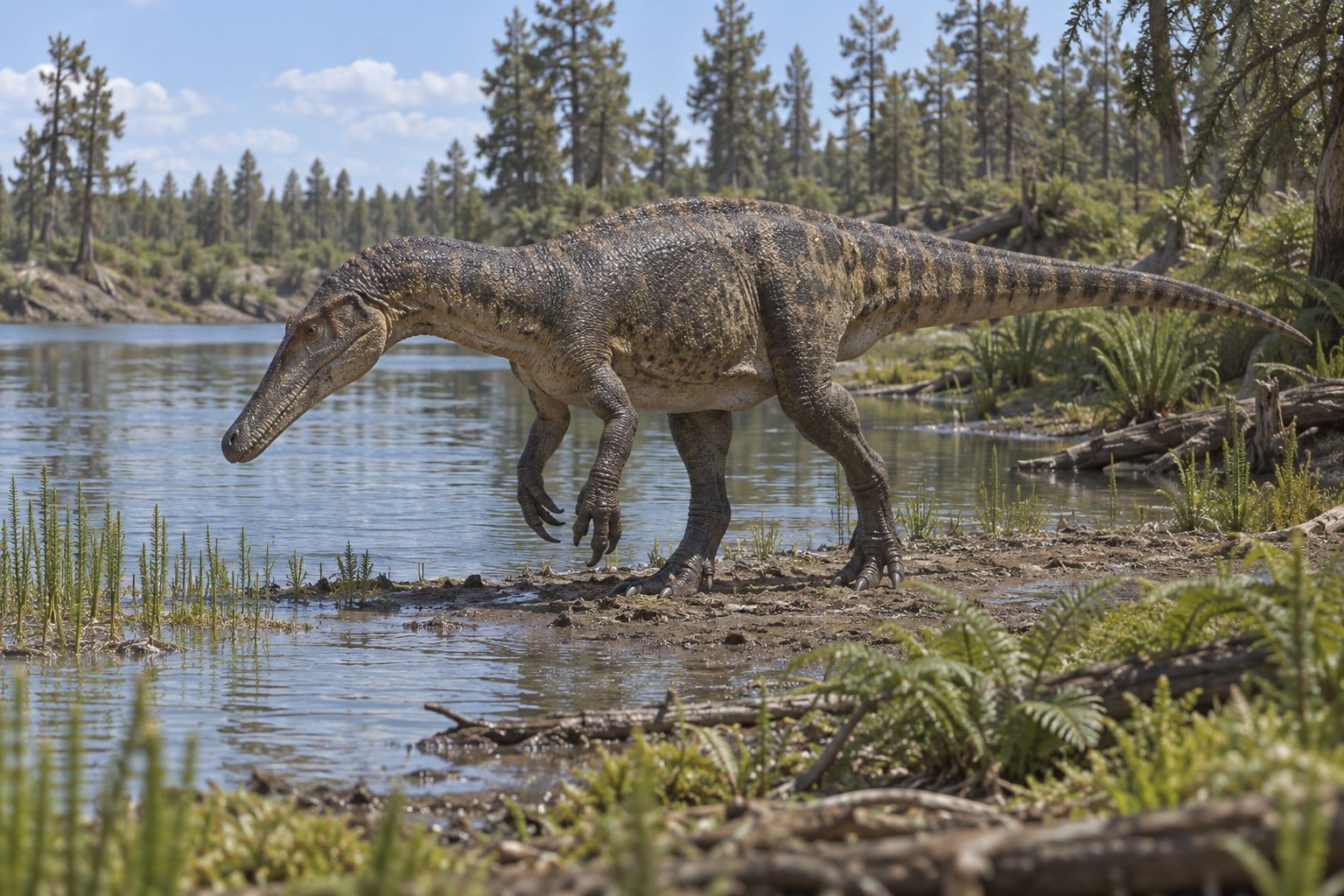
It shared these lands with Iguanodon, Baryonyx, Polacanthus and Mantellisaurus.
How it was found
Mantell named Hylaeosaurus in 1833, making it one of the first dinosaurs ever named. It was one of the three animals used when the group Dinosauria was first set up, along with Iguanodon and Megalosaurus.
Lived alongside
Found in the same rock formations
Close relatives
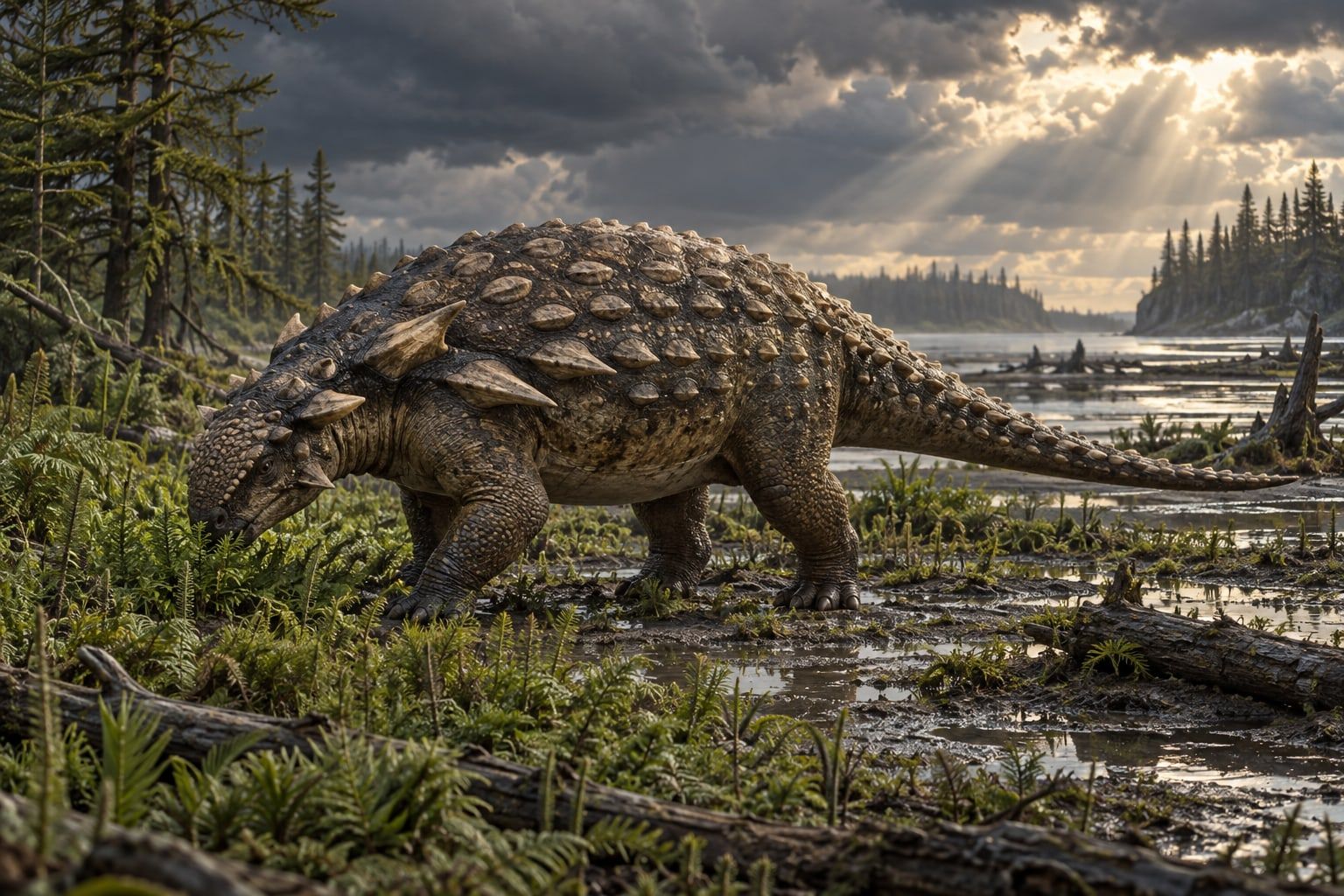
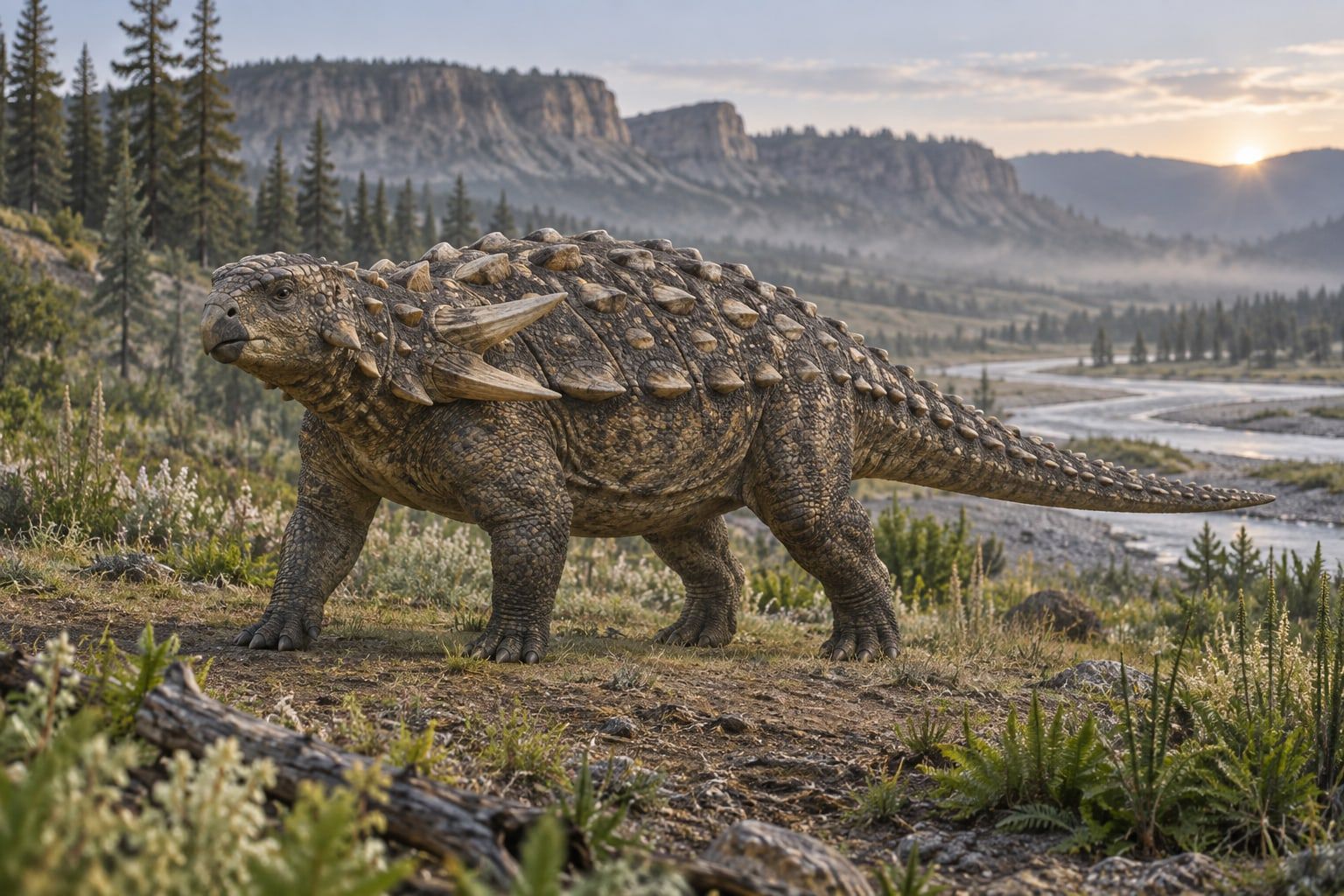
Other members of Nodosauridae
Sources: WikidataNamed in: G. A. Mantell. 1833. The Geology of the South-East of England