Gargoyleosaurus
"gargoyle lizard"
- Lived
- 152 to 145 million years ago, Late Jurassic
- Diet
- Herbivore
- Length
- about 4 m (13 ft)
- Group
- Ankylosaurs, Nodosauridae
- Found in
- United States
- Named by
- Carpenter et al. 1998
Size comparison
To scale

Scale in metersOutline: typical ankylosaur shape
Where its fossils were found
The evidence
Today

150 million years ago
Habitat
River plains had dry seasons and wetter patches with conifers, ferns and horsetails. Stegosaurus, Allosaurus and Diplodocus also lived in the region recorded by the Morrison Formation.
Field notes
About Gargoyleosaurus
What it was like
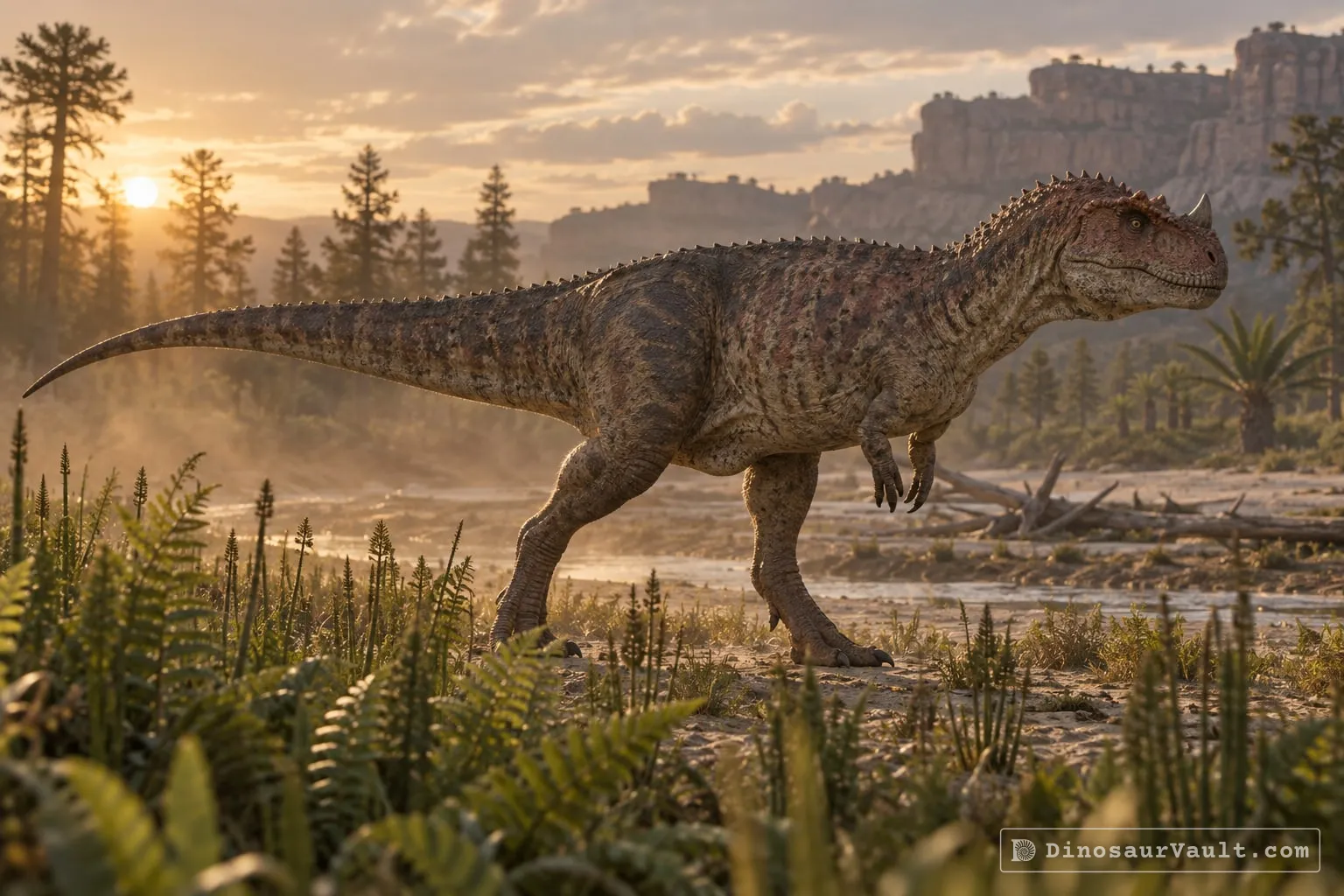
Gargoyleosaurus was one of the earliest well known ankylosaurs, a low, armored plant eater about 4 meters (13 feet) long. Its skull was covered in bony plates, and its back had rows of armor and spikes. It had no tail club.
Its world
It lived in the Late Jurassic, in what is now Wyoming. It comes from the Morrison Formation, where it shared the land with Stegosaurus, Allosaurus, Brachiosaurus and Diplodocus.
How it was found
Carpenter and colleagues named Gargoyleosaurus in 1998, from a skull and partial skeleton. Its name comes from the knobbly, gargoyle-like look of its head.
Field gallery
More views of Gargoyleosaurus
Scenes reconstructed from the available fossil evidence.
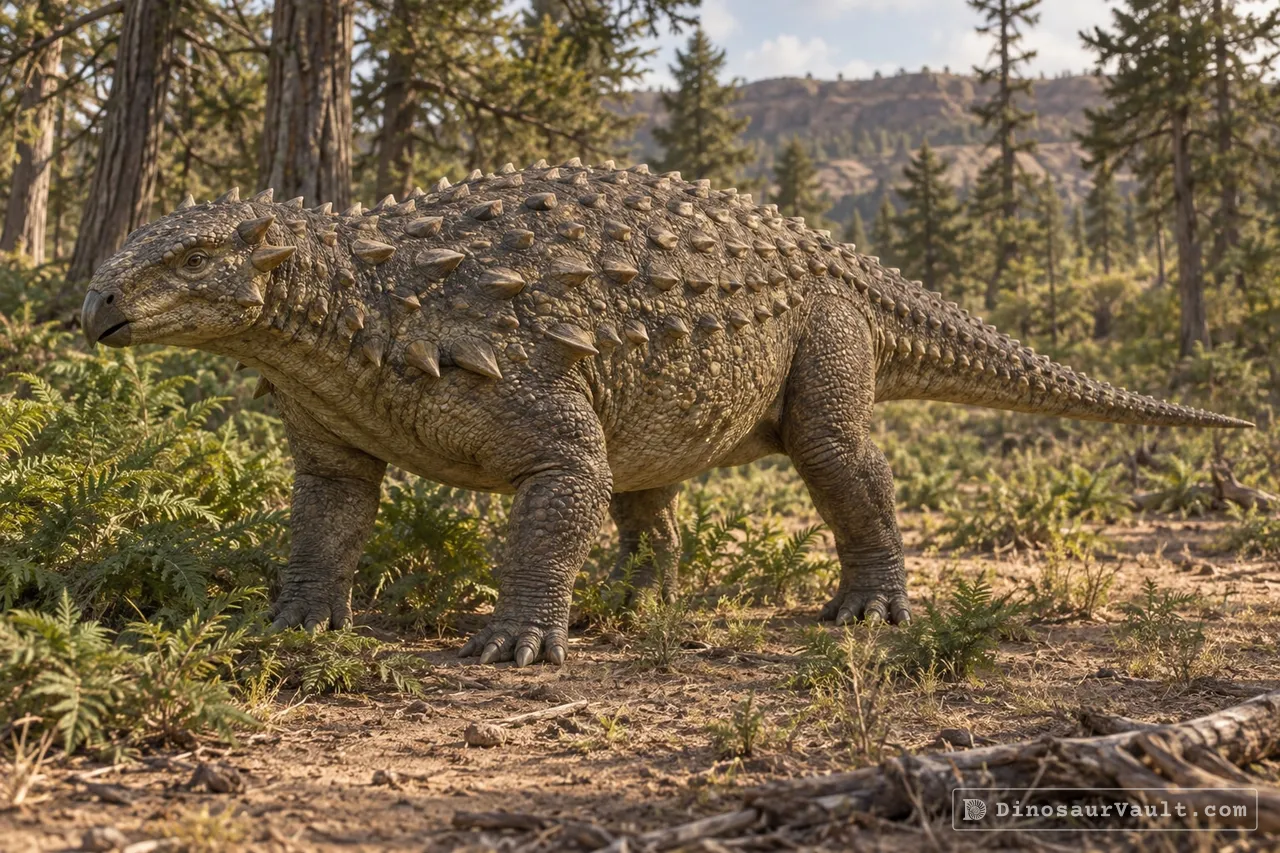
1 of 3
Lived alongside
Found in the same rock formations
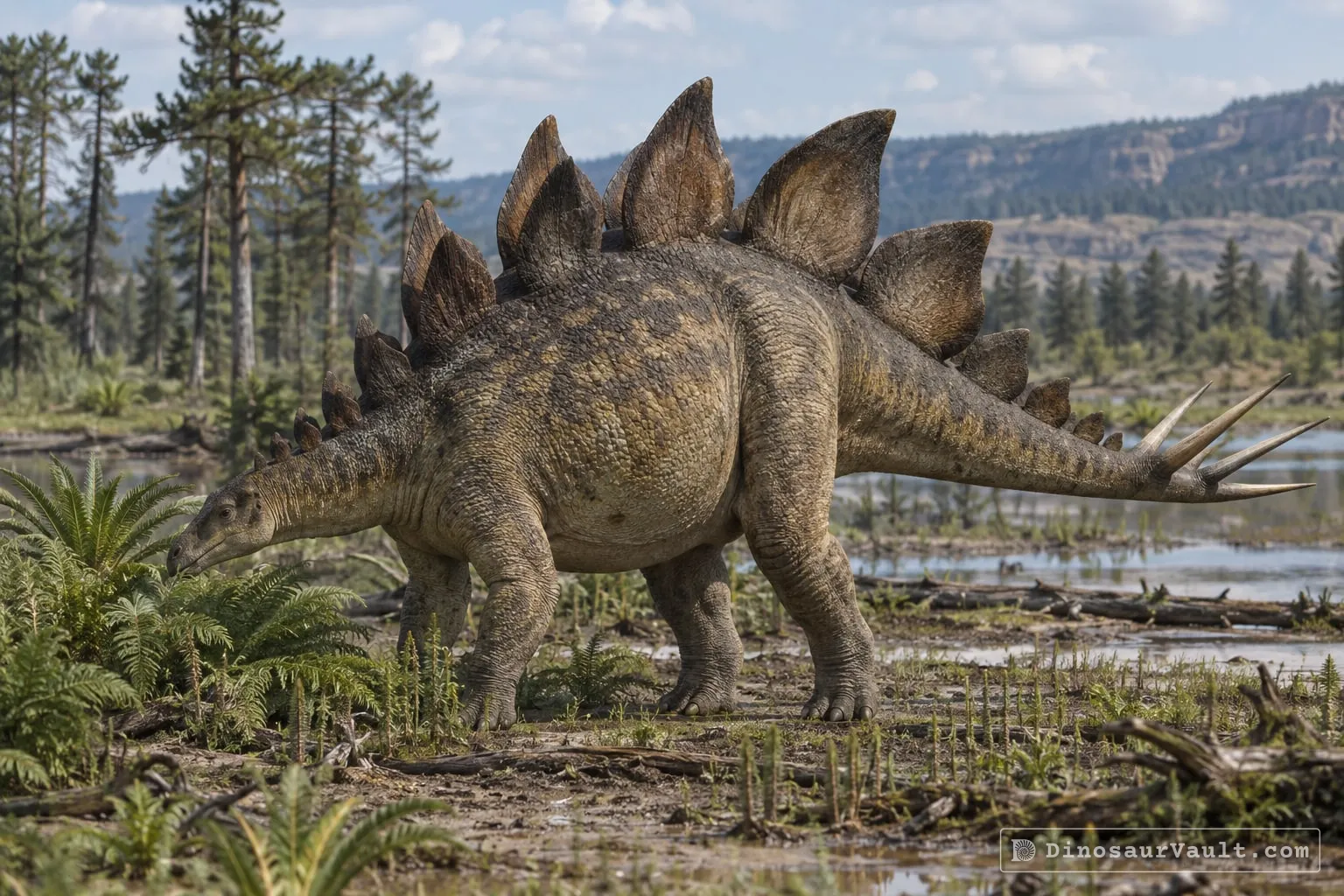
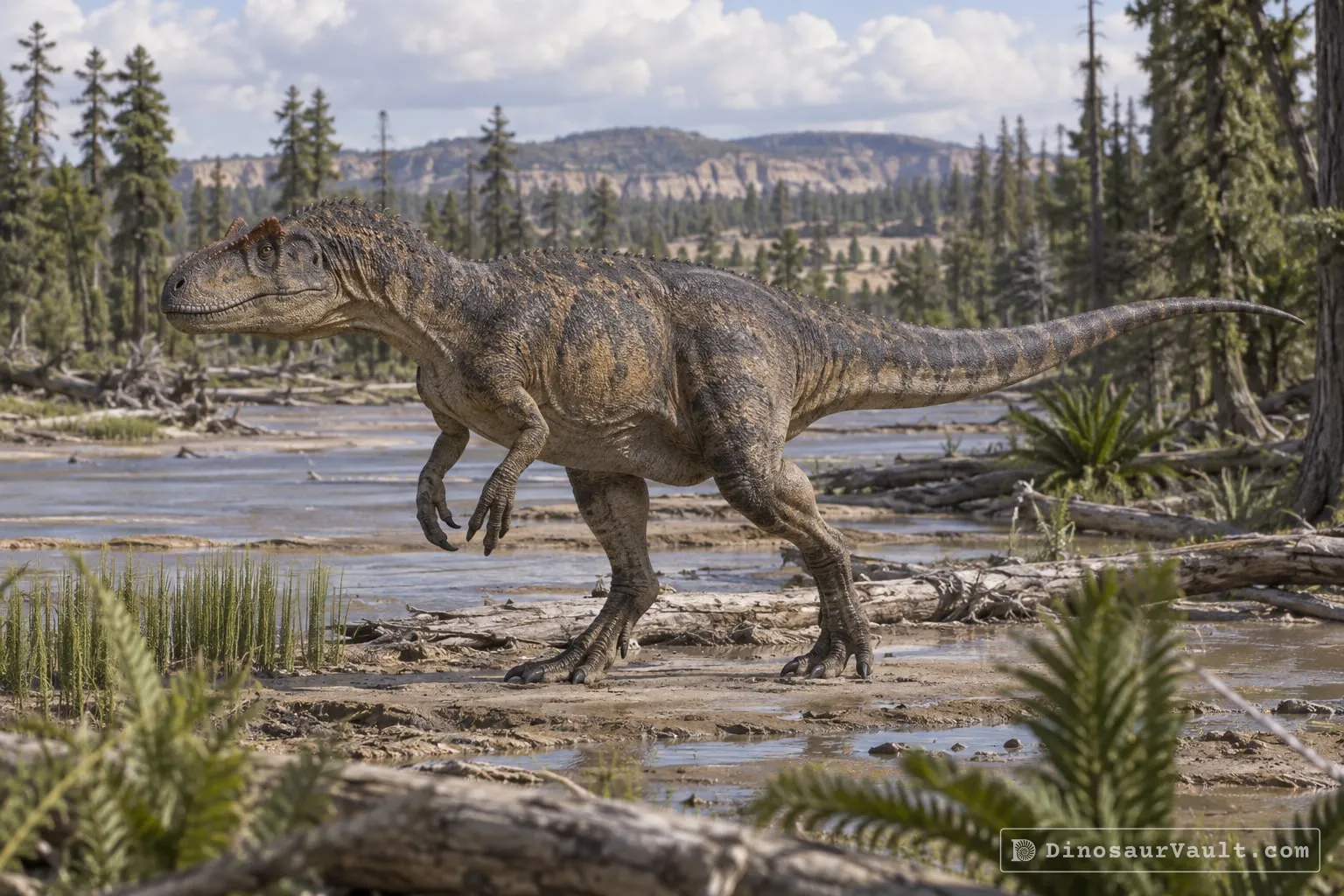
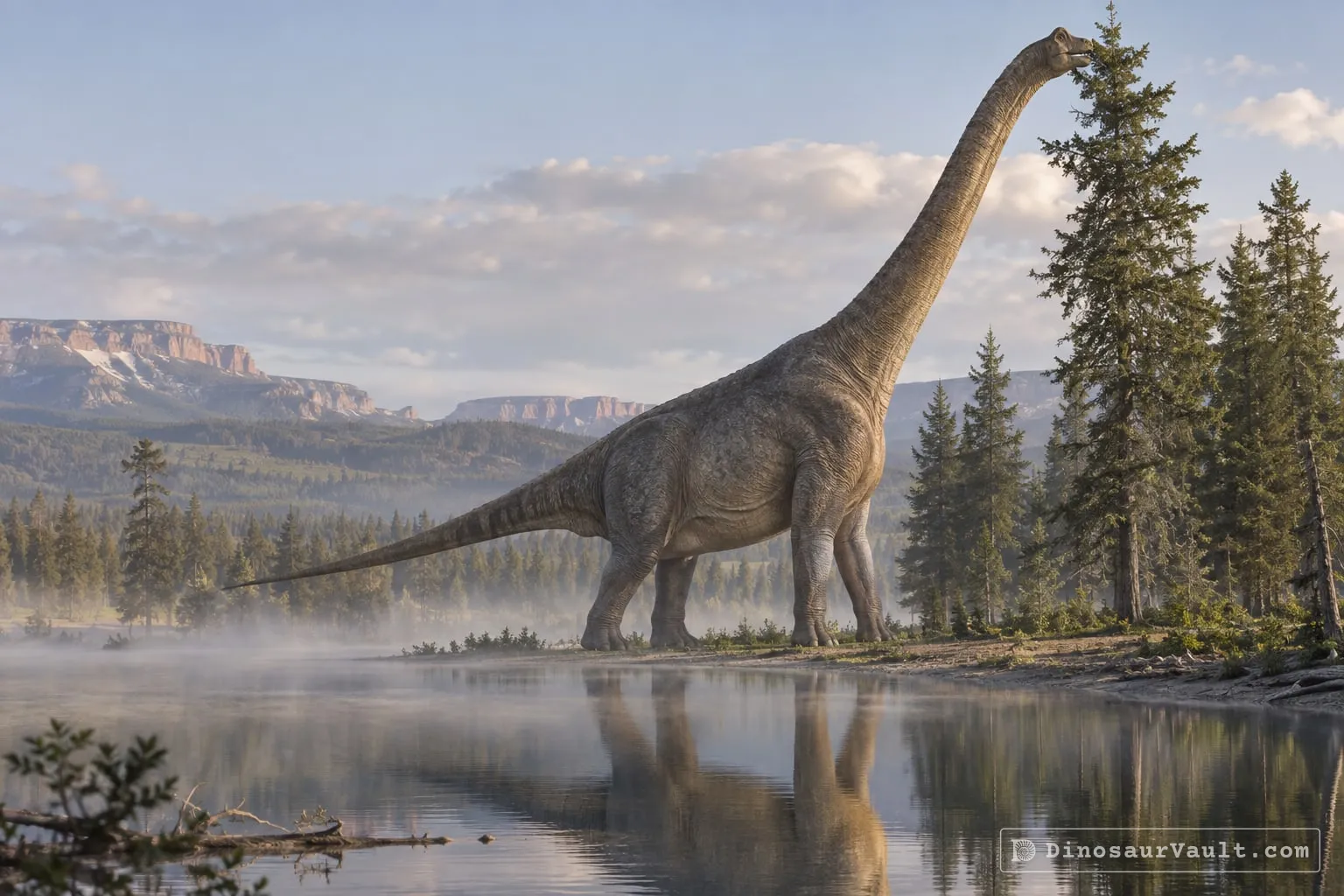
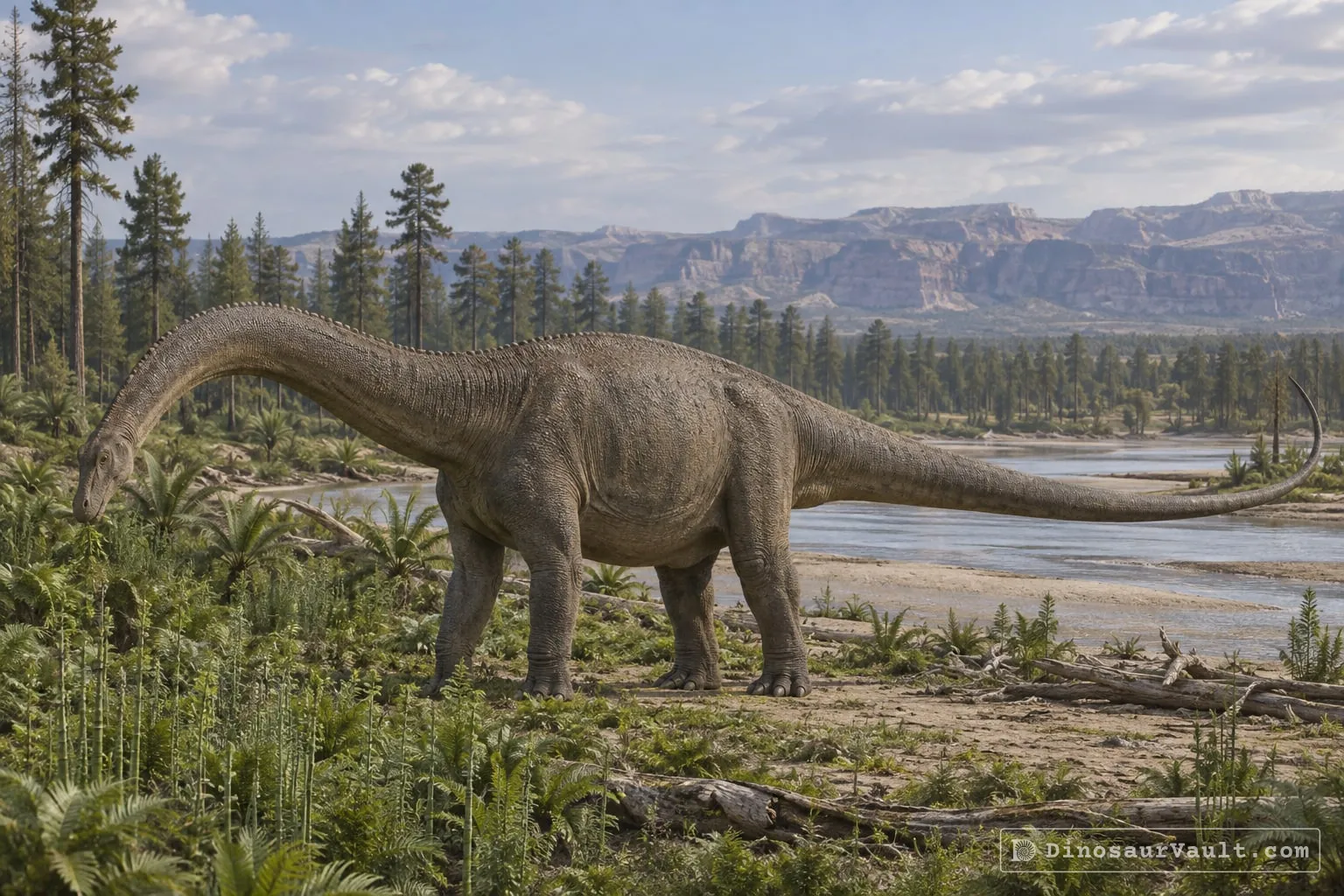
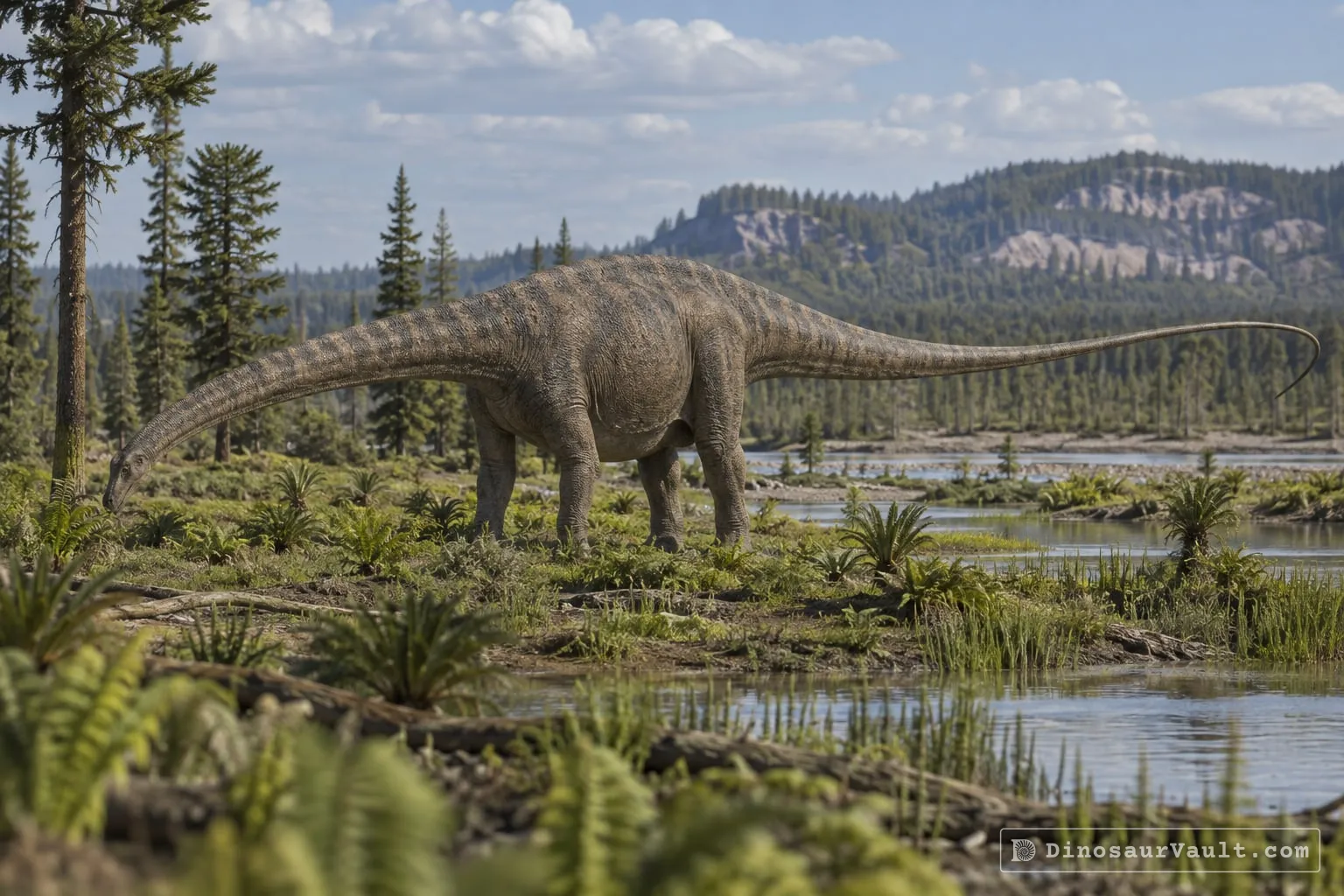
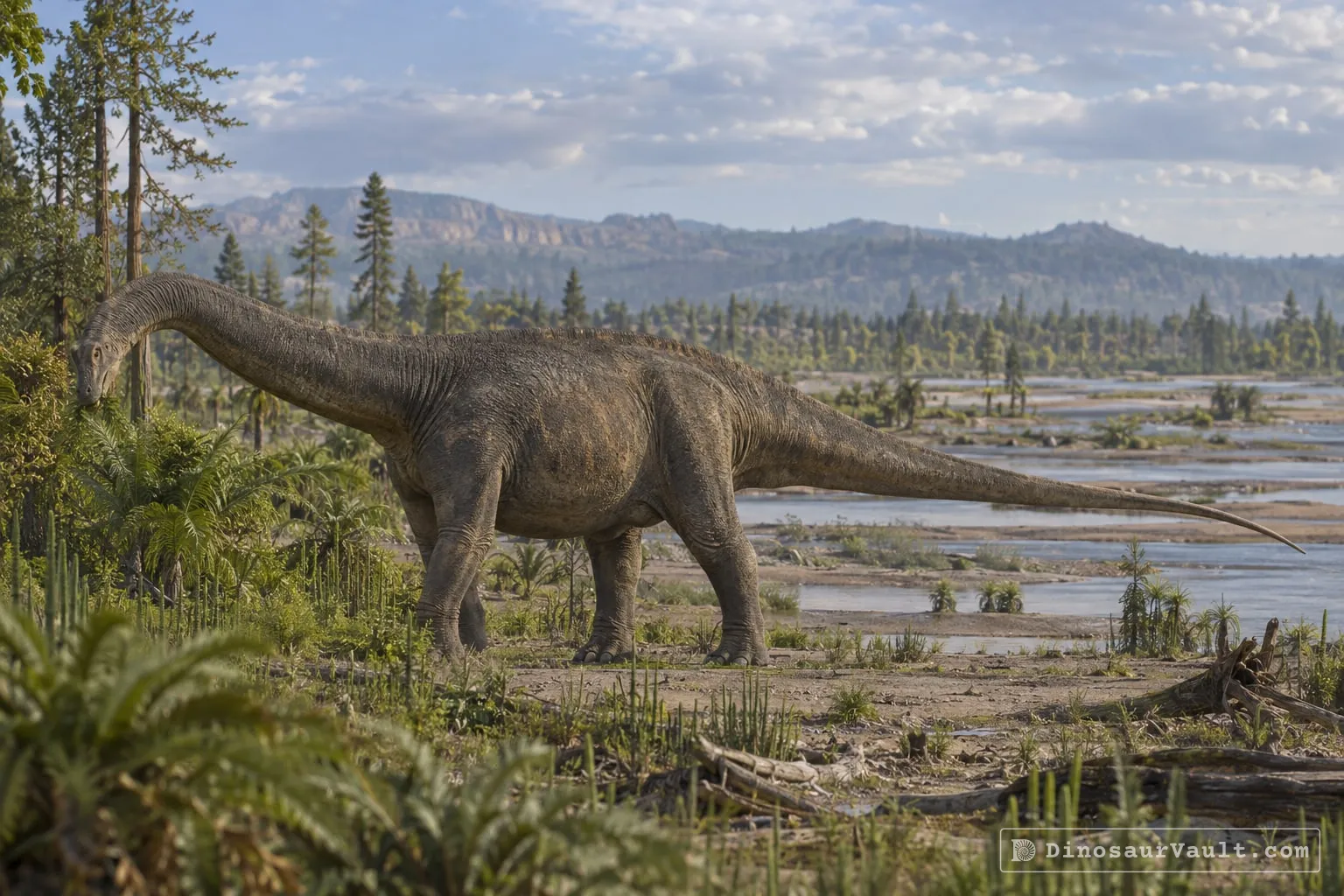
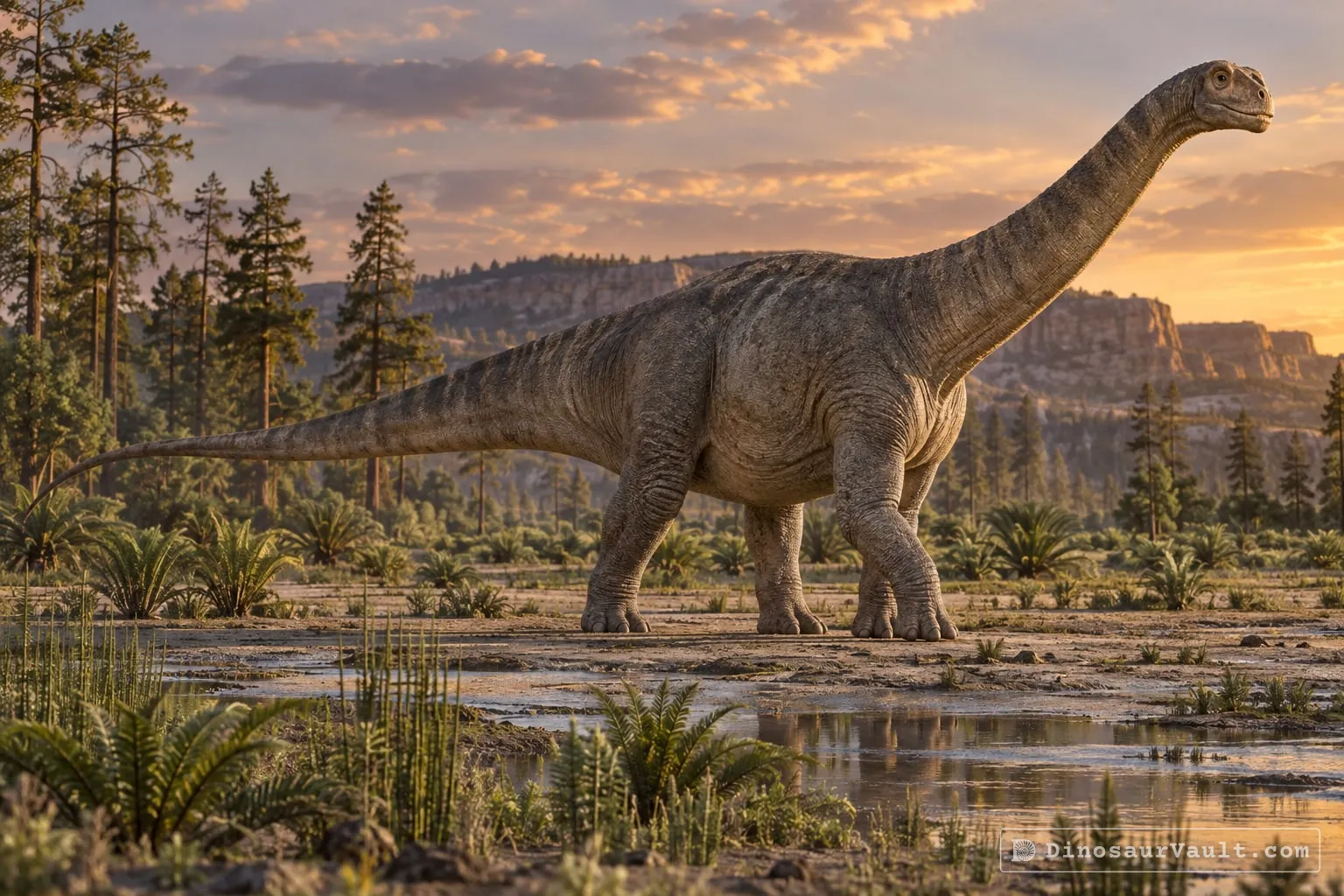


A rock formation can hold fossils laid down millions of years apart, so not every animal here met Gargoyleosaurus.
The evidence
The science behind Gargoyleosaurus
Which parts of the picture come from its own bones, and which come from its relatives.
From its own fossils
- A nearly complete skull shows a narrow snout, sideways-facing nostrils and large horns behind the eyes.
- The partial skeleton preserves armor around the neck and body, including pointed plates.
- A later pelvis find shows hip bones that spread less widely than those of many later ankylosaurs.
Borrowed from relatives
- Missing parts of the body are restored by comparison with early armored relatives such as Gastonia and Mymoorapelta.
Still unknown
- Its color.
- The full shape and armor pattern of its tail.
- Exactly which plants it ate.
Discovery timeline
- 1998Named itCarpenter, Miles & Cloward
- 2004Its worldEngelmann, Chure & Fiorillo
- 2013New findCarpenter et al.
Key papers
The research behind what we know of Gargoyleosaurus
Named it
Named a Jurassic ankylosaur from a well-preserved skull with bony armor fused to its surface.
Skull of a Jurassic ankylosaur (Dinosauria). Nature 393: 782-783
Read the paper : Skull of a Jurassic ankylosaur (Dinosauria) (opens in a new tab)Its world
Reconstructed a seasonally dry landscape with wetter refuges, changing how the Morrison Formation's dinosaur habitats are understood.
The implications of a dry climate for the paleoecology of the fauna of the Upper Jurassic Morrison Formation. Sedimentary Geology 167: 297-308
Read the paper : The implications of a dry climate for the paleoecology of the fauna of the Upper Jurassic Morrison Formation (opens in a new tab)New find
Described a pelvis attributed to Gargoyleosaurus and traced how ankylosaur hip bones developed their broad, spreading shape.
Pelvis of Gargoyleosaurus (Dinosauria: Ankylosauria) and the Origin and Evolution of the Ankylosaur Pelvis. PLoS ONE 8: e79887
Read the paper : Pelvis of Gargoyleosaurus (Dinosauria: Ankylosauria) and the Origin and Evolution of the Ankylosaur Pelvis (opens in a new tab)
Close relatives
Other members of Nodosauridae


Sources: Wikidata