Smitanosaurus
"smith lizard"
- Lived
- 152 to 145 million years ago, Late Jurassic
- Diet
- Herbivore
- Group
- Sauropods, Dicraeosauridae
- Found in
- United States
- Named by
- Whitlock and Wilson Mantilla 2020
Where its fossils were found
The evidence
Today

150 million years ago
Habitat
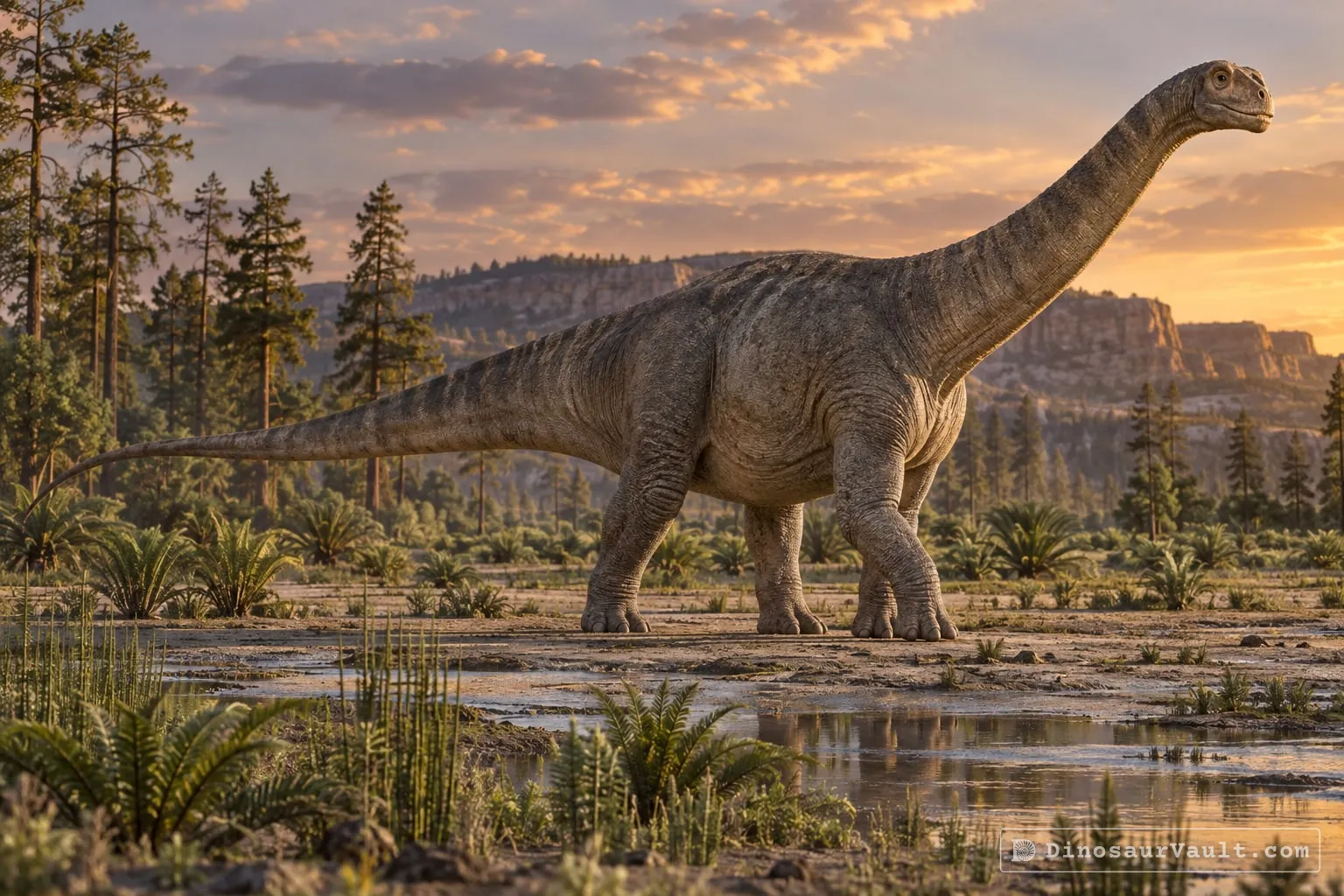
A river plain with seasonal dry spells, conifers, ferns and horsetails. Other dinosaurs in the Morrison Formation included Allosaurus, Stegosaurus and Camarasaurus.
Field notes
About Smitanosaurus
What it was like
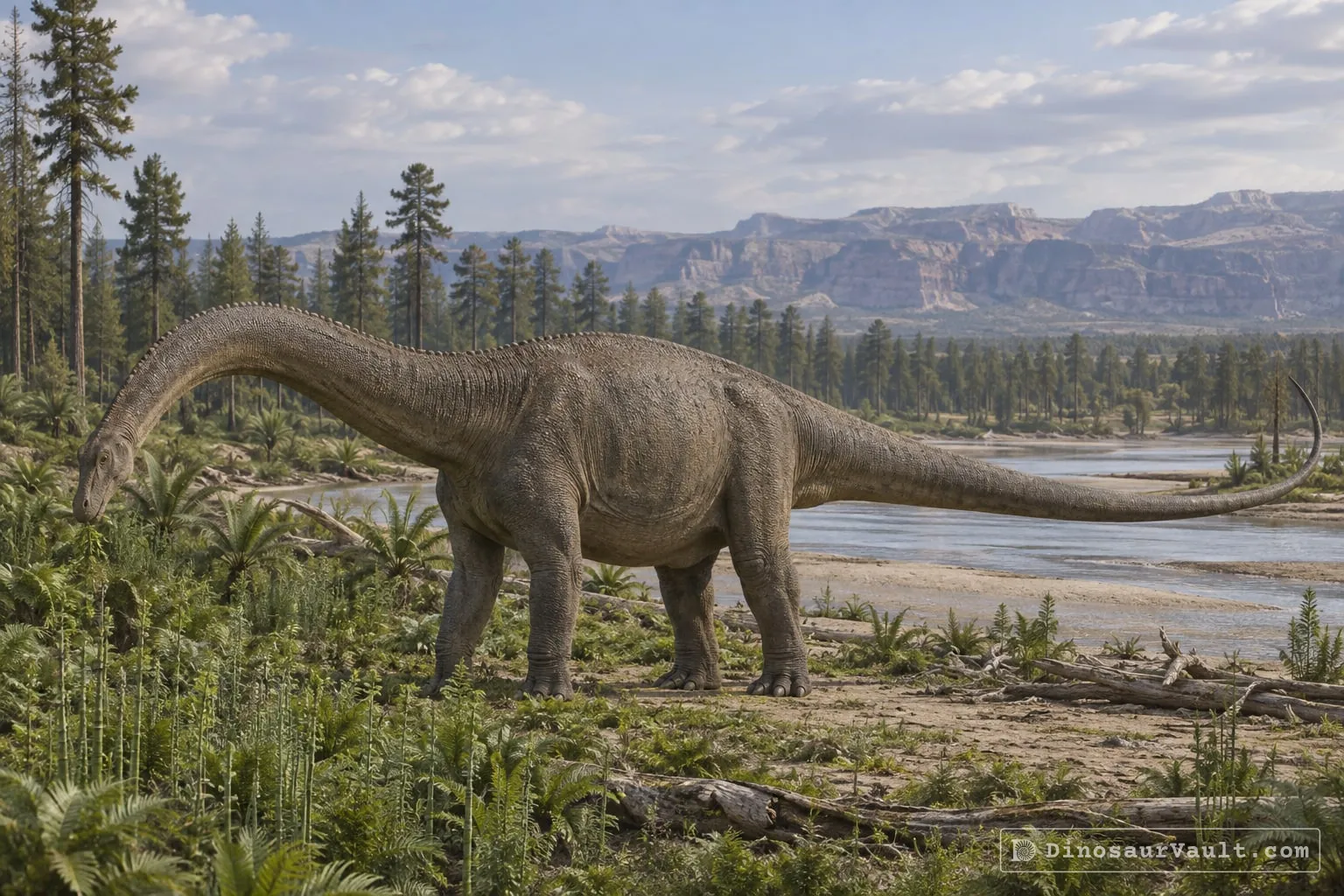
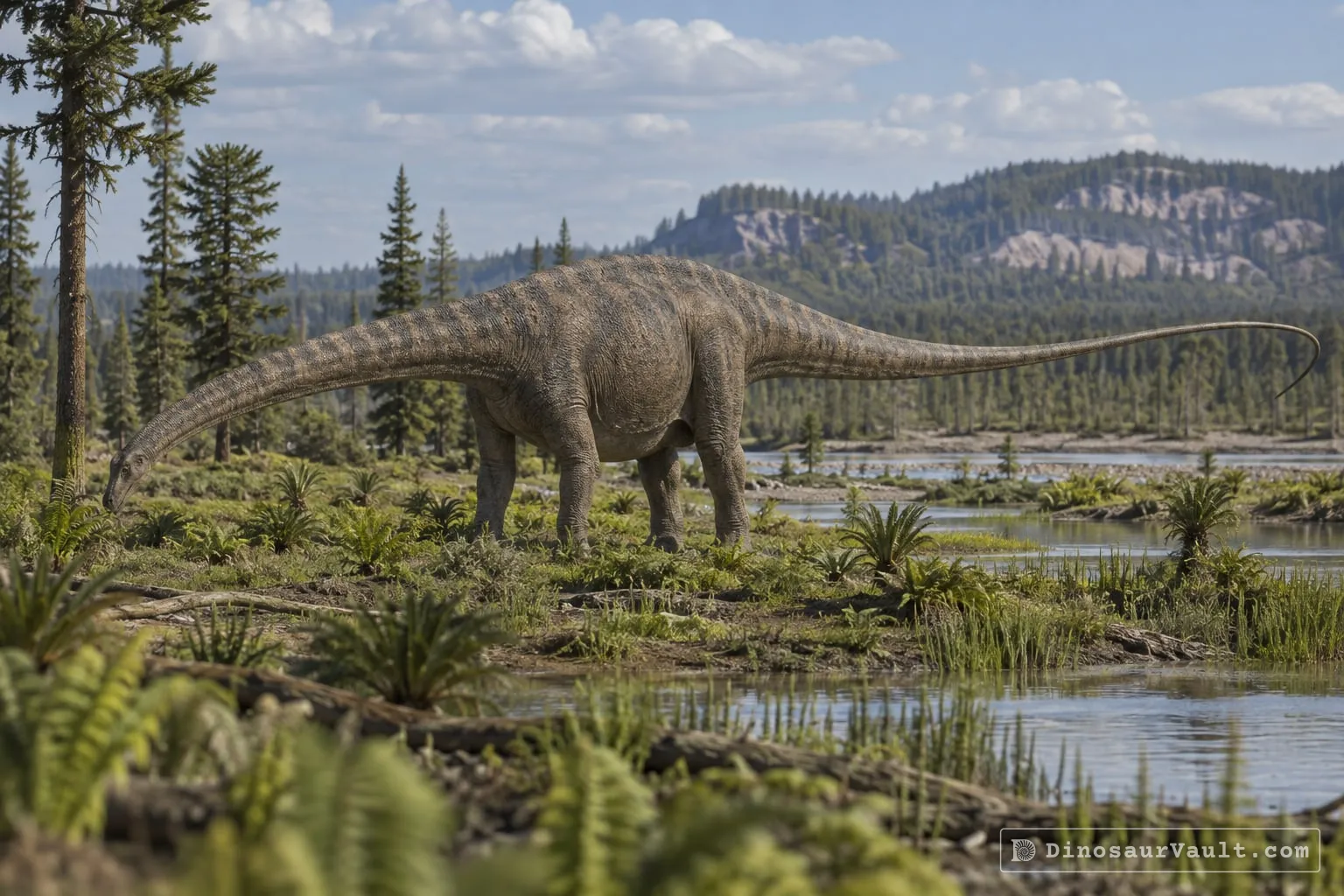
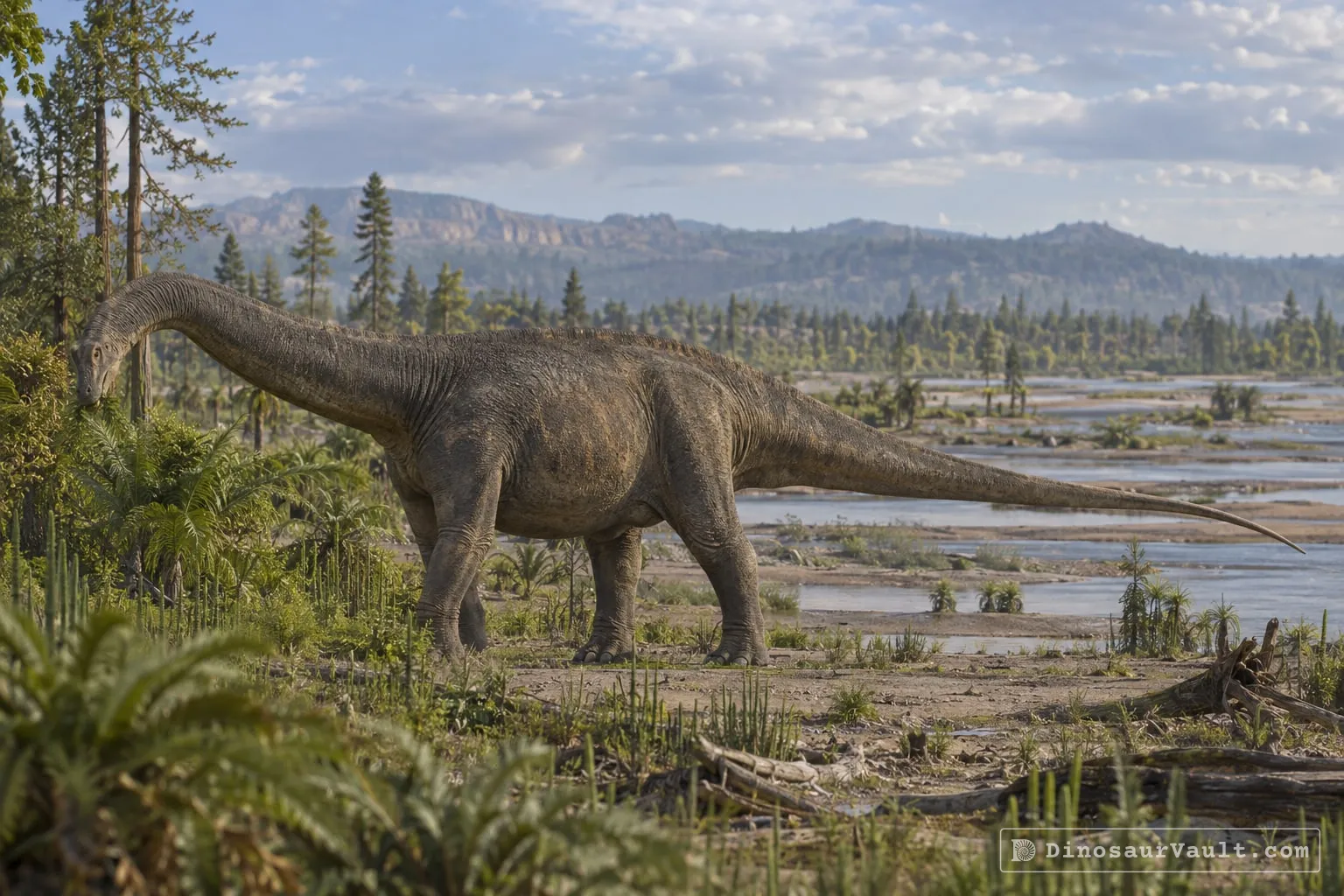
Smitanosaurus was a long-necked sauropod from the dicraeosaurid family, which had fairly short necks for sauropods. It is known from the back of a skull and a few neck bones.
Its world
It lived in the Late Jurassic in what is now Colorado. Its bones come from the Morrison Formation, where it lived alongside Allosaurus, Stegosaurus and many other sauropods.
How it was found
Its bones were first placed in another genus long ago. Whitlock and Wilson Mantilla gave it its own name in 2020.
Field gallery
More views of Smitanosaurus
Scenes reconstructed from the available fossil evidence.
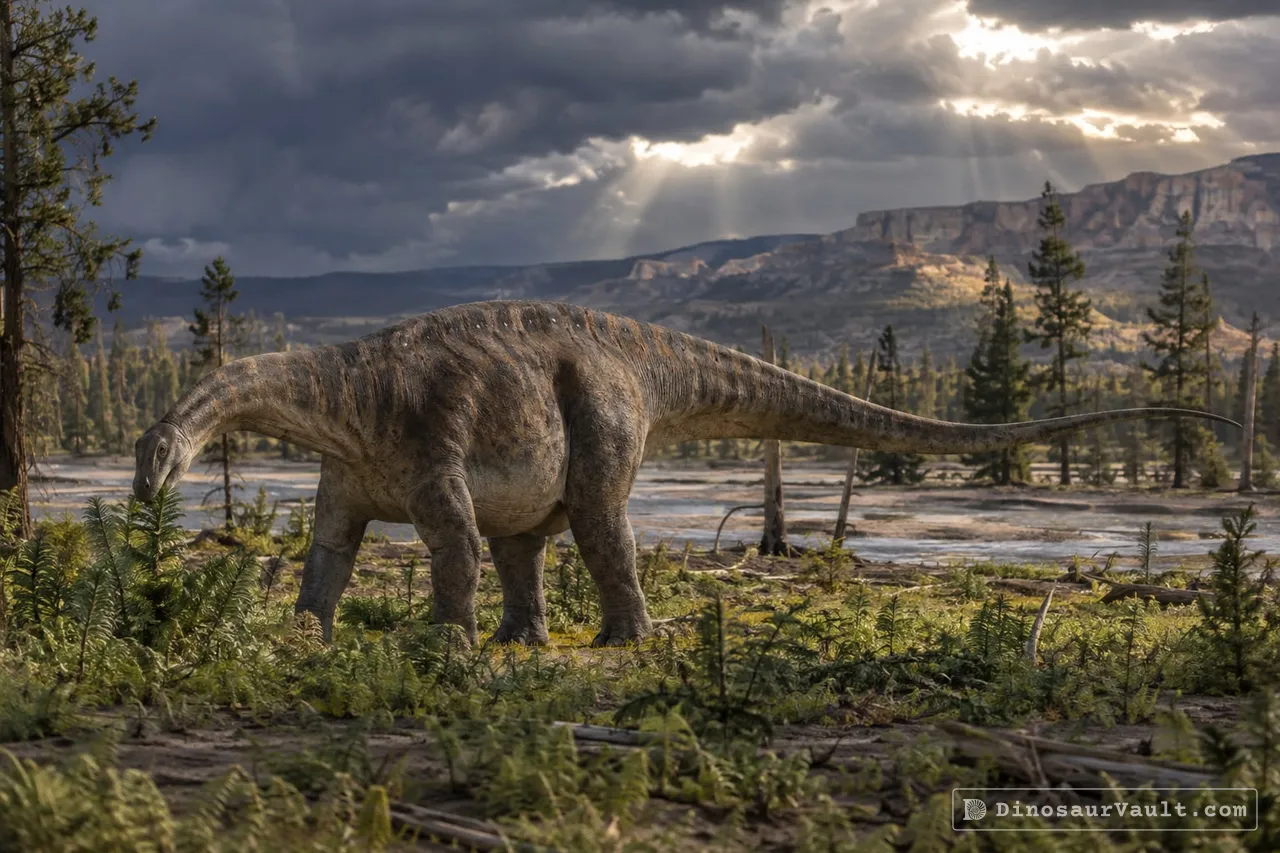
1 of 3
Lived alongside
Found in the same rock formations
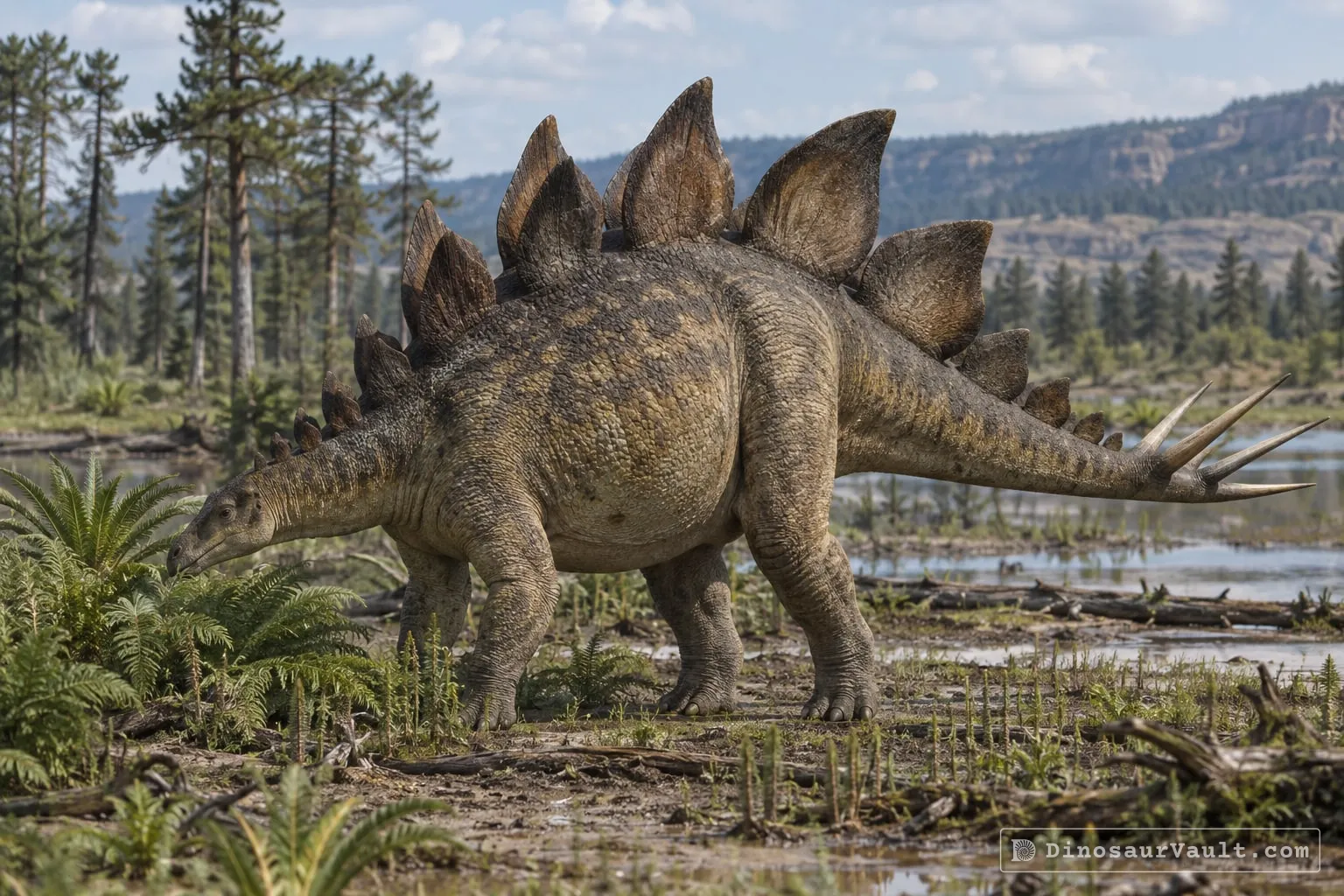
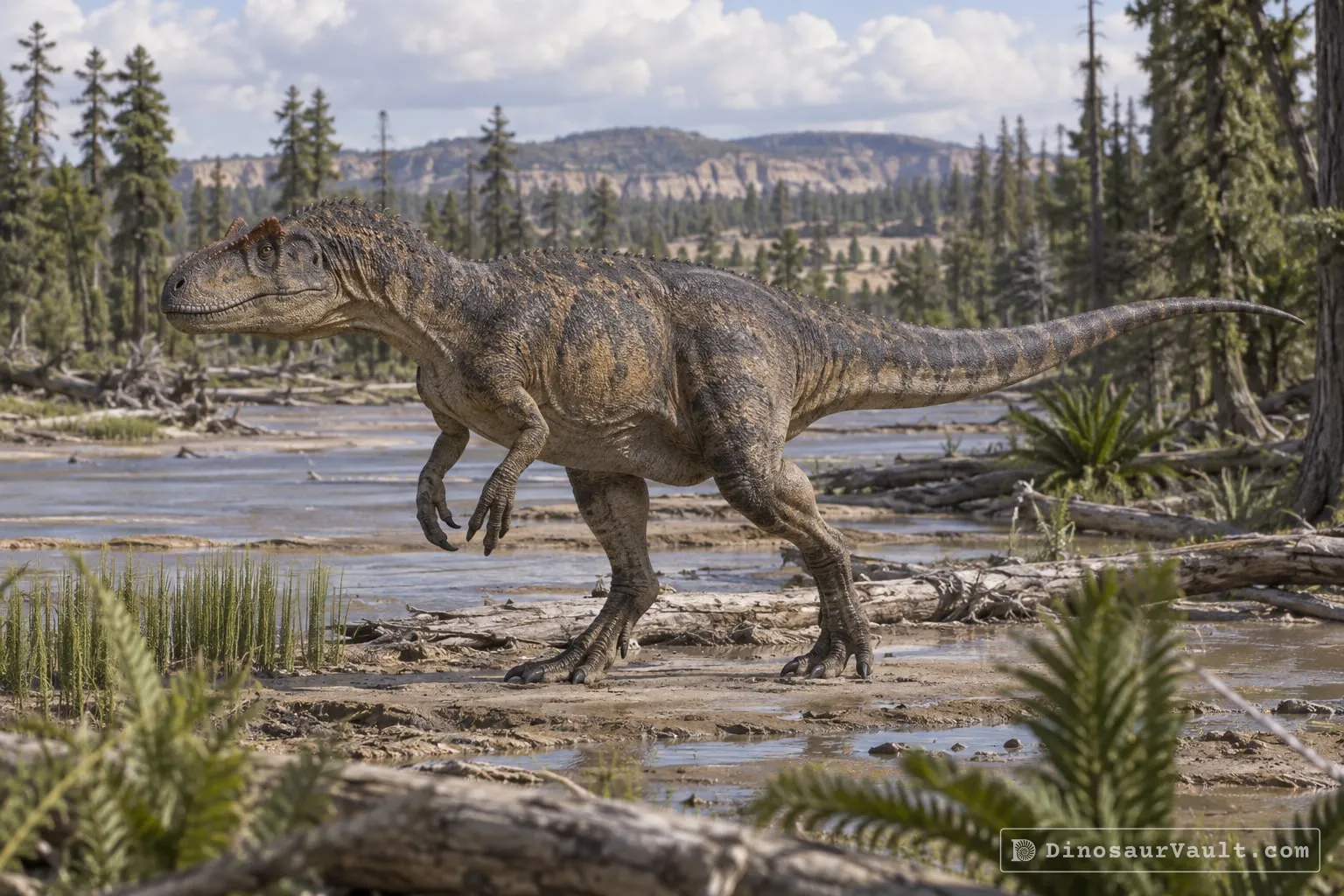
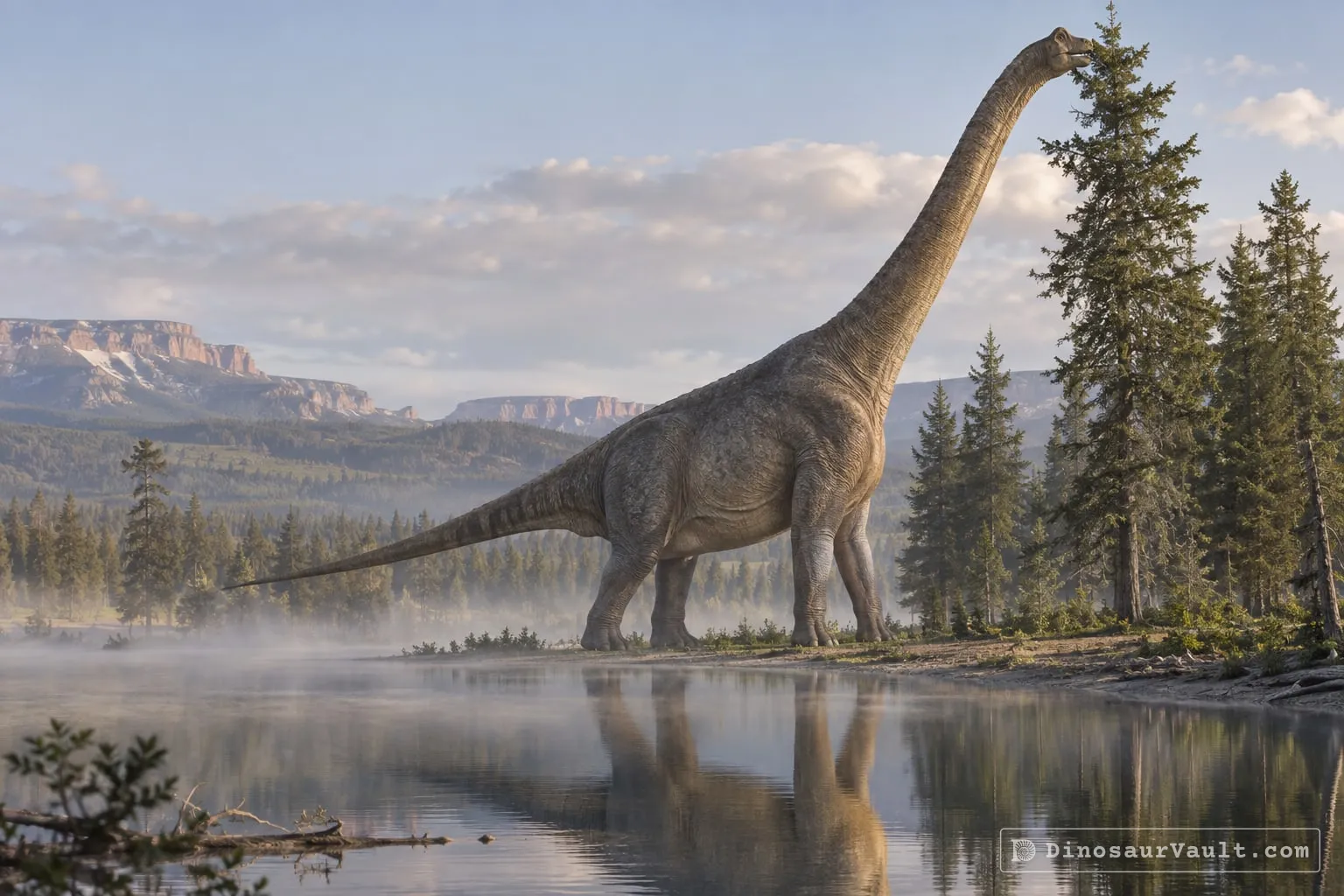
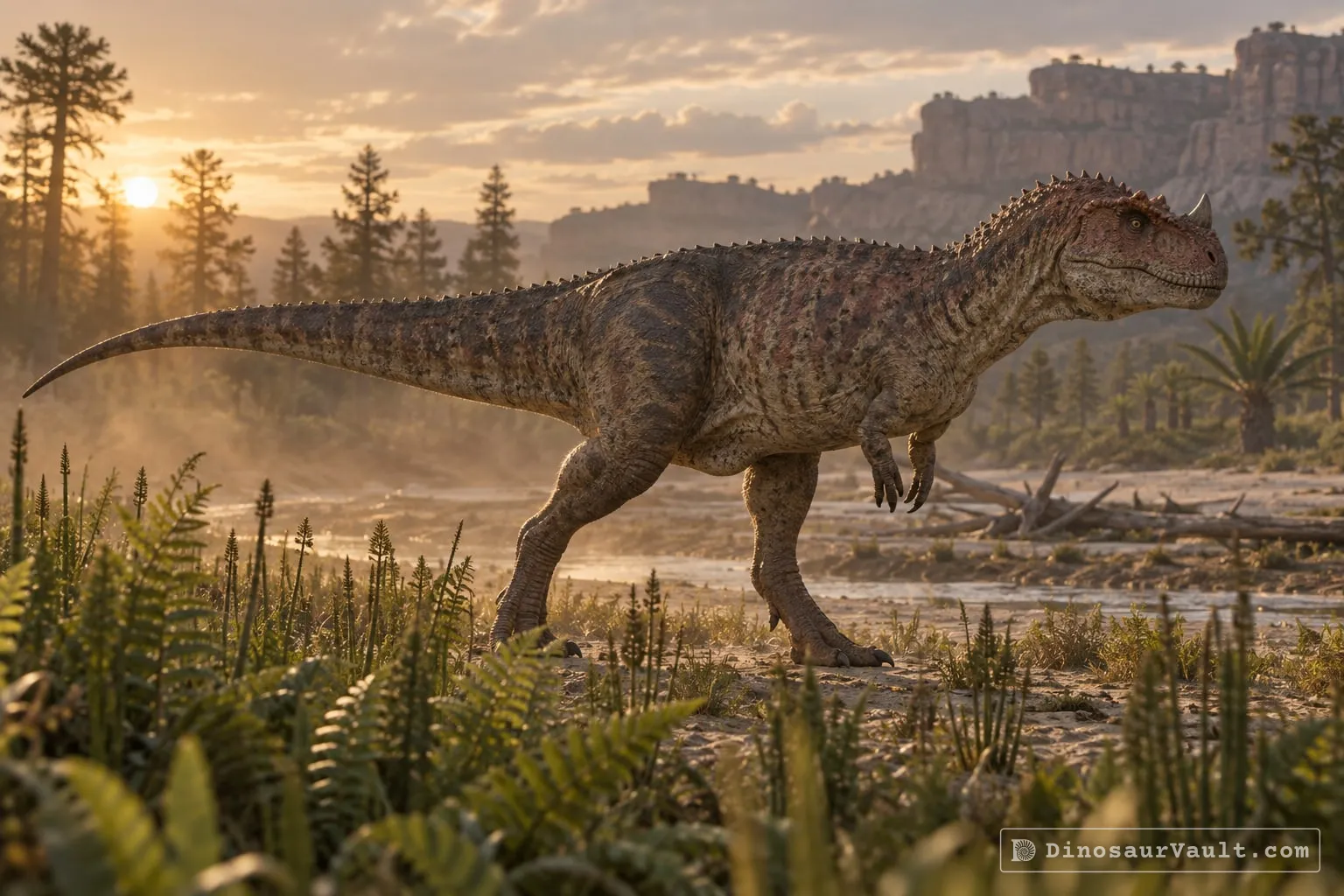


A rock formation can hold fossils laid down millions of years apart, so not every animal here met Smitanosaurus.
The evidence
The science behind Smitanosaurus
Which parts of the picture come from its own bones, and which come from its relatives.
From its own fossils
- The type specimen preserves the back of the skull and the first three neck vertebrae, with the small bones that sit between skull and neck.
- Features of the braincase and neck vertebrae place it in the dicraeosaurid family.
- Early descriptions of the crushed third neck vertebra report a simple spine, not split in two.
Borrowed from relatives
- The missing snout and lower jaw are restored as rounded, like those of Suuwassea and Dicraeosaurus.
- The rest of the neck, the shoulders and the upper arms follow Suuwassea.
Still unknown
- The shape of its snout and teeth.
- Its full neck length, body size, skin and color.
- Its limbs. Hand and foot bones found years later cannot be securely assigned to it.
Discovery timeline
- 2011Close relativeWhitlock
- 2020Named itWhitlock & Mantilla
- 2025Family treeMannion & Moore
- 2025Same rocksWhitlock et al.
Key papers
The research behind what we know of Smitanosaurus
Close relative
Grouped Dicraeosaurus and Suuwassea among the round-snouted diplodocoids rather than the square-snouted ones.
Inferences of Diplodocoid (Sauropoda: Dinosauria) Feeding Behavior from Snout Shape and Microwear Analyses. PLoS ONE 6: e18304
Read the paper : Inferences of Diplodocoid (Sauropoda: Dinosauria) Feeding Behavior from Snout Shape and Microwear Analyses (opens in a new tab)Named it
Restudied a skull and neck long assigned to another genus, identified it as a dicraeosaurid and gave it the name Smitanosaurus.
The Late Jurassic sauropod dinosaur ‘Morosaurus’ agilisMarsh, 1889 reexamined and reinterpreted as a dicraeosaurid. Journal of Vertebrate Paleontology 40: e1780600
Read the paper : The Late Jurassic sauropod dinosaur ‘Morosaurus’ agilisMarsh, 1889 reexamined and reinterpreted as a dicraeosaurid (opens in a new tab)Family tree
Recovered Smitanosaurus and Suuwassea as closest relatives on an early branch of the dicraeosaurid family tree.
Critical reappraisal of a putative dicraeosaurid sauropod dinosaur from the Middle Jurassic of Gondwana and a revised view of diplodocoid evolutionary relationships and biogeography. Journal of Systematic Palaeontology 23
Read the paper : Critical reappraisal of a putative dicraeosaurid sauropod dinosaur from the Middle Jurassic of Gondwana and a revised view of diplodocoid evolutionary relationships and biogeography (opens in a new tab)Same rocks
Identified Athenar as another dicraeosaurid from the Morrison Formation by comparing its braincase with Smitanosaurus and other sauropods.
Athenar bermani, a new species of dicraeosaurid sauropod from Dinosaur National Monument, Utah, U.S.A. Palaeontologia Electronica
Read the paper : Athenar bermani, a new species of dicraeosaurid sauropod from Dinosaur National Monument, Utah, U.S.A. (opens in a new tab)
Close relatives
Other members of Dicraeosauridae


Sources: Wikidata