Camarasaurus
KAM-uh-ruh-SORE-us
"chambered lizard"
- Lived
- 155 to 143 million years ago, Late Jurassic to Early Cretaceous
- Diet
- Herbivore
- Length
- about 18 m (59 ft)
- Group
- Sauropods, Camarasauridae
- Found in
- United States
- Named by
- Cope 1877
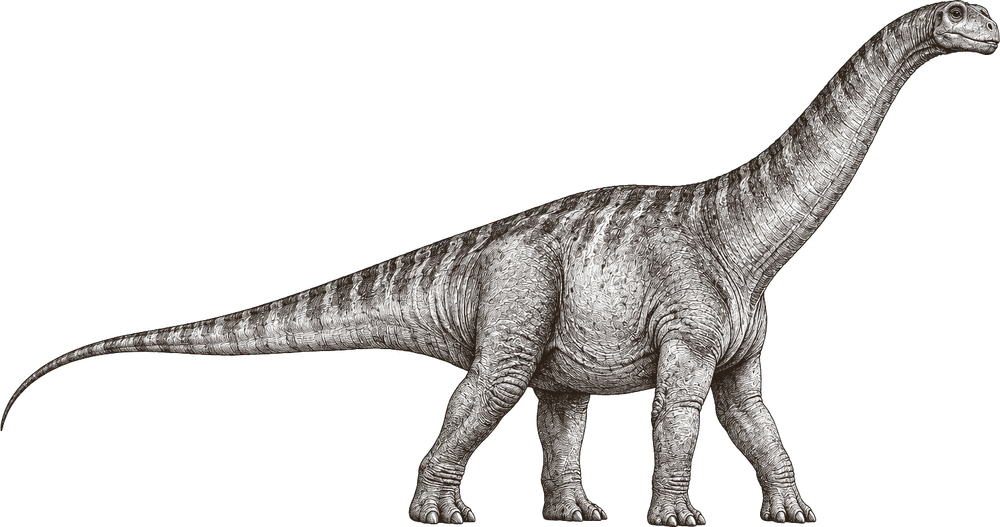
Size comparison
To scale

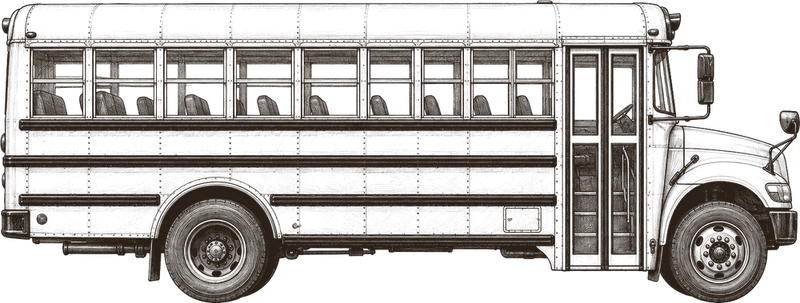
Scale in meters
Where its fossils were found
The evidence
Today
150 million years ago
Also reported from Portugal.
Field notes
About Camarasaurus
What it was like
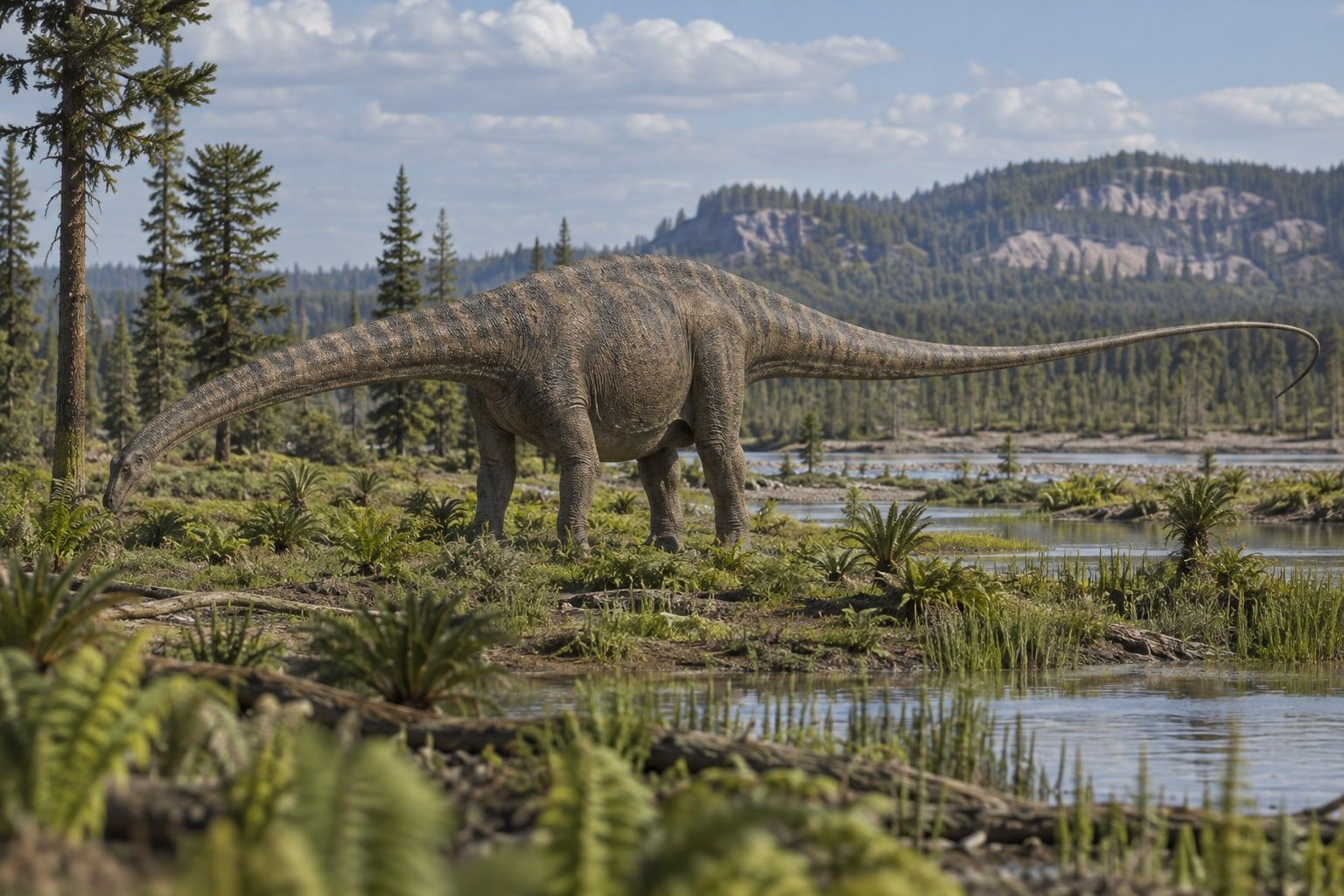
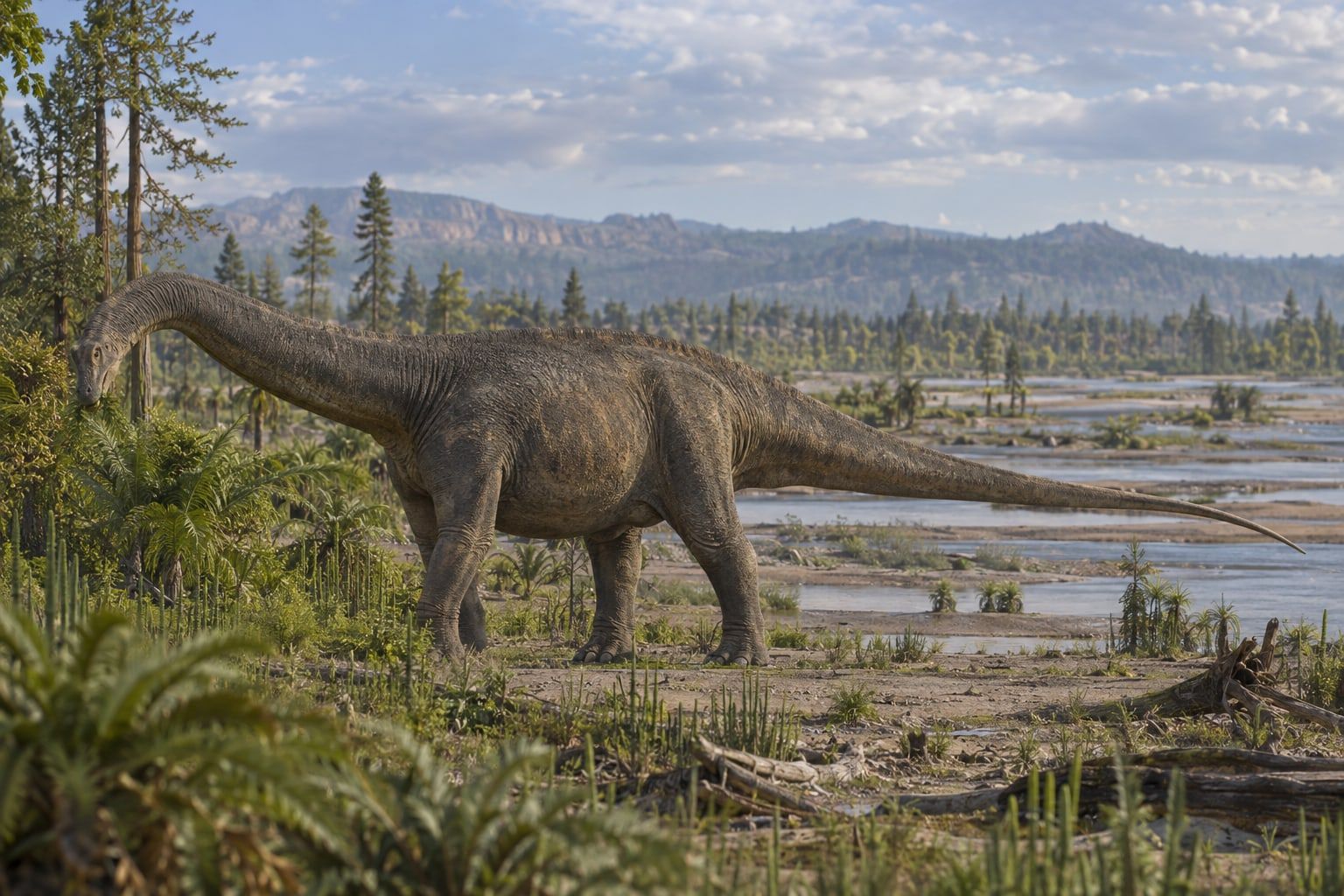
Camarasaurus was a bulky, long-necked plant eater with a proportionally large, strongly built skull and powerful jaws. It grew to about 18 meters (59 feet) long. Its spoon-shaped teeth were rapidly replaced as they wore down from feeding on tough plants.
Its name refers to hollow chambers found inside the vertebrae of its neck and back, which likely made its skeleton lighter without losing strength. Camarasaurus is the most common dinosaur found in its main fossil-bearing formation, and one of the best understood sauropods.
Its world
Camarasaurus lived across what is now Wyoming, Colorado, Utah, New Mexico, South Dakota, and Montana, from about 155 to 143 million years ago, during the Late Jurassic, with possible finds also reported from Portugal. Its fossils come mainly from the Morrison Formation.
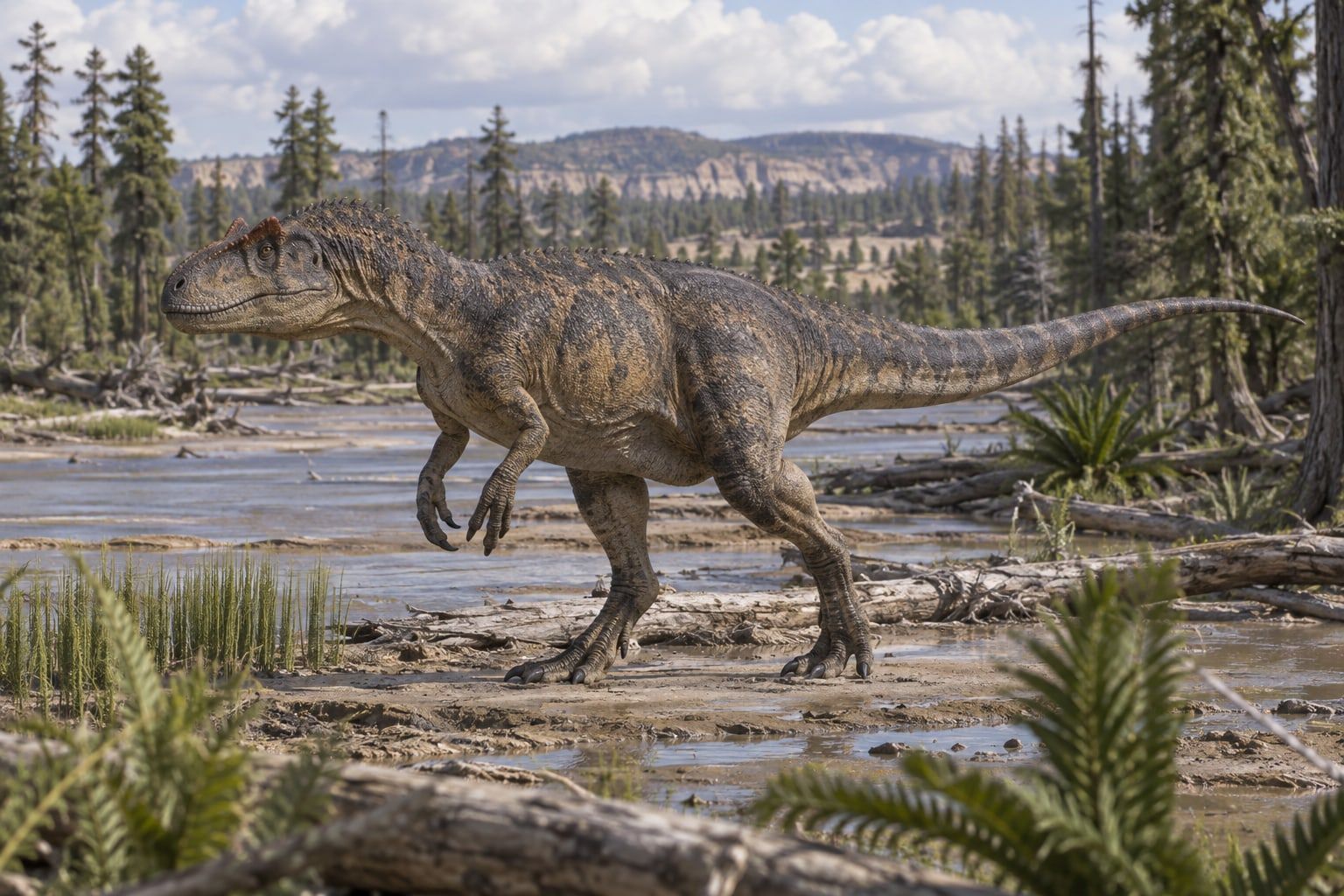
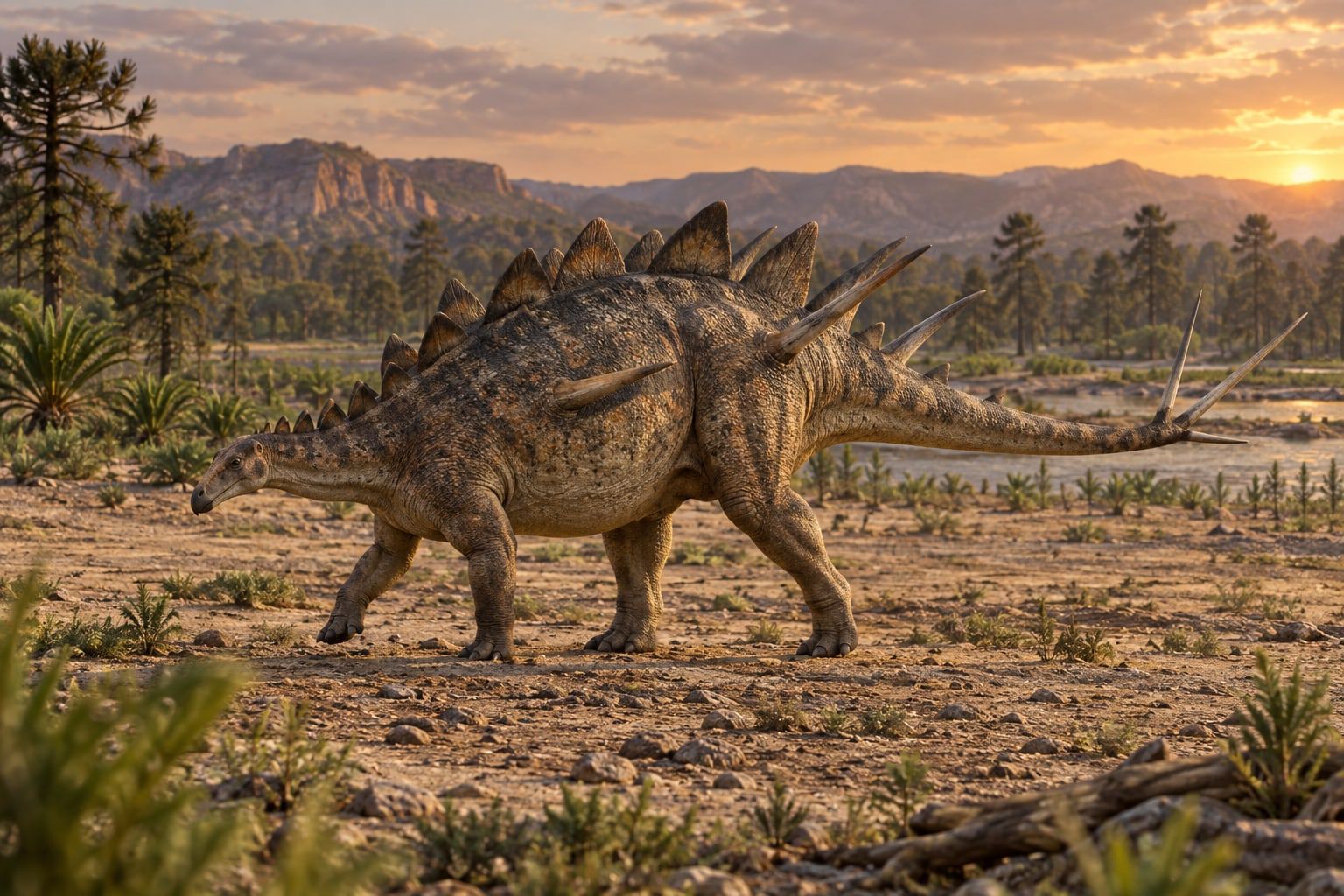
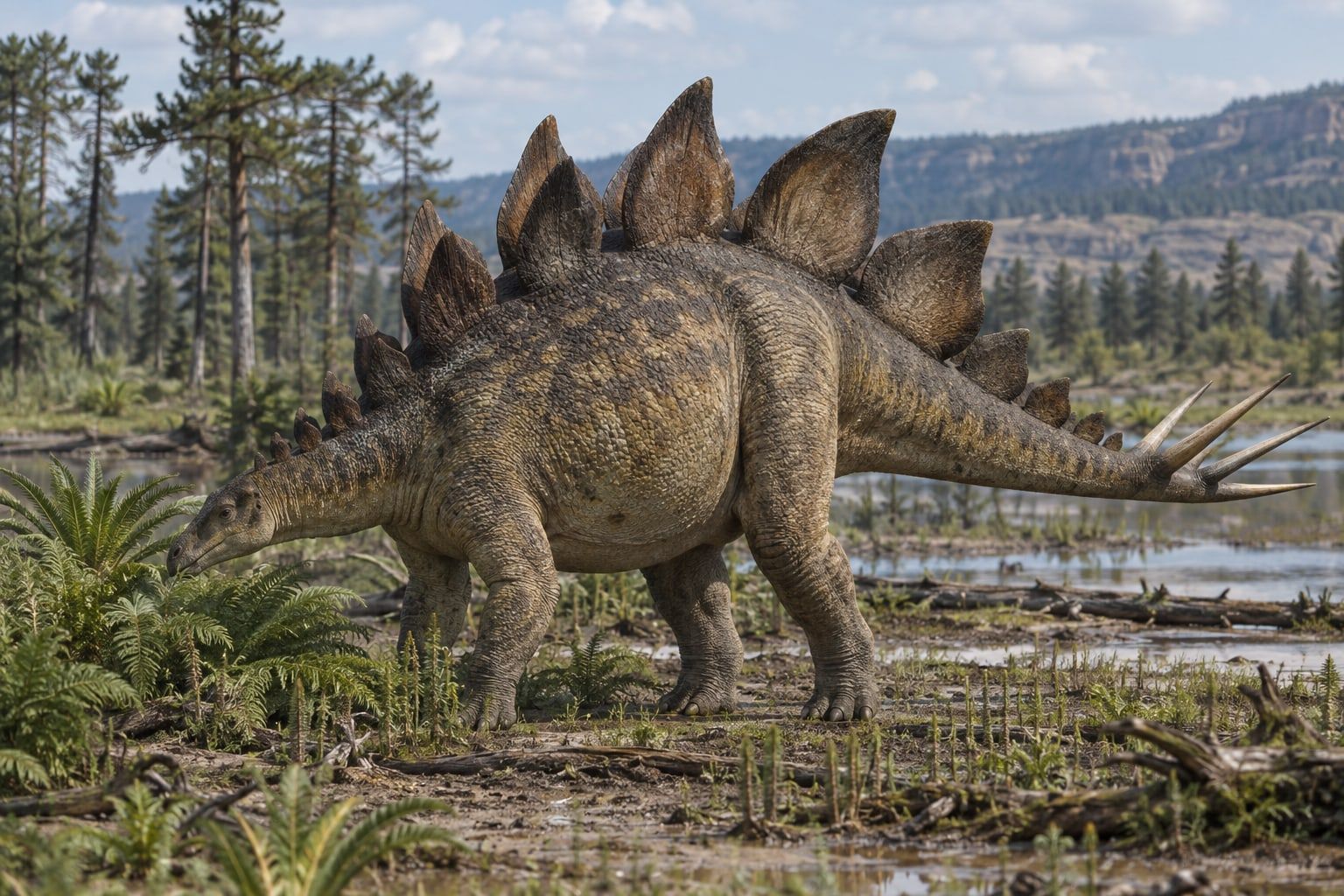
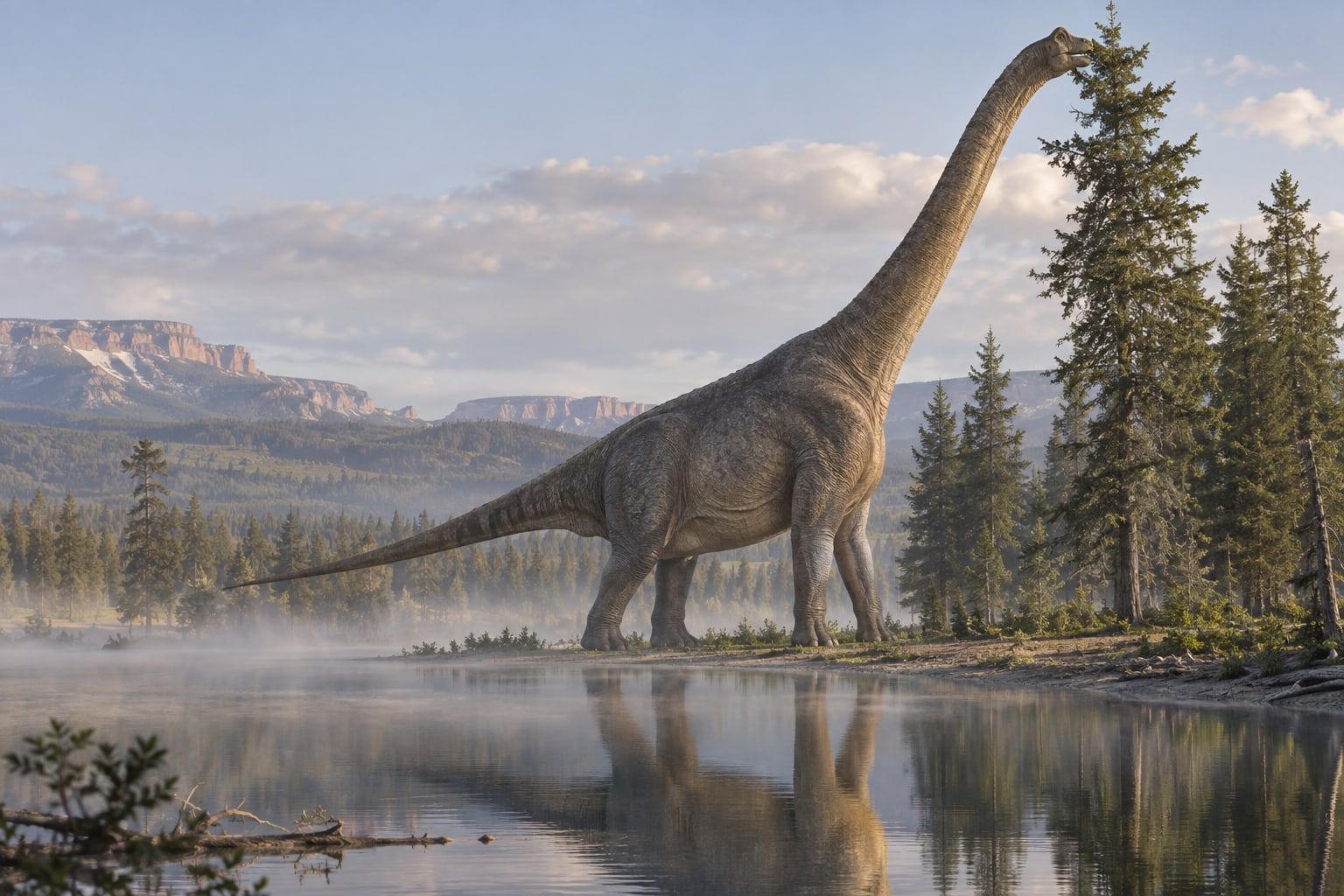
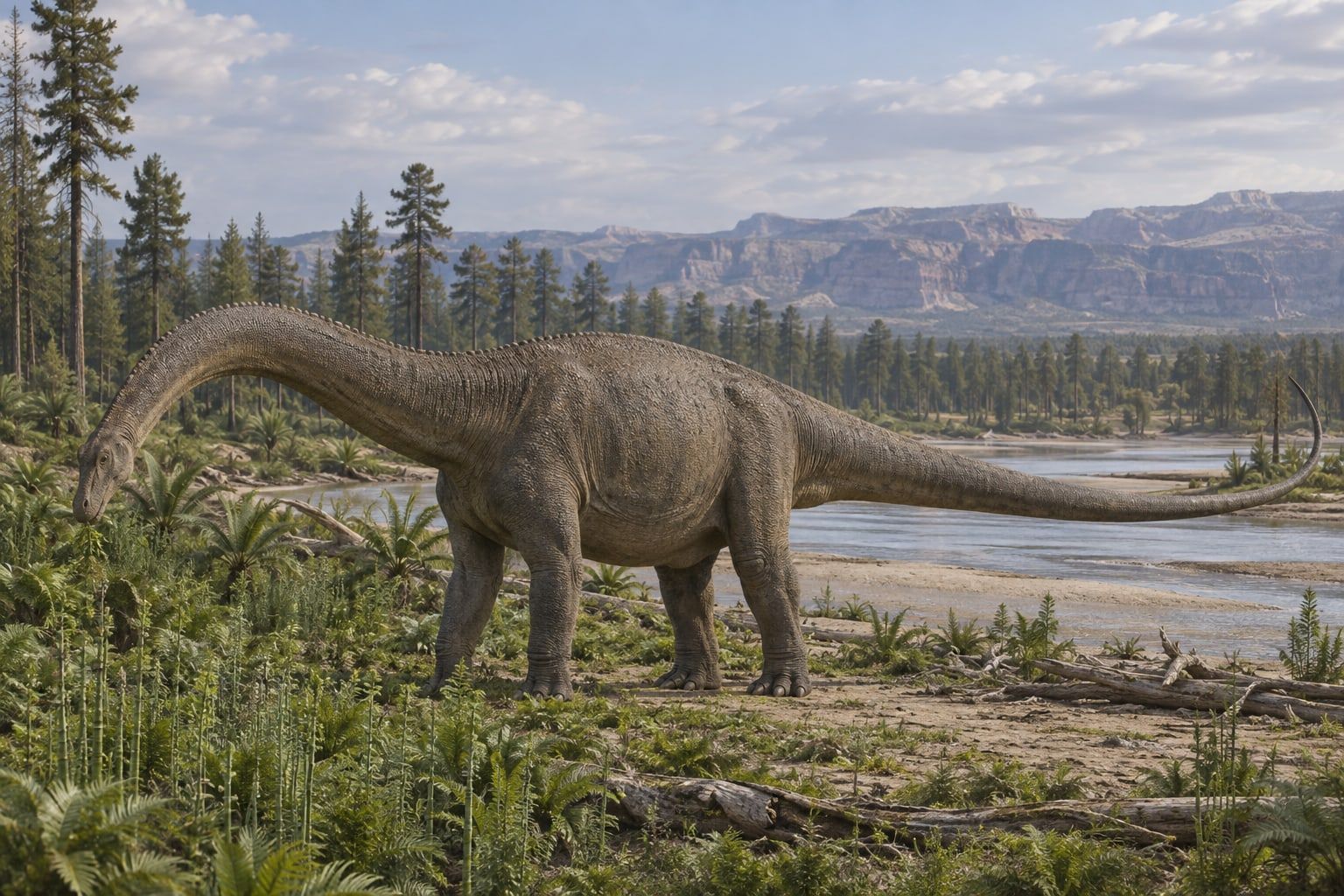
It shared its floodplain habitat with the plated Stegosaurus and Dacentrurus, the long-necked Brachiosaurus, Brontosaurus, Diplodocus, and Apatosaurus, and the predator Allosaurus.
How it was found
Cope named Camarasaurus in 1877, from fossils found in Colorado. About 124 finds of the genus are known today, more than any other dinosaur from the Morrison Formation, including several nearly complete skeletons.
Lived alongside
Found in the same rock formations
Close relatives
Other members of Camarasauridae
Sources: WikidataNamed in: E. D. Cope. 1877. On a gigantic saurian from the Dakota epoch of Colorado. Paleontological Bulletin 25:5-10