Dicraeosaurus
die-KREE-oh-SORE-us
"forked lizard"
- Lived
- 152 to 143 million years ago, Late Jurassic
- Diet
- Herbivore
- Length
- about 20 m (66 ft)
- Group
- Sauropods, Dicraeosauridae
- Found in
- Tanzania
- Named by
- Janensch 1914
Size comparison
To scale


Scale in metersOutline: typical sauropod shape
Where its fossils were found
The evidence
Today

150 million years ago
Also reported from Zimbabwe.
Habitat
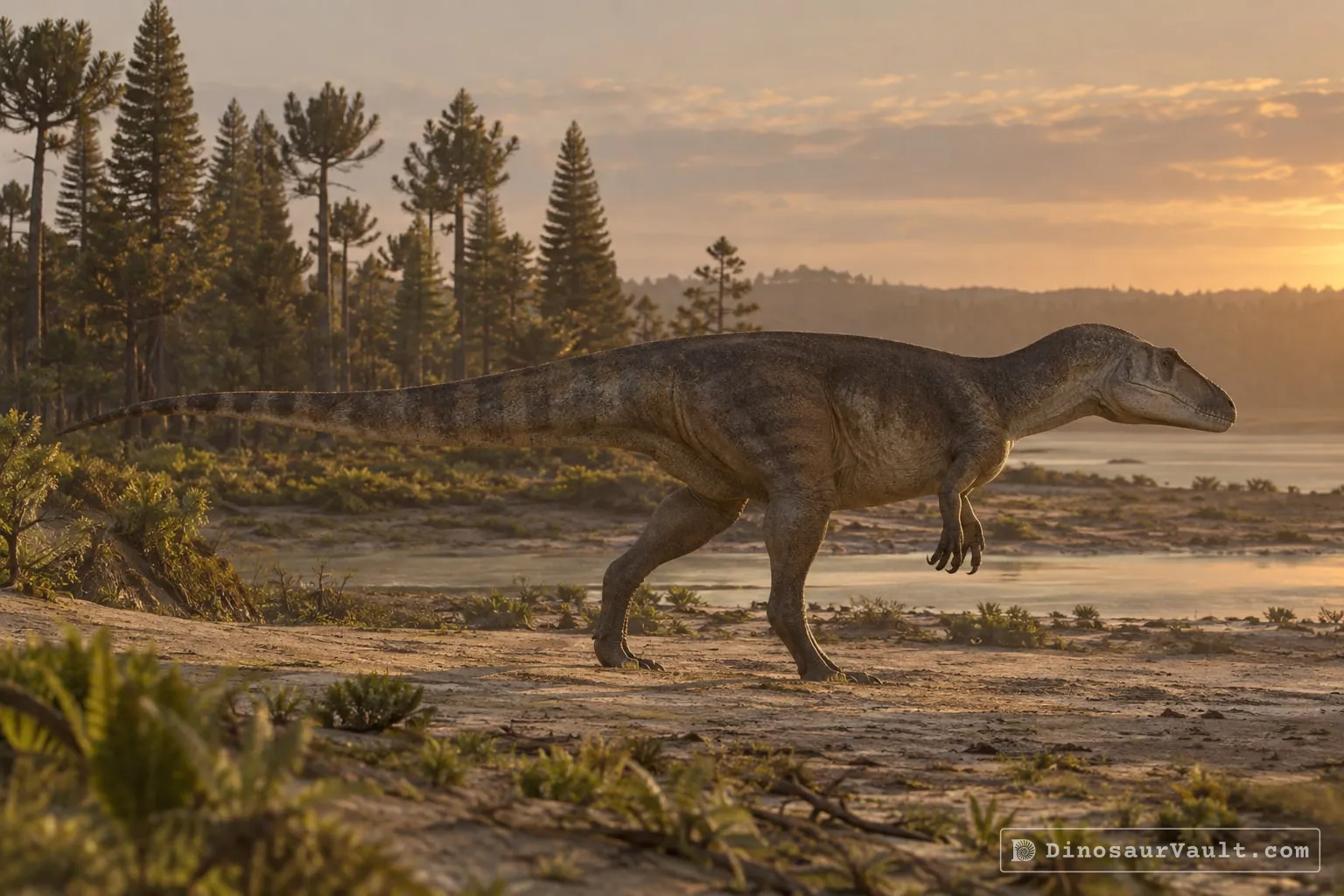
It lived near a low coastal plain with streams and ponds, beside inland vegetation that included conifers and ferns. Giraffatitan, Kentrosaurus and Elaphrosaurus also come from the Tendaguru Formation.
Field notes
About Dicraeosaurus
What it was like
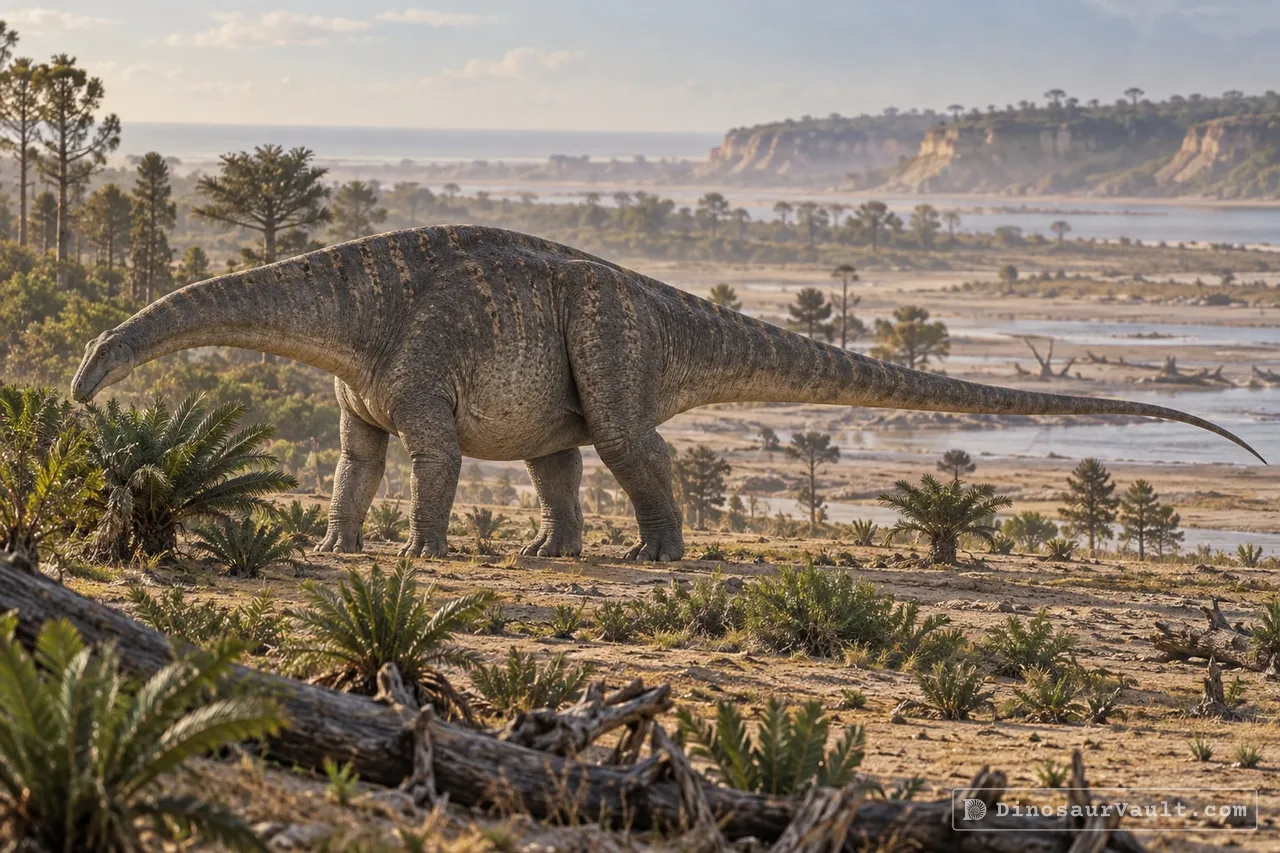
Dicraeosaurus was a smallish sauropod with a short neck for its kind, and tall, forked spines rising from its neck and back bones. Those spines may have supported a ridge along its neck.
It probably fed on low plants and was a relative of Amargasaurus, which had even longer spines.
Its world
It lived in the Late Jurassic in what is now Tanzania, in eastern Africa. Its bones come from the rich Tendaguru beds, where it shared the land with the much larger long-necked Giraffatitan, the spiky stegosaur Kentrosaurus and the slender hunter Elaphrosaurus.
How it was found
Janensch named Dicraeosaurus in 1914. With 19 finds, it is one of the best known dinosaurs from Africa.
Field gallery
More views of Dicraeosaurus
Scenes reconstructed from the available fossil evidence.
Lived alongside
Found in the same rock formations
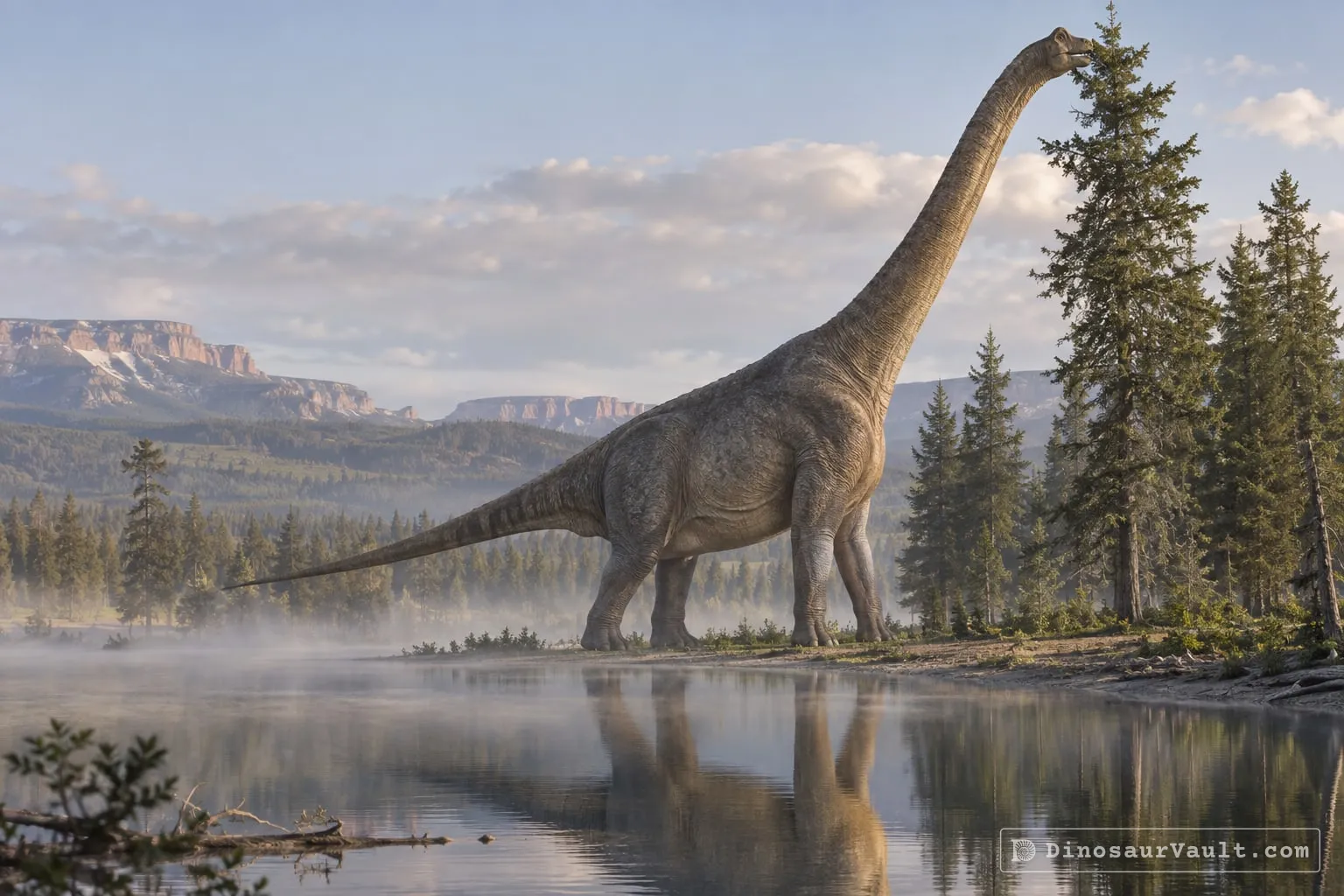
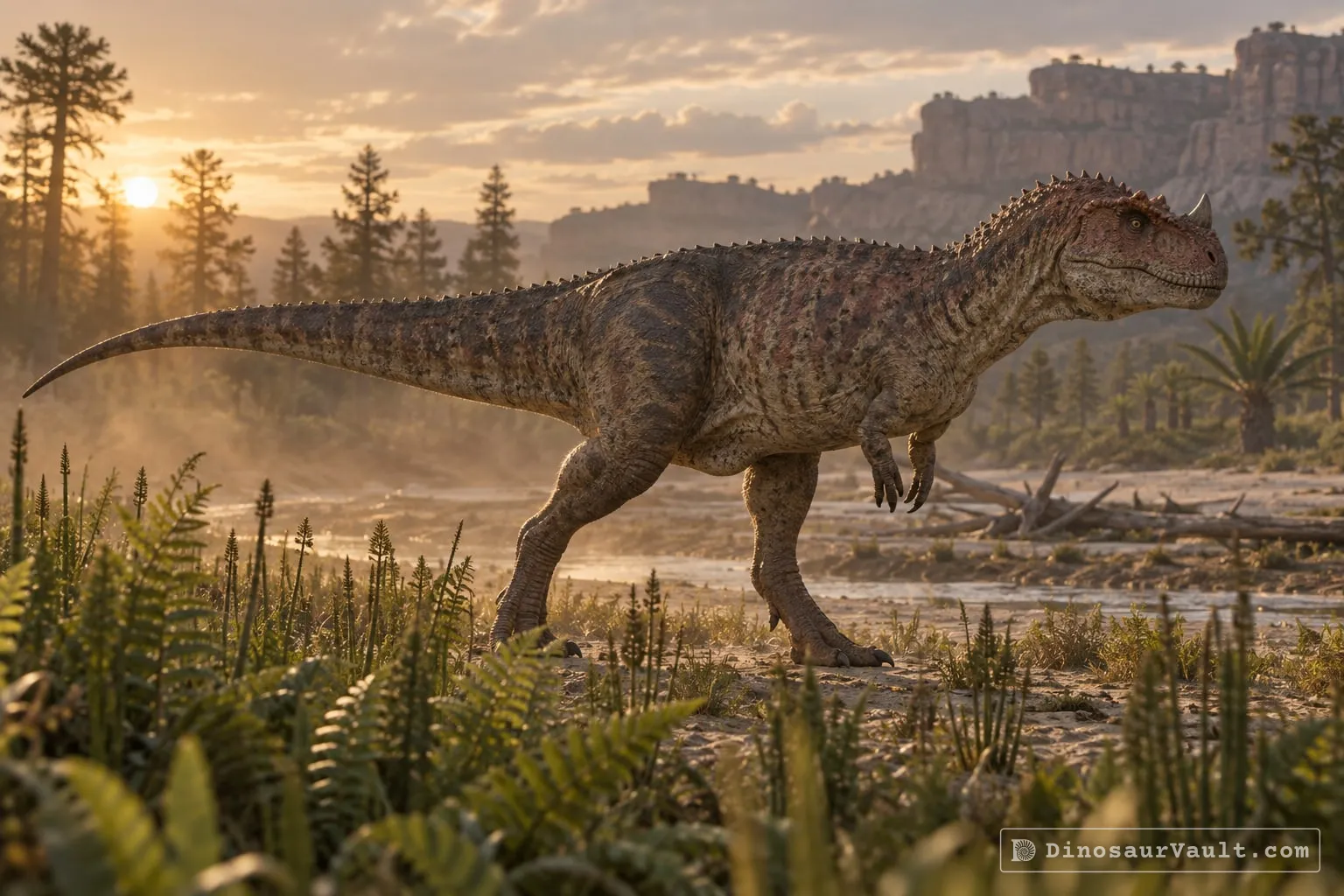
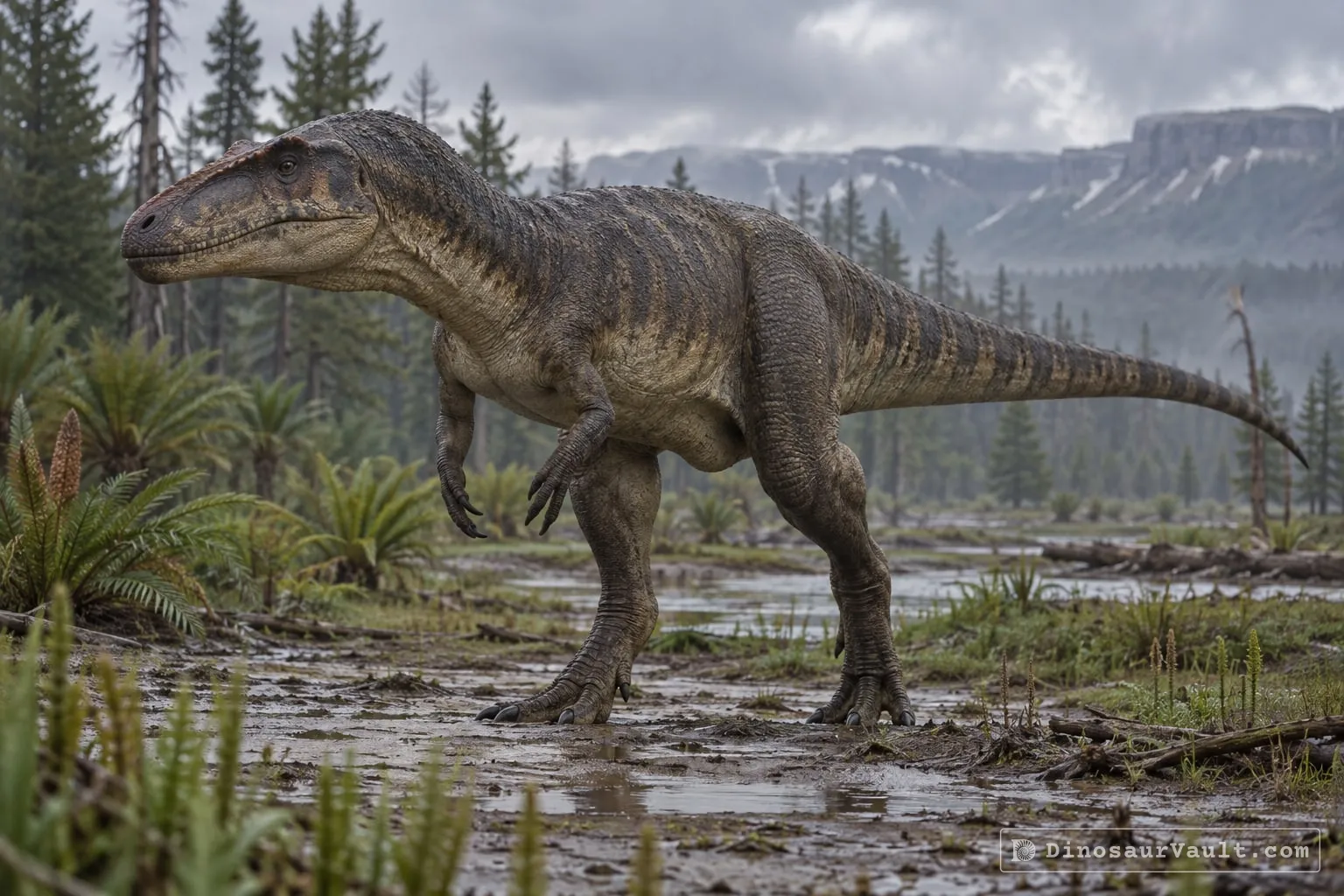
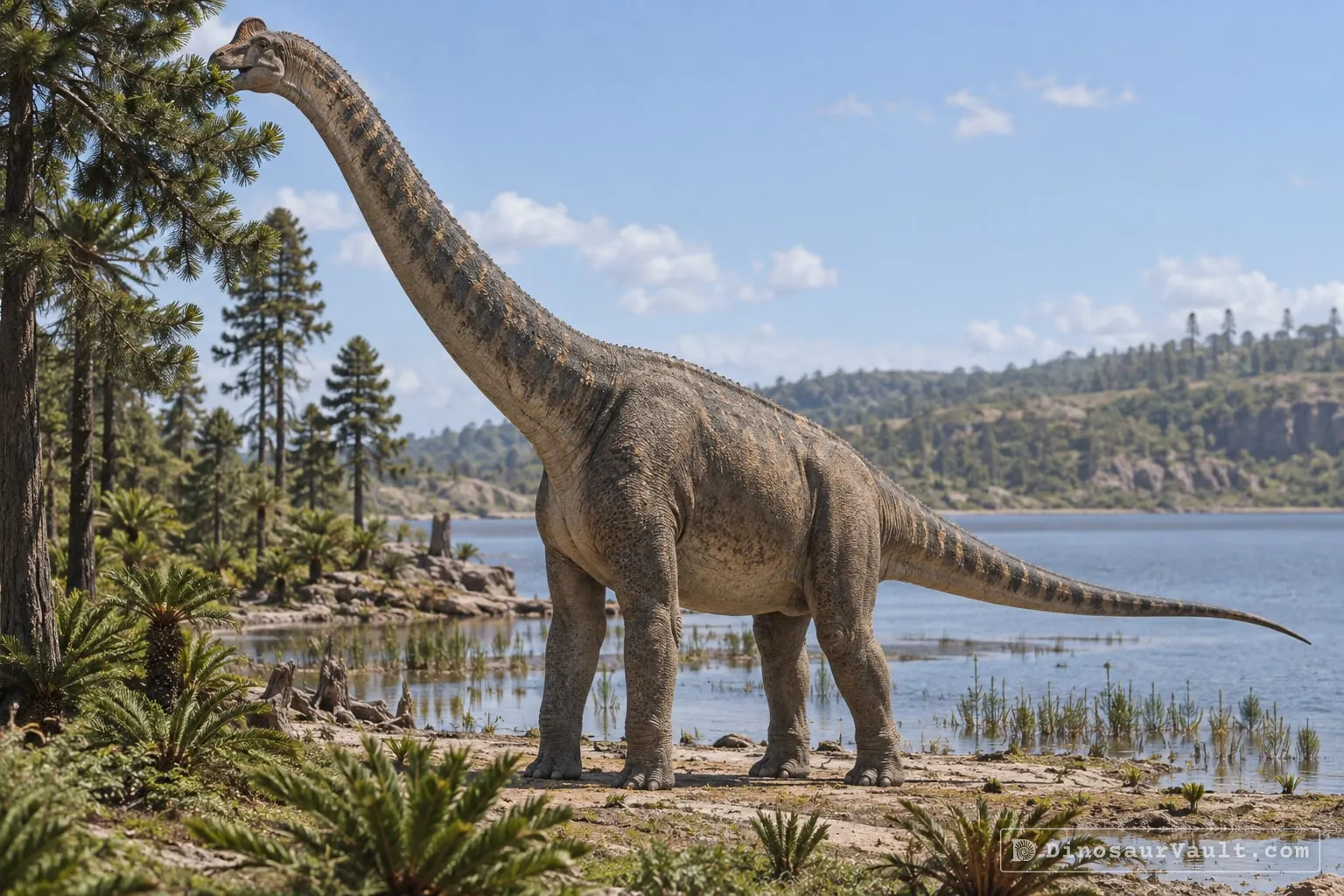
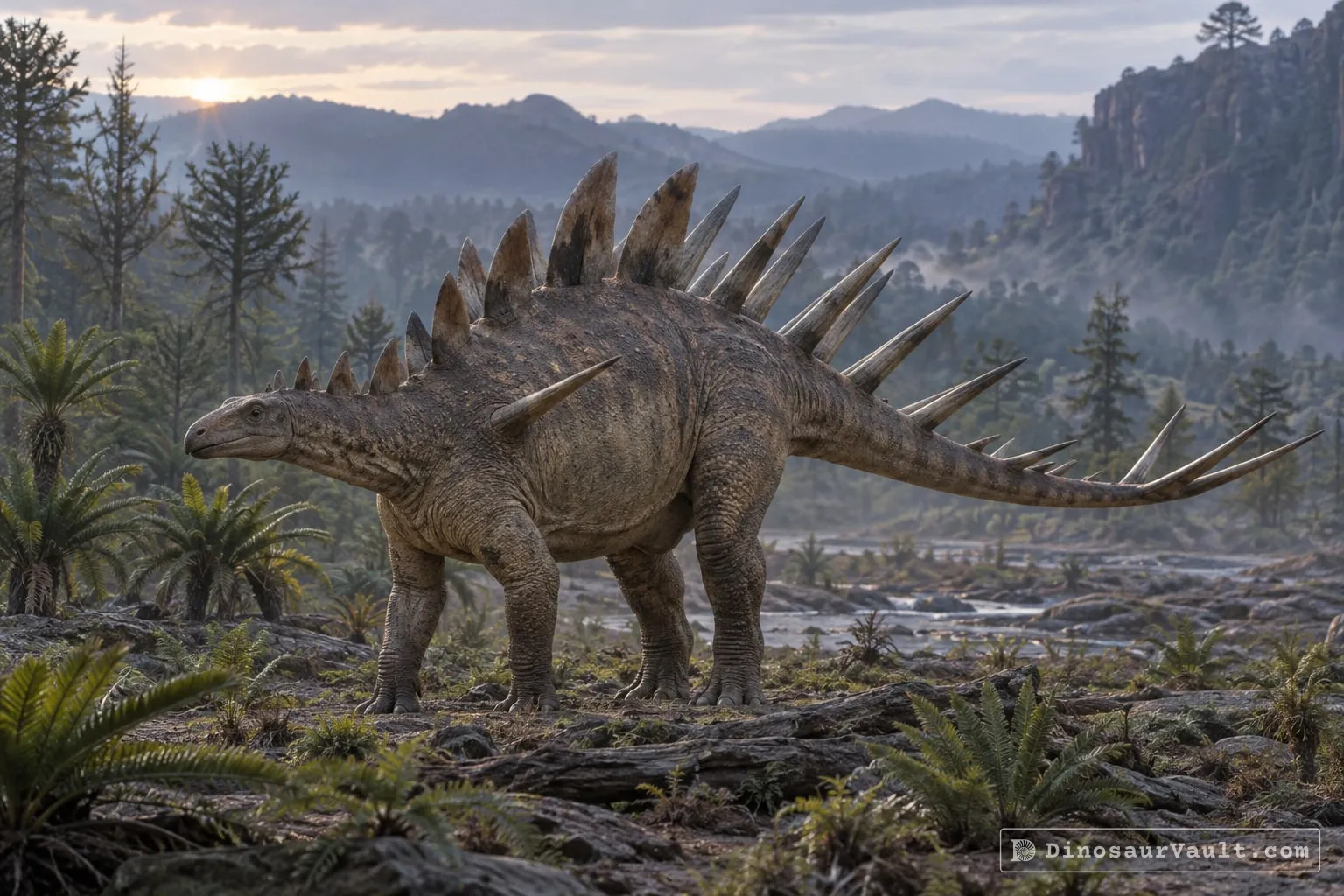
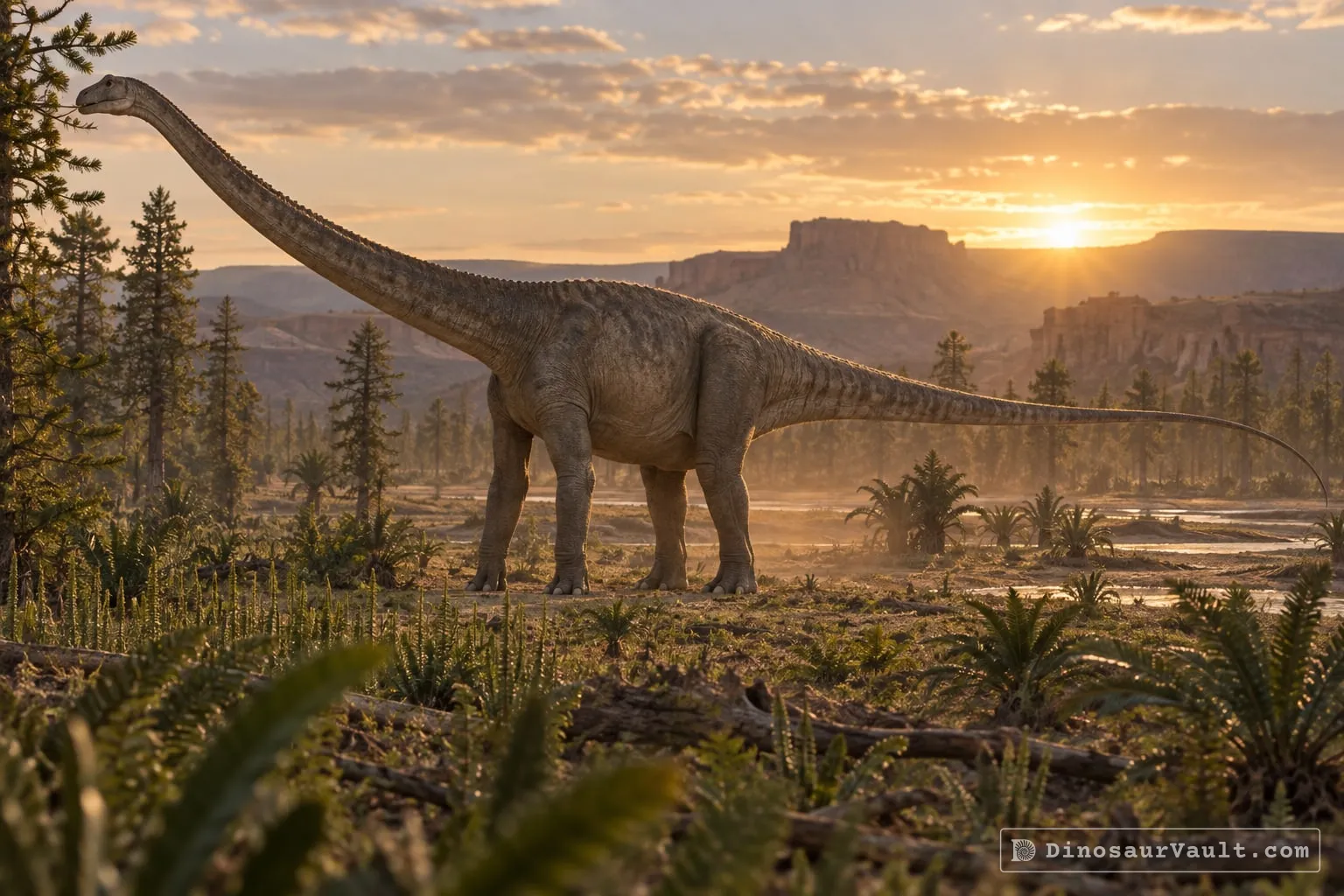
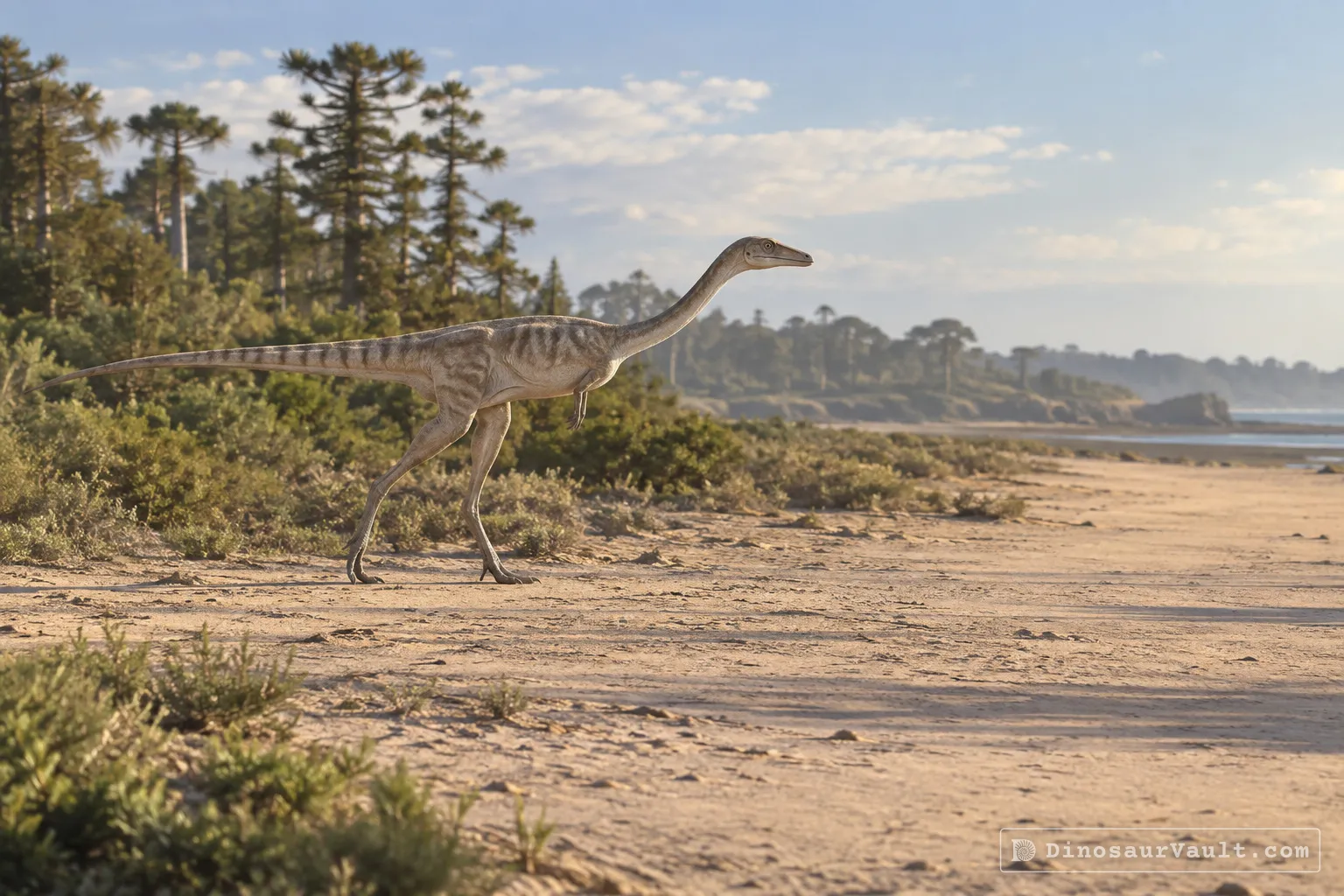


A rock formation can hold fossils laid down millions of years apart, so not every animal here met Dicraeosaurus.
The evidence
The science behind Dicraeosaurus
Which parts of the picture come from its own bones, and which come from its relatives.
From its own fossils
- A well-preserved skeleton shows a relatively short neck, tall forked vertebral spines and sturdy limbs.
- Skull bones show a robust head with a narrow, rounded muzzle.
- Limb bones distinguish the larger, more robust hansemanni species from the more slender sattleri species.
Borrowed from relatives
- Much of the body is known from its own bones; Apatosaurus helps restore missing hands and feet.
- Diplodocus helps fill missing skull elements, while its own bones set the narrow muzzle shape.
Still unknown
- The skin outline over the forked spines and its color.
- The full length and shape of the tail tip.
- Exactly which plants it ate and how high it usually browsed.
Often drawn wrong
- A broad, square muzzle like Diplodocus conflicts with its narrow, rounded snout.
- Bare forked bones projecting through the skin mistake the skeleton for the living outline.
- Copying the extremely long spines of Amargasaurus exaggerates its neck.
Discovery timeline
- 1914Named itJanensch
- 2011How it fedWhitlock
Key papers
The research behind what we know of Dicraeosaurus
Named it
Named a sauropod from Tanzania with tall, forked spines on its vertebrae.
Übersicht über die Wirbeltierfauna der Tendaguru-Schichten [Overview of the vertebrate fauna of the Tendaguru beds]. Archiv für Biontologie 3: 81-110
No link available
How it fed
Its narrow snout and coarse tooth wear suggested selective browsing rather than sweeping up low vegetation with a broad mouth.
Inferences of Diplodocoid (Sauropoda: Dinosauria) Feeding Behavior from Snout Shape and Microwear Analyses. PLoS ONE 6: e18304
Read the paper : Inferences of Diplodocoid (Sauropoda: Dinosauria) Feeding Behavior from Snout Shape and Microwear Analyses (opens in a new tab)
Close relatives
Other members of Dicraeosauridae


Sources: Wikidata