Dyslocosaurus
"hard-to-place lizard"
Type species Dyslocosaurus polyonychius
- Lived
- 155 to 143 million years ago, Late Jurassic
- Diet
- Herbivore
- Group
- Sauropods, Dicraeosauridae
- Found in
- United States
- Named by
- Mcintosh et al. 1992
Where its fossils were found
The evidence
Today

150 million years ago
Habitat
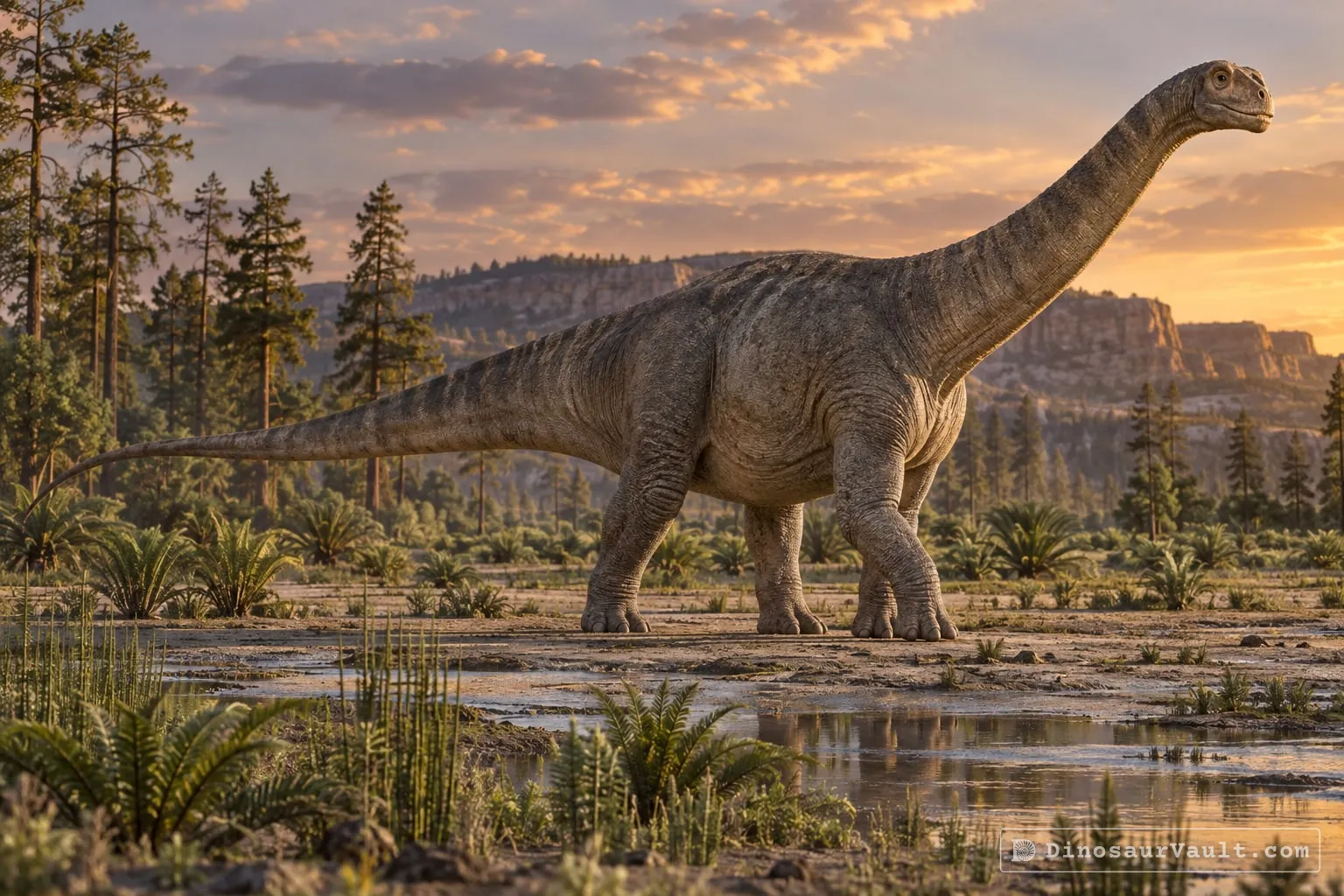
Its bones probably came from the Morrison Formation, a landscape of rivers and floodplains with conifers, ferns and horsetails. Allosaurus, Stegosaurus and Diplodocus lived in this region.
Field notes
About Dyslocosaurus
What it was like
Dyslocosaurus was a long-necked sauropod known from leg and foot bones. The foot seems to have had more claws than usual for a sauropod, but some scientists think bones of other animals were mixed in.
Its world
It lived in the Late Jurassic in what is now Wyoming. Its bones probably come from the Morrison Formation, where it lived alongside Allosaurus, Stegosaurus and many other sauropods.
How it was found
Mcintosh and colleagues named it in 1992. The type species is Dyslocosaurus polyonychius. The name refers to the uncertain record of where it was found.
Field gallery
More views of Dyslocosaurus
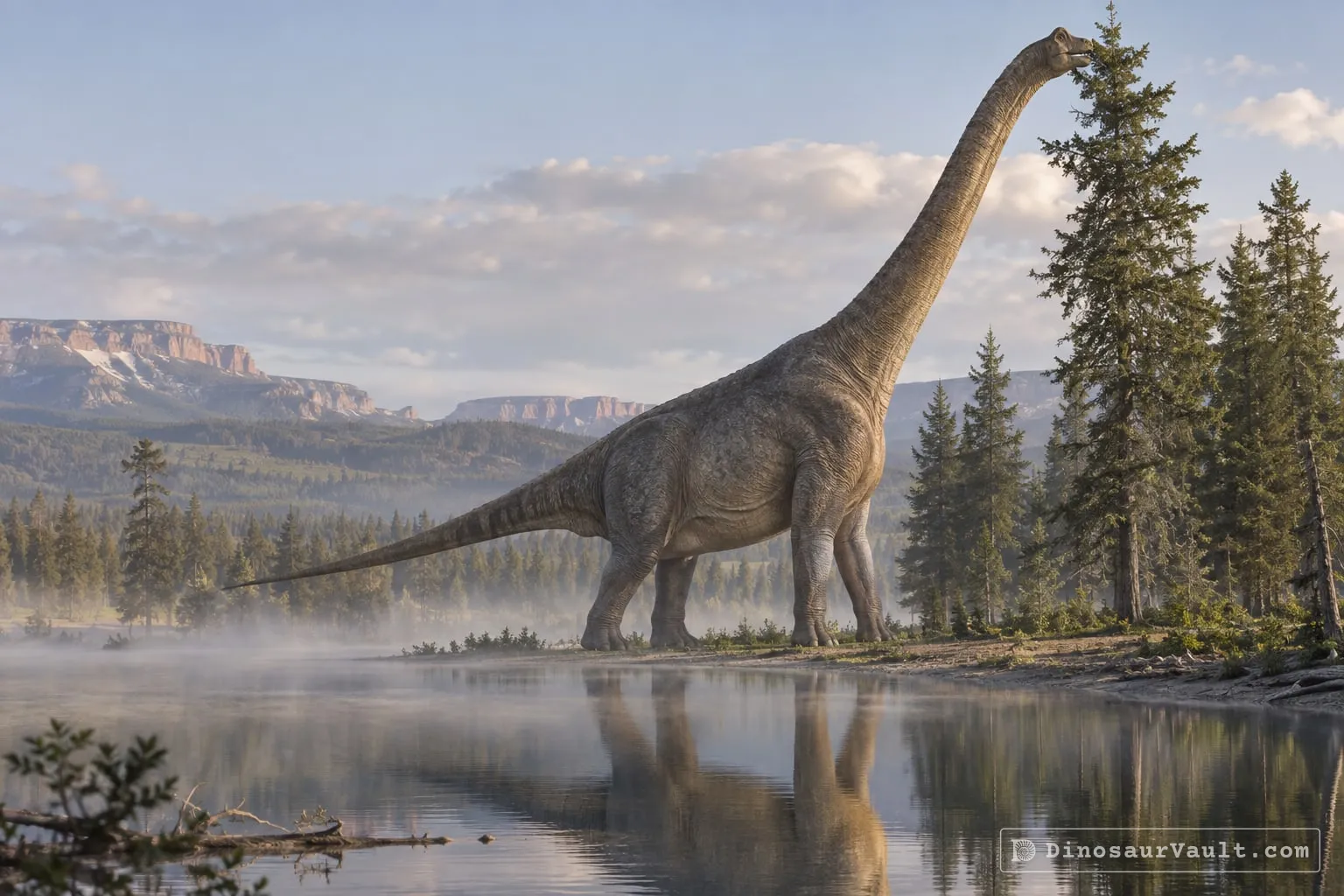
Scenes reconstructed from the available fossil evidence.
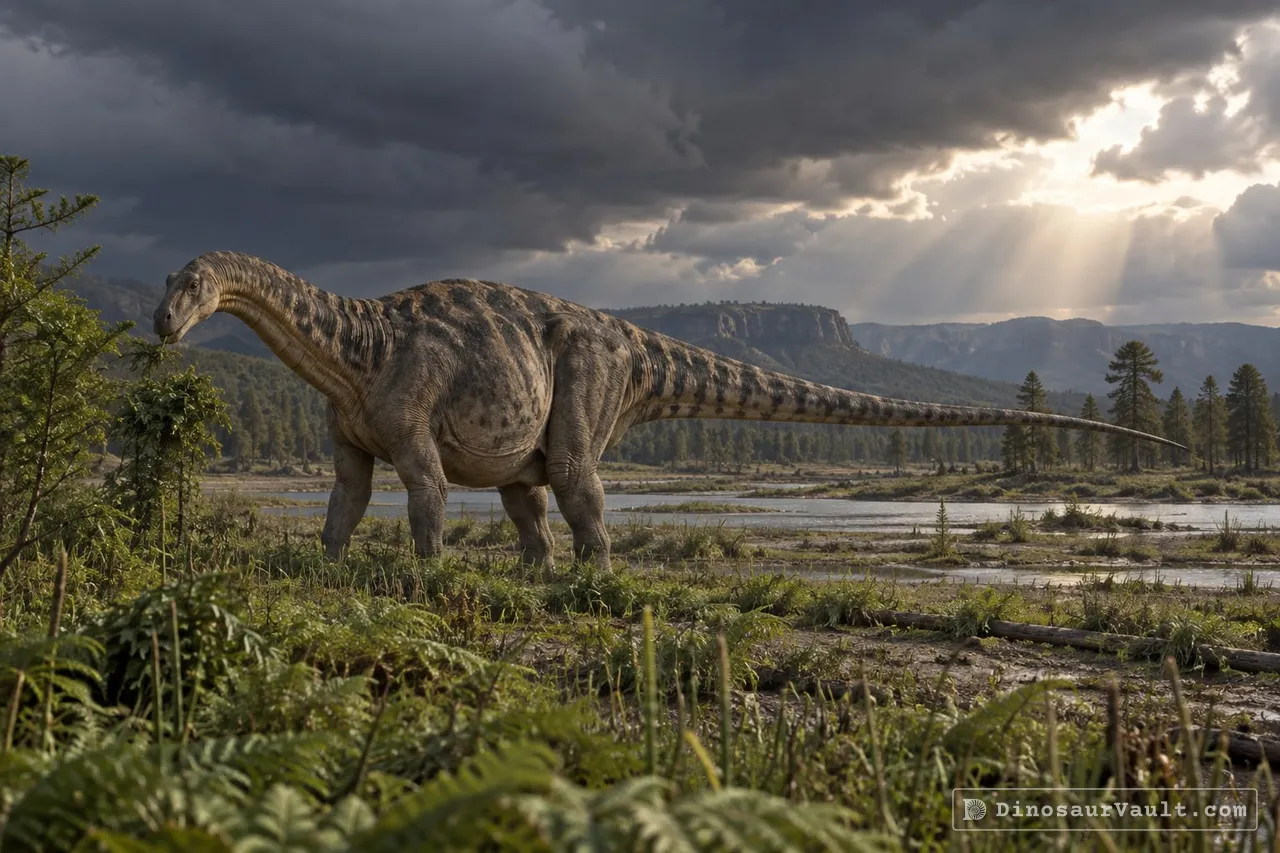
Lived alongside
Found in the same rock formations
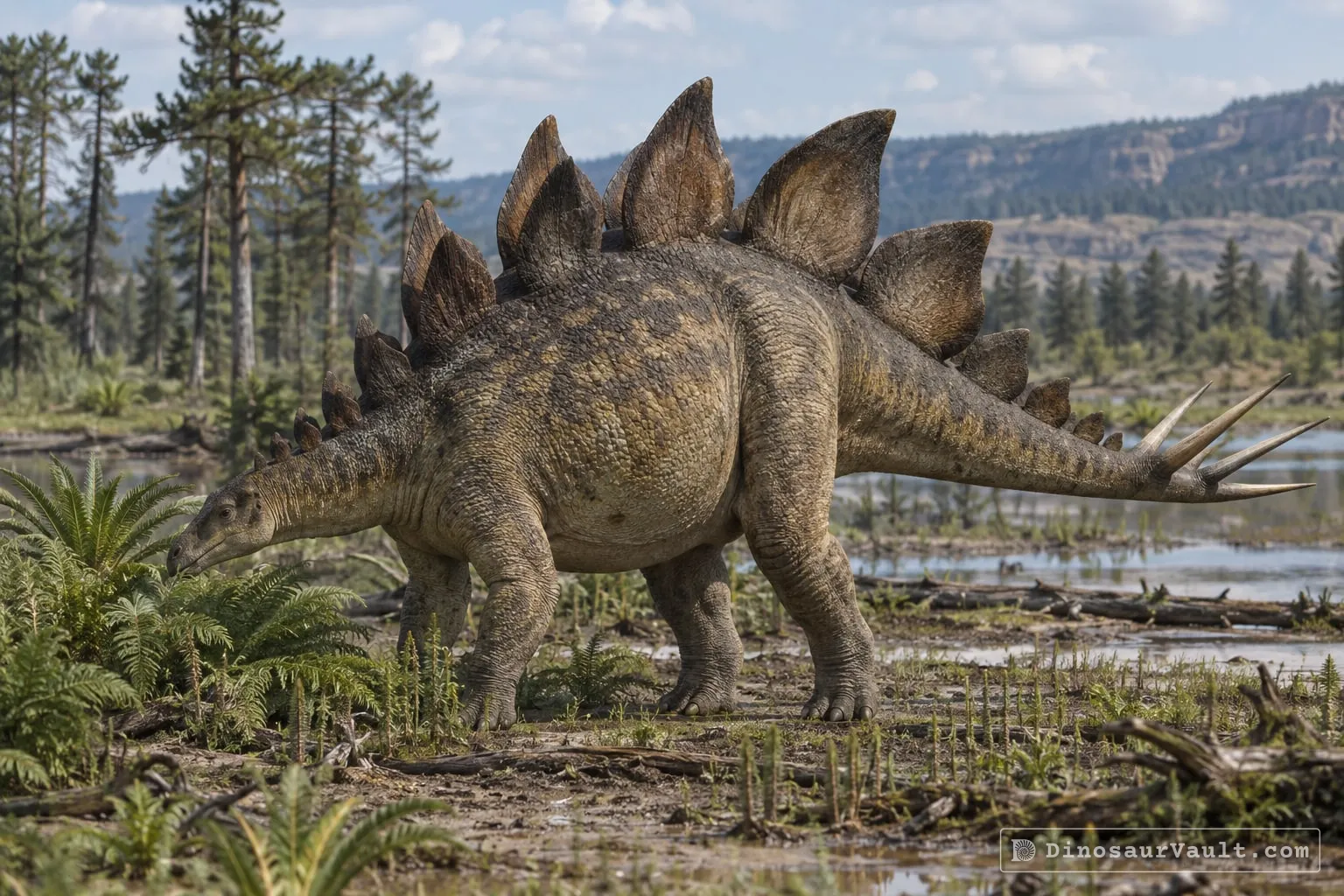
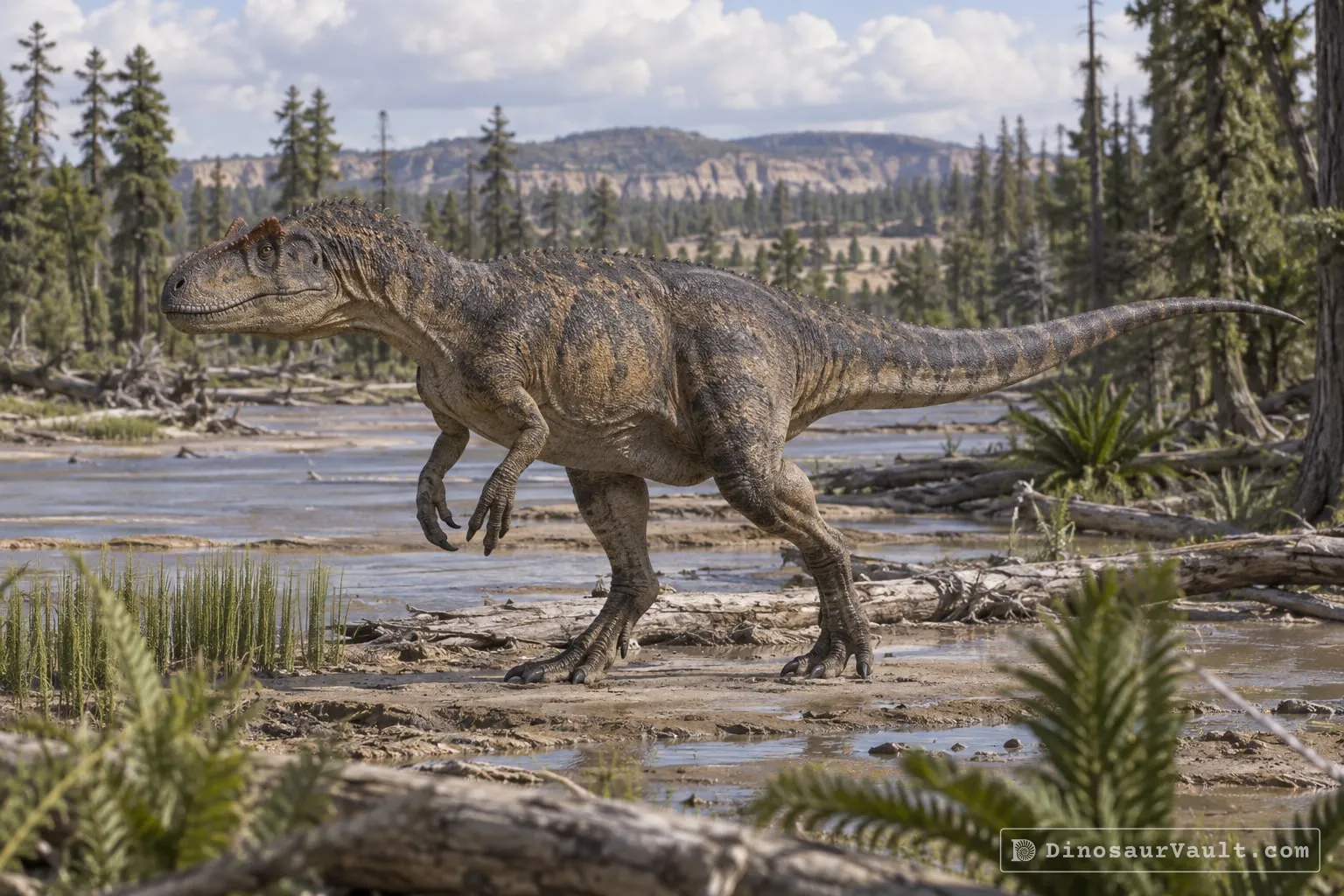
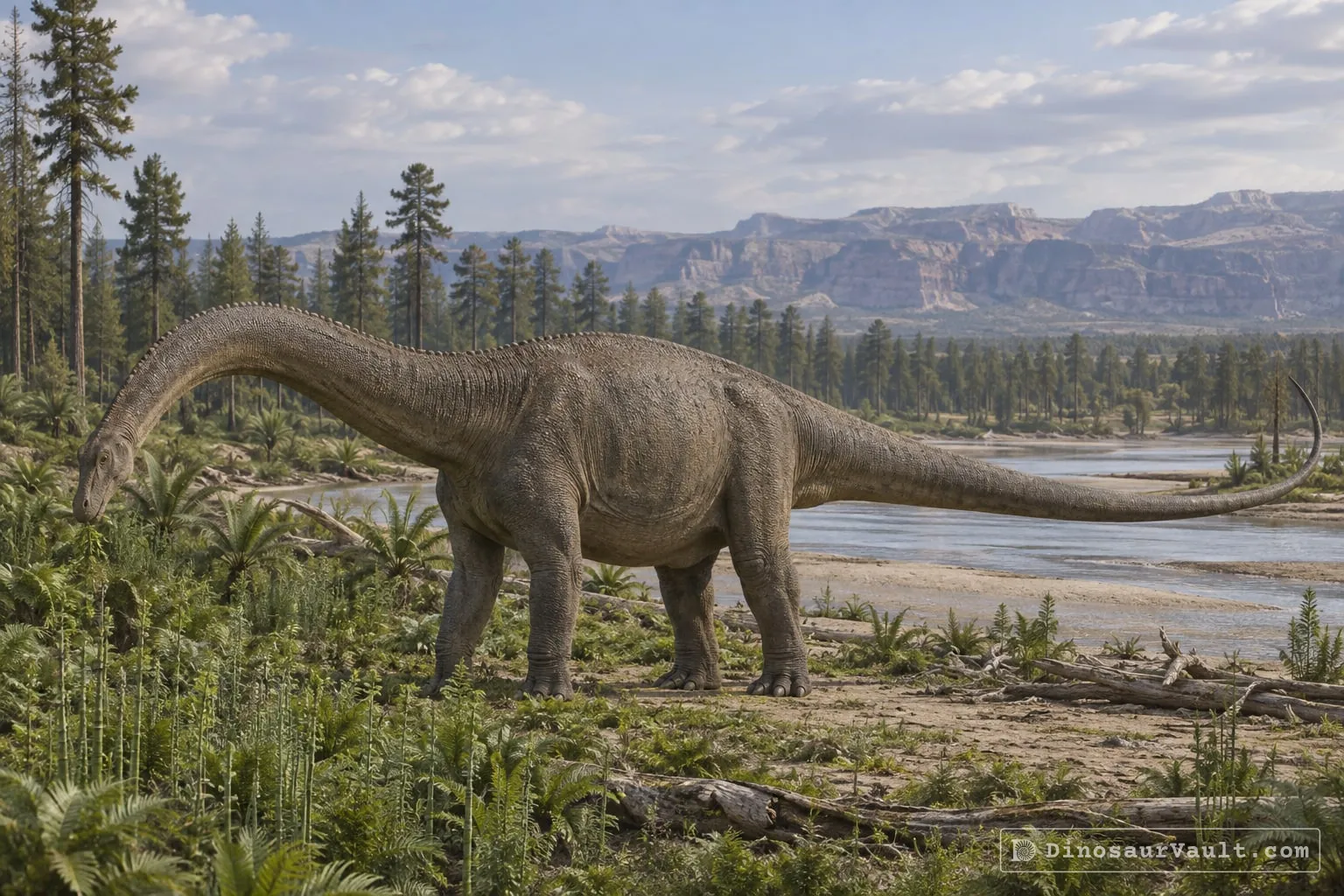
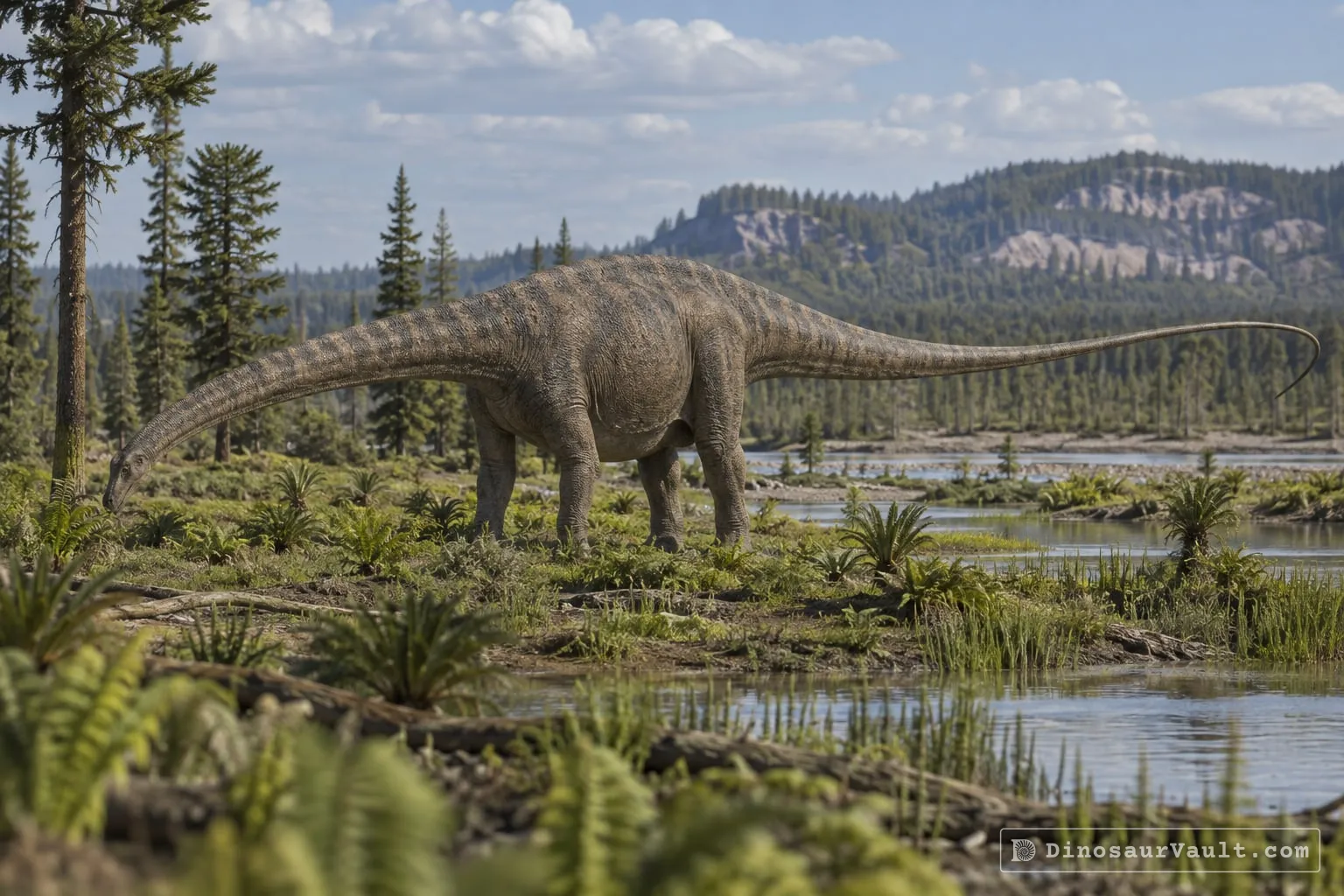
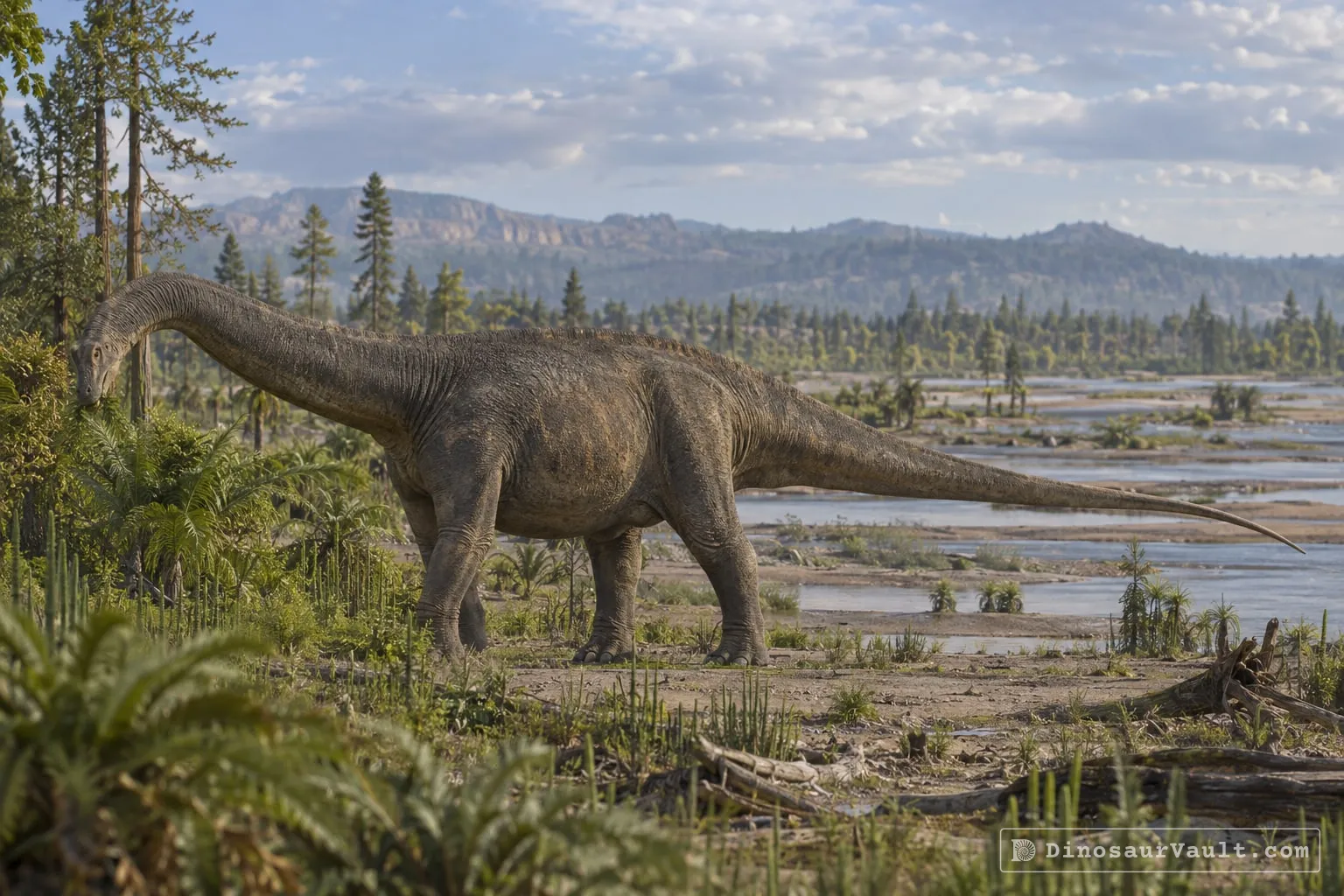
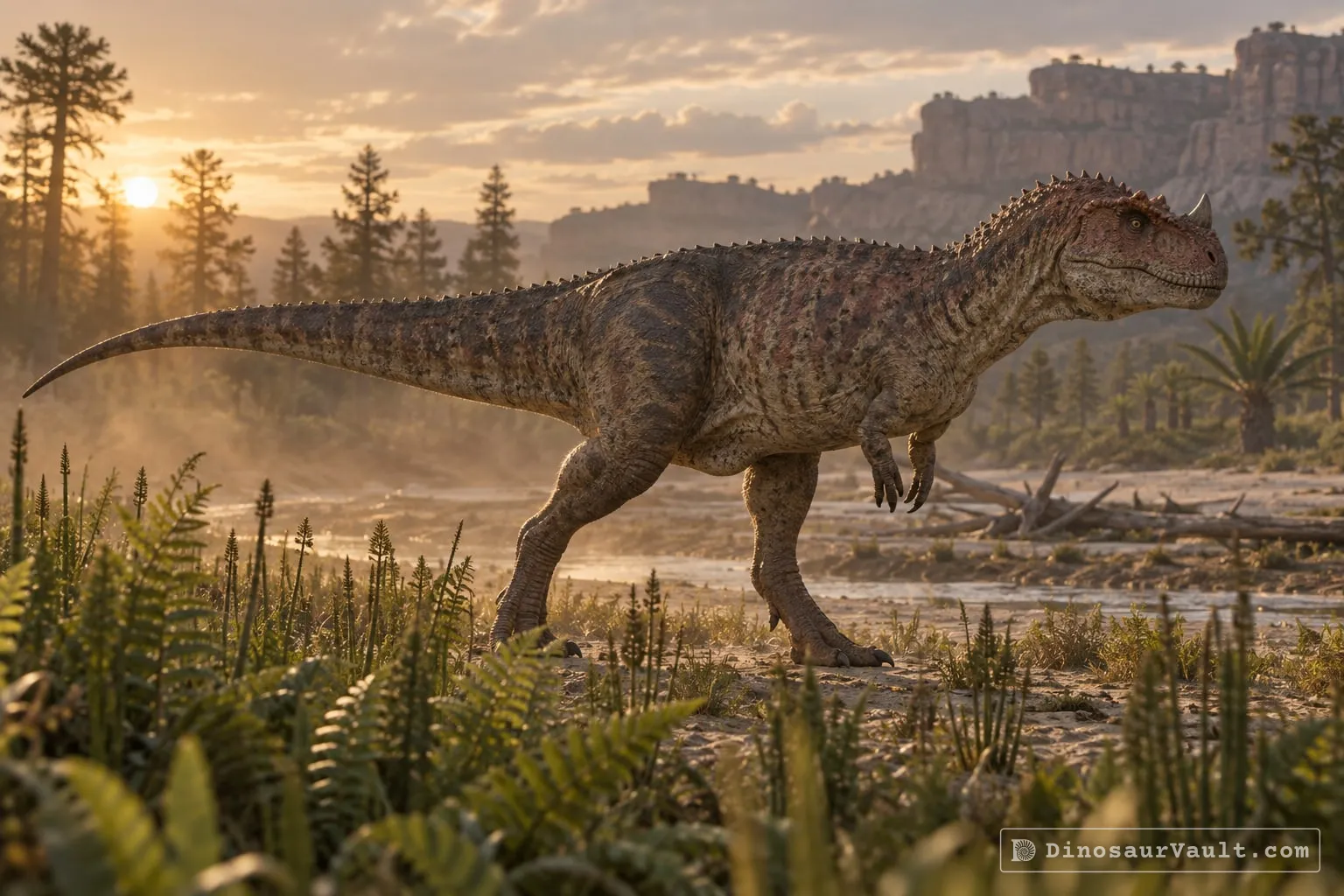


A rock formation can hold fossils laid down millions of years apart, so not every animal here met Dyslocosaurus.
The evidence
The science behind Dyslocosaurus
Which parts of the picture come from its own bones, and which come from its relatives.
From its own fossils
- Dyslocosaurus is known from a small collection of limb and foot bones.
- Its shin, ankle and foot bones combine features found in several branches of long-necked sauropods.
Borrowed from relatives
- The missing skull, neck and trunk are restored by comparison with dicraeosaurids such as Suuwassea and Dicraeosaurus.
Still unknown
- The exact site and rock layer where the bones were collected.
- Whether all the collected bones belong to the same animal, and how many toes carried claws.
- Its neck length, skin covering and color.
Discovery timeline
- 1992Named itMcIntosh, Coombs & Russell
- 2015Family treeTschopp, Mateus & Benson
- 2021Family treeMannion, Tschopp & Whitlock
Key papers
The research behind what we know of Dyslocosaurus
Named it
Named Dyslocosaurus from limb and foot bones and proposed that it had unusually many clawed toes for a sauropod.
A new diplodocid sauropod (Dinosauria) from wyoming, U.S.A. Journal of Vertebrate Paleontology 12: 158-167
Read the paper : A new diplodocid sauropod (Dinosauria) from wyoming, U.S.A. (opens in a new tab)Family tree
Reexamined the limb bones and placed Dyslocosaurus among dicraeosaurids rather than diplodocids.
A specimen-level phylogenetic analysis and taxonomic revision of Diplodocidae (Dinosauria, Sauropoda). PeerJ 3: e857
Read the paper : A specimen-level phylogenetic analysis and taxonomic revision of Diplodocidae (Dinosauria, Sauropoda) (opens in a new tab)Family tree
A broader analysis of sauropod relationships also placed Dyslocosaurus in the dicraeosaurid branch.
Anatomy and systematics of the diplodocoidAmphicoelias altussupports high sauropod dinosaur diversity in the Upper Jurassic Morrison Formation of the USA. Royal Society Open Science 8: 210377
Read the paper : Anatomy and systematics of the diplodocoidAmphicoelias altussupports high sauropod dinosaur diversity in the Upper Jurassic Morrison Formation of the USA (opens in a new tab)
Close relatives
Other members of Dicraeosauridae


Sources: Wikidata