Outline: a typical sauropod
Opisthocoelicaudia
"tail bones hollow at the back"
- Lived
- 72 to 66 million years ago, Late Cretaceous
- Diet
- Herbivore
- Length
- about 12 m (39 ft)
- Group
- Sauropods, Saltasauridae
- Found in
- Mongolia
- Named by
- Borsuk-Bialynicka 1977
Size comparison
To scale

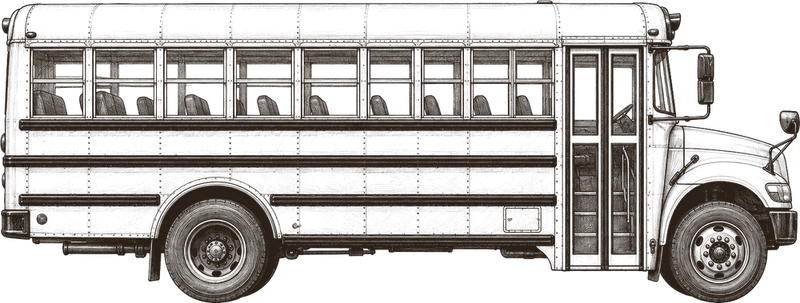
Scale in metersOutline: typical sauropod shape
Where its fossils were found
The evidence
Today
70 million years ago
Field notes
About Opisthocoelicaudia
What it was like
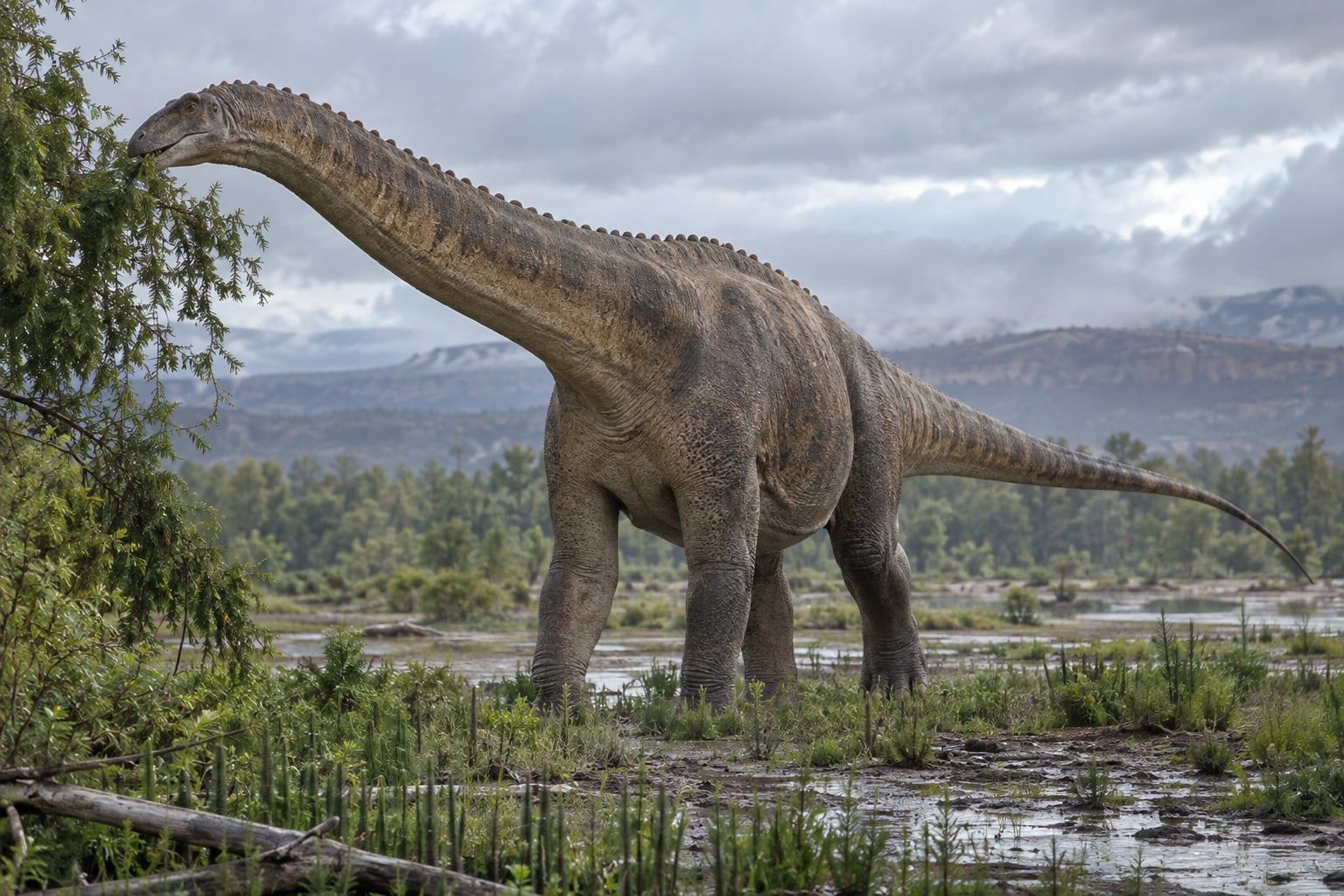
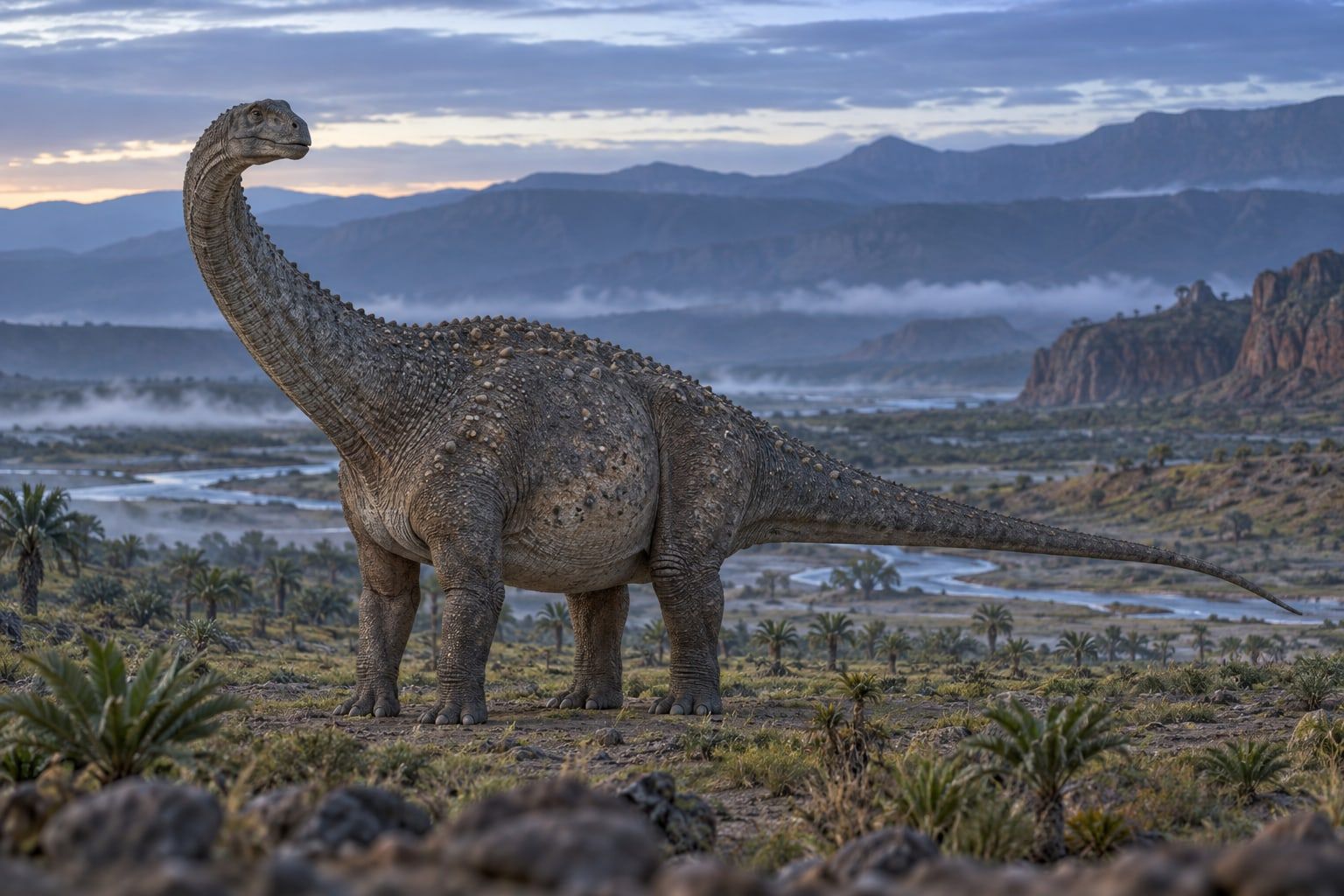
Opisthocoelicaudia was a titanosaur, a long-necked plant eater about 12 meters (39 feet) long. That is small for a sauropod. The bones of its tail had an unusual joint shape, rounded at the front and cupped at the back, which gives the genus its long name.
Its skeleton is nearly complete but lacks the head and neck. Bite marks on the bones suggest a large meat eater fed on the body.
Its world
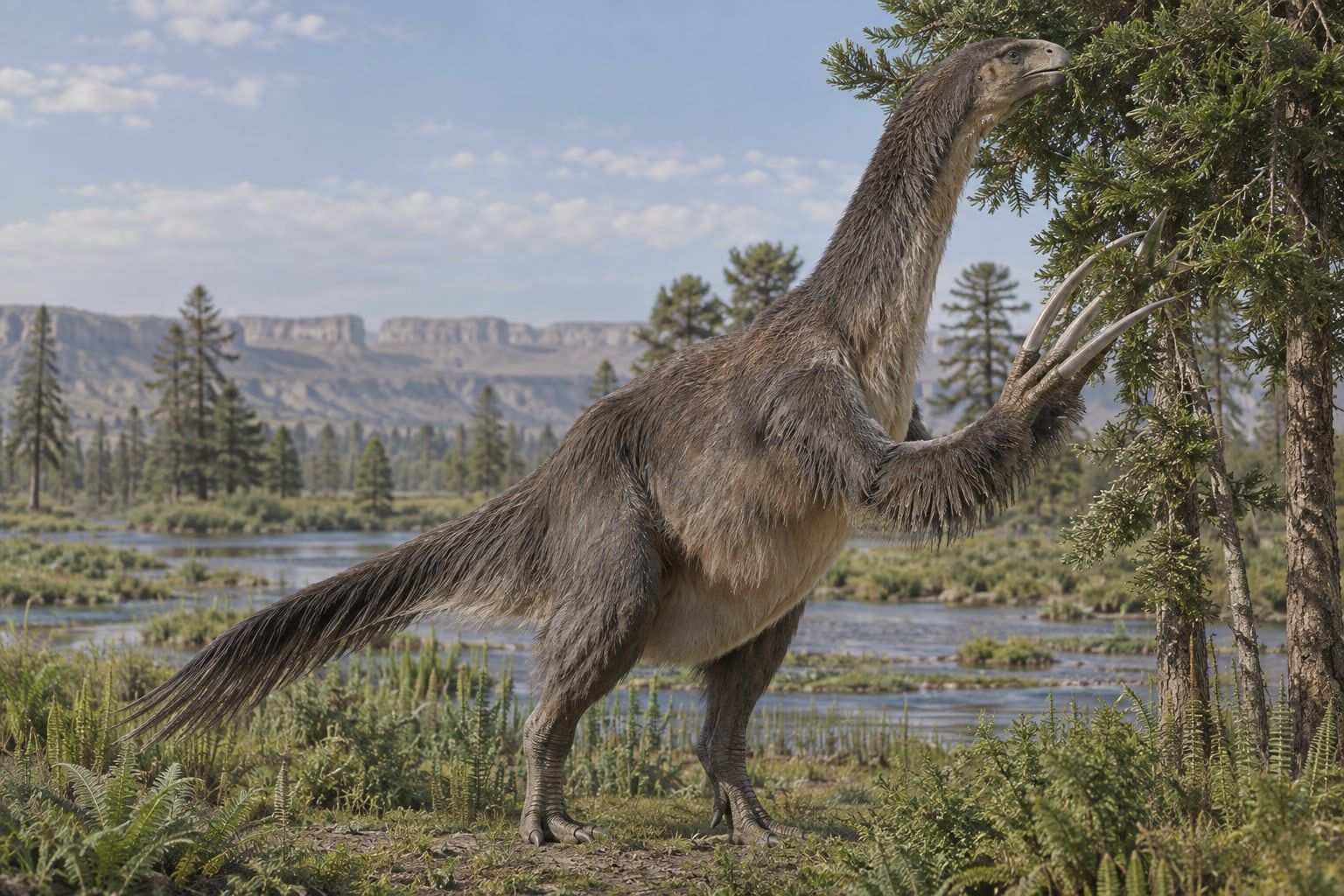
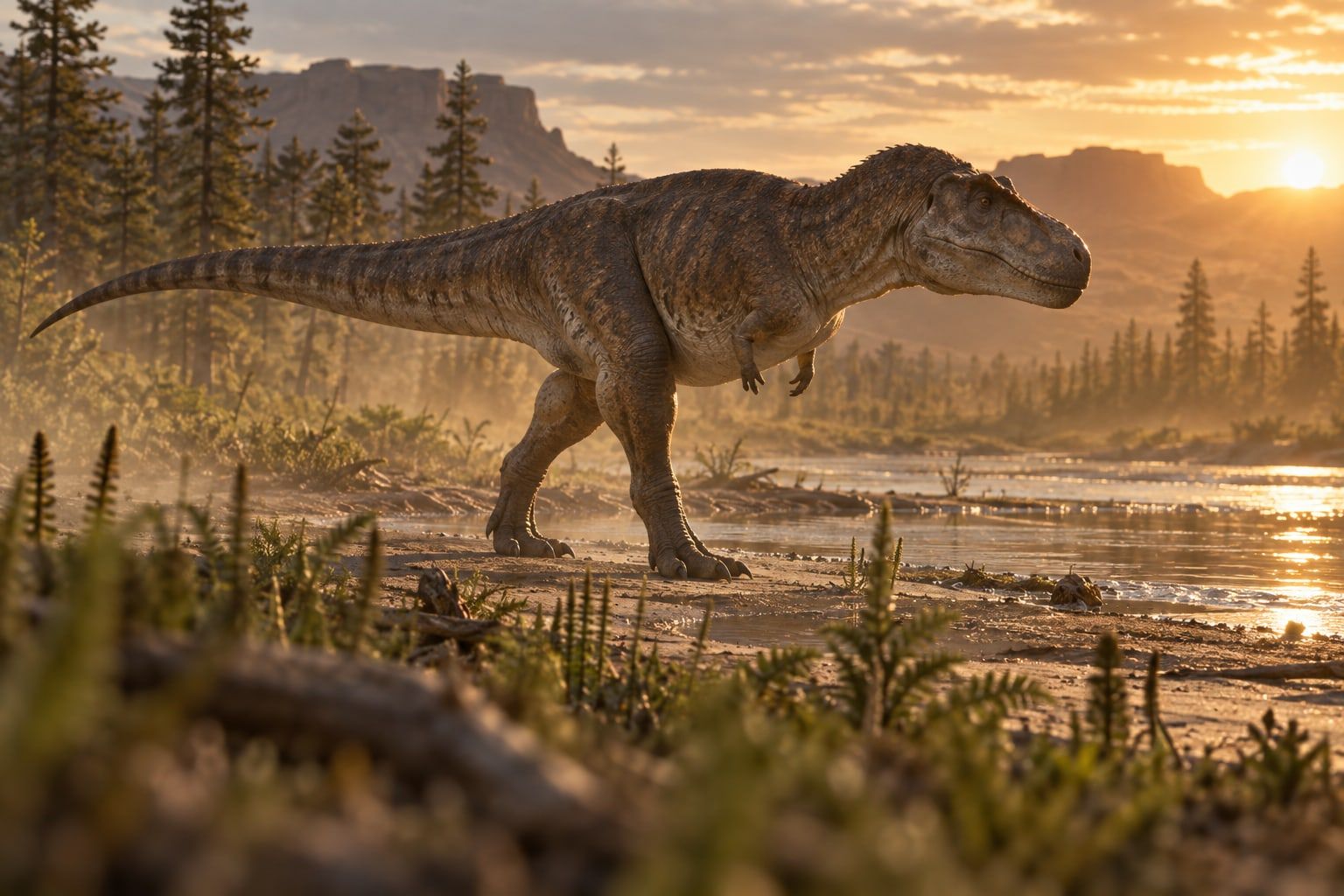
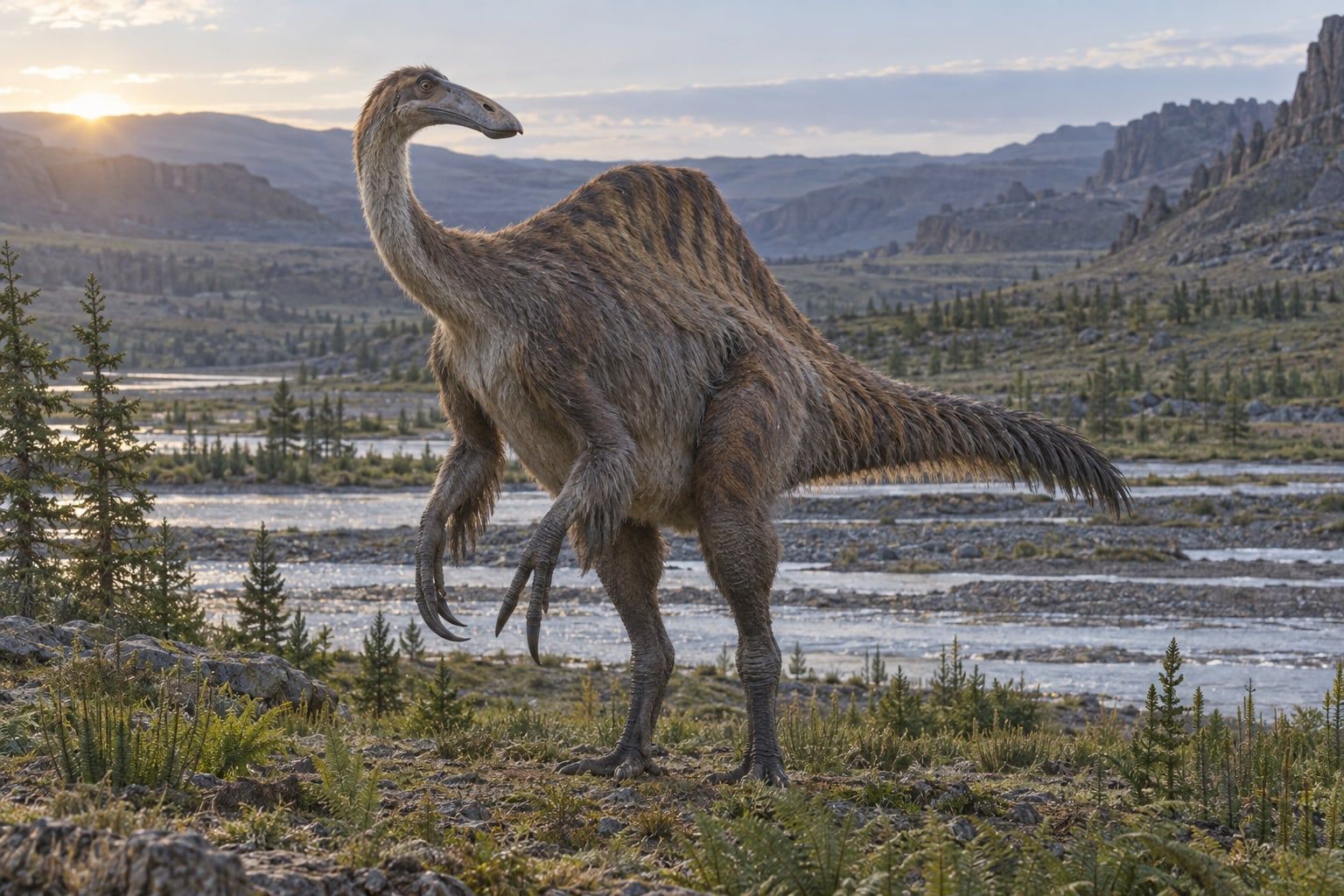
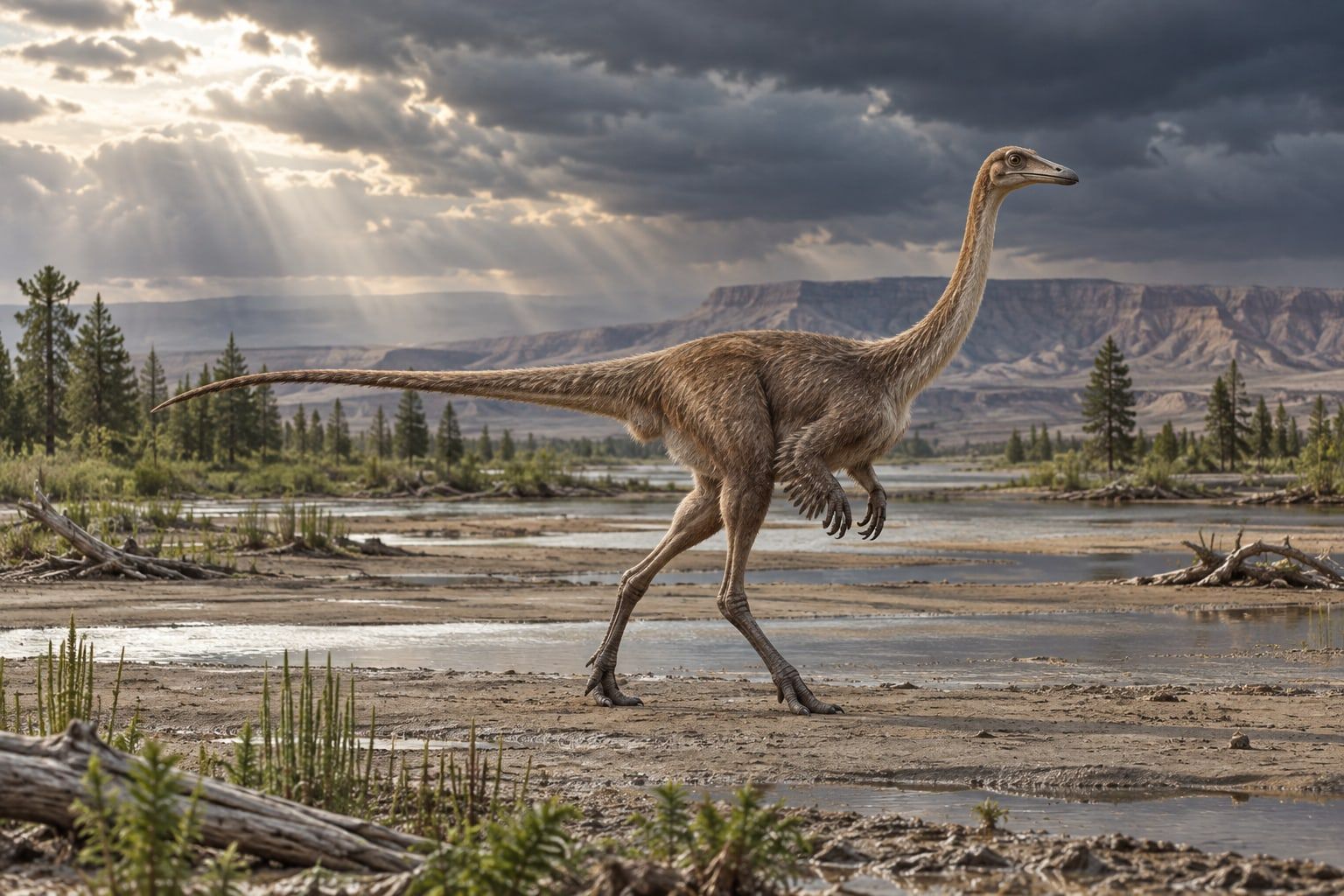
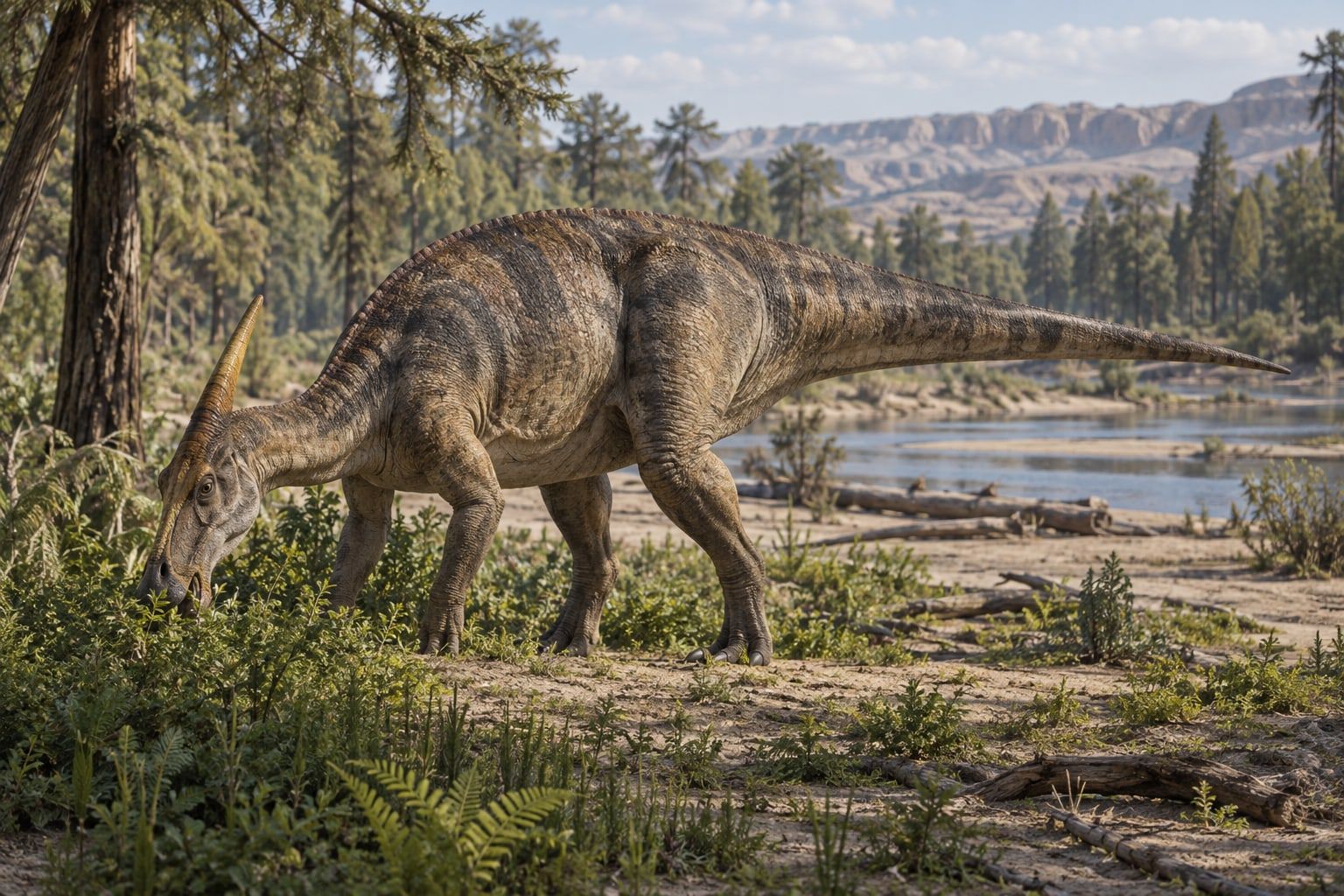
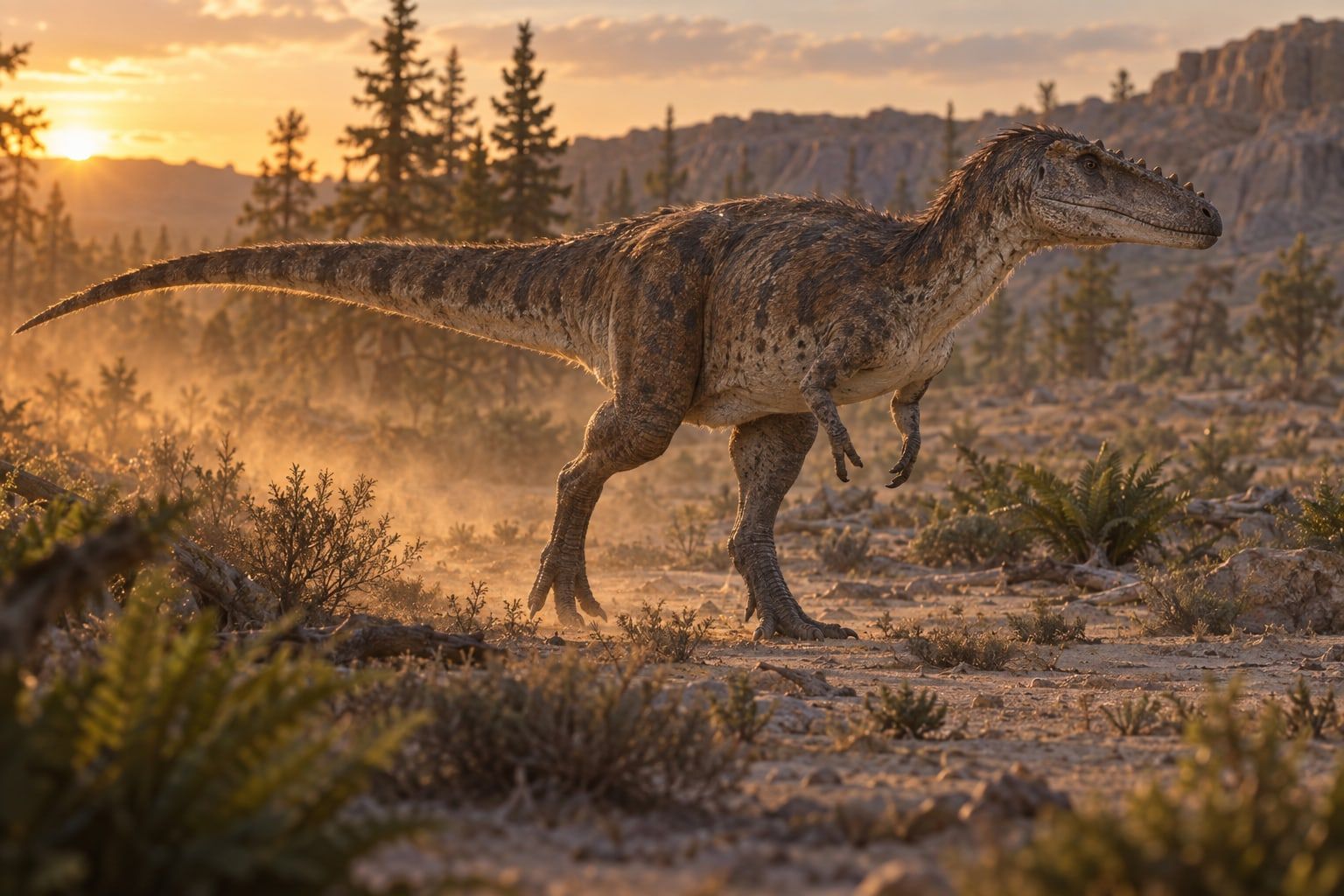
It lived about 72 to 66 million years ago, at the end of the Cretaceous, in what is now Mongolia. Its bones come from the Nemegt Formation, a land of rivers where Tarbosaurus, Therizinosaurus, Deinocheirus and Gallimimus lived.
How it was found
Borsuk-Bialynicka named Opisthocoelicaudia in 1977. Only one find is known, but it is one of the best preserved sauropods from the Late Cretaceous.
Lived alongside
Found in the same rock formations
Close relatives
Other members of Saltasauridae
Sources: WikidataNamed in: M. Borsuk-Bialynicka. 1977. A new camarasaurid sauropod <i>Opisthocoelicaudia skarzynskii</i> gen. n., sp. n. from the Upper Cretaceous of Mongolia. Palaeontologia Polonica 37:5-64