Saurolophus
SORE-oh-LOAF-us
"lizard crest"
- Lived
- 84 to 66 million years ago, Late Cretaceous
- Diet
- Herbivore
- Length
- about 12 m (39 ft)
- Group
- Ornithopods, Hadrosauridae
- Found in
- Mongolia and Canada
- Named by
- Brown 1912
Size comparison
To scale
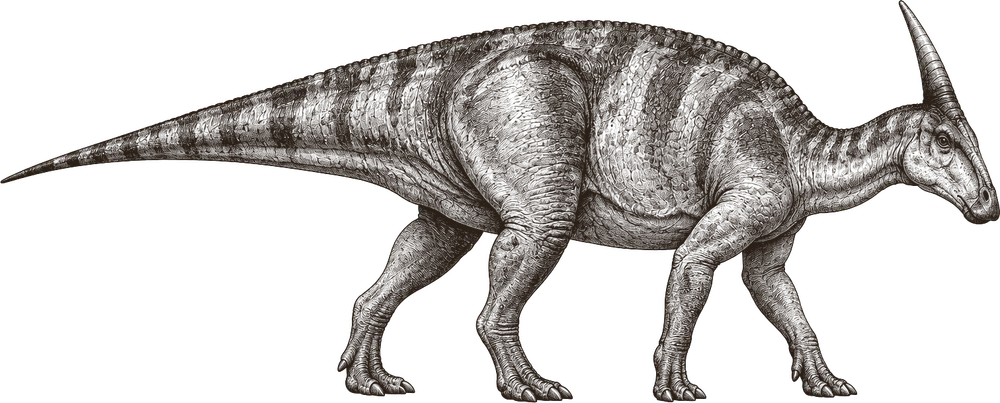


Scale in meters
Where its fossils were found
The evidence
Today

75 million years ago
Also reported from United States.
Habitat
In Mongolia, it lived on river plains with channels, sandbars and woodland margins. Deinocheirus, Gallimimus and Tarbosaurus lived in the Nemegt landscape.
Field notes
About Saurolophus
What it was like
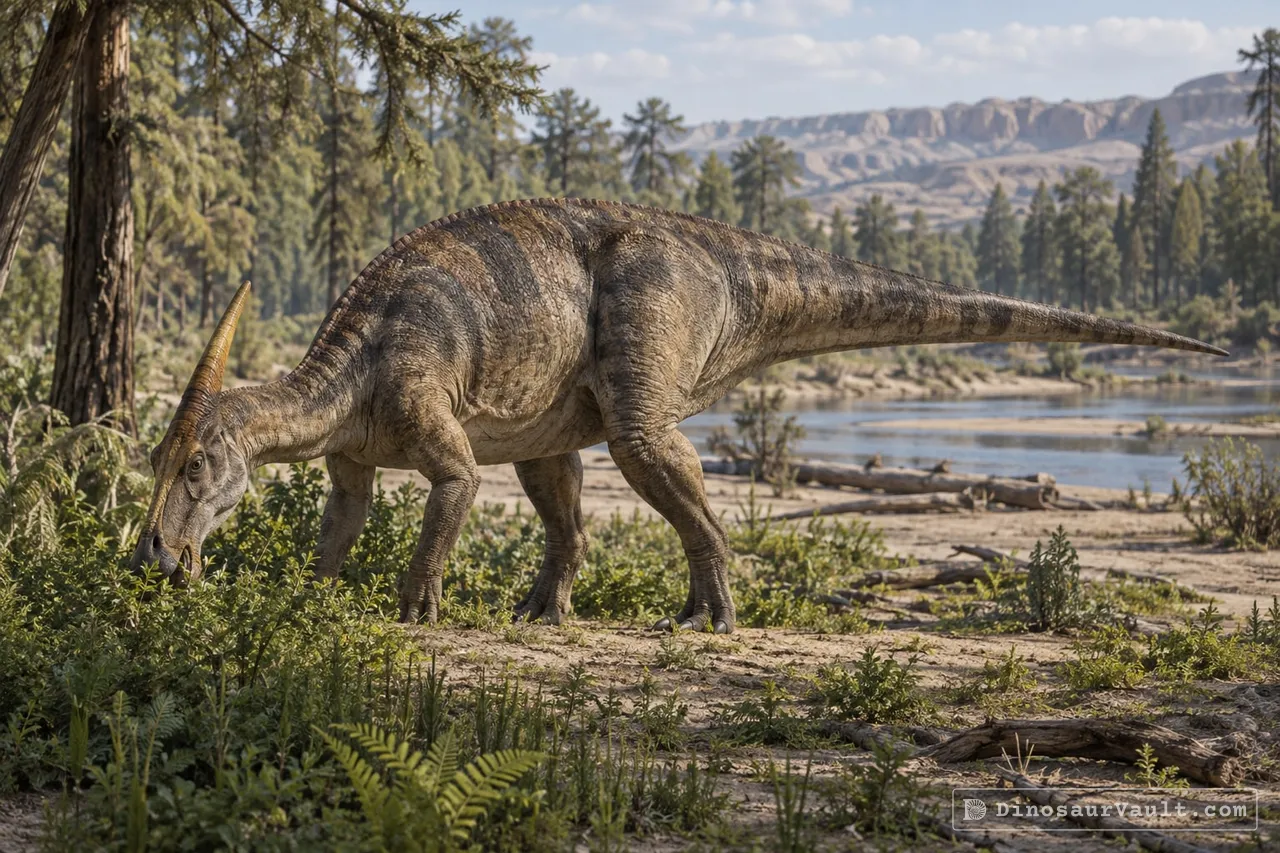
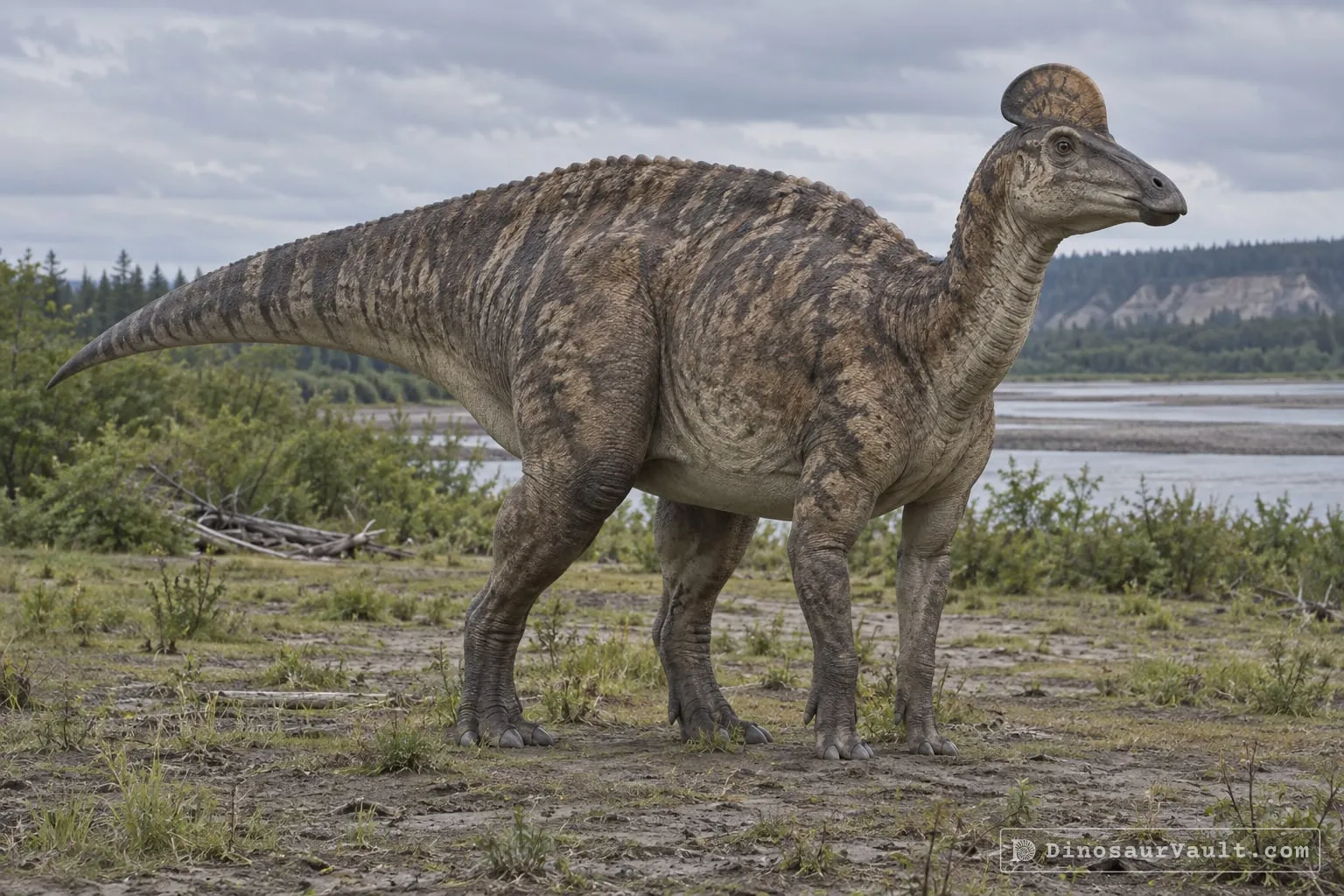
Saurolophus was a large, duck-billed plant eater, with an estimated length of up to 12 meters (39 feet) for the larger Mongolian species. Other adults were smaller, so this is an upper estimate rather than a typical size for the whole genus. A single bony spike swept up and back from the top of its skull, likely used for display rather than for fighting.
It could probably walk on either two legs or all four, dropping onto its front feet while feeding low to the ground and rising onto its hind legs to move faster.
Its world
Saurolophus lived from about 84 to 66 million years ago, in the Late Cretaceous, and is unusual among dinosaurs for being known from more than one continent, with fossils from both Mongolia and Canada, and further finds reported from the United States. Its bones come from formations including Nemegt, Horseshoe Canyon, Almond, and Oldman.
In North America it shared its world with the predators Troodon and Albertosaurus, the fast-running Struthiomimus, the armored Euoplocephalus, and relatives such as Corythosaurus and Lambeosaurus.
How it was found
Brown named Saurolophus in 1912, and it has since become one of the better-known hadrosaurs, with around 36 fossil finds recorded. That wide fossil record, spanning two continents, has helped make it a useful reference point for comparing other crested hadrosaurs like Parasaurolophus and Shantungosaurus.
Field gallery
More views of Saurolophus
Scenes reconstructed from the available fossil evidence.
1 of 7
Lived alongside
Found in the same rock formations
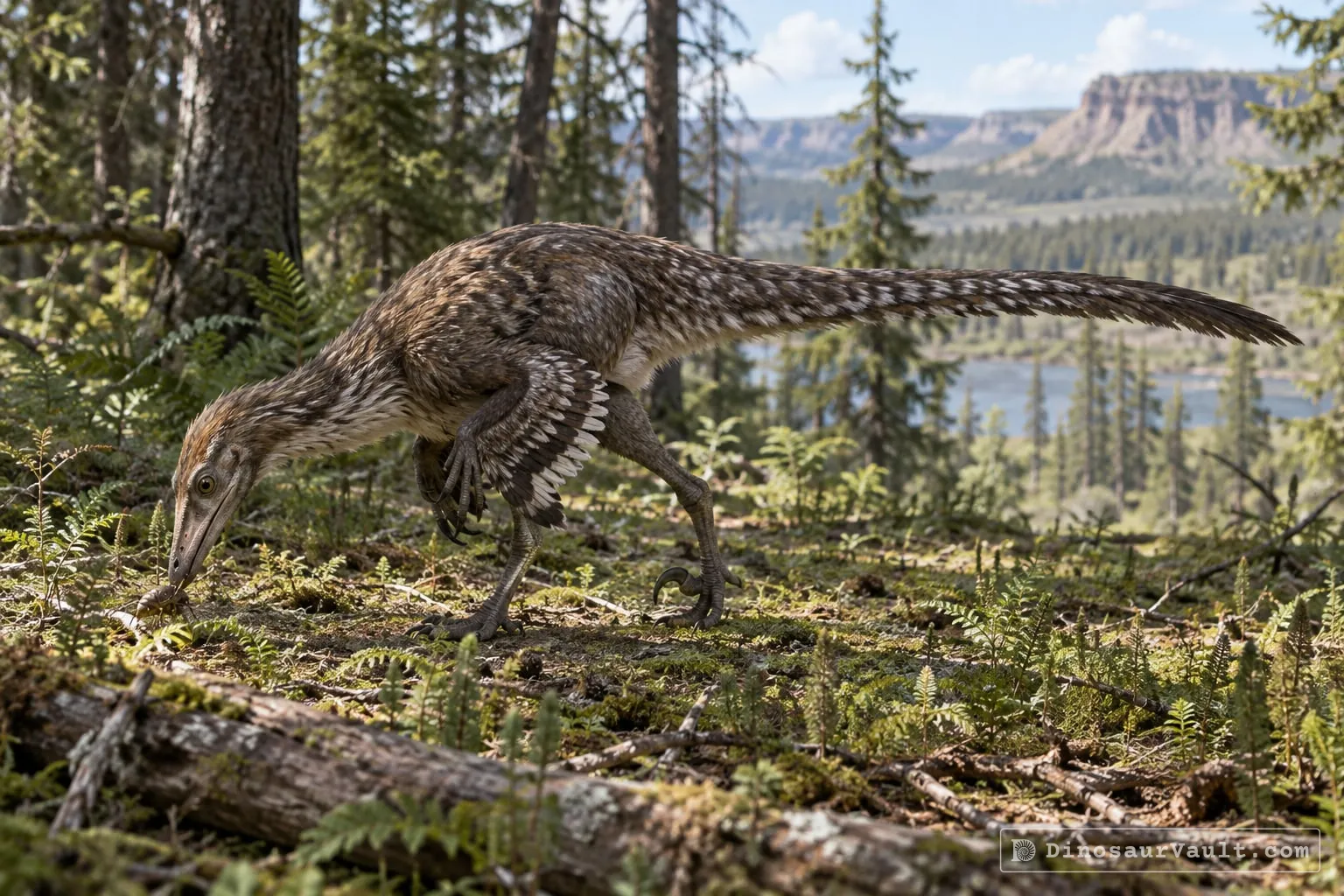
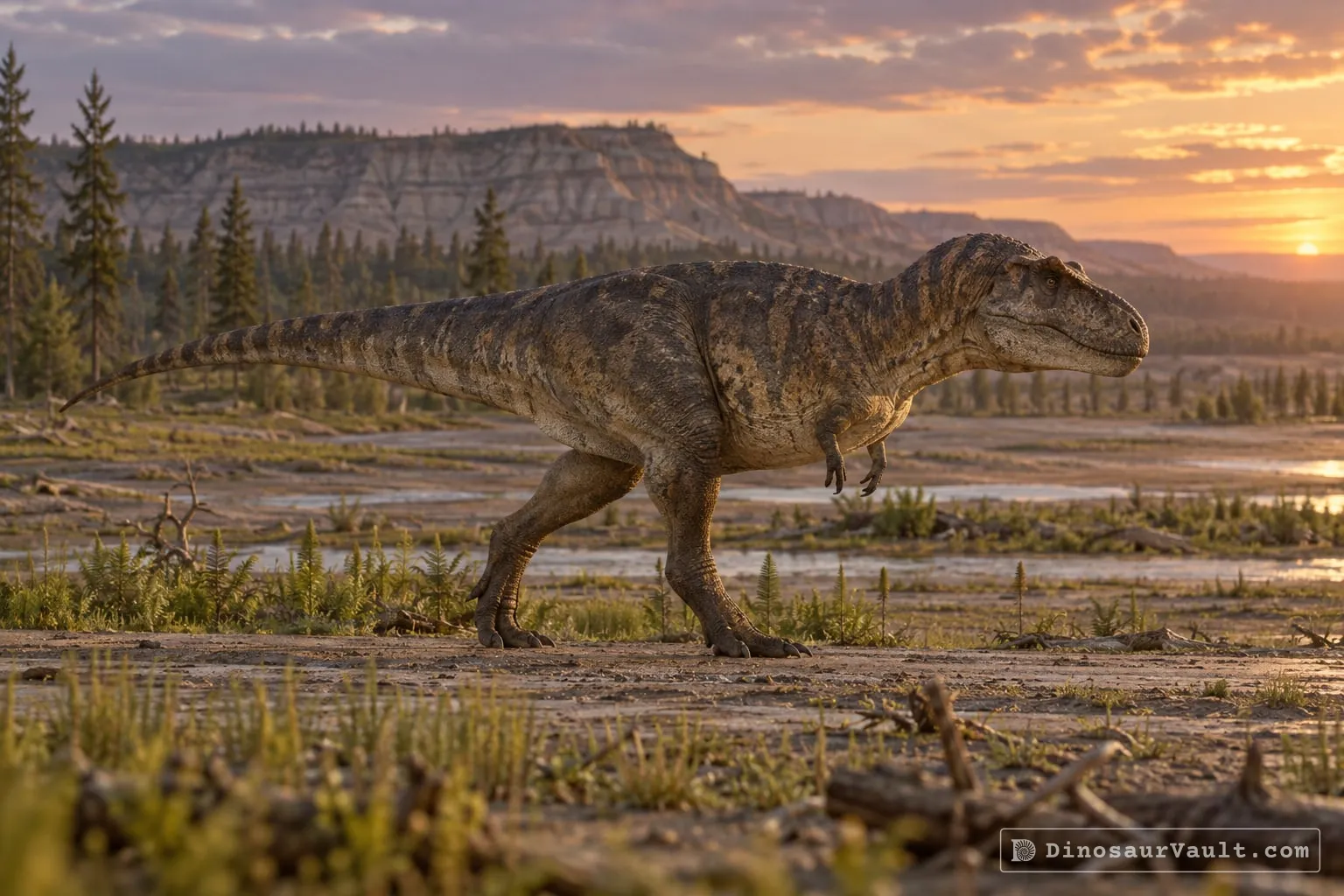
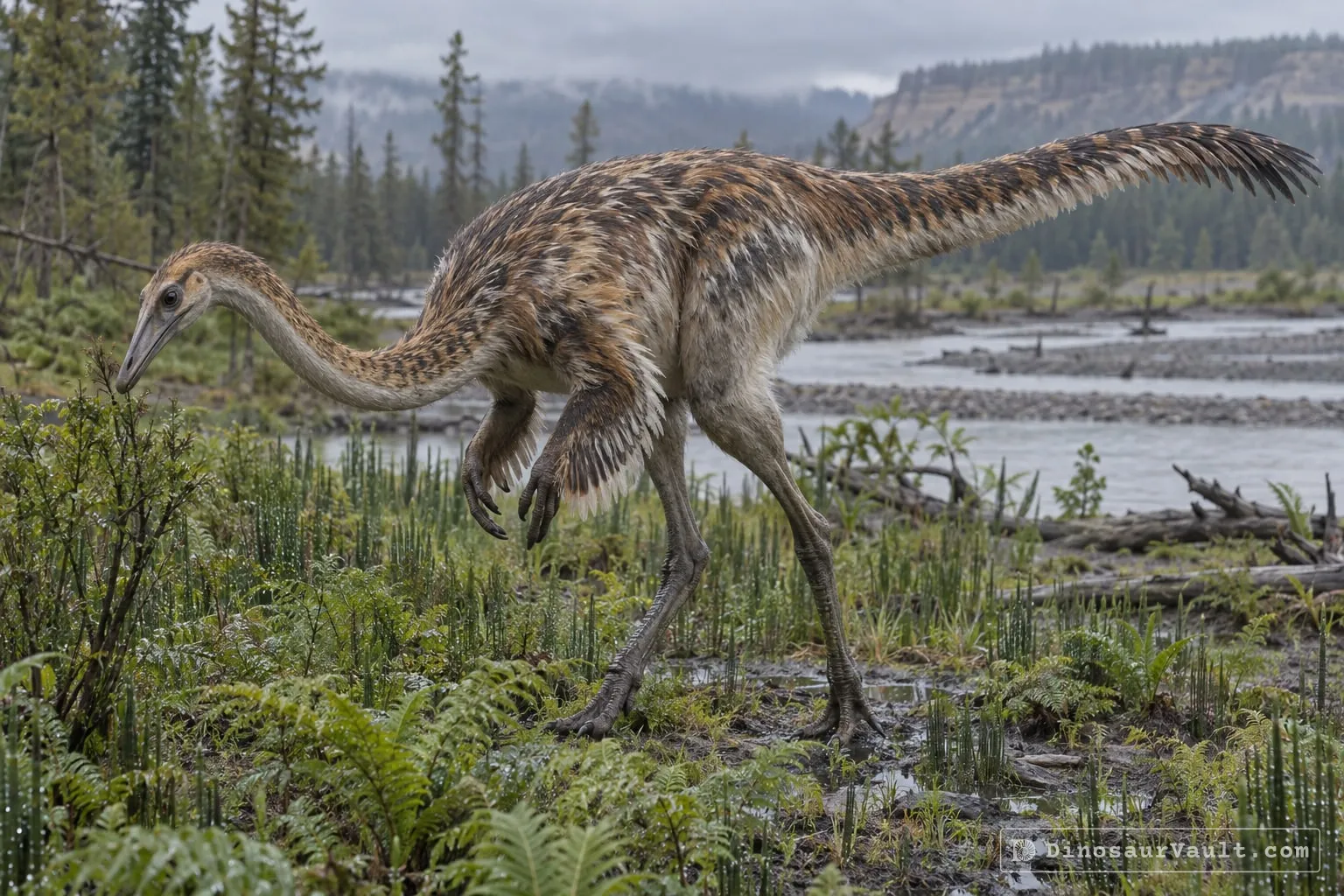
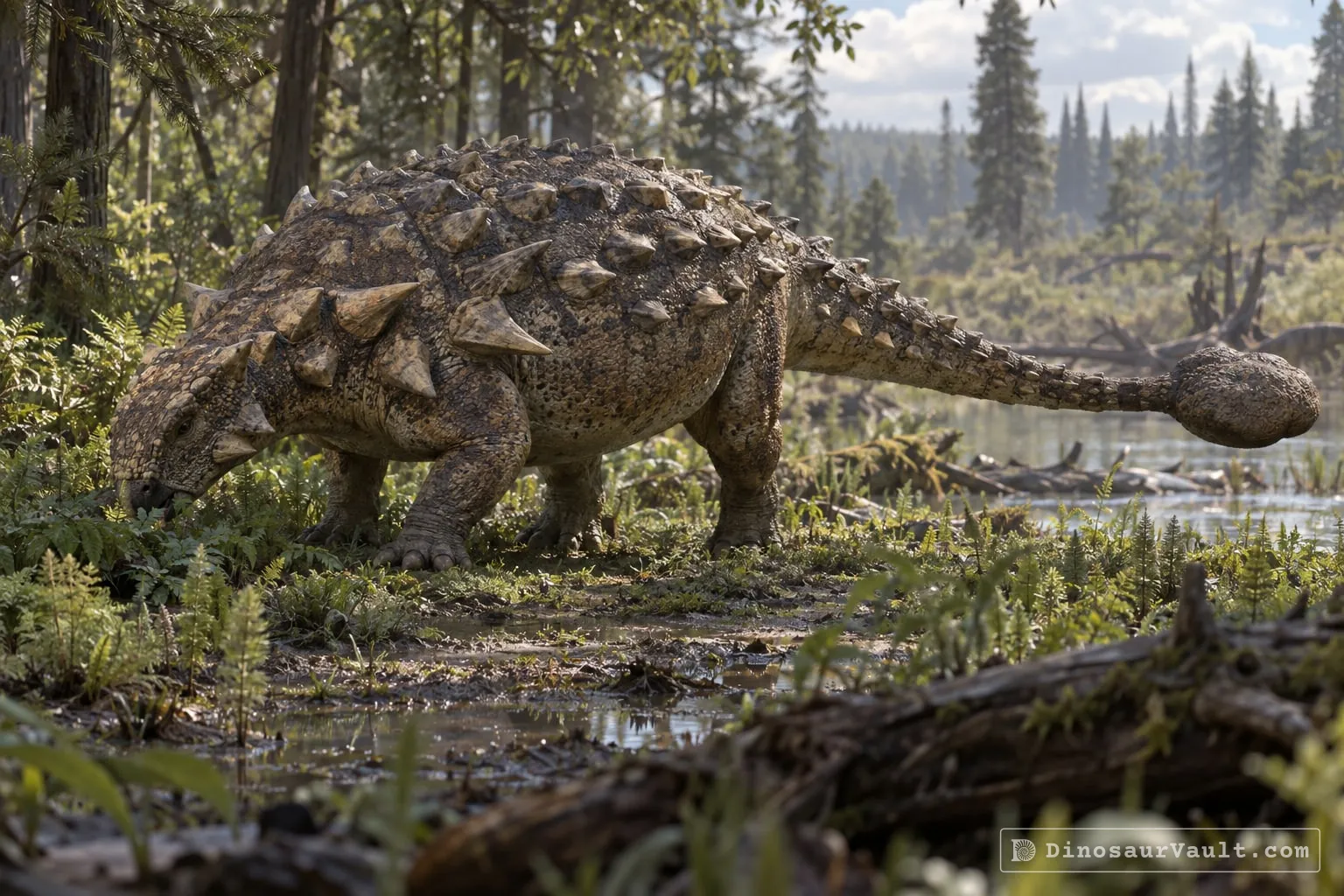
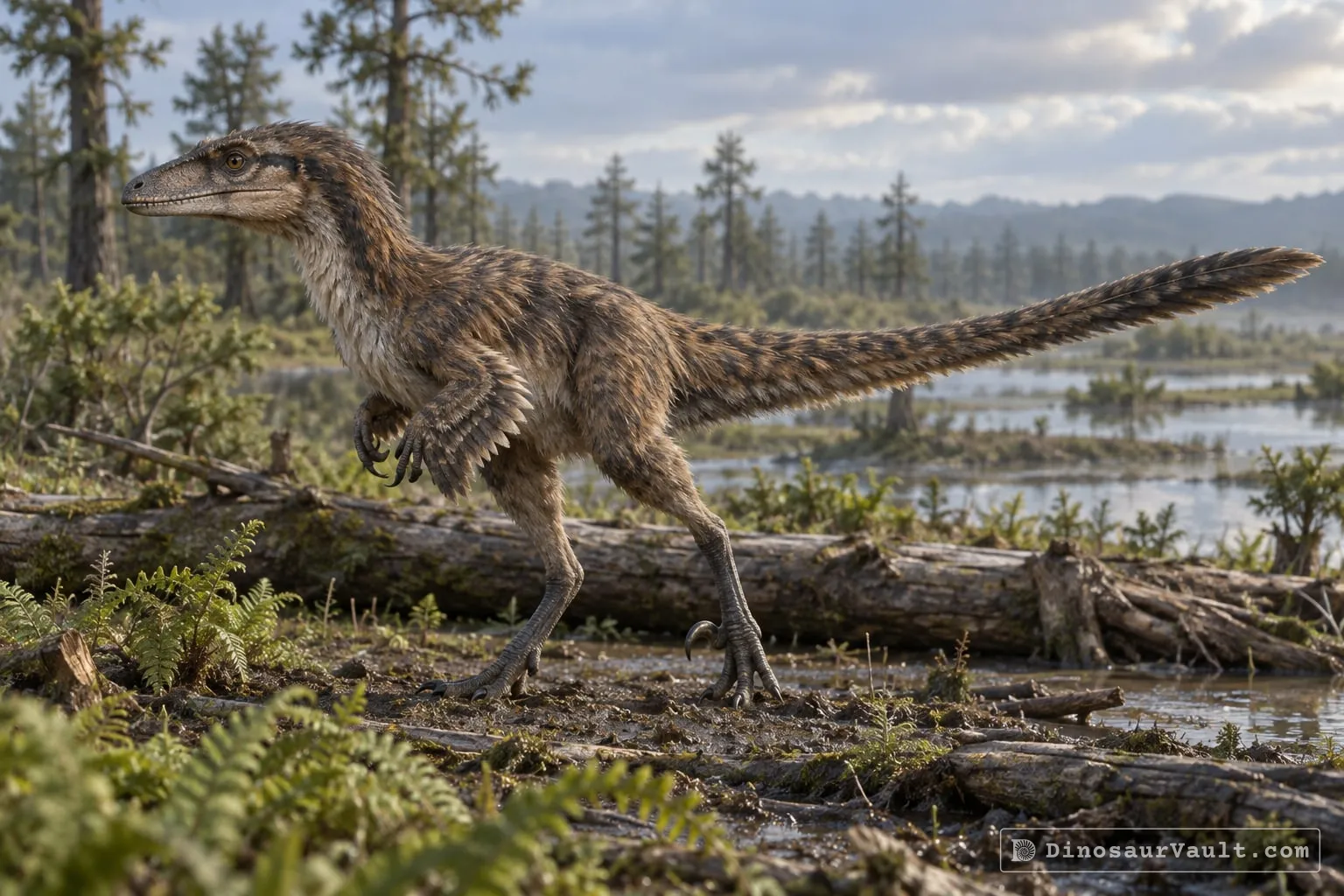
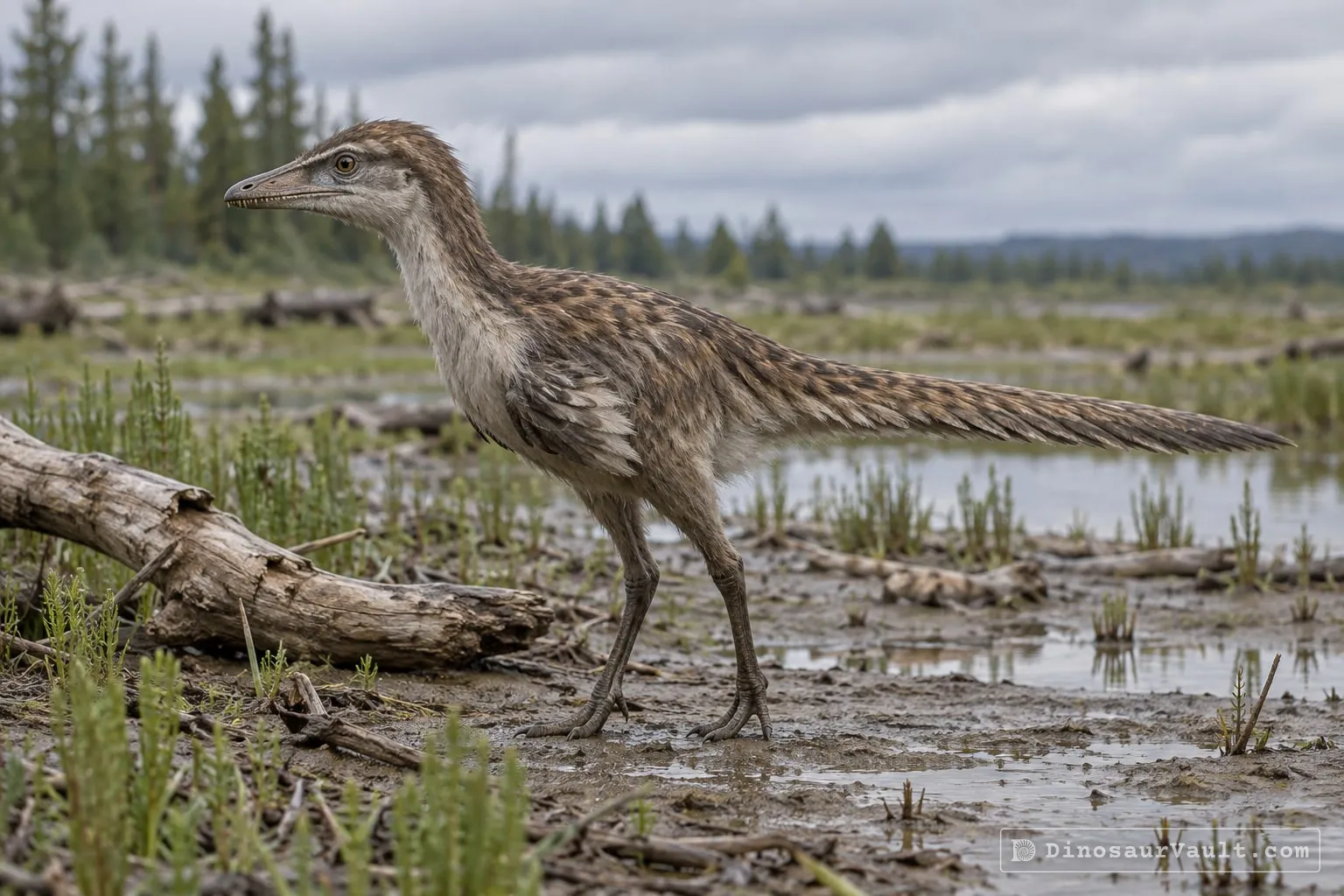
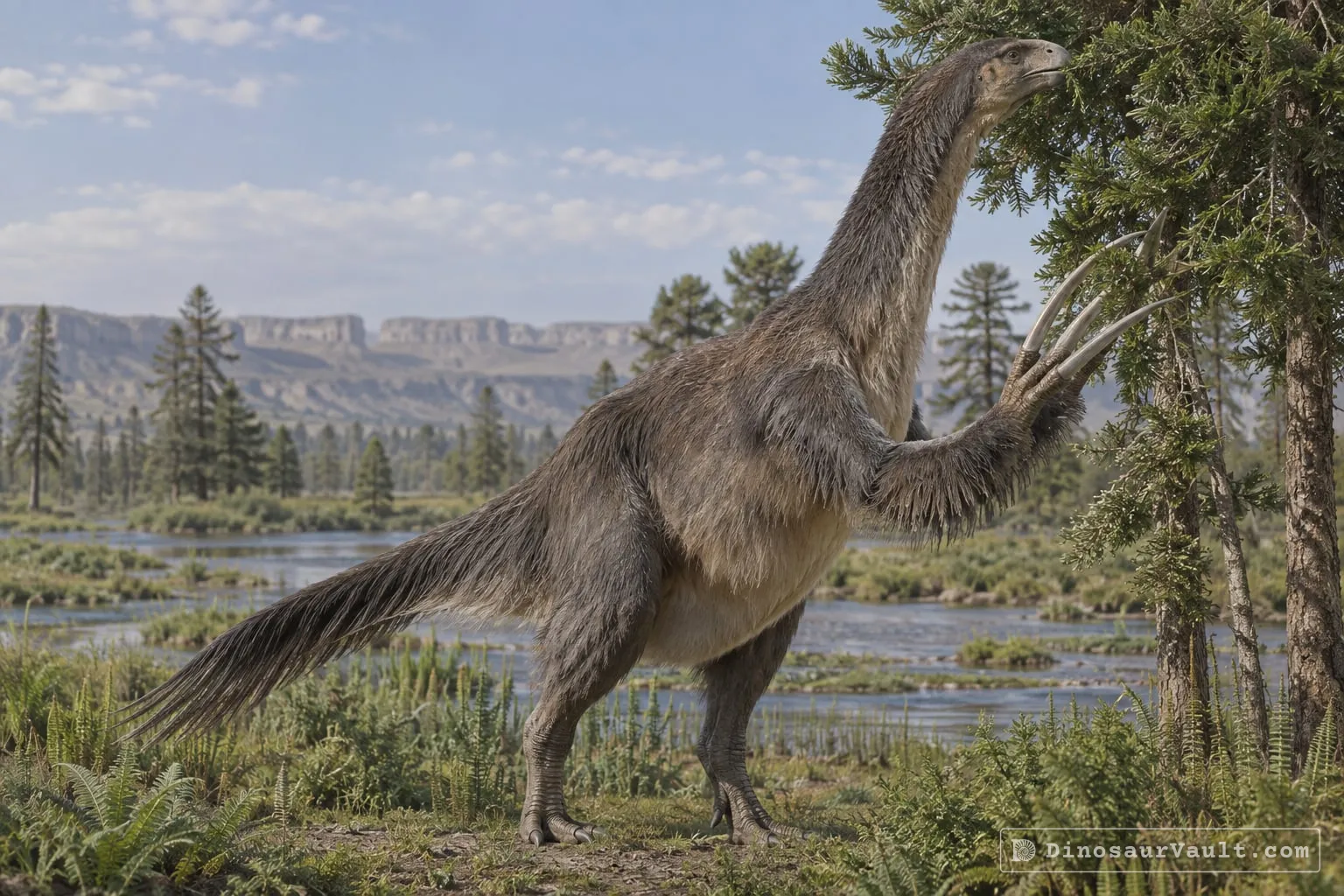


A rock formation can hold fossils laid down millions of years apart, so not every animal here met Saurolophus.
The evidence
The science behind Saurolophus
Which parts of the picture come from its own bones, and which come from its relatives.
From its own fossils
- Skulls and skeletons preserve a broad beak and a solid bony crest pointing backward.
- Adult and young skulls show how the crest developed as the animal grew.
- Skin impressions preserve patches of scales, with different patterns in the species from Canada and Mongolia.
Borrowed from relatives
- Almost the whole bony body is known from its own skeletons.
- The fleshy beak covering follows comparisons with other duck-billed dinosaurs such as Edmontosaurus.
Still unknown
- Its color.
- How the crest was used in display or communication.
- Whether adults cared for their young.
Often drawn wrong
- Its crest is a solid spike rather than a long hollow tube like that of Parasaurolophus.
- The youngest animals should be shown without the adult crest.
Discovery timeline
- 1912Named itBrown
- 2011SkullBell
- 2012SkinBell
- 2015Growing upDewaele et al.
Key papers
The research behind what we know of Saurolophus
Named it
Named a duck-billed dinosaur from Canada with a backward-pointing bony crest.
A crested dinosaur from the Edmonton Cretaceous. Bulletin of the American Museum of Natural History 31: 131-136
No link available
Skull
Compared skulls across growth stages and described how the crest changed as Saurolophus grew.
Cranial Osteology and Ontogeny ofSaurolophus angustirostrisfrom the Late Cretaceous of Mongolia with Comments onSaurolophus osbornifrom Canada. Acta Palaeontologica Polonica 56: 703-722
Read the paper : Cranial Osteology and Ontogeny ofSaurolophus angustirostrisfrom the Late Cretaceous of Mongolia with Comments onSaurolophus osbornifrom Canada (opens in a new tab)Skin
Found differences in scale patterns between the species from Canada and Mongolia.
Standardized Terminology and Potential Taxonomic Utility for Hadrosaurid Skin Impressions: A Case Study for Saurolophus from Canada and Mongolia. PLoS ONE 7: e31295
Read the paper : Standardized Terminology and Potential Taxonomic Utility for Hadrosaurid Skin Impressions: A Case Study for Saurolophus from Canada and Mongolia (opens in a new tab)Growing up
Described very young animals with eggshell fragments and showed that their skulls lacked the adult crest.
Perinatal Specimens of Saurolophus angustirostris (Dinosauria: Hadrosauridae), from the Upper Cretaceous of Mongolia. PLOS ONE 10: e0138806
Read the paper : Perinatal Specimens of Saurolophus angustirostris (Dinosauria: Hadrosauridae), from the Upper Cretaceous of Mongolia (opens in a new tab)
Close relatives
Other members of Hadrosauridae


Sources: Wikidata