Outline: a typical theropod
Oksoko
- Lived
- 72 to 66 million years ago, Late Cretaceous
- Diet
- Omnivore
- Group
- Theropods, Oviraptoridae
- Found in
- Mongolia
- Named by
- Funston et al. 2020
Where its fossils were found
The evidence
Today
70 million years ago
Field notes
About Oksoko
What it was like
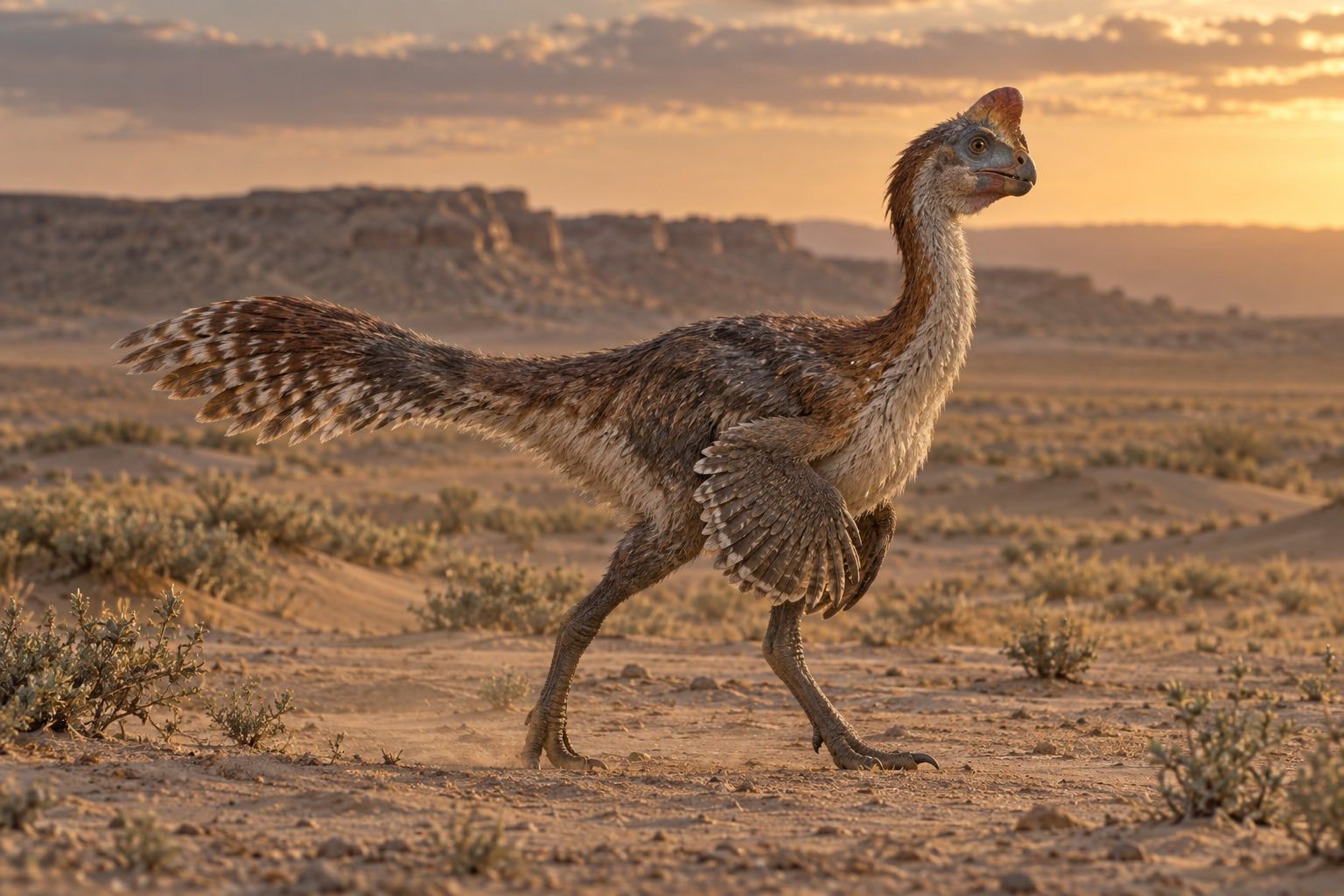
Oksoko was a small oviraptorid, a feathered theropod with a toothless beak and a crest. It had only two working fingers on each hand. Several young animals were found together, which suggests they lived in groups.
Its world
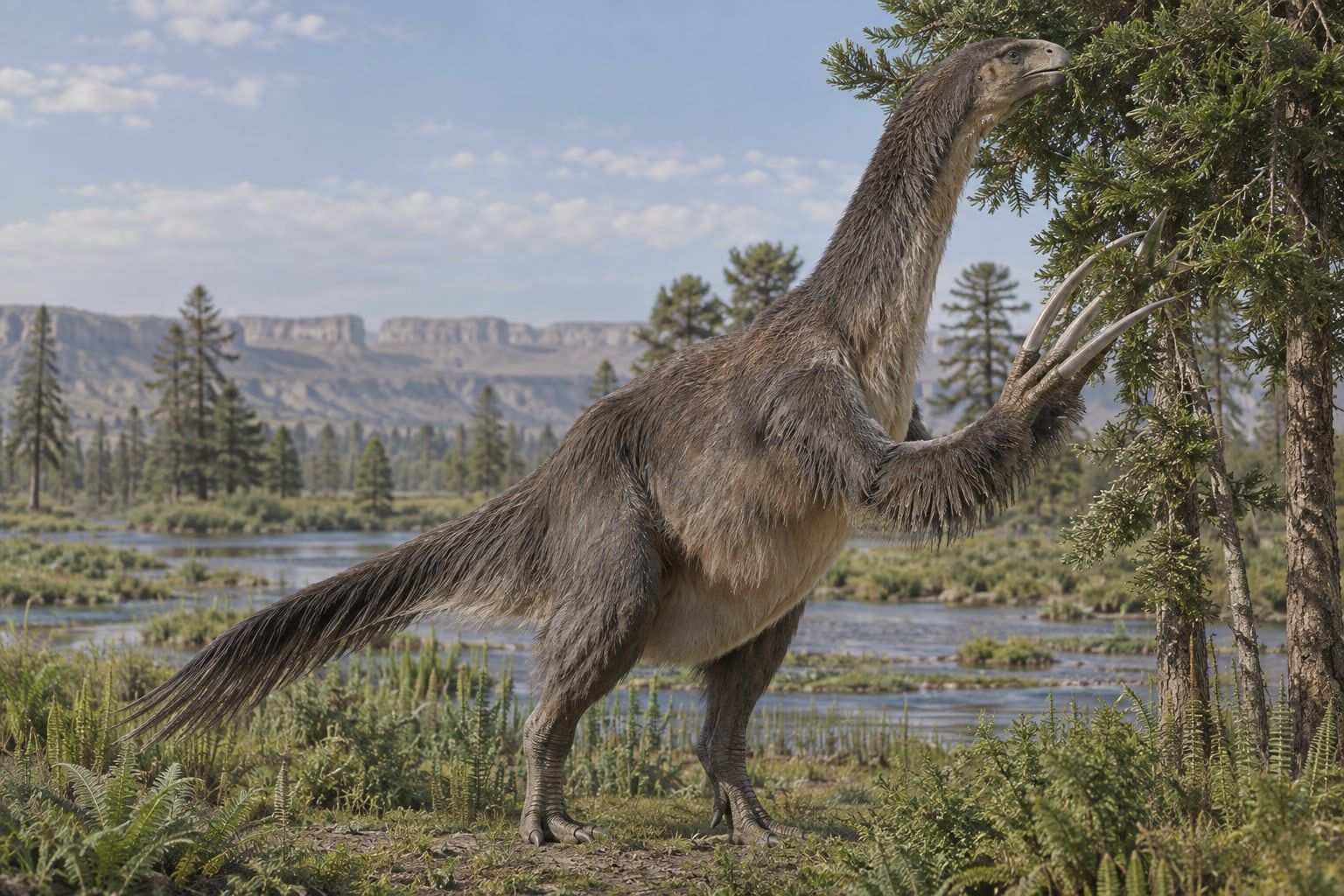
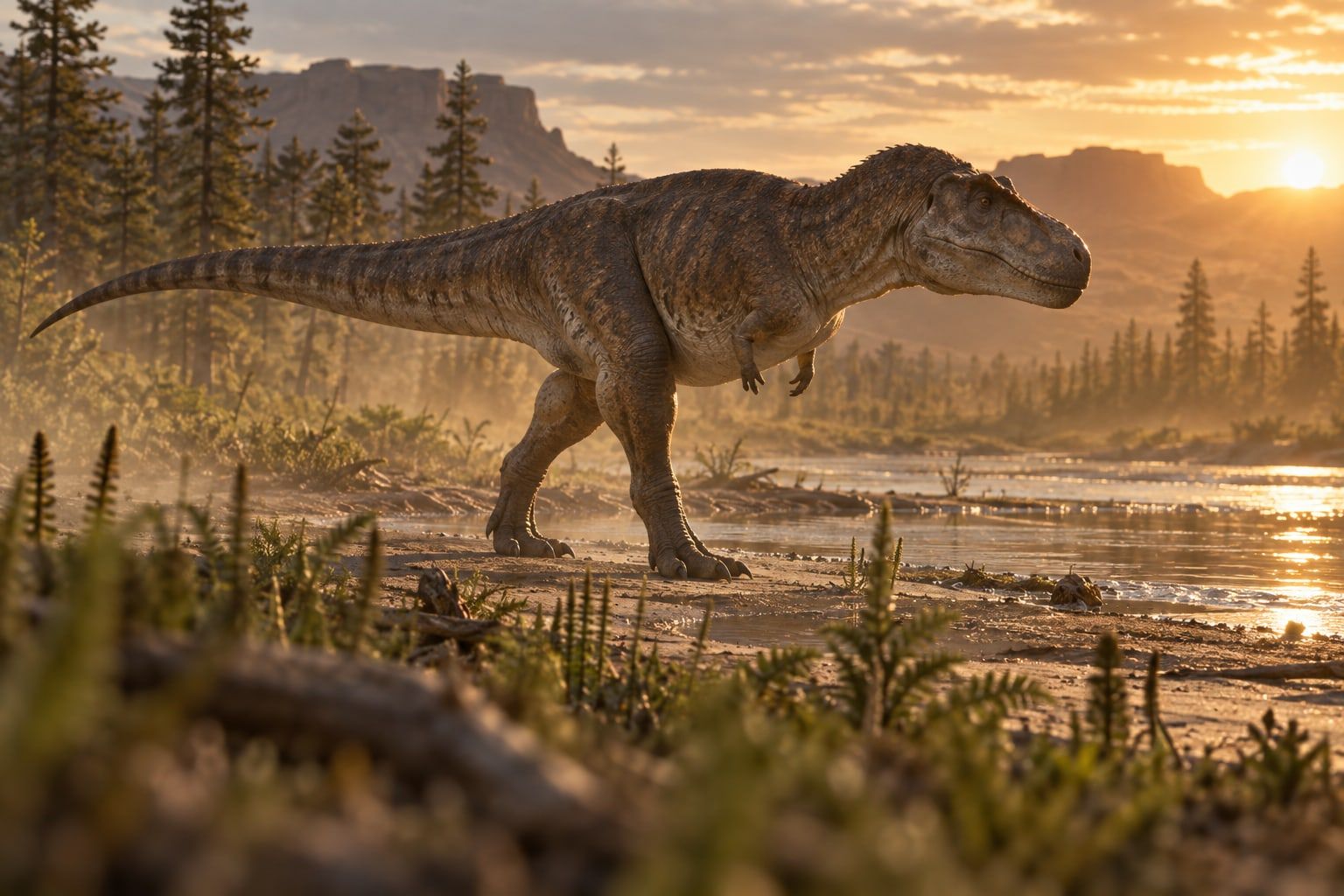
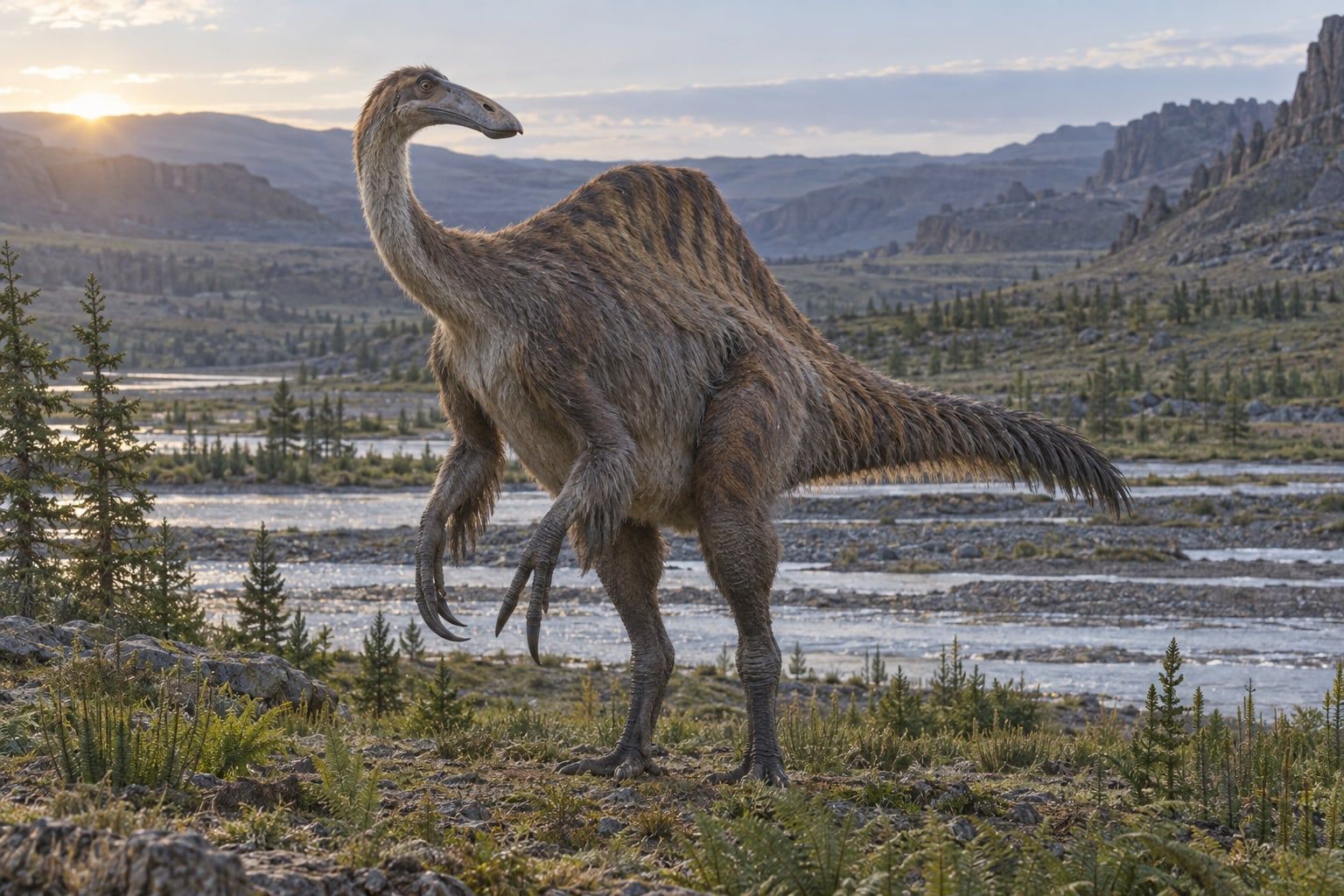
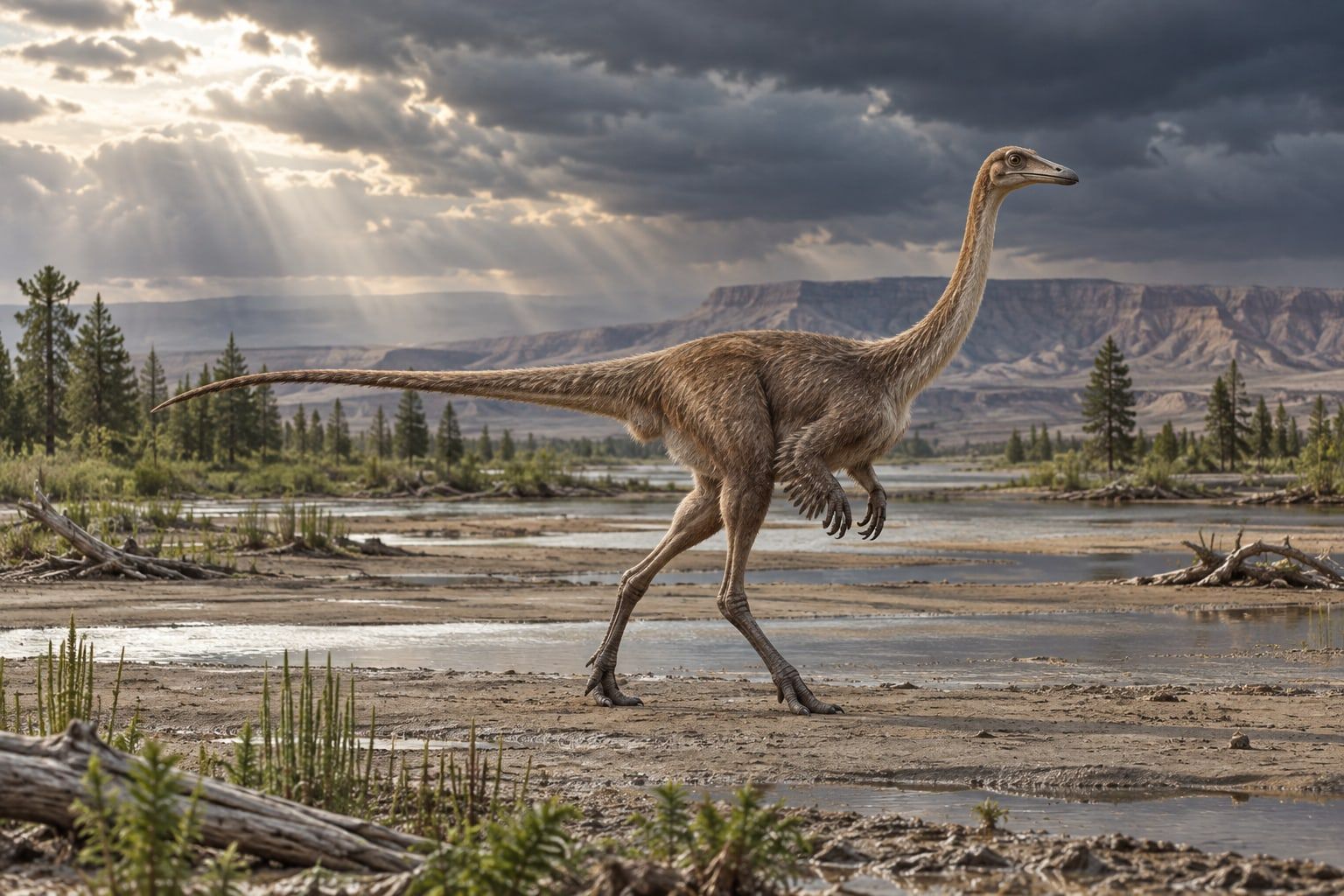
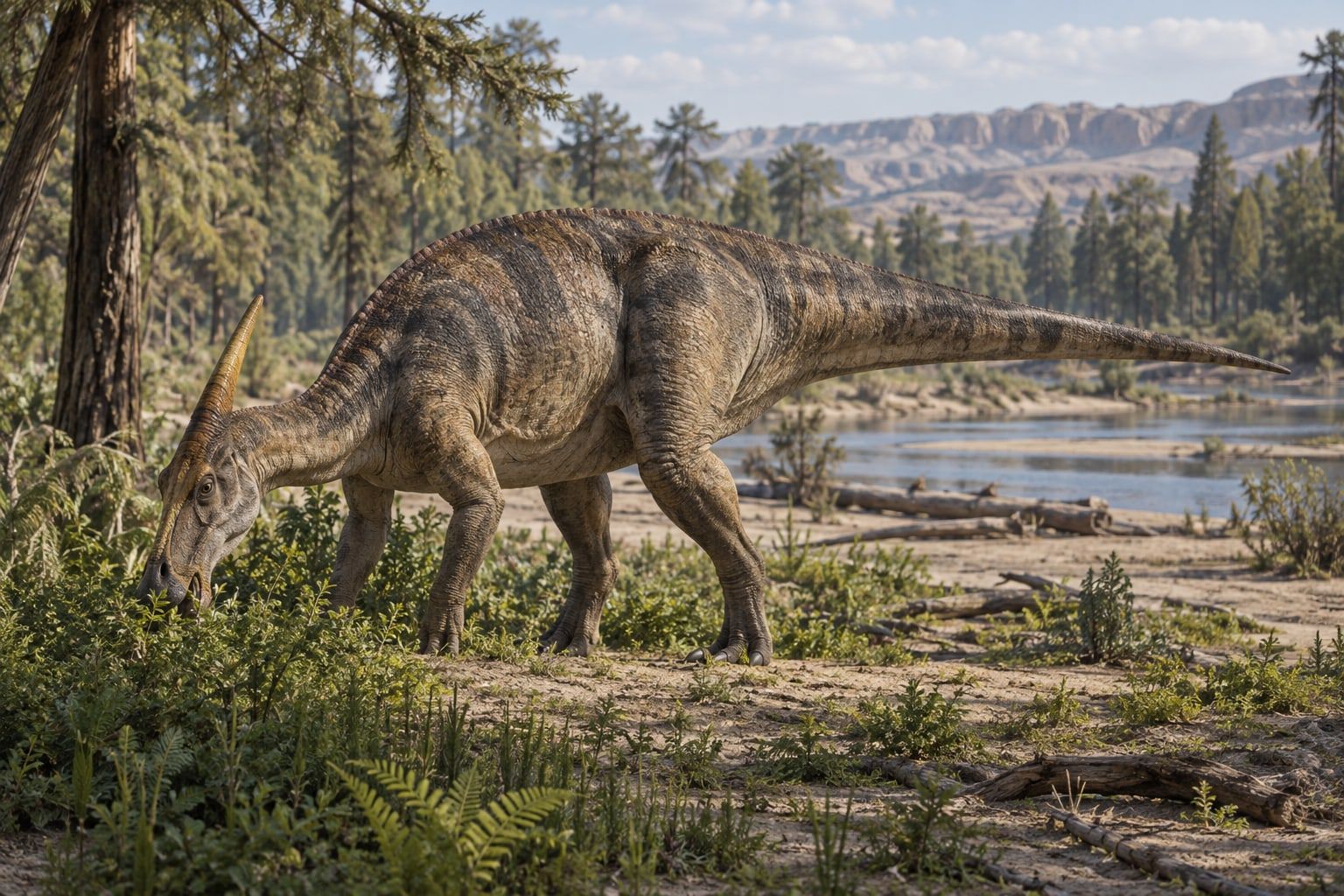
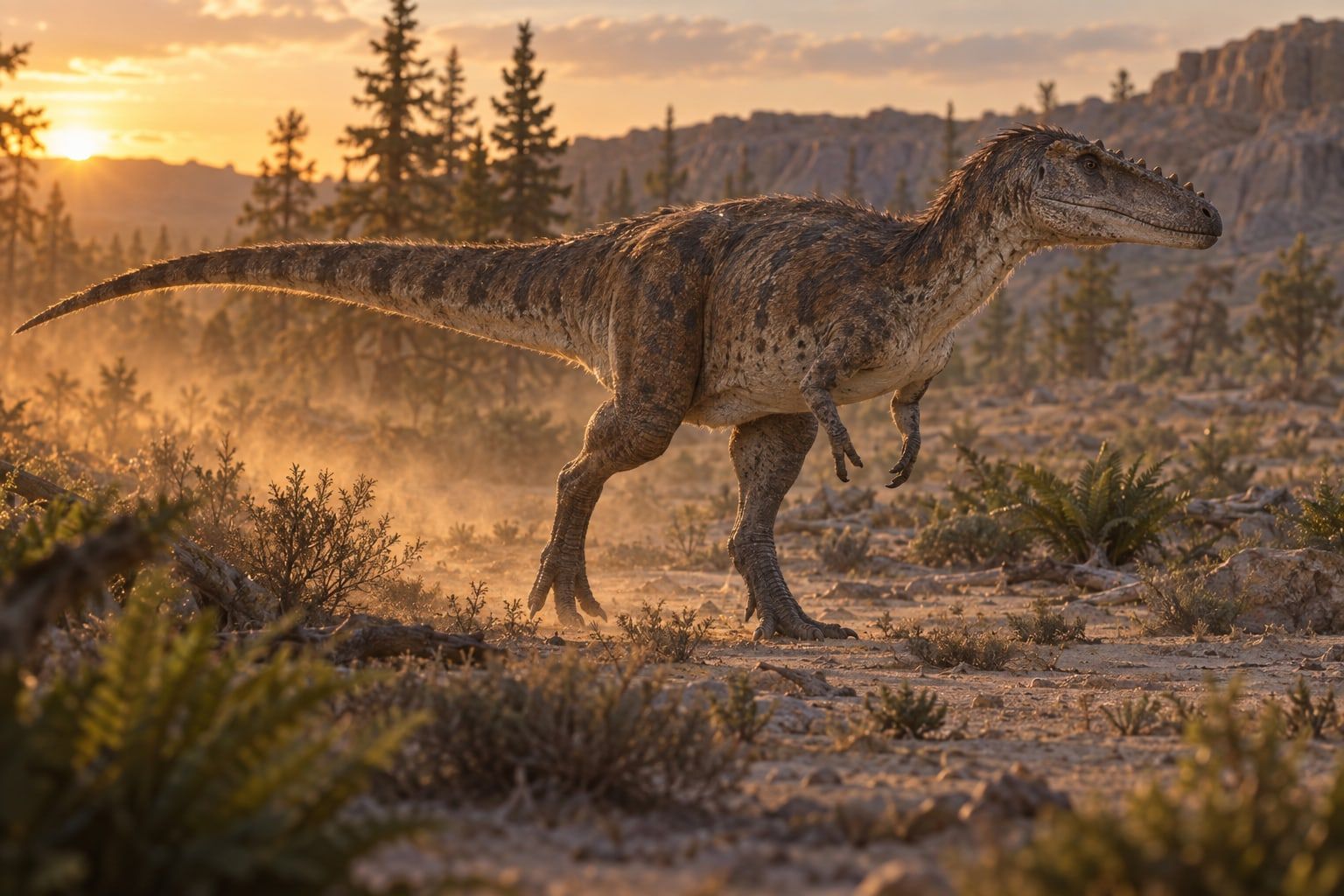
It lived about 72 to 66 million years ago, near the end of the Cretaceous, in what is now Mongolia. It comes from the Nemegt Formation, where it shared the land with Tarbosaurus, Therizinosaurus, Deinocheirus and the ostrich-like Gallimimus.
How it was found
Funston and colleagues named Oksoko in 2020. Its name comes from a three-headed bird of folklore, since three skeletons were found together.
Lived alongside
Found in the same rock formations
Close relatives
Other members of Oviraptoridae
Sources: WikidataNamed in: G. F. Funston, T. Chinzorig, and K. Tsogtbaatar, Y. Kobayashi, C. Sullivan, P. J. Currie. 2020. A new two-fingered dinosaur sheds light on the radiation of Oviraptorosauria. Royal Society Open Science 7(104643):201184:1-15