Bonitasaura
- Lived
- 86 to 84 million years ago, Late Cretaceous
- Diet
- Herbivore
- Length
- about 10 m (33 ft)
- Group
- Sauropods
- Found in
- Argentina
- Named by
- Apesteguía 2004
Size comparison
To scale


Scale in metersOutline: typical sauropod shape
Where its fossils were found
The evidence
Today

80 million years ago
Habitat
Rivers laid down sand, gravel and mud in the Bajo de la Carpa Formation. Velocisaurus, Alvarezsaurus and Viavenator lived in the same region.
Field notes
About Bonitasaura
What it was like
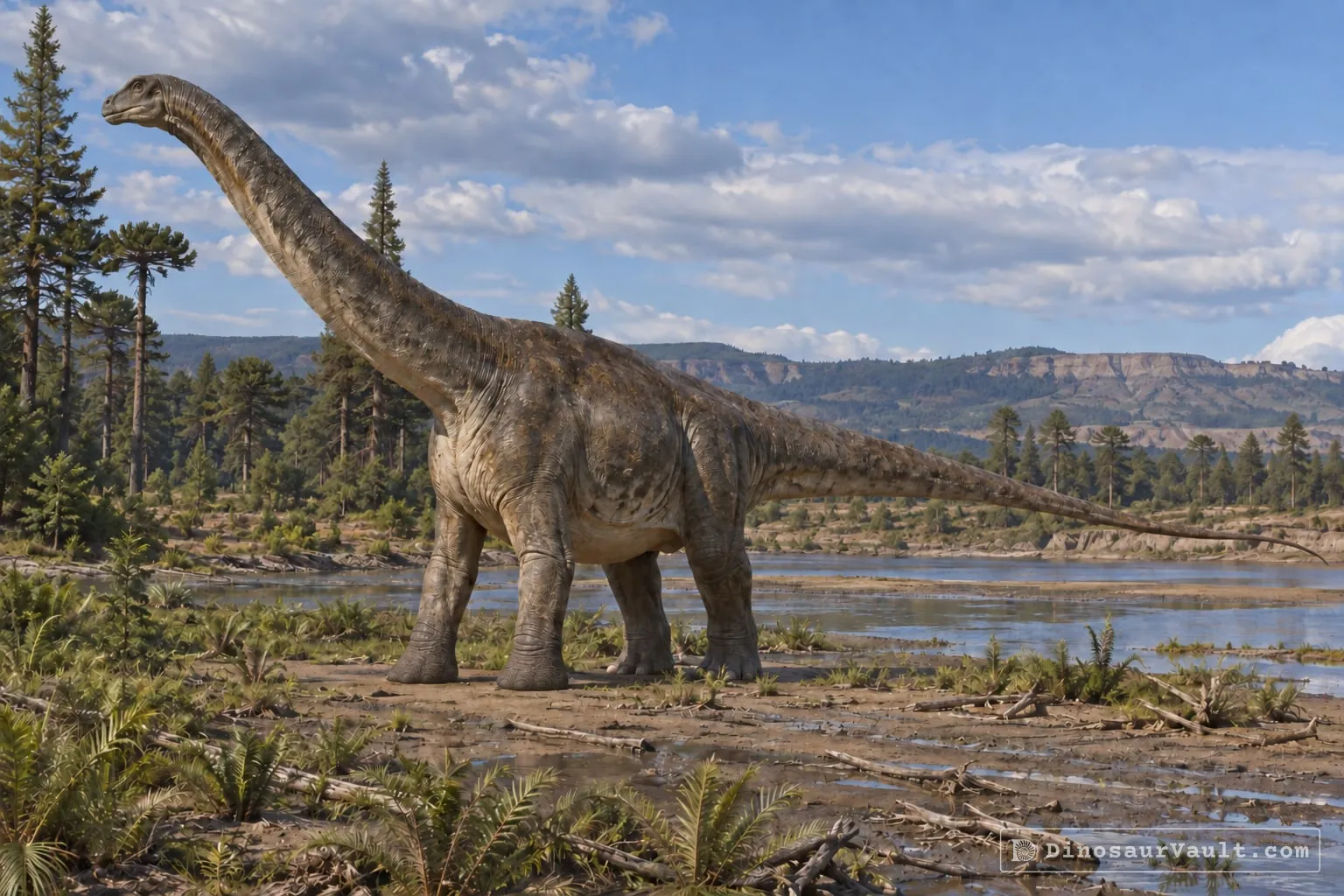
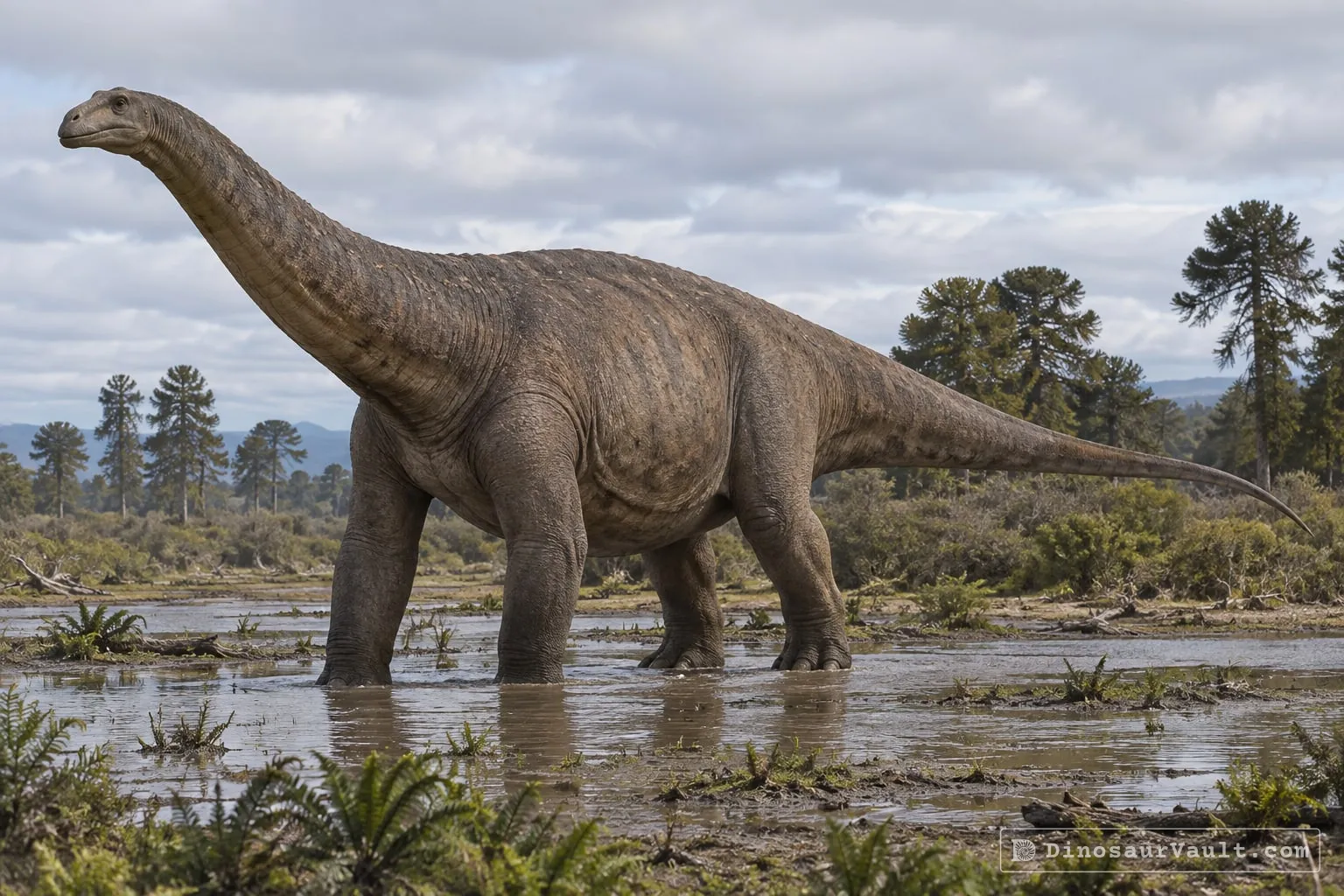
Bonitasaura was a titanosaur, a long-necked, four-legged plant eater, about 10 meters (33 feet) long. It had a squared-off lower jaw and a sharp, horny edge behind its teeth, which may have worked like a pair of scissors to cut plants.
Its world
It lived about 86 to 84 million years ago, in the Late Cretaceous, in what is now Argentina. Its bones come from the Bajo de la Carpa Formation, where it shared the land with the small hunters Velocisaurus and Alvarezsaurus, and the abelisaur Viavenator.
How it was found
Apesteguía named Bonitasaura in 2004, from a single partial skeleton of a young animal.
Field gallery
More views of Bonitasaura
Scenes reconstructed from the available fossil evidence.
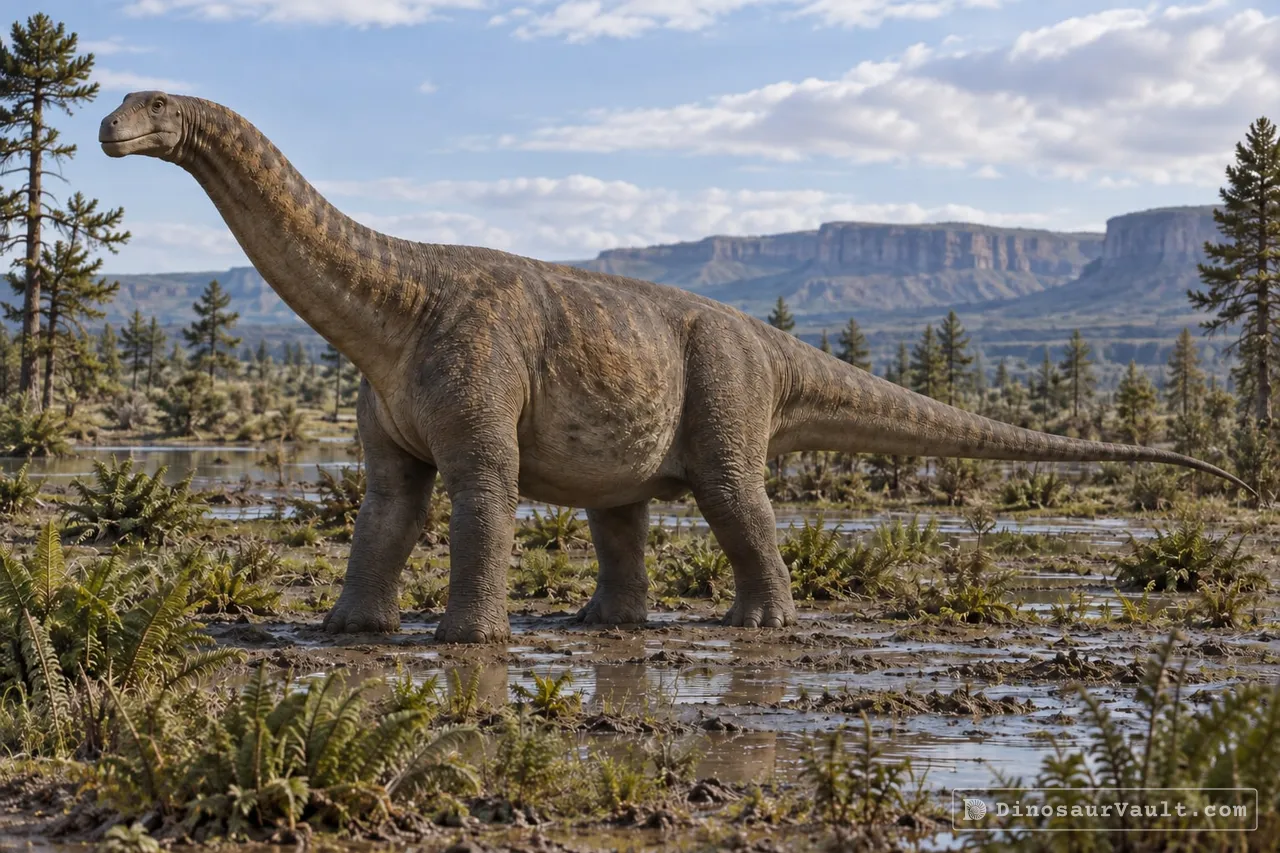
1 of 3
Lived alongside
Found in the same rock formations
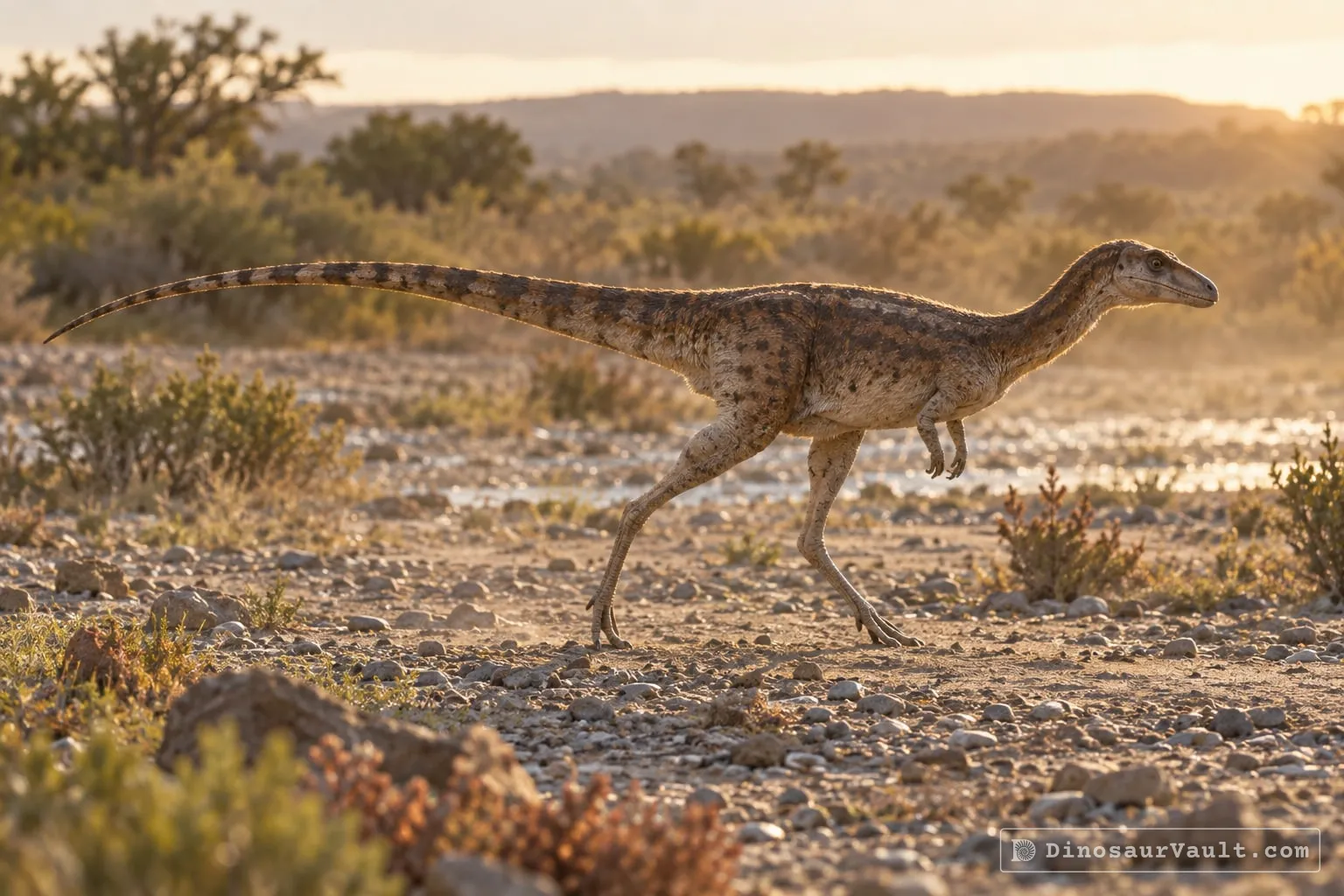
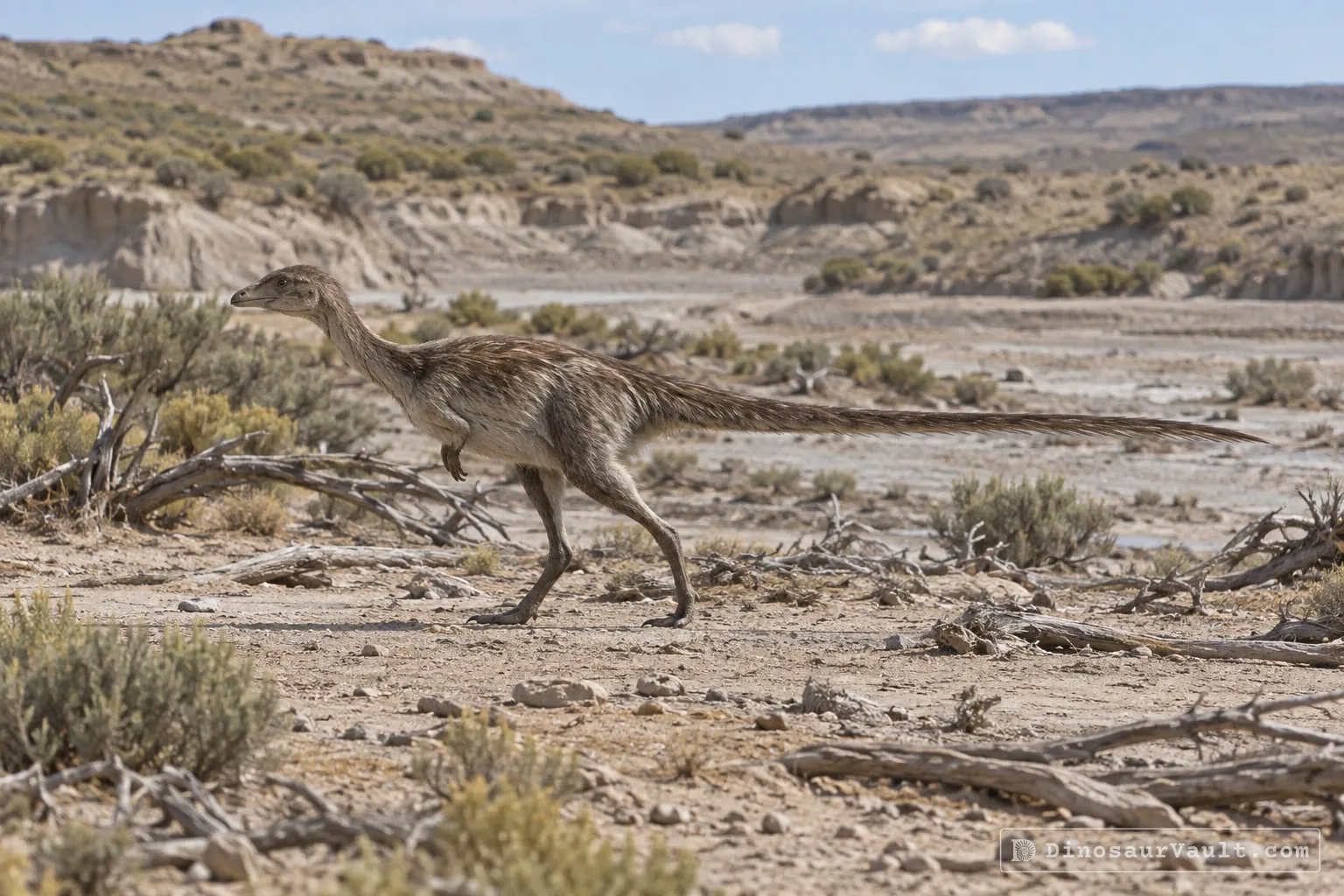
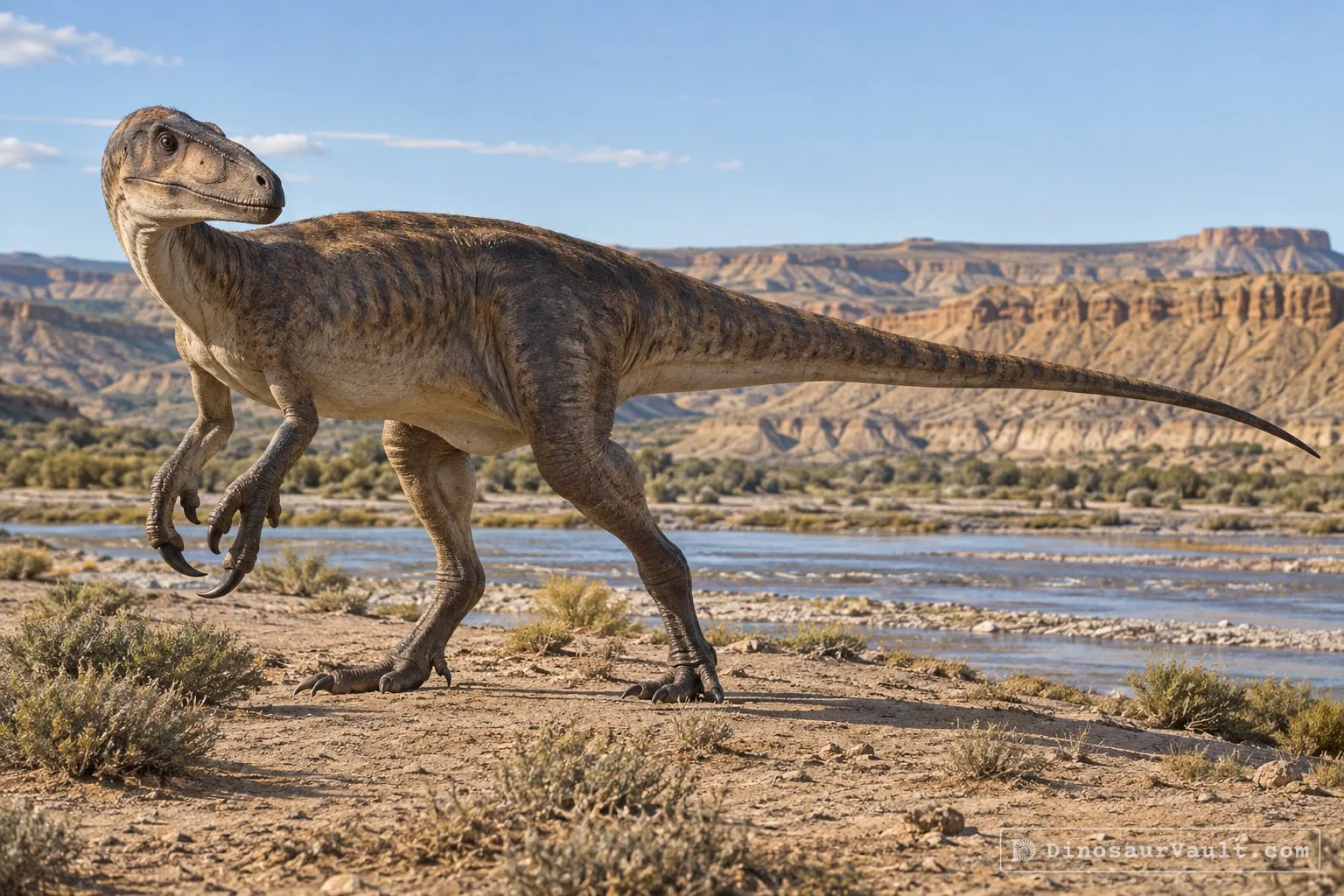
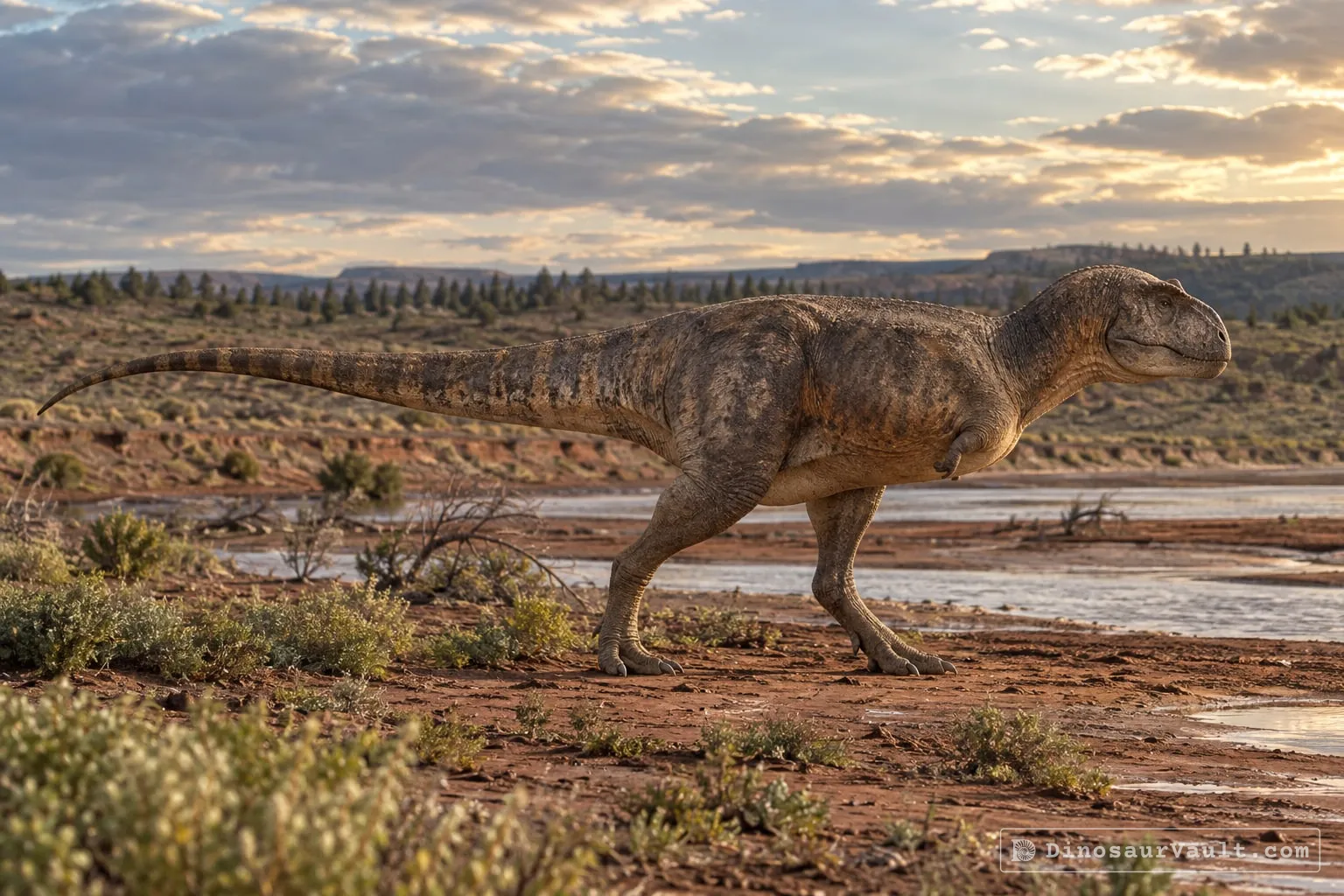
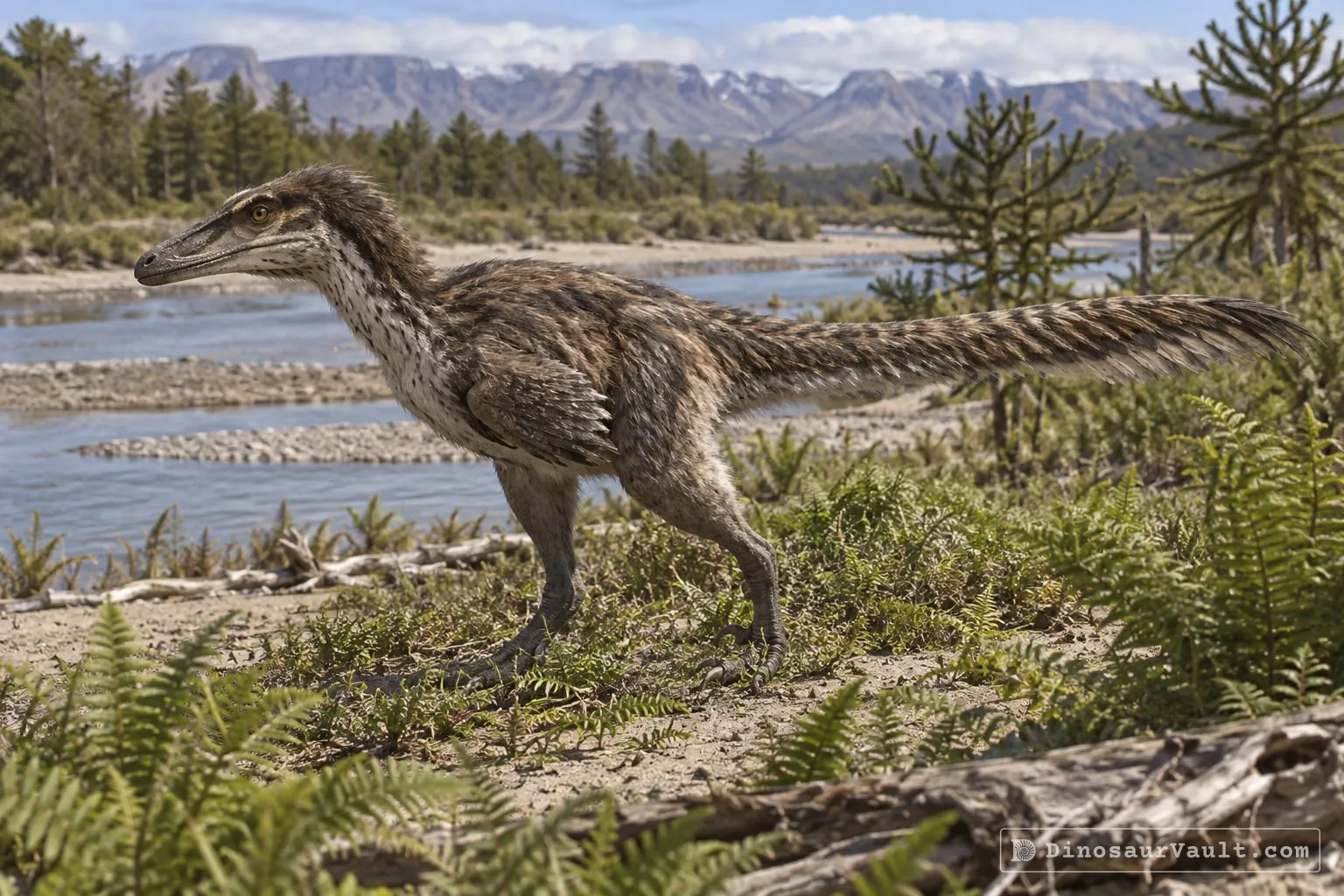
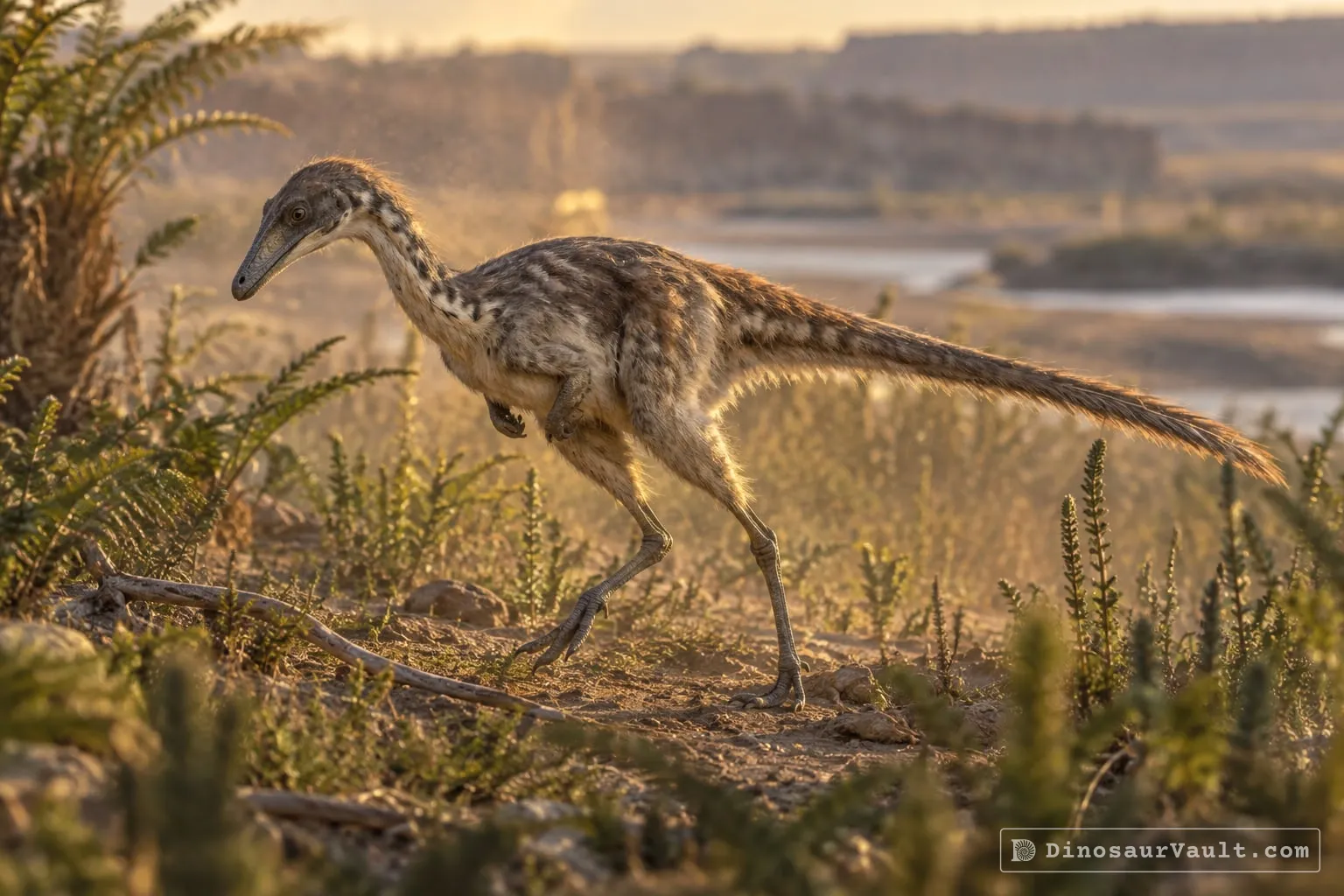


A rock formation can hold fossils laid down millions of years apart, so not every animal here met Bonitasaura.
The evidence
The science behind Bonitasaura
Which parts of the picture come from its own bones, and which come from its relatives.
From its own fossils
- A partial skeleton preserves skull bones, teeth, vertebrae and limb bones.
- The lower jaw has a squared front and a sharp, toothless edge behind the teeth.
- Broad bony spines near the shoulders suggest a strong, muscular neck base.
Borrowed from relatives
- Rapetosaurus guides the reconstruction of missing upper jaw and eye-region bones.
- Rapetosaurus also provides comparisons for the compact front feet and missing hind-foot parts.
Still unknown
- The complete shape of its upper snout.
- The shape of the proposed horny cutting edge behind its teeth.
- Its skin texture, color and any armor covering.
Often drawn wrong
- A long, rounded lower jaw misses its squared front.
- A parrot-like beak at the front of the mouth moves the proposed cutting edge away from its position behind the teeth.
Discovery timeline
- 2004Named itApesteguía
- 2011SkullGallina & Apesteguía
- 2015Full descriptionGallina & Apesteguía
Key papers
The research behind what we know of Bonitasaura
Named it
Named a titanosaur with a squared lower jaw and proposed a horny cutting edge behind its teeth.
Bonitasaura salgadoi gen. et sp. nov.: a beaked sauropod from the Late Cretaceous of Patagonia. Naturwissenschaften 91: 493-497
No link available
Skull
Described the skull bones and confirmed the squared lower jaw, reconstructing missing skull regions with comparisons to other titanosaurs.
Cranial Anatomy and Phylogenetic Position of the Titanosaurian SauropodBonitasaura salgadoi. Acta Palaeontologica Polonica 56: 45-60
Read the paper : Cranial Anatomy and Phylogenetic Position of the Titanosaurian SauropodBonitasaura salgadoi (opens in a new tab)Full description
Described the backbone and limbs, identified signs of immaturity and inferred a robust base to the neck.
Postcranial anatomy ofBonitasaura salgadoi(Sauropoda, Titanosauria) from the Late Cretaceous of Patagonia. Journal of Vertebrate Paleontology 35: e924957
Read the paper : Postcranial anatomy ofBonitasaura salgadoi(Sauropoda, Titanosauria) from the Late Cretaceous of Patagonia (opens in a new tab)
Close relatives
Other members of Eutitanosauria


Sources: Wikidata