Paludititan
"swamp titan"
Type species Paludititan nalatzensis
- Lived
- 72 to 66 million years ago, Late Cretaceous
- Diet
- Herbivore
- Group
- Sauropods
- Found in
- Romania
- Named by
- Csiki et al. 2010
Where its fossils were found
The evidence
Today

Habitat
River floodplains on an island in what is now Romania. Its island world also held Zalmoxes, Telmatosaurus and Struthiosaurus.
Field notes
About Paludititan
What it was like
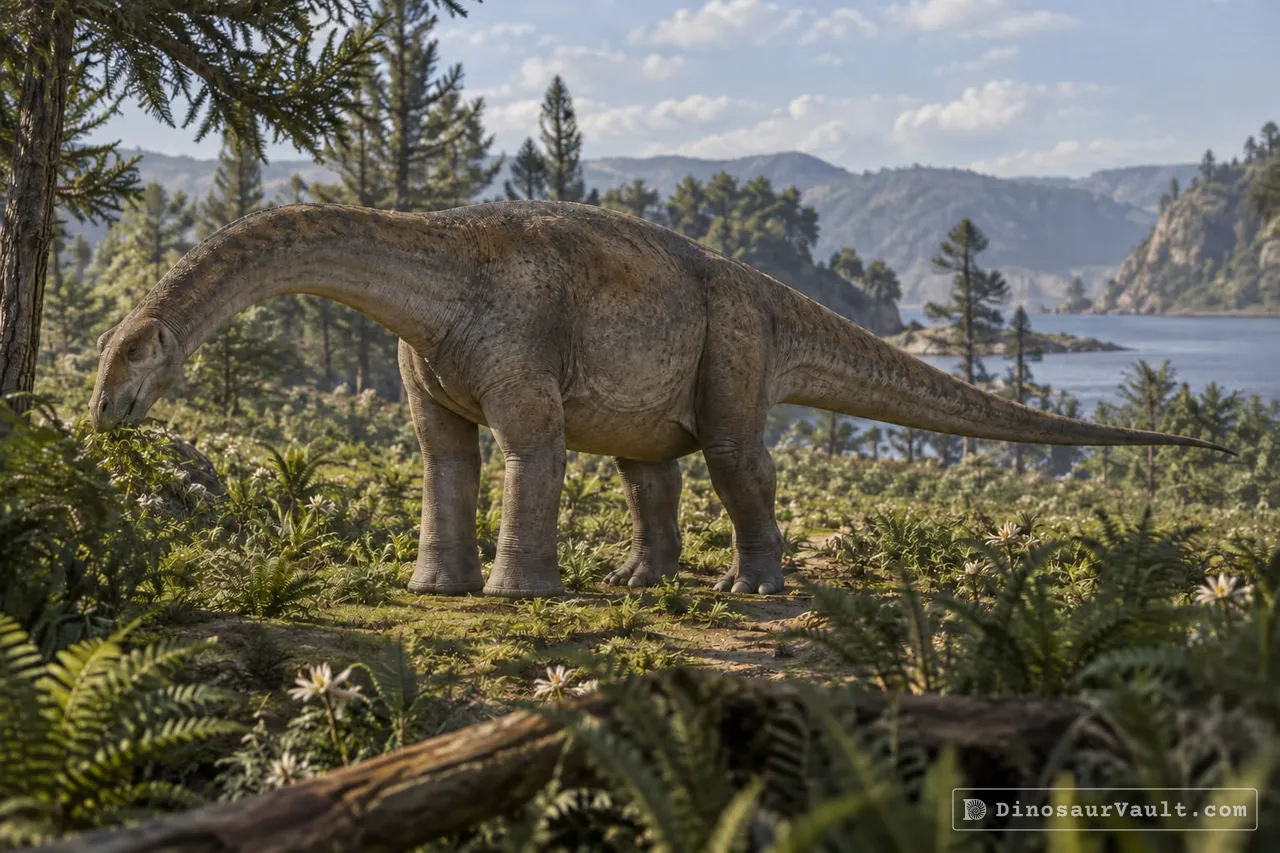
Paludititan was a titanosaur, a long-necked plant eater. It was small for a sauropod, perhaps a result of living on an island.
Its world
It lived about 72 to 66 million years ago, near the end of the Cretaceous, in what is now Romania. It shared an island world with the small plant eater Zalmoxes, the duckbill relative Telmatosaurus and the armored Struthiosaurus.
How it was found
Csiki and colleagues named Paludititan in 2010. The type species is Paludititan nalatzensis.
Field gallery
More views of Paludititan
Scenes reconstructed from the available fossil evidence.
1 of 2
Lived alongside
Found in the same rock formations
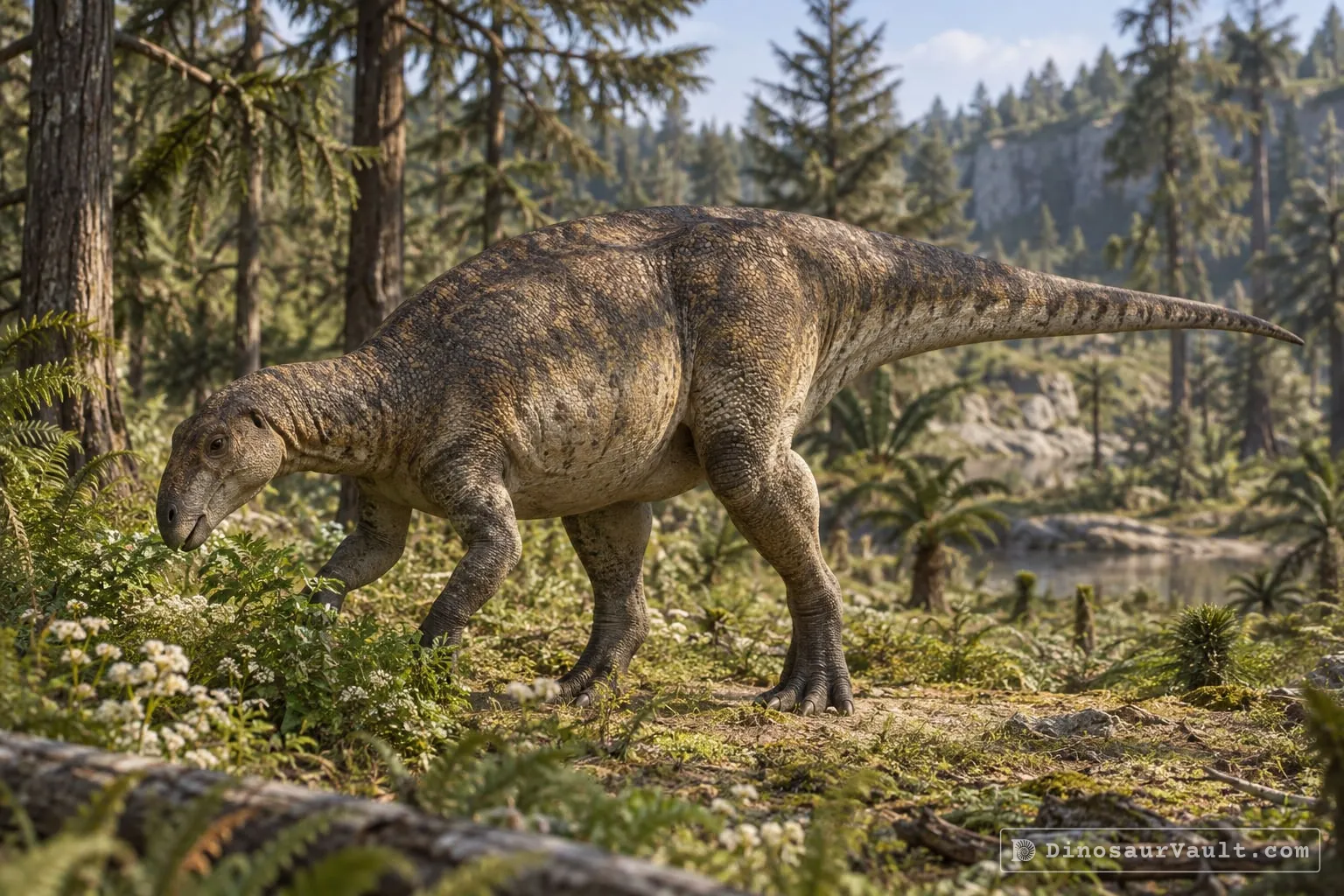
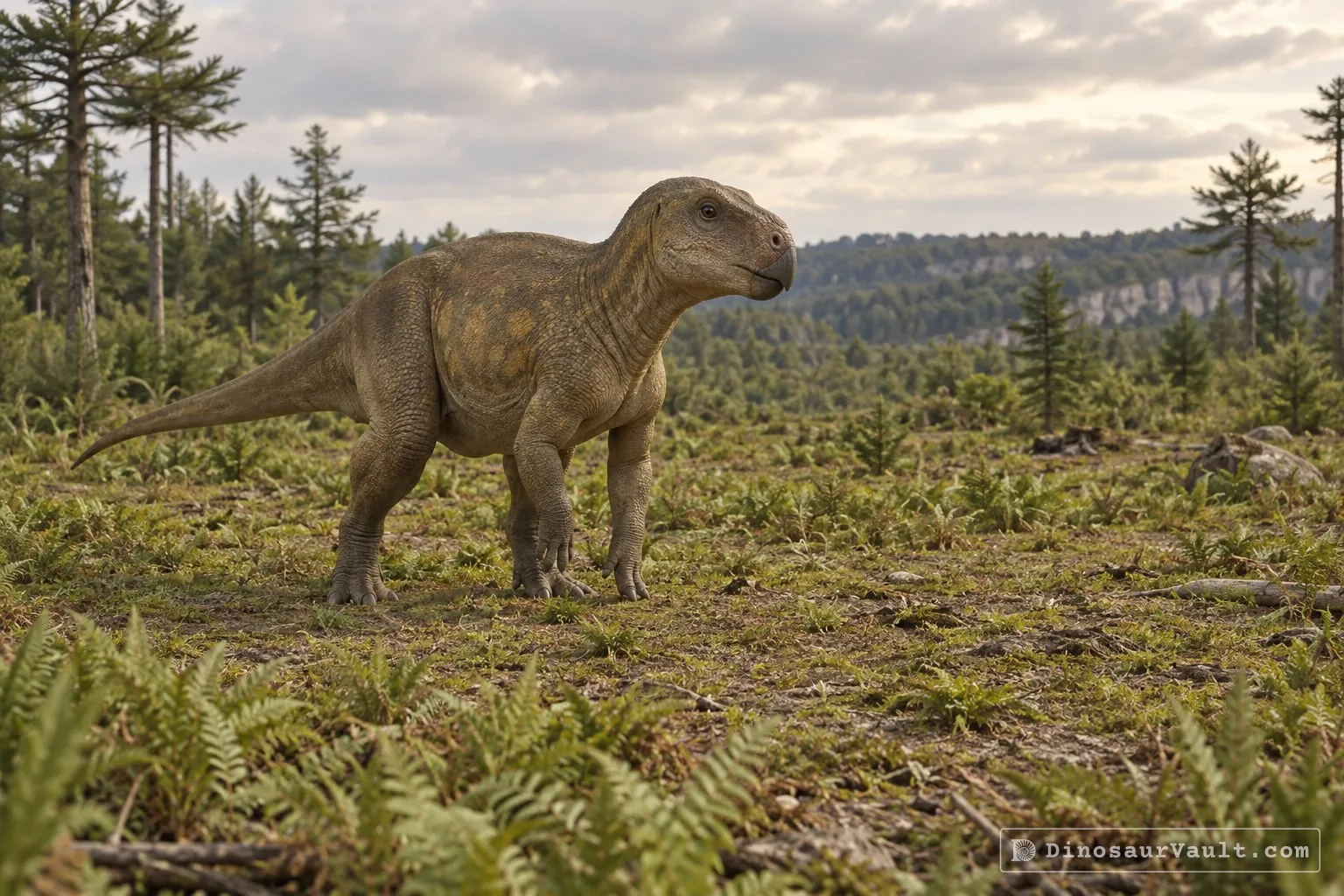
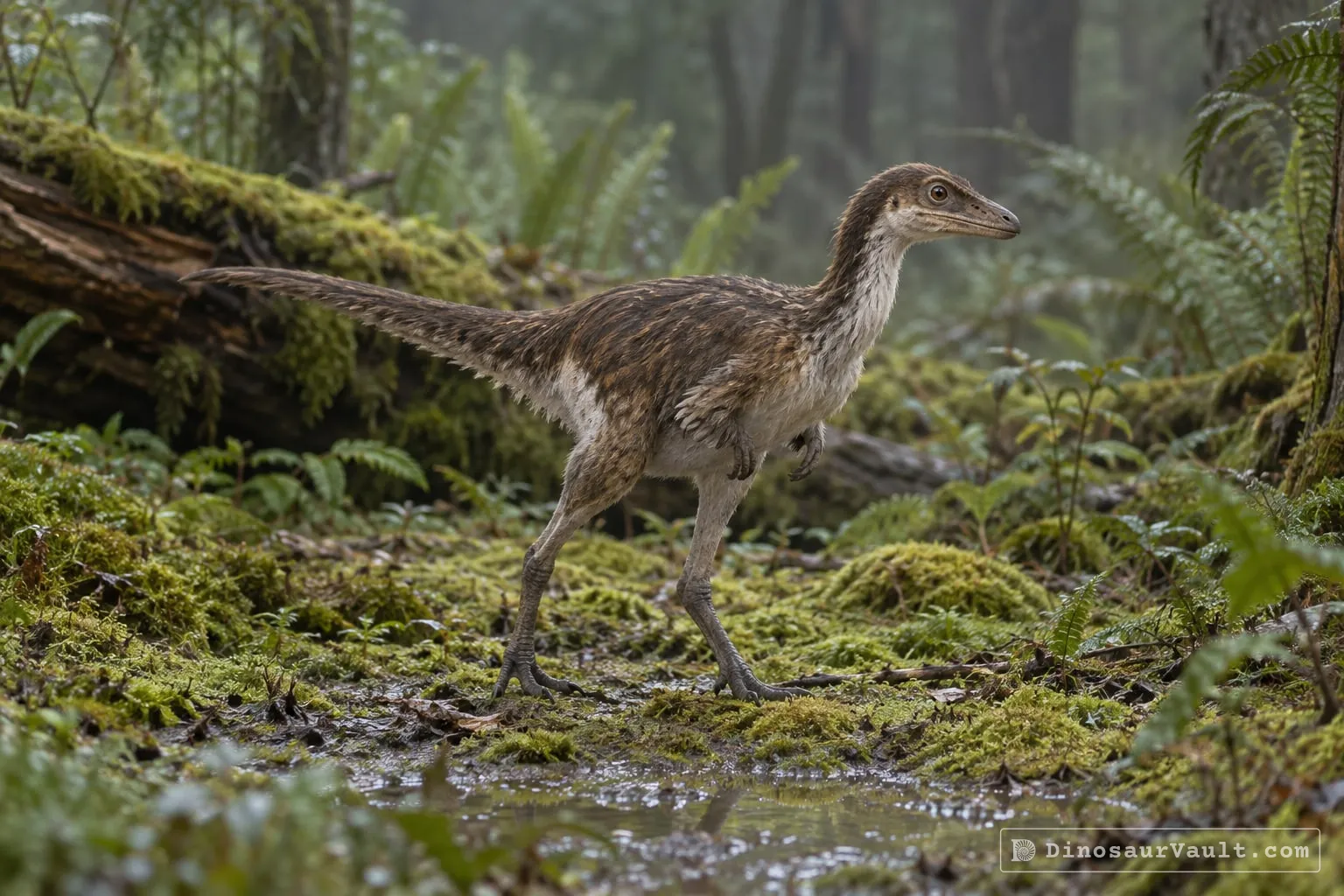
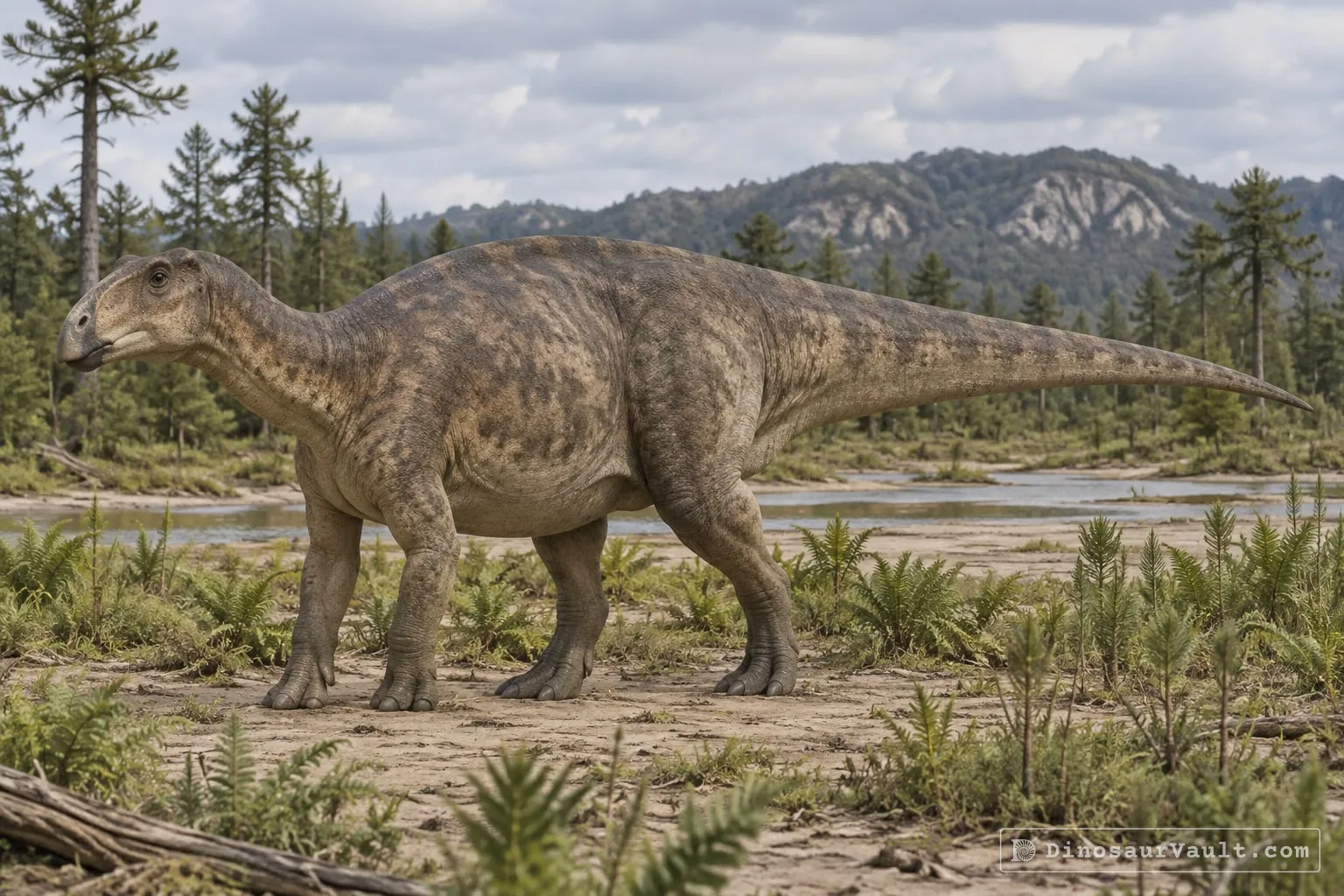
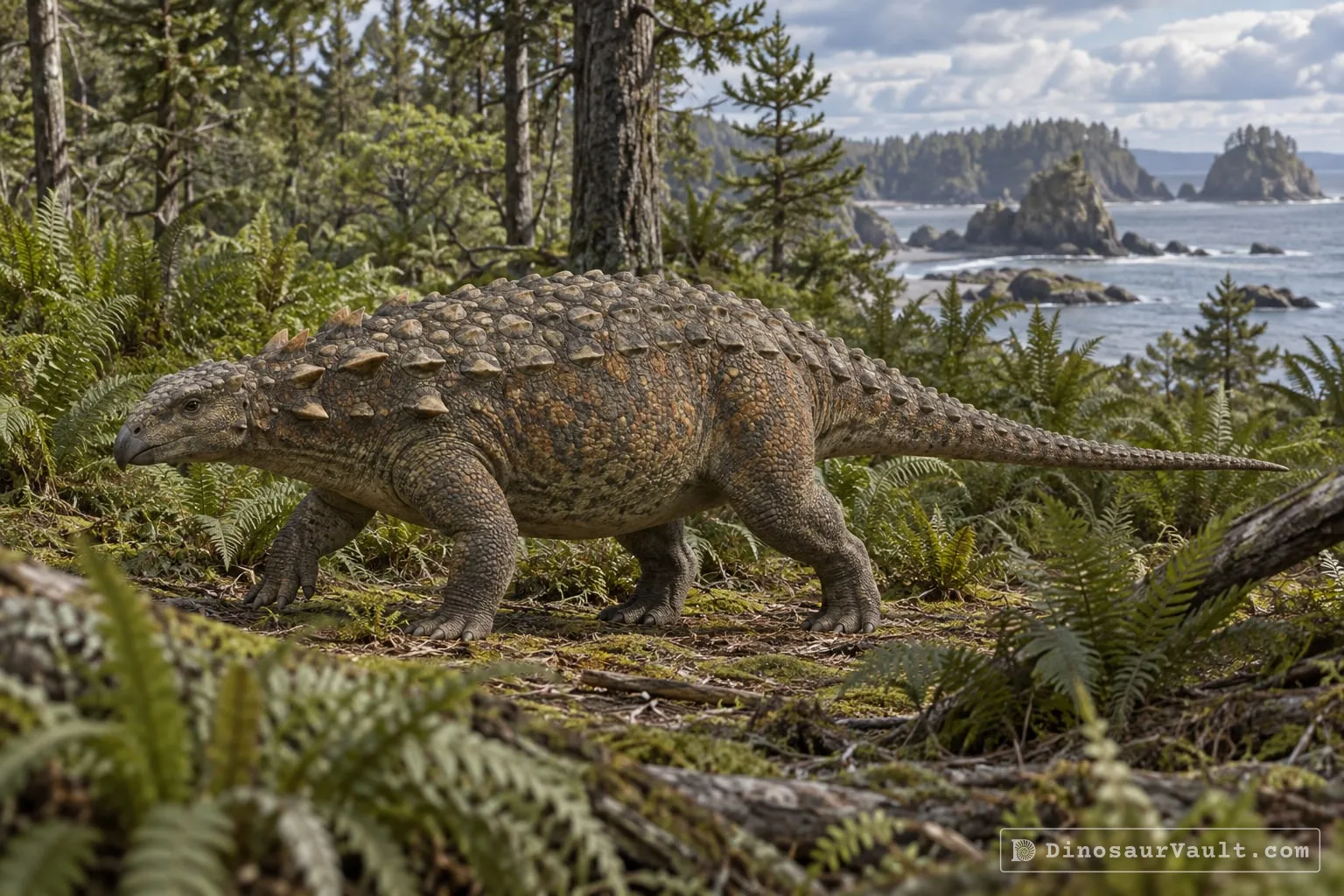
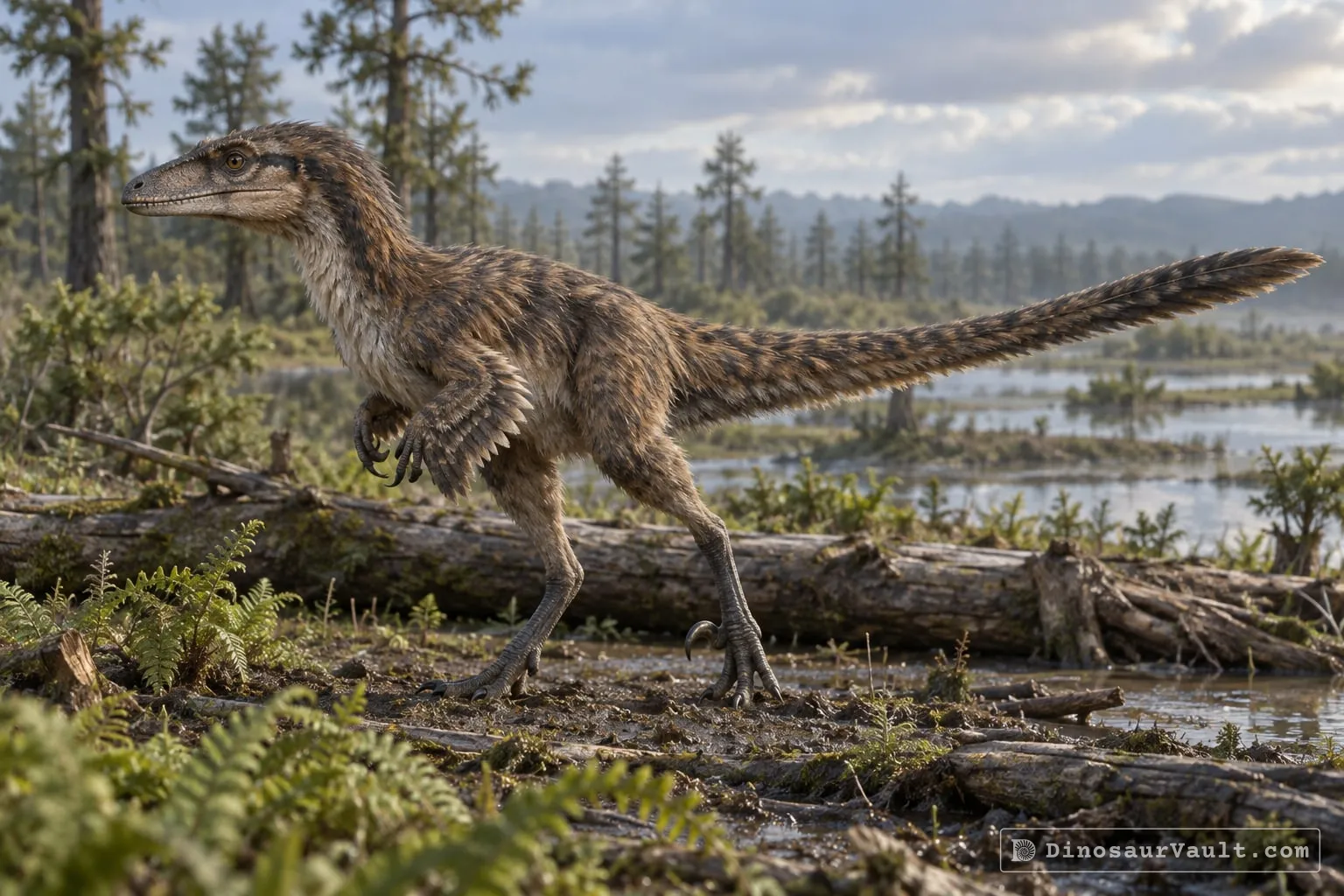
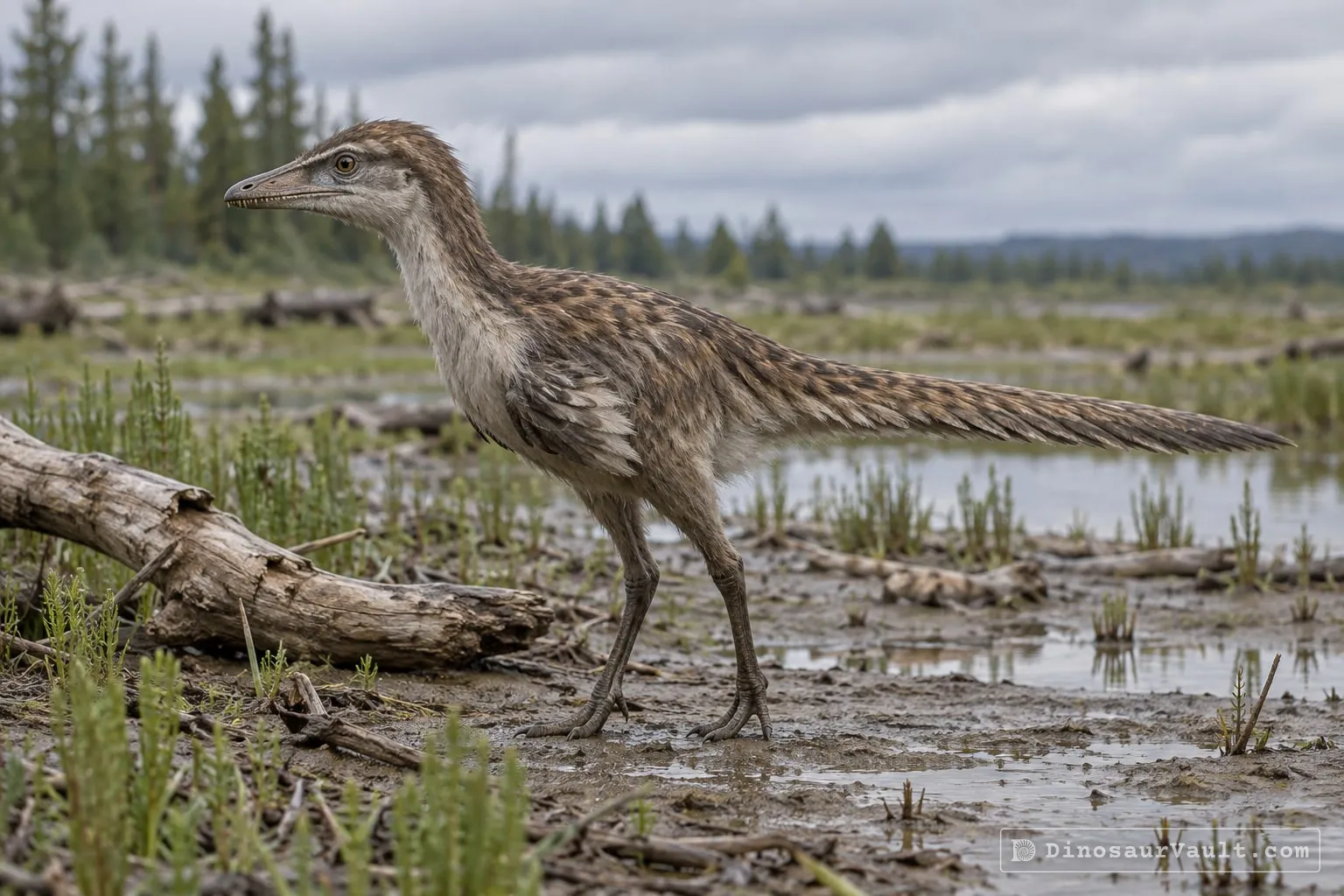


A rock formation can hold fossils laid down millions of years apart, so not every animal here met Paludititan.
The evidence
The science behind Paludititan
Which parts of the picture come from its own bones, and which come from its relatives.
From its own fossils
- A partial skeleton preserves back and tail vertebrae, ribs, much of the pelvis and toe claws.
- Distinctive features of the back vertebrae and hip bones separate it from other titanosaurs.
Borrowed from relatives
- The missing head, neck and most limb bones are restored by comparison with more complete titanosaurs, including its possible relative Lohuecotitan.
Still unknown
- The shape of its skull and teeth.
- Its skin covering and color.
- Whether its small body size evolved as an adaptation to island life.
Discovery timeline
- 2010Named itCsiki et al.
- 2022New findMocho, Pérez-García & Codrea
- 2025RedescriptionDíaz et al.
Key papers
The research behind what we know of Paludititan
Named it
Named a new titanosaur from an associated partial skeleton, revealing more variety among the long-necked dinosaurs of Romania.
A partial titanosaur (Sauropoda, Dinosauria) skeleton from the Maastrichtian of Nalat-Vad, Hateg Basin, Romania. Neues Jahrbuch für Geologie und Paläontologie - Abhandlungen 258: 297-324
Read the paper : A partial titanosaur (Sauropoda, Dinosauria) skeleton from the Maastrichtian of Nalat-Vad, Hateg Basin, Romania (opens in a new tab)New find
Compared tail vertebrae from Romania with Paludititan and Magyarosaurus, finding several distinct tail designs that suggest more kinds of titanosaurs.
New titanosaurian caudal remains provide insights on the sauropod diversity of the Hațeg Island (Romania) during the Late Cretaceous. Historical Biology 35: 1881-1916
Read the paper : New titanosaurian caudal remains provide insights on the sauropod diversity of the Hațeg Island (Romania) during the Late Cretaceous (opens in a new tab)Redescription
Updated the anatomy and diagnosis of Paludititan and linked it with Lohuecotitan and a group of South American titanosaurs.
Revision of Romanian sauropod dinosaurs reveals high titanosaur diversity and body-size disparity on the latest Cretaceous Haţeg Island, with implications for titanosaurian biogeography. Journal of Systematic Palaeontology 23
Read the paper : Revision of Romanian sauropod dinosaurs reveals high titanosaur diversity and body-size disparity on the latest Cretaceous Haţeg Island, with implications for titanosaurian biogeography (opens in a new tab)
Close relatives
Other members of Eutitanosauria


Sources: Wikidata