Petrustitan
Type species Petrustitan hungaricus
- Lived
- 72 to 66 million years ago, Late Cretaceous
- Diet
- Herbivore
- Group
- Sauropods
- Found in
- Romania
- Named by
- Díez Díaz et al. 2025
Where its fossils were found
The evidence
Today

Habitat
It lived on an island in the region now called Romania. Zalmoxes, Telmatosaurus and Struthiosaurus were among the island's other dinosaurs.
Field notes
About Petrustitan
What it was like
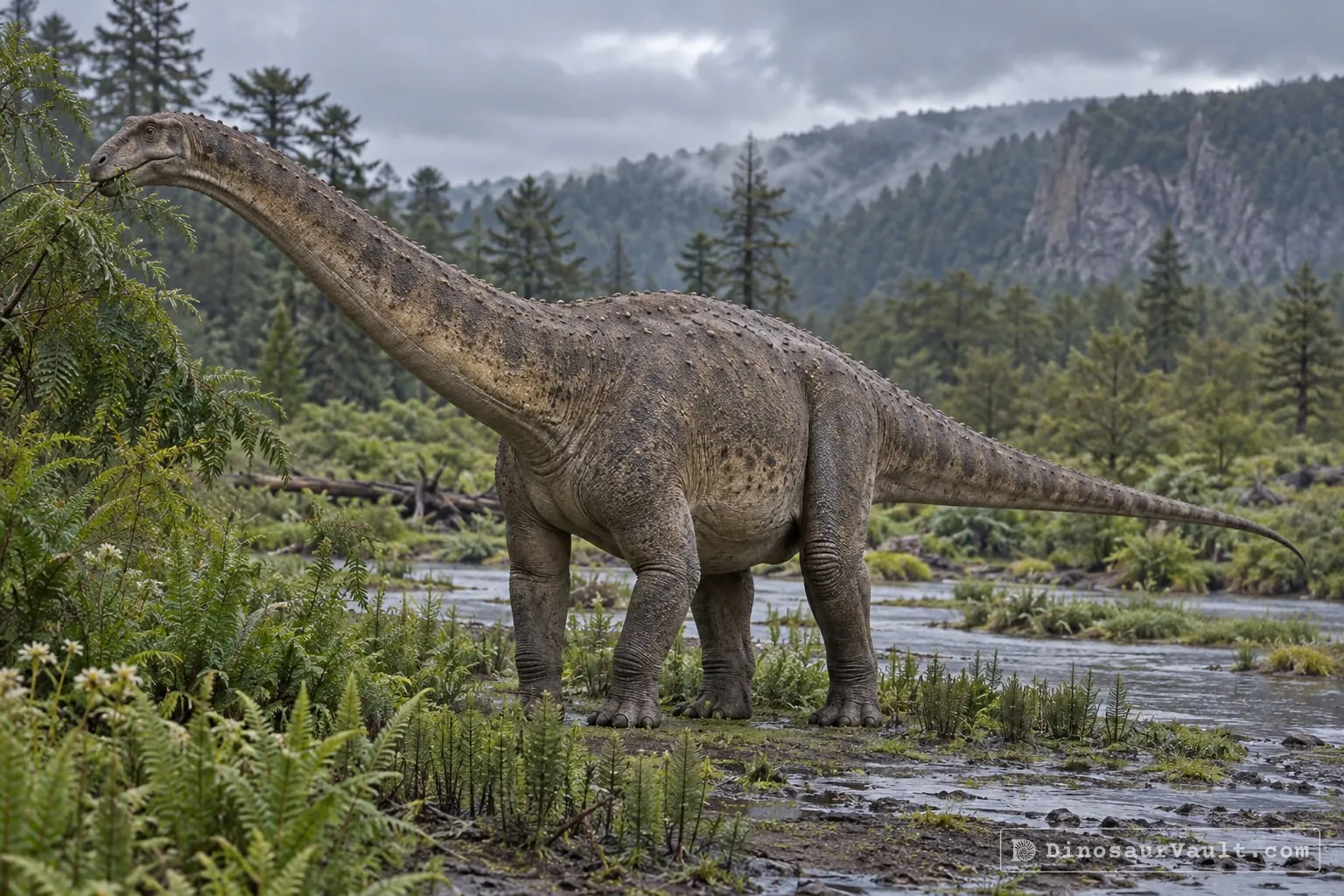
Petrustitan was a titanosaur, a long-necked plant eater. It was bigger than the dwarf titanosaur Magyarosaurus, which lived in the same region.
Its world
It lived about 72 to 66 million years ago, at the end of the Late Cretaceous, in what is now Romania. The region was then an island, home to small dinosaurs such as Zalmoxes, Telmatosaurus and the armored Struthiosaurus. Its bones come from the Sînpetru Formation.
How it was found
Its bones were first described as a species of Magyarosaurus. It was given its own name in 2025. The type species is Petrustitan hungaricus.
Field gallery
More views of Petrustitan
Scenes reconstructed from the available fossil evidence.
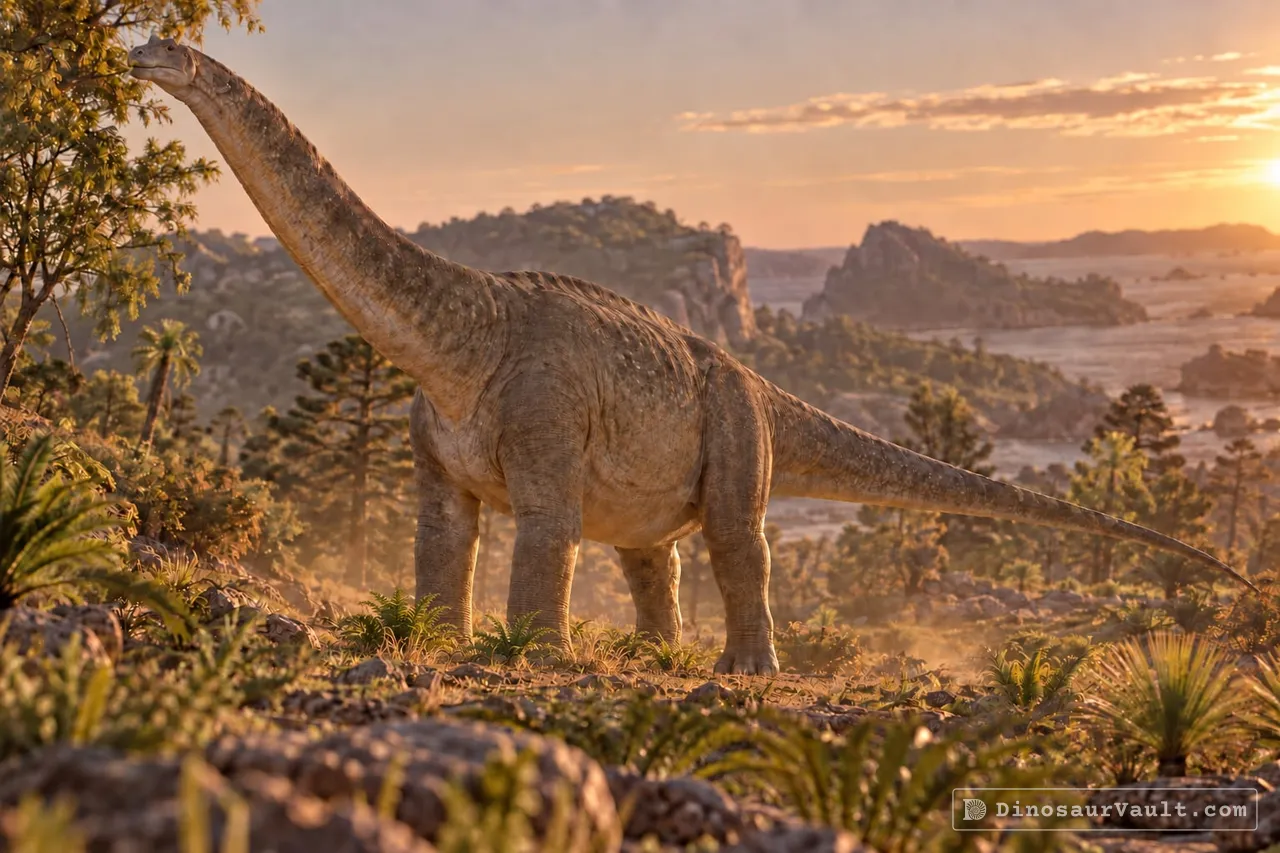
1 of 3
Lived alongside
Found in the same rock formations
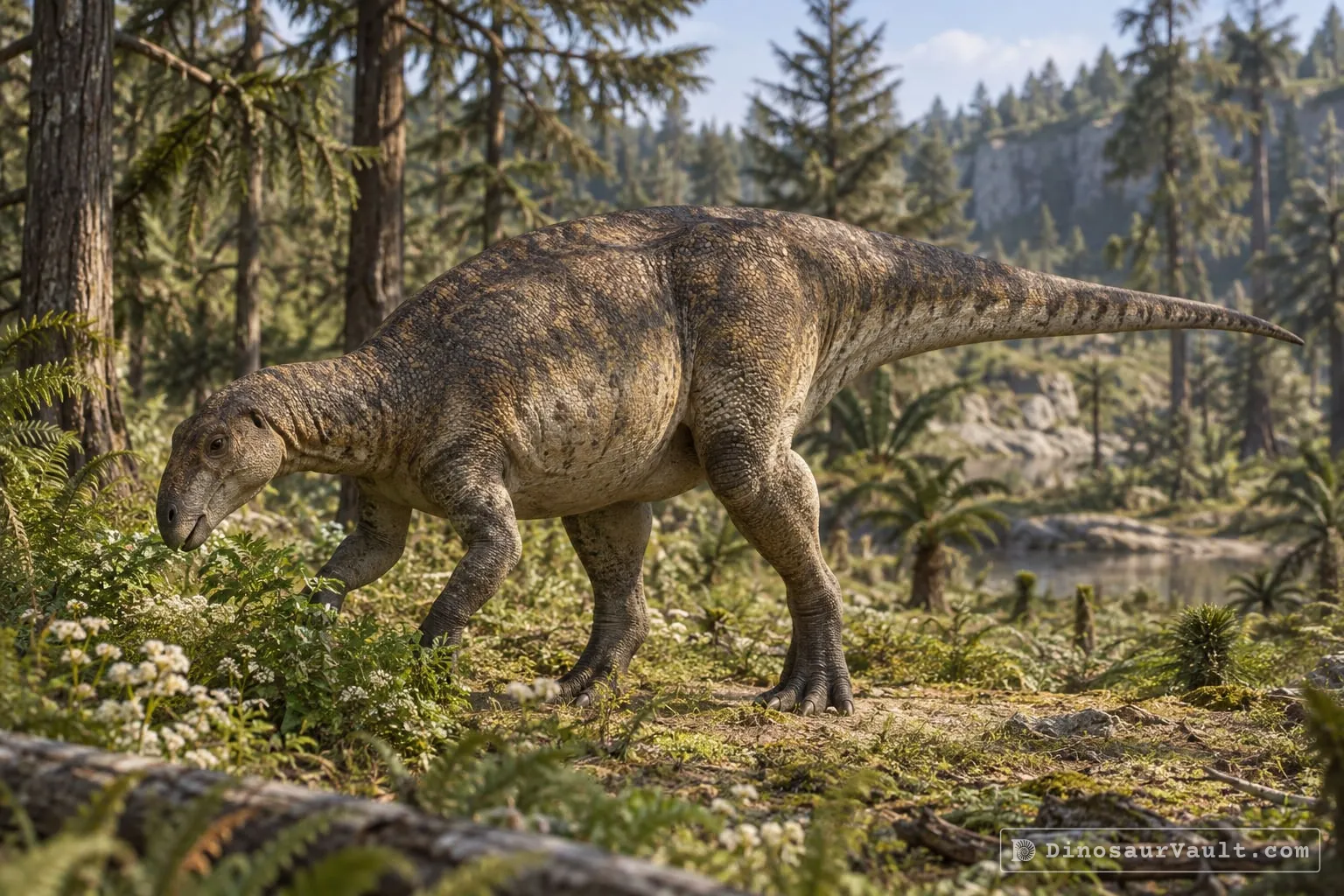
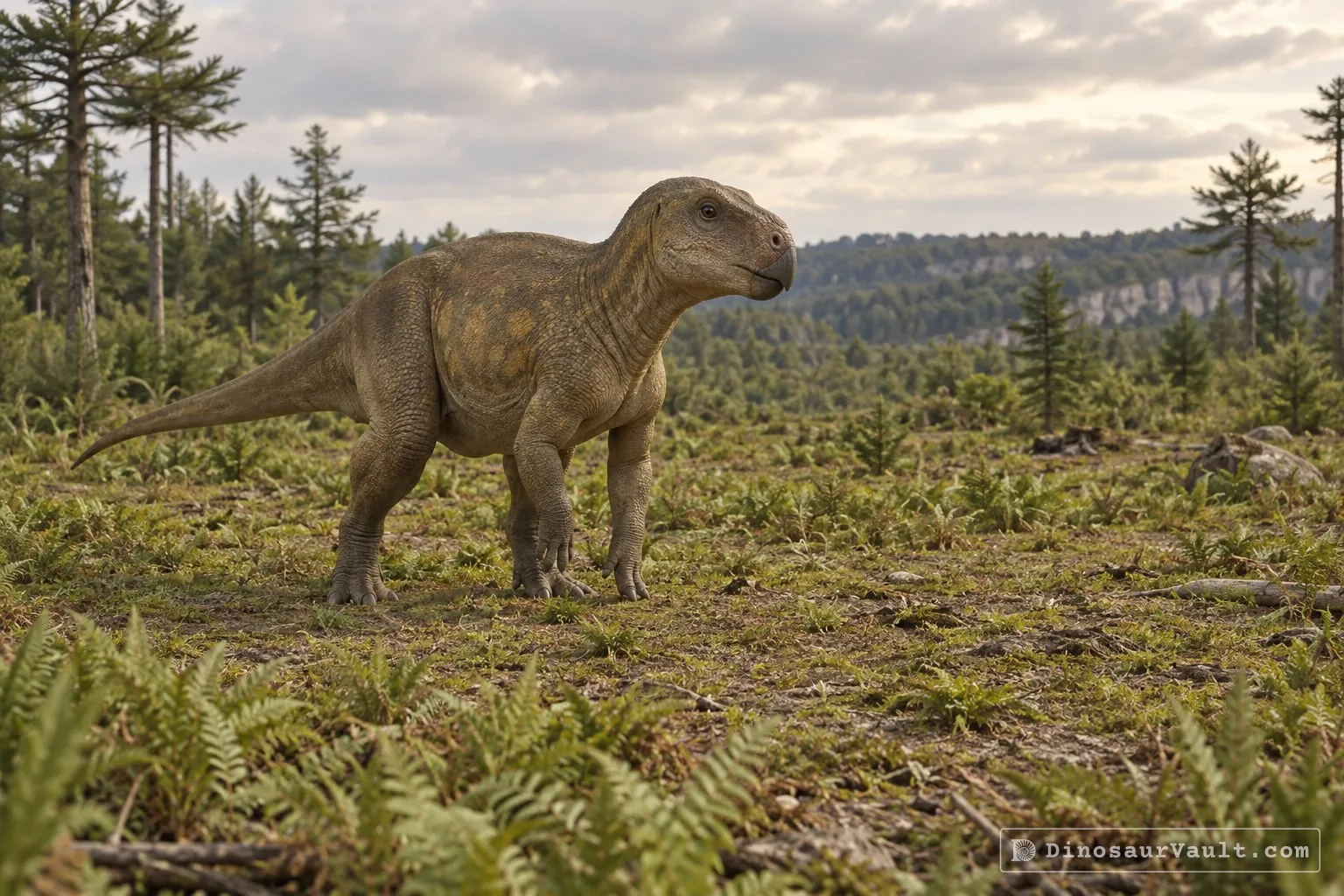
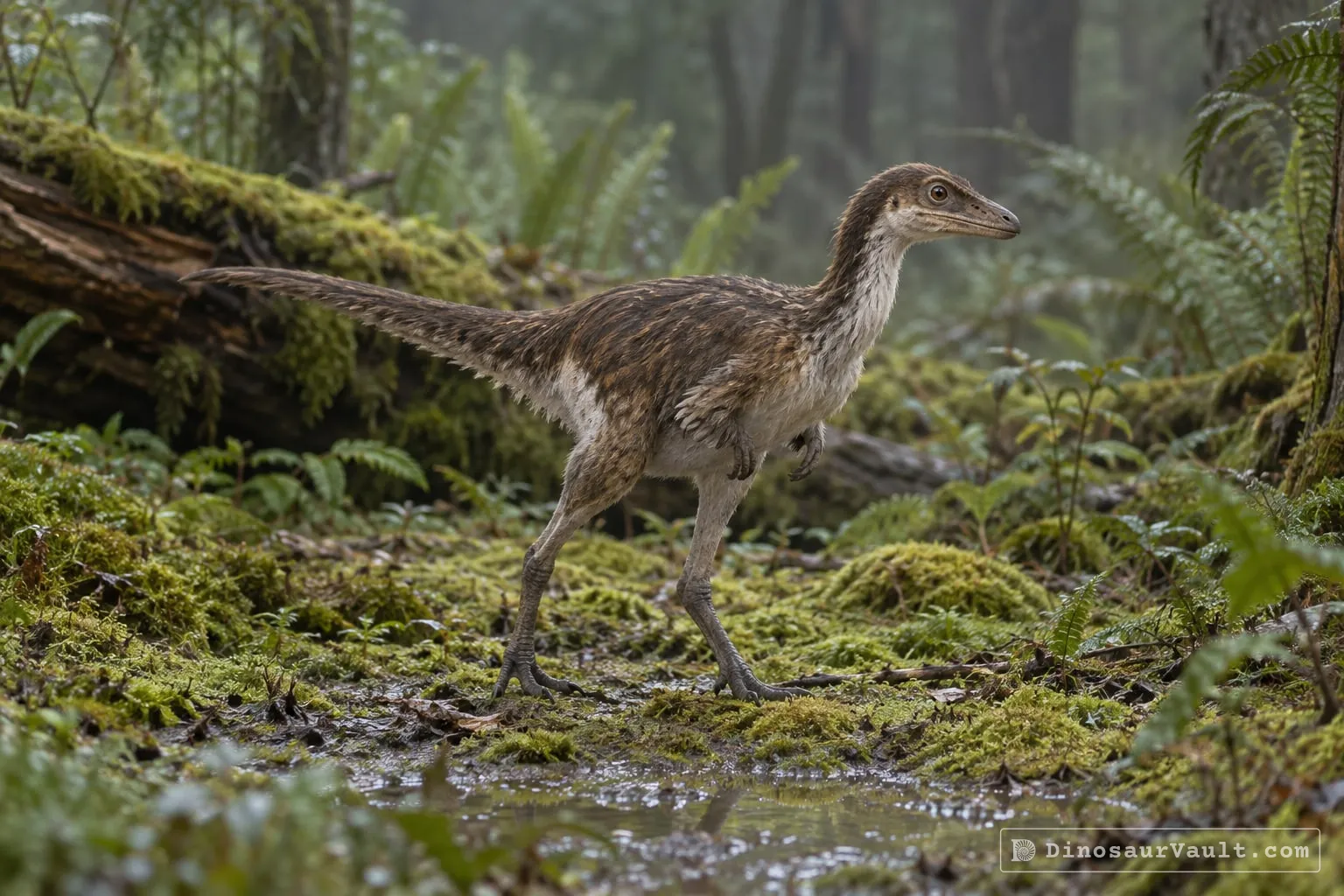
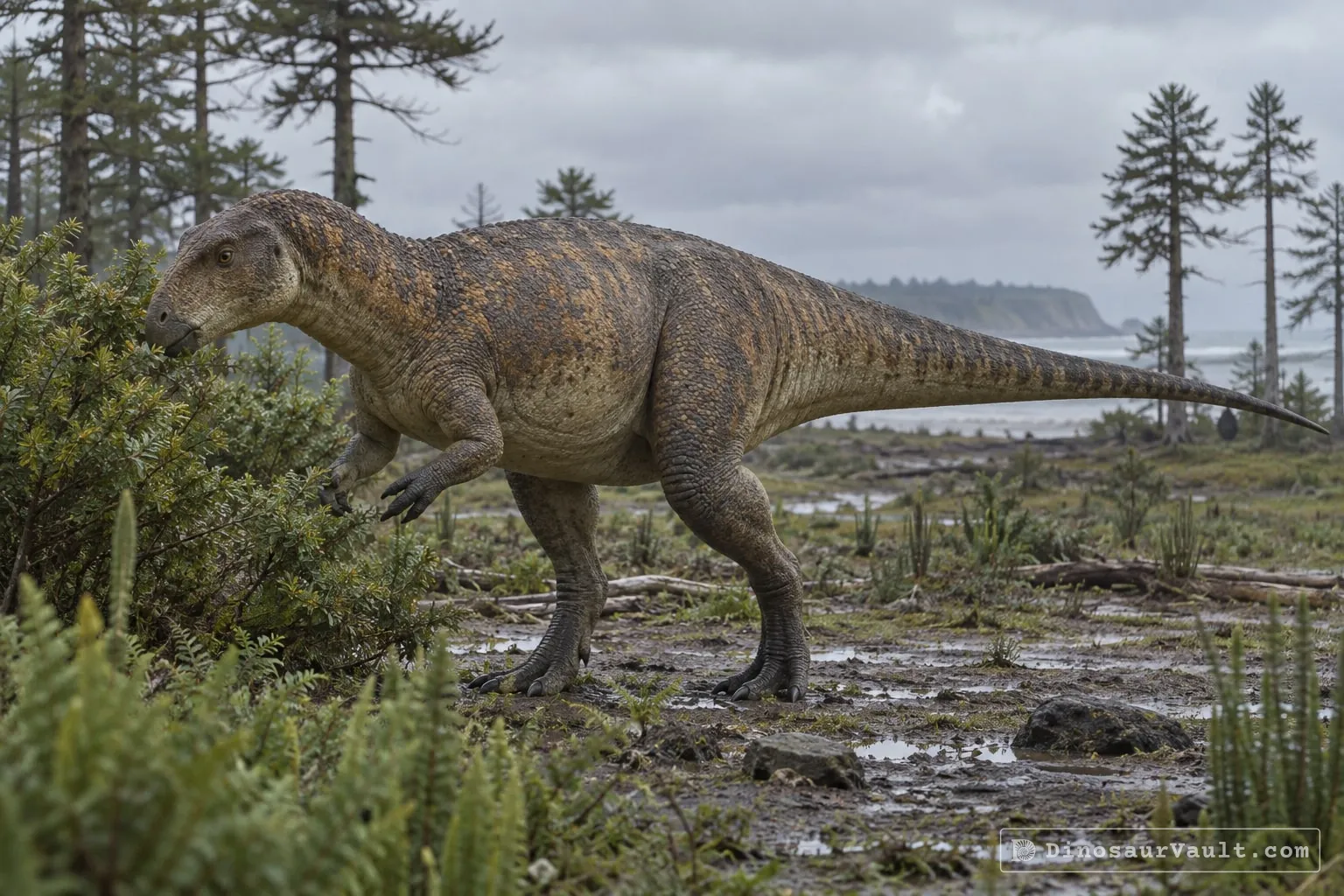
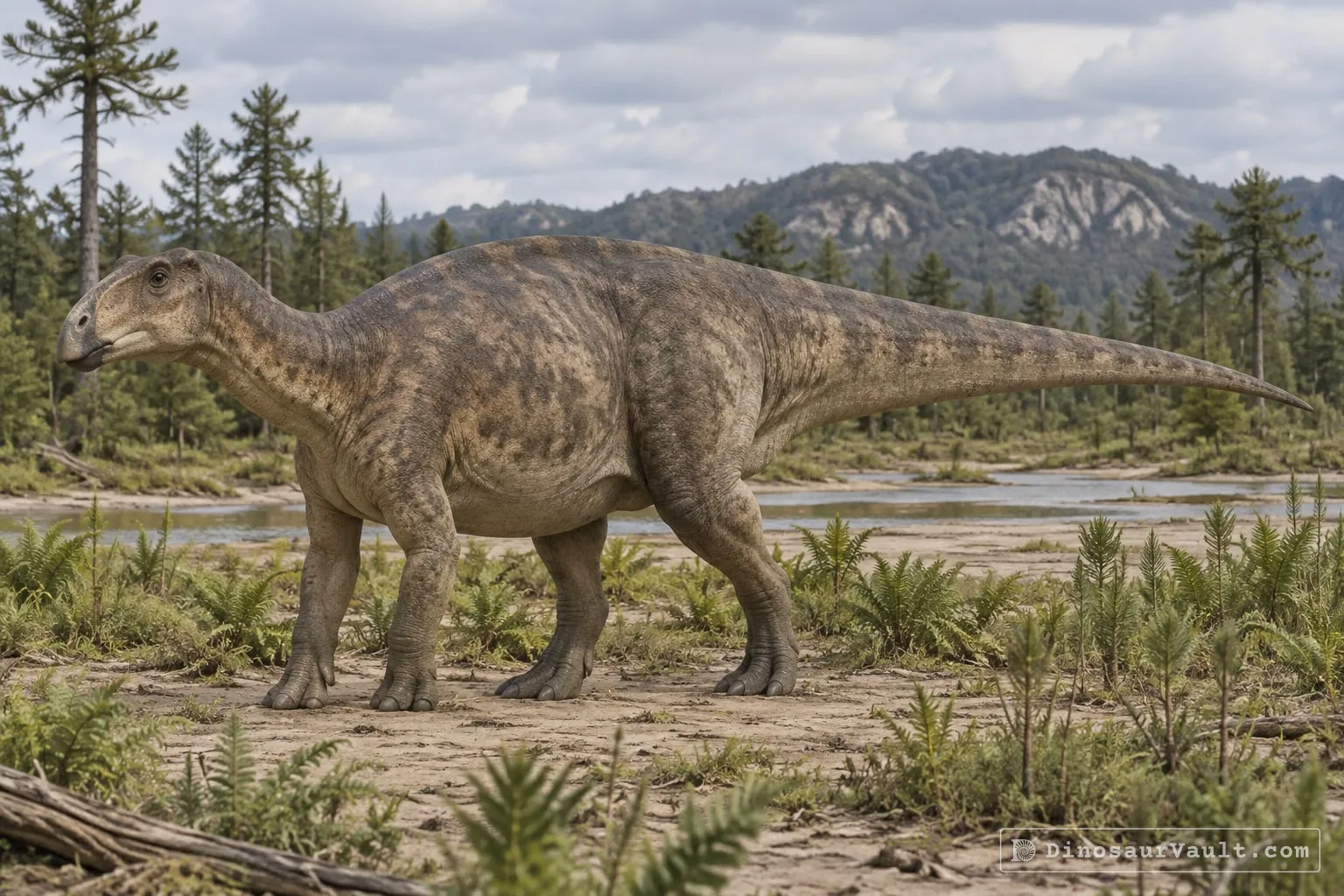
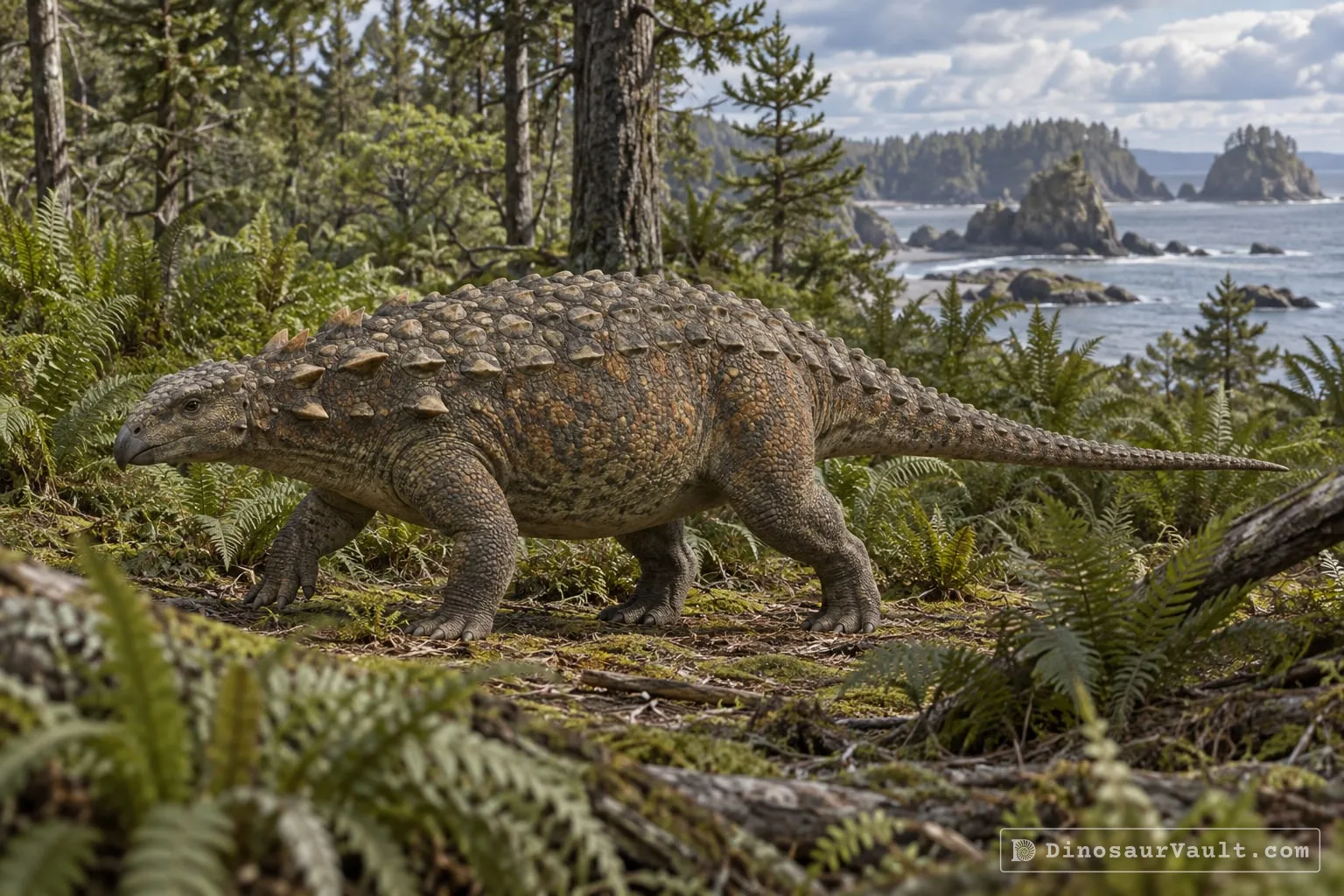
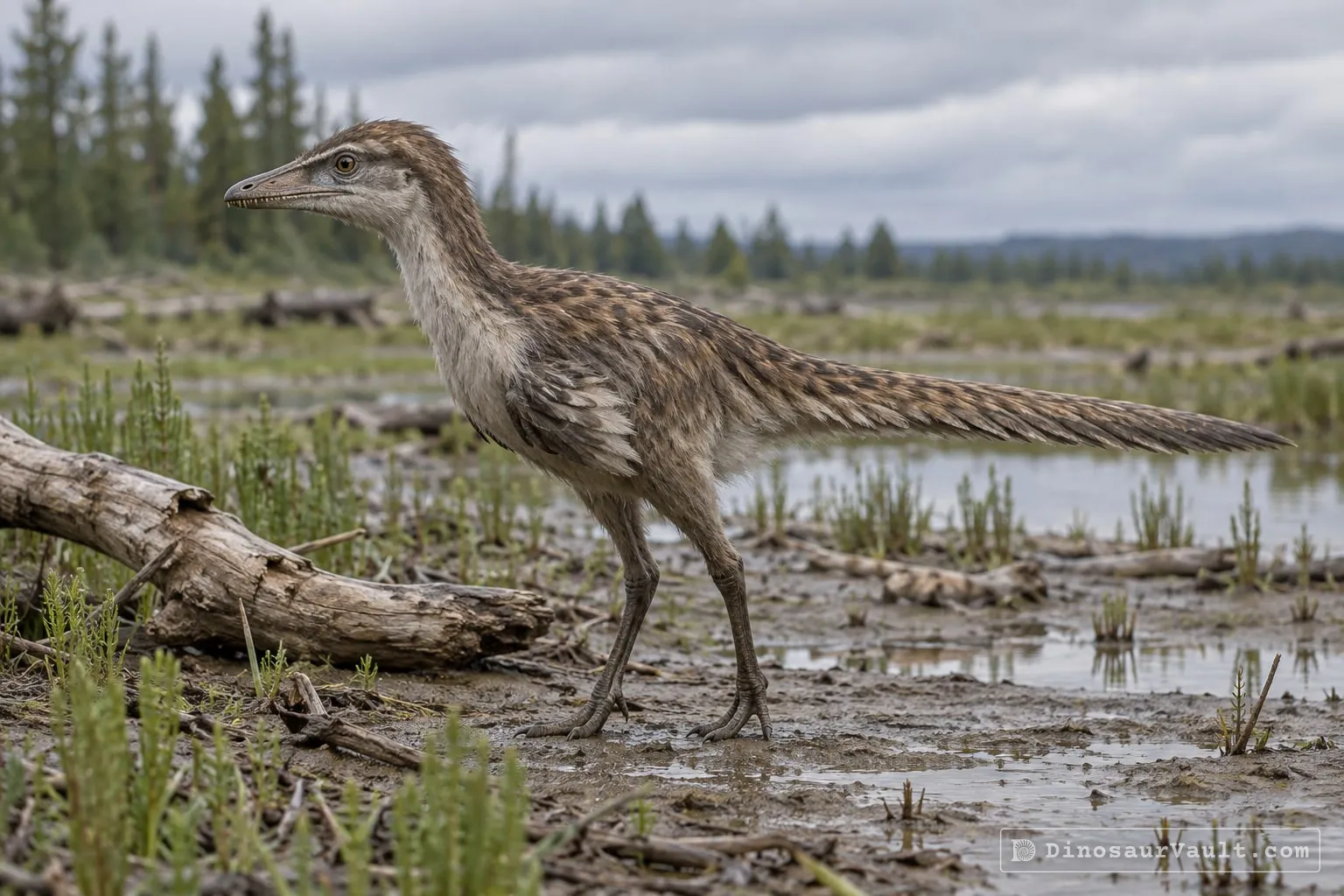


A rock formation can hold fossils laid down millions of years apart, so not every animal here met Petrustitan.
The evidence
The science behind Petrustitan
Which parts of the picture come from its own bones, and which come from its relatives.
From its own fossils
- The original specimen consists of associated lower leg bones.
- The lower leg bones have an unusual interlocking connection near the ankle.
- A second individual referred to Petrustitan preserves tail vertebrae, forearm bones, a hand bone, part of the pelvis and a fibula. Its forearm includes a robust ulna and a slender radius, part of whose shaft is restored in plaster.
Borrowed from relatives
- Its missing head and neck are restored by comparison with Tapuiasaurus.
- Mendozasaurus offers comparisons for missing parts of the trunk, limbs, hands and feet.
Still unknown
- Its skull and neck shape.
- Its full adult size.
- Its color and skin covering.
Discovery timeline
- 2010Same rocksStein et al.
- 2015Its worldCsiki-Sava et al.
- 2025Named itDíaz et al.
Key papers
The research behind what we know of Petrustitan
Same rocks
Bone tissue showed that small Magyarosaurus were adults, supporting dwarfism rather than the idea that all small island sauropods were juveniles.
Small body size and extreme cortical bone remodeling indicate phyletic dwarfism in Magyarosaurus dacus (Sauropoda: Titanosauria). Proceedings of the National Academy of Sciences 107: 9258-9263
Read the paper : Small body size and extreme cortical bone remodeling indicate phyletic dwarfism in Magyarosaurus dacus (Sauropoda: Titanosauria) (opens in a new tab)Its world
Reviewed the island animals of Late Cretaceous Europe and how isolation shaped their evolution.
Island life in the Cretaceous - faunal composition, biogeography, evolution, and extinction of land-living vertebrates on the Late Cretaceous European archipelago. ZooKeys 469: 1-161
Read the paper : Island life in the Cretaceous - faunal composition, biogeography, evolution, and extinction of land-living vertebrates on the Late Cretaceous European archipelago (opens in a new tab)Named it
Separated Petrustitan from Magyarosaurus and showed that the island supported titanosaurs with different body sizes and ancestry.
Revision of Romanian sauropod dinosaurs reveals high titanosaur diversity and body-size disparity on the latest Cretaceous Haţeg Island, with implications for titanosaurian biogeography. Journal of Systematic Palaeontology 23
Read the paper : Revision of Romanian sauropod dinosaurs reveals high titanosaur diversity and body-size disparity on the latest Cretaceous Haţeg Island, with implications for titanosaurian biogeography (opens in a new tab)
Close relatives
Other members of Eutitanosauria


Sources: Wikidata