Balaur
"dragon"
- Lived
- 72 to 66 million years ago, Late Cretaceous
- Diet
- Carnivore
- Group
- Theropods, Dromaeosauridae
- Found in
- Romania
- Named by
- Csiki et al. 2010
Where its fossils were found
The evidence
Today

Habitat
An island in what is now Romania was home to Balaur near the end of the Cretaceous. Magyarosaurus, Zalmoxes and Telmatosaurus were among the island's plant eaters.
Field notes
About Balaur
What it was like
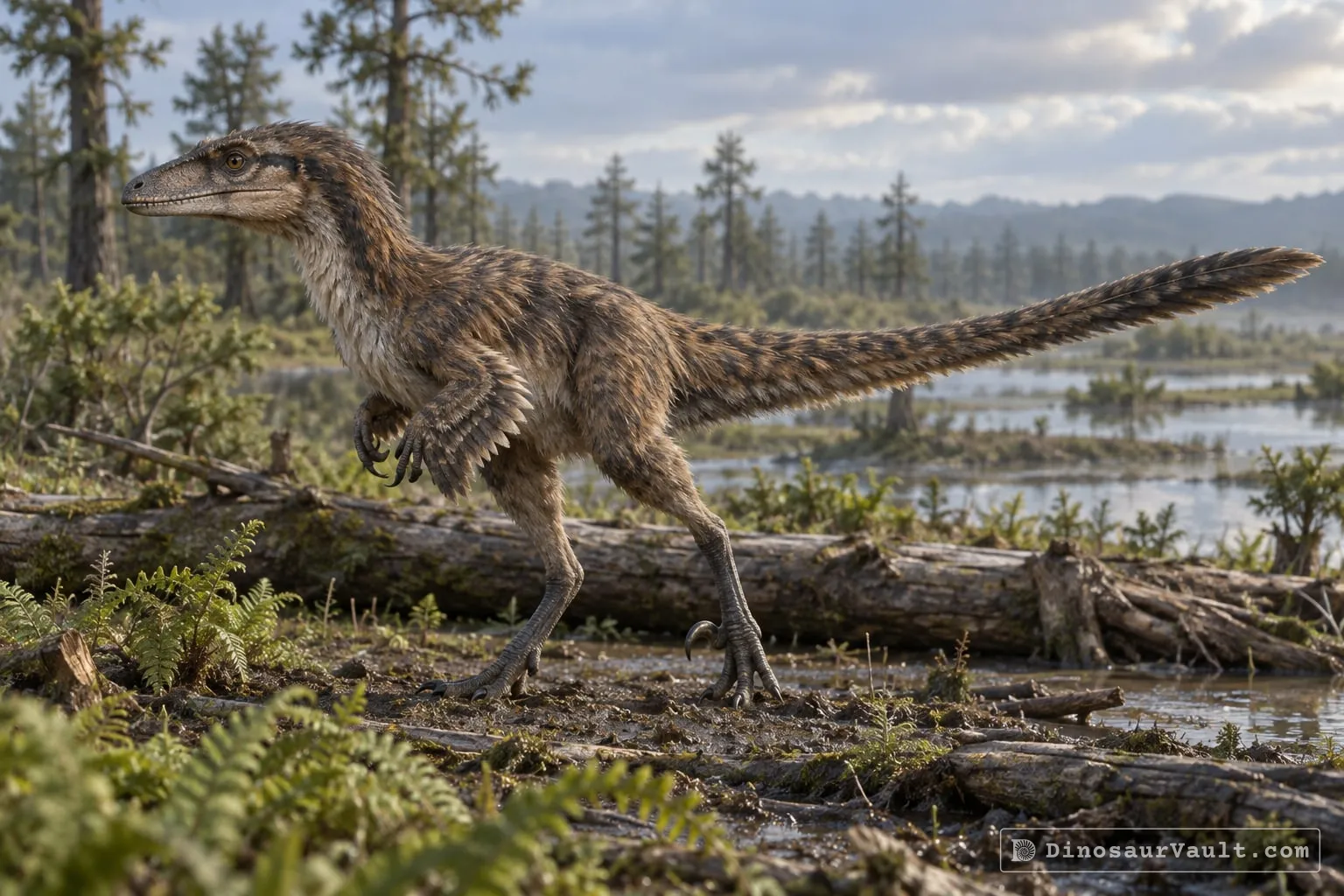
Balaur was a stocky feathered theropod with two large claws on each foot instead of one. It was first thought to be a relative of Velociraptor, but many scientists now think it was a flightless relative of the earliest birds.
Its world
It lived about 72 to 66 million years ago, at the end of the Late Cretaceous, in what is now Romania. The region was then an island, home to small dinosaurs such as the dwarf titanosaur Magyarosaurus and the plant eaters Zalmoxes and Telmatosaurus.
How it was found
Csiki and colleagues named it in 2010. Its name comes from a dragon of local folklore.
Field gallery
More views of Balaur
Scenes reconstructed from the available fossil evidence.
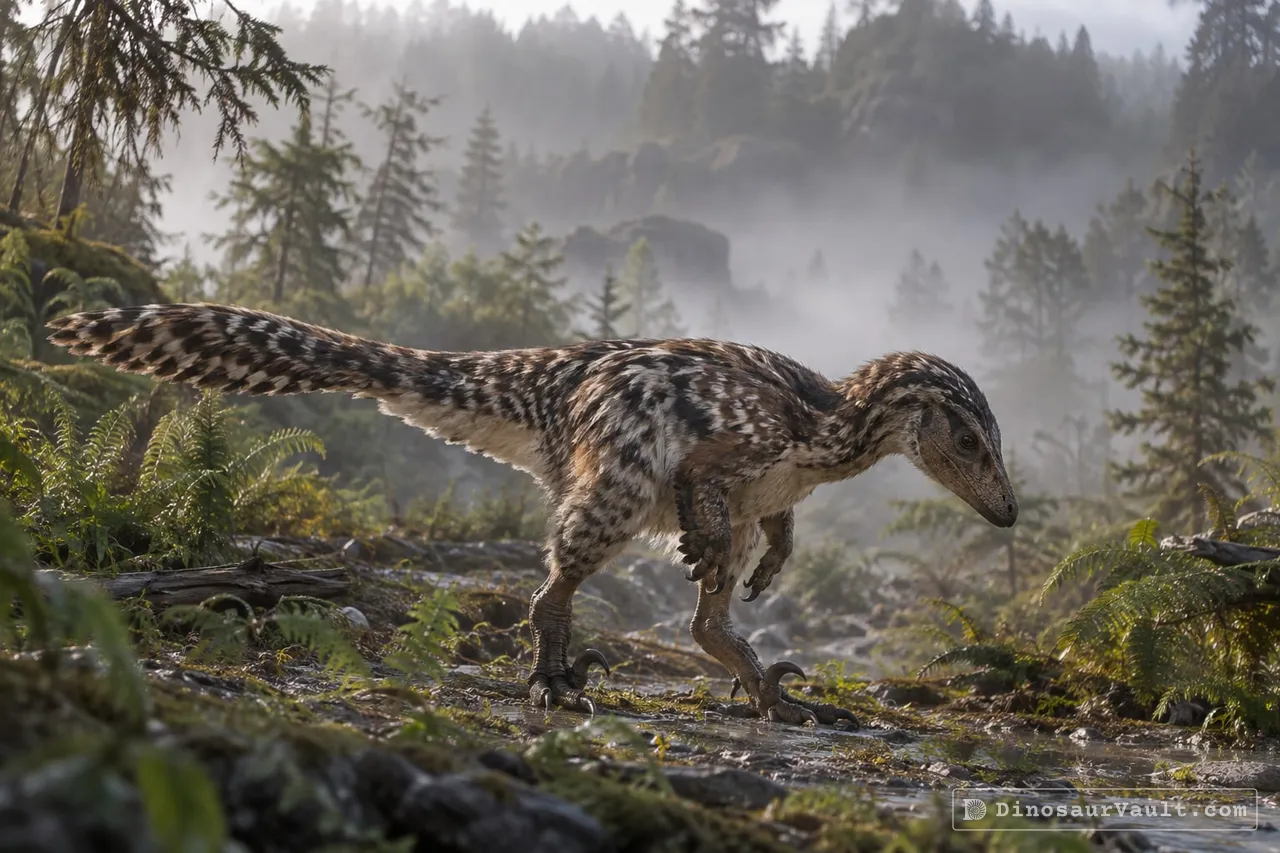
1 of 3
Lived alongside
Found in the same rock formations
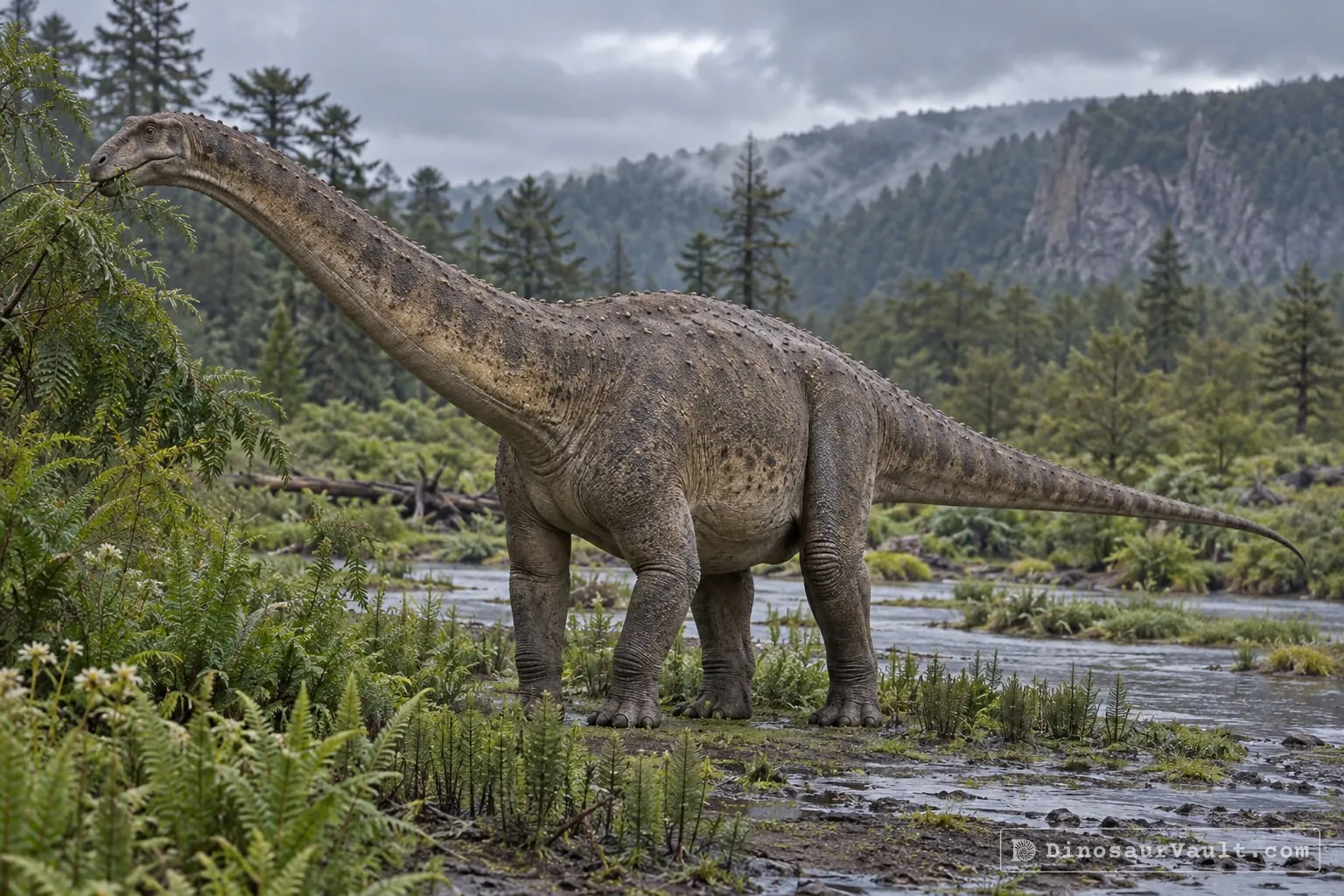
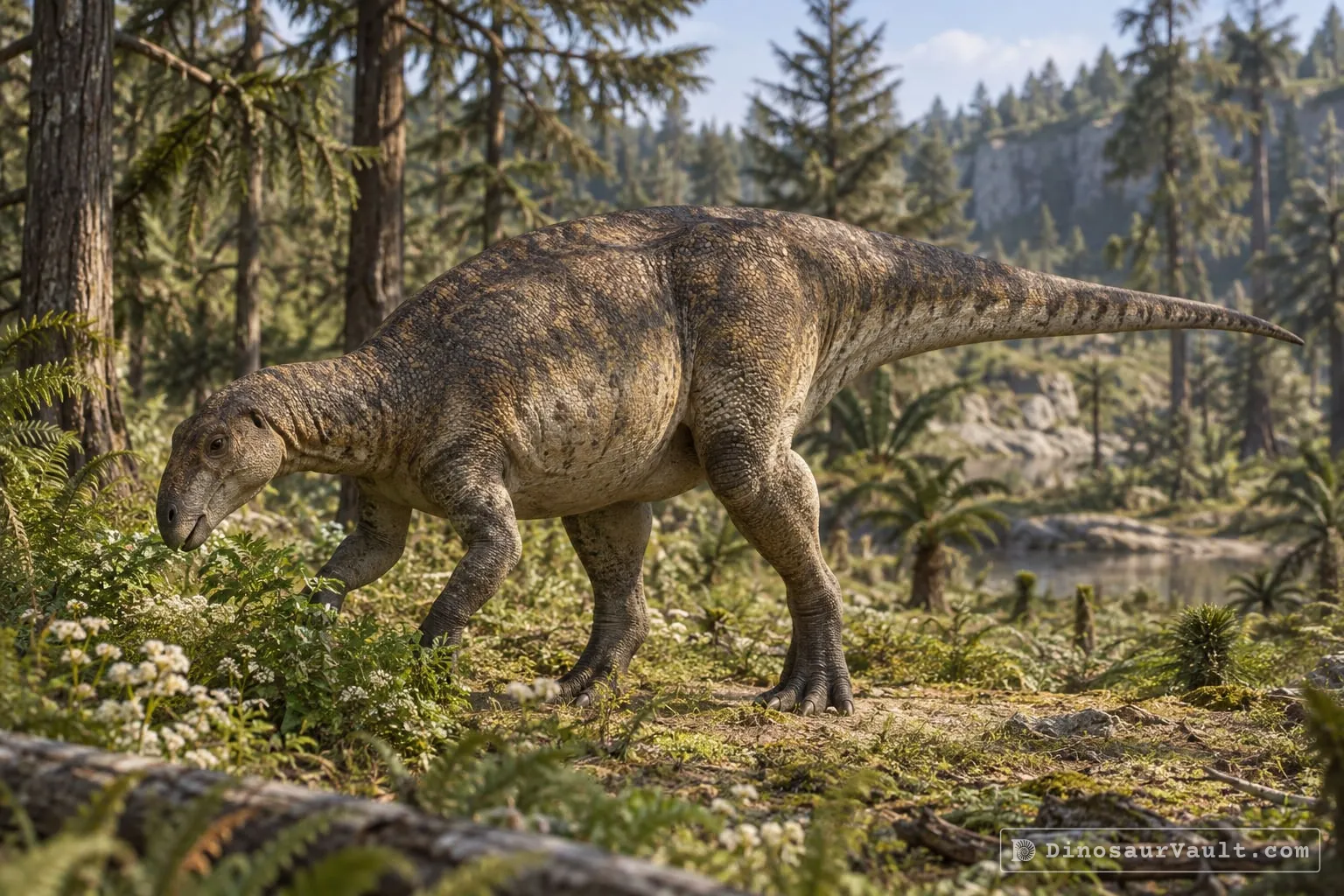
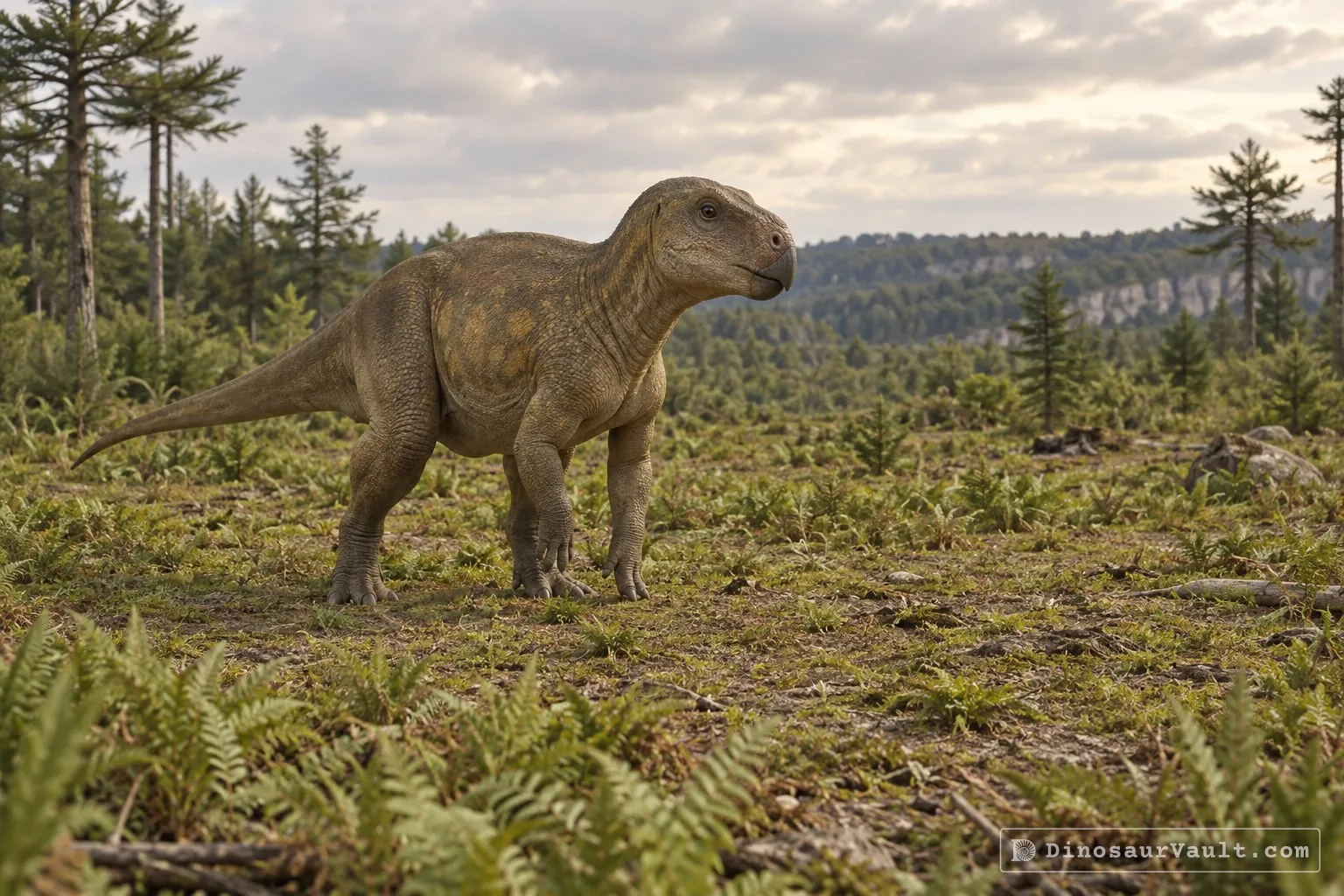
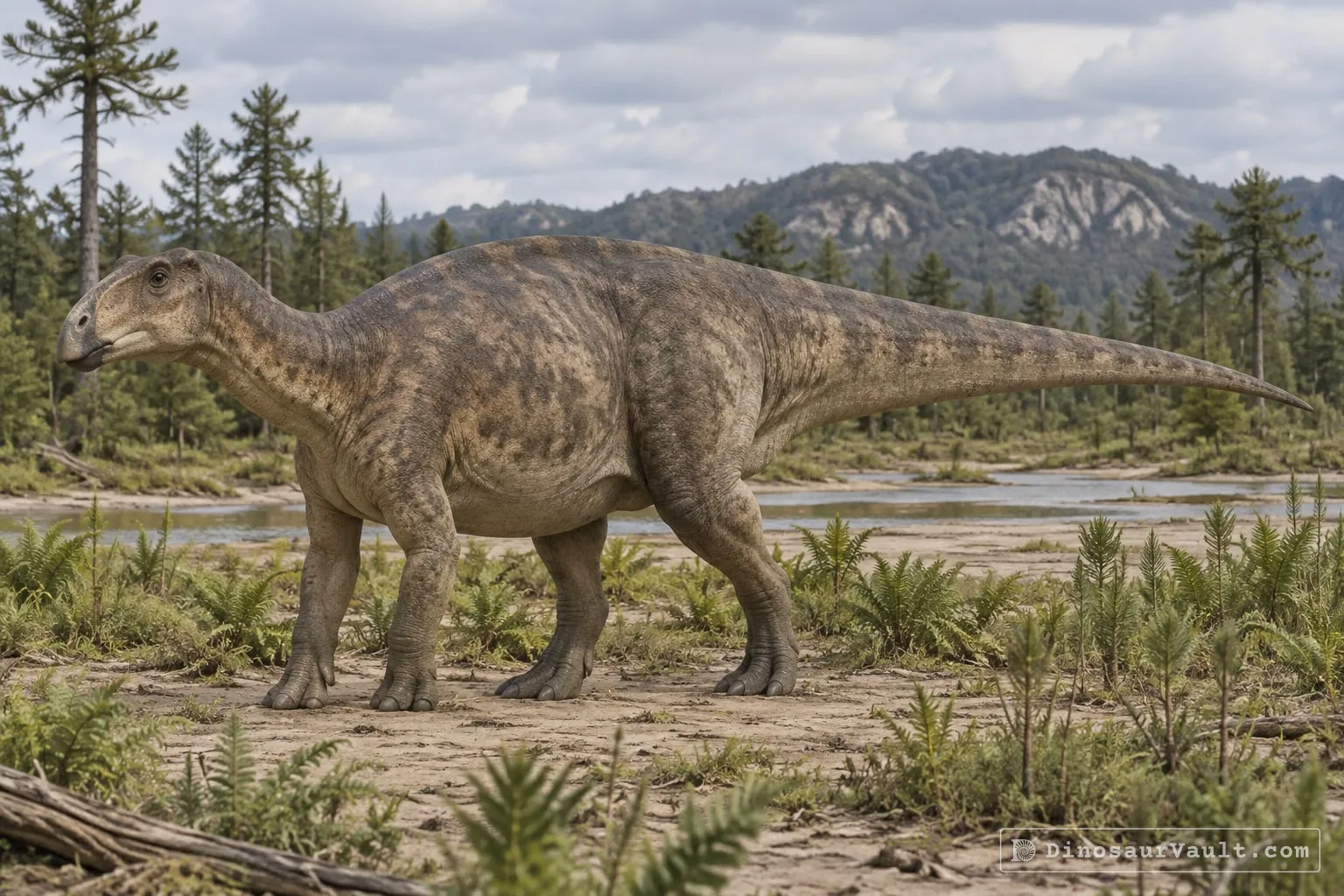
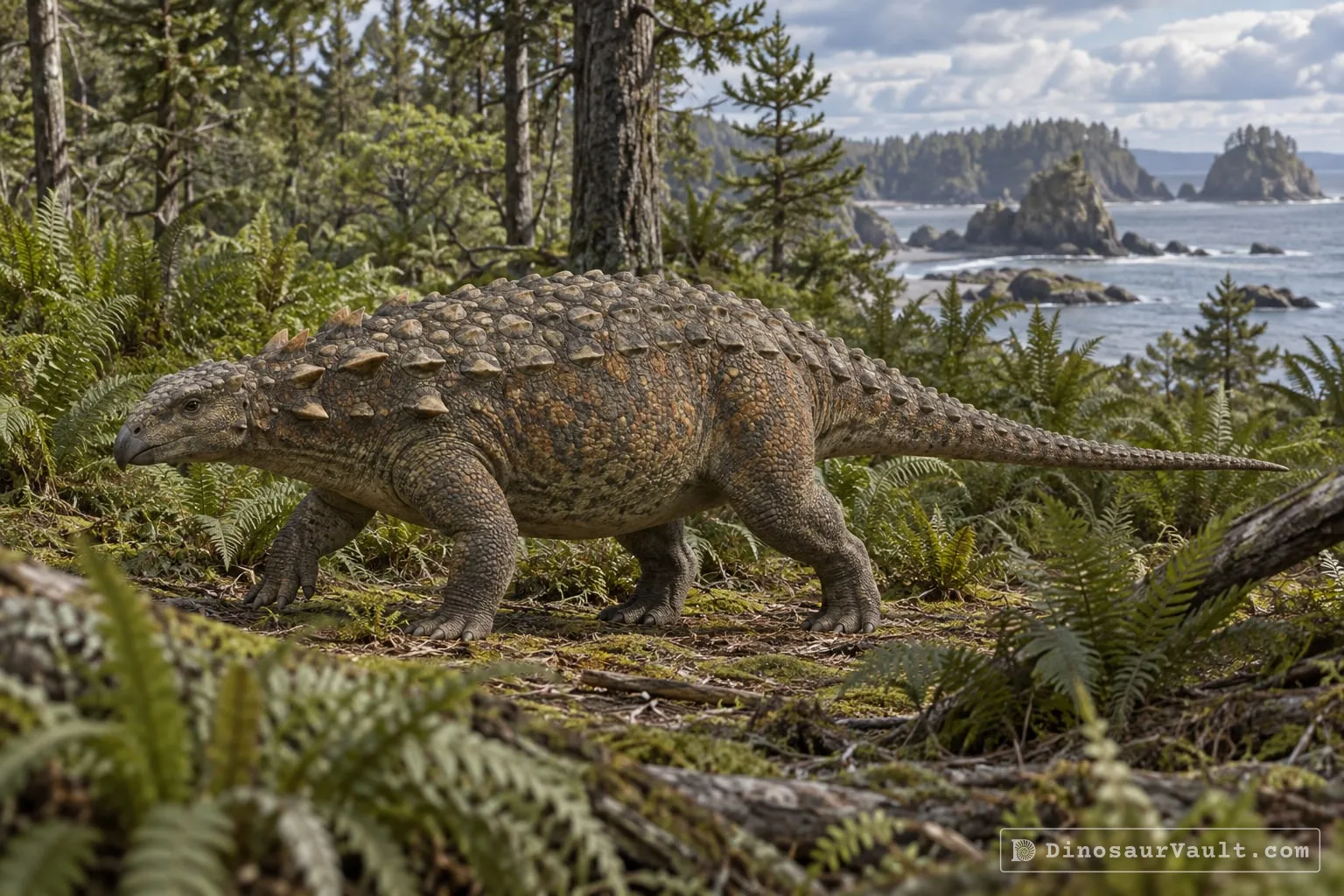
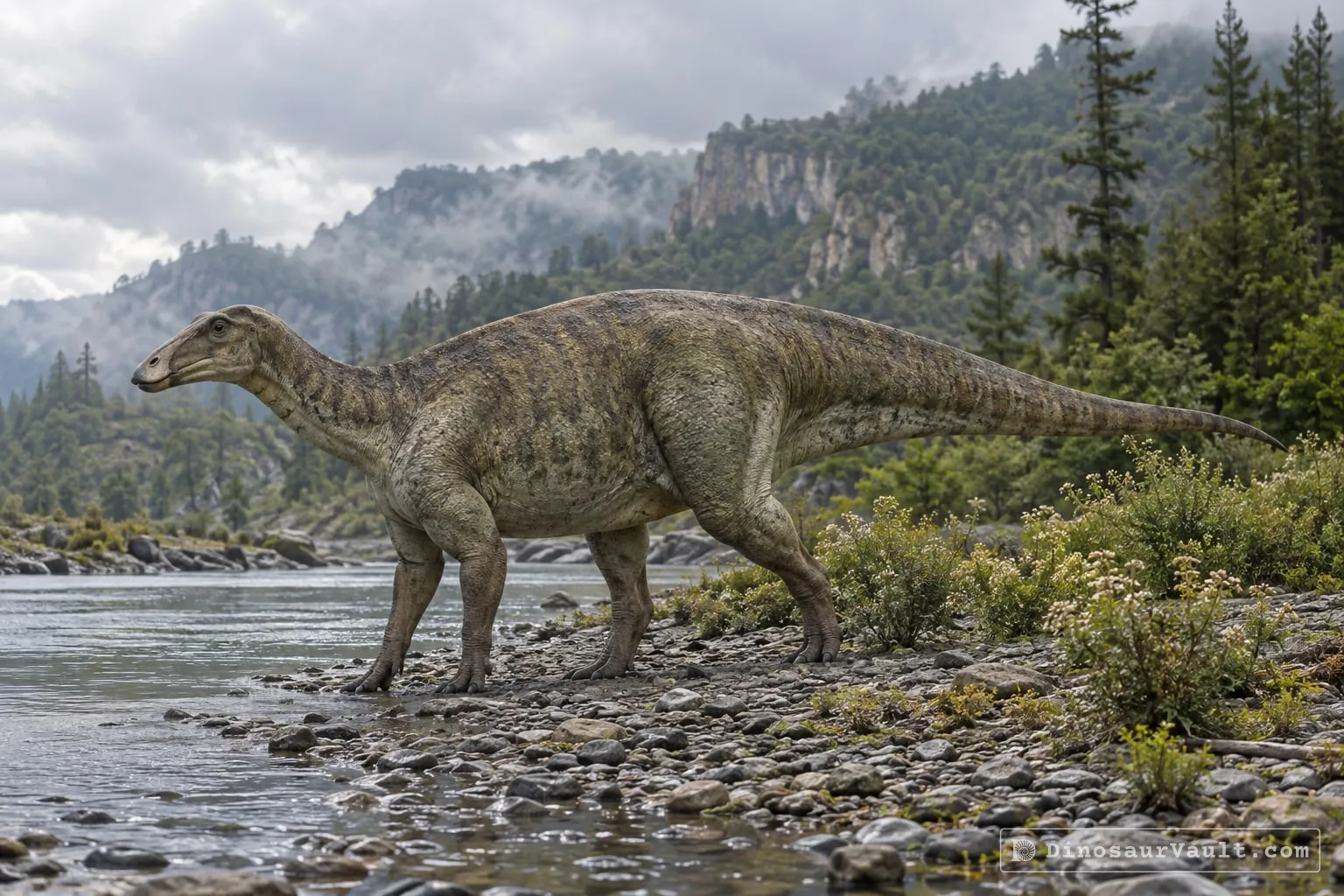
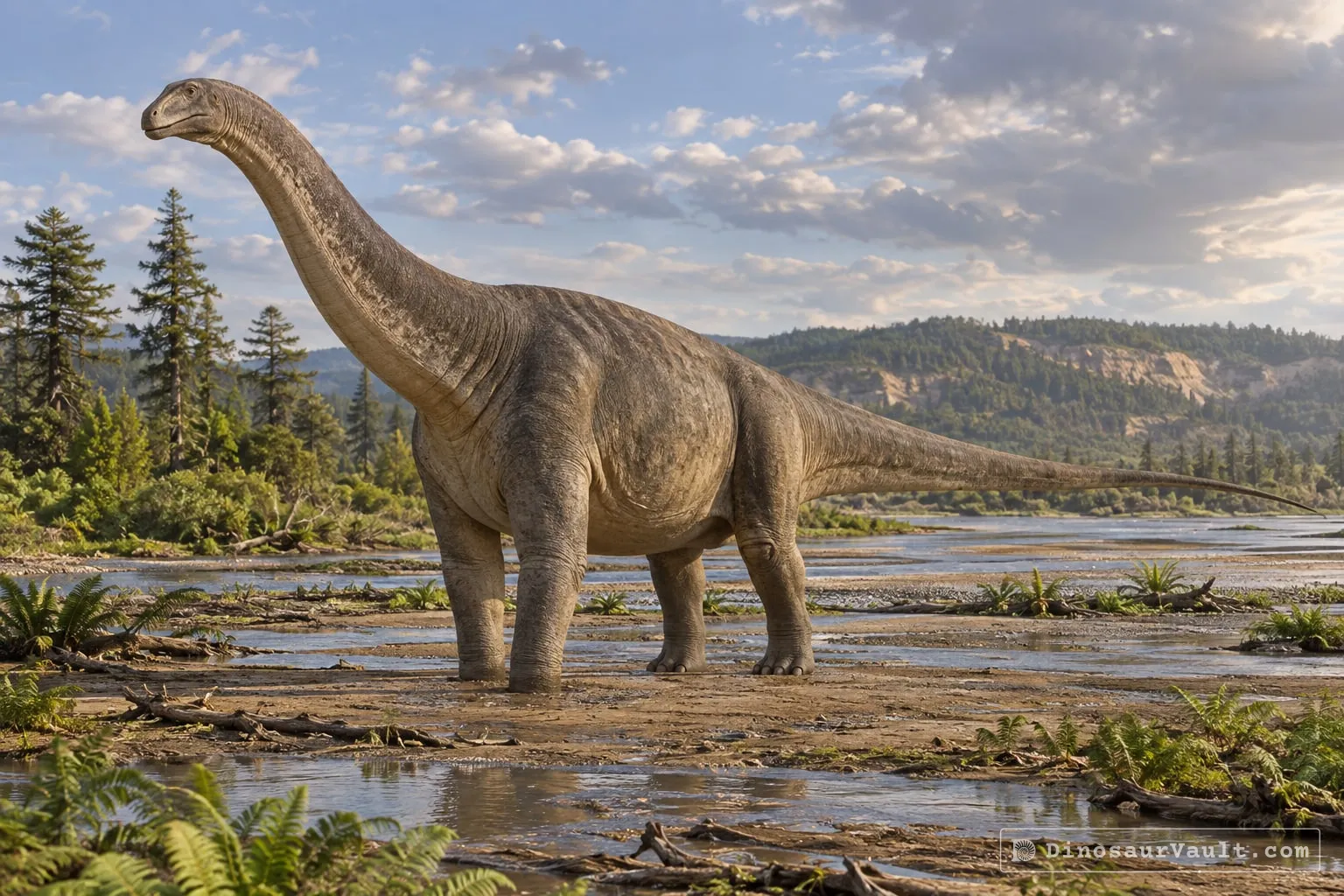


A rock formation can hold fossils laid down millions of years apart, so not every animal here met Balaur.
The evidence
The science behind Balaur
Which parts of the picture come from its own bones, and which come from its relatives.
From its own fossils
- One partial skeleton preserves backbones, hip bones, parts of both arms and hands, and the left lower leg and foot. No skull or thigh bones were found with it.
- Many bones of the hands and lower legs are fused. The third finger is a tiny nub, leaving two working fingers, and the first finger bears the largest hand claw.
- Its foot has enlarged claws on the first and second toes. The second claw is the larger, but it is less hooked than the sickle claw of Velociraptor.
Borrowed from relatives
- Feathers are restored from its place among feathered theropods and early birds. The feathers on its body and arms follow Zhenyuanlong, a raptor with preserved feathers.
- Its missing head and neck are restored by comparison with Linheraptor, and its missing thigh bones and the rest of its tail by comparison with Microraptor.
Still unknown
- Where it belongs in the family tree. Studies have placed it with relatives of Velociraptor, among flightless early birds, or close to Unenlagia.
- The shape of its head and the foods it ate.
- Its feather colors and how it grew.
Often drawn wrong
- A giant, raptor-style sickle claw on the second toe. That claw was only moderately curved.
- Three clawed fingers on each hand. The third finger was reduced to a tiny nub.
Discovery timeline
- 2010Named itCsiki et al.
- 2013Full descriptionBrusatte et al.
- 2015Family treeCau, Brougham & Naish
Key papers
The research behind what we know of Balaur
Named it
Named a stocky theropod with fused limb bones and enlarged claws on two toes, initially interpreting it as a relative of Velociraptor.
An aberrant island-dwelling theropod dinosaur from the Late Cretaceous of Romania. Proceedings of the National Academy of Sciences 107: 15357-15361
Read the paper : An aberrant island-dwelling theropod dinosaur from the Late Cretaceous of Romania (opens in a new tab)Full description
Described the skeleton in detail and explored how its unusual anatomy might reflect life on an island.
The Osteology of Balaur bondoc, an Island-Dwelling Dromaeosaurid (Dinosauria: Theropoda) from the Late Cretaceous of Romania. Bulletin of the American Museum of Natural History 374: 1-100
Read the paper : The Osteology of Balaur bondoc, an Island-Dwelling Dromaeosaurid (Dinosauria: Theropoda) from the Late Cretaceous of Romania (opens in a new tab)Family tree
Reanalyzed its anatomy and supported a flightless early bird interpretation, while retaining a possible relationship with relatives of Velociraptor.
The phylogenetic affinities of the bizarre Late Cretaceous Romanian theropod Balaur bondoc (Dinosauria, Maniraptora): dromaeosaurid or flightless bird? PeerJ 3: e1032
Read the paper : The phylogenetic affinities of the bizarre Late Cretaceous Romanian theropod Balaur bondoc (Dinosauria, Maniraptora): dromaeosaurid or flightless bird? (opens in a new tab)
Close relatives
Other members of Dromaeosauridae


Sources: Wikidata