Laevisuchus
"light crocodile"
Type species Laevisuchus indicus
- Lived
- 72 to 66 million years ago, Late Cretaceous
- Diet
- Carnivore
- Group
- Theropods, Noasauridae
- Found in
- India
- Named by
- Huene 1933
Where its fossils were found
The evidence
Today

70 million years ago
Habitat
Rivers and shallow floodplain waters crossed the land now called India. Rajasaurus, Rahiolisaurus and Isisaurus are also known from the Lameta Formation.
Field notes
About Laevisuchus
What it was like
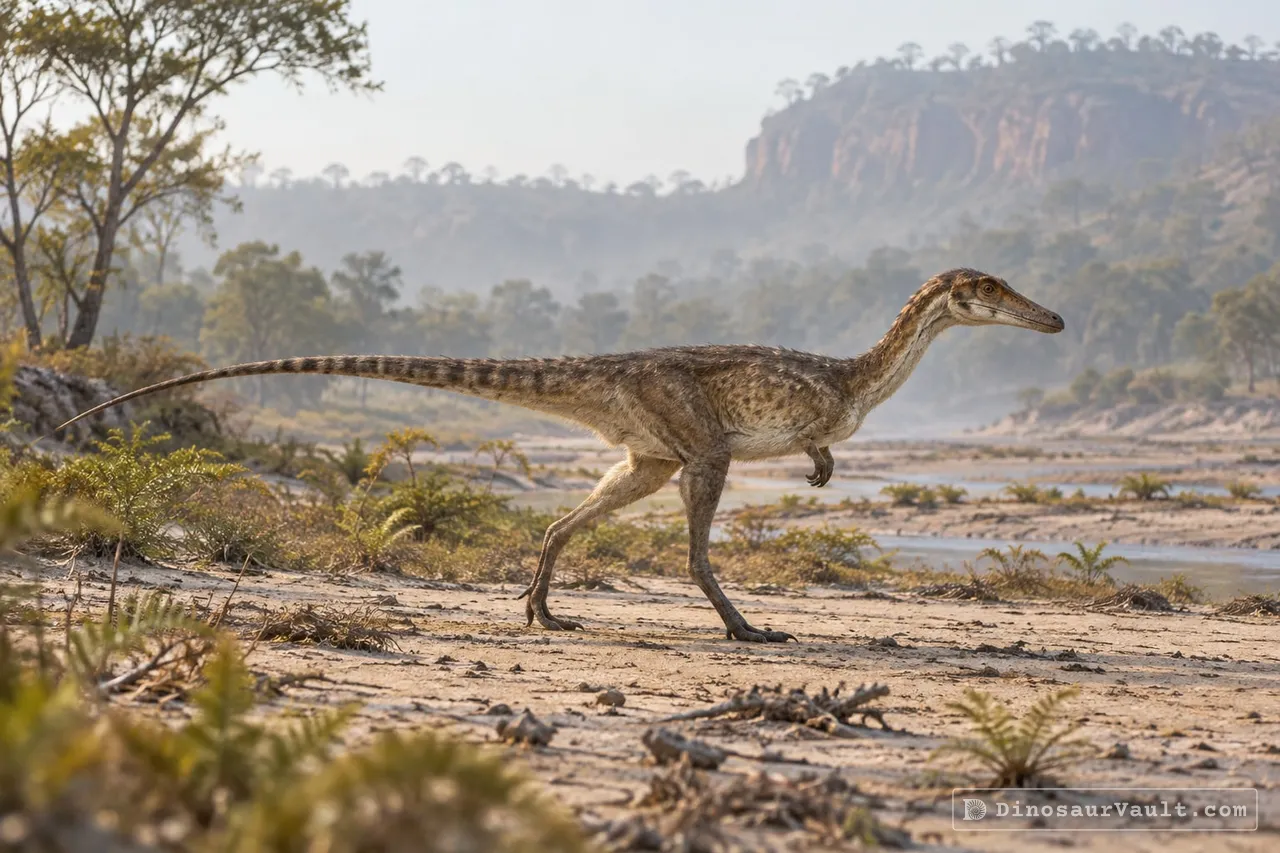
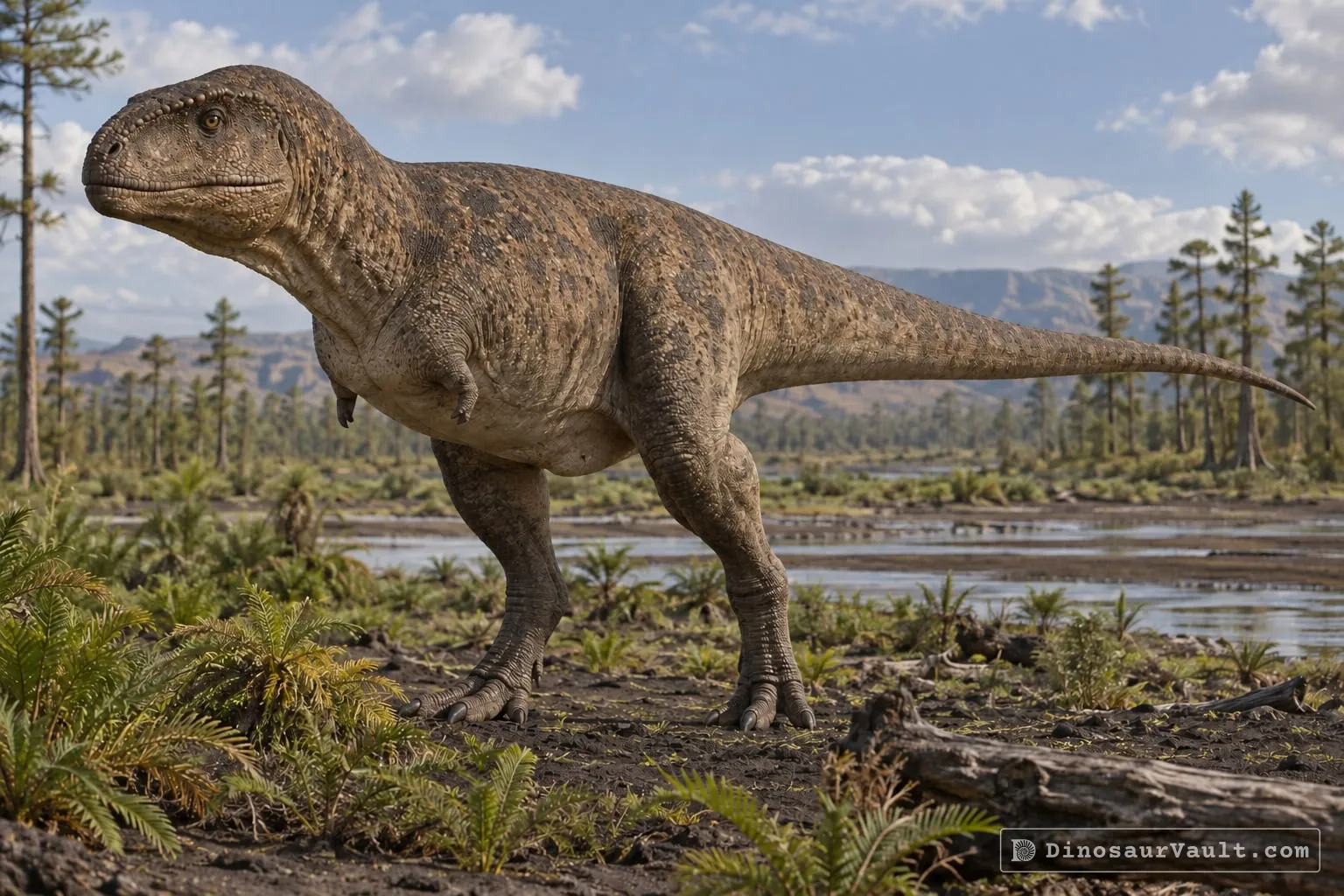
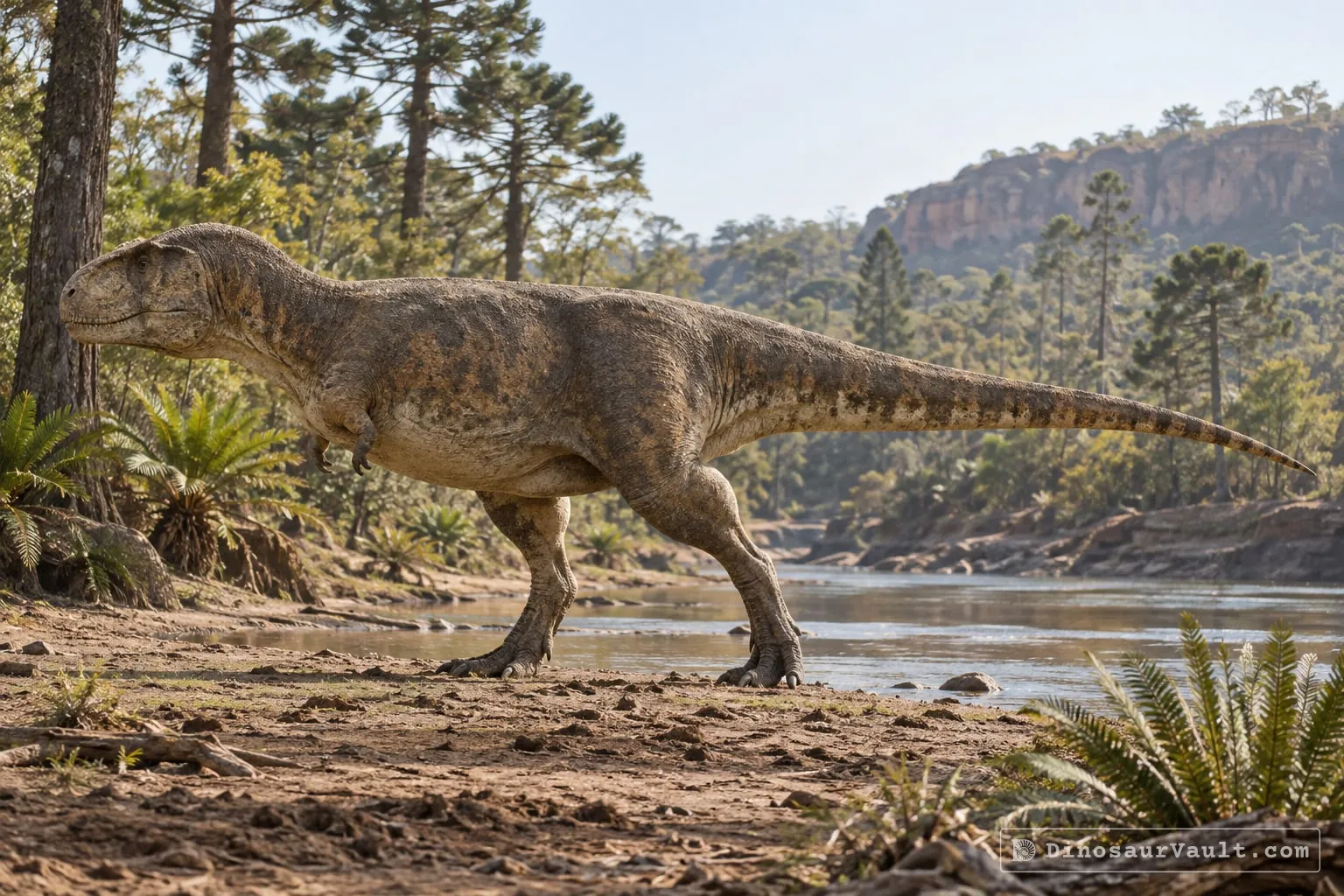
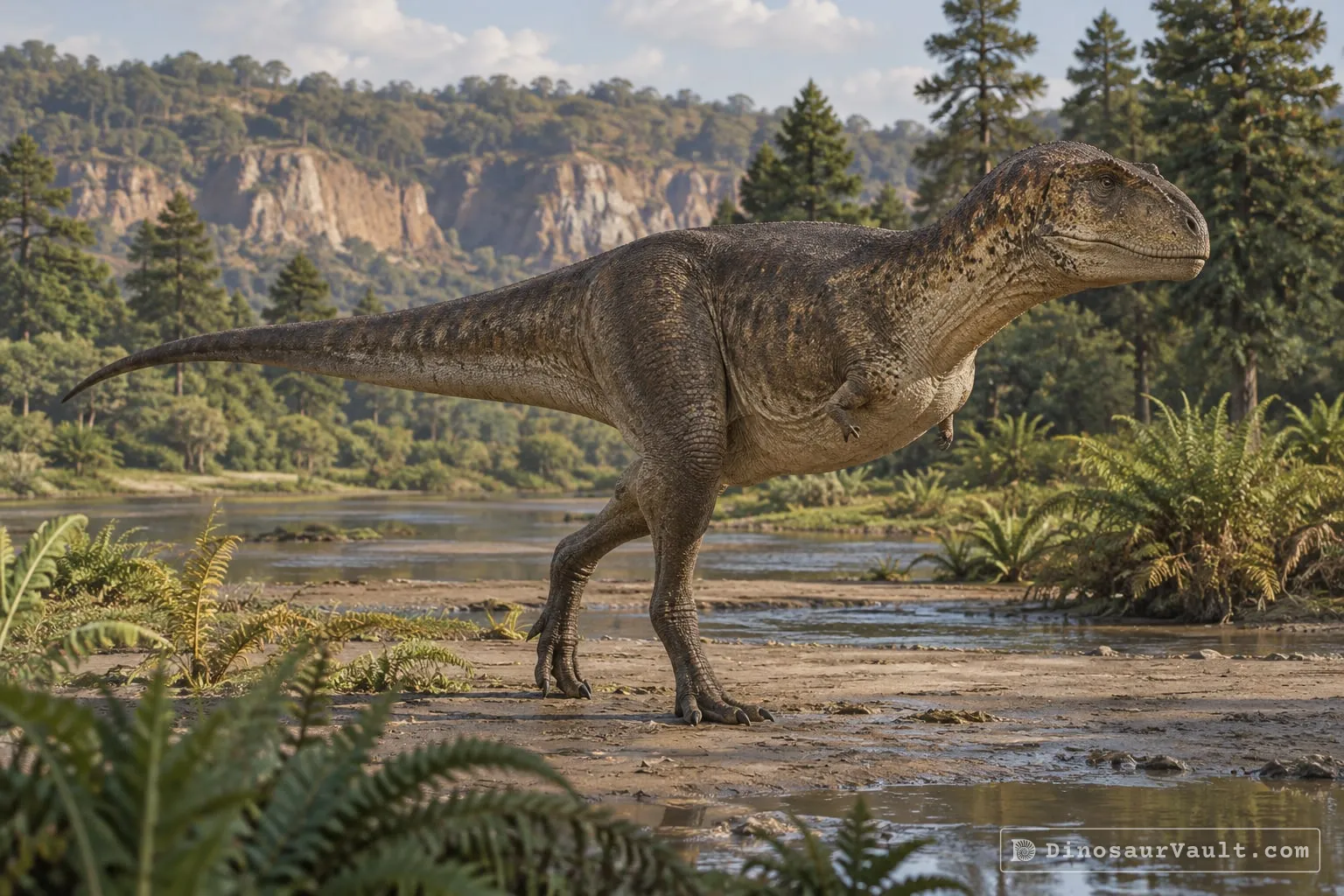
Laevisuchus was a small, slender noasaurid, a lightly built predator. It is known only from a few neck bones.
Its world
It lived about 72 to 66 million years ago, near the end of the Cretaceous, in what is now India. It comes from the Lameta Formation, where it shared the land with the larger abelisaurs Rajasaurus and Rahiolisaurus and the titanosaurs Isisaurus and Jainosaurus.
How it was found
Huene named Laevisuchus in 1933. The type species is Laevisuchus indicus.
Field gallery
More views of Laevisuchus
Scenes reconstructed from the available fossil evidence.
1 of 3
Lived alongside
Found in the same rock formations
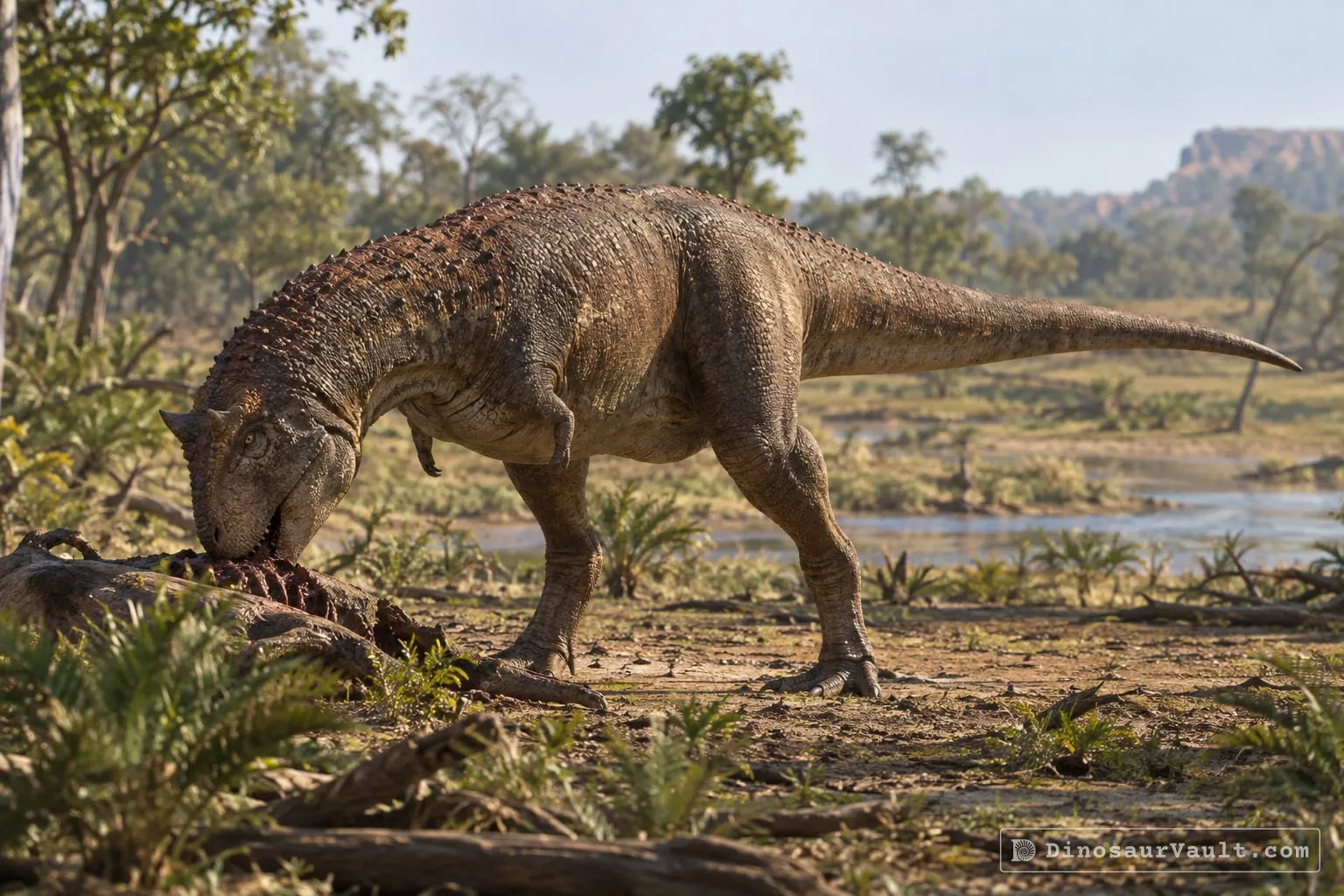
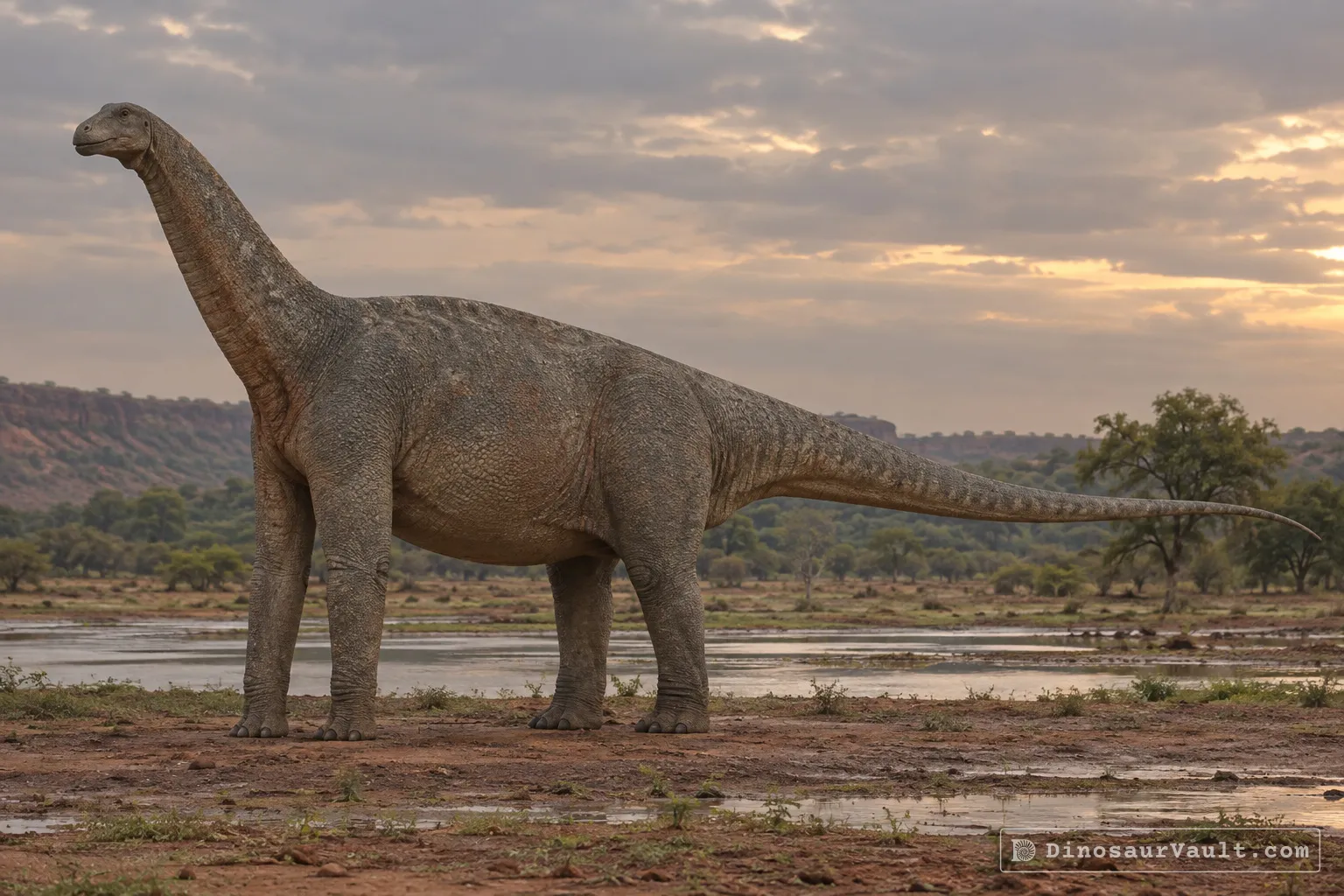
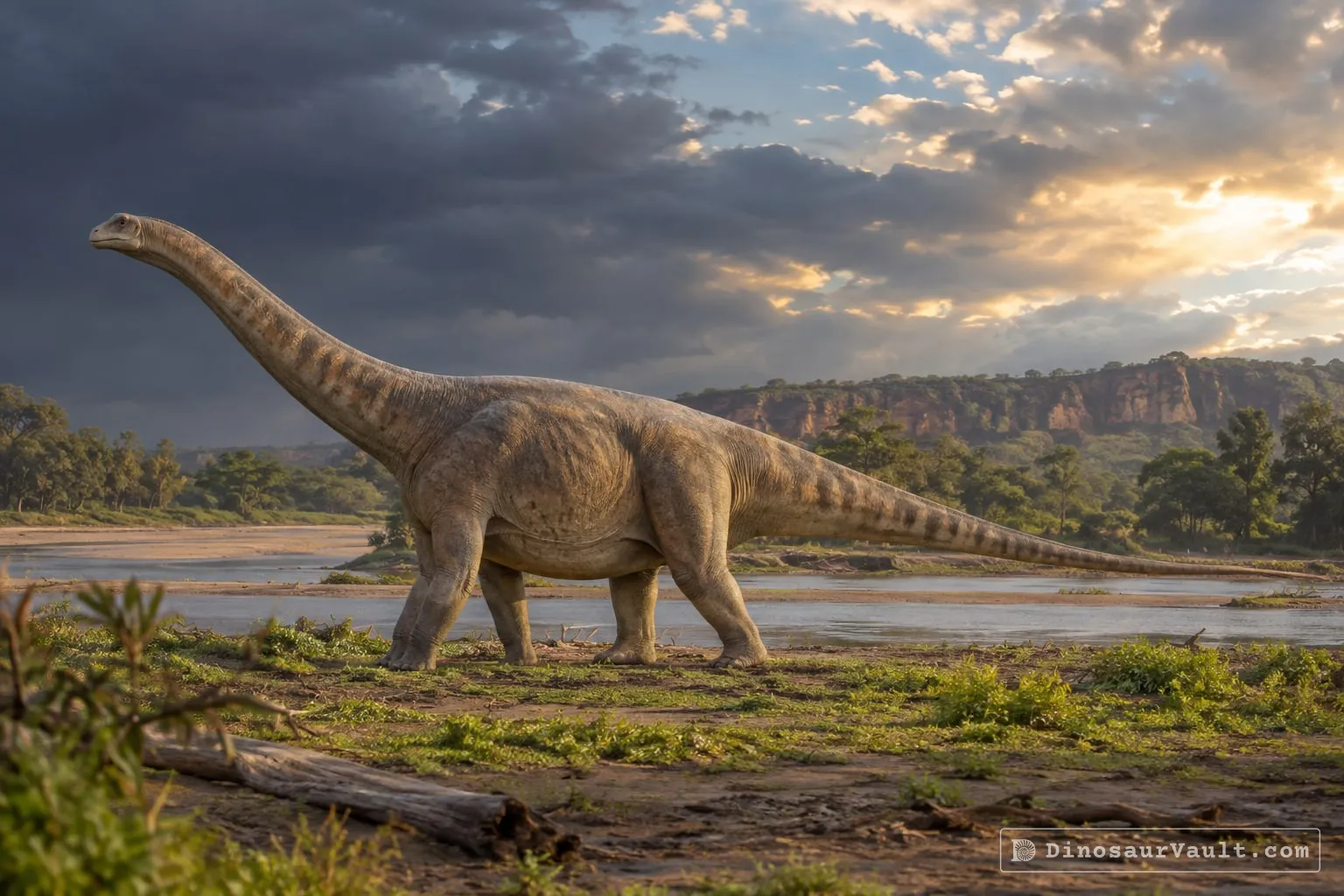
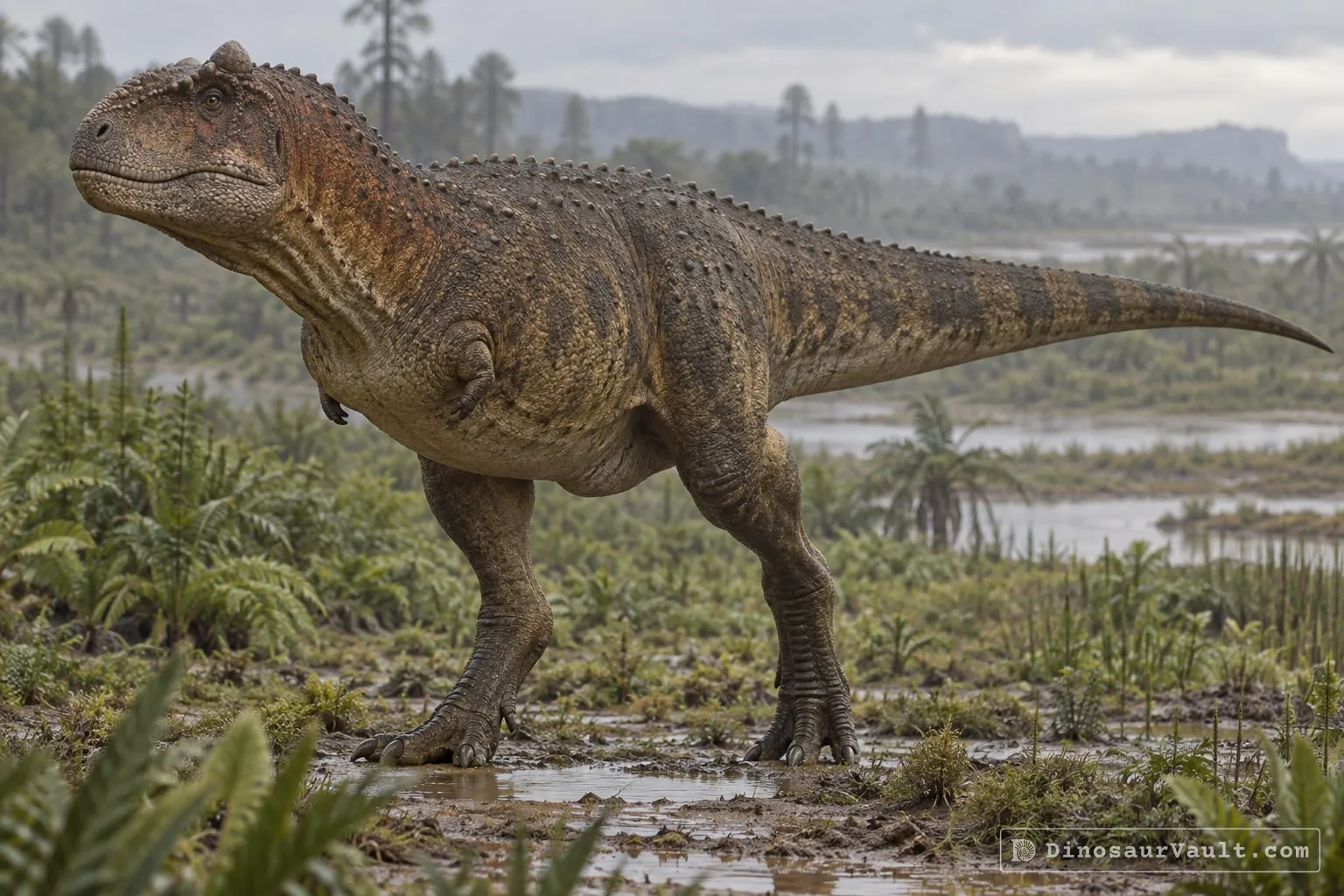
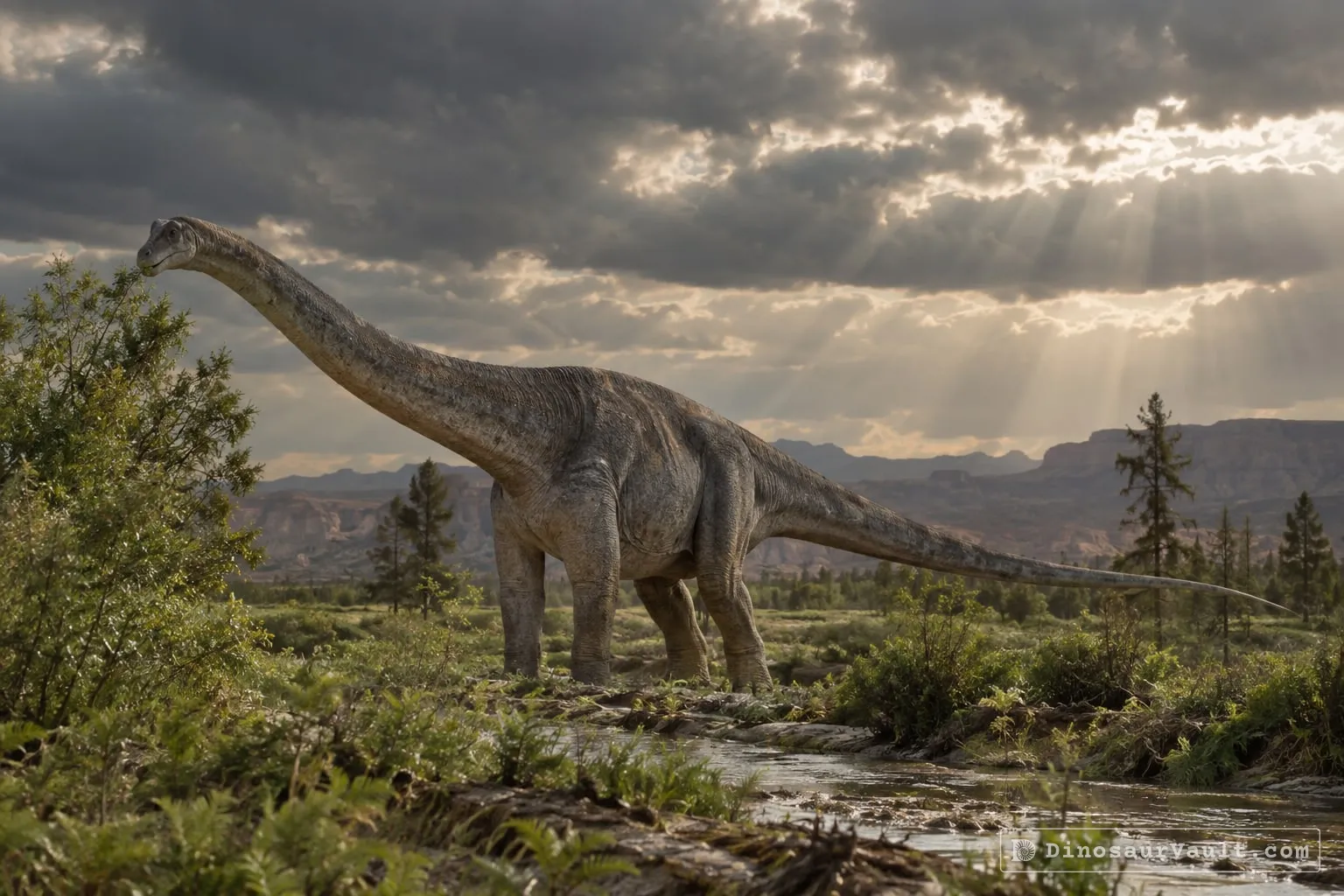


A rock formation can hold fossils laid down millions of years apart, so not every animal here met Laevisuchus.
The evidence
The science behind Laevisuchus
Which parts of the picture come from its own bones, and which come from its relatives.
From its own fossils
- A few neck vertebrae form the main basis for recognizing Laevisuchus.
- The neck bones have low spines and features that distinguish them from those of other noasaurids.
Borrowed from relatives
- Masiakasaurus provides a comparison for the missing head, arms and much of the body.
- Noasaurus helps restore the curved claws on the missing hands.
Still unknown
- The shape of its skull and teeth.
- The complete anatomy of its hands and feet.
- Its body proportions and skin covering.
Discovery timeline
- 1933Named itHuene & Matley
- 2023RedescriptionMohabey et al.
- 2024Close relativeHendrickx et al.
Key papers
The research behind what we know of Laevisuchus
Named it
Named a small theropod from vertebrae found in the Late Cretaceous rocks of India.
The Cretaceous Saurischia and Ornithischia of the Central Provinces of India. Palaeontologica Indica (New Series), Memoirs of the Geological Survey of India 21: 1-74
No link available
Redescription
Redescribed Laevisuchus and other small Indian theropods, supporting its identity as a noasaurid with distinctive neck bones.
A review of small-bodied theropod dinosaurs from the Upper Cretaceous of India, with description of new cranial remains of a noasaurid (Theropoda: Abelisauria). Journal of Vertebrate Paleontology 43
Read the paper : A review of small-bodied theropod dinosaurs from the Upper Cretaceous of India, with description of new cranial remains of a noasaurid (Theropoda: Abelisauria) (opens in a new tab)Close relative
Described Noasaurus anatomy, including its curved hand claw, and compared the neck bones of noasaurids including Laevisuchus.
Osteology, relationship, and feeding ecology of the theropod dinosaur Noasaurus leali , from the Late Cretaceous of North-Western Argentina. Zoological Journal of the Linnean Society 202
Read the paper : Osteology, relationship, and feeding ecology of the theropod dinosaur Noasaurus leali , from the Late Cretaceous of North-Western Argentina (opens in a new tab)
Close relatives
Other members of Noasauridae


Sources: Wikidata