Rahiolisaurus
- Lived
- 72 to 66 million years ago, Late Cretaceous
- Diet
- Carnivore
- Group
- Theropods, Abelisauridae
- Found in
- India
- Named by
- Novas et al. 2010
Where its fossils were found
The evidence
Today

70 million years ago
Habitat
It lived on a river plain in India, recorded in the Lameta Formation. Other dinosaurs from these rocks include Rajasaurus, Isisaurus and Jainosaurus.
Field notes
About Rahiolisaurus
What it was like
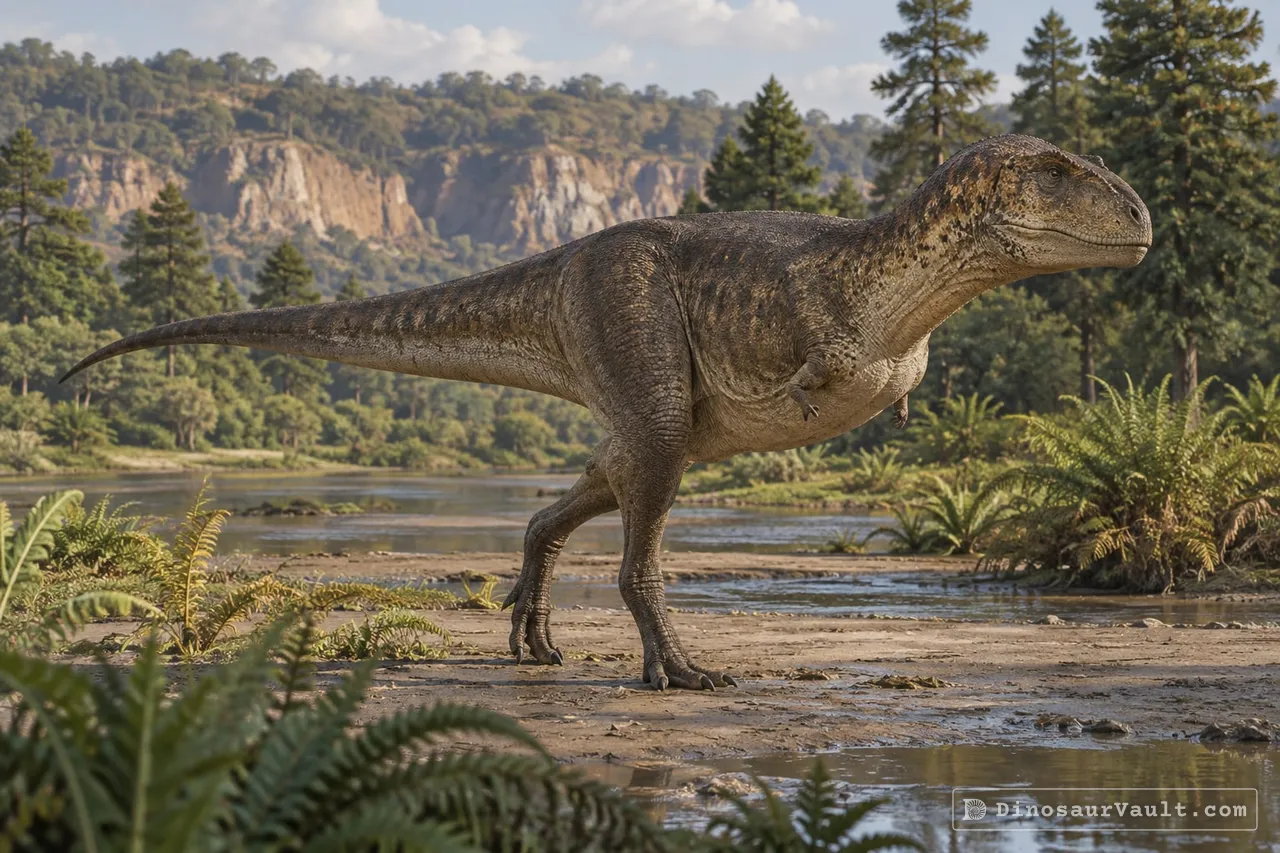
Rahiolisaurus was an abelisaur, a heavy predator with tiny arms. It is known from bones of several animals found together, which suggests they may have died together.
Its world
It lived about 72 to 66 million years ago, near the end of the Cretaceous, in what is now India. It comes from the Lameta Formation, where it shared the land with the larger abelisaur Rajasaurus and the titanosaurs Isisaurus and Jainosaurus.
How it was found
Novas and colleagues named Rahiolisaurus in 2010.
Field gallery
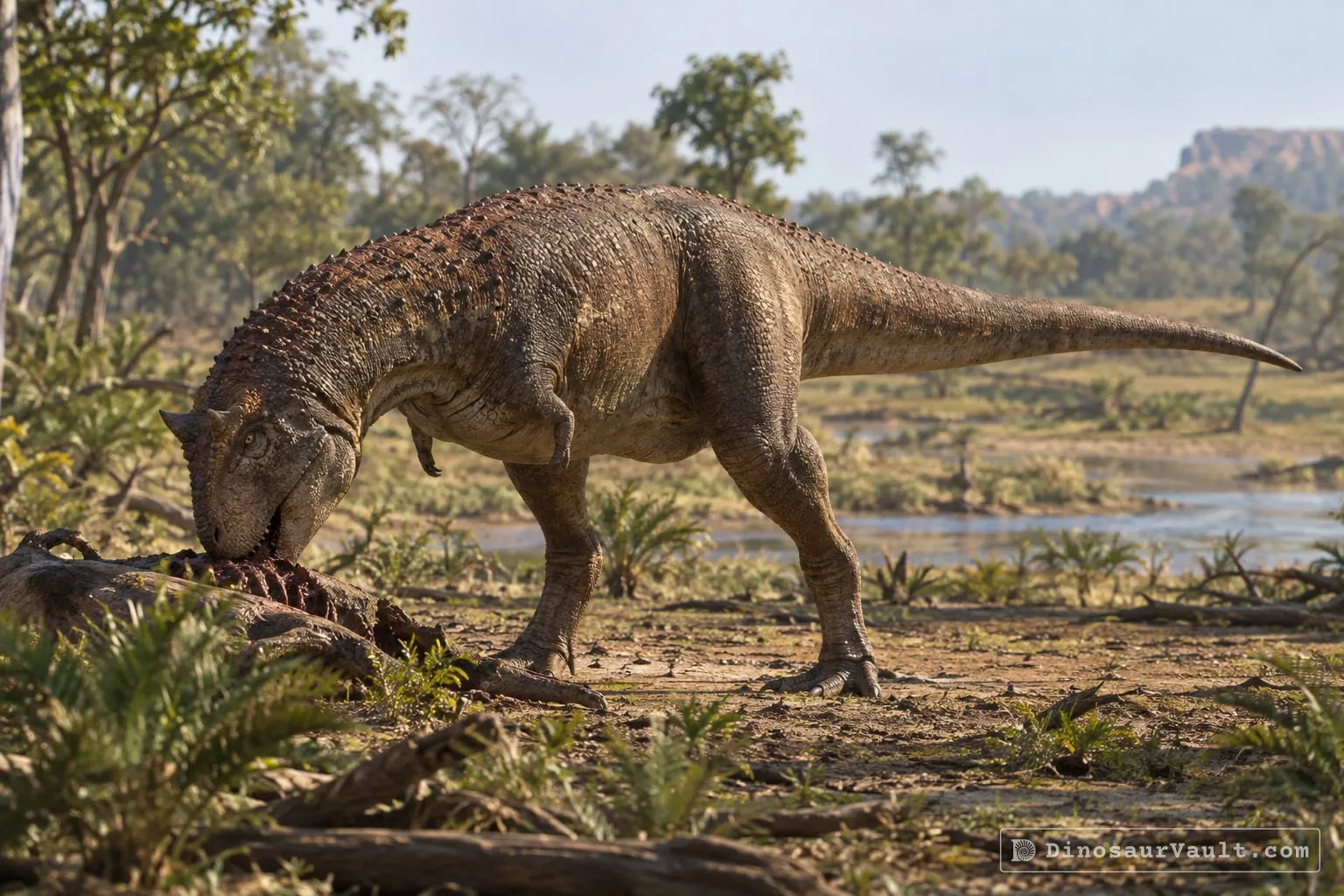
More views of Rahiolisaurus
Scenes reconstructed from the available fossil evidence.
1 of 3
Lived alongside
Found in the same rock formations
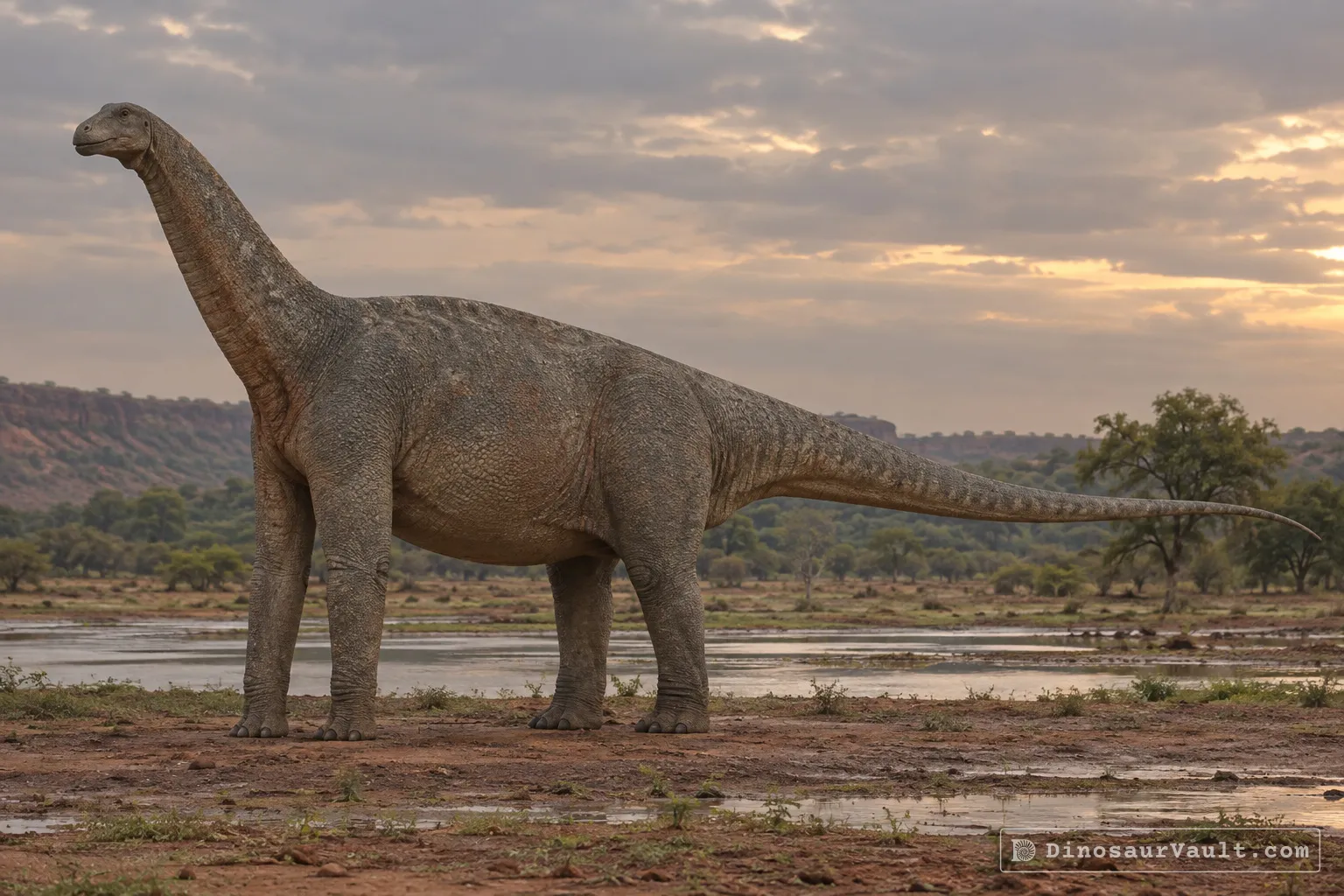
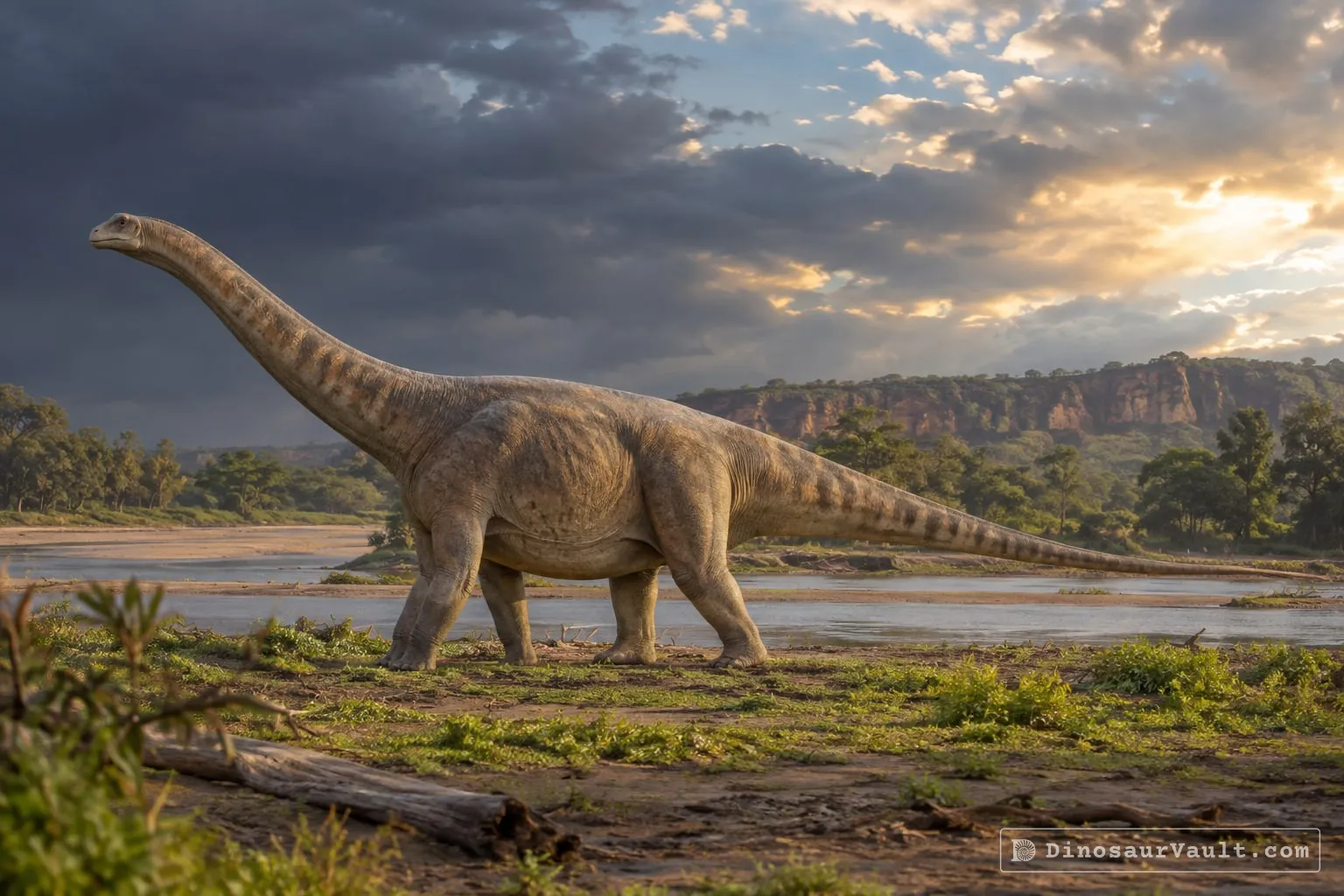
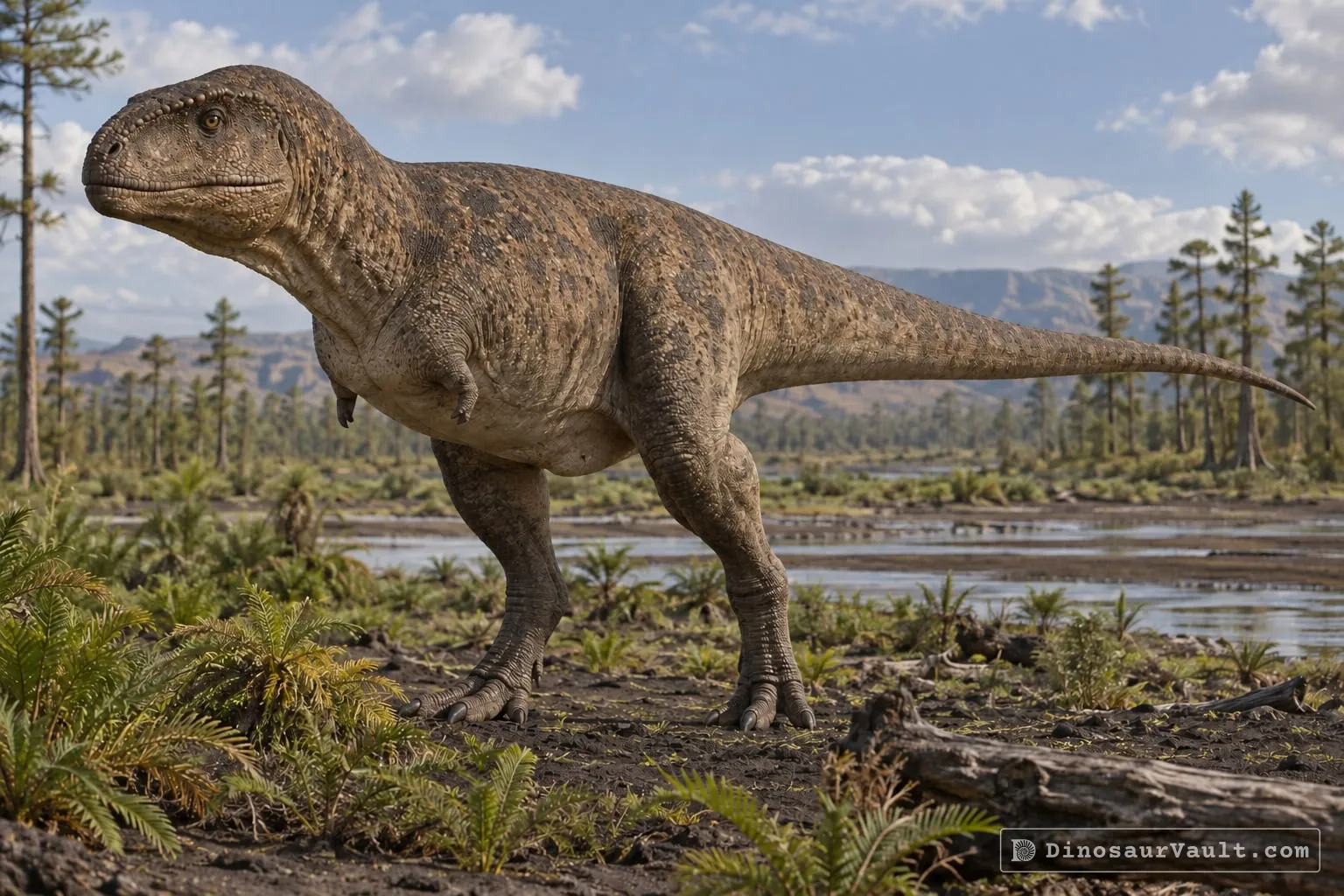
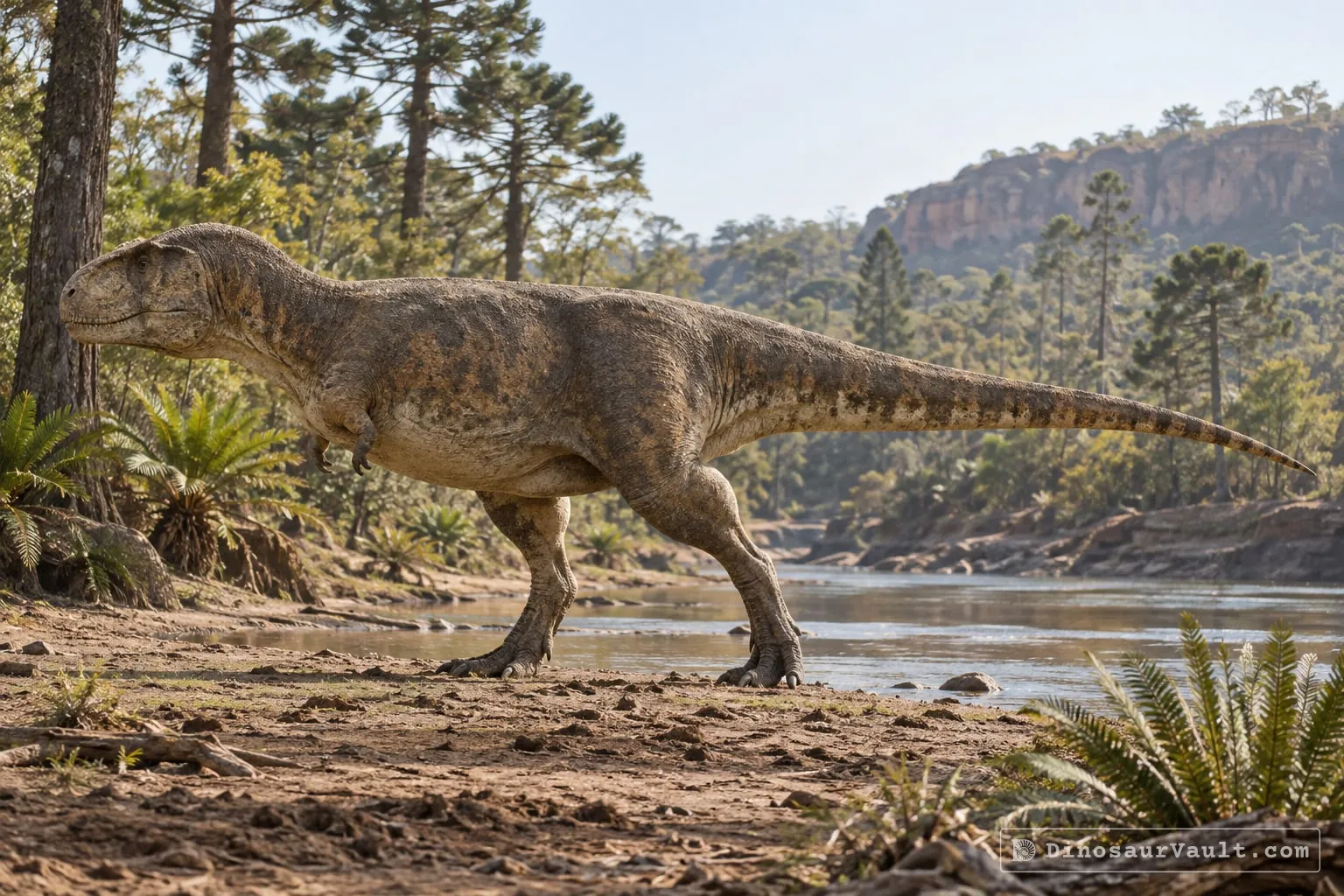
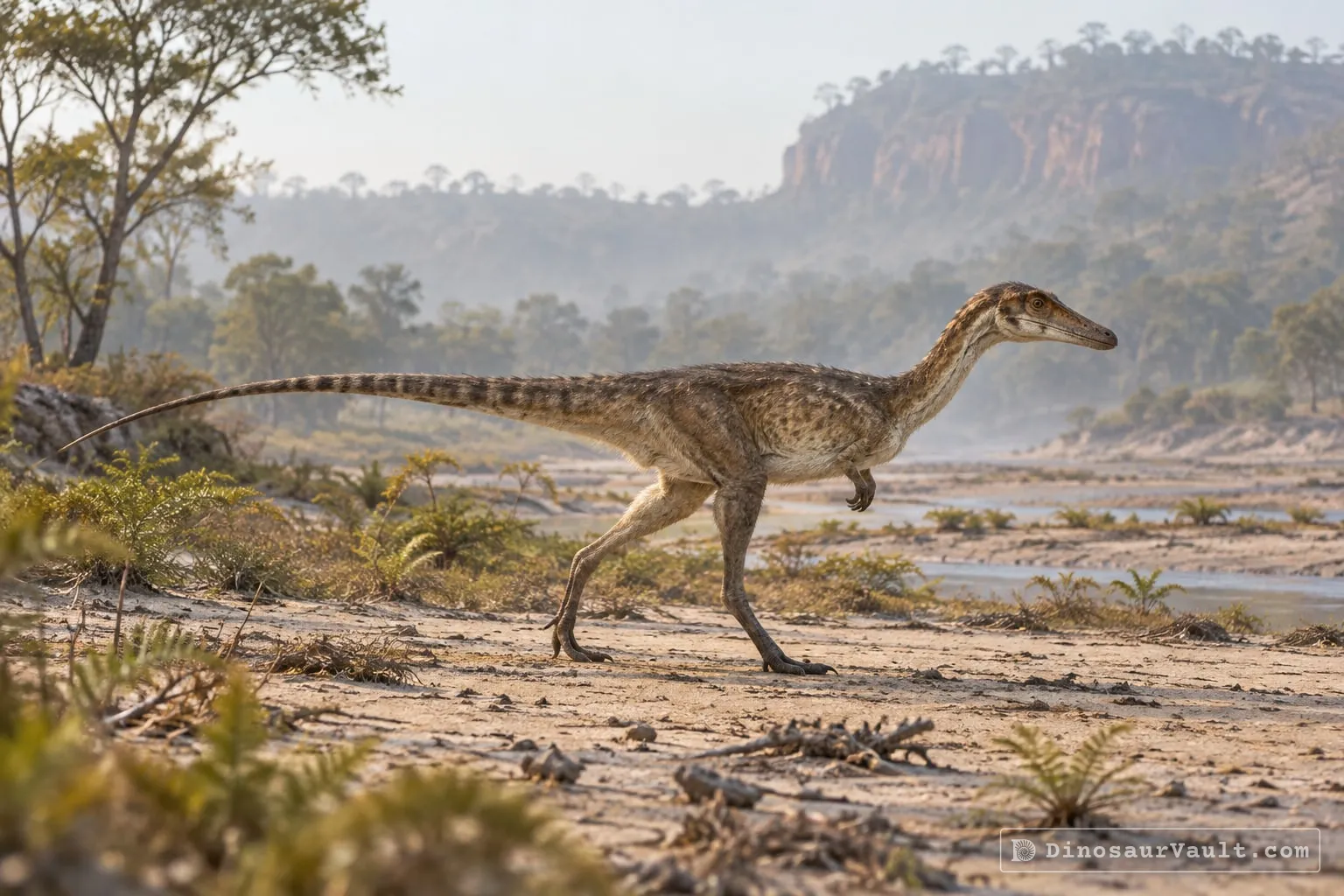
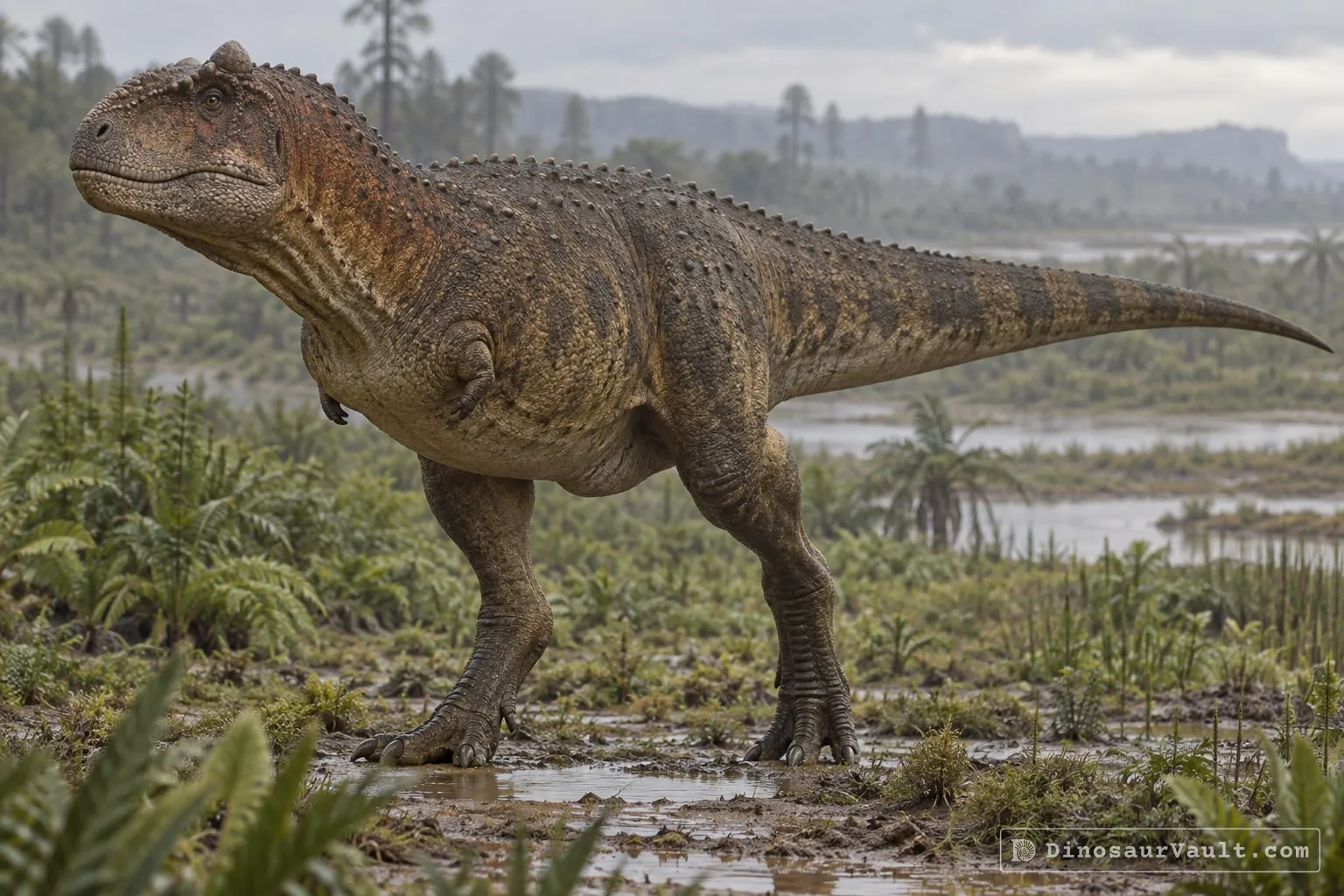
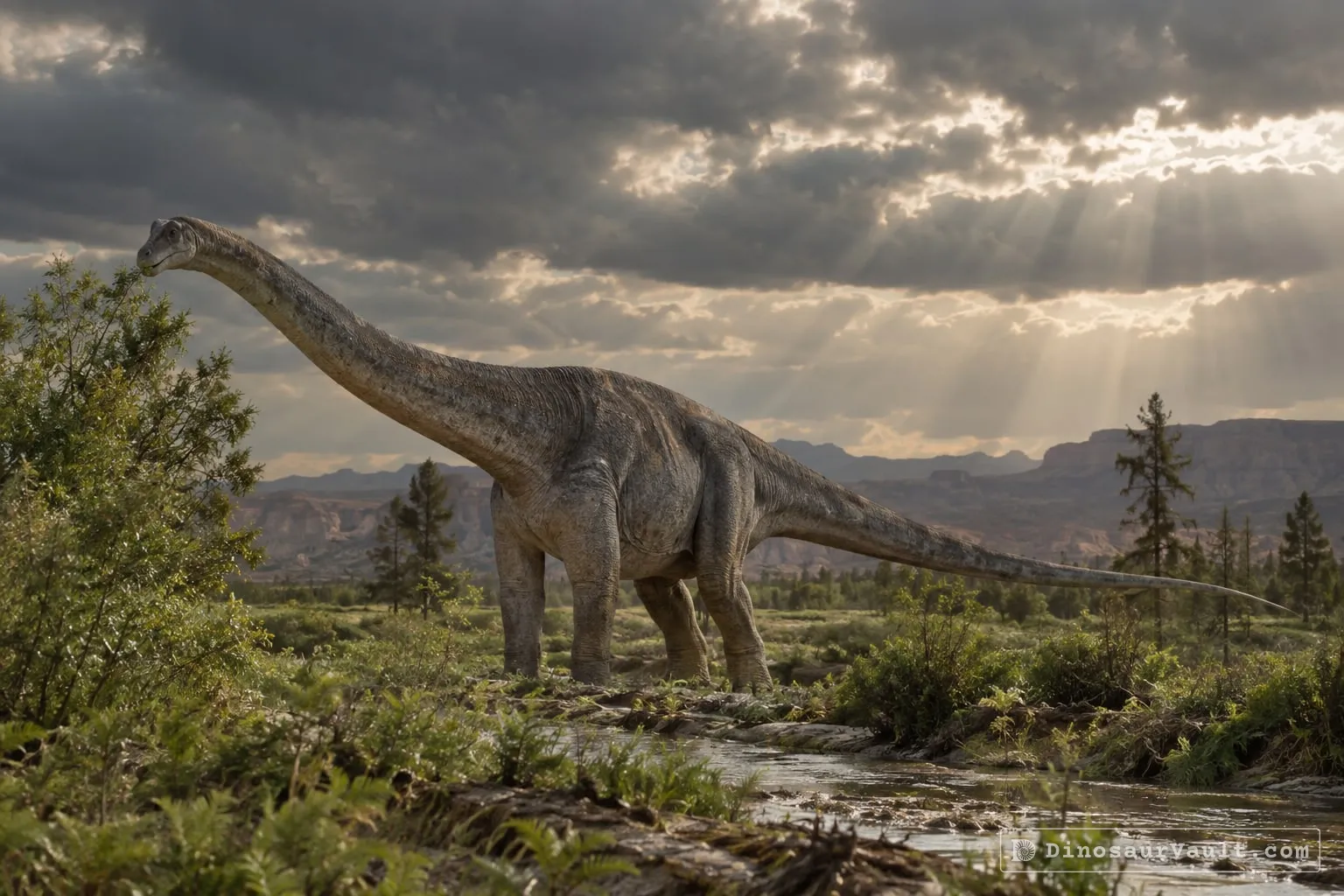


A rock formation can hold fossils laid down millions of years apart, so not every animal here met Rahiolisaurus.
The evidence
The science behind Rahiolisaurus
Which parts of the picture come from its own bones, and which come from its relatives.
From its own fossils
- Pelvic bones and a thigh bone form the original specimen; additional bones come from several animals in the same quarry.
- The leg bones are slender compared with those of many other abelisaurids.
- A fragment from the front of the upper jaw has a rounded face and a rough outer surface.
Borrowed from relatives
- Most of the head is inferred from abelisaurids such as Majungasaurus.
- Tiny arms and compact hands follow Majungasaurus, while the slender legs follow Rahiolisaurus's own bones.
Still unknown
- The shape of its skull roof and any ornament on it.
- Its hand anatomy and skin covering.
- Whether the animals in the quarry lived together.
Often drawn wrong
- A prominent horn copied from Rajasaurus has no support in the surviving skull fragment.
- Large grasping arms depart from the tiny forelimbs of related abelisaurids.
Discovery timeline
- 2010Named itNovas et al.
- 2012Close relativeBurch & Carrano
- 2023Its worldKhosla & Lucas
Key papers
The research behind what we know of Rahiolisaurus
Named it
Named Rahiolisaurus from pelvic and leg bones, with additional quarry remains revealing a slender-limbed abelisaurid.
Rahiolisaurus gujaratensis, n. gen. n. sp., A New Abelisaurid Theropod from the Late Cretaceous of India. Lecture Notes in Earth Sciences: 45-62
Read the paper : Rahiolisaurus gujaratensis, n. gen. n. sp., A New Abelisaurid Theropod from the Late Cretaceous of India (opens in a new tab)Close relative
Described the tiny forearm and reduced hand of Majungasaurus, a comparison for the missing arms of Rahiolisaurus.
An articulated pectoral girdle and forelimb of the abelisaurid theropod Majungasaurus crenatissimus from the Late Cretaceous of Madagascar. Journal of Vertebrate Paleontology 32: 1-16
Read the paper : An articulated pectoral girdle and forelimb of the abelisaurid theropod Majungasaurus crenatissimus from the Late Cretaceous of Madagascar (opens in a new tab)Its world
Reviewed India's Cretaceous dinosaurs, including Rahiolisaurus, and their connections with other southern landmasses.
Review of the Cretaceous dinosaurs from India and their paleobiogeographic significance. Acta Geologica Polonica: 707-740
Read the paper : Review of the Cretaceous dinosaurs from India and their paleobiogeographic significance (opens in a new tab)
Close relatives
Other members of Abelisauridae


Sources: Wikidata