Indosuchus
"Indian crocodile"
- Lived
- 72 to 66 million years ago, Late Cretaceous
- Diet
- Carnivore
- Length
- about 7 m (23 ft)
- Group
- Theropods, Abelisauridae
- Found in
- India
- Named by
- Huene 1933
Size comparison
To scale

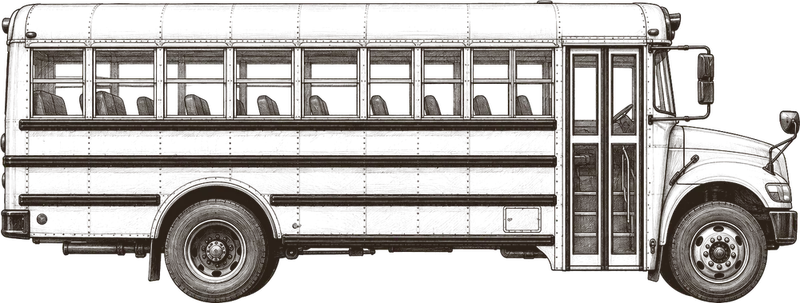
Scale in metersOutline: typical theropod shape
Where its fossils were found
The evidence
Today

70 million years ago
Habitat
A dry river plain with shallow channels and occasional lakes. Rajasaurus, Isisaurus and Jainosaurus also occur in the Lameta Formation.
Field notes
About Indosuchus
What it was like
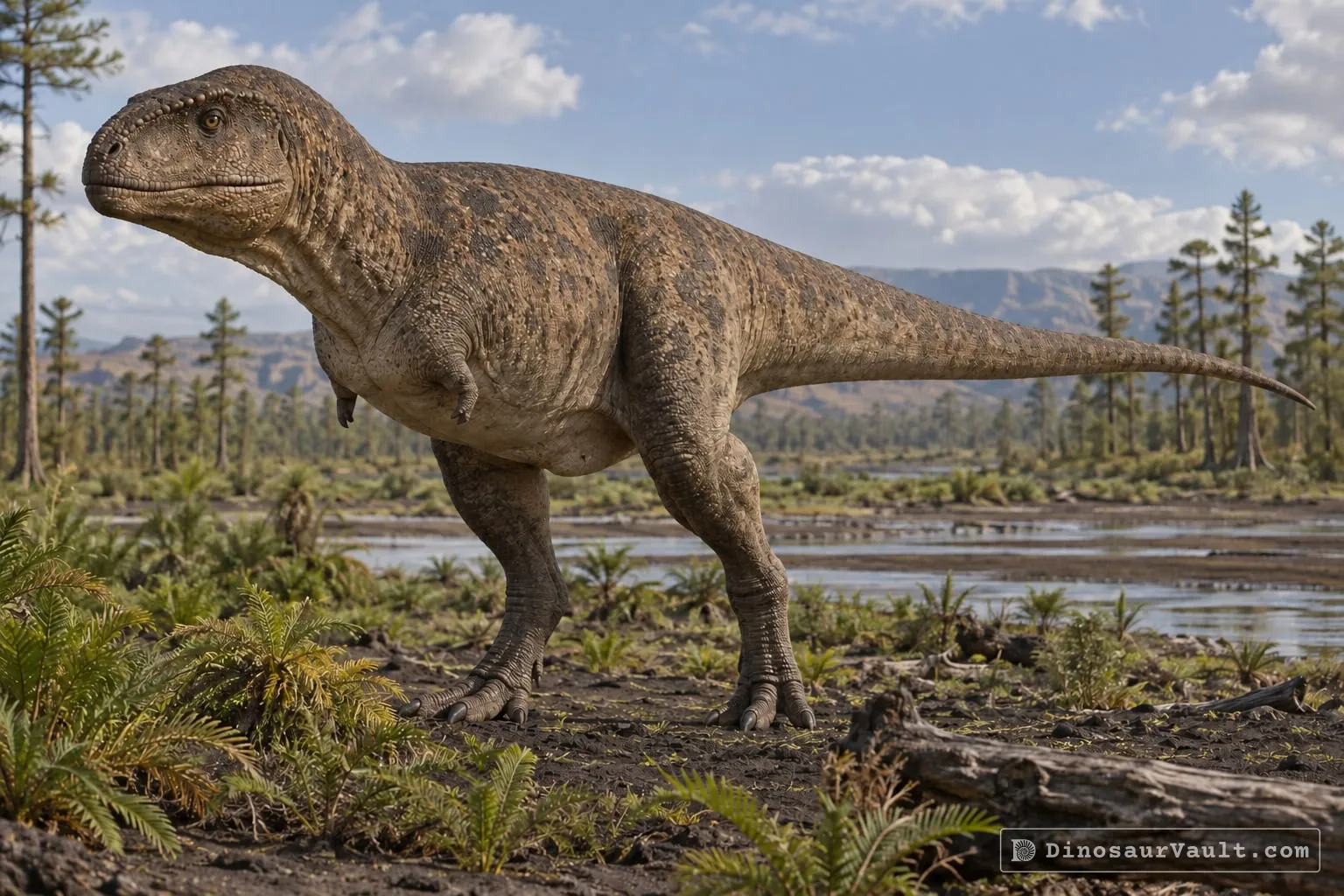
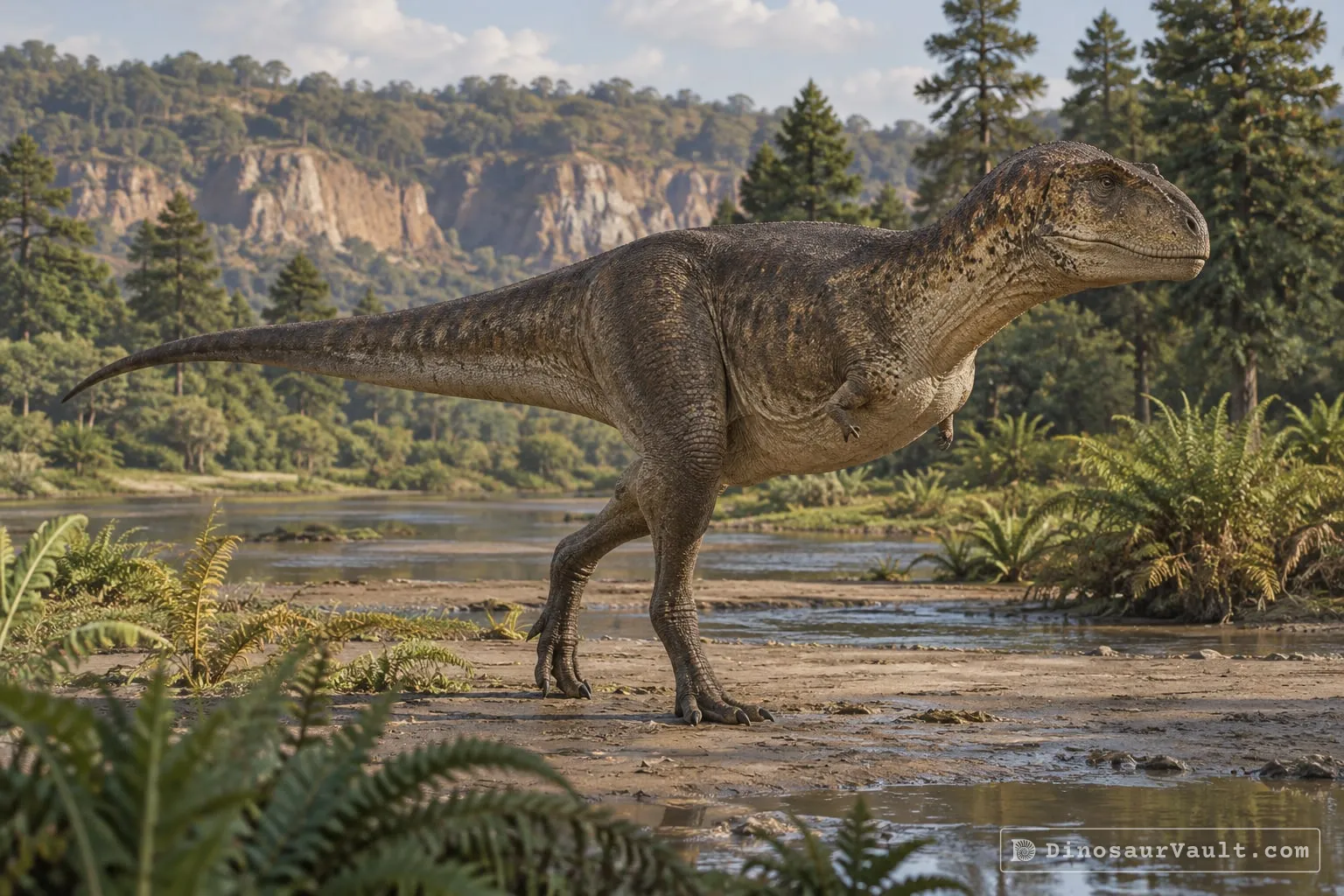
Indosuchus was an abelisaurid, a two-legged predator about 7 meters (23 feet) long, with a short, deep skull and tiny arms. Despite its name, it was a dinosaur, not a crocodile. It is known mainly from pieces of the skull.
Its world
It lived about 72 to 66 million years ago, at the end of the Late Cretaceous, in what is now India. Its bones come from the Lameta Formation, where it shared the land with the horned predator Rajasaurus and the titanosaurs Isisaurus and Jainosaurus.
How it was found
Huene named Indosuchus in 1933.
Field gallery
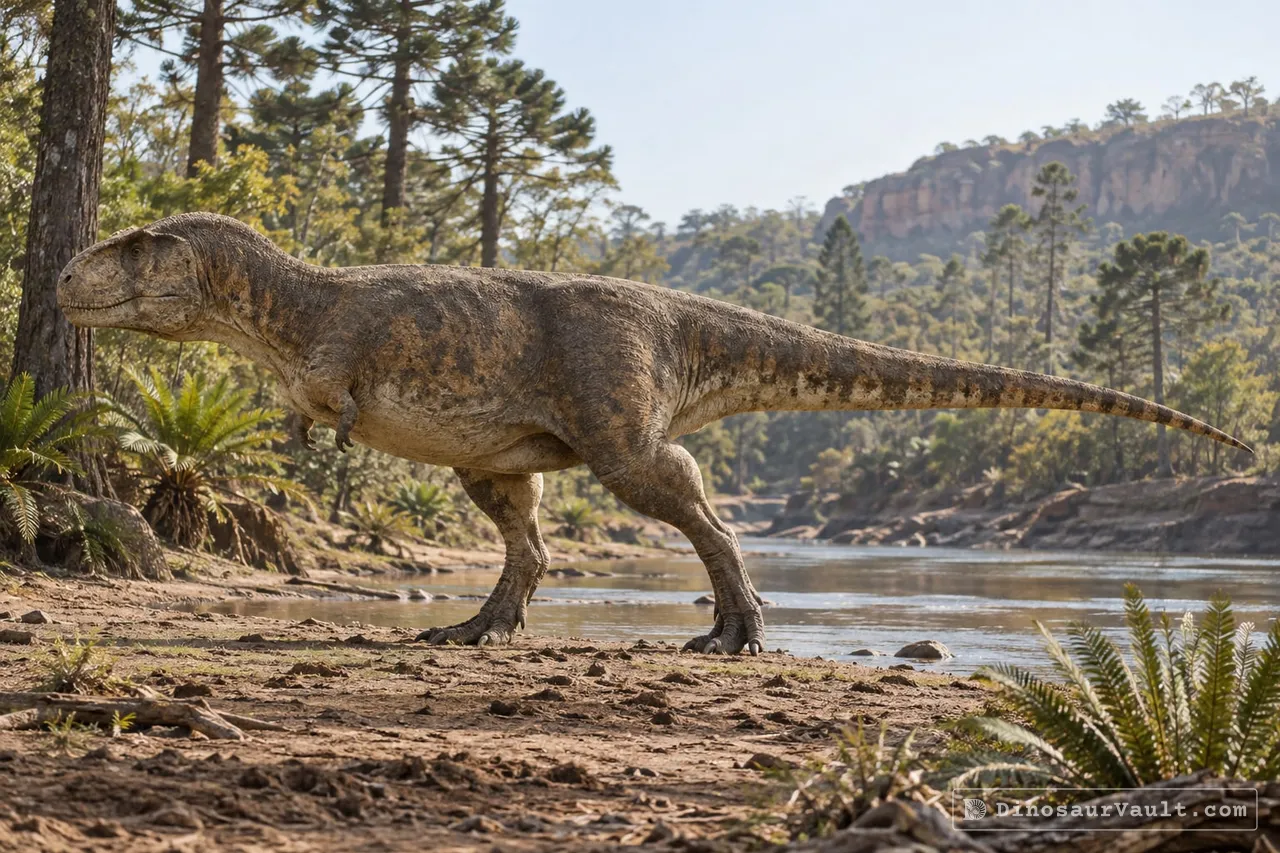
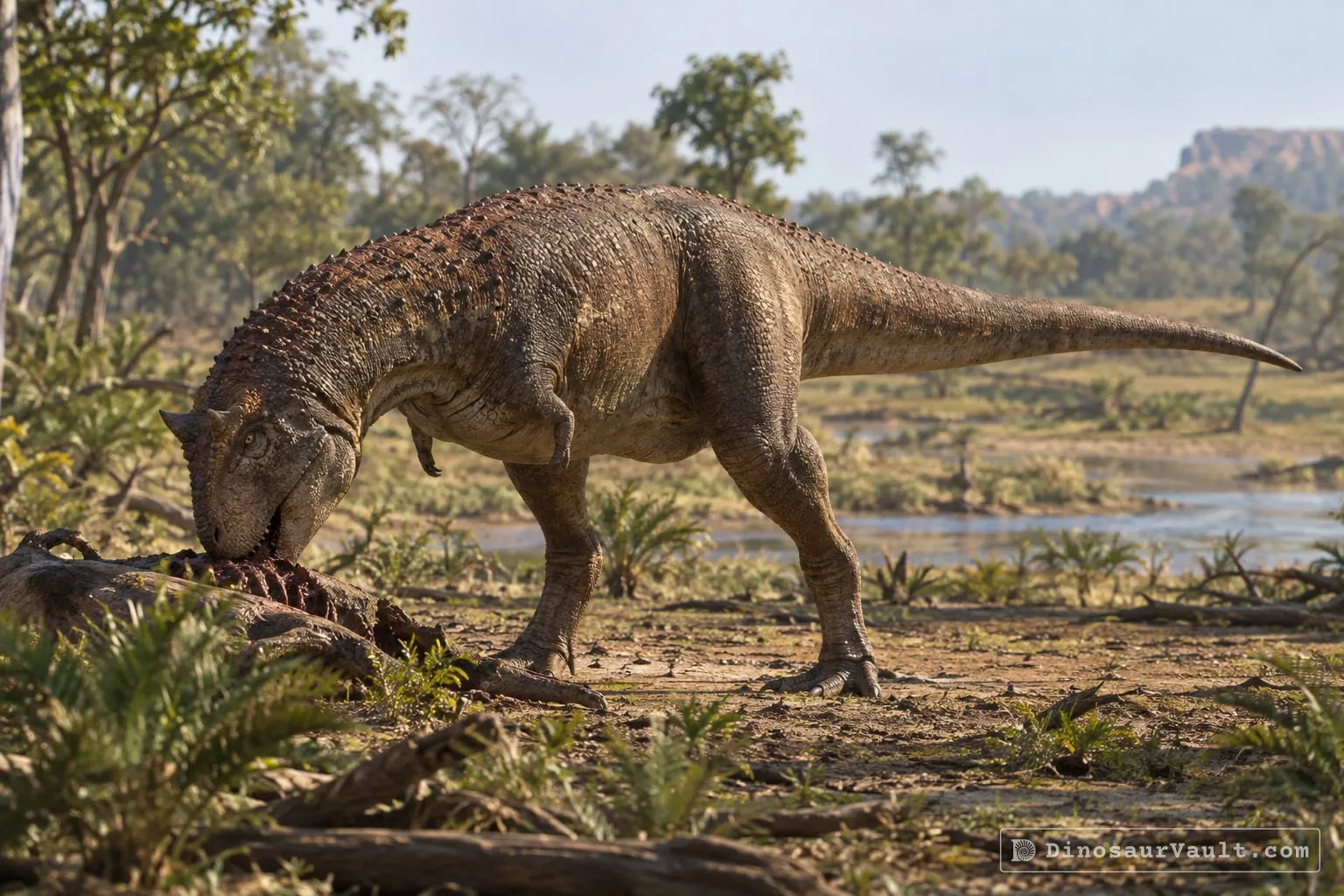
More views of Indosuchus
Scenes reconstructed from the available fossil evidence.
Lived alongside
Found in the same rock formations
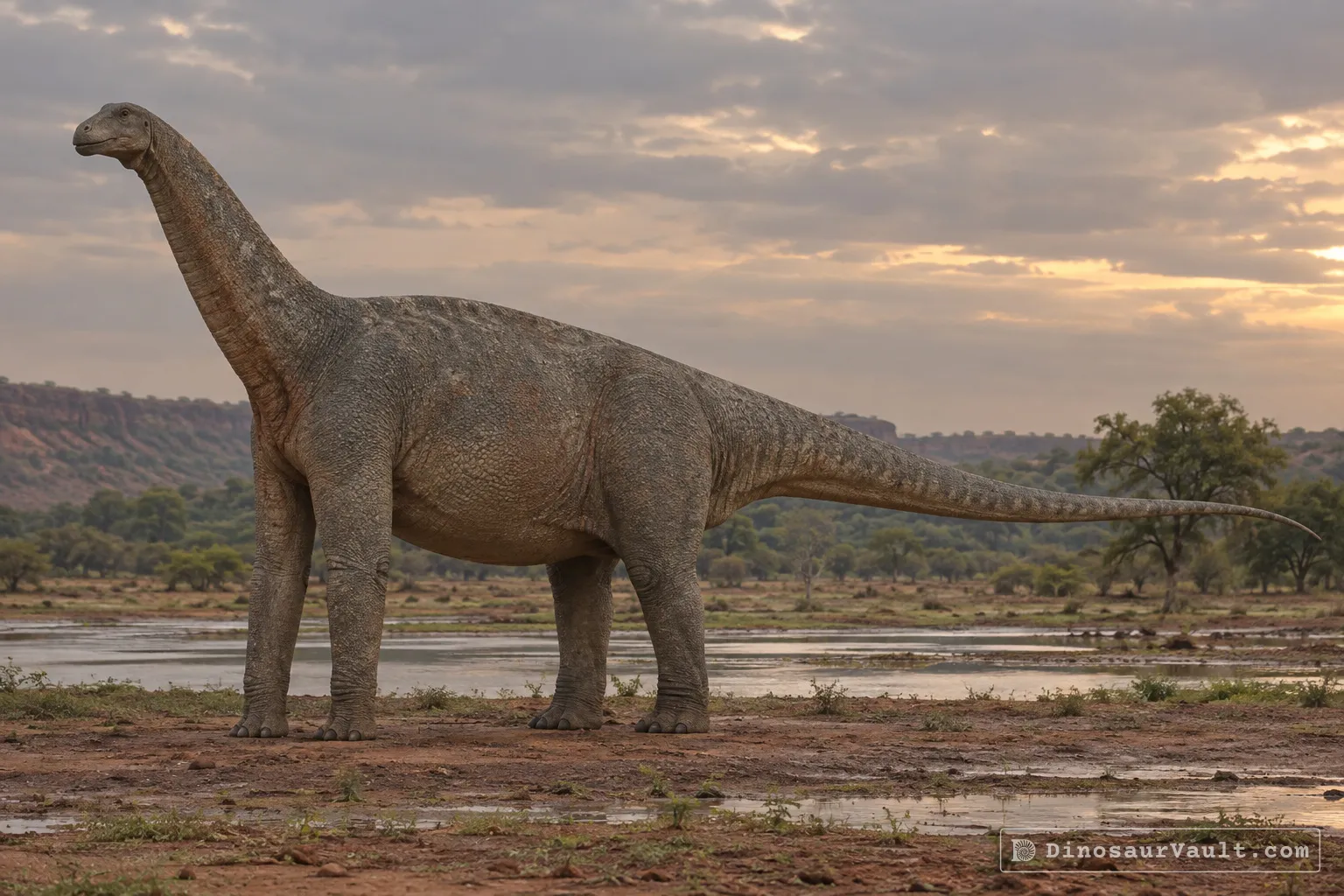
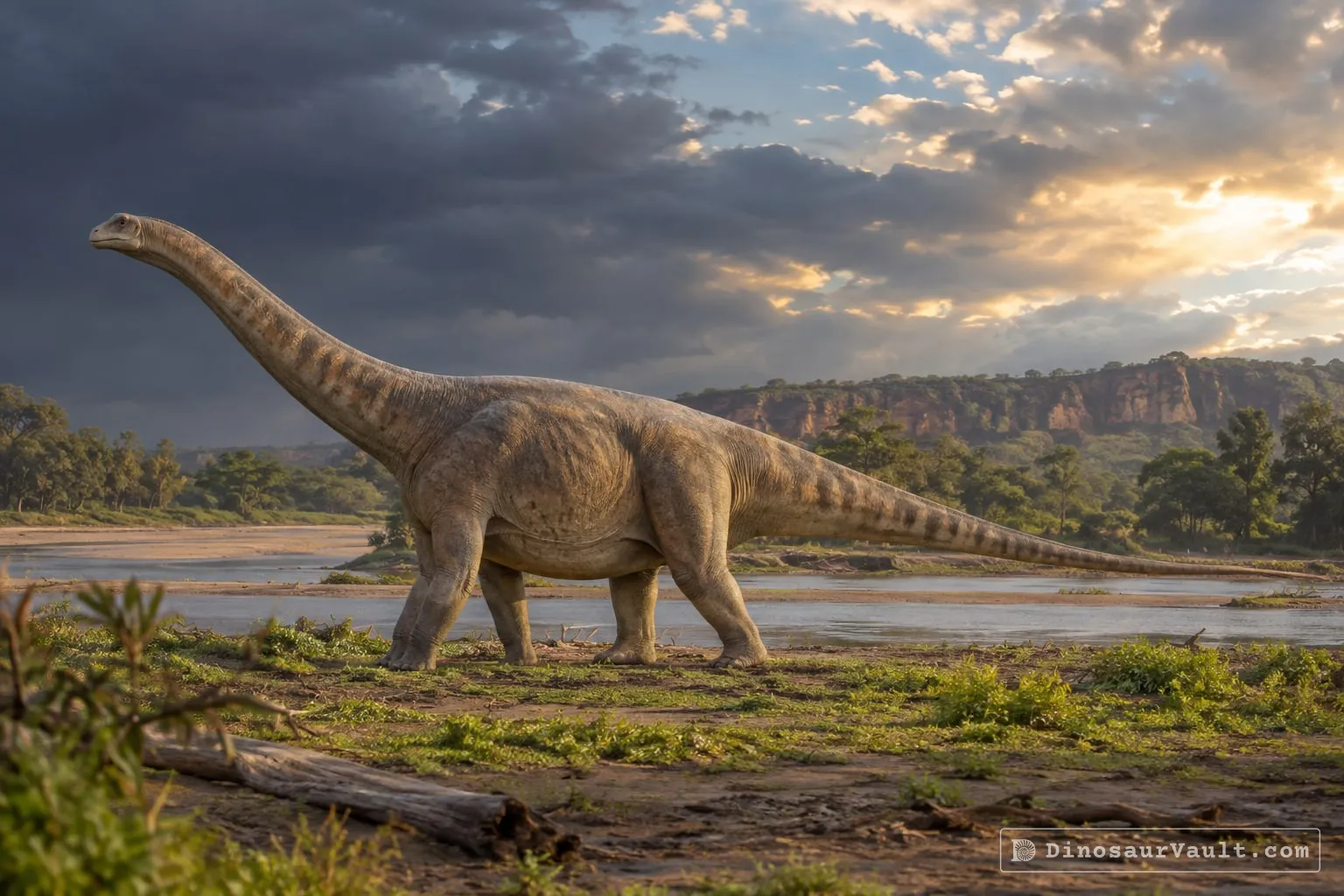
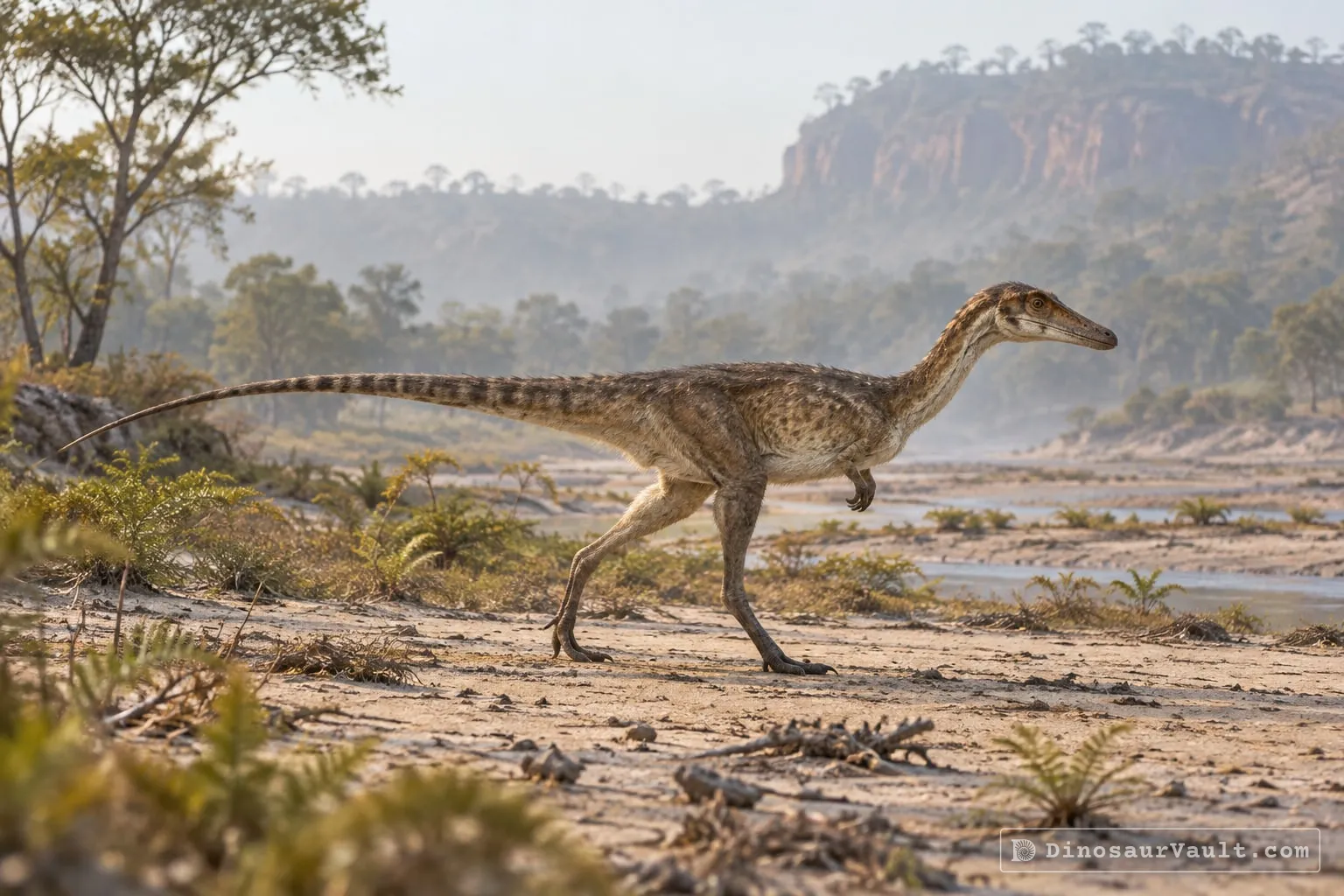
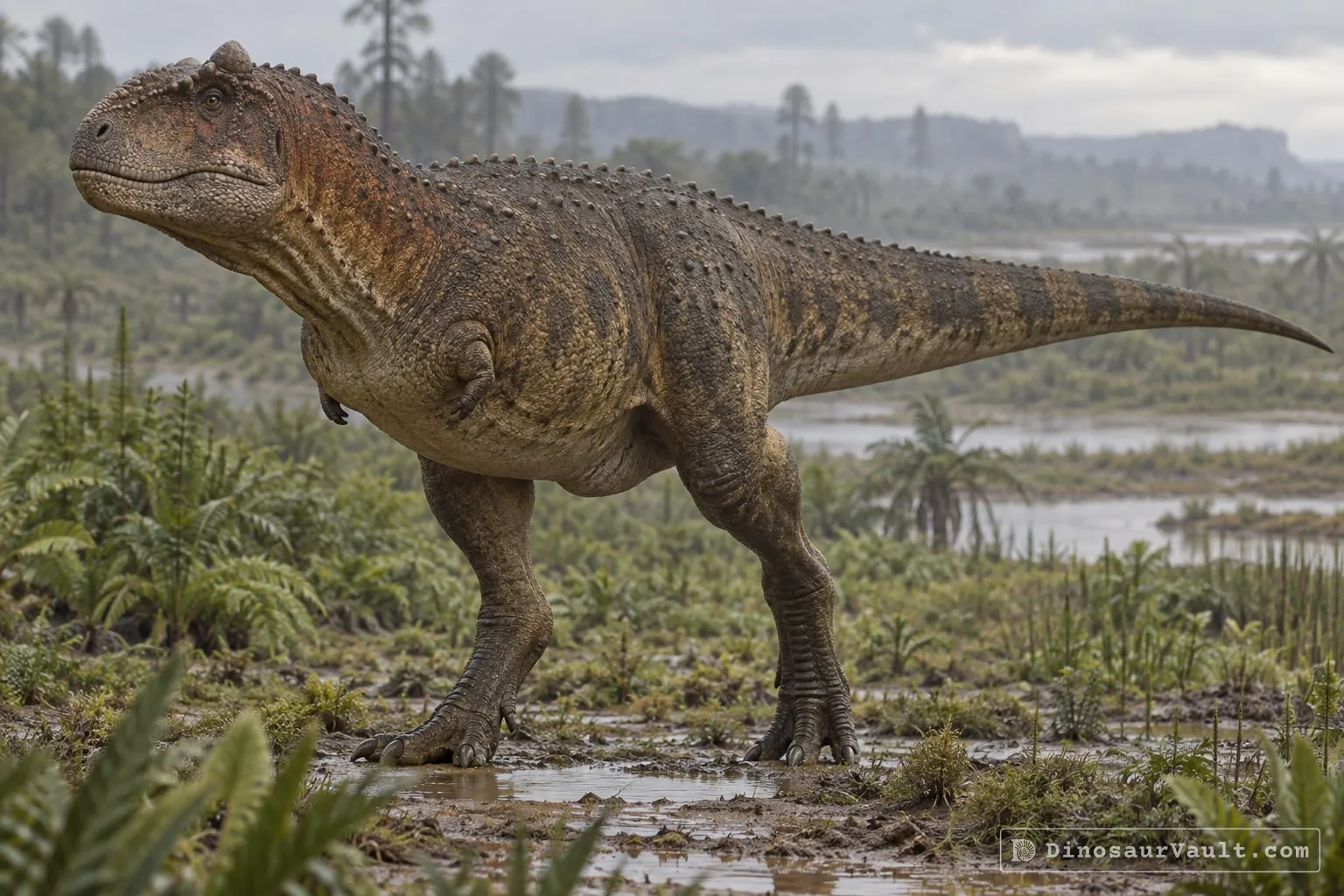
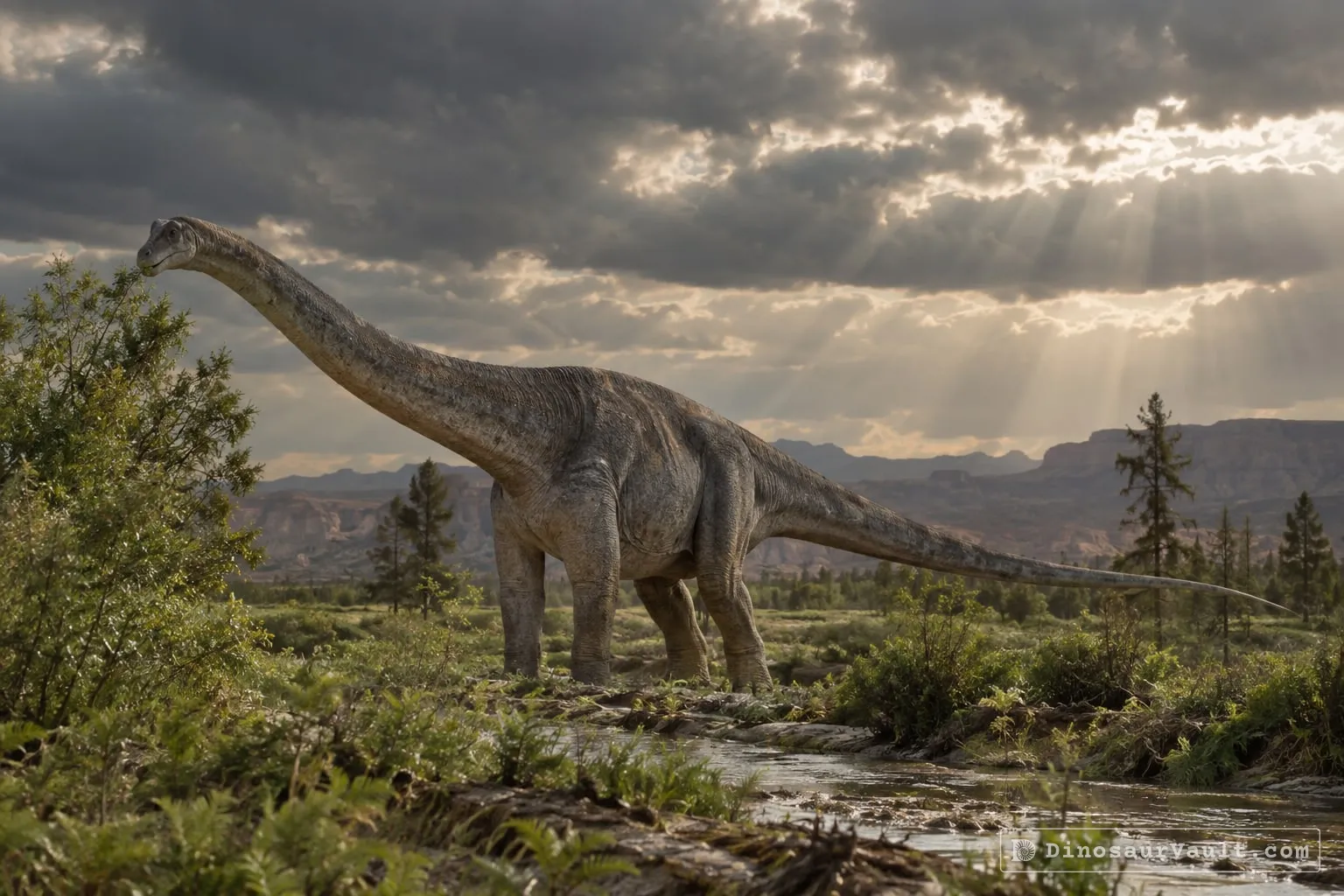


A rock formation can hold fossils laid down millions of years apart, so not every animal here met Indosuchus.
The evidence
The science behind Indosuchus
Which parts of the picture come from its own bones, and which come from its relatives.
From its own fossils
- The original fossils are pieces of the back of the skull and braincase.
- These skull bones belong to an abelisaurid, a member of the short-headed predator family.
Borrowed from relatives
- The legs, tail and tiny arms in restorations follow more complete abelisaurids such as Majungasaurus and Carnotaurus.
Still unknown
- Whether Indosuchus and Indosaurus were different animals.
- Which loose limb bones from the same beds belonged to Indosuchus.
- Its skin covering and color.
Discovery timeline
- 1933Named itHuene & Matley
- 2004RedescriptionNovas, Agnolin & Bandyopadhyay
- 2008Family treeCarrano & Sampson
- 2023Fossil sitesKhosla & Lucas
Key papers
The research behind what we know of Indosuchus
Named it
Named Indosuchus from incomplete skull material among the dinosaur bones of India.
The Cretaceous Saurischia and Ornithischia of the Central Provinces of India. Palaeontologica Indica (New Series), Memoirs of the Geological Survey of India 21: 1-74
No link available
Redescription
Identified Indosuchus as an abelisaurid and showed how mixed, isolated bones complicate the identification of the Indian predators.
Cretaceous theropods from India: A review of specimens described by Huene and Matley (1933). Revista del Museo Argentino de Ciencias Naturales: 67-103
Read the paper : Cretaceous theropods from India: A review of specimens described by Huene and Matley (1933) (opens in a new tab)Family tree
Reviewed Indosuchus among the fragmentary abelisaurid finds and compared them with better-known members of the family.
The Phylogeny of Ceratosauria (Dinosauria: Theropoda). Journal of Systematic Palaeontology 6: 183-236
Read the paper : The Phylogeny of Ceratosauria (Dinosauria: Theropoda) (opens in a new tab)Fossil sites
Reviewed the Indian dinosaur record and the unresolved identities of predators named from scattered skull and limb bones.
Review of the Cretaceous dinosaurs from India and their paleobiogeographic significance. Acta Geologica Polonica: 707-740
Read the paper : Review of the Cretaceous dinosaurs from India and their paleobiogeographic significance (opens in a new tab)
Close relatives
Other members of Abelisauridae


Sources: Wikidata