Pakisaurus
"Pakistan lizard"
- Lived
- 72 to 66 million years ago, Late Cretaceous
- Diet
- Herbivore
- Group
- Sauropods, Pakisauridae
- Found in
- Pakistan and India
- Named by
- Malkani 2004
Where its fossils were found
The evidence
Today

70 million years ago
Habitat
The Vitakri Formation records winding freshwater rivers and muddy floodplains. Other dinosaurs reported from these rocks include Isisaurus, Khetranisaurus and Sulaimanisaurus.
Field notes
About Pakisaurus
What it was like
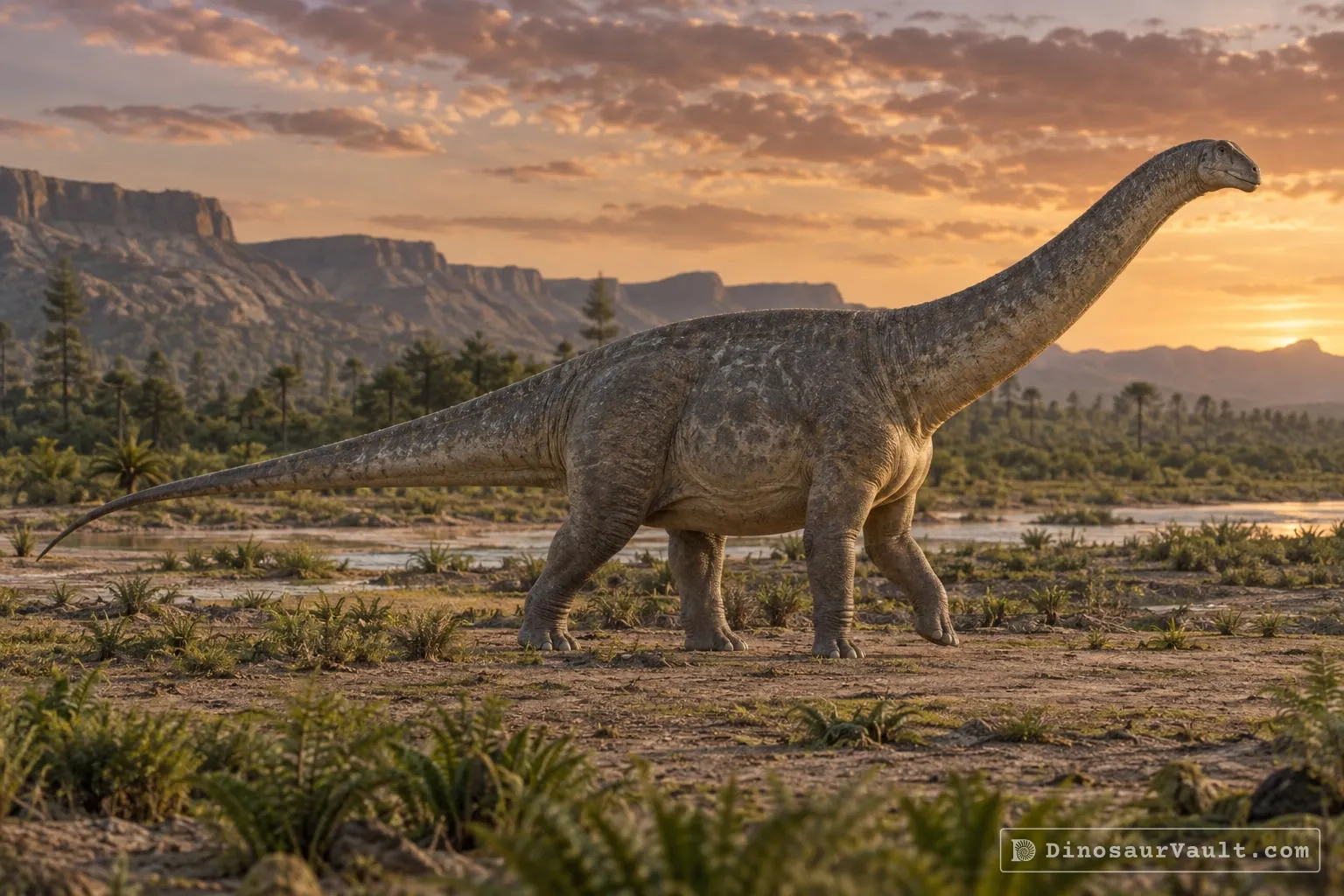
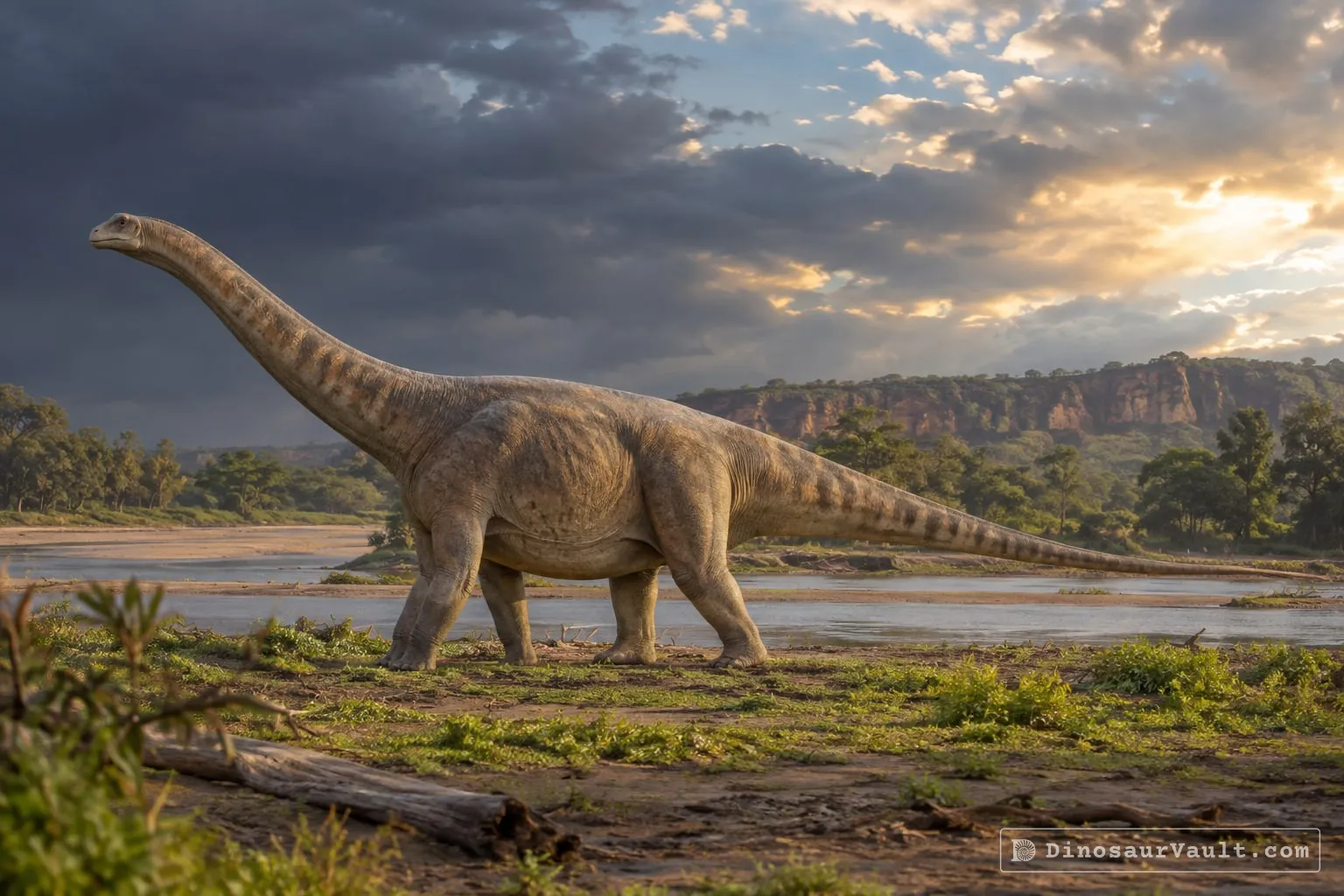
Pakisaurus was named as a titanosaur, a long-necked, four-legged plant eater. It is known from scattered bones, mostly from the tail.
Many scientists doubt it is a separate genus, because the bones are hard to compare with those of other titanosaurs.
Its world
It lived at the end of the Late Cretaceous, about 72 to 66 million years ago, in what is now Pakistan. Its bones come from the Vitakri Formation.
How it was found
Malkani named Pakisaurus in 2004.
Field gallery
More views of Pakisaurus
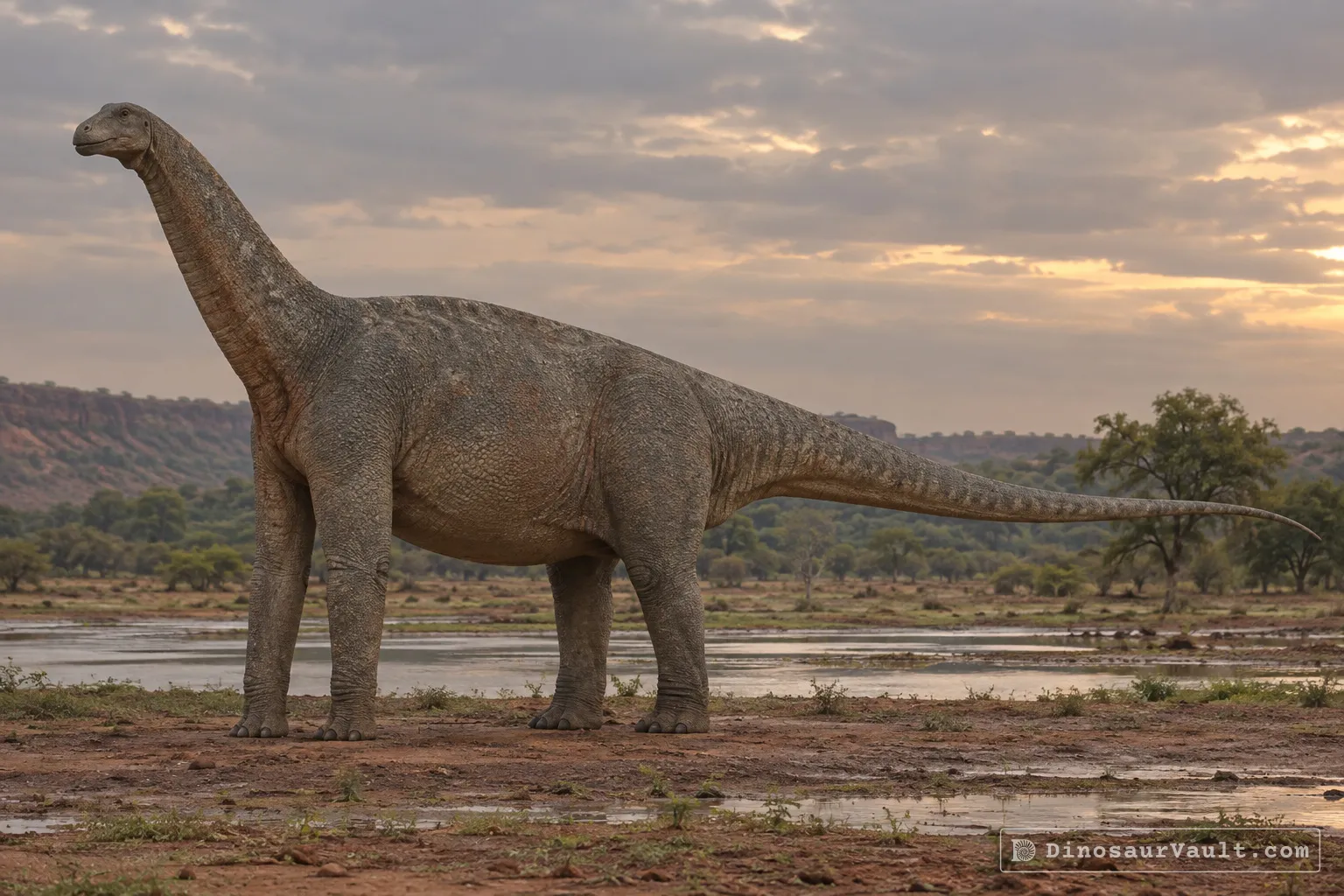
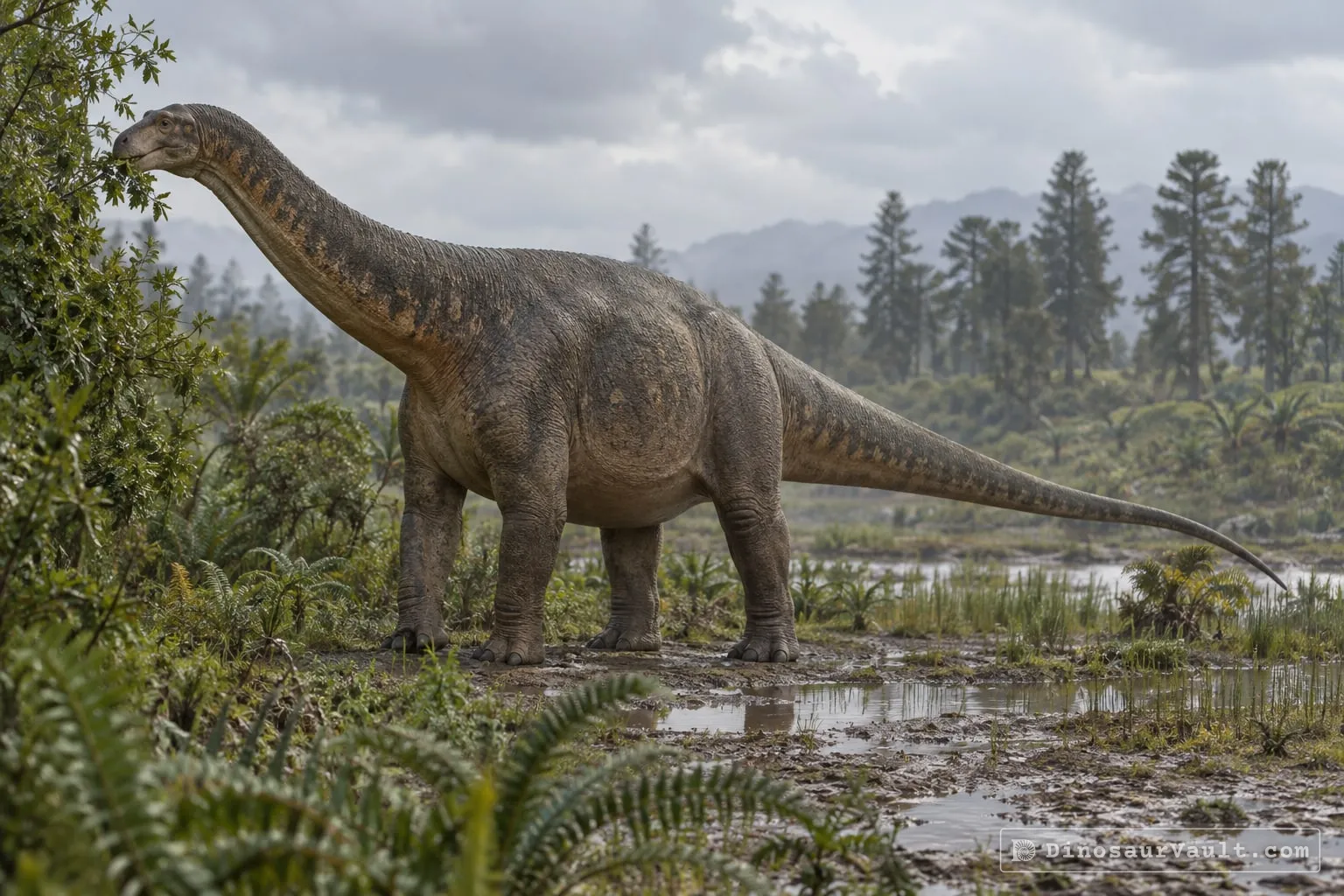
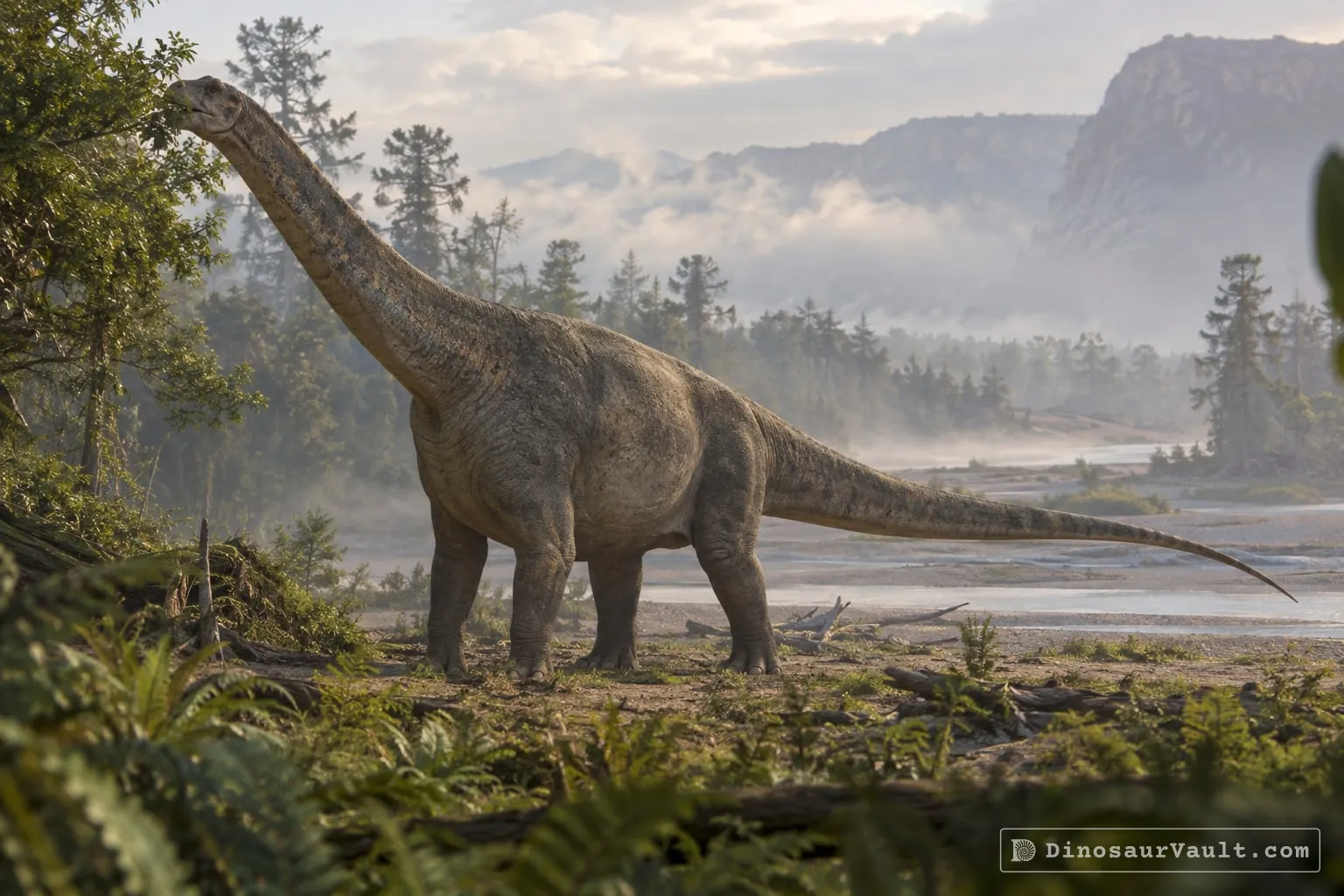
Scenes reconstructed from the available fossil evidence.
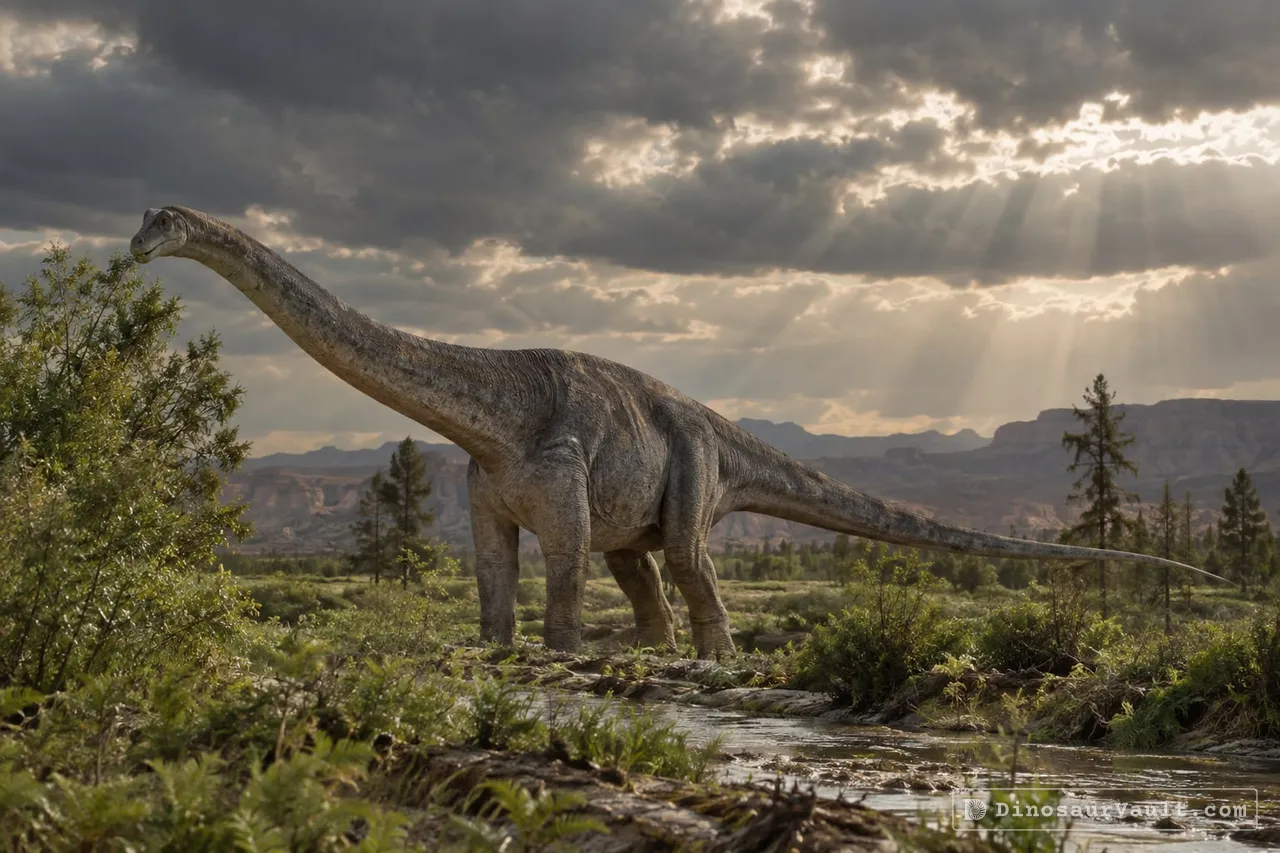
1 of 3
Lived alongside
Found in the same rock formations
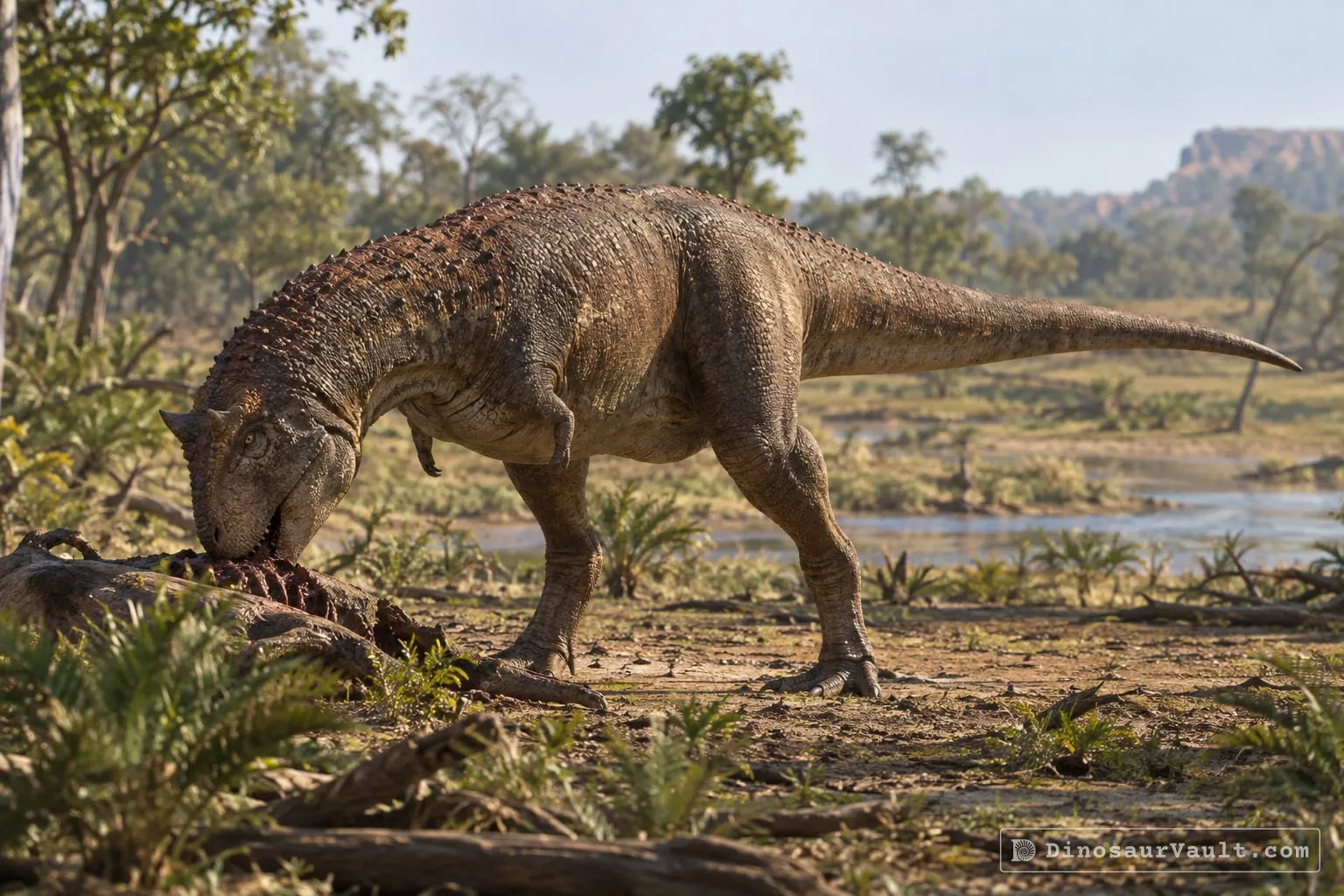
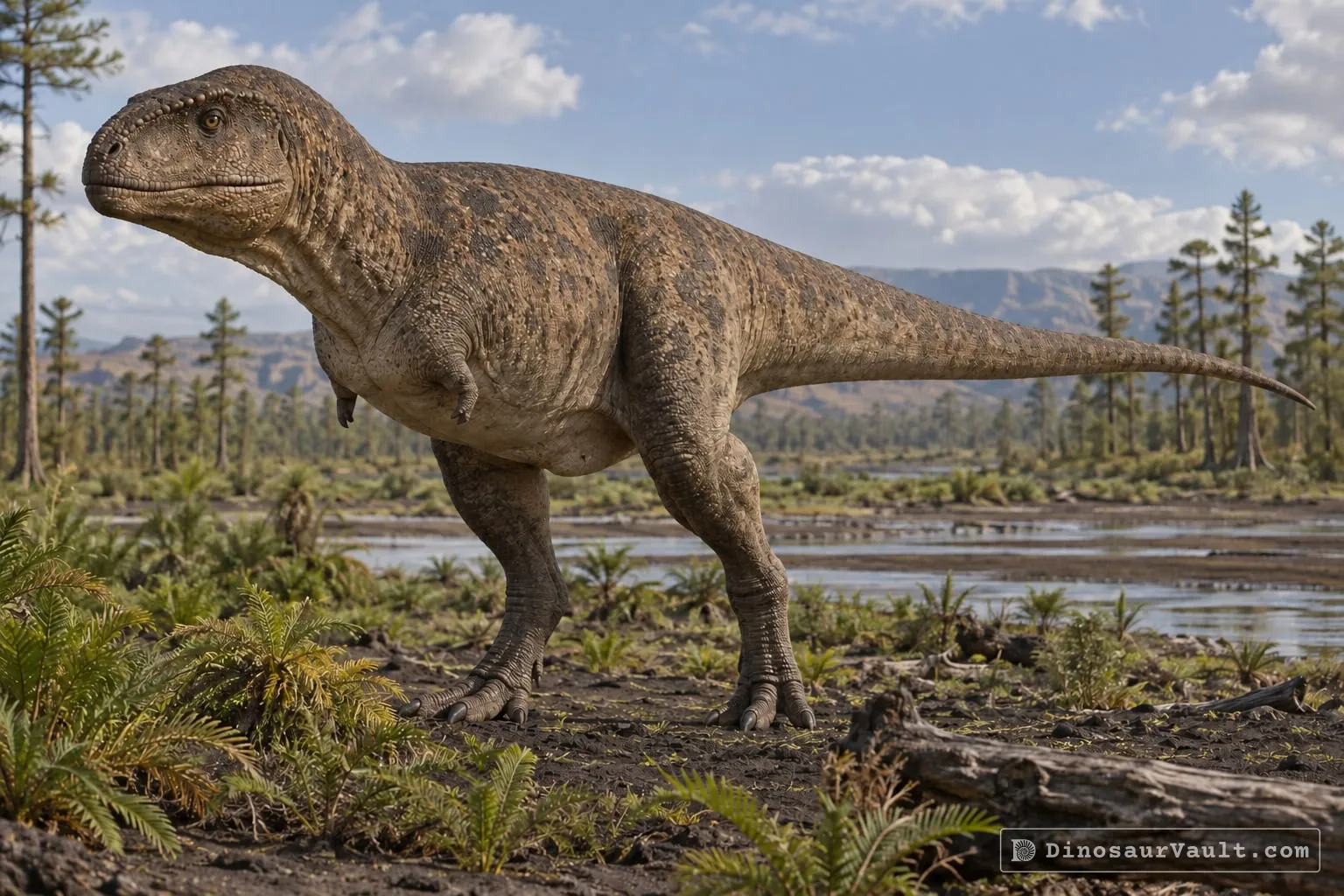
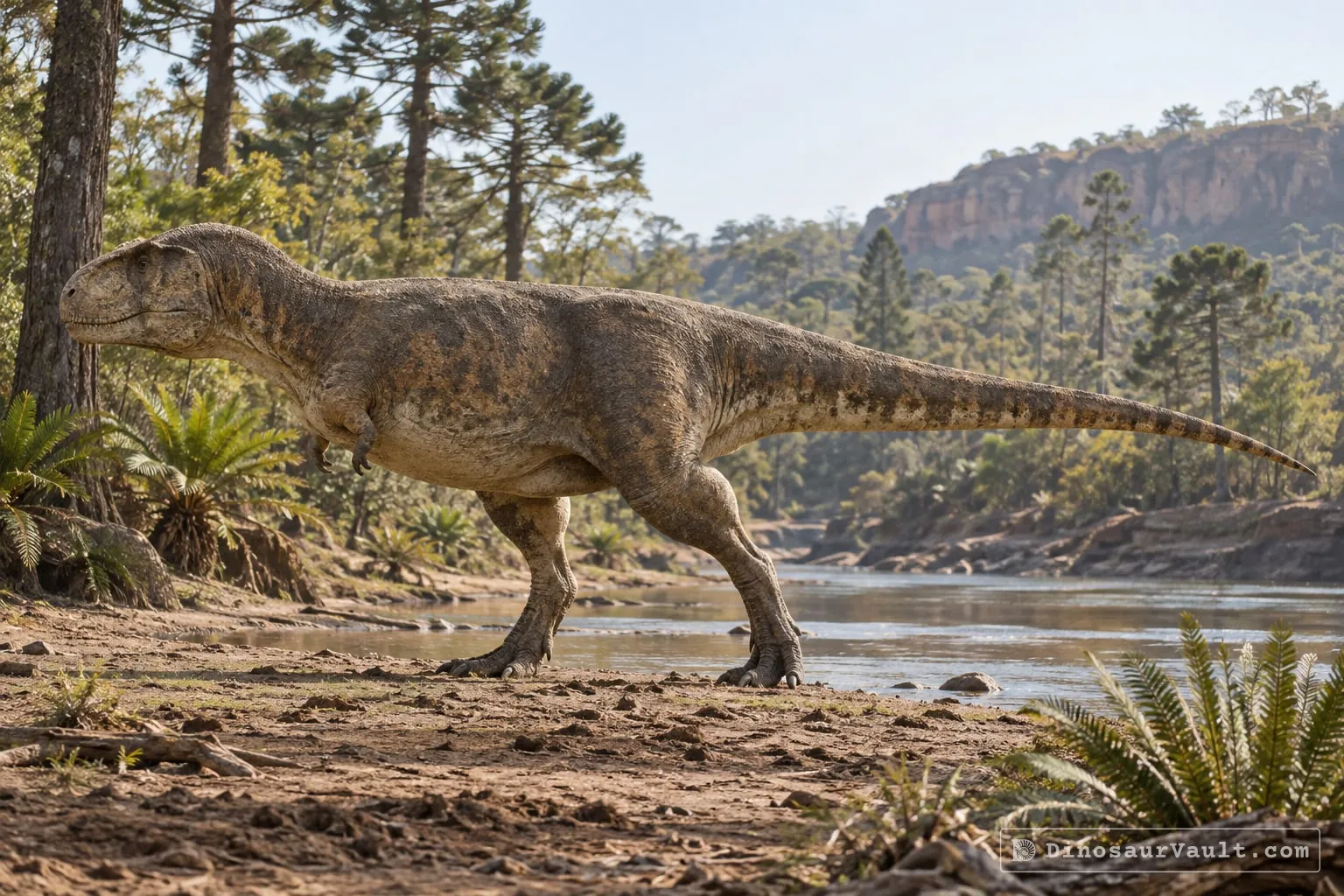


A rock formation can hold fossils laid down millions of years apart, so not every animal here met Pakisaurus.
The evidence
The science behind Pakisaurus
Which parts of the picture come from its own bones, and which come from its relatives.
From its own fossils
- The original remains are fragmentary tail vertebrae.
- Its describer later counted many more bones from two nearby sites as part of the type skeleton, including neck, back and tail vertebrae, shoulder bones and limb bones, all found scattered rather than joined.
- Its neck vertebrae are long and broad, with ball-and-socket joints and air-filled bone, and a lower jaw with teeth from another site has been referred to it.
Borrowed from relatives
- The long neck, small head and four-legged stance are restored by comparison with titanosaurs such as Isisaurus and Jainosaurus.
Still unknown
- Experts disagree on whether Pakisaurus can be told apart from other titanosaurs: an older review found its first bones not distinctive, while its describer lists features of the tail and upper arm bones.
- Which of the scattered bones belong to the same kind of animal. A piece proposed as part of its skull roof carries a number earlier given to a breastbone fragment.
- Its complete skull shape and body proportions.
Discovery timeline
- 2004Named itMalkani
- 2020Full descriptionMalkani
- 2021RedescriptionMalkani
- 2021Full descriptionMalkani
- 2025New findMalkani
Key papers
The research behind what we know of Pakisaurus
Named it
Introduced Pakisaurus as a titanosaur based on fragmentary tail bones from Pakistan.
Saurischian dinosaurs from Late Cretaceous of Pakistan. In S. S. Hussain & H. D. Akbar (eds.), 5th Pakistan Geological Congress, Islamabad. National Geological Society of Pakistan, Pakistan Museum of Natural History (Pakistan Science Foundation).
No link available
Full description
Assigned additional bones to Pakisaurus and compared them with Isisaurus, expanding the proposed reconstruction beyond the original tail vertebrae.
<i>Pakisaurus balochistani</i> (Poripuchia, Slender Titanosauria, Sauropoda) Associated Skeletons Found from the Latest Maastrichtian Vitakri Formation of Pakistan and Referred Fossils from India; Filling of Important Missing Links of <i>Isisaurus colberti</i> Titanosaur Found from Pakistan. Open Journal of Geology 10: 408-447
Read the paper : <i>Pakisaurus balochistani</i> (Poripuchia, Slender Titanosauria, Sauropoda) Associated Skeletons Found from the Latest Maastrichtian Vitakri Formation of Pakistan and Referred Fossils from India; Filling of Important Missing Links of <i>Isisaurus colberti</i> Titanosaur Found from Pakistan (opens in a new tab)Redescription
Presented diagnoses and comparisons of dinosaurs from Pakistan, including a revised account of Pakisaurus.
Jurassic-Cretaceous and Cretaceous-Paleogene Transitions and Mesozoic Vertebrates from Pakistan. Open Journal of Geology 11: 275-318
Read the paper : Jurassic-Cretaceous and Cretaceous-Paleogene Transitions and Mesozoic Vertebrates from Pakistan (opens in a new tab)Full description
Gave a formal account of the type skeleton as a larger set of scattered bones and referred a lower jaw with teeth to Pakisaurus.
Formal Description of Mesozoic and Cenozoic Biotas Found from Pakistan. Open Journal of Geology 11: 411-455
Read the paper : Formal Description of Mesozoic and Cenozoic Biotas Found from Pakistan (opens in a new tab)New find
Proposed a partial skull-roof bone, said to have been collected with the type skeleton, as a further Pakisaurus specimen.
Geology and Mineral Resources of Some Districts of Pakistan: Recent Found Paleontological Sites and New Titanosaur from Pakistan and First Diplodocid Dinosaur from Indo-Pakistan and Asia. Open Journal of Geology 15: 671-715
Read the paper : Geology and Mineral Resources of Some Districts of Pakistan: Recent Found Paleontological Sites and New Titanosaur from Pakistan and First Diplodocid Dinosaur from Indo-Pakistan and Asia (opens in a new tab)
Close relatives
Other members of Pakisauridae


Sources: Wikidata