Outline: a typical theropod
Indosaurus
"Indian lizard"
- Lived
- 72 to 66 million years ago, Late Cretaceous
- Diet
- Carnivore
- Group
- Theropods, Abelisauridae
- Found in
- India
- Named by
- Huene 1933
Where its fossils were found
The evidence
Today

70 million years ago
Field notes
About Indosaurus
What it was like
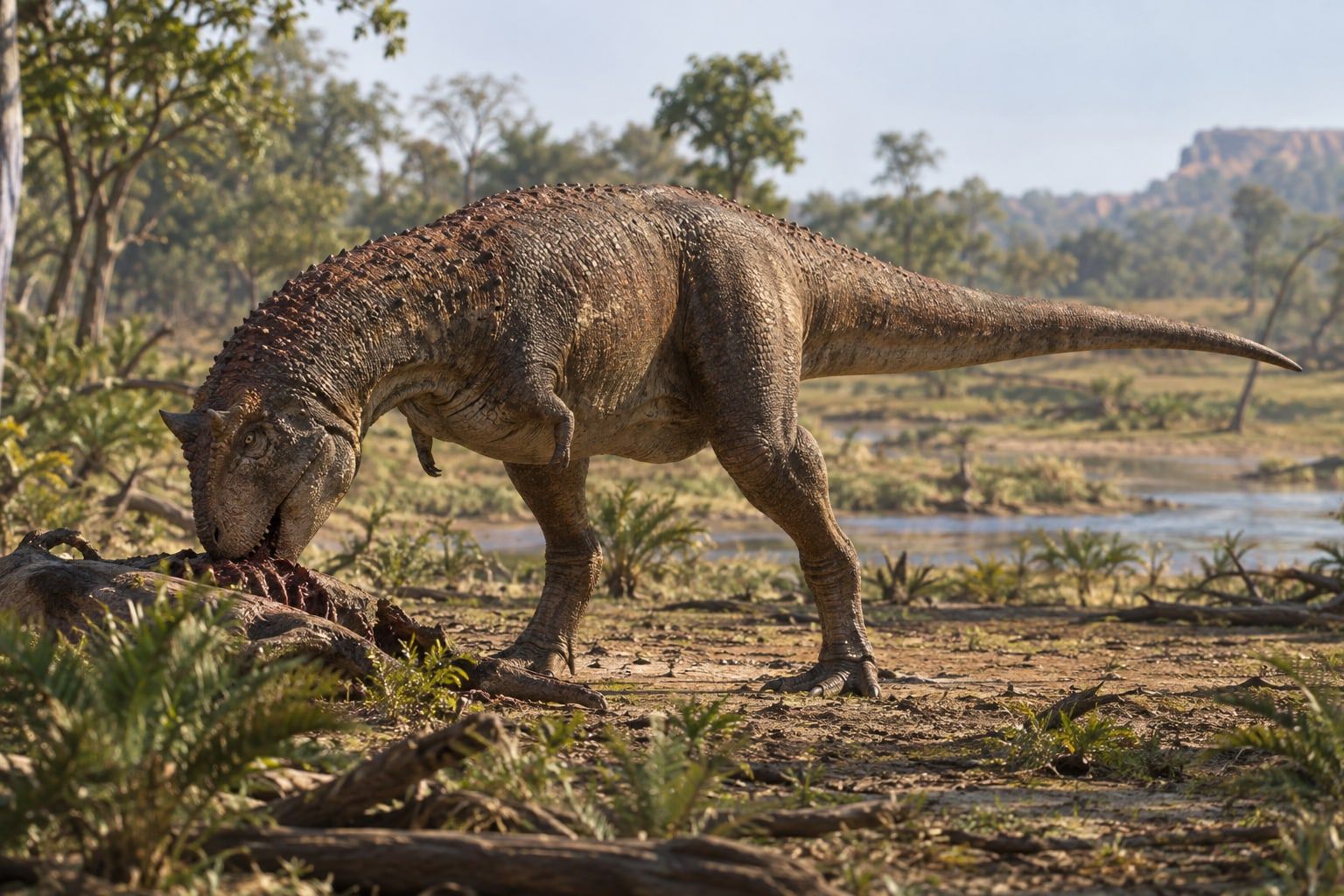
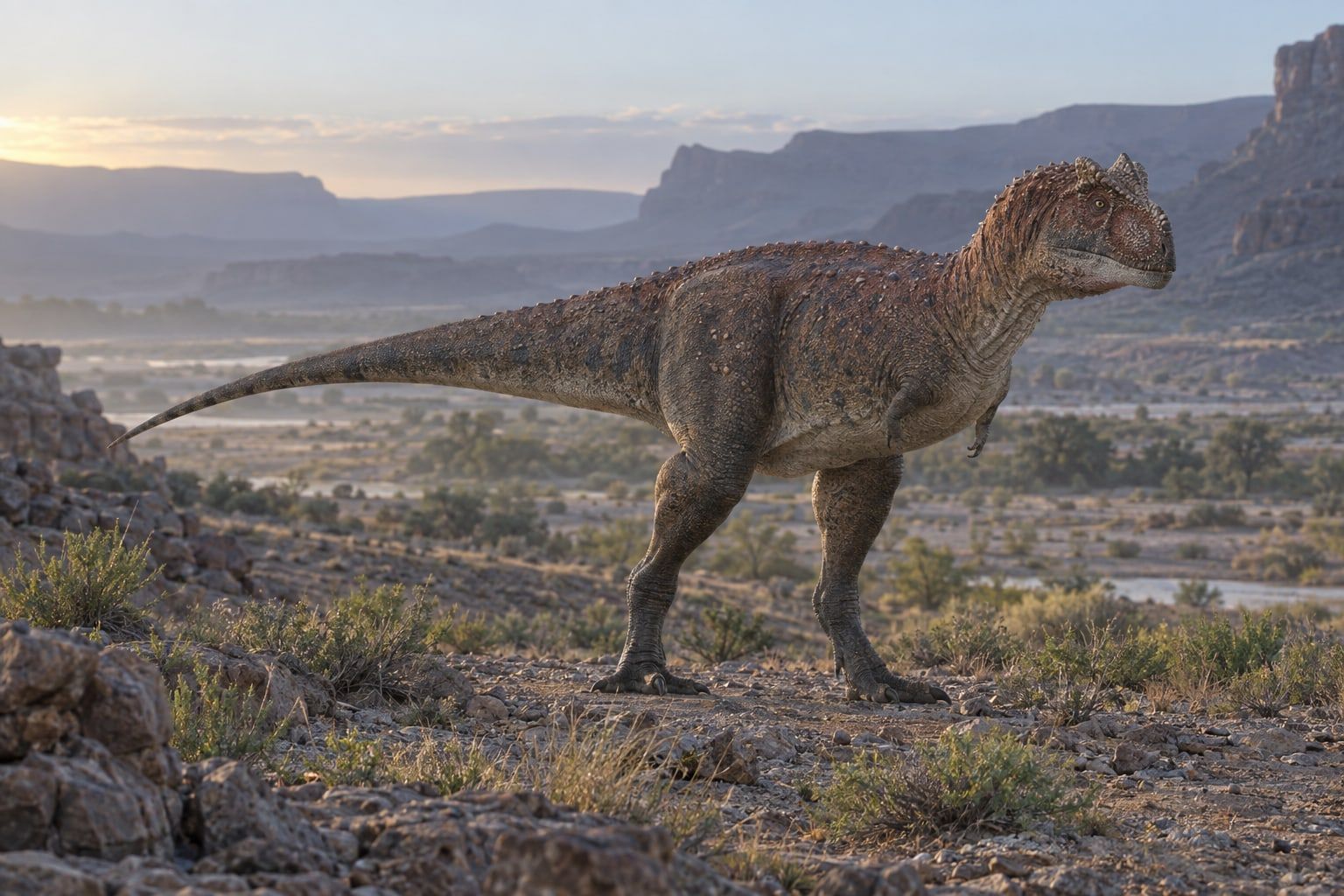
Indosaurus was an abelisaur, a two-legged hunter with a short, deep head and tiny arms. It is known only from part of a braincase, which was very thick with small bumps above the eyes.
Its world
It lived about 72 to 66 million years ago, near the end of the Late Cretaceous, in what is now India. Its bones come from the Lameta Formation, where it shared the land with the larger abelisaur Rajasaurus and the long-necked Isisaurus and Jainosaurus.
How it was found
Huene named Indosaurus in 1933, from a single find. Because so little of it is known, some scientists think it may belong to Rajasaurus or another abelisaur from India.
Lived alongside
Found in the same rock formations
Close relatives
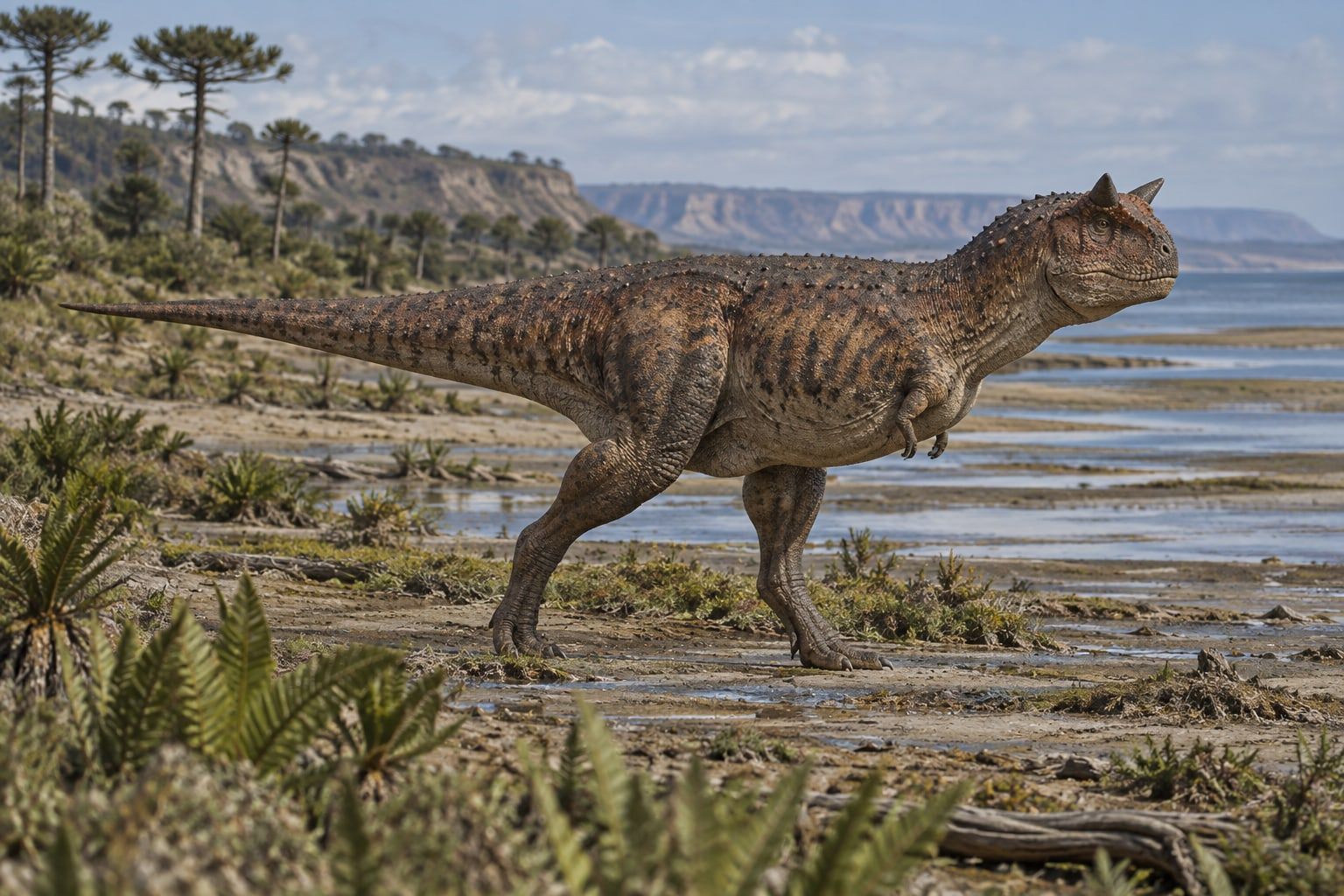
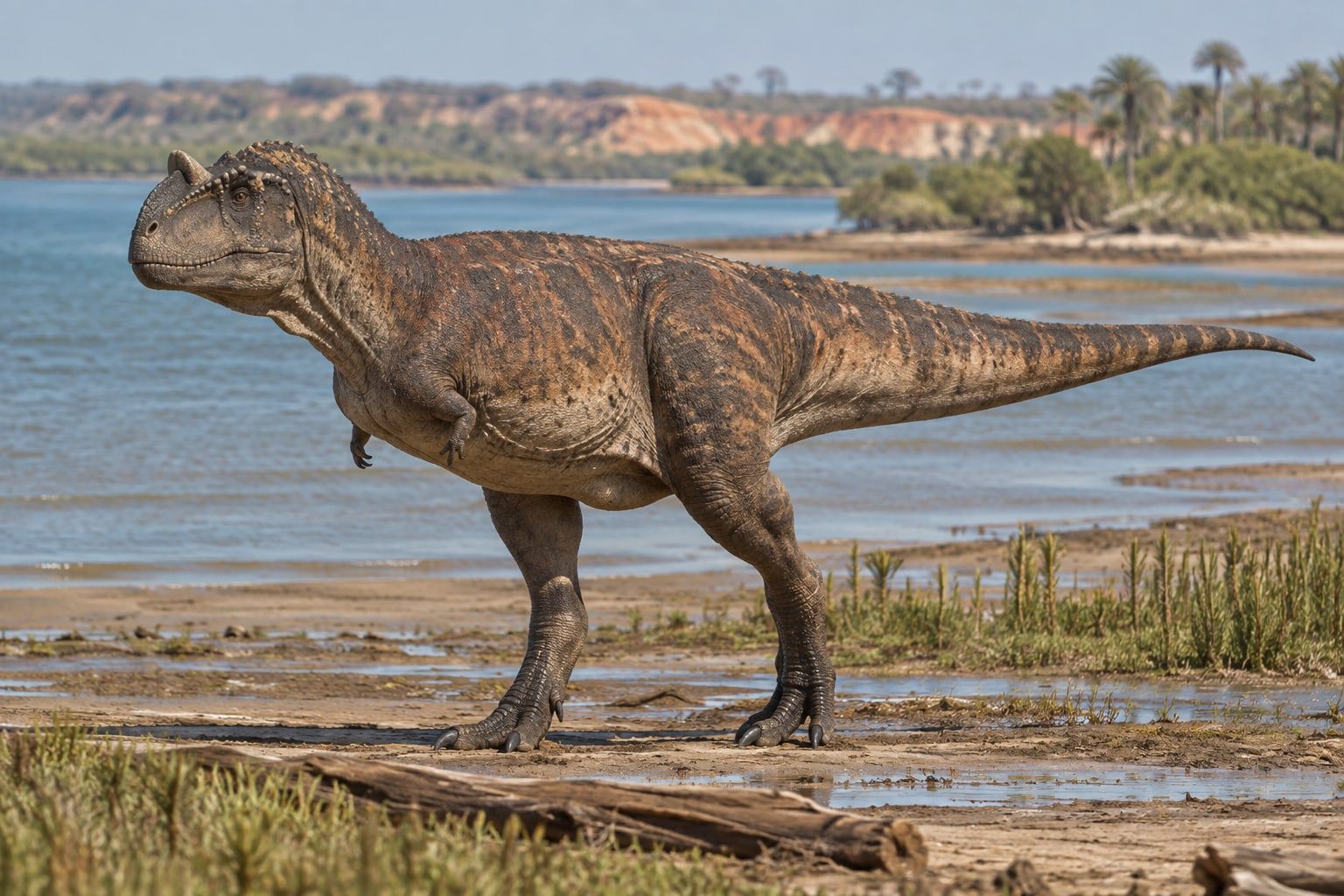
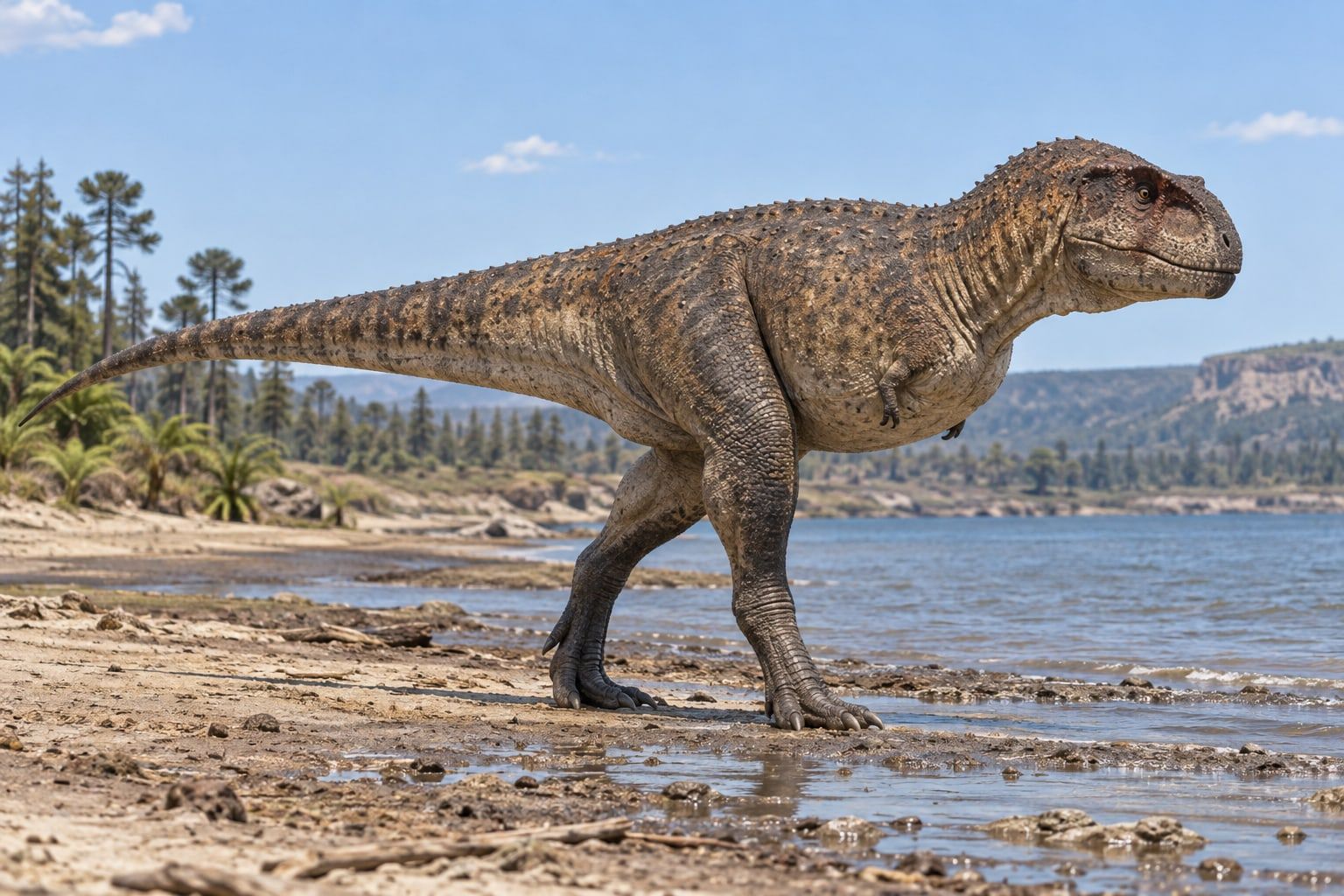
Other members of Abelisauridae
Sources: WikidataNamed in: F. v. Huene and C. A. Matley. 1933. The Cretaceous Saurischia and Ornithischia of the Central Provinces of India. Palaeontologica Indica (New Series), Memoirs of the Geological Survey of India 21(1):1-74