Lametasaurus
"Lameta lizard"
- Lived
- 72 to 66 million years ago, Late Cretaceous
- Diet
- Carnivore
- Group
- Theropods, Abelisauridae
- Found in
- India
- Named by
- Matley 1924
Where its fossils were found
The evidence
Today

70 million years ago
Habitat
Its region included river channels and shallow ponds on a plain with seasonal dry spells. Rajasaurus, Isisaurus and Jainosaurus lived in the Lameta Formation of India.
Field notes
About Lametasaurus
What it was like
Lametasaurus is a mix-up: its fossils include armor plates, hip bones and other bones that may come from several different animals. Some pieces may belong to an abelisaur and others to a titanosaur or a crocodile relative.
Its world
It lived near the end of the Cretaceous, in what is now India. It comes from the Lameta Formation, where the abelisaur Rajasaurus and the titanosaur Isisaurus lived.
How it was found
Matley named Lametasaurus in 1924. The original fossils have since been lost, so the puzzle may never be solved.
Field gallery
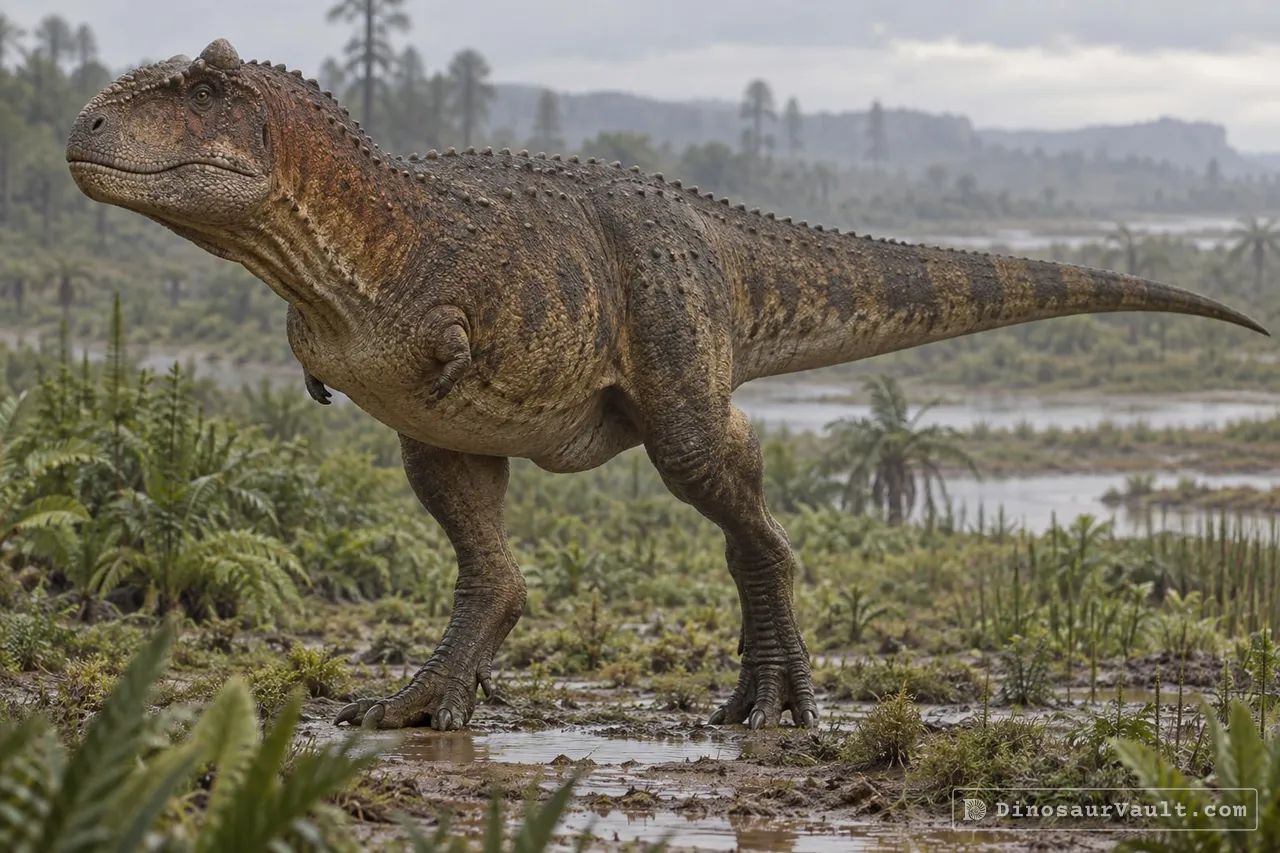
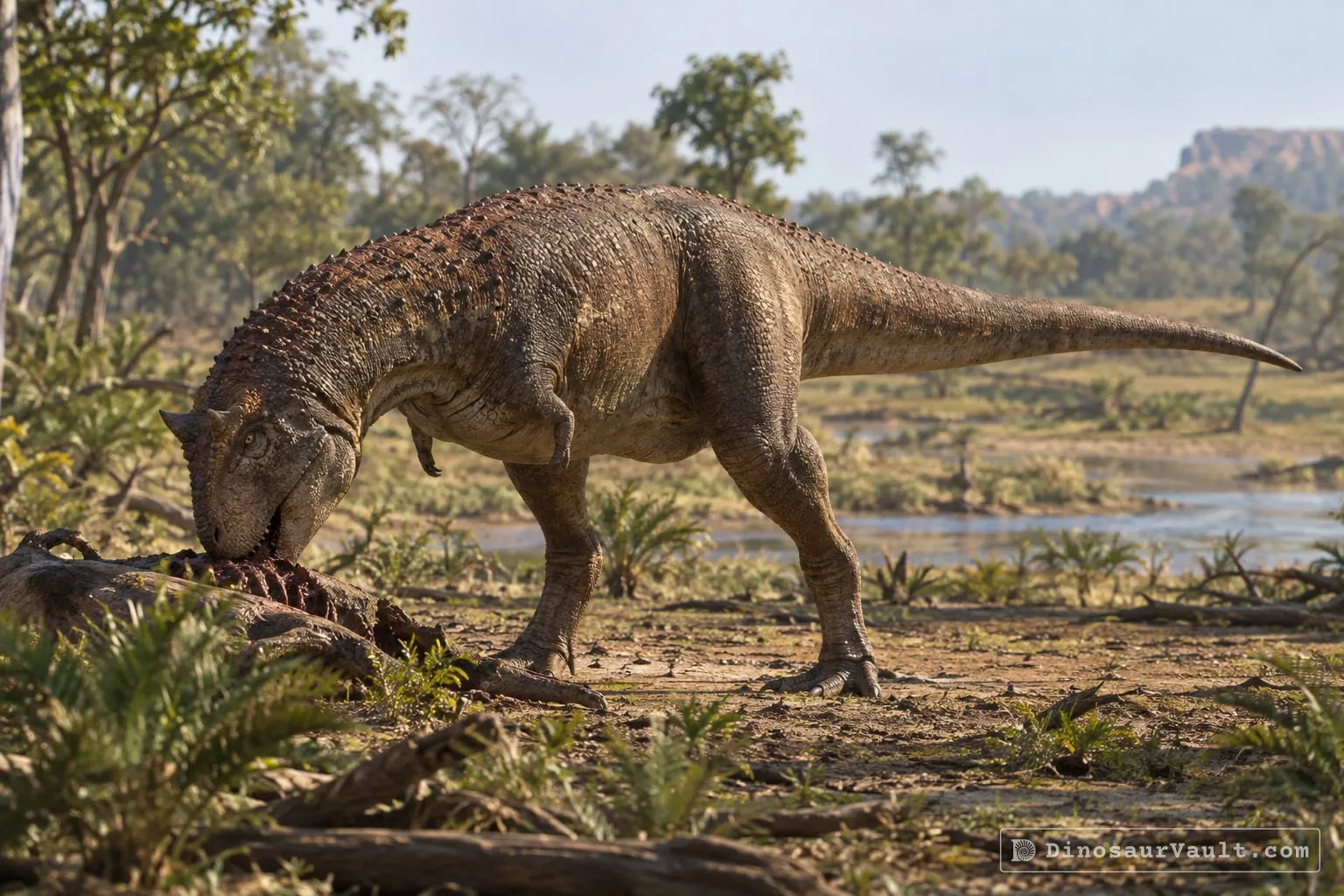
More views of Lametasaurus
Scenes reconstructed from the available fossil evidence.
Lived alongside
Found in the same rock formations
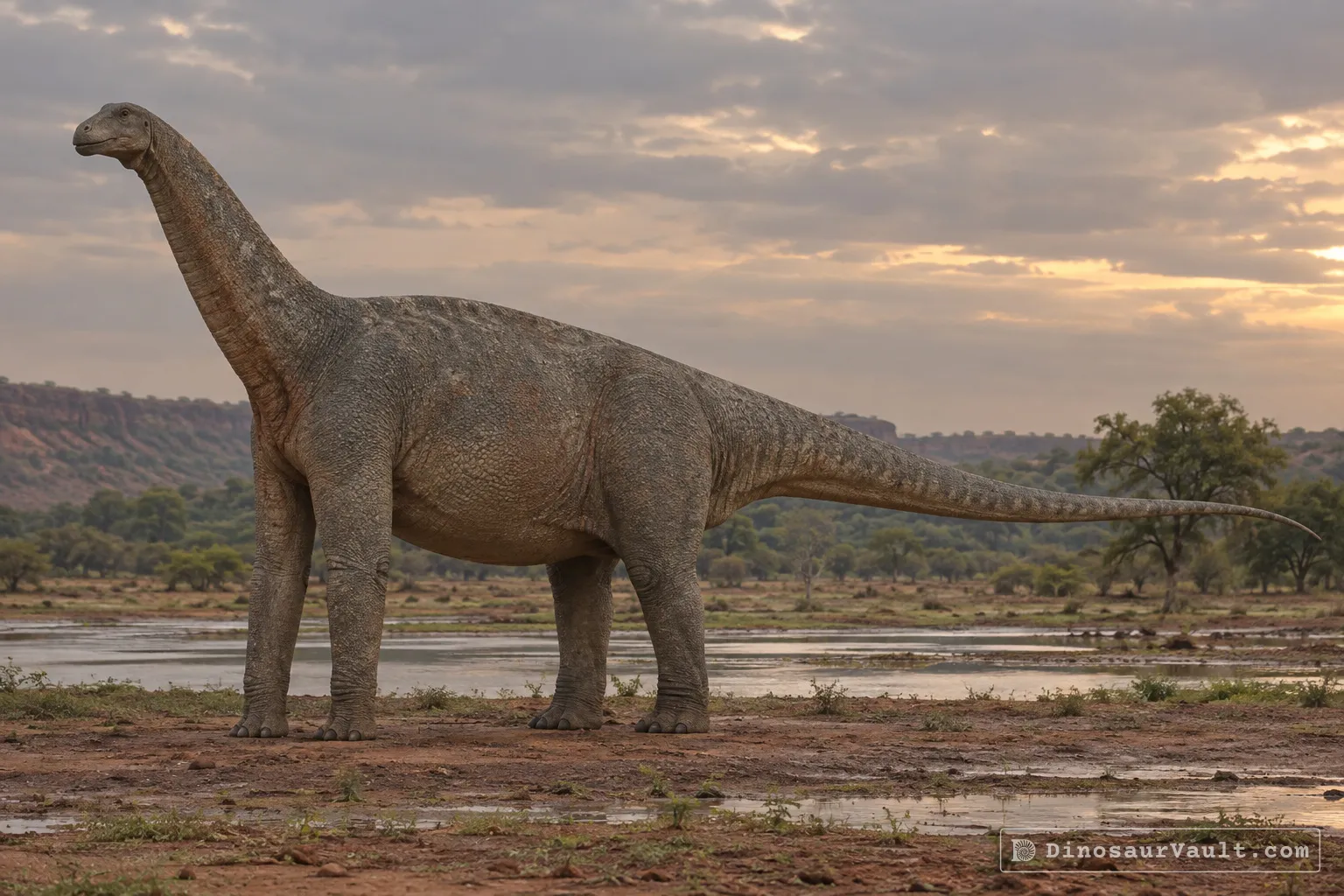
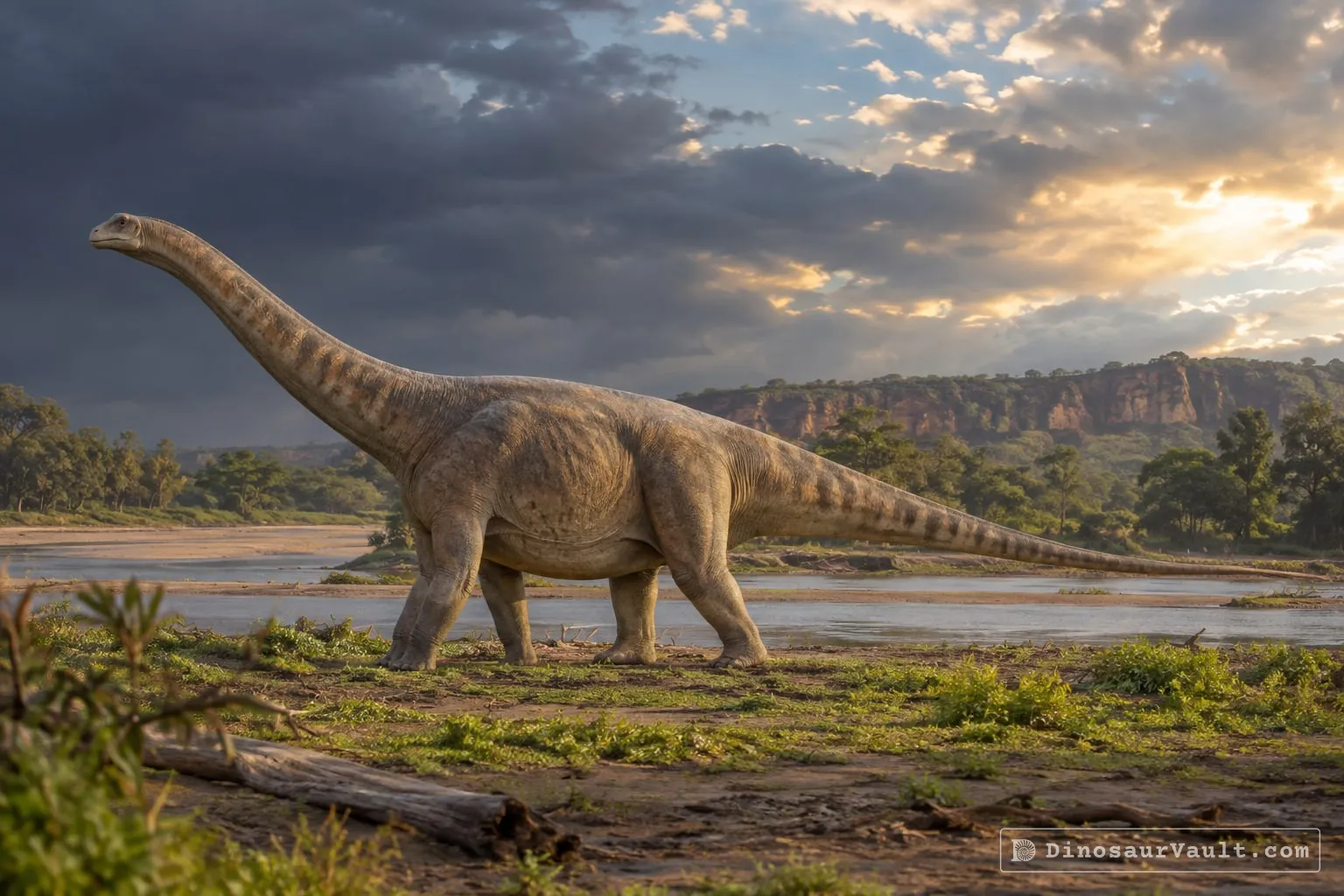
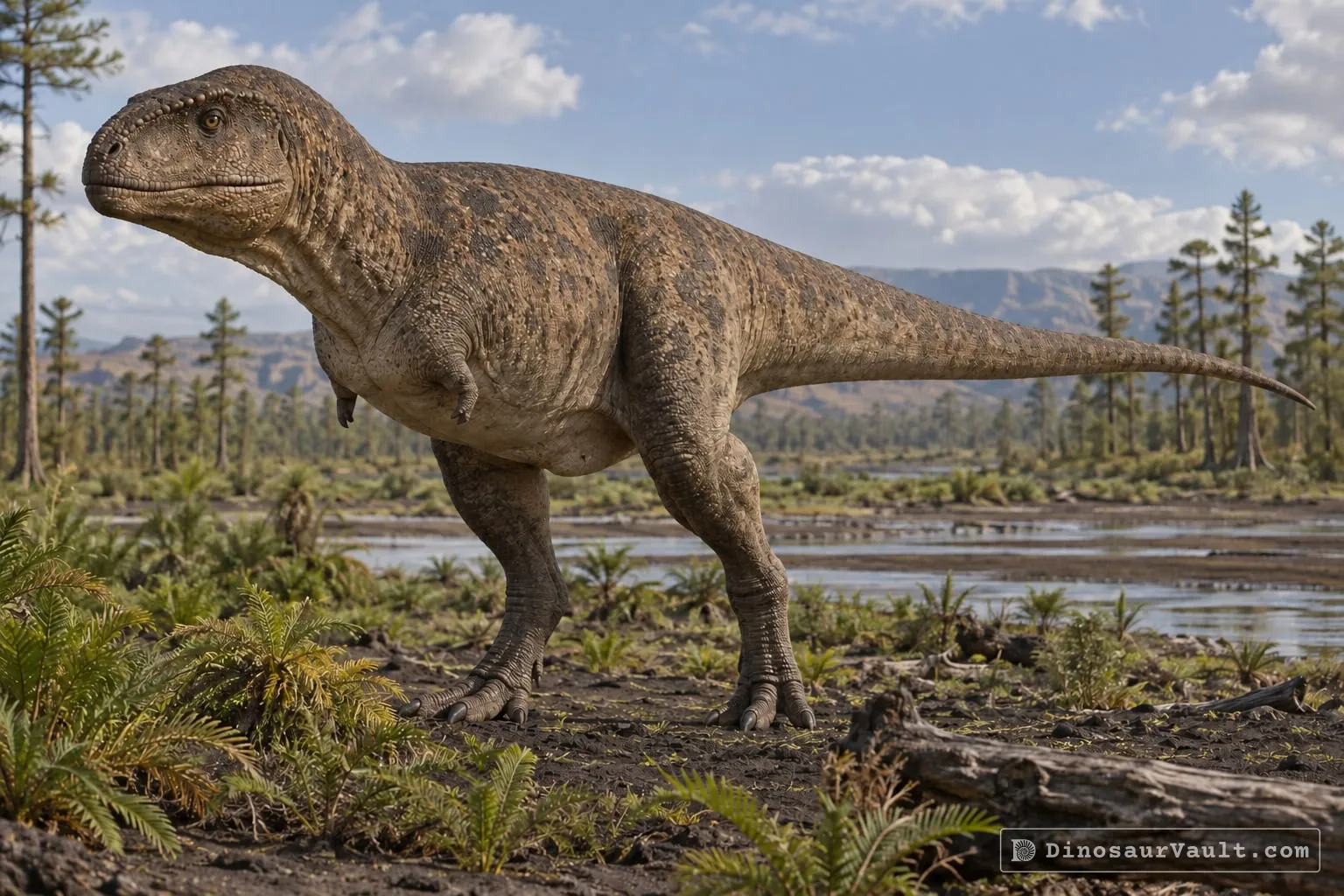
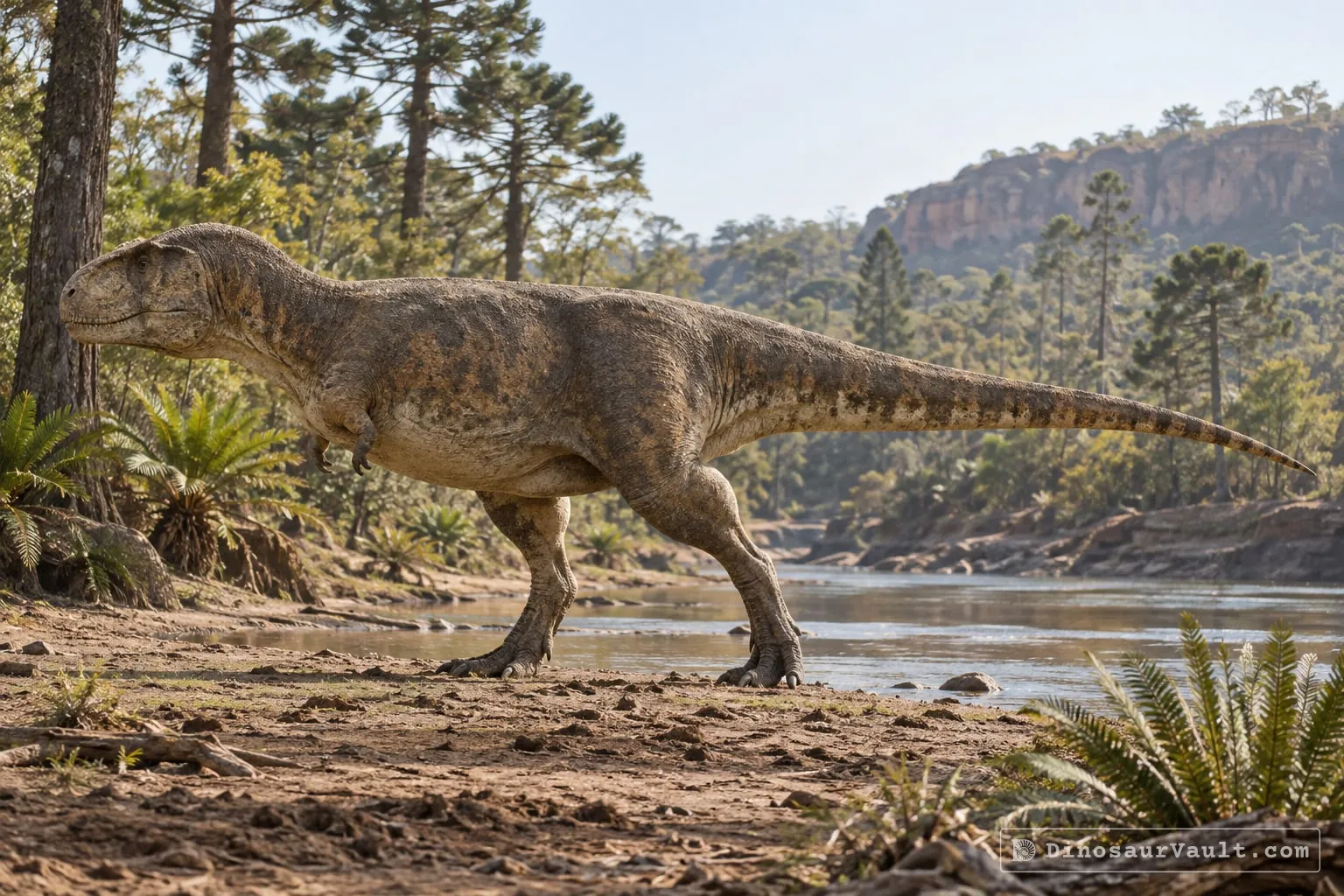
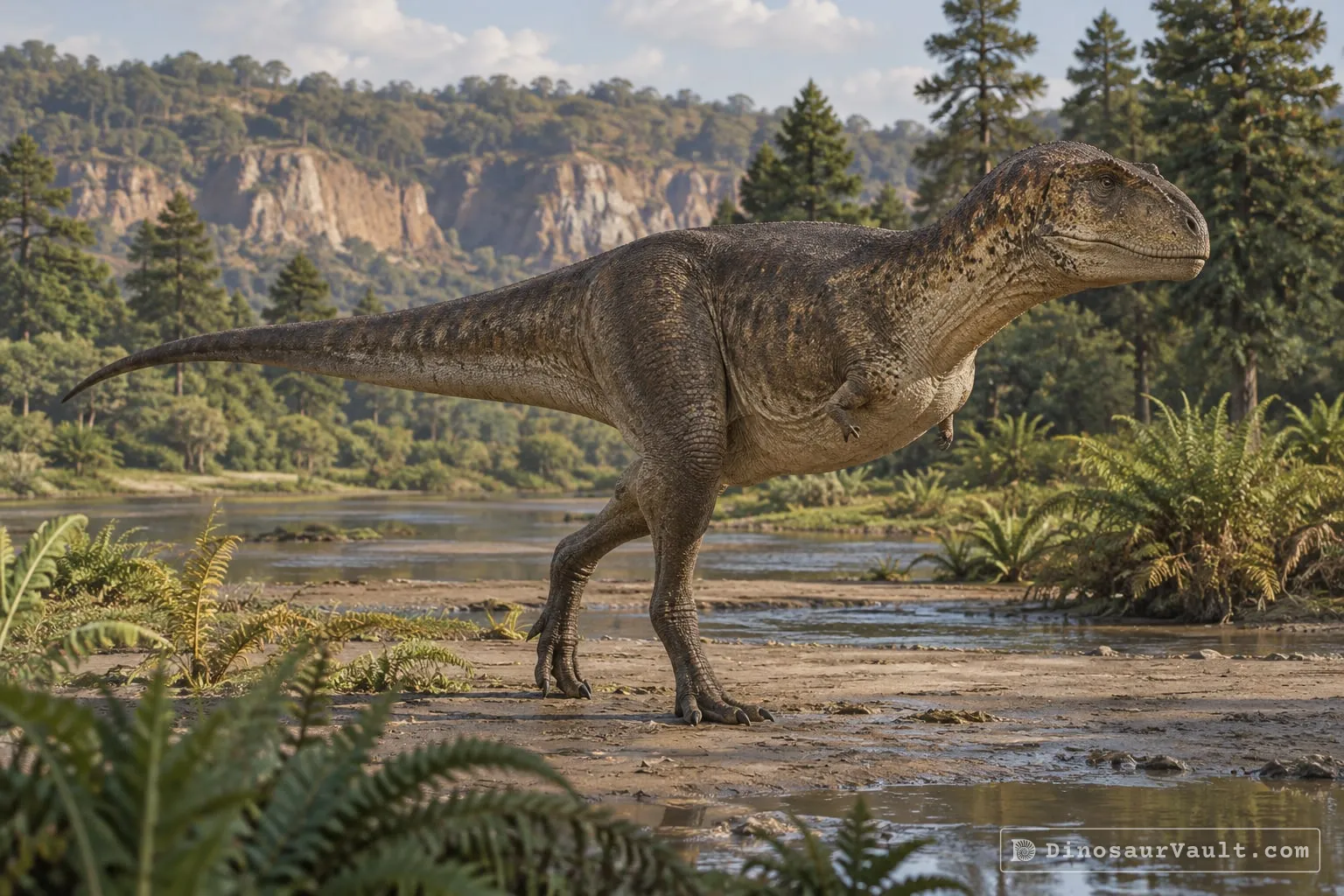
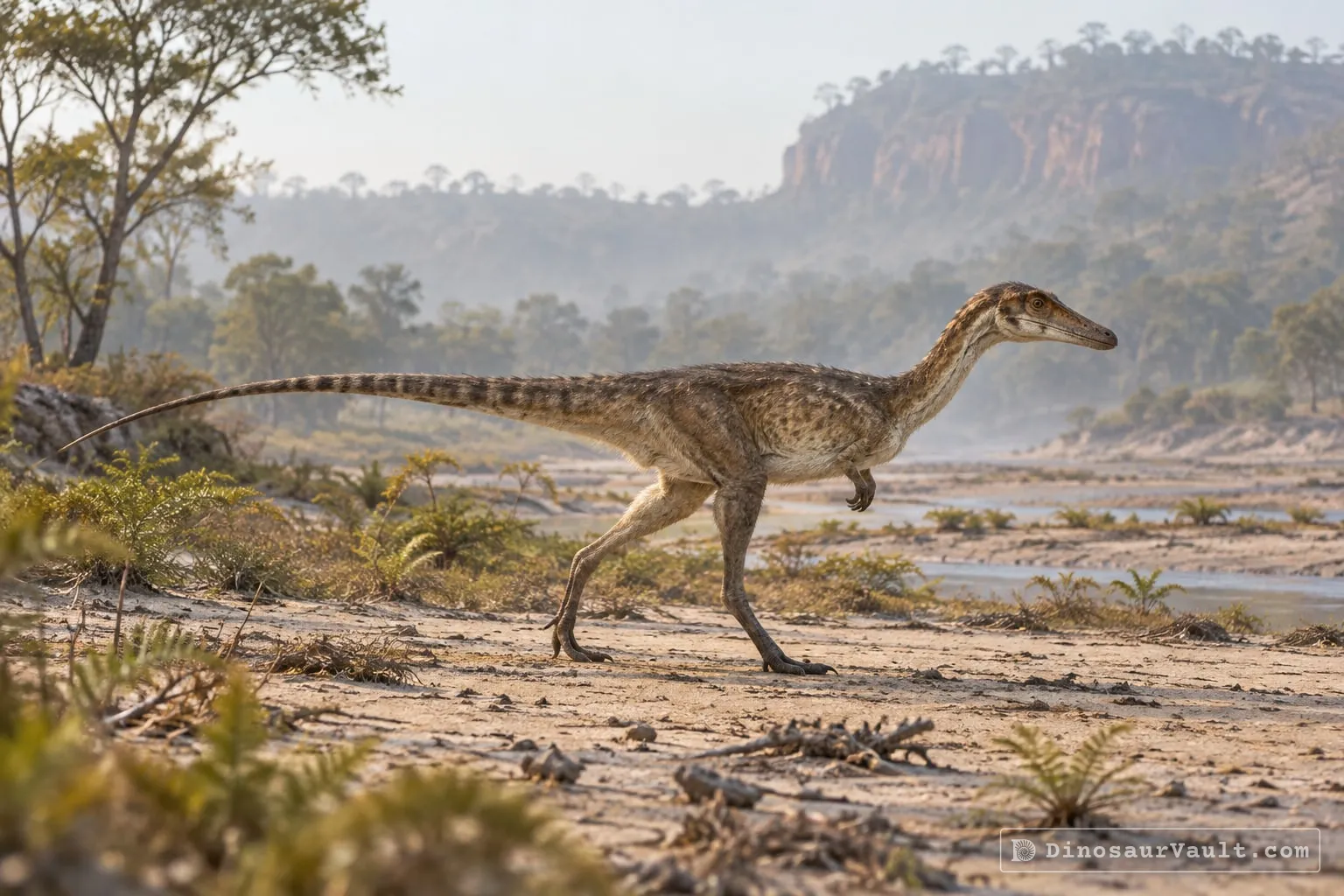
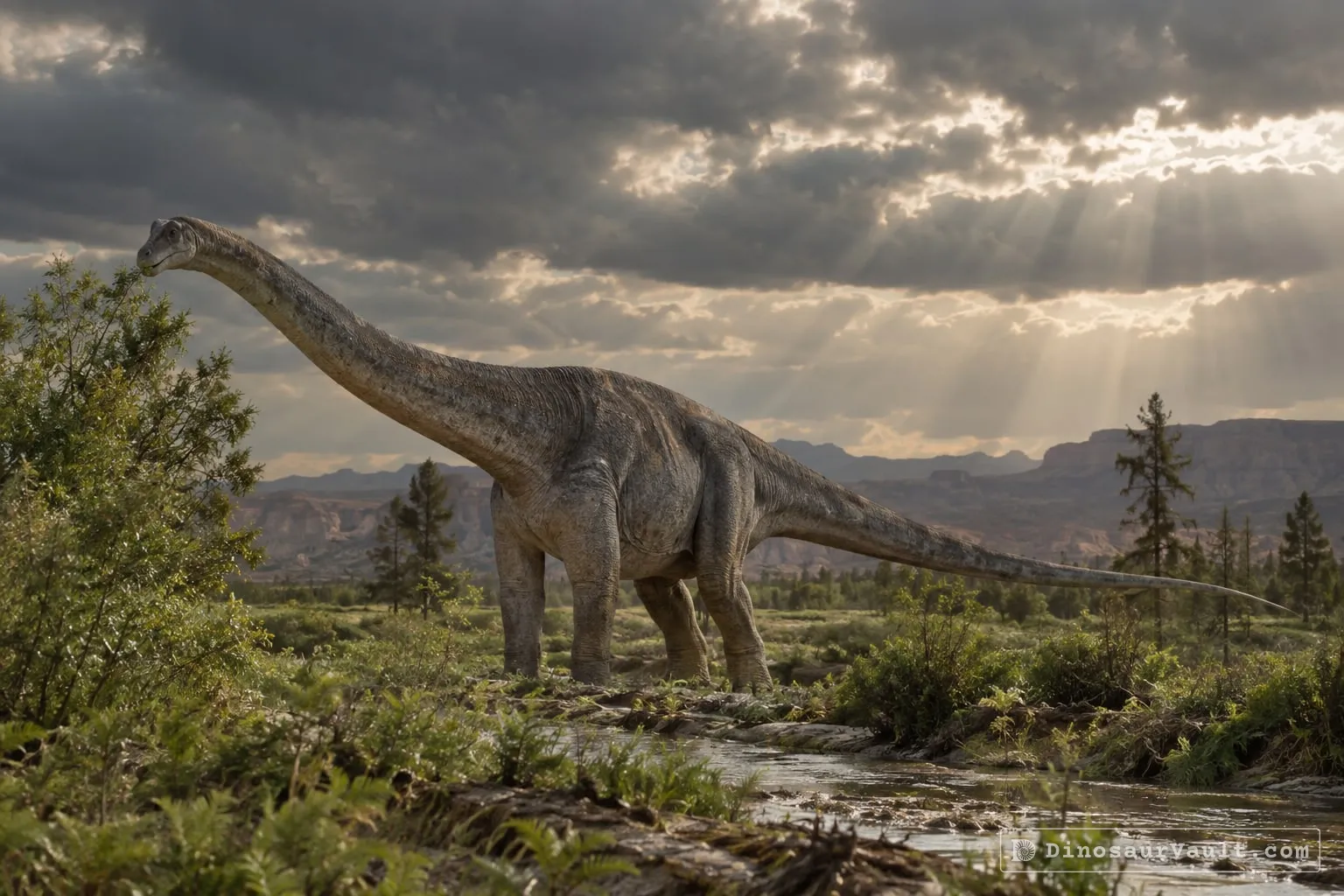


A rock formation can hold fossils laid down millions of years apart, so not every animal here met Lametasaurus.
The evidence
The science behind Lametasaurus
Which parts of the picture come from its own bones, and which come from its relatives.
From its own fossils
- The original collection included hip bones, fused vertebrae from the hips, a shinbone and armor plates.
- The hip bones and shinbone have features found in abelisaurid meat eaters.
Borrowed from relatives
- Rajasaurus provides a comparison for the hip bones; the armor plates have been compared with those of titanosaurs.
Still unknown
- Which animals contributed the bones placed under this name.
- Whether the theropod bones belonged to Rajasaurus, Indosaurus or a separate animal.
- Whether the original lost fossils will ever be recovered.
Discovery timeline
- 1924Named itMatley
- 1935RedescriptionChakravarti
- 2008Family treeCarrano & Sampson
Key papers
The research behind what we know of Lametasaurus
Named it
Named Lametasaurus by grouping hip and leg bones with armor plates and interpreting them as an armored dinosaur.
Note on an armoured dinosaur from the Lameta beds of Jubbulpore. Records of the Geological Survey of India 55: 105-109
No link available
Redescription
Challenged the armored-dinosaur interpretation and identified the hip and leg bones as those of a meat eater.
Is Lametasaurus indicus an armored dinosaur? American Journal of Science s5-30: 138-141
Read the paper : Is Lametasaurus indicus an armored dinosaur? (opens in a new tab)Family tree
Recognized abelisaurid features in the hip and leg bones and suggested that the armor plates probably belonged to a titanosaur.
The Phylogeny of Ceratosauria (Dinosauria: Theropoda). Journal of Systematic Palaeontology 6: 183-236
Read the paper : The Phylogeny of Ceratosauria (Dinosauria: Theropoda) (opens in a new tab)
Close relatives
Other members of Abelisauridae


Sources: Wikidata