Outline: a typical theropod
Heyuannia
"from Heyuan"
Type species Heyuannia huangi
- Lived
- 84 to 66 million years ago, Late Cretaceous
- Diet
- Omnivore
- Length
- about 2 m (7 ft)
- Group
- Theropods, Oviraptoridae
- Found in
- China and Mongolia
- Named by
- Lü 2003
Size comparison
To scale

Scale in metersOutline: typical theropod shape
Where its fossils were found
The evidence
Today

75 million years ago
Field notes
About Heyuannia
What it was like
Heyuannia was an oviraptor about 2 meters (7 feet) long, with a toothless beak and no crest. It had short arms with a reduced first finger.
Nests of eggs found in the same rocks in China are thought to belong to it, and a study of them suggests their shells were blue-green.
Its world
It lived in the Late Cretaceous in what is now southern China, with a second species from Mongolia. In China its bones come from the Dongyuan Formation, and in Mongolia from the Baruungoyot Formation.
How it was found
Lü named Heyuannia in 2003. It was the first oviraptor found in China.
Lived alongside
Found in the same rock formations
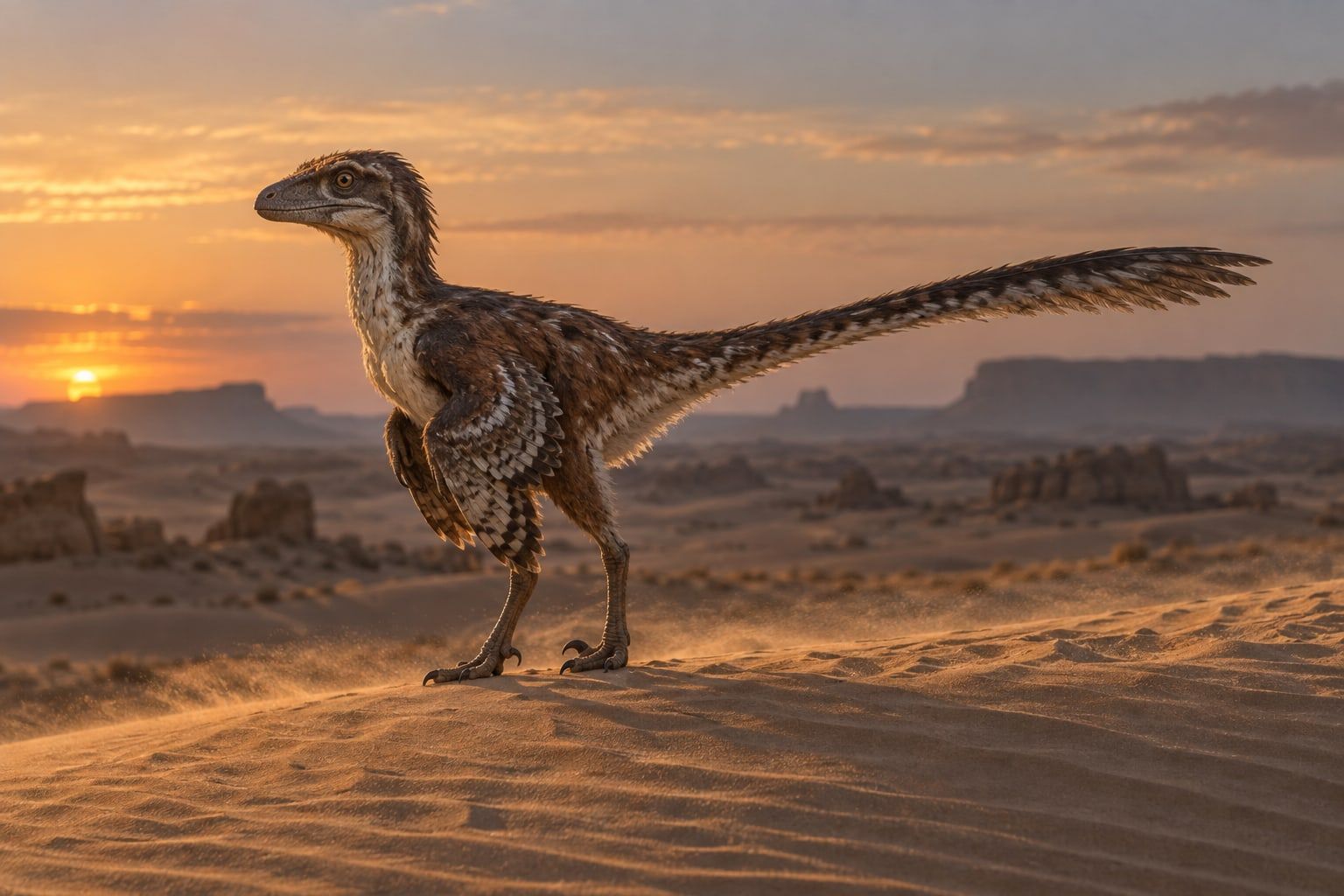
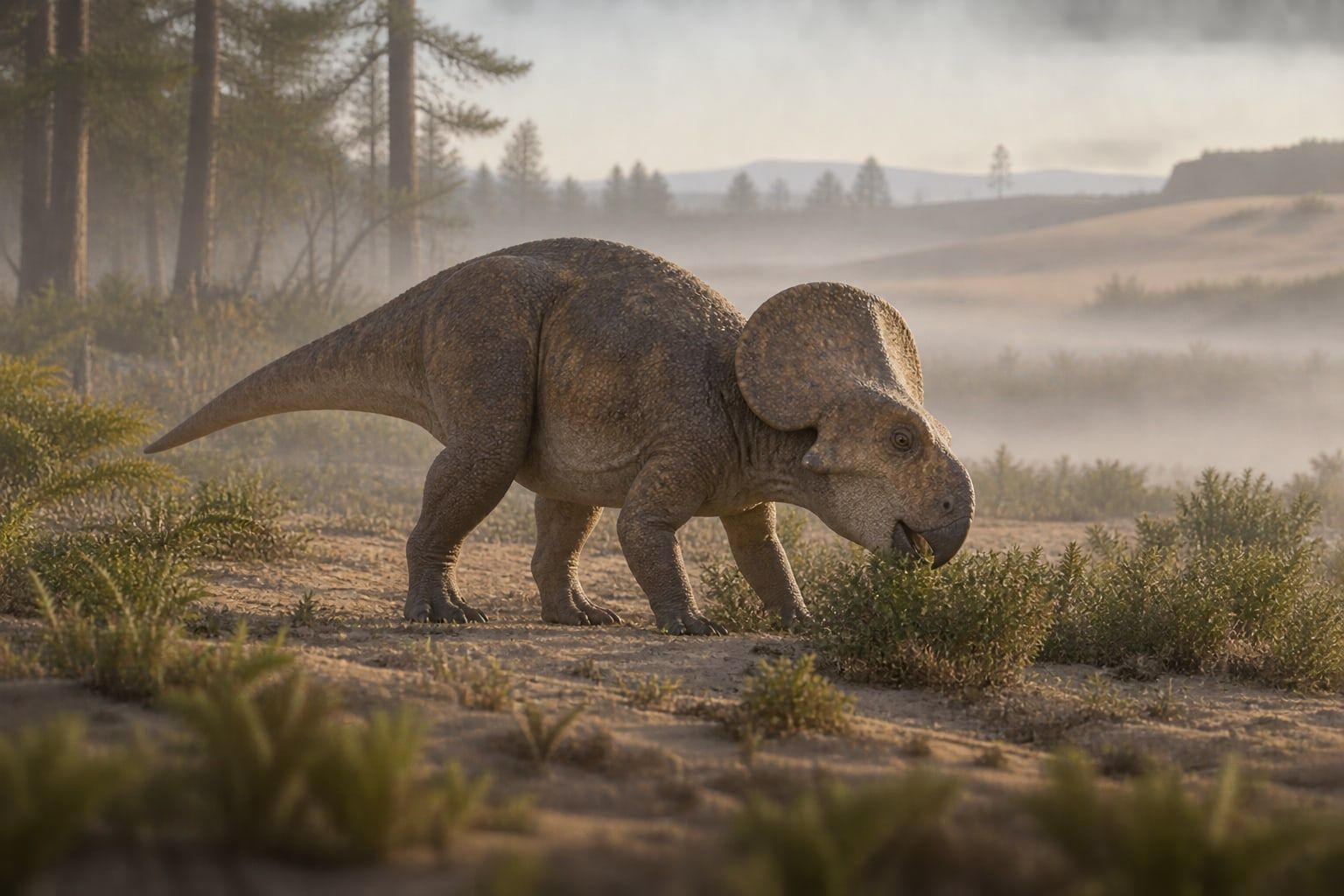
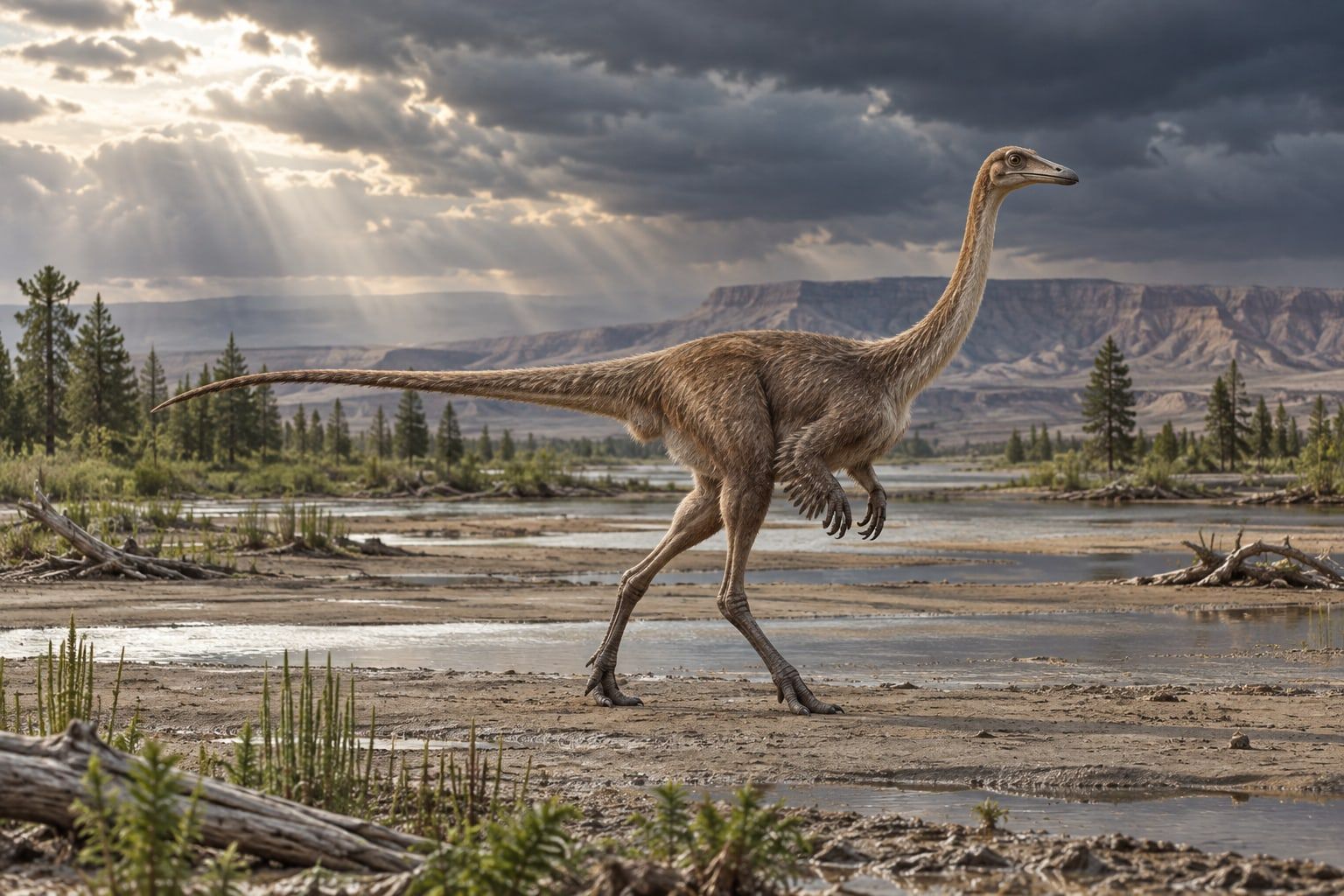
Close relatives
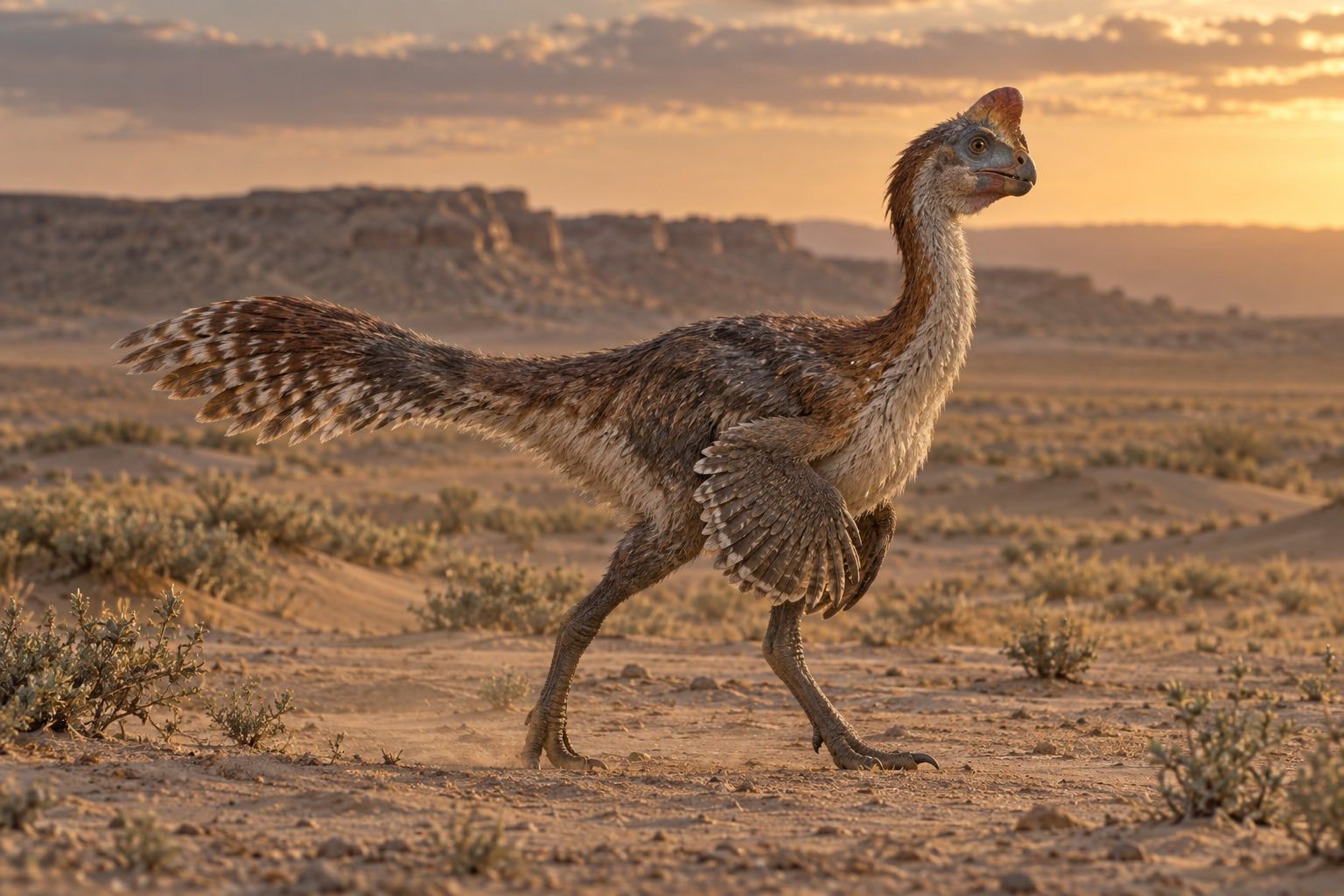
Other members of Oviraptoridae
Sources: WikidataNamed in: J. Lü. 2003. A new oviraptorosaurid (Theropoda: Oviraptorosauria) from the Late Cretaceous of southern China. Journal of Vertebrate Paleontology 22(4):871-875