Gobiraptor
"Gobi thief"
Type species Gobiraptor minutus
- Lived
- 72 to 66 million years ago, Late Cretaceous
- Diet
- Omnivore
- Group
- Theropods, Oviraptoridae
- Found in
- Mongolia
- Named by
- Lee et al. 2019
Where its fossils were found
The evidence
Today

70 million years ago
Habitat
Rivers, lakes and marshes dotted a floodplain in what is now Mongolia. The Nemegt Formation also contains Tarbosaurus, Deinocheirus and Gallimimus.
Field notes
About Gobiraptor
What it was like
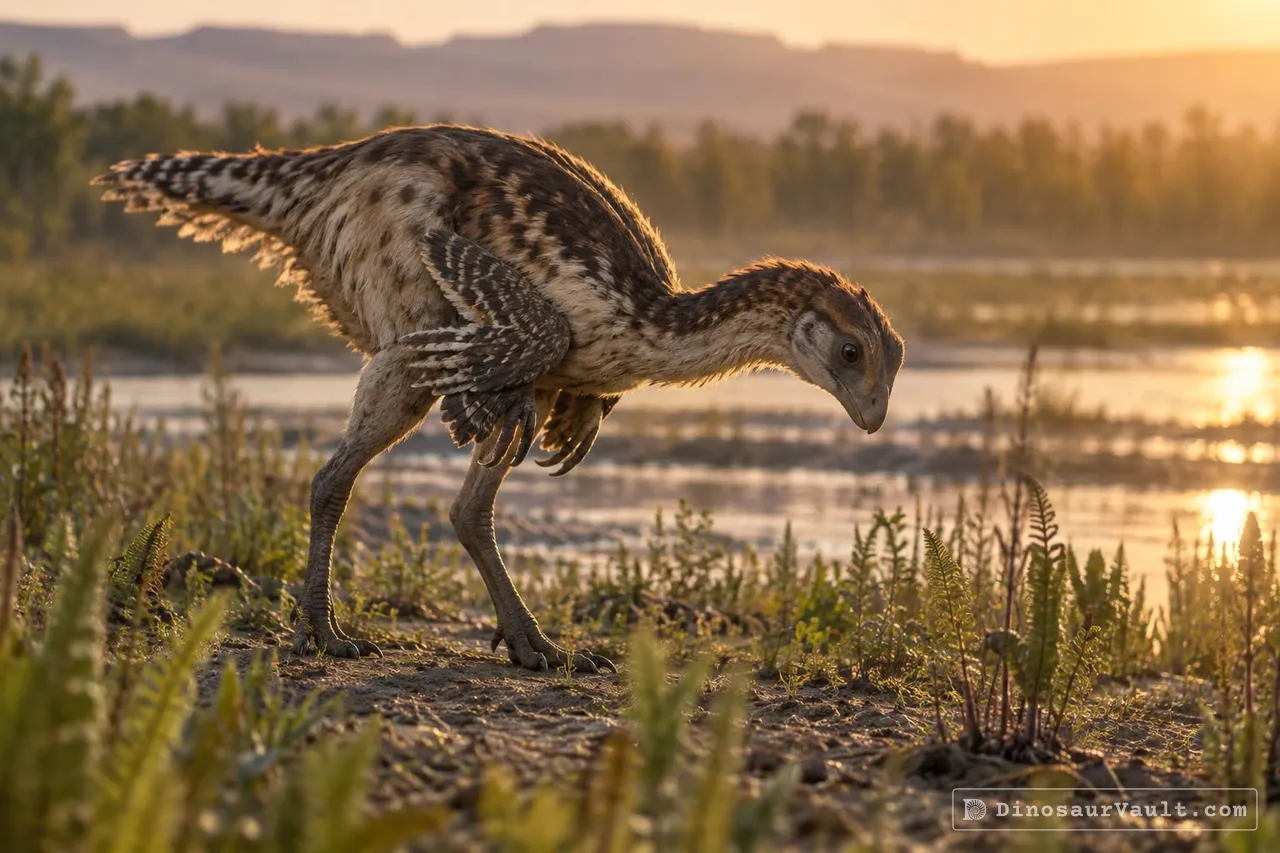
Gobiraptor was a small oviraptorid, a feathered theropod with a toothless beak. Its lower jaw was unusually thick, which suggests it may have cracked hard foods such as seeds or shells.
Its world
It lived about 72 to 66 million years ago, near the end of the Cretaceous, in what is now Mongolia. It comes from the Nemegt Formation, where it shared the land with Tarbosaurus, Therizinosaurus, Deinocheirus and the ostrich-like Gallimimus.
How it was found
Lee and colleagues named Gobiraptor in 2019. The type species is Gobiraptor minutus, from a young animal.
Field gallery
More views of Gobiraptor
Scenes reconstructed from the available fossil evidence.
1 of 3
Lived alongside
Found in the same rock formations
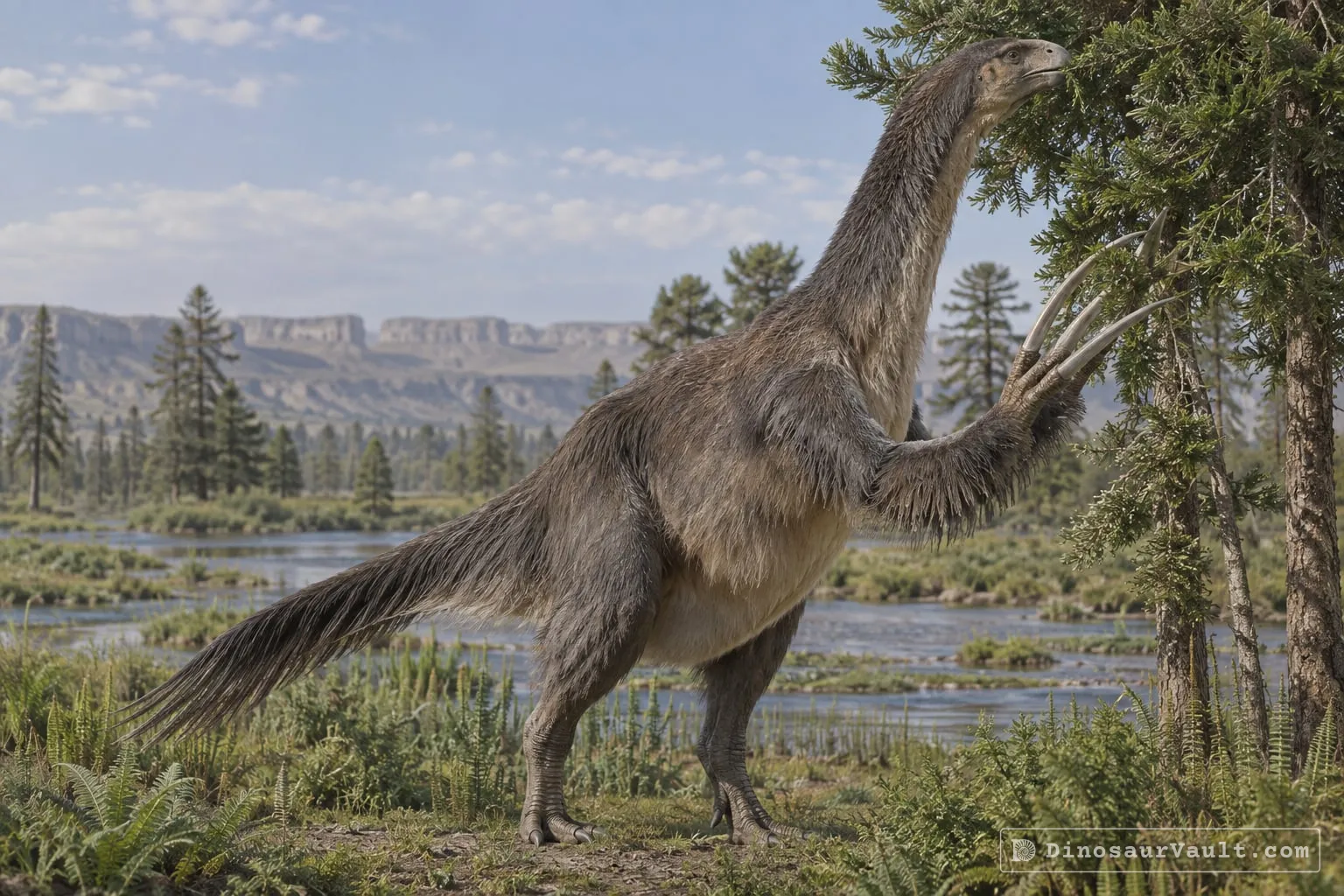
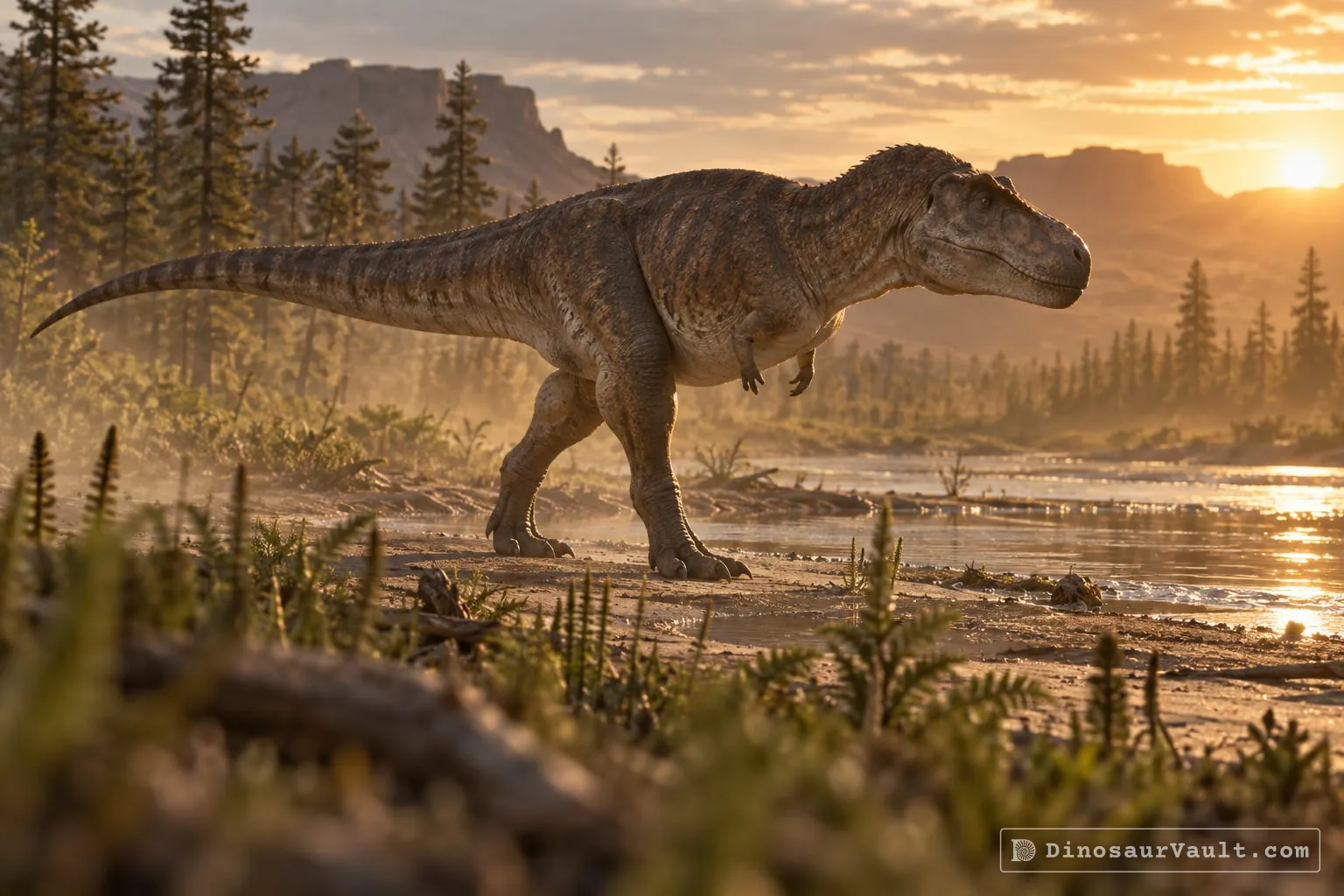
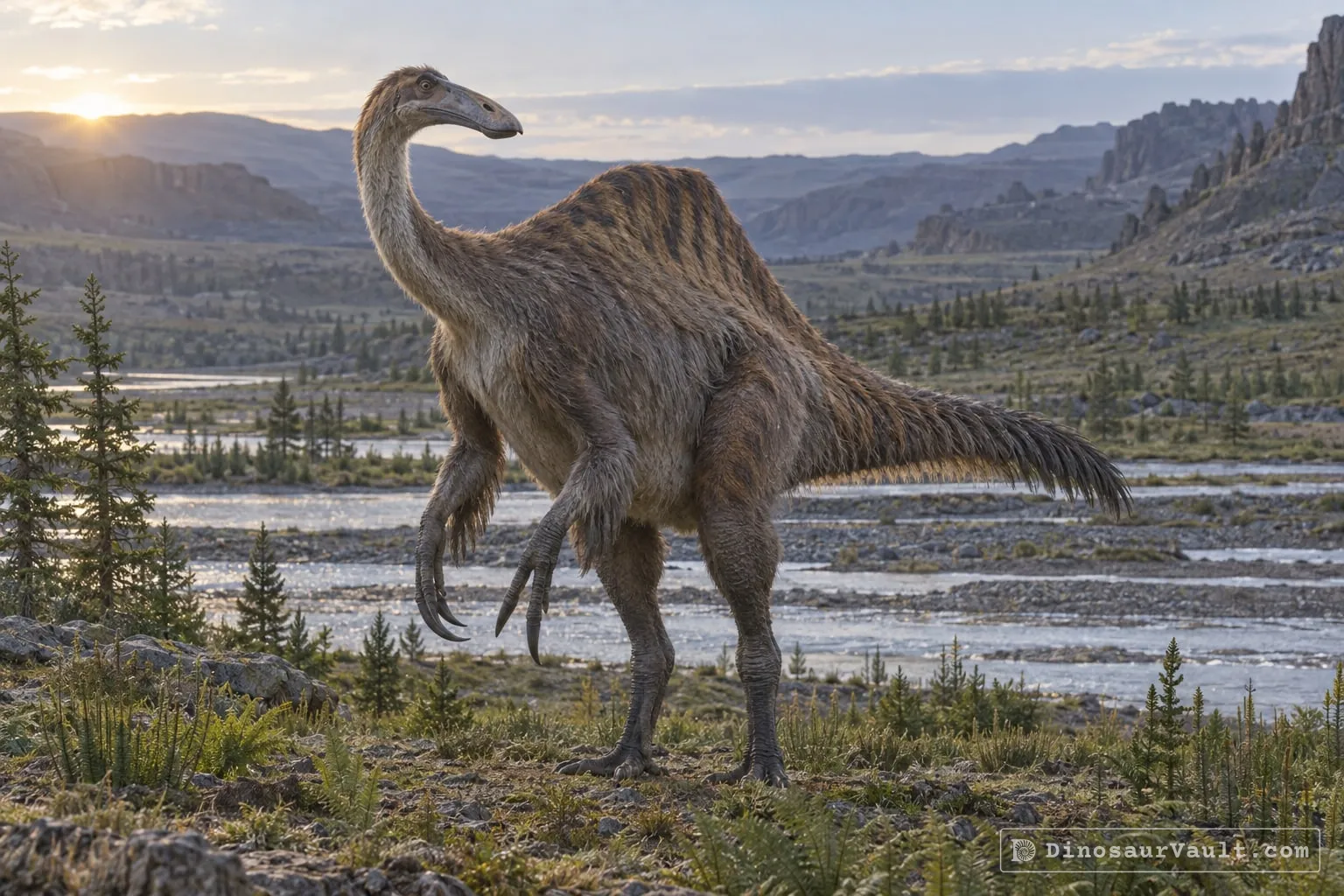
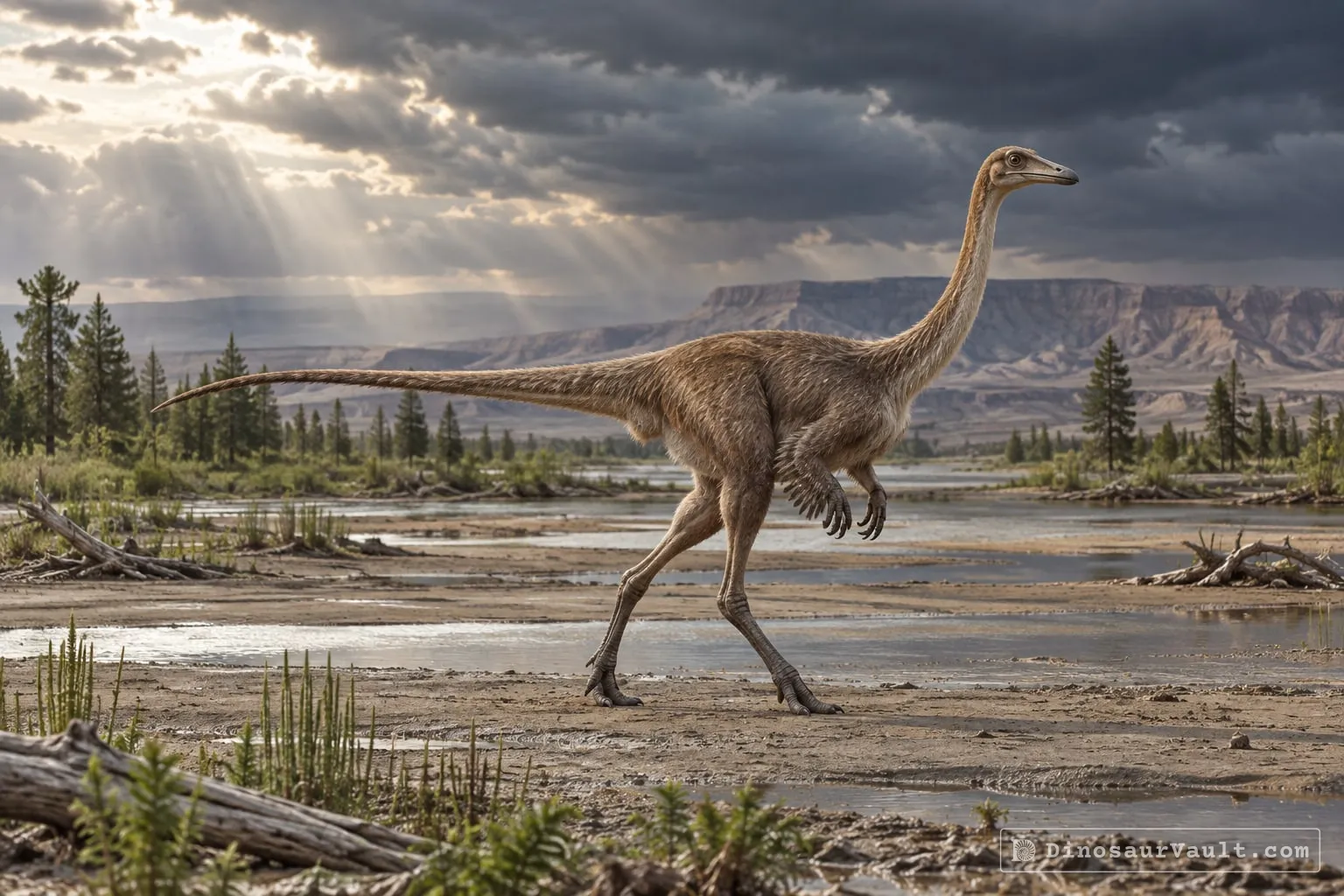
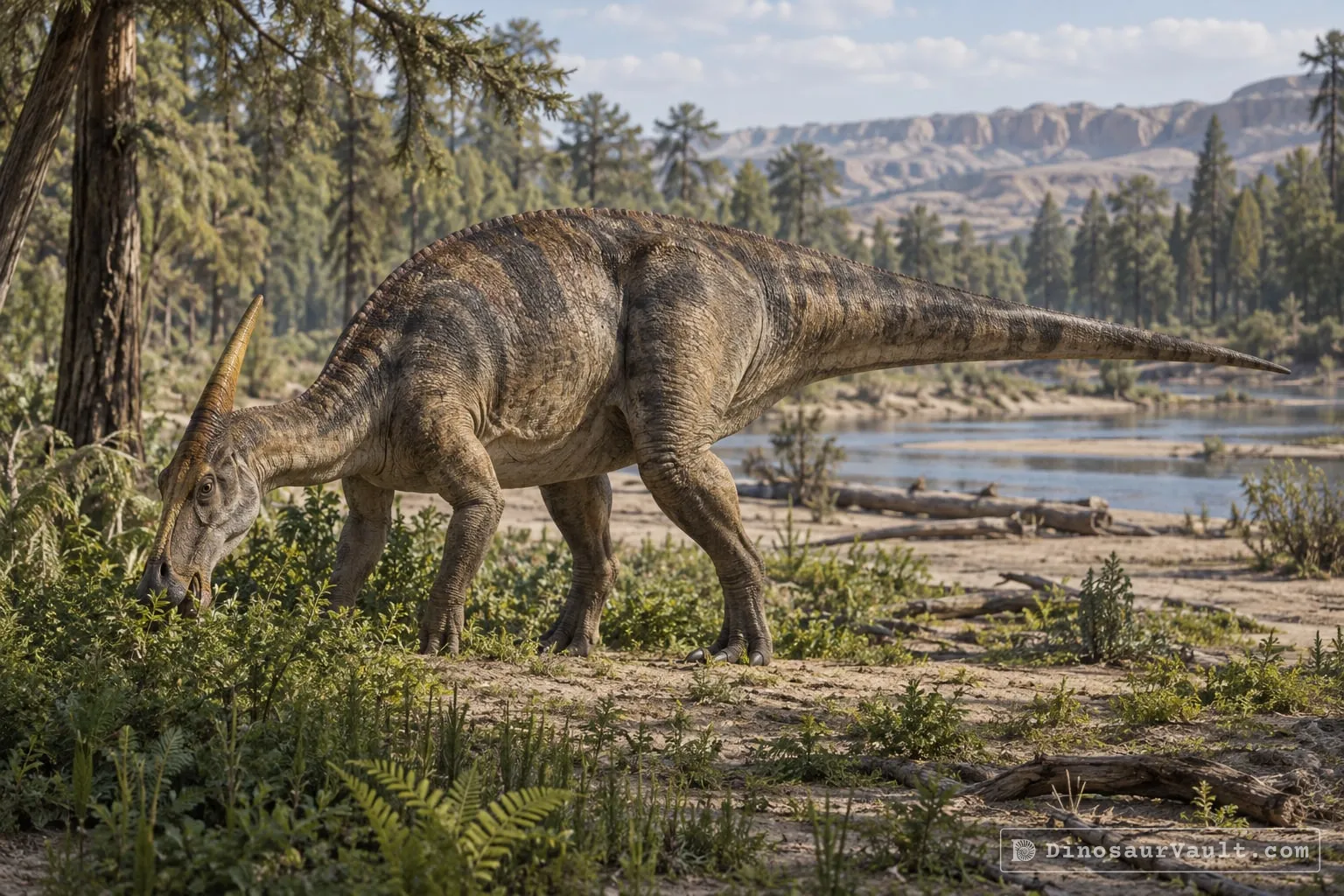
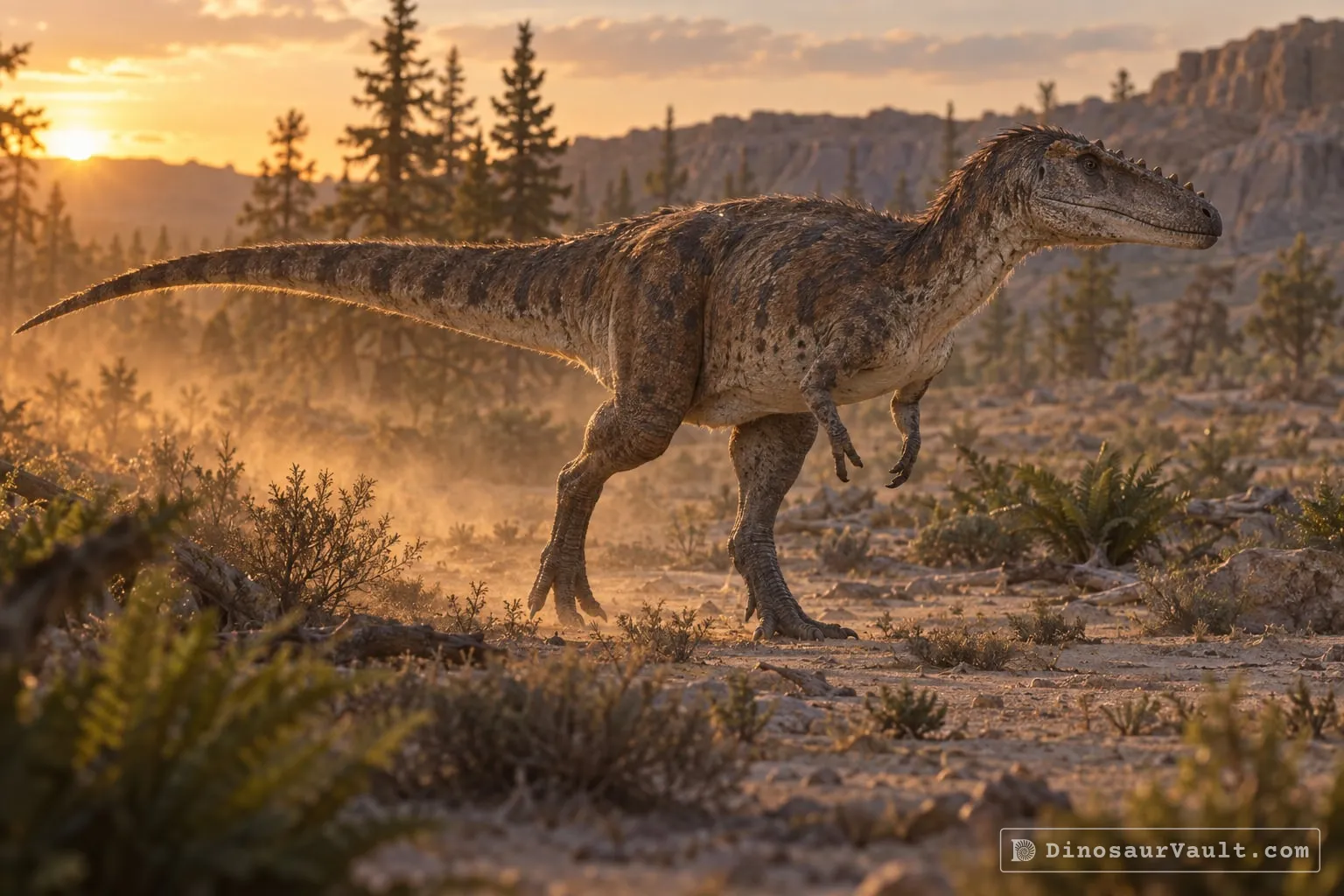
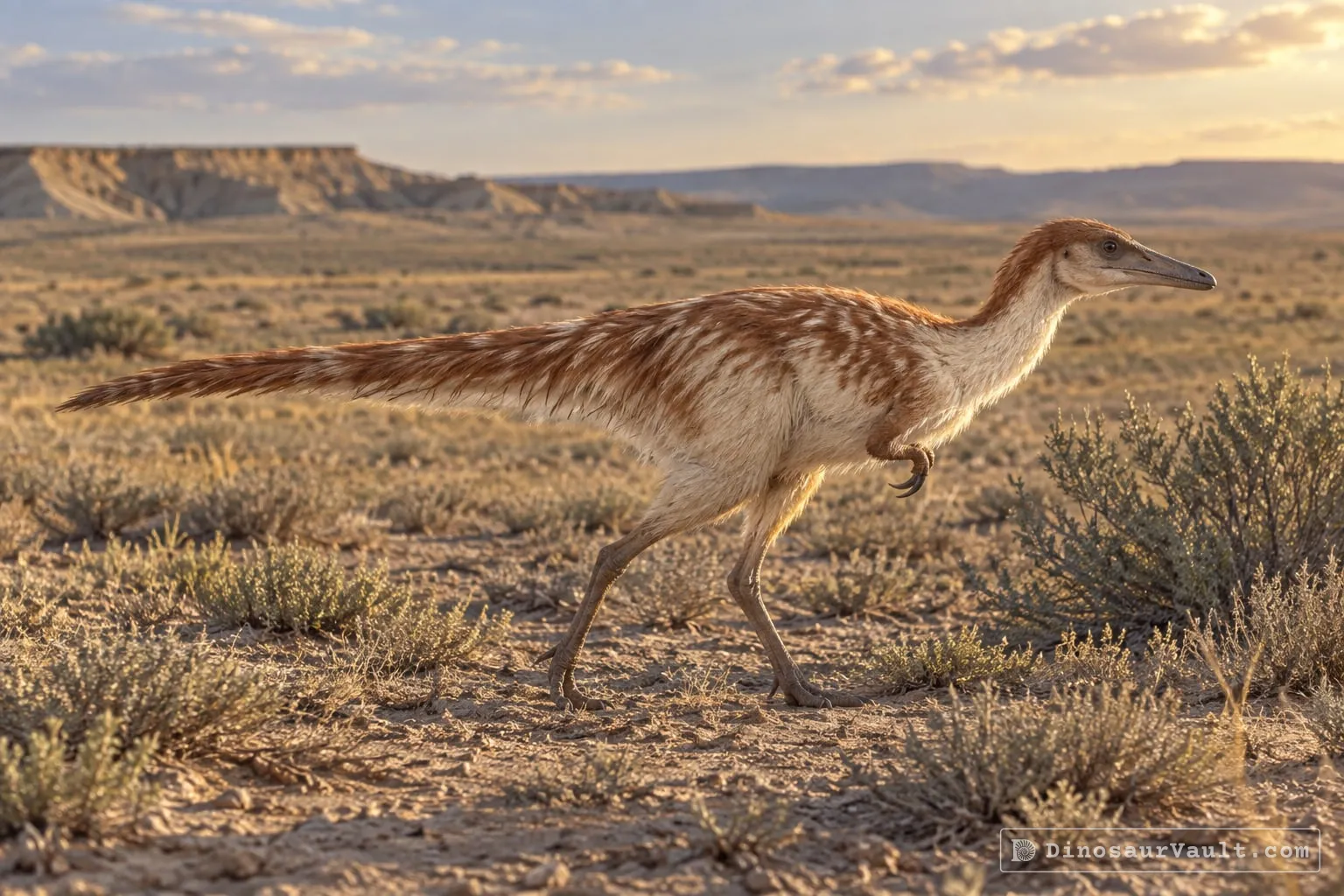


A rock formation can hold fossils laid down millions of years apart, so not every animal here met Gobiraptor.
The evidence
The science behind Gobiraptor
Which parts of the picture come from its own bones, and which come from its relatives.
From its own fossils
- The type specimen is one young animal: the front of the skull and the lower jaws, a piece from behind the eye, part of a shoulder blade and upper arm, pieces of the hips, both thigh bones, several front tail vertebrae and part of the left foot.
- The toothless lower jaw is unusually thick at the front where its halves meet, and its tip turns strongly downward without a large chin projection.
- Small shelves inside the lower jaw carry tiny pits. The middle bone of the upper foot is not pinched between its neighbors, as it is in some relatives.
Borrowed from relatives
- A covering of feathers follows feathered oviraptorosaurs such as Caudipteryx.
- The missing upper skull, neck, chest, forearms and shins are restored by comparison with Conchoraptor, an oviraptorid without a tall head crest.
Still unknown
- Its adult size, and the shape of its upper skull and any head crest.
- Whether its food included hard seeds, shelled animals or both.
- Its closest relatives. The naming study placed it near Jiangxisaurus, Banji and Tongtianlong, but with weak support.
Discovery timeline
- 1998Close relativeQiang et al.
- 2019Named itLee et al.
- 2020Family treeFunston et al.
Key papers
The research behind what we know of Gobiraptor
Close relative
Described feathers in Caudipteryx, an earlier oviraptorosaur that helps guide restorations of Gobiraptor's plumage.
Two feathered dinosaurs from northeastern China. Nature 393: 753-761
Read the paper : Two feathered dinosaurs from northeastern China (opens in a new tab)Named it
Described a young Gobiraptor with a thickened lower jaw that may have crushed hard foods such as seeds or shells.
A new baby oviraptorid dinosaur (Dinosauria: Theropoda) from the Upper Cretaceous Nemegt Formation of Mongolia. PLOS ONE 14: e0210867
Read the paper : A new baby oviraptorid dinosaur (Dinosauria: Theropoda) from the Upper Cretaceous Nemegt Formation of Mongolia (opens in a new tab)Family tree
Described Oksoko and traced changes in oviraptorosaur arms and fingers as the group spread into new regions.
A new two-fingered dinosaur sheds light on the radiation of Oviraptorosauria. Royal Society Open Science 7: 201184
Read the paper : A new two-fingered dinosaur sheds light on the radiation of Oviraptorosauria (opens in a new tab)
Close relatives
Other members of Oviraptoridae


Sources: Wikidata