Outline: a typical theropod
Apatoraptor
"deceptive thief"
- Lived
- 72 to 66 million years ago, Late Cretaceous
- Diet
- Omnivore
- Group
- Theropods, Caenagnathidae
- Found in
- Canada
- Named by
- Funston and Currie 2016
Where its fossils were found
The evidence
Today
70 million years ago
Field notes
About Apatoraptor
What it was like
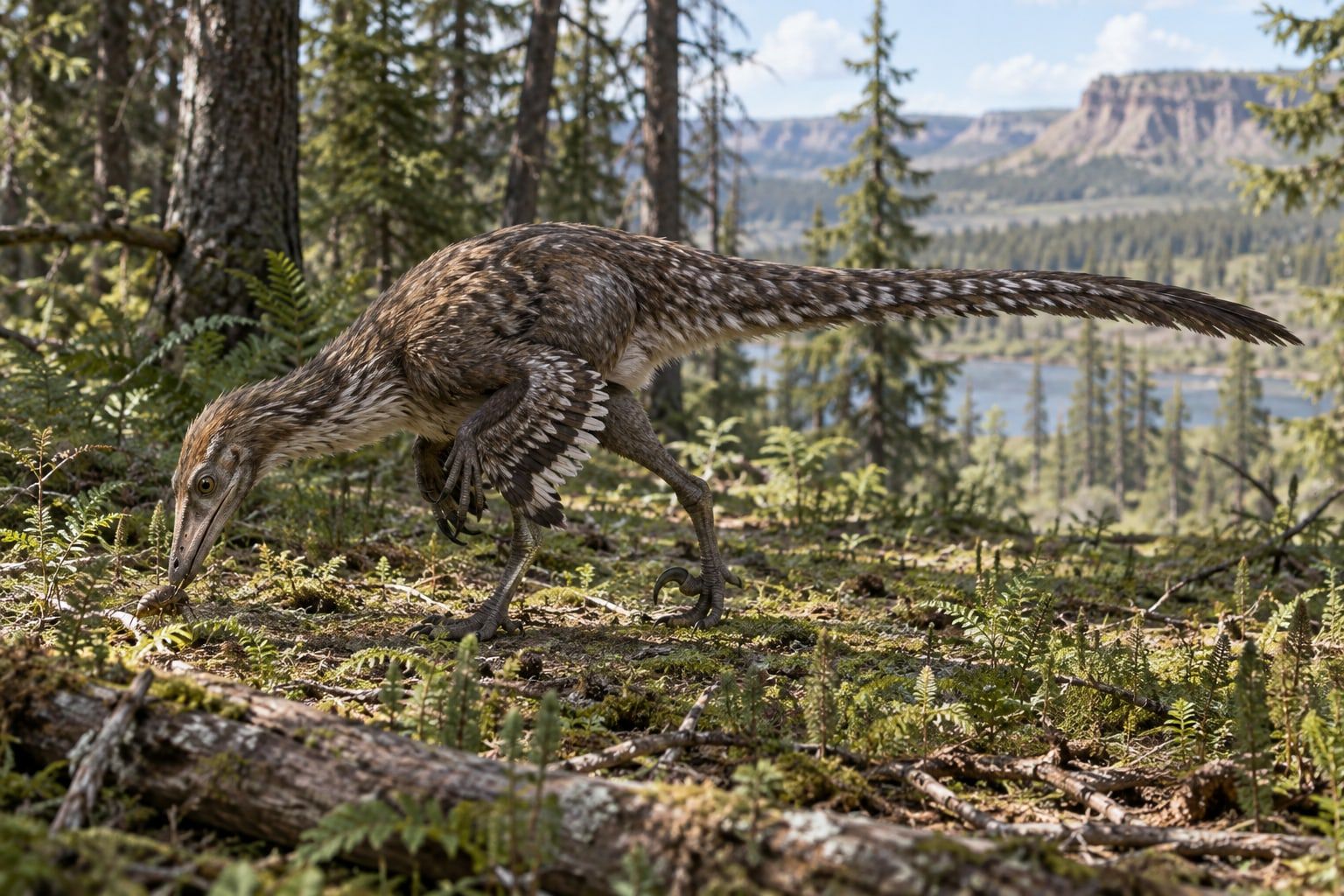
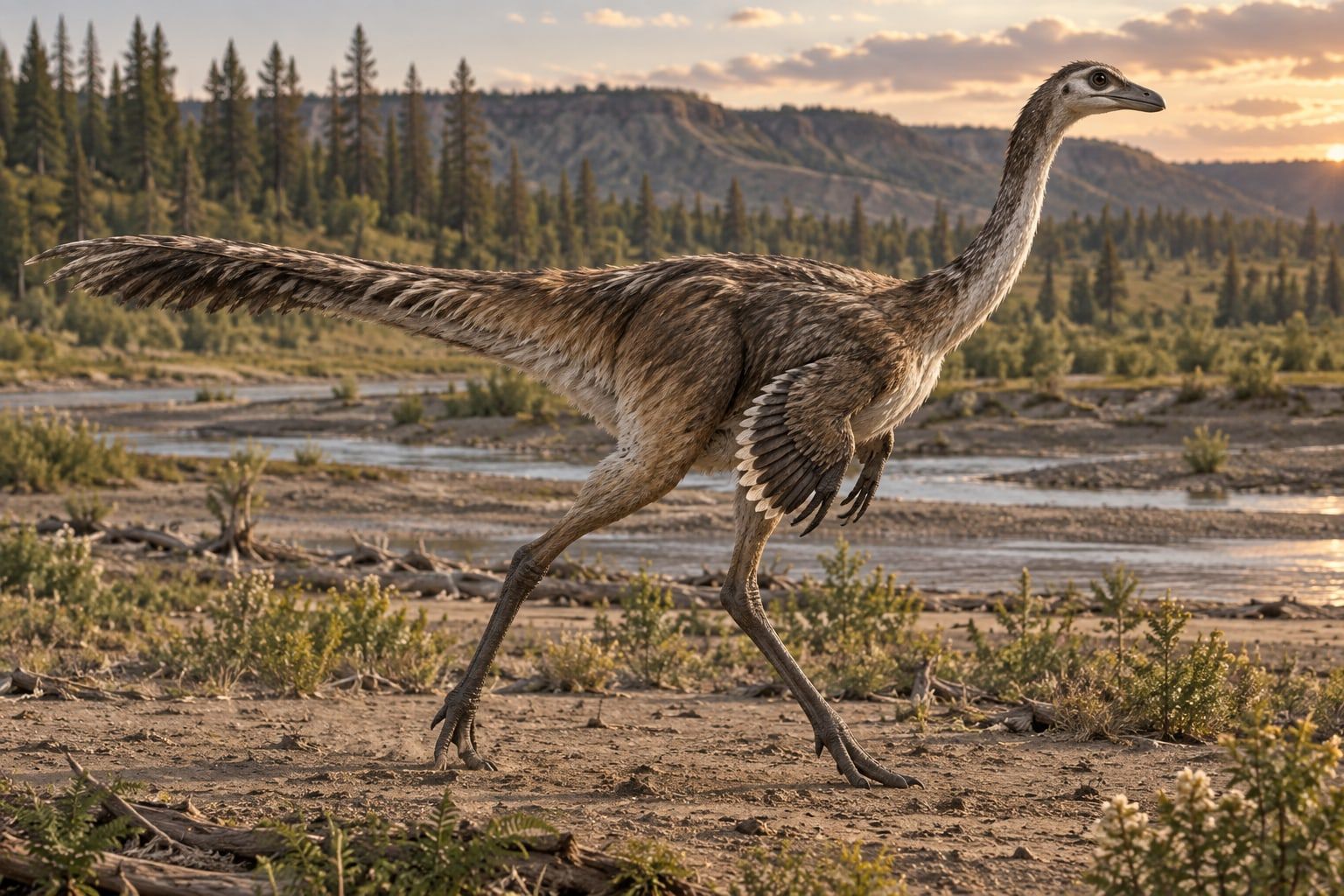
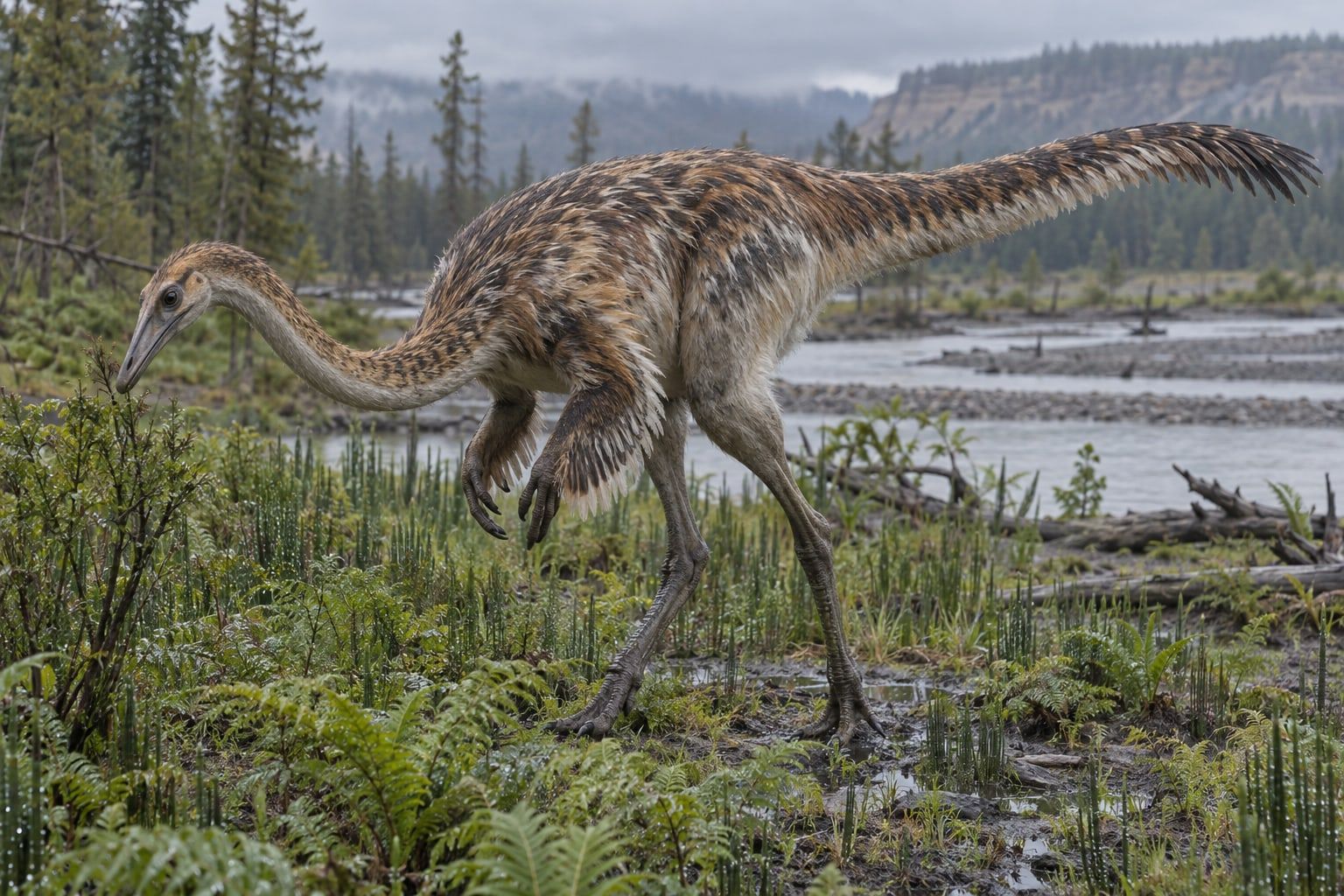
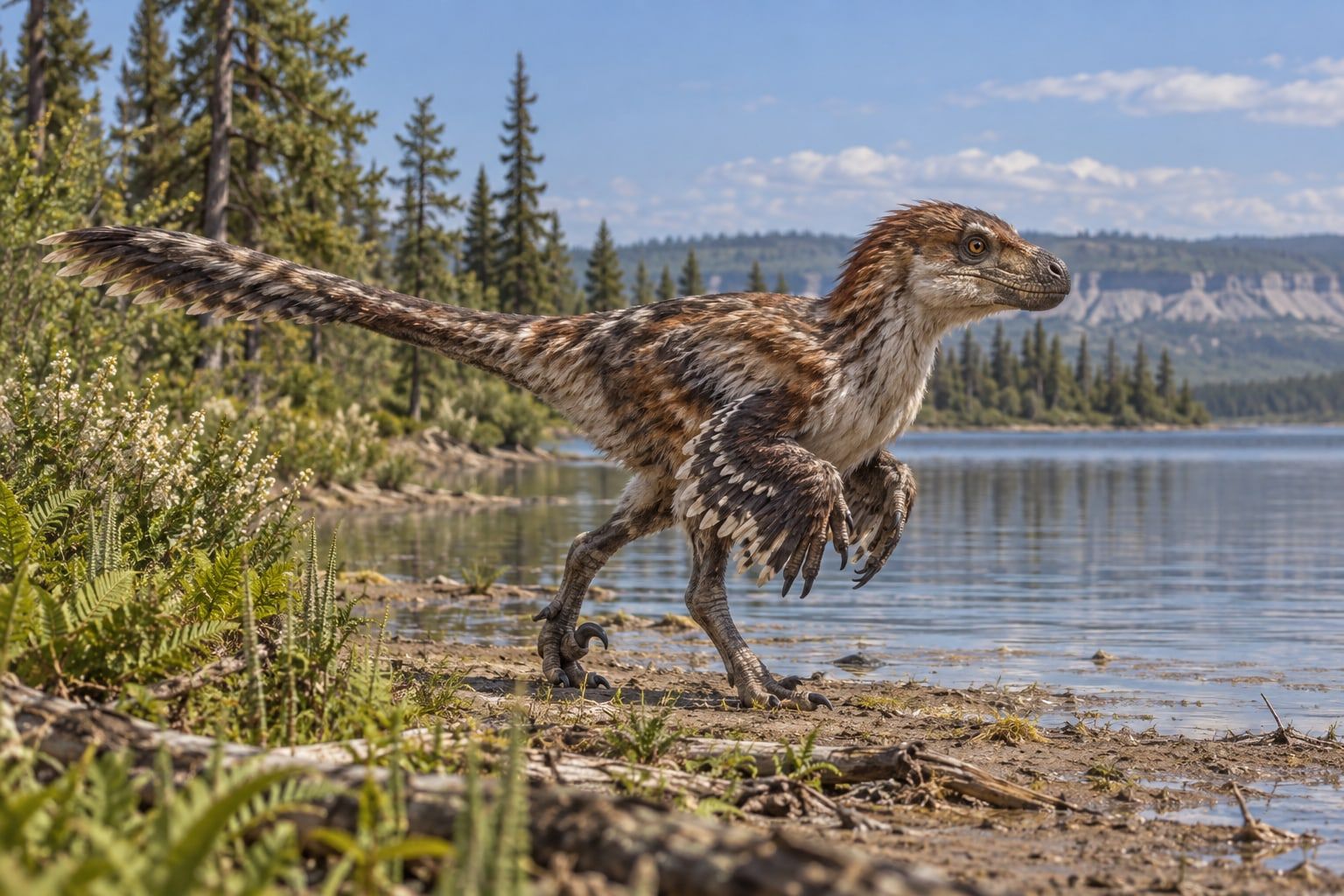
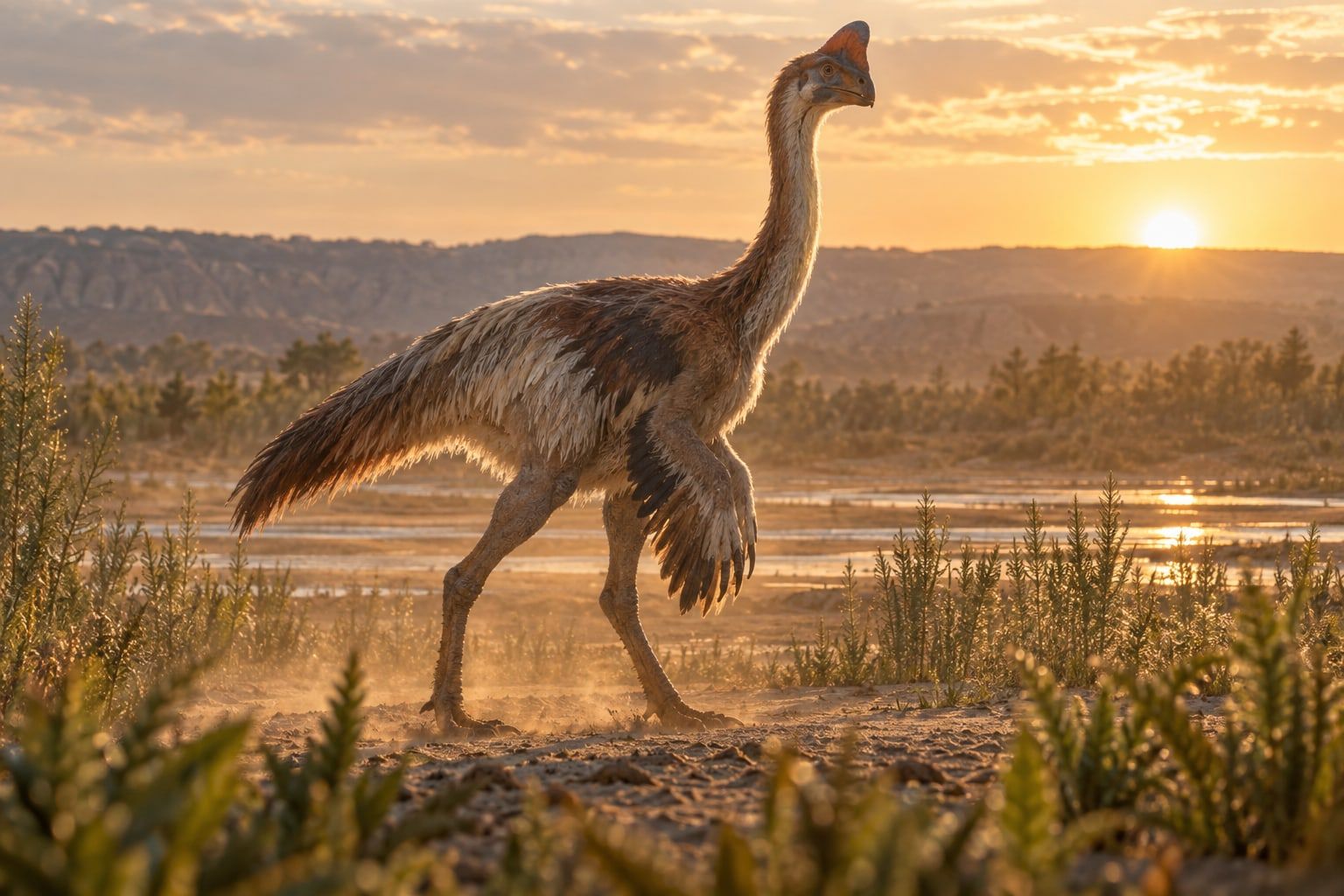
Apatoraptor was a caenagnathid, a feathered, toothless theropod related to Chirostenotes. Bumps on its forearm bone show where large feathers were attached, so it probably had wing-like arms used for display.
Its world
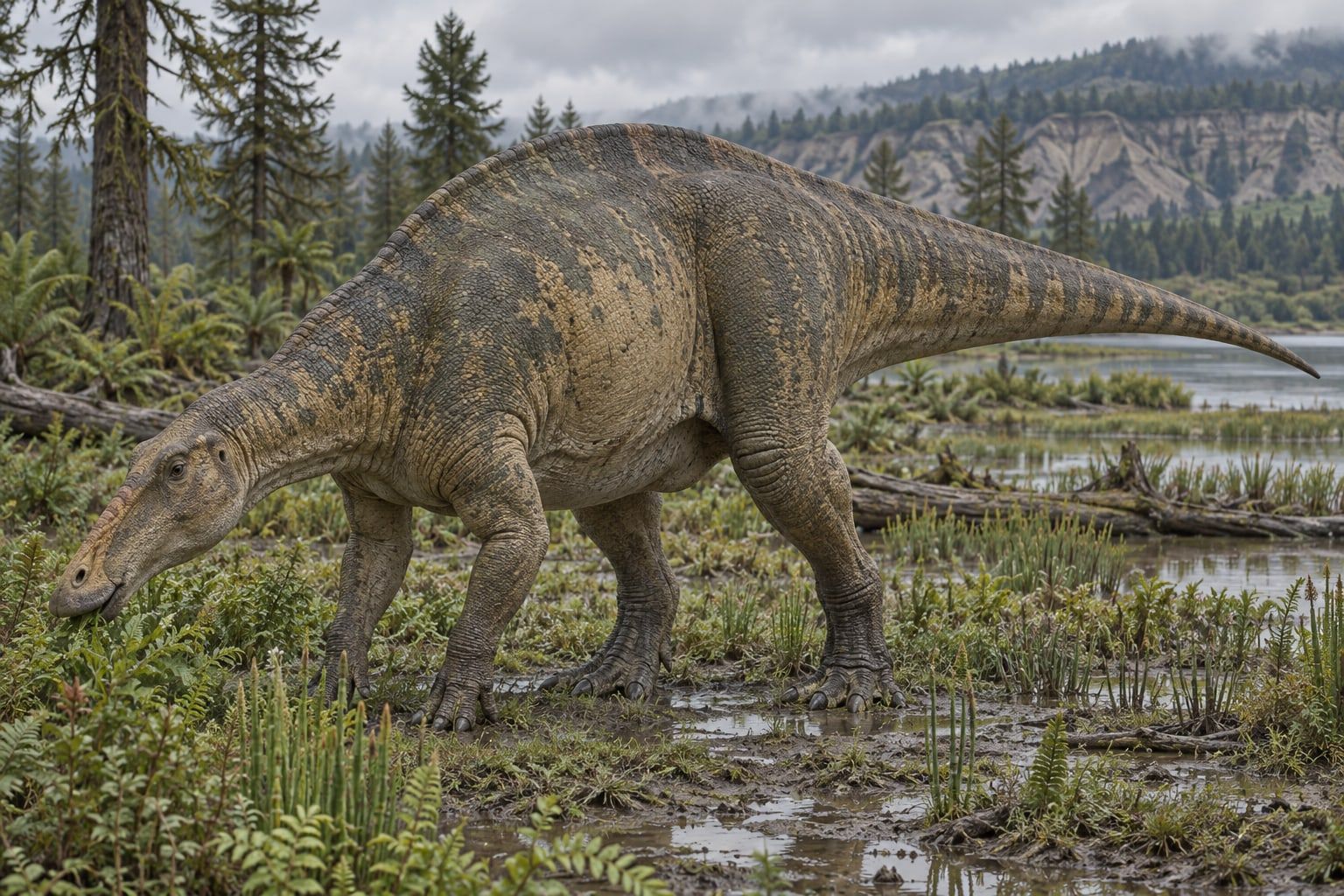
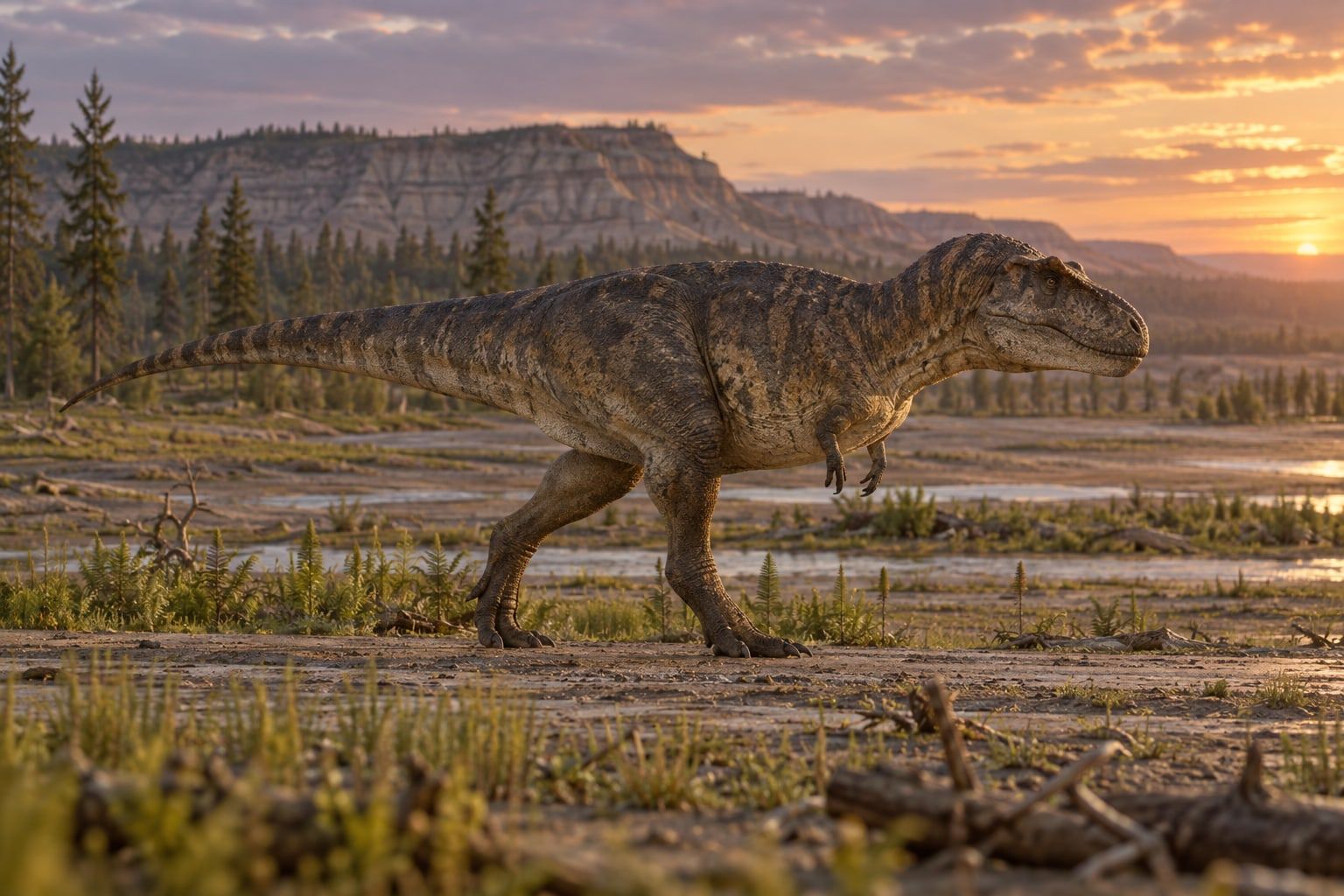
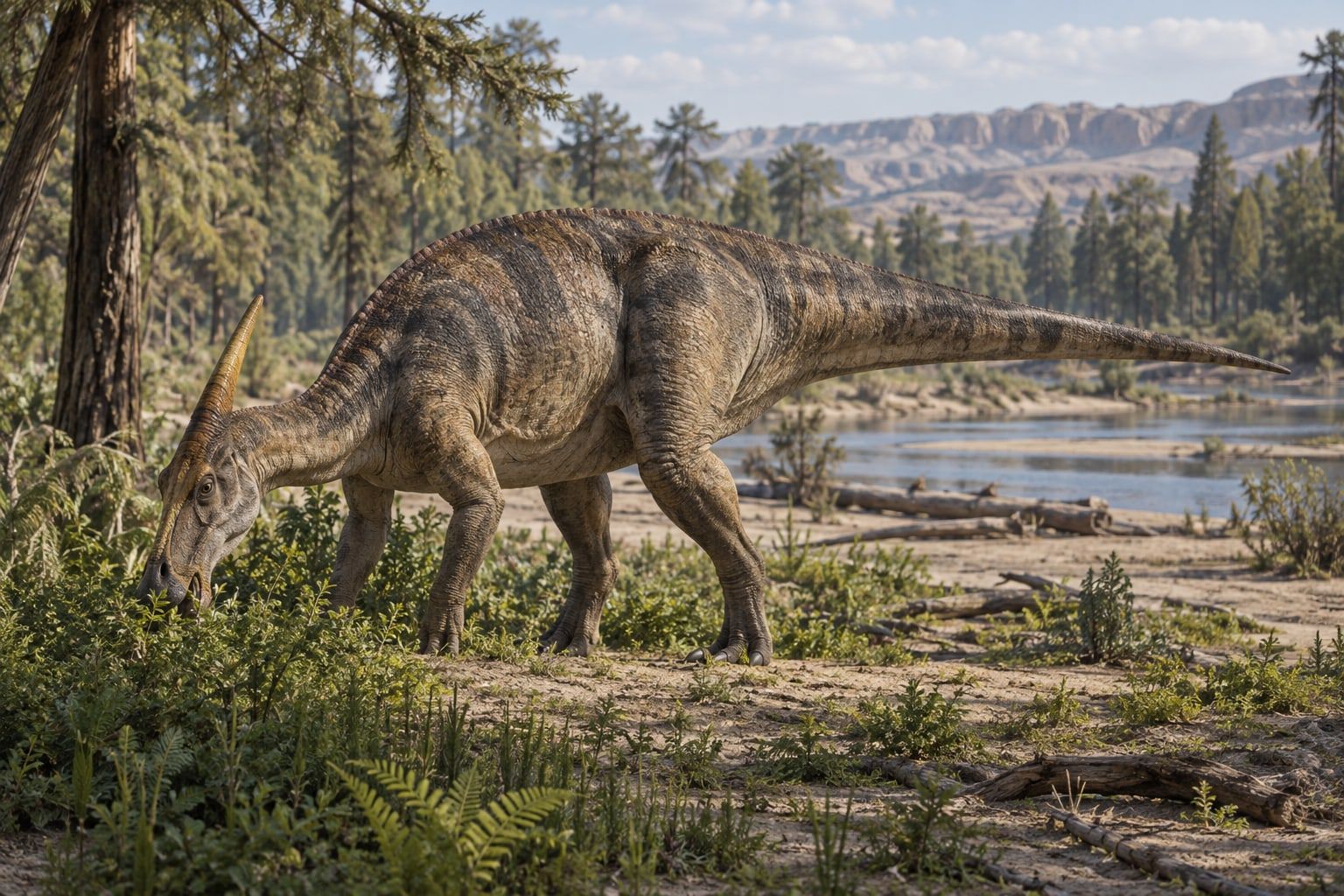
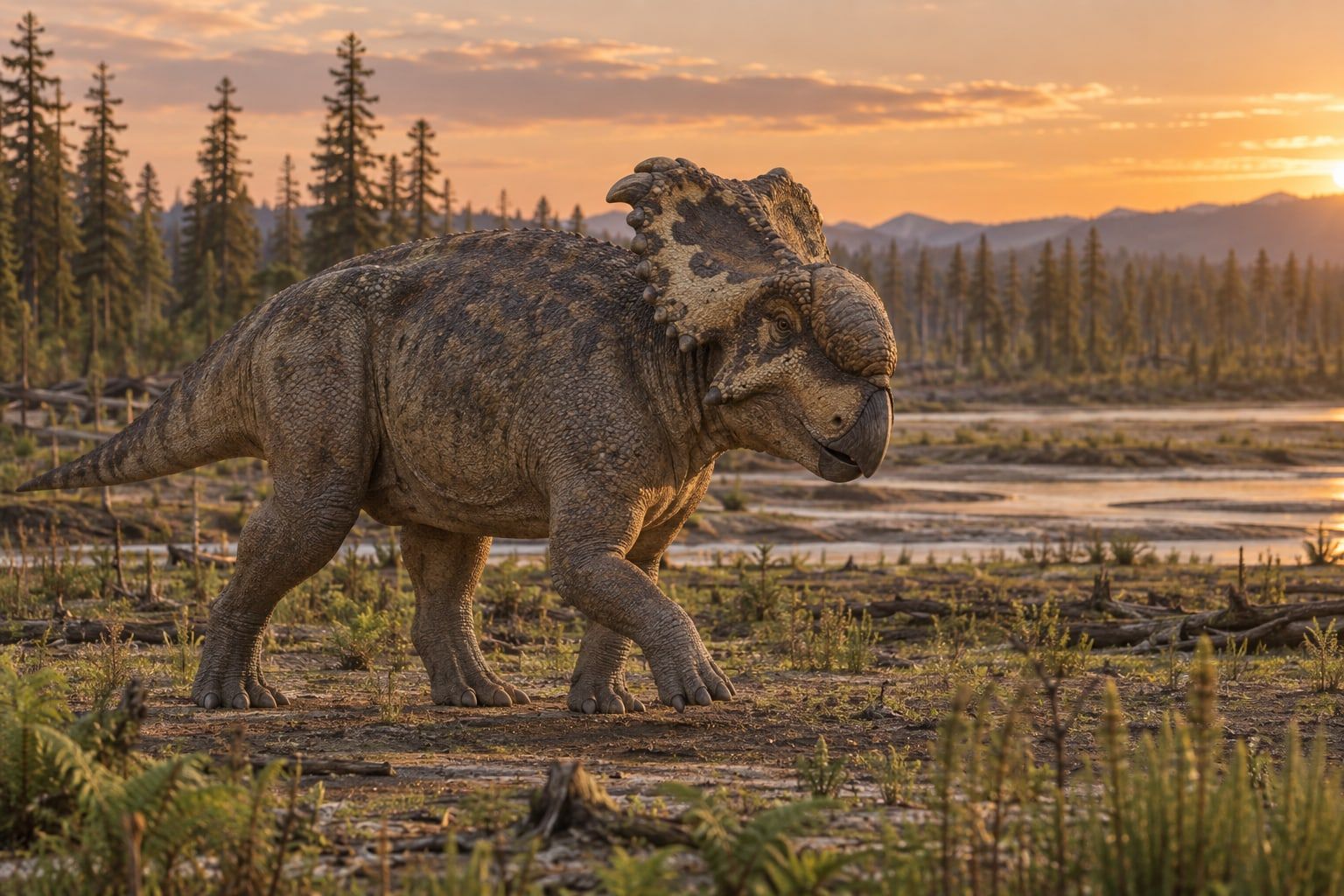
It lived in the Late Cretaceous, in what is now Alberta, Canada. It comes from the Horseshoe Canyon Formation, where it shared the land with the tyrannosaur Albertosaurus, the duckbills Edmontosaurus and Saurolophus, and the ostrich-like Ornithomimus.
How it was found
Funston and Currie named Apatoraptor in 2016, from a single partial skeleton. It was first thought to be an ornithomimid, which is why its name means deceptive.
Lived alongside
Found in the same rock formations
Close relatives
Other members of Caenagnathidae
Sources: WikidataNamed in: G. F. Funston and P. J. Currie. 2016. A new caenagnathid (Dinosauria: Oviraptorosauria) from the Horseshoe Canyon Formation of Alberta, Canada, and a reevaluation of the relationships of Caenagnathidae. Journal of Vertebrate Paleontology 36(4):e1160910:1-18