Outline: a typical theropod
Urbacodon
"URBAC tooth"
- Lived
- 101 to 72 million years ago, Late Cretaceous
- Diet
- Omnivore
- Length
- about 1 m (3 ft)
- Group
- Theropods, Troodontidae
- Found in
- China and Uzbekistan
- Named by
- Averianov and Sues 2007
Size comparison
To scale

Scale in metersOutline: typical theropod shape
Where its fossils were found
The evidence
Today

90 million years ago
Field notes
About Urbacodon
What it was like
Urbacodon was a small troodontid about 1 meter (3 feet) long, a feathered dinosaur related to Troodon. It is known only from lower jaws. Unlike most of its relatives, its teeth had no serrations.
Its world
It lived in the Late Cretaceous in what is now Uzbekistan and northern China. One species comes from the Dzharakuduk Formation in Uzbekistan and another from the Iren Dabasu Formation in China.
How it was found
Averianov and Sues named Urbacodon in 2007. The name comes from the initials of an expedition to the region.
Lived alongside
Found in the same rock formations
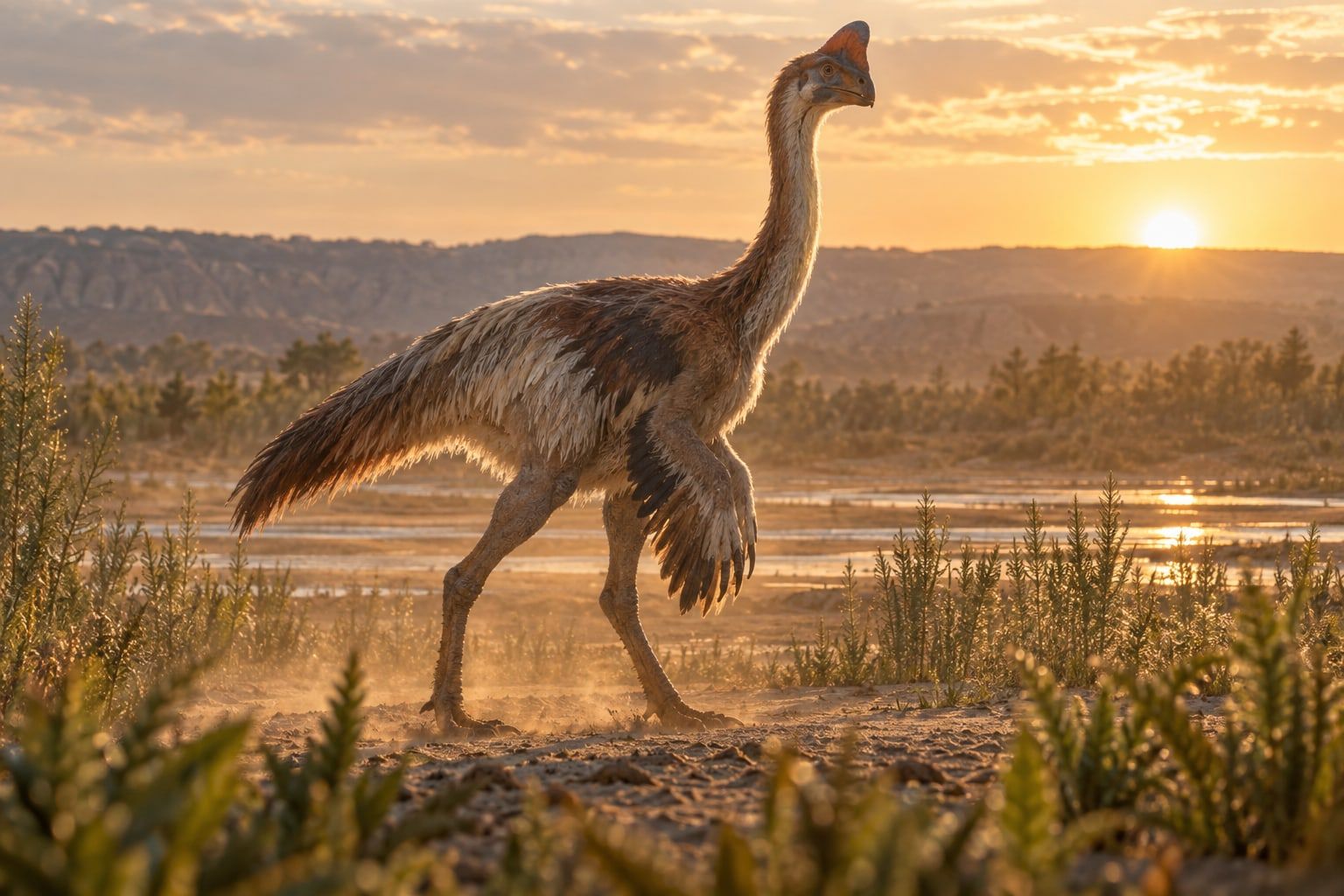
Close relatives
Other members of Troodontidae
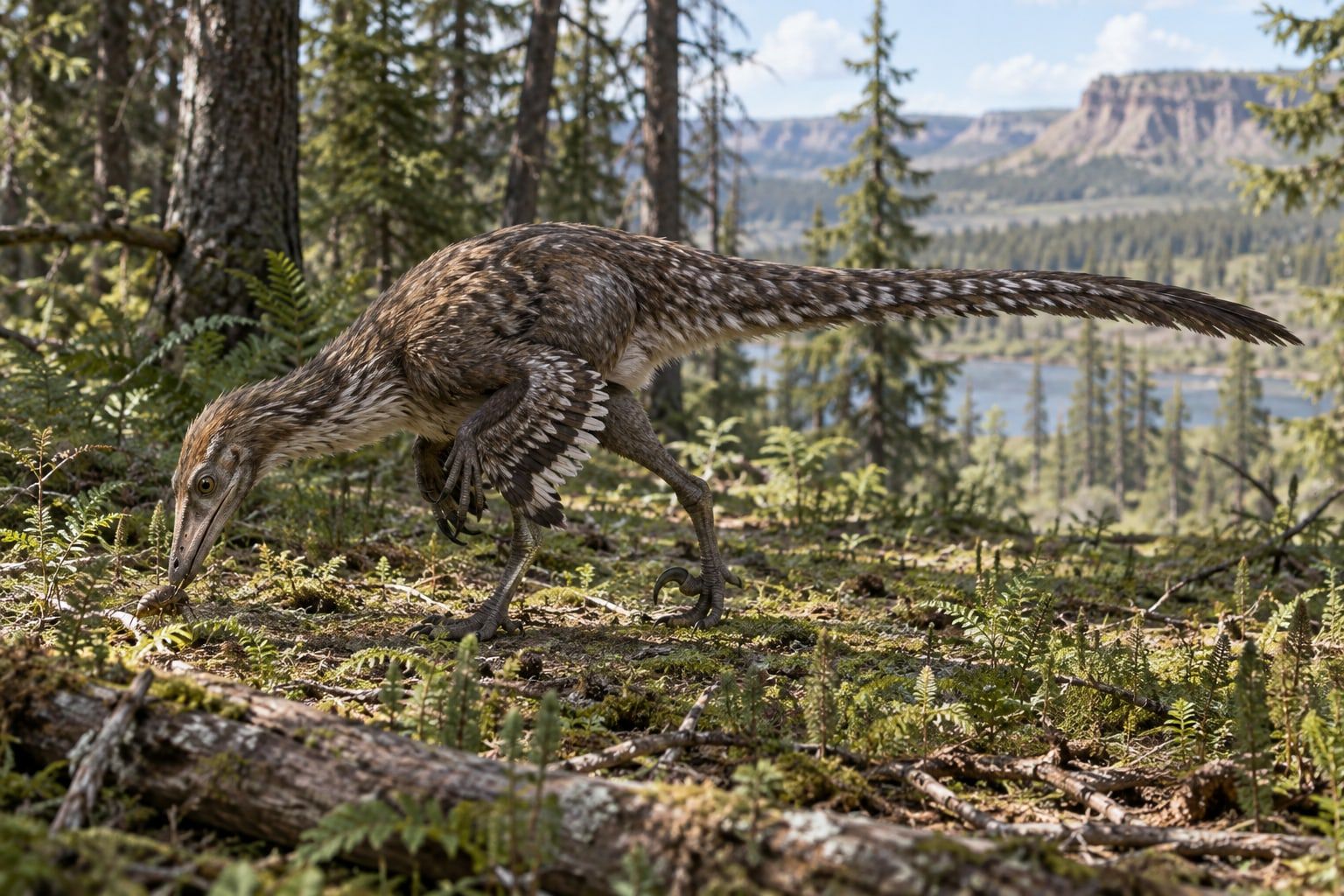
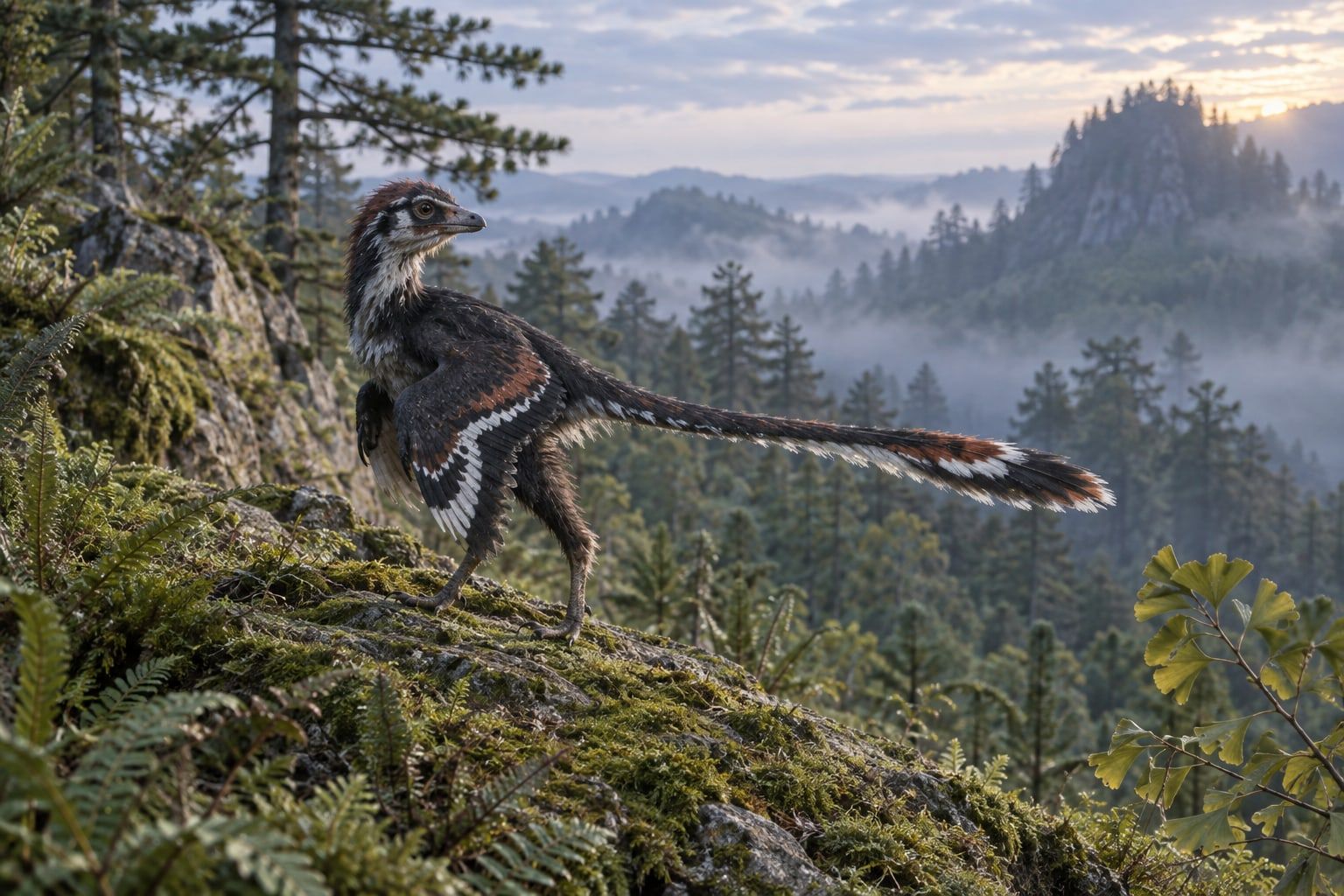
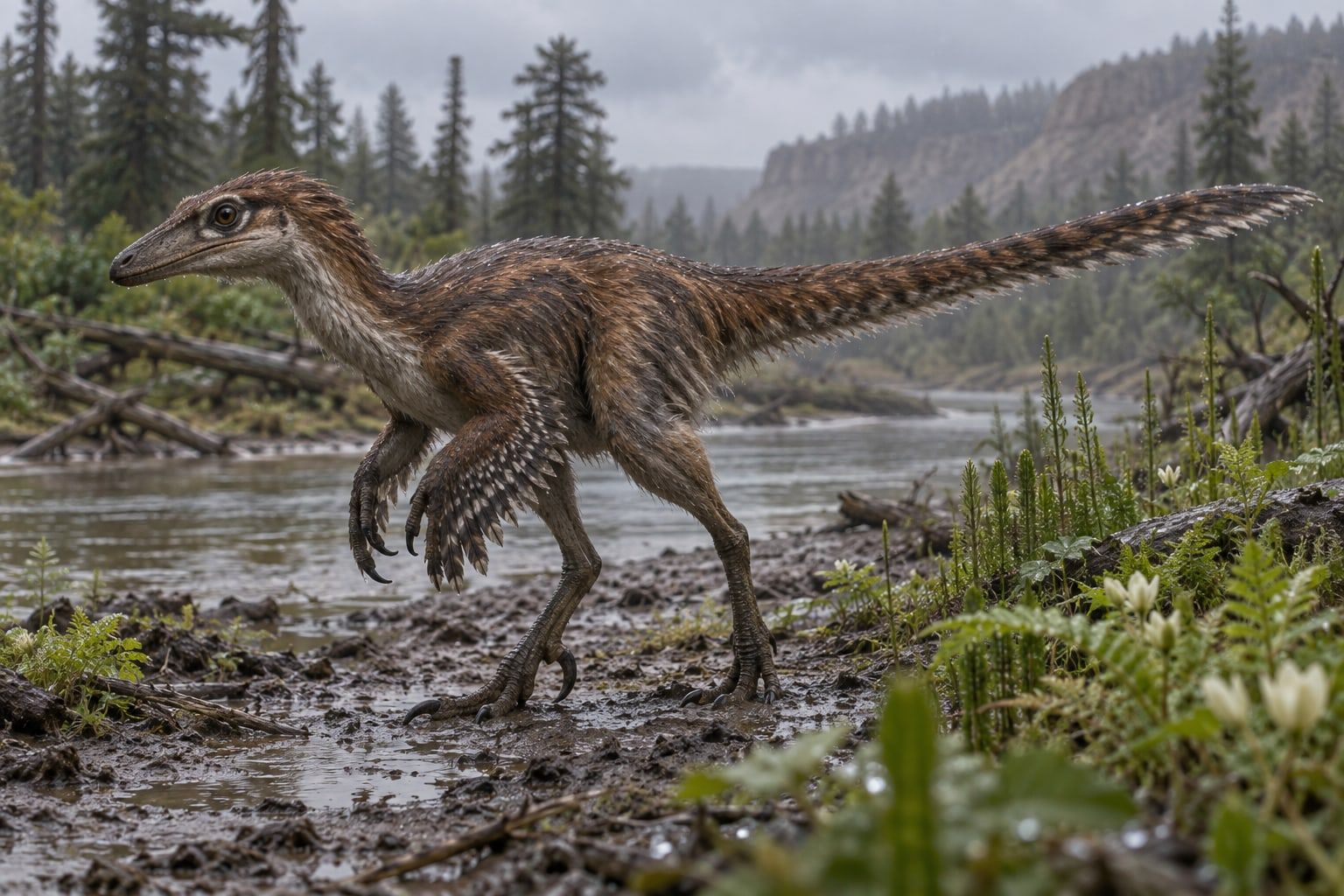
Sources: WikidataNamed in: A. O. Averianov and H.-D. Sues. 2007. A new troodontid (Dinosauria: Theropoda) from the Cenomanian of Uzbekistan, with a review of troodontid records from the territories of the former Soviet Union. Journal of Vertebrate Paleontology 27(1):87-98