Sonidosaurus
"Sonid lizard"
- Lived
- 84 to 72 million years ago, Late Cretaceous
- Diet
- Herbivore
- Length
- about 9 m (30 ft)
- Group
- Sauropods
- Found in
- China
- Named by
- Xu et al. 2006
Size comparison
To scale


Scale in metersOutline: typical sauropod shape
Where its fossils were found
The evidence
Today

80 million years ago
Habitat
A broad, vegetated floodplain lay beside a river that split into many channels, with temporary ponds between them. Neighbors included Gigantoraptor, Bactrosaurus and Neimongosaurus.
Field notes
About Sonidosaurus
What it was like
Sonidosaurus was a fairly small long-necked plant eater, about 9 meters (30 feet) long, known from part of the backbone, hips and ribs.
Its world
It lived in the Late Cretaceous in what is now northern China. Its bones come from the Iren Dabasu Formation, where it shared the land with the giant oviraptor Gigantoraptor, the plant eater Bactrosaurus and the therizinosaur Neimongosaurus.
How it was found
Xu and colleagues named Sonidosaurus in 2006, from a single find.
Field gallery
More views of Sonidosaurus
Scenes reconstructed from the available fossil evidence.
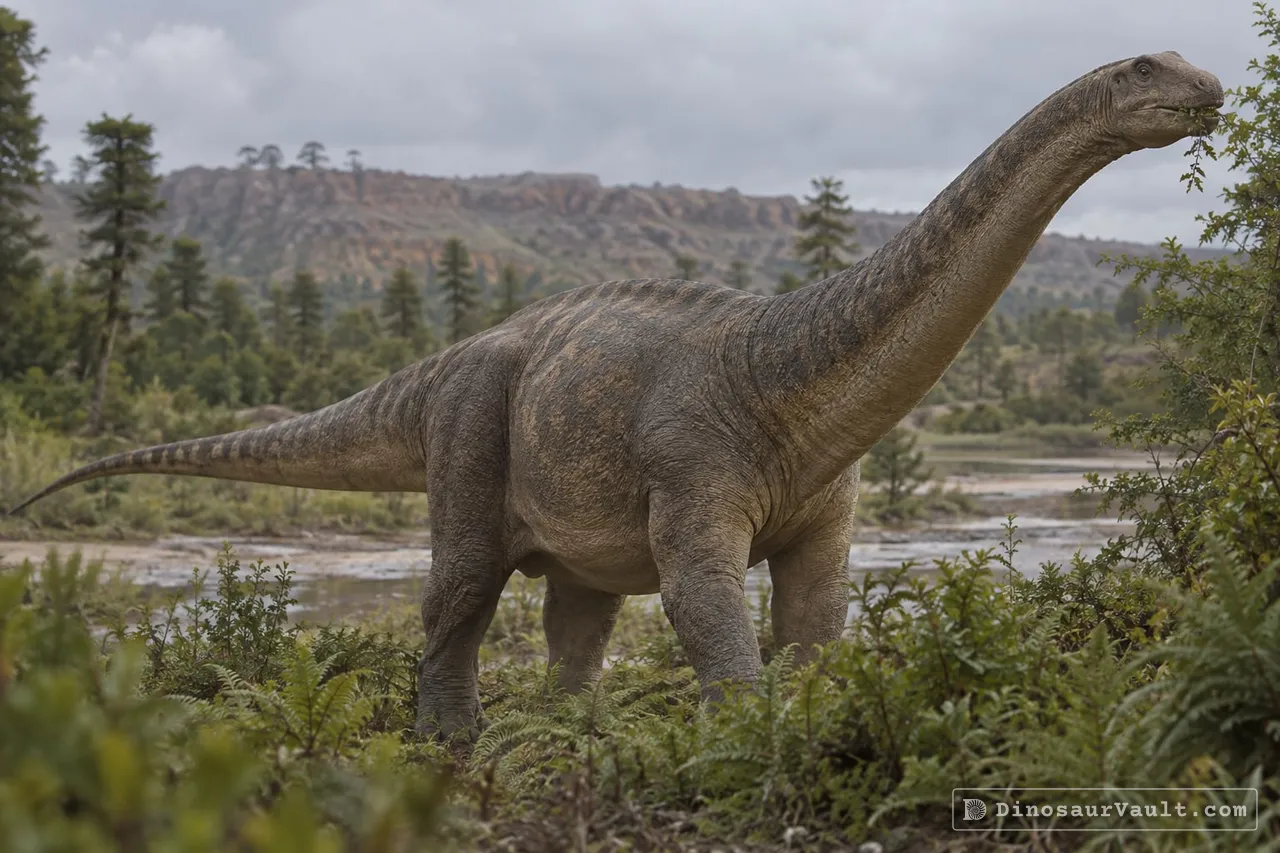
1 of 3
Lived alongside
Found in the same rock formations
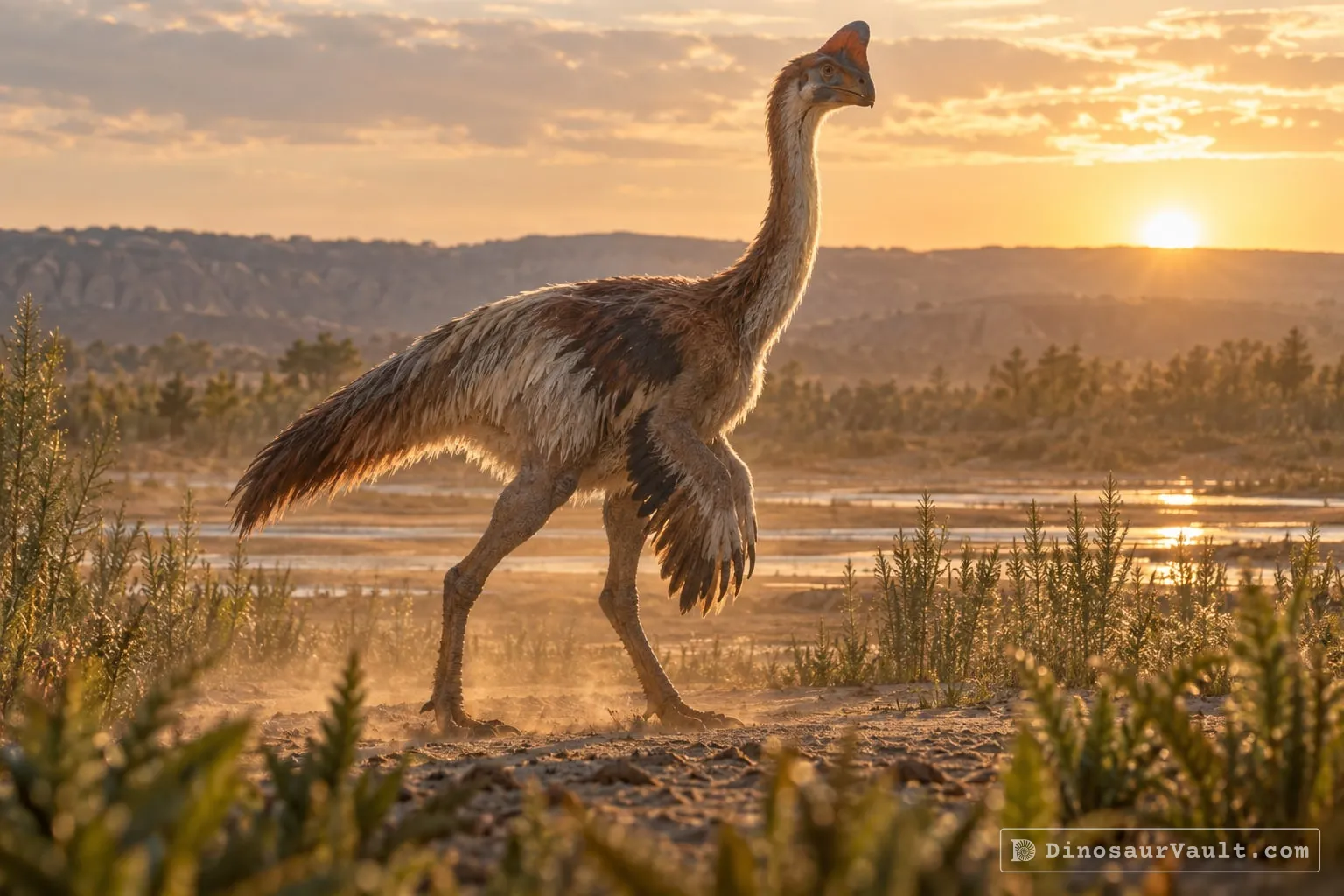
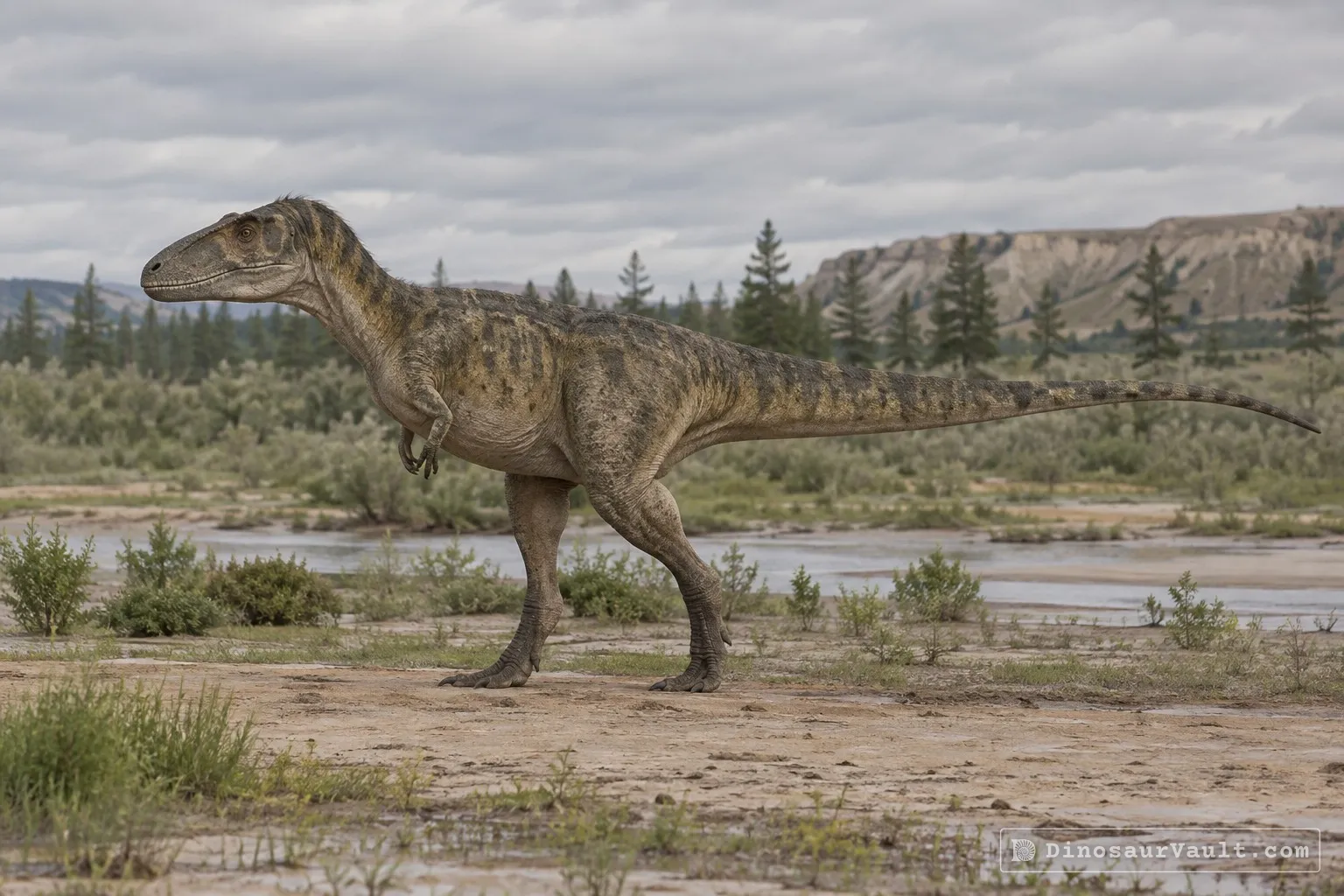
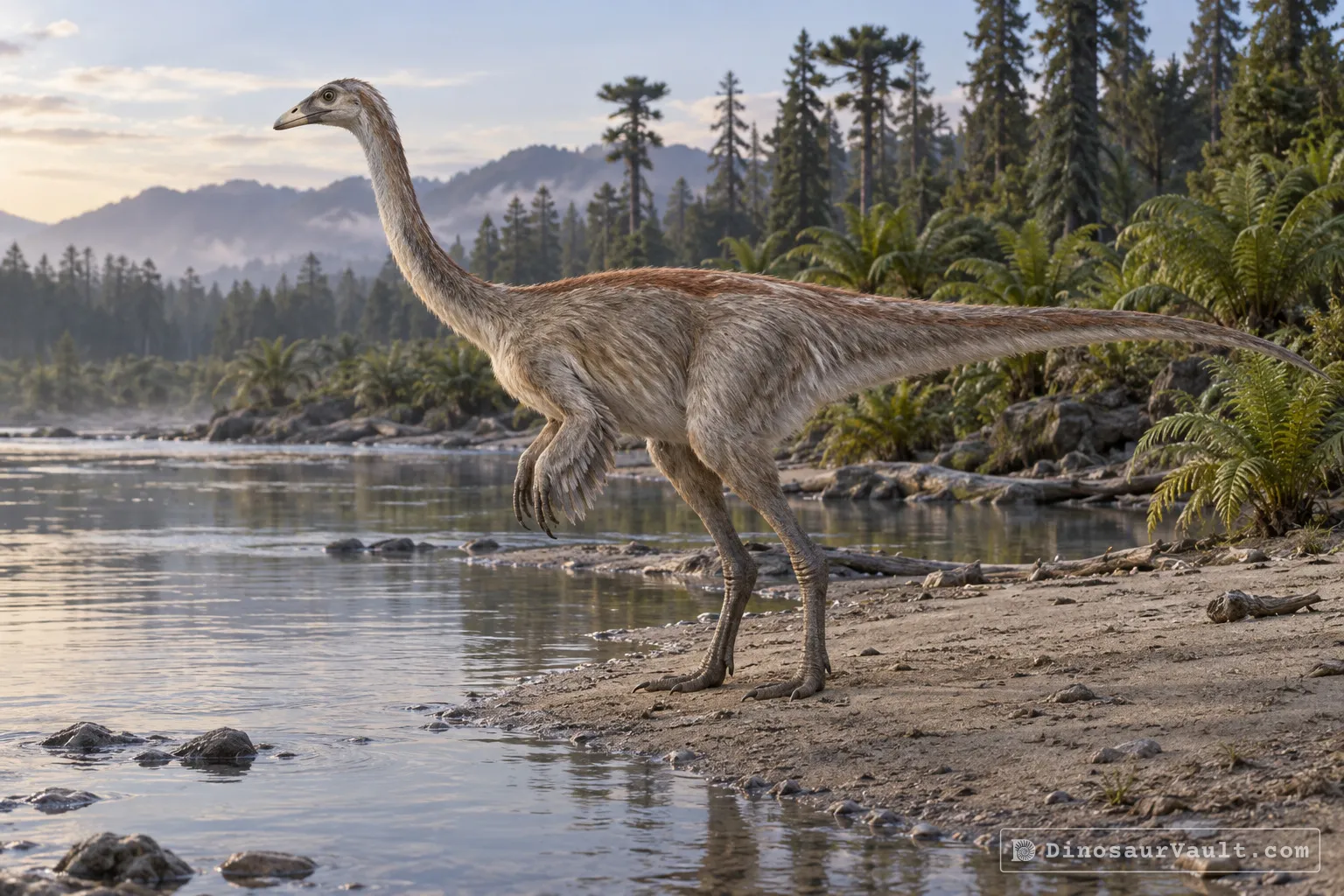
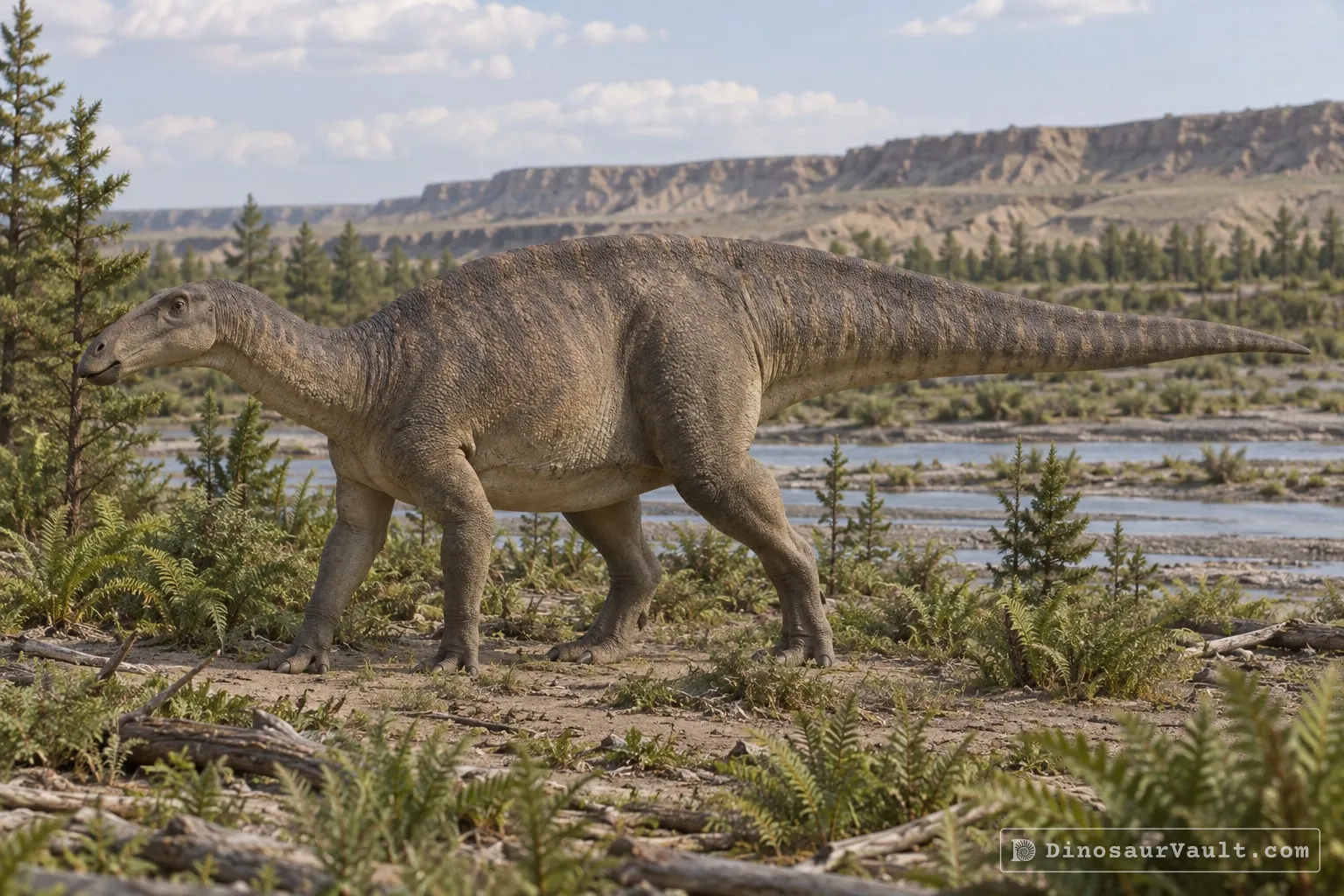
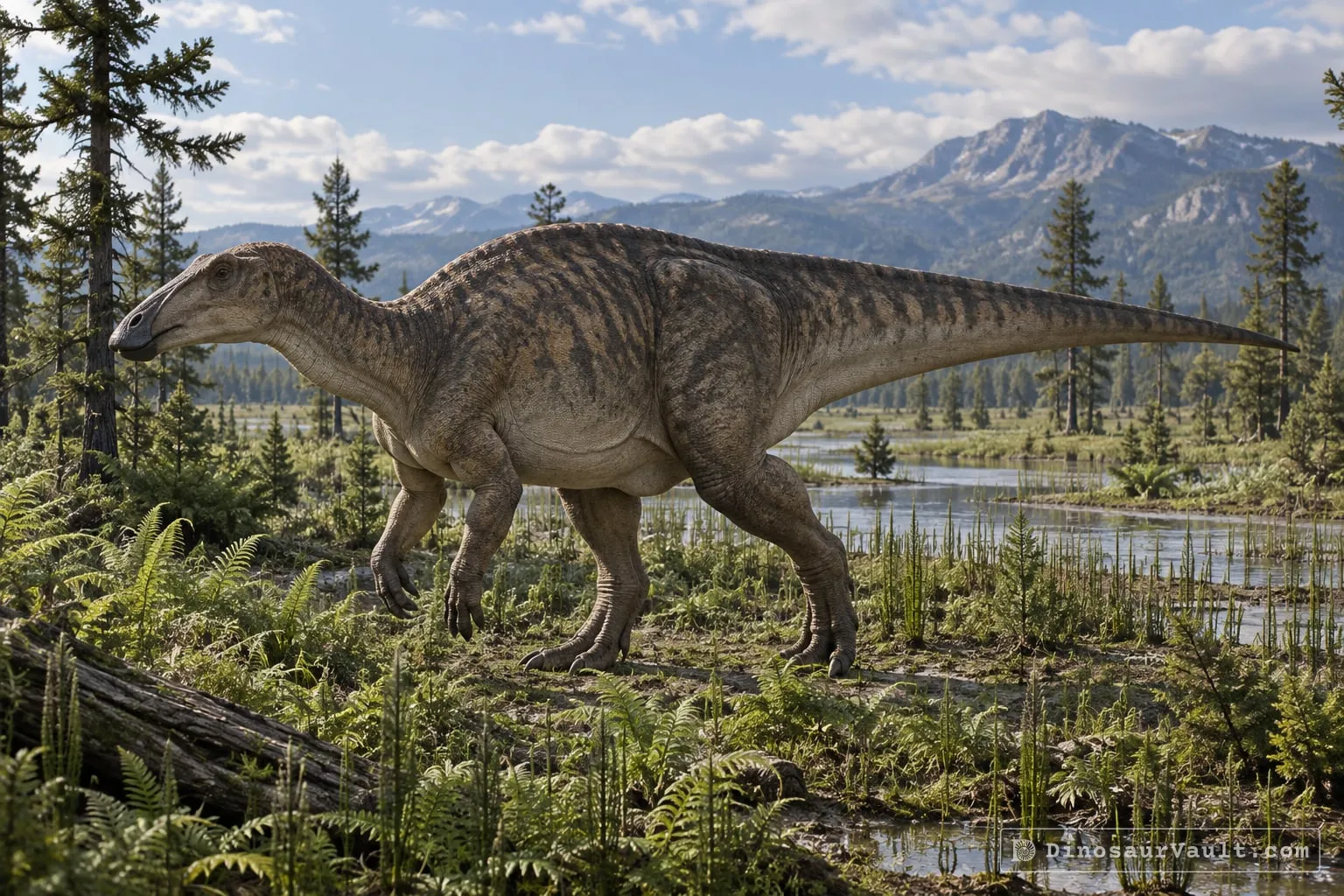
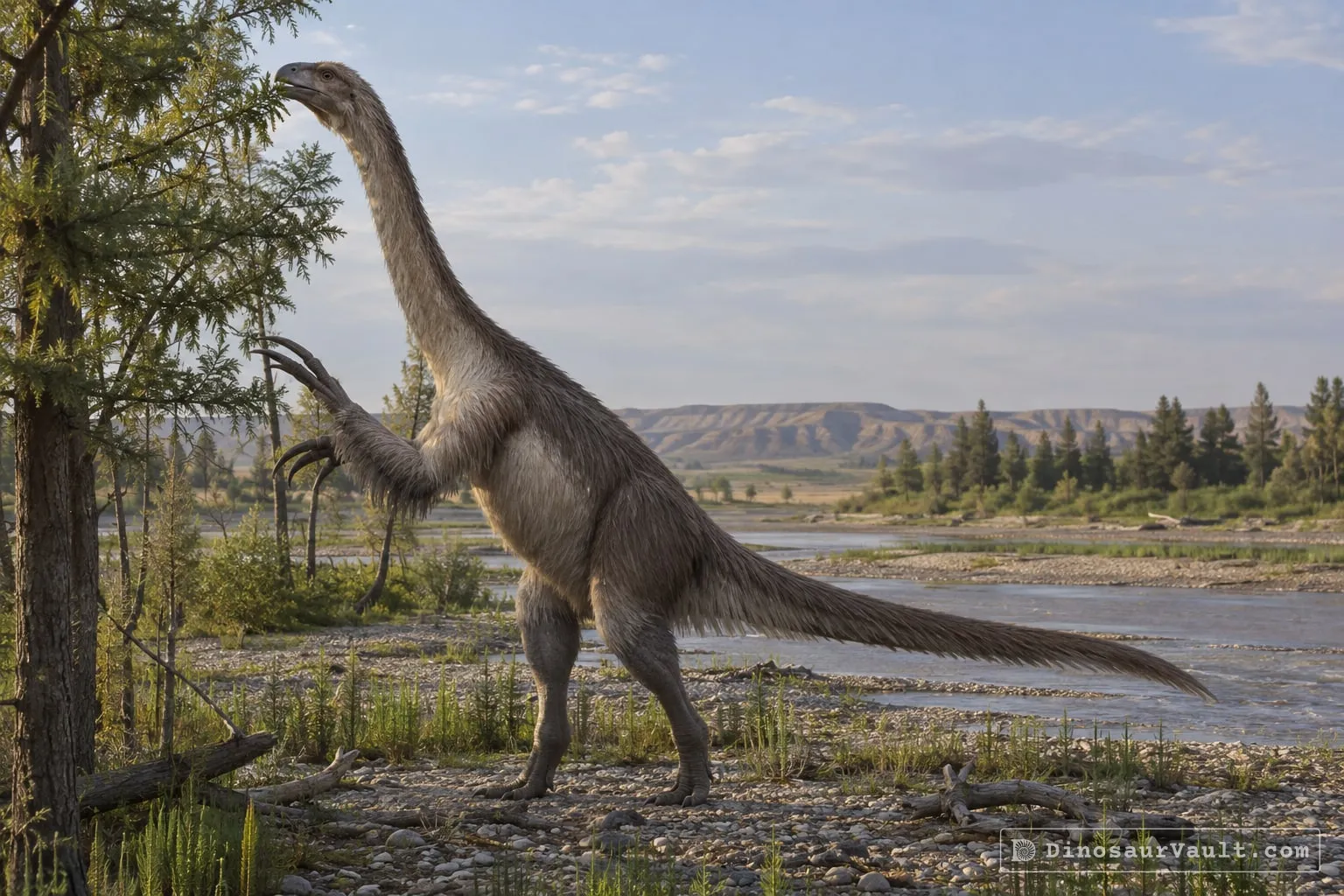
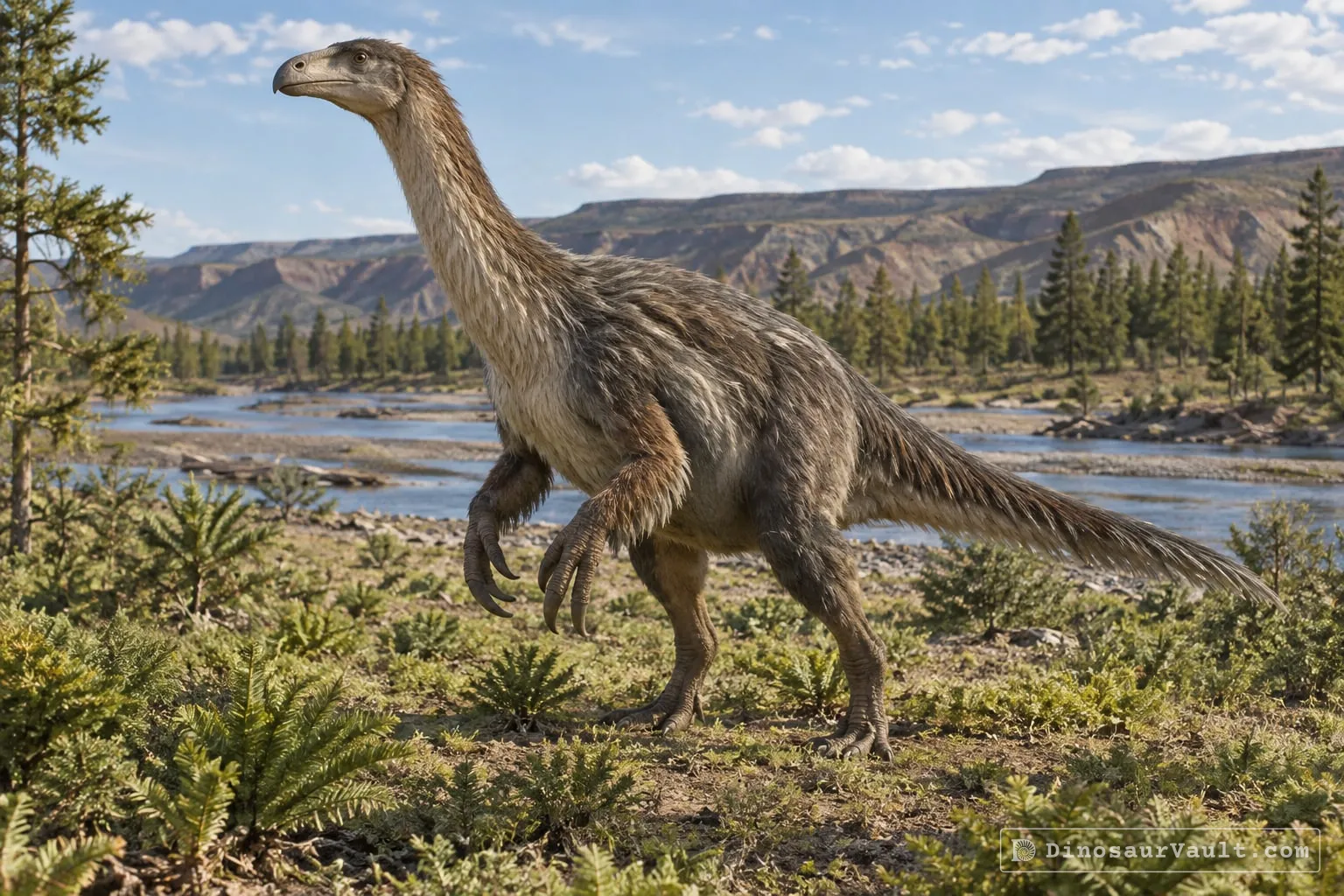
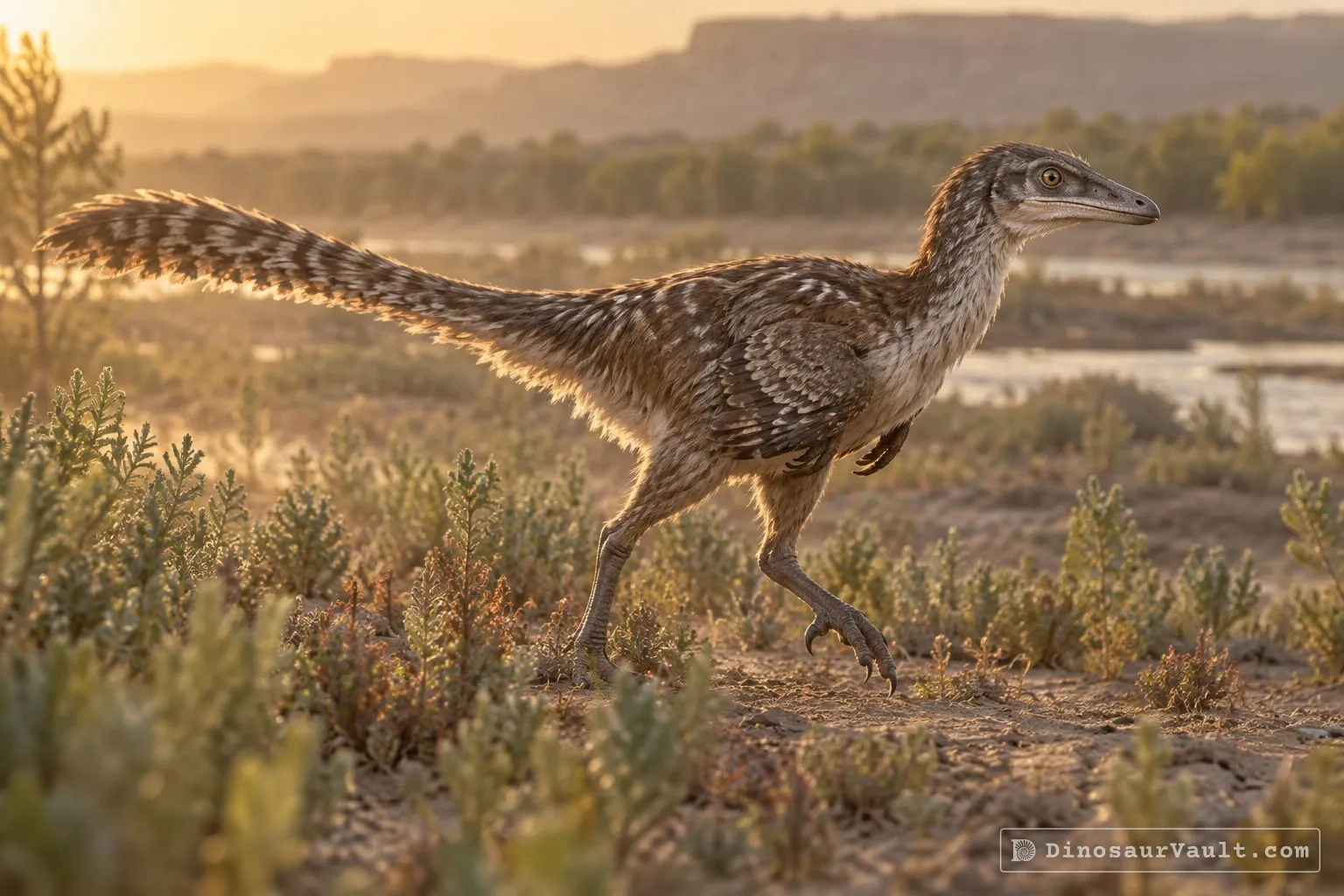


A rock formation can hold fossils laid down millions of years apart, so not every animal here met Sonidosaurus.
The evidence
The science behind Sonidosaurus
Which parts of the picture come from its own bones, and which come from its relatives.
From its own fossils
- The type material preserves several back vertebrae, one tail vertebra, ribs and hip bones, which the naming authors interpreted as one individual.
- The original description interpreted closed joints in the backbone as a sign of maturity.
- The back vertebrae have tall arches topped by low, broad spines.
Borrowed from relatives
- Tapuiasaurus offers comparisons for the missing head, and Mendozasaurus for the missing neck, limbs and tail.
Still unknown
- The shape of its skull and teeth, and the exact length and proportions of its neck.
- Its closest relatives among titanosaurs.
- Whether it was fully grown; the original authors judged it mature from closed joints, but a later paper calls its growth stage unknown.
Discovery timeline
- 2005Its worldVan Itterbeeck et al.
- 2006Named itXu et al.
- 2007Same rocksXu et al.
Key papers
The research behind what we know of Sonidosaurus
Its world
Reconstructed the formation's river channels, vegetated floodplain and temporary ponds from its sediments and small aquatic fossils.
Stratigraphy and palaeoenvironment of the dinosaur-bearing Upper Cretaceous Iren Dabasu Formation, Inner Mongolia, People's Republic of China. Cretaceous Research 26: 699-725
Read the paper : Stratigraphy and palaeoenvironment of the dinosaur-bearing Upper Cretaceous Iren Dabasu Formation, Inner Mongolia, People's Republic of China (opens in a new tab)Named it
Described a small sauropod, interpreted as mature from closed backbone joints, with back and hip features resembling those of Opisthocoelicaudia.
A new titanosaurian sauropod from Late Cretaceous of Nei Mongol, China. Acta Geologica Sinica 80: 20-26
No link available
Same rocks
Described Gigantoraptor, a giant birdlike dinosaur from the same formation as Sonidosaurus.
A gigantic bird-like dinosaur from the Late Cretaceous of China. Nature 447: 844-847
Read the paper : A gigantic bird-like dinosaur from the Late Cretaceous of China (opens in a new tab)
Close relatives
Other members of Somphospondyli


Sources: Wikidata